
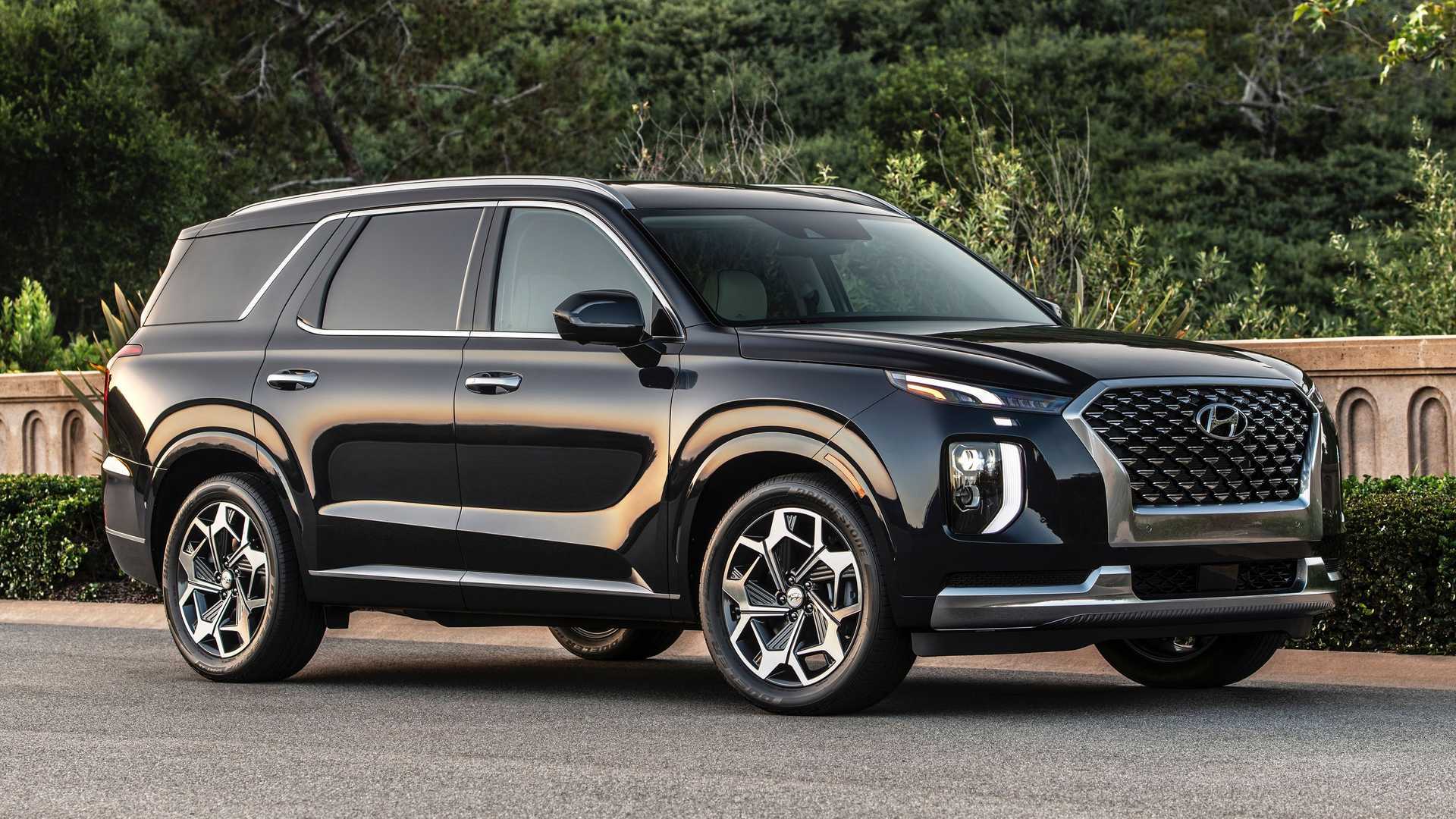
Front-seat crash safety has improved a lot in the last 25 years. Rear-seat safety has not kept pace in many vehicles. The Insurance Institute for Highway Safety changed that conversation in 2022. It added a rear-seat dummy to its moderate overlap front crash test.
This dummy represents a small woman or a 12-year-old child. It sits directly behind the driver during the test. The results were eye-opening for SUV buyers everywhere. In vehicles built from model year 2007 onward, the risk of a fatal injury is 46 percent higher for belted occupants in the rear seat than in the front.
That gap exists even though rear passengers are often kids or elderly family members. They are the people who need protection the most. This isn’t because the rear seat has become less safe, but because restraint technologies have only improved in the front seat. Engineers spent decades perfecting front airbags, pretensioners, and belt geometry.
The back seat was largely an afterthought during that same period. This new testing finally exposed how wide that gap had become. Below are eight SUVs that scored “Poor” in this rear-seat evaluation. Each one struggled with seat belt positioning, head protection, or chest injury risk.
We have included full specifications for each model. This way, you can compare power, size, and safety side by side. Some of these SUVs have since been redesigned or updated. We note the specific model years tested wherever it matters most. Read each entry carefully before making a purchase decision. Small details in belt design can make a big difference in a real crash.
1. Jeep Wrangler (4-Door)
The Wrangler is loved for its off-road toughness and rugged image. Rear-seat crash protection is a completely different story. In the poorly rated vehicles, measurements taken from the rear dummy indicated a significant risk of head or neck injuries in the Wrangler. That alone would concern any family cross-shopping this SUV.
The Wrangler lacks a side curtain airbag in the rear. This removes a key layer of head protection during a side or angled impact. The lap belt also moved from the ideal position on the pelvis onto the abdomen during the test. This raises the risk of internal injuries during a real-world frontal crash.
The Wrangler’s boxy shape and removable doors add to the challenge. Its body structure was never designed around modern rear occupant protection standards.
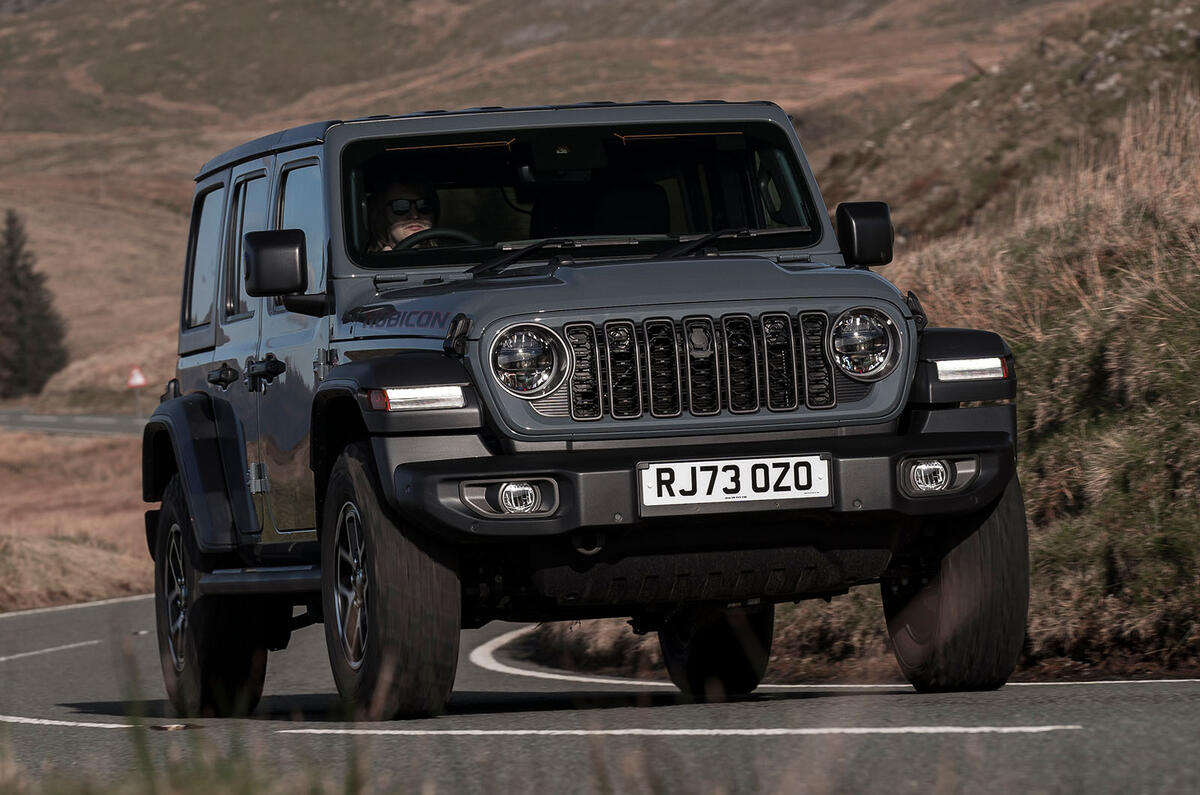
The vehicle’s body-on-frame construction prioritizes trail durability over crash absorption. That trade-off shows clearly once engineers look past the front seats.
Specifications:
- Engine: 3.6L Pentastar V6 (standard); 2.0L turbo-four and 6.4L V8 also offered
- Horsepower: 285 hp (V6); up to 470 hp (Rubicon 392)
- Length: 188.4 inches (4-door)
- Width: 73.8 inches
- Height: 73.6 inches
The Wrangler remains a capability champion on the trail. That capability comes at a real cost for rear passengers riding along. Buyers who frequently carry kids or grandparents should weigh this trade-off carefully. A removable roof and doors simply cannot match a steel unibody for crash protection.
Resale value and brand loyalty keep this SUV selling strongly every year. Safety-minded families, however, may want to look at alternatives for daily use.
Jeep has not significantly altered the Wrangler’s rear safety architecture in recent years. Until that changes, this poor rating is likely to persist across future model years.
If you already own one, consider it primarily as a weekend or trail vehicle. A more modern crossover may be a better daily option for hauling passengers.
2. Jeep Grand Cherokee
The Grand Cherokee is one of America’s best-selling midsize SUVs. Its rear-seat crash performance has been a consistent weak point in testing. In the poor-rated vehicles, measurements taken from the rear dummy indicated a high risk of head or neck injuries to the rear passenger in the Grand Cherokee. This finding applied across the trims that engineers examined.
Seat belt tension was high in the Grand Cherokee, increasing the risk of chest injuries. A tightly cinched belt can do more harm than good during a violent stop.
This is surprising given the Grand Cherokee’s reputation for refinement and quality. Front-seat scores remain excellent, which highlights the gap between the two rows.
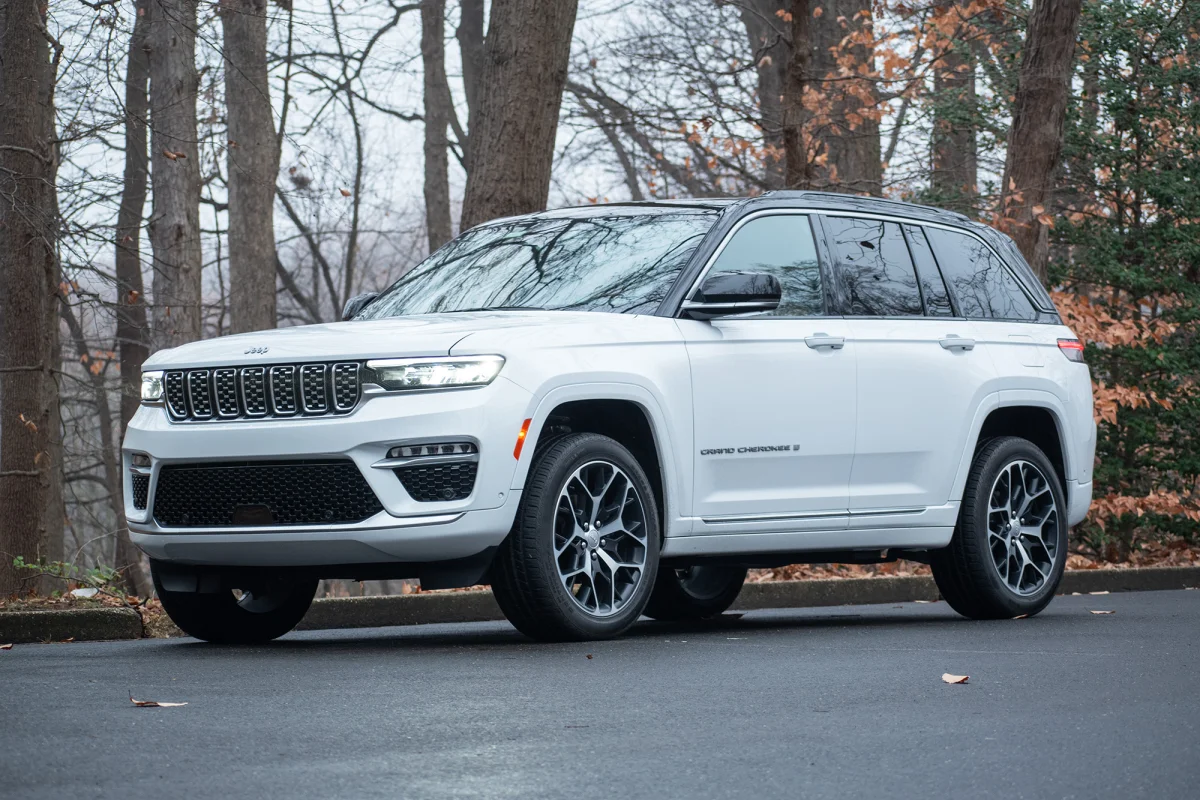
The interior feels premium, with soft-touch materials and a smooth ride quality. None of that translates into better physical protection for back-seat riders.
Specifications:
- Engine: 3.6L Pentastar V6 (standard); 5.7L HEMI V8 optional; 4xe plug-in hybrid available
- Horsepower: 293 hp (V6); 357 hp (V8); 376 hp combined (4xe)
- Length: 193.5 inches (two-row model)
- Width: 76.5 inches
- Height: 68.9 inches
The Grand Cherokee offers a smooth ride and a genuinely upscale cabin feel. None of that compensates for the raised injury risk in the back seat. Families cross-shopping this SUV against rivals should look closely at the rear belt geometry.
Small tweaks to belt anchoring have helped other automakers fix similar problems already. Jeep has made incremental safety updates across its lineup in recent years. A more thorough rear-seat redesign would help this SUV catch up to its competitors.
The plug-in hybrid 4xe variant shares the same body structure as the gas models. That means the rear-seat weakness applies regardless of which powertrain you choose.
Shoppers who prioritize three-row flexibility should also check the Grand Cherokee L separately. Its longer body and different seating layout were not part of this specific test.
3. Hyundai Palisade
The Palisade is a popular three-row family SUV with strong sales numbers. Its rear-seat crash test results have lagged behind its front-seat scores. In the poor-rated vehicles, measurements taken from the rear dummy indicated a high risk of head or neck injuries to the rear passenger in the Palisade. That is a tough finding for a vehicle marketed heavily toward families with children.
Seat belt tension was high in the Palisade, increasing the risk of chest injuries. This pattern repeated across several large Hyundai-Kia group SUVs tested around the same time.
This issue has not fully gone away, even with newer testing standards. The Hyundai Palisade still rates Poor in the updated moderate-overlap test even after the 2025 rear-seat change.
That persistence is notable given how many competitors improved their scores. Hyundai has had years to address the underlying belt and restraint design.
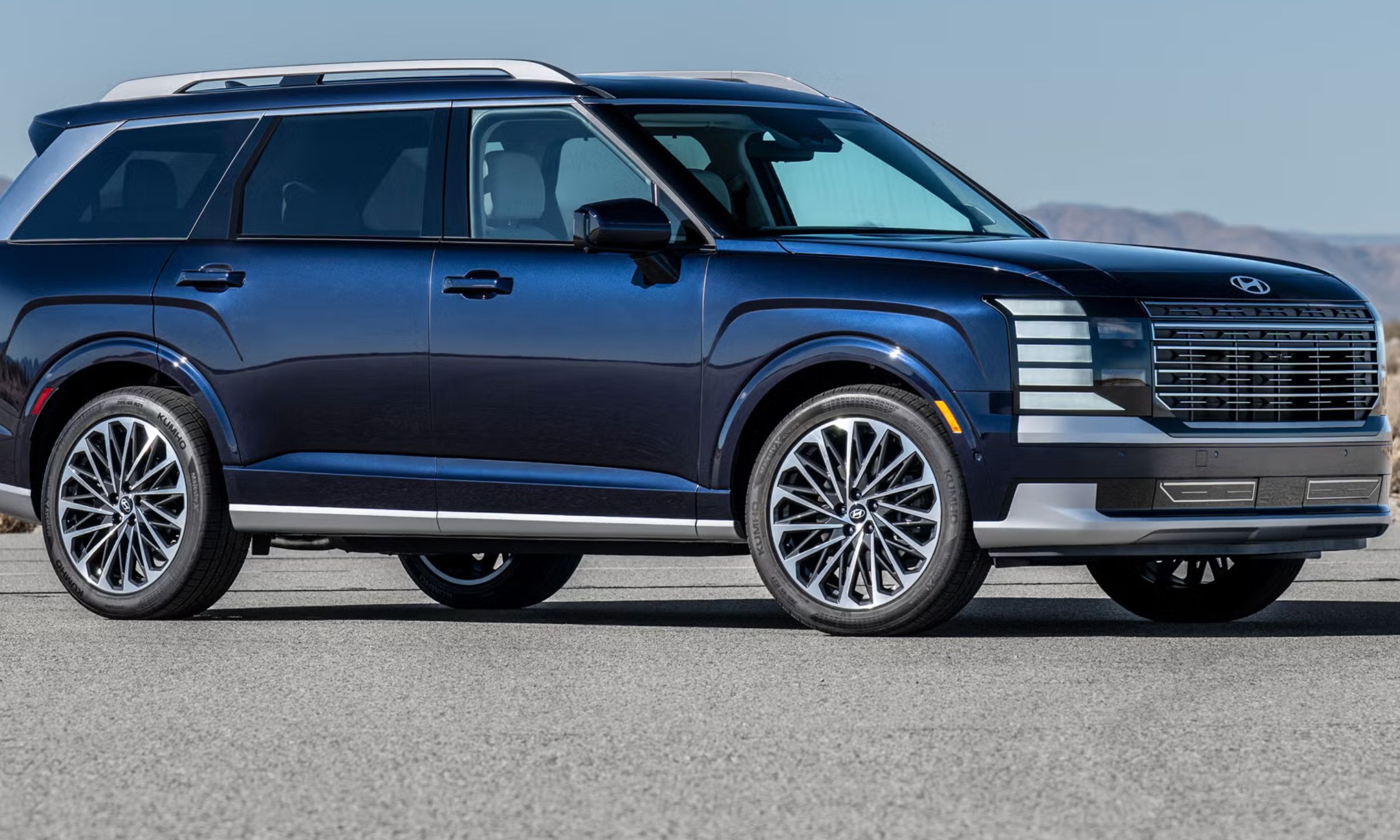
The 2023 refresh brought new styling, more tech, and a nicer interior. The core safety architecture behind the rear seats was largely carried over.
Specifications:
- Engine: 3.8L V6
- Horsepower: 291 hp
- Torque: 262 lb-ft
- Length: 196.7 inches
- Width: 78.1 inches
- Seating Capacity: 7 or 8 passengers
The Palisade has plenty going for it elsewhere in the lineup. Interior quality, warranty coverage, and value are all strong selling points. But for buyers prioritizing rear-seat safety, this is a real red flag. Two consecutive rounds of IIHS testing have flagged the exact same weakness.
Families who often carry children in the second or third row should take note. The risk identified here applies specifically to rear-positioned occupants in a frontal crash.
Hyundai’s 10-year powertrain warranty remains a strong incentive for many buyers. That long-term value does not offset the rear-seat injury risk highlighted in testing.
4. Mazda CX-9
The CX-9 was Mazda’s flagship three-row SUV before the CX-90 replaced it. Its rear-seat crash rating was one of its biggest weaknesses throughout production.
In the poorly rated vehicles, measurements taken from the rear dummy indicated a high risk of head or neck injuries to the rear passenger in the CX-9. This was a surprise given Mazda’s generally strong safety reputation elsewhere in its lineup.
Seat belt tension was high in the CX-9, increasing the risk of chest injuries. The pattern mirrored issues seen in other three-row SUVs of similar size and weight.
Mazda has since shifted focus to the larger CX-90 platform entirely. That successor uses different underpinnings and has not faced identical scrutiny yet.
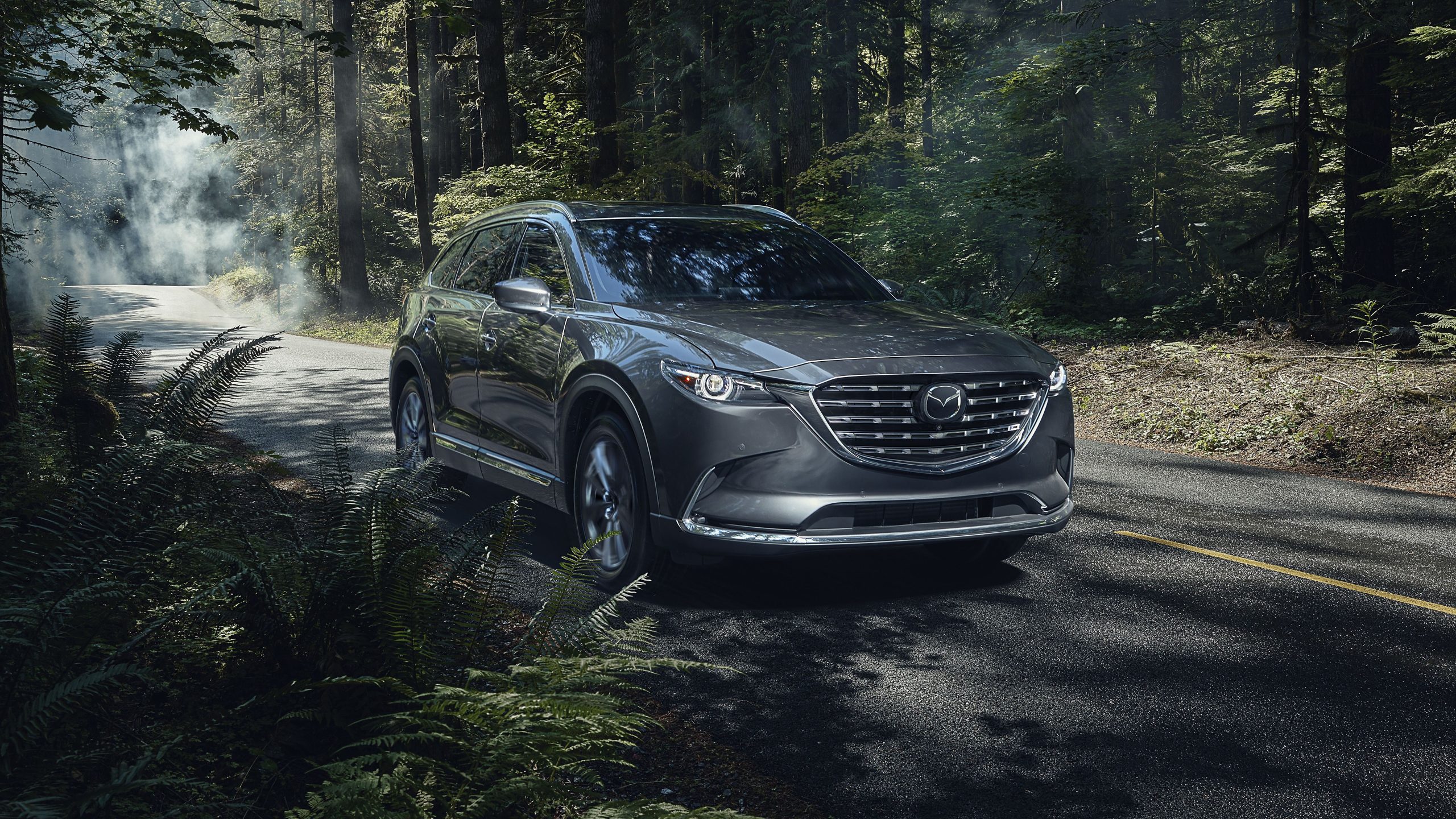
The CX-9’s turbocharged four-cylinder engine was praised for strong low-end torque. Performance enthusiasts often overlook the rear-seat trade-offs in favor of driving feel.
Specifications:
- Engine: 2.5L turbocharged inline-4
- Horsepower: 227 hp (regular fuel) or 250 hp (premium fuel)
- Torque: 310 lb-ft (premium fuel)
- Length: 199.4 inches
- Width: 77.5 inches
The CX-9 earned praise for its driving dynamics and genuinely upscale cabin. Safety advocates, however, kept pointing back to its rear-seat shortcomings year after year.
Used CX-9 shoppers should be aware that this rating applies to the final generation. It was sold largely unchanged from 2016 through the 2023 model year.
If rear-seat protection is a priority, this generation deserves extra caution from buyers. Newer three-row Mazda models have a chance to do better going forward.
The CX-9’s discontinuation means parts and resale values may shift over time. Buyers considering a used model should factor safety scores into their final decision.
Also Read: 8 SUVs That Depreciate The Fastest In Three Years
5. Honda Pilot
The Pilot has long been a trusted three-row family SUV for American buyers. Its pre-2023 generation struggled badly in the updated rear-seat test.
In the poorly rated vehicles, measurements taken from the rear dummy indicated a high risk of head or neck injuries to the rear passenger in the Pilot. This contradicted Honda’s generally strong reputation for safety across its lineup.
Seat belt tension was high in the Pilot, increasing the risk of chest injuries. The excess tension during impact can transfer harmful force directly to the chest.
Honda redesigned the Pilot for the 2023 model year with a new platform. That newer generation has not produced identical results in every test cycle since.
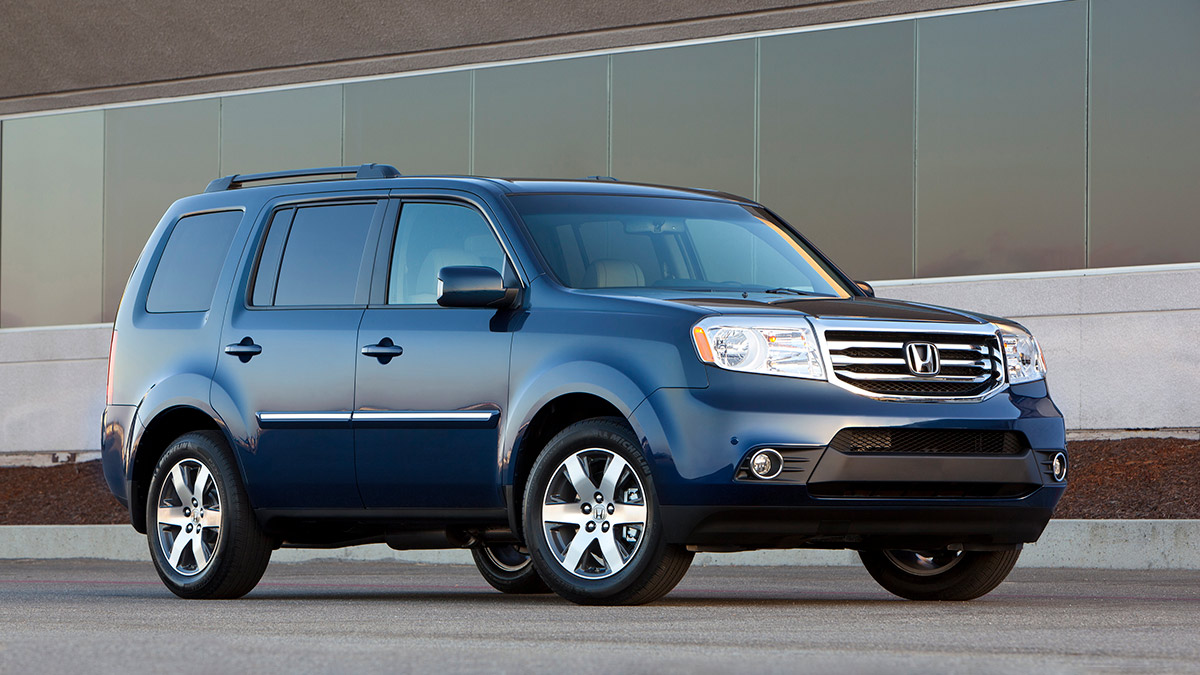
The older Pilot generation sold in huge numbers between 2016 and 2022. This means many used examples remain on the road and in active family use.
Specifications (2022 generation):
- Engine: 3.5L V6
- Horsepower: 280 hp
- Torque: 262 lb-ft
- Length: 196.5 inches
- Width: 78.6 inches
This older Pilot generation is still extremely common on used car lots nationwide. Many families bought it new between 2016 and 2022 for road trips and carpools.
Shoppers considering a used Pilot from this era should research current ratings carefully. Crash safety can shift meaningfully between generations of the same nameplate over time.
Honda’s safety record remains strong across its broader current lineup. This particular generation simply did not anticipate the new rear-seat testing criteria in advance.
The redesigned 2023 Pilot brought structural changes that may address some of these issues. Buyers shopping for new products should compare the latest test data before assuming improvement, however.
6. Nissan Murano
The Murano blends crossover practicality with a more stylish, rounded design language. Its rear-seat crash performance has not matched that stylish reputation in testing.
In the poorly rated vehicles, measurements taken from the rear dummy indicated a high risk of head or neck injuries to the rear passenger in the Murano. That finding stood out in IIHS’s original round of midsize SUV testing.
Seat belt tension was high in the Murano, increasing the risk of chest injuries. A high-tension belt can cause harm even while doing its primary restraining job.
It is worth noting that scoring criteria evolved significantly after this initial test. Under the new methodology, the Nissan Murano’s rating changed from poor to marginal.
That is a meaningful improvement on paper compared to the original score. Marginal is still well short of the Good rating safety-conscious buyers should look for.
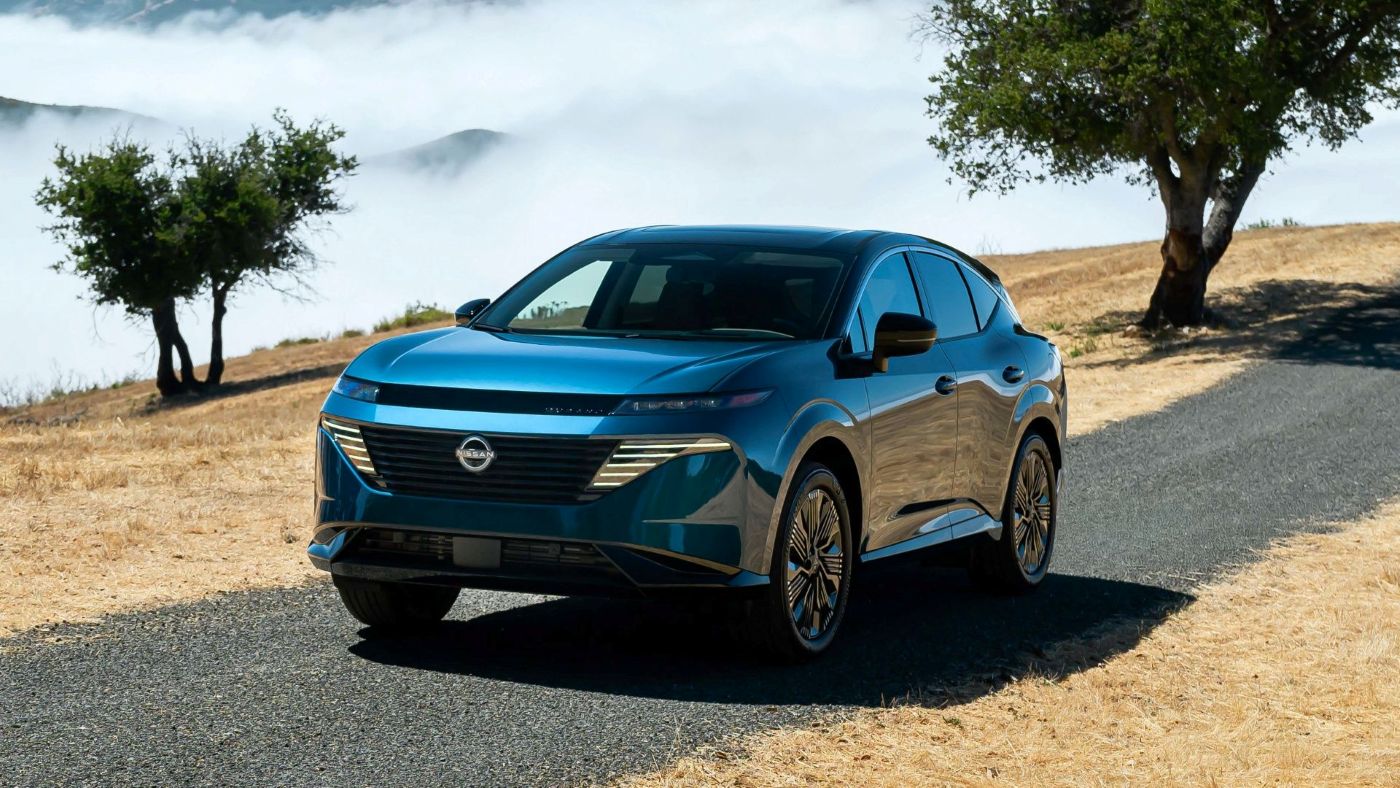
Nissan has kept the Murano’s exterior styling relatively fresh through regular updates. The underlying platform and restraint systems have changed more gradually over time.
Specifications:
- Engine: 3.5L V6
- Horsepower: 260 hp
- Torque: 240 lb-ft
- Length: 192.9 inches
- Width: 75.4 inches
The Murano offers a quiet ride and a genuinely premium-feeling interior for its price. Its rear-seat injury risk numbers tell a more cautionary story underneath that comfort.
Buyers should check the latest IIHS rating for their specific model year before purchasing. Methodology changes mean older test results do not always reflect current production accurately.
Even with the upgrade to marginal, this SUV trails the segment’s class leaders. Several rivals in this size category now score Good across nearly every metric.
Five-passenger seating keeps the Murano simpler than three-row competitors in this list. That simplicity does not eliminate the rear belt and tension issues identified in testing.
7. Mazda CX-5
The CX-5 is one of the best-selling compact SUVs in America today. Its rear-seat crash test results from the original small-SUV round were troubling.
The nine “Poor” rated vehicles include the Mazda CX-5, alongside other popular compact SUVs from this test round. This put a dent in Mazda’s reputation for careful, driver-focused engineering.
In real-world crashes, chest injuries are the most common serious rear-seat injuries for adults, so that’s a key focus of this evaluation. The CX-5’s belt and restraint system did not adequately manage that risk during testing.
Mazda has made smaller technology and trim updates to the CX-5 since this test. A full structural redesign would likely be needed to meaningfully shift the rear rating.
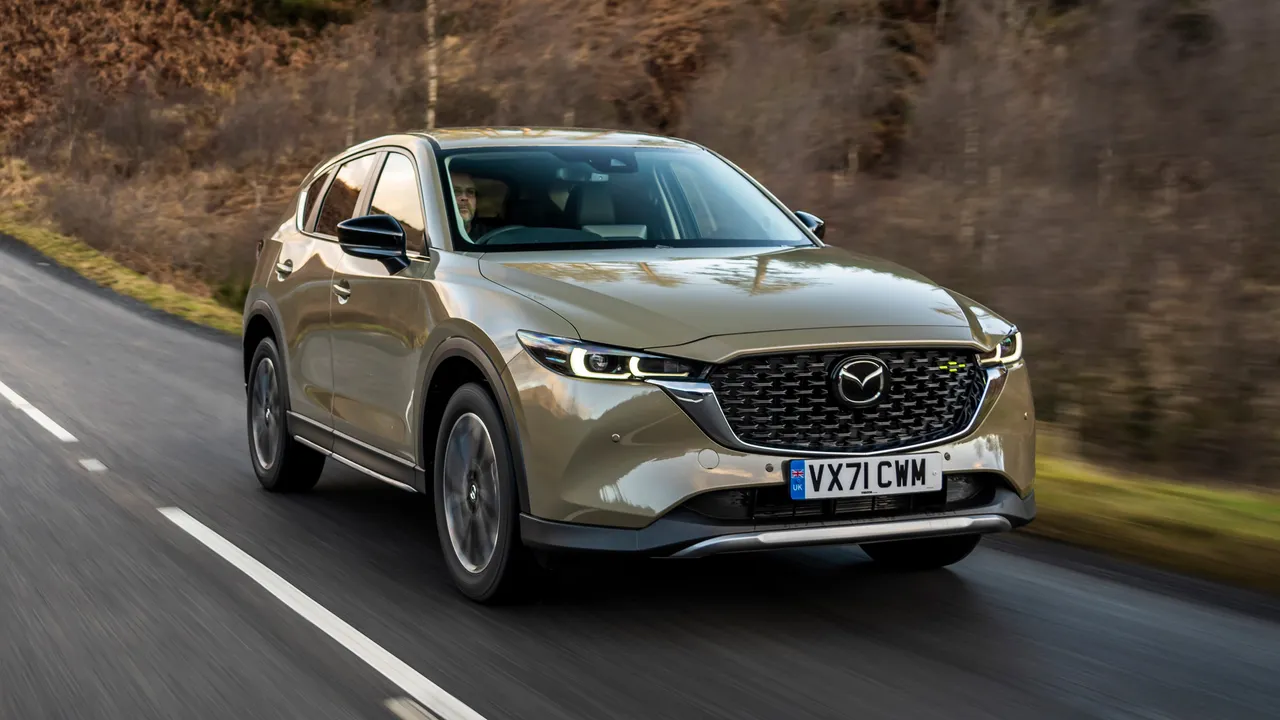
The CX-5 is known for tight, sporty handling that feels closer to a sedan. That driving character has made it a favorite among enthusiasts shopping in this segment.
Specifications:
- Engine: 2.5L inline-4 (standard); 2.5L turbocharged inline-4 (available on upper trims)
- Horsepower: 187 hp (standard); up to 256 hp (turbo, premium fuel)
- Torque: 186 lb-ft (standard); up to 320 lb-ft (turbo)
- Length: 179.1 inches
- Width: 72.5 inches
The CX-5 is praised for sharp handling and an upscale cabin for its price point. Rear-seat crash protection has clearly not been the top engineering priority for this generation.
This is a useful reminder for shoppers focused primarily on driving feel and styling. A fun-to-drive SUV is not automatically the safest one for back-seat passengers.
Families with young kids or frequent rear passengers should weigh this rating seriously. Compare it directly against class leaders that scored Good in the same exact test.
Mazda has hinted at upcoming redesigns across its SUV lineup in the coming years. Future CX-5 generations may finally close this gap between driving feel and rear safety.
8. Honda HR-V
The HR-V is Honda’s smallest crossover offering, built for city driving and easy parking. Its compact size appears to have worked against rear-seat occupant protection in testing.
The HR-V was among the nine vehicles that earned a “Poor” rating in this round of small SUV testing. That placed it alongside several other subcompact and compact models from rival brands.
In all nine poorly rated vehicles, injury measurements indicated high risks of head, neck, and chest injuries for the rear passenger. The seat belt also exerted excessive force on the chest during the simulated crash.
This is a common challenge across the subcompact SUV segment more broadly. Engineers have less room to optimize seat belt angles and pretensioner placement in smaller bodies.
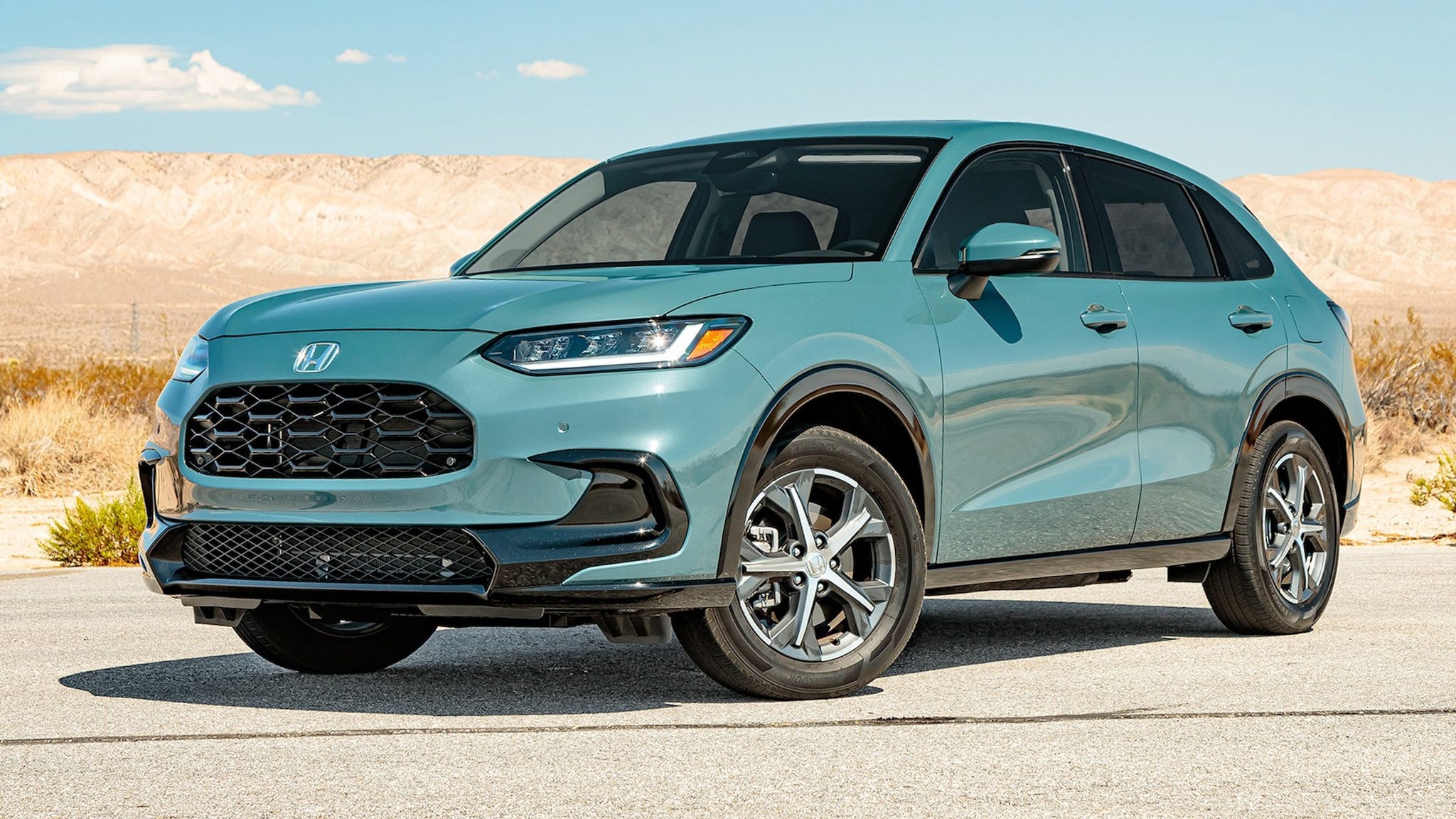
The HR-V’s tight dimensions make it easy to maneuver in dense urban environments. That same compactness limits the structural crumple zones available to protect rear passengers.
Specifications:
- Engine: 2.0L inline-4
- Horsepower: 158 hp
- Torque: 138 lb-ft
- Length: 179.8 inches
- Width: 72.4 inches
The HR-V is affordable, efficient, and easy to park in tight city spaces. Those strengths do not extend to its rear-seat crash performance in IIHS testing.
Buyers cross-shopping subcompact SUVs should compare HR-V scores against the broader segment average. A few rivals managed Acceptable or Good ratings in this exact same testing round.
For city commuters who rarely carry rear passengers, this weakness matters less day to day. For families who regularly buckle kids into the back seat, it deserves a much closer look.
Honda has continued refreshing the HR-V’s styling and technology features in recent years. The fundamental rear-seat restraint design has not changed significantly since this test was conducted.
Also Read: 10 Vehicles With The Best Warranty Coverage In 2026
