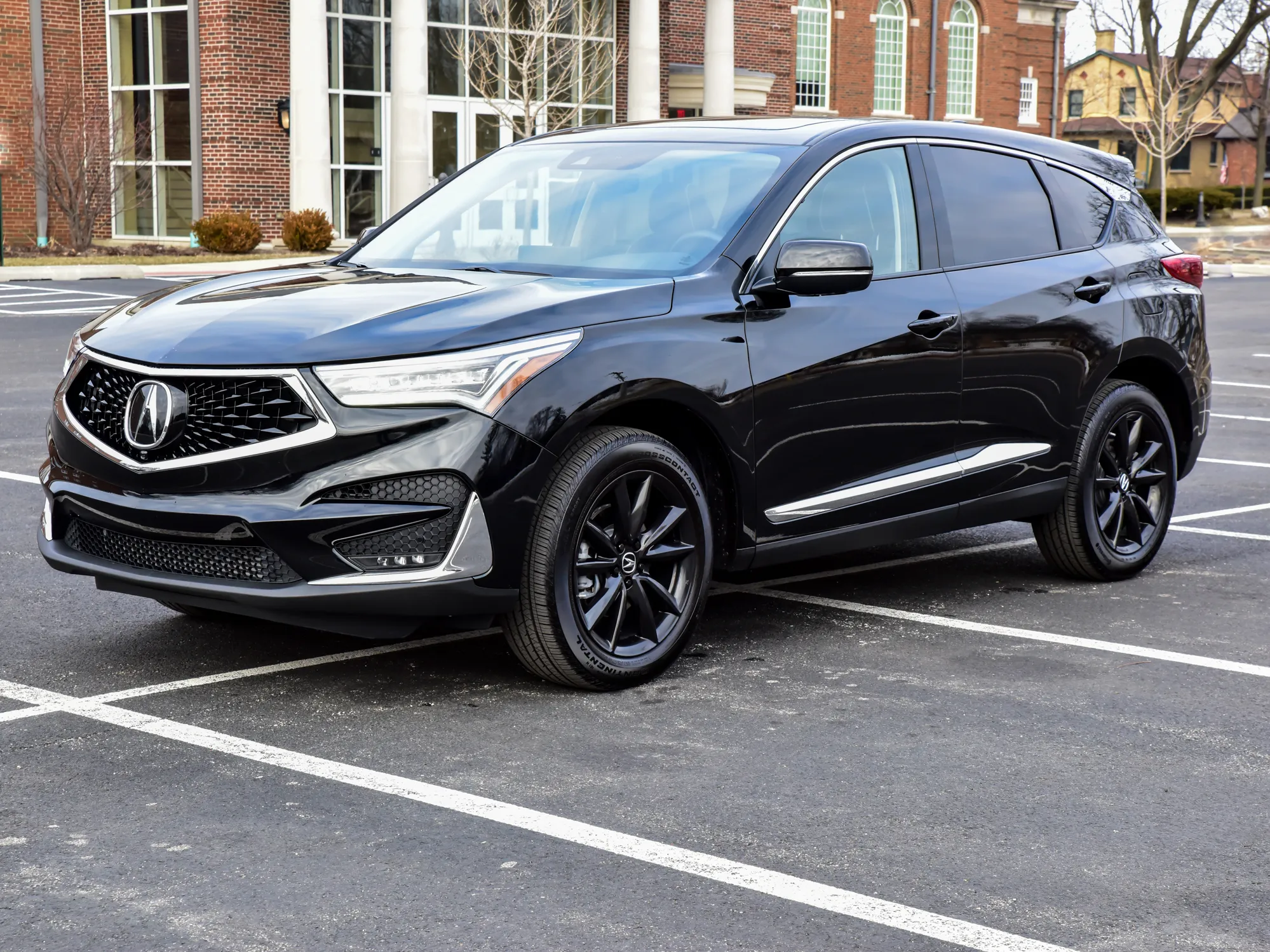
Airbags are among the most important safety features in modern vehicles, capable of reducing injuries and saving lives during serious collisions. Yet airbags are only as effective as the sensors and control systems that determine when and how they deploy.
Modern vehicles rely on a network of impact sensors, occupant-detection modules, pressure sensors, and electronic control units that continuously monitor driving conditions. If one of those components malfunctions, the consequences can range from delayed deployment to unintended activation.
During 2026, several automakers announced recalls involving airbag sensors, occupant-classification systems, and related software. Unlike the massive Takata recalls that primarily involved inflators, these newer campaigns focused on the electronics responsible for deciding whether airbags should deploy and how they should react to different occupants.
In many cases, the problems were linked to faulty sensors, software calibration issues, or defects within passenger-detection systems.
The recalls affected vehicles across multiple market segments, including family SUVs, pickup trucks, luxury crossovers, and passenger cars. Some defects could potentially delay airbag deployment during a crash, while others increase the possibility of unintended deployment.
Automakers responded with software updates, sensor replacements, and inspections designed to restore proper operation.
The eight vehicles highlighted here represent some of the most notable 2026 recalls involving airbag-sensor-related concerns. Their stories show how increasingly sophisticated safety technology can create new challenges even as vehicles become safer than ever before.
Also Read: 8 Financial Drawbacks of Owning an Electric Vehicle
1. Honda CR-V
One of the largest airbag-related actions of 2026 involved certain Honda CR-V models equipped with a front passenger seat weight sensor that could develop internal damage over time. Investigators determined that a capacitor inside the occupant-detection system could crack under certain conditions.
If moisture entered the damaged component, the resulting short circuit could interfere with how the system classified front-seat occupants.
The issue attracted attention because modern airbag systems do much more than simply deploy during a collision. They first determine who is sitting in the seat, estimate occupant size, and then decide whether deployment is appropriate. When a sensor responsible for that process becomes unreliable, the consequences can be significant.
Honda engineers traced the problem to a supplier-related manufacturing defect involving the printed circuit board within the sensor assembly.
Although many affected vehicles never experienced symptoms, the company determined that a recall was the safest course of action. Dealers were instructed to replace the affected sensor assemblies with updated components.
The CR-V’s inclusion in the recall surprised some consumers because the model has traditionally enjoyed a reputation for reliability and family-friendly practicality. Nevertheless, the recall demonstrated how even dependable vehicles can encounter problems involving highly specialized electronic systems.

For owners, the repair process was relatively straightforward compared with mechanical recalls involving major component replacement. Once repaired, the airbag system could again accurately identify passengers and perform as designed during a collision.
The recall became one of the most visible examples of how critical occupant-detection technology has become in modern automotive safety systems.
Specifications
- Engine: 1.5L Turbocharged Inline-4
- Torque: 179 lb-ft
- Horsepower: 190 hp
- Length/Width: 184.8 in / 73.5 in
2. Honda Pilot
While the CR-V attracted significant attention, the Honda Pilot was also included in the same broad airbag-sensor campaign announced during 2026.
The three-row SUV relies heavily on occupant-classification technology because it is frequently used by families transporting children and multiple passengers. That made accurate airbag deployment decisions particularly important.
Unlike traditional systems that simply detect whether a seat is occupied, the pilot’s safety architecture evaluates occupant size and seating position before determining airbag behavior. The defective passenger-seat sensor could potentially compromise that process if an internal electrical fault developed.
Honda’s investigation revealed that the issue originated from the same faulty capacitor identified in other recalled models. Over time, environmental exposure could cause the component to crack, creating the possibility of a short circuit inside the sensor module.
Engineers determined that replacing the affected assemblies would provide the most reliable solution.
The pilot’s recall carried additional significance because the vehicle often serves as a family hauler for long-distance travel. Parents expect safety systems to operate correctly regardless of whether the front passenger seat is occupied by an adult, teenager, or child. Any uncertainty involving occupant detection naturally becomes a high-priority concern.
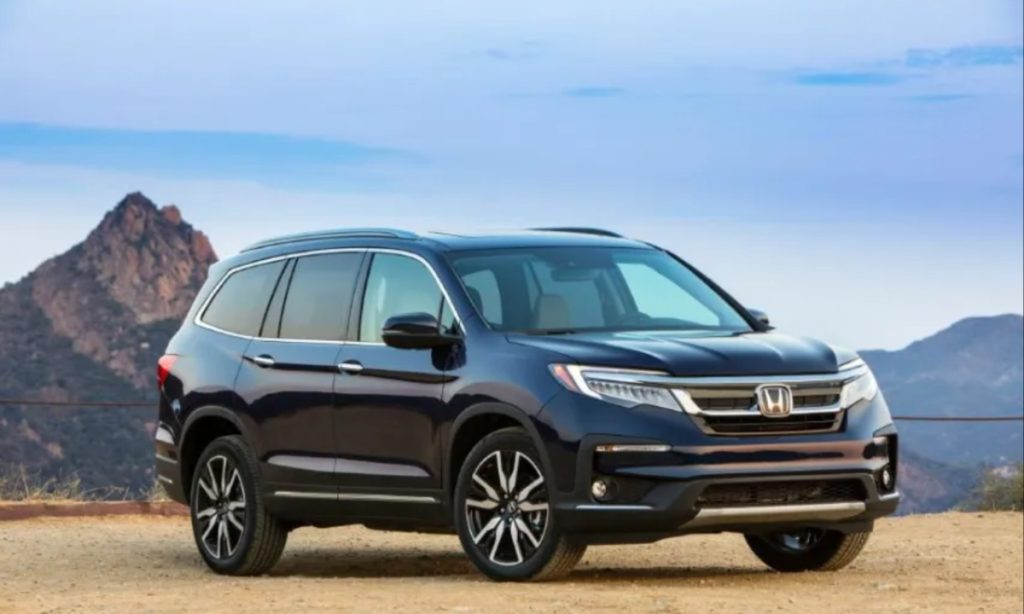
Dealerships were instructed to inspect affected vehicles and install revised components at no cost to owners. Honda also expanded owner-notification efforts to ensure customers understood the nature of the issue and the available remedy.
Although the recall generated headlines, it did not involve the airbags themselves. Instead, it focused on the electronic system responsible for determining how those airbags should react. That distinction highlights the increasing complexity of modern safety technology and the importance of every sensor within the system.
Specifications
- Engine: 3.5L V6
- Torque: 262 lb-ft
- Horsepower: 285 hp
- Length/Width: 199.9 in / 78.5 in
3. Acura MDX
Luxury vehicles often contain some of the most sophisticated occupant-protection technology in the industry, and the Acura MDX demonstrated how that complexity can occasionally lead to recall campaigns.
During 2026, certain MDX models became part of an airbag-sensor recall involving the front passenger occupant-detection system. The issue was connected to electronic components within the seat-based sensing assembly that could fail and interfere with proper passenger classification.
The MDX relies on a network of sensors that continuously evaluate seat occupancy, passenger weight, and seating position.
This information helps the supplemental restraint system determine whether the passenger-side airbag should deploy and, in some situations, how deployment characteristics should be adjusted.
If the system receives inaccurate information from a faulty sensor, airbag performance may not match the vehicle’s intended design.
Investigators determined that an internal component within the sensor module could develop damage over time. Environmental exposure and repeated use of the seat increased the possibility of electrical problems developing within the assembly.
While the defect did not guarantee a failure, the potential consequences were significant enough to justify a recall campaign.
Acura responded by notifying owners and instructing dealerships to replace affected sensor units. Technicians performed diagnostic checks before installing updated components designed to eliminate the problem.
Because the repair involved electronic hardware rather than the airbag itself, the service procedure was generally completed without extensive vehicle disassembly.
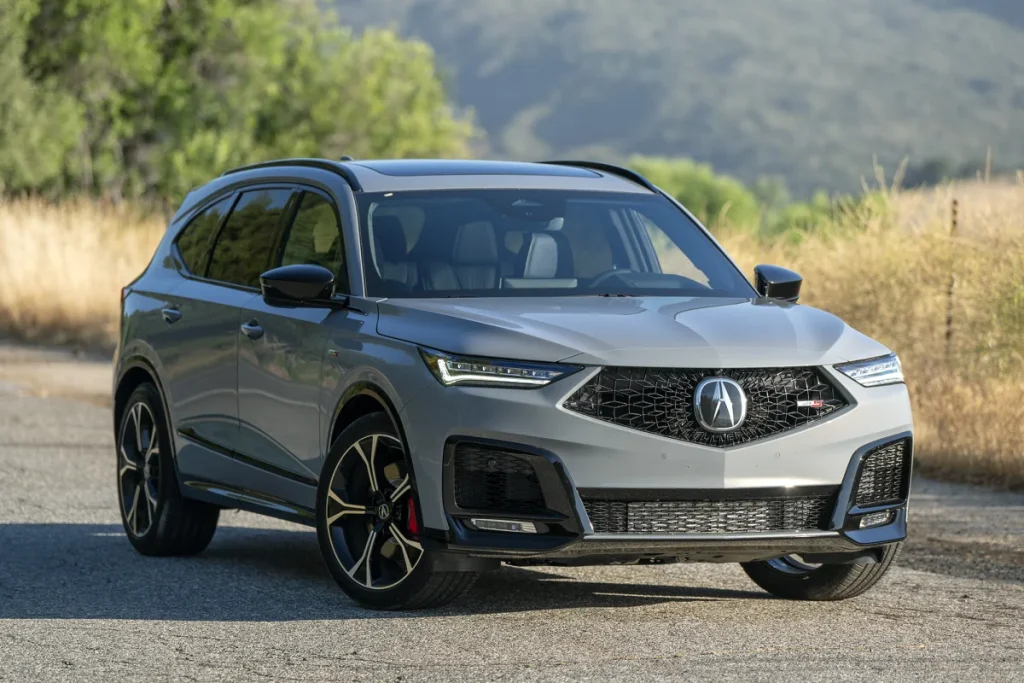
The recall served as an example of how premium vehicles increasingly depend on electronic decision-making systems. Modern safety technology can provide remarkable protection, but it also requires every sensor to function correctly.
Even a small component buried within a seat can play a major role in determining how the airbag system responds during an accident.
For MDX owners, completing the recall ensured that the vehicle’s advanced safety architecture continued operating according to factory specifications.
Specifications
- Engine: 3.5L V6
- Torque: 267 lb-ft
- Horsepower: 290 hp
- Length/Width: 198.4 in / 78.7 in
4. Acura RDX
Unlike large family SUVs that rely heavily on passenger capacity, the Acura RDX approaches safety from the perspective of a luxury compact crossover.
Despite its smaller dimensions, the vehicle incorporates many of the same sophisticated occupant-detection technologies found in larger models. That common engineering approach placed certain RDX models within the scope of the 2026 airbag-sensor recall campaign.
At the center of the issue was the passenger-seat occupant-detection system. The technology’s job is deceptively complicated.
It must identify whether the seat is occupied, estimate the occupant’s size, and communicate that information to the airbag control module in real time. Any interruption in that process can affect how the restraint system reacts during a collision.
Engineers discovered that a capacitor inside the sensor assembly could deteriorate and eventually crack. If moisture entered the affected area, electrical performance could be compromised.
Although many drivers would never notice any symptoms during normal operation, safety-system diagnostics revealed enough concern to warrant preventive action.
The recall highlighted an interesting aspect of modern automotive engineering. Many safety-related issues no longer involve mechanical failures.
Instead, they stem from electronic components measured in millimeters rather than inches. A tiny circuit-board defect can have consequences that extend throughout an entire safety system.
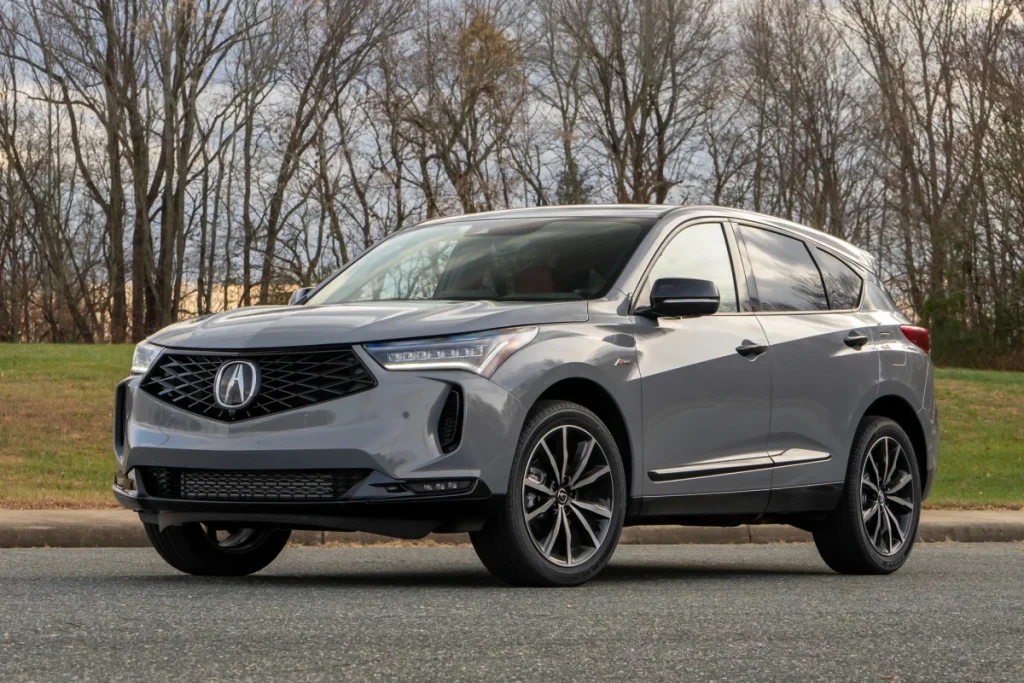
Acura dealerships received updated repair instructions and replacement parts designed to correct the issue permanently. Owners were encouraged to schedule service appointments promptly, ensuring the occupant-classification system continued functioning as intended.
The RDX remains one of the more highly regarded vehicles in the premium compact crossover segment, and the recall did little to change that reputation. Nevertheless, it reinforced the importance of addressing even seemingly minor electronic defects when passenger safety is involved.
Specifications
- Engine: 2.0L Turbocharged Inline-4
- Torque: 280 lb-ft
- Horsepower: 272 hp
- Length/Width: 187.4 in / 74.8 in
5. Honda Accord
Sedans may no longer dominate sales charts the way they once did, but the Honda Accord remains one of the most recognizable passenger cars in North America. During 2026, certain Accord models were included in the airbag-sensor recall campaign that affected several vehicles sharing similar occupant-detection technology.
While the issue originated from a relatively small electronic component, its role within the safety system made it impossible to ignore.
The Accord’s passenger-classification system constantly evaluates who is sitting in the front passenger seat.
Unlike older vehicles that relied on simple seatbelt switches or basic occupancy sensors, modern systems analyze weight distribution and seating conditions before communicating with the airbag control module. That information determines whether airbag deployment is appropriate during a crash.
Investigators identified a potential defect within the passenger-seat sensor assembly. A capacitor located inside the circuit board could develop cracks over time.
If environmental moisture entered the affected area, electrical performance might be compromised. Under those circumstances, the occupant-detection system could potentially provide inaccurate information to the airbag controller.
Honda launched the recall to address the issue before it resulted in larger safety concerns. Dealerships were instructed to replace affected components with updated units engineered to resist the failure mode identified during testing. Owners received notifications explaining the problem and the available remedy.
What made the Accord’s inclusion particularly notable was the vehicle’s reputation for dependable transportation. Many owners view the model as a low-drama family sedan, making any safety-related campaign headline-worthy.
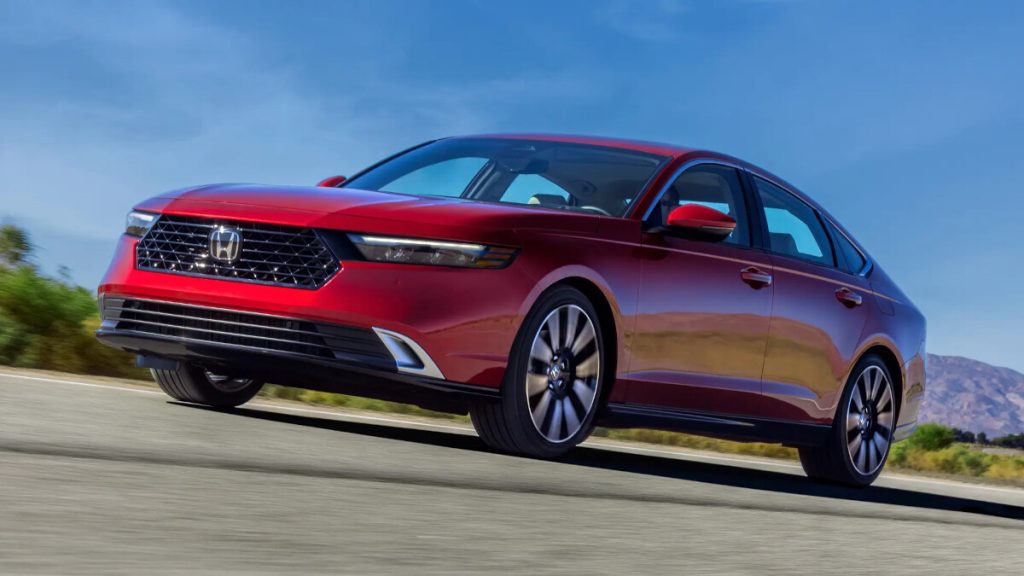
Yet the recall also demonstrated how seriously manufacturers treat even low-probability defects involving restraint systems.
Once repaired, affected vehicles continued delivering the comfort, efficiency, and practicality that have defined the Accord for decades. The campaign served primarily as a preventive measure designed to maintain proper airbag-system functionality.
Specifications
- Engine: 2.0L Hybrid Inline-4
- Torque: 247 lb-ft
- Horsepower: 204 hp
- Length/Width: 195.7 in / 73.3 in
6. Honda Civic
The Civic has evolved dramatically over the years, growing from a compact economy car into a technologically advanced vehicle packed with safety features.
That sophistication brings significant benefits, but it also means the car depends on numerous electronic modules and sensors working together seamlessly. In 2026, certain Civic models became part of the broader airbag-sensor recall involving passenger-occupancy detection systems.
Rather than focusing on crash sensors mounted throughout the vehicle, this recall centered on the front passenger seat. The sensor assembly beneath the seat plays a crucial role in determining how the airbag system responds during an accident.
If the system cannot accurately classify occupants, it may not operate according to its intended calibration.
Engineers discovered that a component within the sensor’s electronic circuit could become vulnerable to cracking. Over time, moisture intrusion could contribute to electrical faults capable of affecting the system’s performance.
Although actual incidents remained limited, the possibility of incorrect occupant classification prompted immediate action.
The Civic’s recall illustrated a broader industry trend. As safety technology becomes more advanced, automakers increasingly monitor the health of electronic components that drivers never see. Modern vehicles depend on a vast network of sensors that constantly exchange information. A fault in one module can influence multiple systems.
Honda responded with a straightforward repair strategy involving the replacement of affected sensor assemblies. Dealers received detailed service procedures and updated parts designed to eliminate the defect.
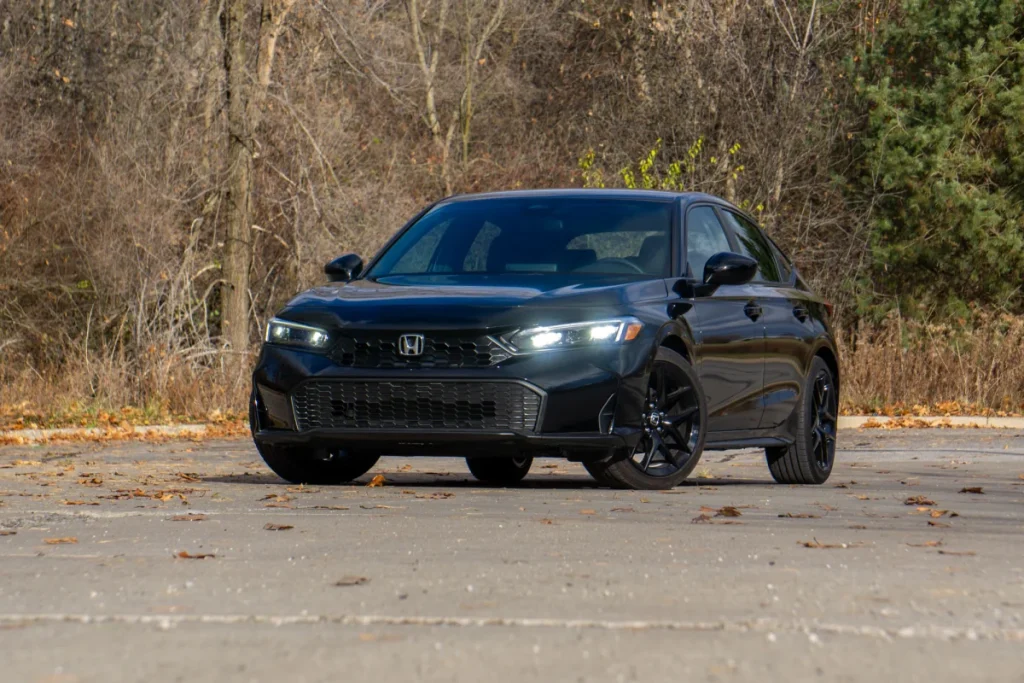
Owners who completed the repair could continue using their vehicles with confidence that the airbag system would receive accurate occupancy information.
For many consumers, the campaign highlighted the hidden complexity of modern automotive safety. Even though the Civic remains one of the most trusted compact cars on the market, it demonstrated that continuous monitoring and corrective action remain essential in an era of increasingly sophisticated vehicle electronics.
Specifications
- Engine: 2.0L Inline-4
- Torque: 133 lb-ft
- Horsepower: 150 hp
- Length/Width: 184.0 in / 70.9 in
7. Honda HR-V
Compact crossovers have become one of the most competitive segments in the automotive industry, and the Honda HR-V has established itself as a popular choice for buyers seeking practicality in a manageable package.
During 2026, certain HR-V models joined a broader recall campaign involving the front passenger occupant-detection system, bringing the vehicle into the spotlight for reasons unrelated to its usual strengths.
The recall focused on the electronic sensor assembly positioned beneath the front passenger seat. This component forms part of a sophisticated network that determines whether the passenger airbag should deploy during a collision.
Modern systems no longer operate with a simple occupied-or-unoccupied approach. Instead, they continuously evaluate seat conditions and passenger characteristics before communicating with the restraint-control module.
Engineers discovered that a capacitor within the sensor’s circuit board could become susceptible to cracking. If environmental moisture reached the damaged area, electrical performance might be affected.
Such a failure could interfere with occupant classification, reducing the system’s ability to provide accurate information during a crash event.
Honda’s response reflected the seriousness with which manufacturers approach safety-system electronics. Owners were notified of the defect and instructed to visit dealerships, where technicians replaced affected sensor assemblies with revised units.
The repair process was designed to eliminate the failure mechanism identified during the investigation.
What made the HR-V’s situation noteworthy was the vehicle’s target audience. Many buyers choose the model for daily commuting, urban driving, and family transportation. Reliable operation of safety equipment is, therefore, a central expectation.
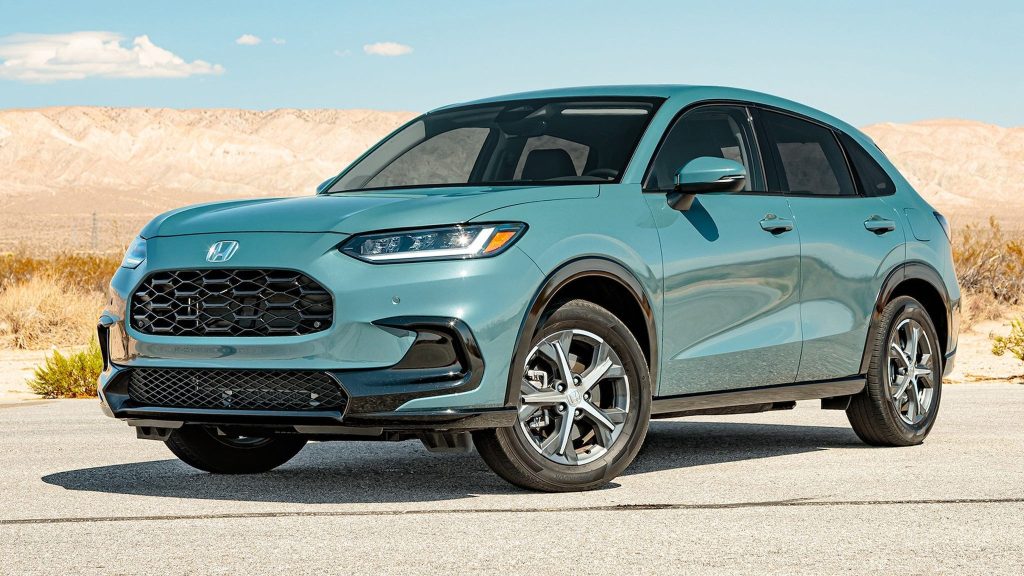
Although the recall did not involve the airbags themselves, it underscored how dependent modern restraint systems have become on accurate electronic data.
Following completion of the repair, affected HR-Vs returned to service with their occupant-detection systems functioning according to original design specifications, reinforcing the importance of preventive recalls in maintaining vehicle safety.
Specifications
- Engine: 2.0L Inline-4
- Torque: 138 lb-ft
- Horsepower: 158 hp
- Length/Width: 179.8 in / 72.4 in
8. Honda Odyssey
Minivans hold a distinct position in the automotive world because they are frequently used to transport entire families, including young children.
For that reason, the Odyssey incorporates extensive safety technology intended to protect occupants across all seating positions. During 2026, certain examples became part of the airbag-sensor recall involving the passenger occupant-classification system.
The Odyssey’s role as a family vehicle made the issue especially significant. The front passenger seat is frequently occupied by adults, teenagers, or older children, requiring the airbag system to make accurate deployment decisions based on occupant characteristics.
Any defect affecting the sensor responsible for those decisions receives immediate attention from both engineers and regulators.
Investigations identified the same underlying problem found in several related Honda and Acura models. A capacitor within the occupant-detection sensor assembly could crack, creating the possibility of electrical faults if moisture entered the affected area.
Although many owners would never experience noticeable symptoms, Honda determined that replacing the component was necessary to ensure long-term reliability.
Dealership technicians were instructed to install updated sensor assemblies designed to eliminate the identified weakness. The repair procedure focused on restoring full confidence in the vehicle’s ability to classify occupants correctly and communicate that information to the airbag control unit.
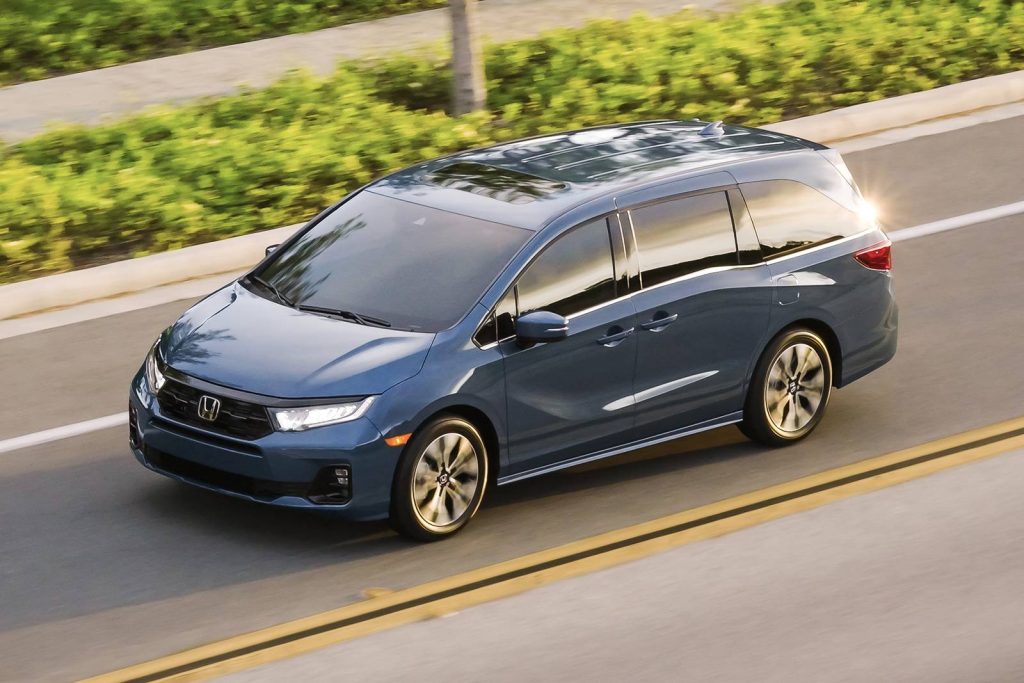
The Odyssey’s inclusion highlighted an important reality about modern safety systems. Advanced electronics have dramatically improved occupant protection, but they also introduce additional components that must perform flawlessly throughout the vehicle’s life.
A tiny electronic part can influence how one of the most important safety systems in the vehicle operates.
For families relying on the Odyssey every day, completing the recall ensured that the minivan’s sophisticated safety architecture continued functioning exactly as engineers intended.
Specifications
- Engine: 3.5L V6
- Torque: 262 lb-ft
- Horsepower: 280 hp
- Length/Width: 205.2 in / 78.5 in
Also Read: 8 Signs A Used Car Was Used As A Rental