Electric vehicles have transformed the automotive industry, attracting buyers with promises of lower running costs, reduced emissions, and advanced technology. Many consumers are drawn to the idea of eliminating fuel expenses and reducing maintenance requirements compared to traditional gasoline-powered vehicles.
In many situations, electric vehicles successfully deliver these benefits. However, focusing exclusively on the advantages can create an incomplete picture of ownership.
Like any major purchase, electric vehicles come with financial considerations that deserve careful evaluation. Some costs appear immediately during the buying process, while others emerge over months or years of ownership.
Depending on driving habits, charging access, local electricity rates, and vehicle choice, certain expenses may reduce or even offset some of the anticipated savings.
It is important to recognize that financial drawbacks do not automatically make electric vehicles poor choices. For many drivers, the benefits still outweigh the costs. Nevertheless, understanding potential expenses allows buyers to make informed decisions rather than relying solely on marketing claims or optimistic projections.
The following financial challenges represent some of the most common concerns associated with electric vehicle ownership. These factors vary by region and model, but they can significantly influence the total cost of owning an EV.
Before making the switch, prospective buyers should carefully consider how these issues may affect their personal finances and long-term transportation budget.
Also Read: 10 Best-Selling Motorcycles of Every Decade
1. Higher Initial Purchase Price
The most obvious financial hurdle facing many electric vehicle buyers appears before the car even leaves the dealership. In numerous segments, EVs still carry higher purchase prices than comparable gasoline-powered alternatives.
While incentives and tax credits can reduce the gap in certain regions, the upfront investment often remains substantial. A buyer comparing two similarly sized vehicles may discover that the electric model costs several thousand dollars more than its traditional counterpart.
This difference can increase monthly payments, loan interest expenses, and insurance replacement values.
Manufacturers continue working to reduce battery production costs, but batteries remain among the most expensive components in any electric vehicle. These costs are reflected in retail pricing.
Although long-term savings may eventually compensate for the higher purchase price, the timeline varies significantly depending on driving habits and local energy costs.
Another factor involves opportunity cost. Money spent on a more expensive vehicle could potentially be used elsewhere, whether for investments, home improvements, or debt reduction. Buyers should consider this aspect when calculating the true financial impact of choosing an EV.
Depreciation can further complicate the equation. If the initial purchase price is significantly higher, a percentage-based loss in value may translate into a larger dollar amount over time.
Some premium EVs include advanced technology and luxury features that help justify their pricing. However, buyers seeking purely financial advantages should carefully compare total ownership costs rather than assuming lower operating expenses automatically outweigh higher acquisition costs.
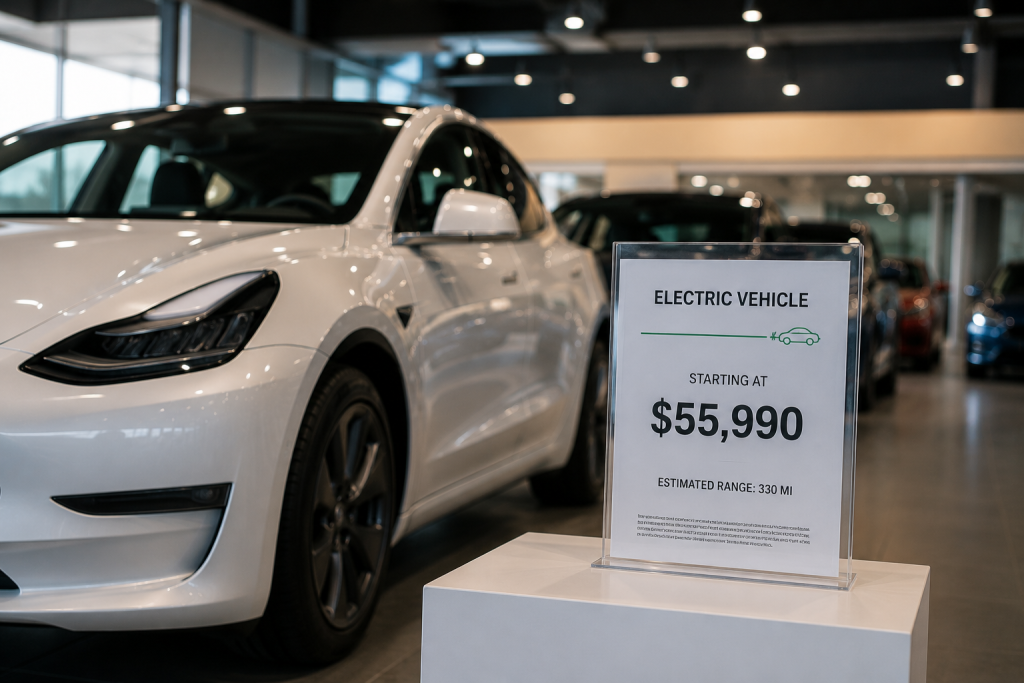
The purchase price remains one of the largest factors affecting vehicle affordability. For many households, the additional money required to enter the electric vehicle market represents the first and most significant financial drawback of ownership.
2. Home Charging Installation Expenses
One of the greatest conveniences associated with electric vehicles is the ability to charge at home. Unfortunately, achieving that convenience often requires additional spending that many first-time buyers overlook during the purchasing process.
While some owners rely on standard household outlets, charging speeds are typically slow. To fully enjoy the practicality of EV ownership, many drivers choose to install a Level 2 charging system. This upgrade can significantly reduce charging times, but it also introduces new costs.
The charging equipment itself represents only part of the expense. Professional installation may require electrical upgrades, new wiring, permits, and labor charges. Older homes can present additional challenges if existing electrical systems lack the capacity needed to support higher-powered charging equipment.
Installation costs vary considerably depending on property layout. A garage located close to an electrical panel may require relatively little work. In contrast, long cable runs or major panel upgrades can increase expenses substantially.
Apartment dwellers and condominium residents face even greater obstacles. Dedicated charging infrastructure may not exist, and installation approval can involve complex property-management procedures.
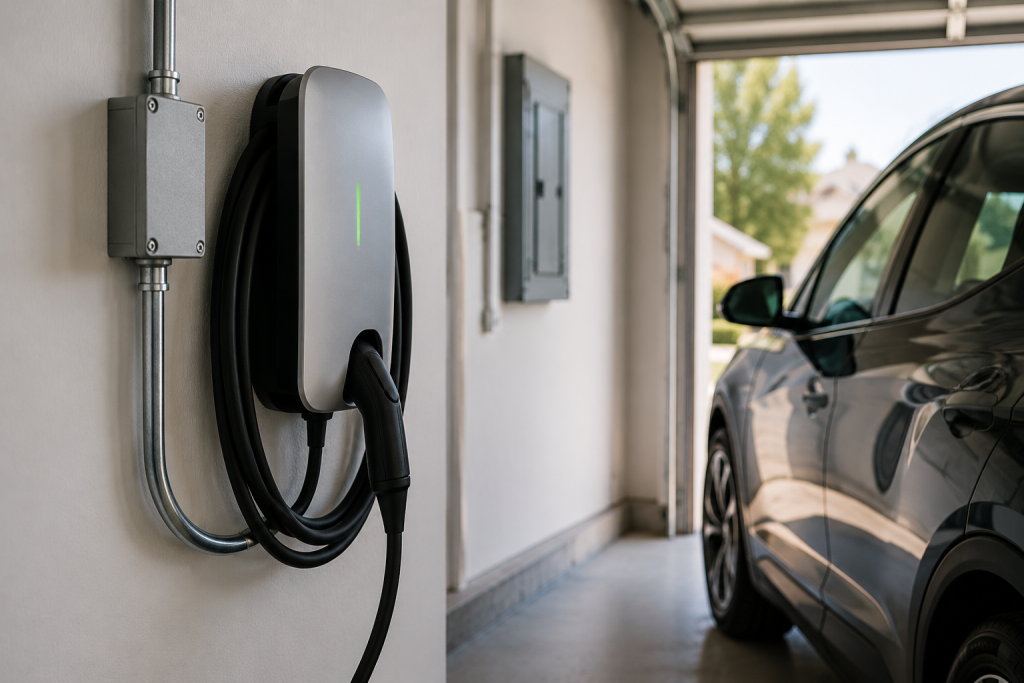
Some homeowners are surprised to discover that charging equipment costs continue beyond installation. Repairs, maintenance, and future equipment replacements may eventually become necessary.
Home charging remains one of the most attractive aspects of EV ownership, but convenience rarely comes free. Buyers should include infrastructure costs in their budgeting calculations rather than focusing solely on vehicle pricing.
For drivers transitioning from gasoline-powered vehicles, the need to invest in home charging equipment represents an additional expense that does not exist with conventional refueling methods.
3. Faster Depreciation in Certain EV Models
Many car buyers focus on fuel savings and maintenance costs when evaluating electric vehicles. However, depreciation can quietly become one of the largest ownership expenses. While some EVs hold their value well, others lose value at a surprisingly rapid pace, creating a significant financial disadvantage for owners.
Unlike traditional vehicles, the electric vehicle market is evolving at an extraordinary speed. New battery technologies, longer driving ranges, improved charging capabilities, and frequent software updates can make older models appear outdated much sooner than expected. As a result, resale values can suffer.
A buyer who spends a substantial amount on a new EV may discover that the vehicle’s market value drops sharply within only a few years. Even when the car remains reliable and functional, prospective used-car buyers often prefer newer models offering better range and updated technology.
Price reductions by manufacturers can also influence depreciation. When automakers lower prices on new EVs, existing owners may see the value of their vehicles decline almost immediately. This situation has occurred several times in recent years and has surprised many owners who expected stronger value retention.
The challenge becomes especially noticeable for drivers who trade vehicles frequently. A large depreciation hit can outweigh years of fuel savings, reducing the financial advantages often associated with electric ownership.
Leasing may reduce exposure to depreciation risk, but buyers who choose ownership assume responsibility for future resale values. Unfortunately, predicting those values remains difficult in a rapidly changing market.
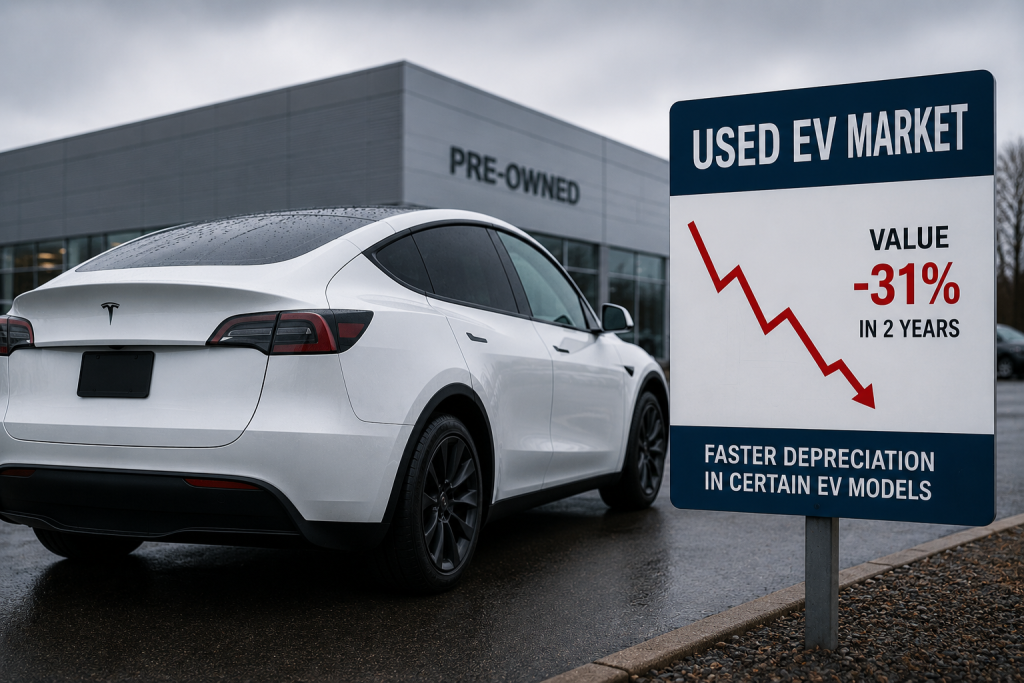
For consumers who prioritize long-term financial efficiency, depreciation deserves as much attention as charging costs and maintenance expenses. The amount lost through declining resale value can significantly affect the true cost of owning an electric vehicle.
4. Public Charging Can Be More Expensive Than Expected
Many people assume that charging an electric vehicle is always significantly cheaper than buying gasoline. While home charging often supports that assumption, public charging introduces a different financial reality that can surprise new EV owners.
Drivers who regularly depend on public fast chargers may encounter costs that are considerably higher than anticipated. Rates vary by location, charging provider, and charging speed, making it difficult to predict monthly expenses accurately.
Fast charging stations typically command premium pricing because they offer convenience and reduced charging times. During road trips or long-distance travel, drivers may have little choice but to use these more expensive charging options. The result can be energy costs that narrow the gap between electric and gasoline-powered transportation.
Membership programs create another layer of complexity. Some charging networks offer discounted rates to subscribers, while non-members pay higher fees. Depending on travel habits, these subscription costs can add to the ownership budget.
Certain locations also apply parking fees in addition to charging costs. Drivers may find themselves paying for both electricity and parking time while waiting for their vehicles to recharge.
Electricity prices themselves are not fixed. Rising utility costs can influence public charging rates, creating additional uncertainty. What appears affordable today may become more expensive in the future.
For drivers with reliable home charging access, public charging may represent only an occasional expense. Others, particularly apartment residents or frequent travelers, may rely on public infrastructure much more heavily.
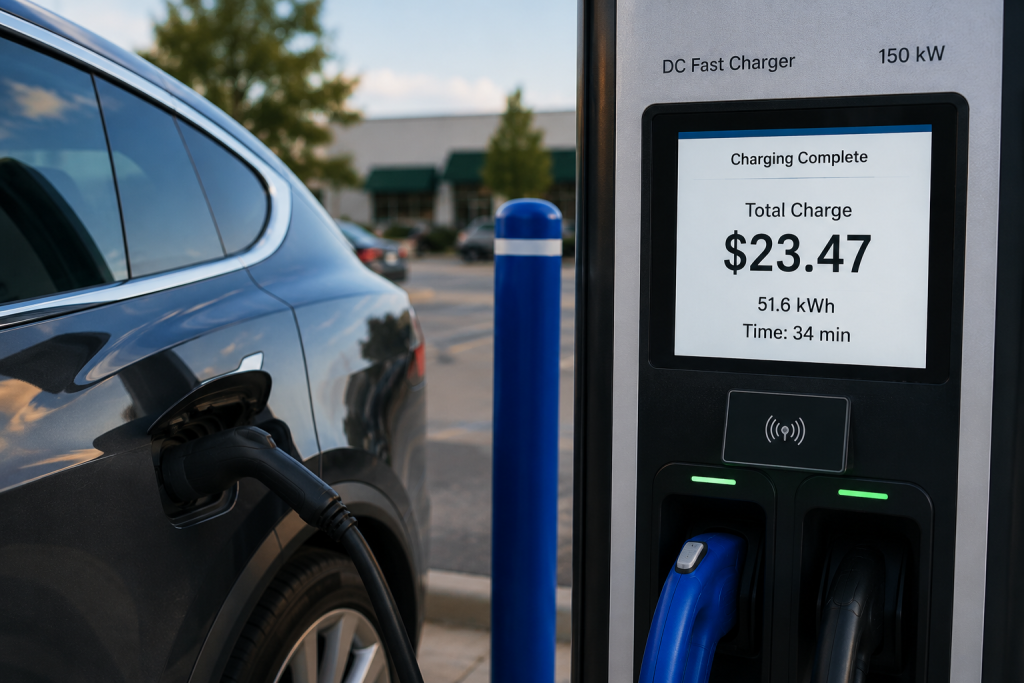
In those situations, charging expenses can become a far larger part of the ownership equation than many buyers initially expect, reducing some of the financial benefits commonly associated with electric vehicles.
5. Battery Replacement Costs After Warranty Coverage Ends
One financial concern continues to follow electric vehicles regardless of advances in technology: battery replacement costs. Modern EV batteries are designed to last many years, and most manufacturers provide lengthy warranty coverage. Even so, the possibility of battery degradation or failure remains a consideration for long-term owners.
Unlike conventional vehicles, where major expenses often involve engines or transmissions, electric vehicles depend heavily on their battery packs. These packs represent one of the most expensive components in the entire vehicle. If a replacement becomes necessary outside warranty coverage, the cost can be substantial.
Most owners will never face complete battery failure. However, gradual degradation is a normal part of battery aging. Over time, the battery’s ability to hold a charge declines, which can reduce driving range. For some drivers, a noticeable loss of range may affect daily usability and resale value.
The uncertainty surrounding future replacement costs creates another challenge. Battery technology continues to evolve, making it difficult to predict how expensive repairs or replacements will be several years from now.
Used EV buyers often pay close attention to battery condition. A vehicle with reduced battery health may command lower resale values compared to one with stronger remaining capacity. This can indirectly affect ownership costs even if the battery never requires replacement.
Manufacturers have made significant progress in battery durability, and catastrophic failures remain relatively uncommon. Nevertheless, the potential expense exists in a way that differs from traditional gasoline-powered vehicles.
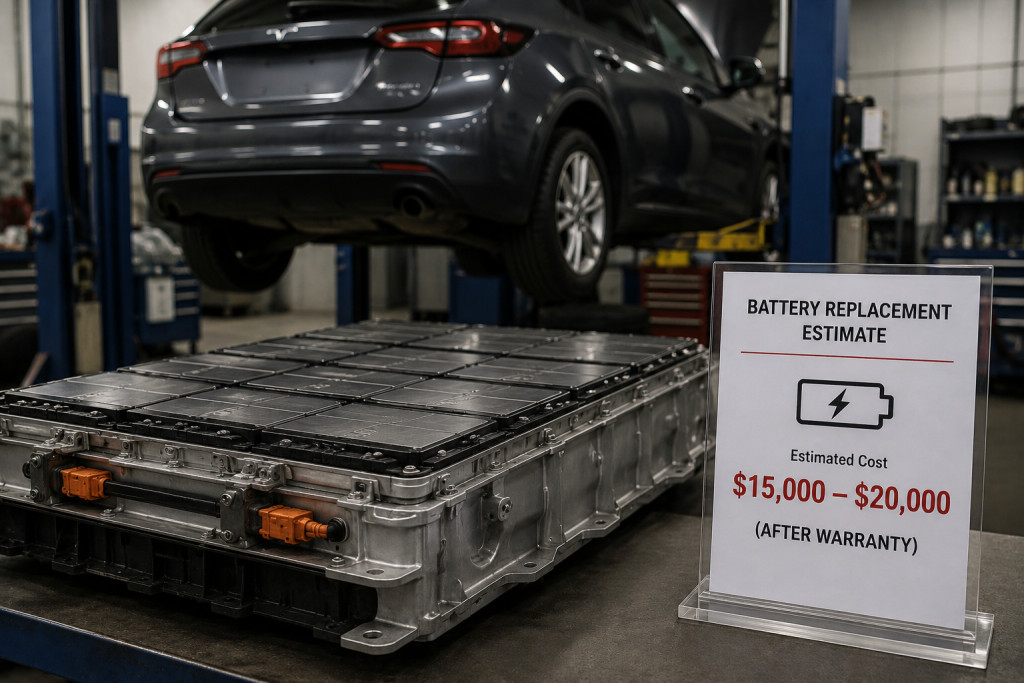
For buyers planning to keep an EV for many years beyond warranty coverage, battery-related expenses remain one of the most important financial factors to consider. The possibility of a major future cost can influence the long-term economics of electric vehicle ownership.
6. Higher Insurance Premiums in Some Markets
Insurance costs vary based on location, driving history, vehicle value, and many other factors. However, some electric vehicle owners discover that their insurance premiums are higher than expected, creating another financial consideration that deserves attention.
Several factors contribute to this situation. First, electric vehicles often carry higher purchase prices than comparable gasoline-powered models. Since insurers may need to replace or repair more expensive vehicles, premiums can increase accordingly.
Repair costs also play a role. Many EVs contain specialized components, advanced electronics, and battery systems that require specially trained technicians. In some regions, the number of qualified repair facilities remains limited. This can increase labor expenses and influence insurance pricing.
Battery-related concerns further affect calculations. Even minor collisions can sometimes require extensive inspections to ensure that battery systems remain undamaged. These additional procedures may increase repair bills, which insurers consider when setting rates.
Vehicle performance can be another factor. Many electric vehicles deliver rapid acceleration thanks to instant torque. While this performance is appealing to buyers, insurers may view certain models as carrying increased risk.
Insurance costs differ significantly between markets and individual drivers. Some owners may see little difference compared to traditional vehicles, while others encounter noticeably higher premiums.
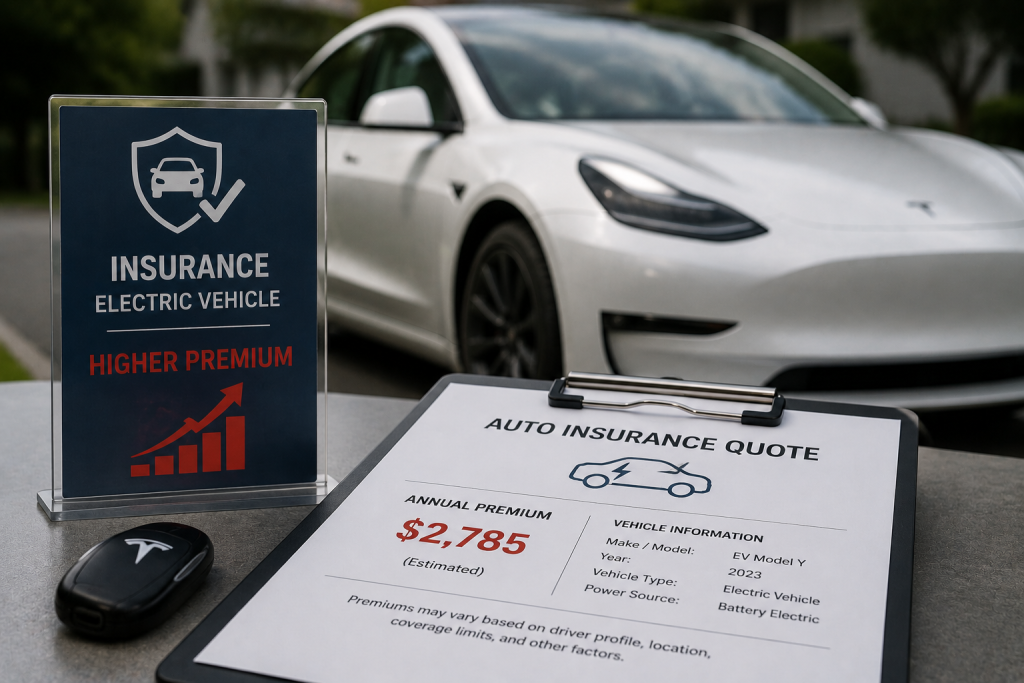
The important lesson is that fuel savings should not be viewed in isolation. Lower energy costs can be partially offset by increased insurance expenses depending on the specific vehicle and region.
Before purchasing an EV, buyers should obtain insurance quotes rather than relying on assumptions. Understanding potential premium differences in advance helps create a more accurate picture of the vehicle’s total ownership costs and prevents unexpected financial surprises later.
7. Cost of Replacing Specialized EV Tires
Tires are a routine ownership expense for every vehicle, but electric vehicles often place unique demands on them. Many buyers are unaware that EV tire replacement can become a notable financial drawback over time.
Electric vehicles are generally heavier than comparable gasoline-powered models because of their large battery packs. That additional weight increases the workload placed on tires during acceleration, braking, and cornering. As a result, tire wear can occur more quickly in certain driving conditions.
Manufacturers frequently equip EVs with specialized tires designed to maximize efficiency, reduce road noise, and support the vehicle’s extra weight.
These tires often use unique compounds and construction methods that differ from conventional replacements. While they help improve range and driving comfort, they can also be more expensive to purchase.
Performance-oriented EVs add another layer of cost. Instant torque allows these vehicles to accelerate rapidly, which can contribute to increased tire wear when drivers frequently take advantage of the available power. Even responsible driving may not completely offset the effects of vehicle weight and torque delivery.
Availability can sometimes become an issue as well. Depending on the model, owners may have fewer replacement options than drivers of mainstream gasoline vehicles. Limited choices can make it harder to find lower-cost alternatives.
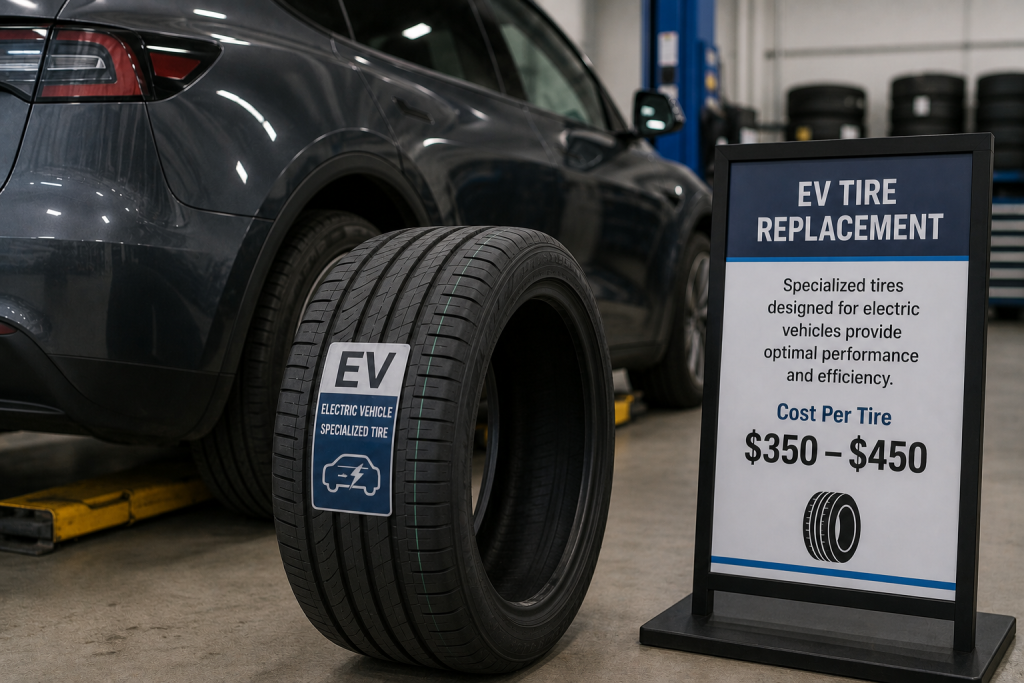
The expense may not seem significant at first, but multiple tire replacements throughout ownership can add thousands of dollars to long-term costs. Drivers transitioning from economical compact cars are often surprised by the difference.
Tires remain a consumable item regardless of powertrain type. However, the combination of additional weight, specialized designs, and unique performance characteristics means EV owners may spend more on tire replacement than they initially expected.
8. Reduced Value as Technology Advances
Technology moves quickly in nearly every industry, but the pace of change within the electric vehicle market is particularly intense. This rapid development creates a financial challenge that many traditional vehicle owners rarely face to the same extent.
A gasoline-powered car that is five years old may still offer capabilities similar to a newer model. Electric vehicles operate in a different environment. Improvements in battery technology, charging speed, software systems, and driving range occur regularly. Each new generation raises consumer expectations.
As a result, older EVs can lose appeal more rapidly than buyers anticipate. A vehicle that once offered competitive range may suddenly appear less attractive when newer models travel significantly farther on a single charge. Faster charging technologies can create a similar effect.
Software and connectivity features also influence market perception. Consumers increasingly compare digital capabilities alongside traditional automotive qualities. Vehicles lacking newer technological features may experience weaker resale demand.
This situation can affect owners financially even if the vehicle continues to perform perfectly. The issue is not necessarily reliability but changing consumer preferences. Buyers often gravitate toward the latest advancements, placing downward pressure on values of older models.
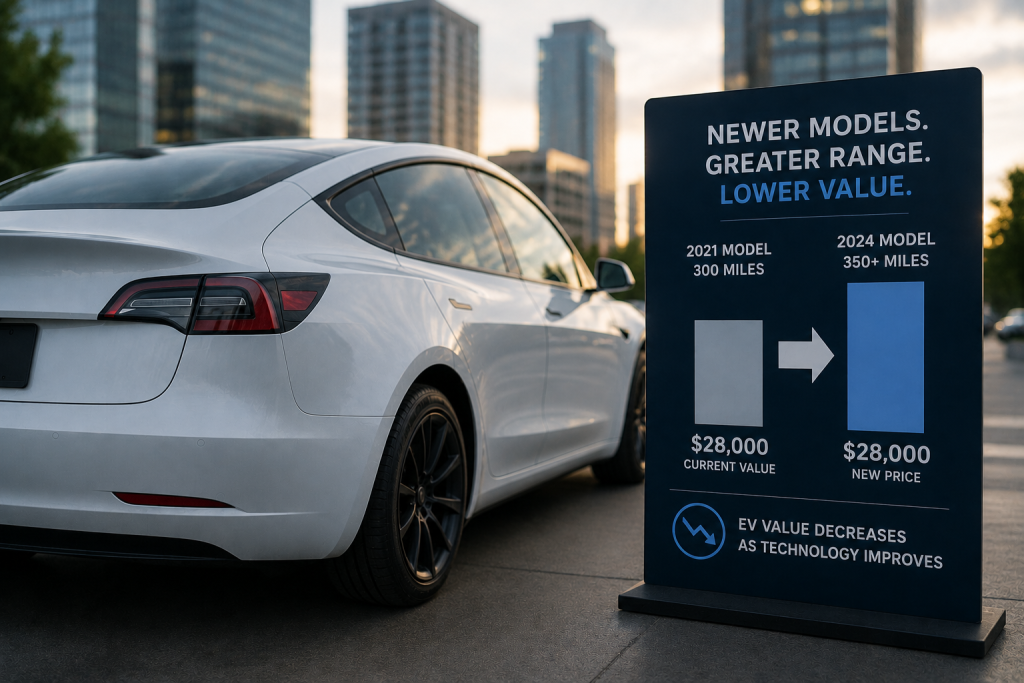
The challenge becomes more noticeable for owners who upgrade frequently. Rapid technological progress may cause depreciation to occur faster than expected, reducing trade-in values and increasing the effective cost of ownership.
Electric vehicles continue to offer many advantages, but technology-driven depreciation remains a factor worth considering. In a market where innovation never slows down, today’s cutting-edge EV can become yesterday’s outdated technology much sooner than many owners expect.
Also Read: 10 Ways To Make A Set Of Tires Last Twice As Long