
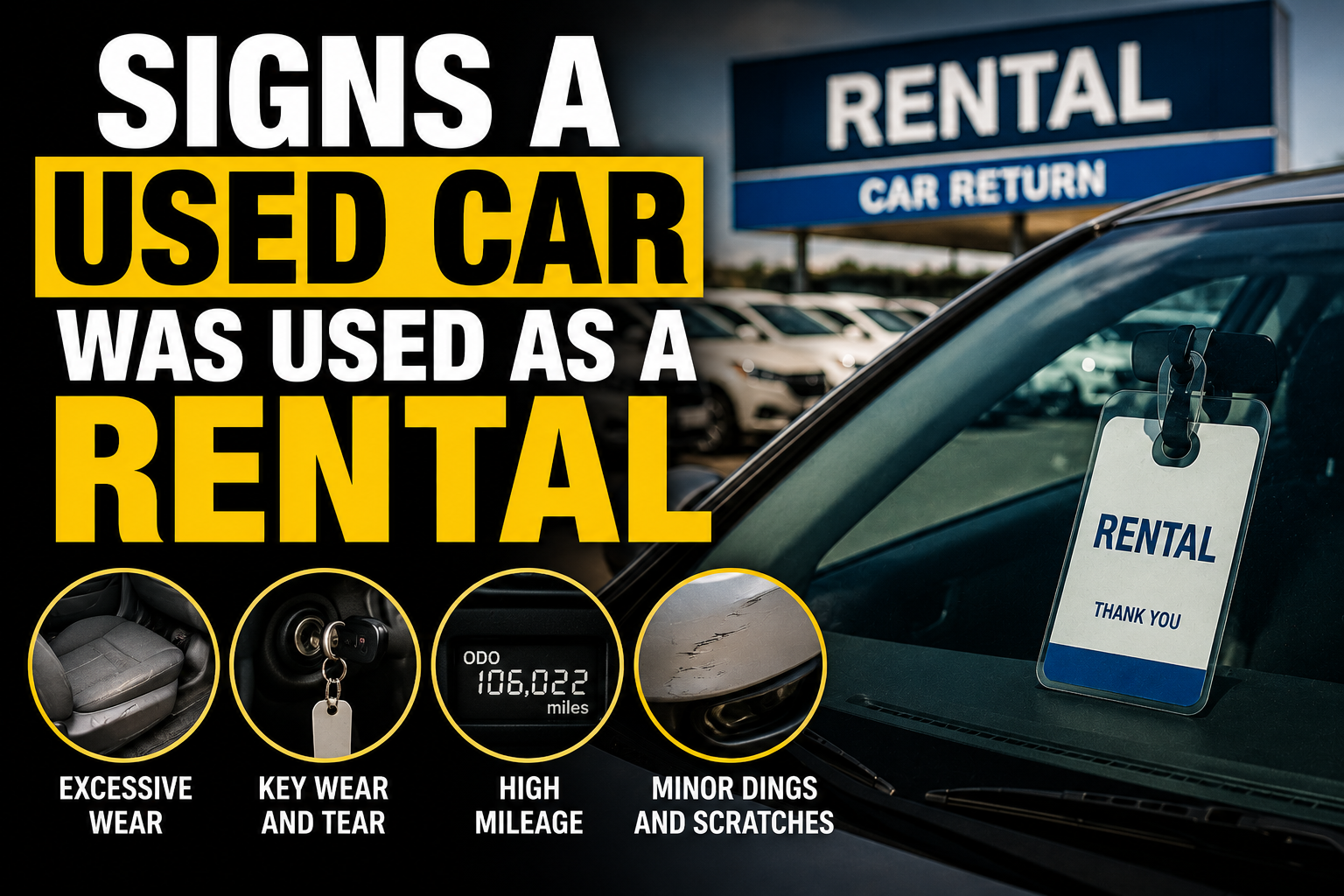
Buying a used car can be an excellent way to save money, but it also requires careful investigation. Not every vehicle on a dealer lot or private seller’s driveway has had the same type of life.
Some have been driven gently by a single owner, while others may have spent years in commercial service.
One category that deserves special attention is former rental cars. These vehicles are often sold after accumulating thousands of miles in a relatively short period, making them common sights in the used-car market.
A rental car is not automatically a bad purchase. Major rental companies typically follow maintenance schedules and keep their fleets in presentable condition. However, rental vehicles are also driven by many different people, each with their own driving habits.
Some drivers treat rentals carefully, while others operate them with little regard for long-term wear and tear. This can create hidden issues that may not be obvious during a quick inspection.
Fortunately, there are several clues that can help identify whether a used vehicle previously belonged to a rental fleet. Some signs are found in paperwork, while others appear through physical wear, unusual equipment choices, or ownership history records.
Recognizing these indicators can help buyers make informed decisions before signing any paperwork. The following signs can reveal whether the used car you’re considering may have spent part of its life serving as a rental vehicle.
Also Read: 10 Best-Selling Motorcycle Of Every Decade
1. Multiple Ownership Records Within A Short Period
One of the easiest clues to spot does not require opening the hood or taking a test drive. Instead, it begins with reviewing the vehicle history report. Former rental cars often display ownership patterns that differ significantly from privately owned vehicles.
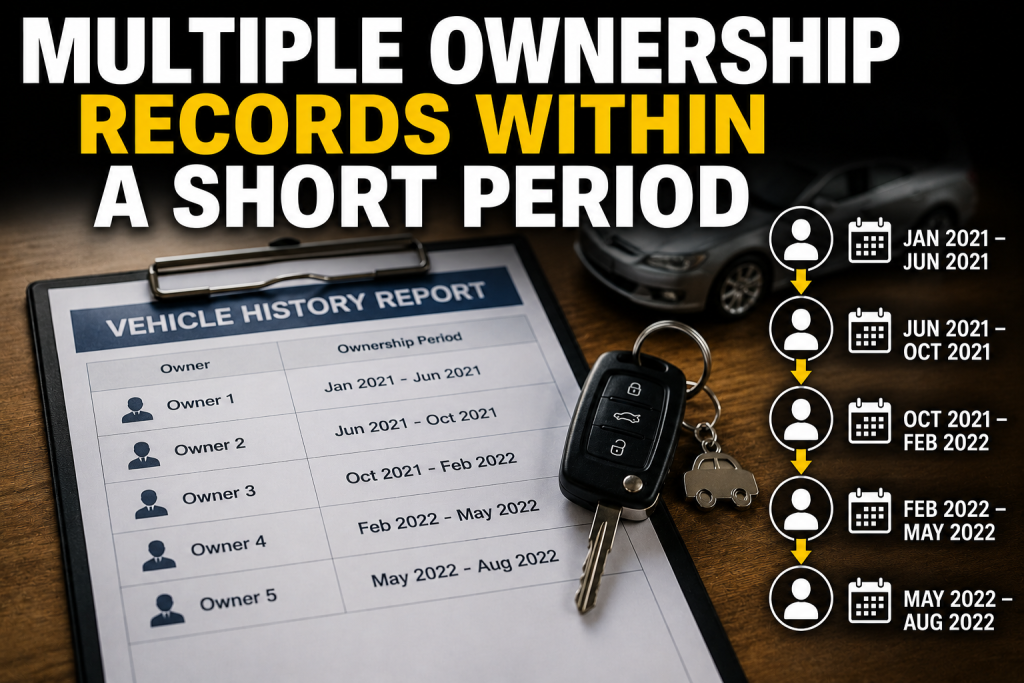
When a car enters rental service, the rental company is usually listed as the registered owner. After a relatively short period, the vehicle may be sold through an auction or directly to a dealership. As a result, the ownership timeline can appear unusual.
A car that is only two or three years old may already show multiple transfers despite having limited time on the road.
Buyers should pay close attention to how long each owner kept the vehicle. Private owners often retain their cars for several years. Rental companies, on the other hand, typically rotate inventory more quickly. A short initial ownership period followed by a dealer transfer can indicate commercial fleet use.
The location history can also provide valuable clues. Rental vehicles frequently move between regions depending on seasonal demand. A vehicle that appears in multiple states or provinces within a brief timeframe may have been part of a rental fleet network.
It is important not to jump to conclusions based solely on ownership numbers. Leased vehicles and corporate fleet cars can produce similar records. However, when several factors align, the ownership history becomes a strong indicator.
A careful review of paperwork can reveal details that the vehicle’s appearance cannot. Before focusing on cosmetic condition or features, smart buyers examine ownership records because they often tell the story of how the vehicle spent its early years.
2. Excessive Interior Wear For The Mileage
Mileage readings do not always tell the complete story. Sometimes the condition of the interior reveals far more about a vehicle’s past than the odometer itself. Rental vehicles often display wear patterns that seem inconsistent with their recorded mileage.
Imagine stepping into a three-year-old car showing 40,000 miles. At first glance, that figure appears reasonable.
However, if the steering wheel feels heavily worn, seat bolsters are flattened, and interior trim pieces show noticeable scratches, questions should immediately arise. Such wear may indicate that hundreds of different drivers used the vehicle rather than a single owner.
Rental customers enter and exit vehicles constantly, often carrying luggage, backpacks, and other belongings. This repeated use can accelerate wear on seats, door panels, center consoles, and armrests. Areas that receive frequent contact tend to age faster than expected.
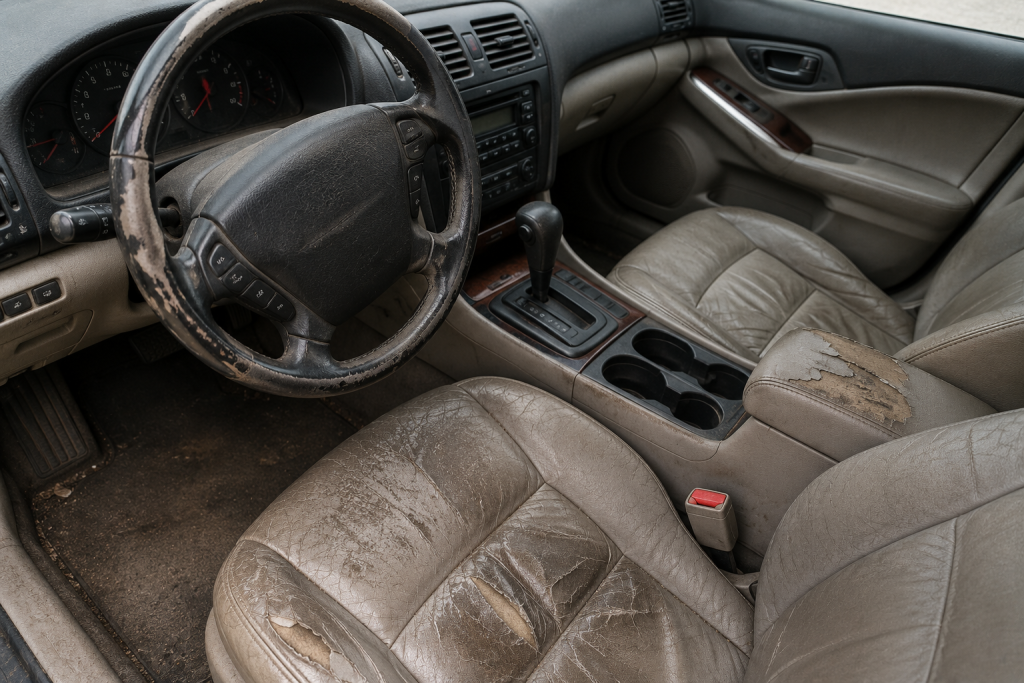
Another clue involves the driver’s controls. Pedal surfaces, gear selectors, and steering-wheel buttons can exhibit significant wear because they are touched by countless individuals with different driving habits. These signs often appear earlier than they would in a privately owned vehicle.
Interior odors can also provide hints. Rental cars sometimes undergo quick cleaning processes between customers rather than deep detailing. Lingering smells from cleaning products may indicate frequent turnover of occupants.
Condition should always align with mileage. When the cabin appears substantially older than the odometer suggests, further investigation becomes necessary. While excessive wear does not automatically confirm rental history, it is one of the most visible warning signs available to buyers.
A close inspection of the interior can reveal information that even detailed sales descriptions may fail to mention, making it a valuable step during any used-car evaluation.
3. Fleet Maintenance Stickers Or Removed Company Labels
Sometimes the strongest evidence that a used car served in a rental fleet is hidden in plain sight. Rather than looking for mechanical problems, buyers should examine the vehicle for traces of its former commercial life.
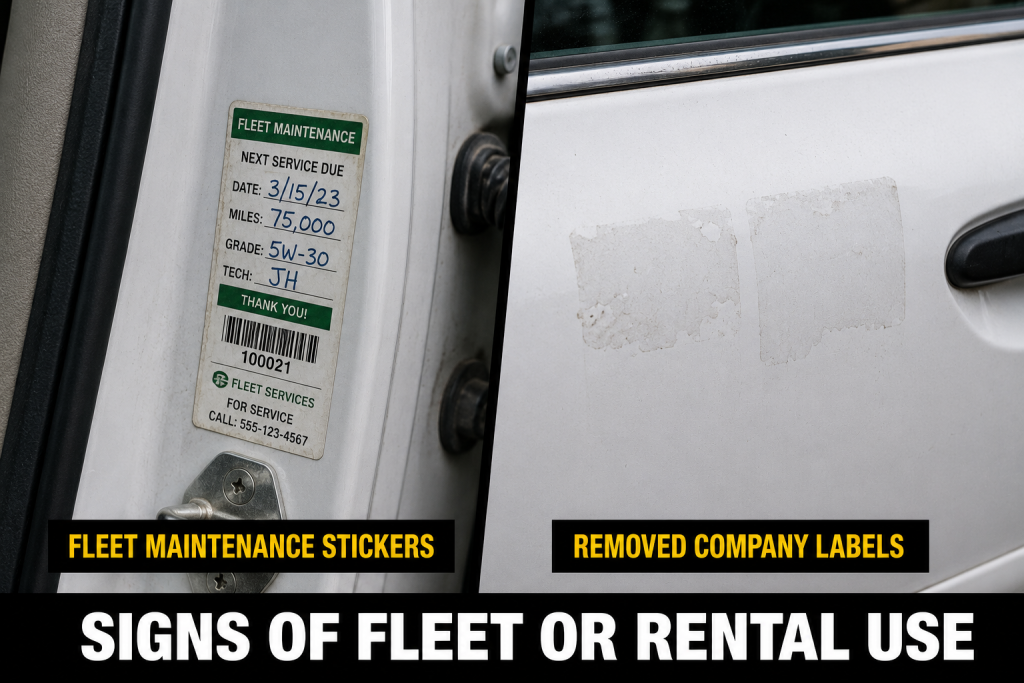
Rental companies often apply identification labels, inventory tags, barcodes, or maintenance stickers to help manage thousands of vehicles.
Even after a car is sold, small clues can remain behind. Check the inside edges of door jambs, the lower corners of windows, the glove compartment, and the trunk area.
Faded adhesive marks, partially removed decals, or unusual sticker residue may indicate that fleet identifiers were once attached. These marks are often overlooked during reconditioning because they are not immediately noticeable.
The owner’s manual packet can provide additional hints. Some former rental cars still contain fleet service paperwork, maintenance records, or documents referencing company vehicle numbers. While dealers may remove obvious references, smaller details sometimes remain.
Under the hood, buyers may discover oil-change labels displaying fleet codes rather than personal ownership information. Large rental operators frequently use standardized maintenance tracking systems, and those markings occasionally survive long after the vehicle leaves service.
Another area worth examining is the key set. Many rental vehicles originally used inventory tags or tracking devices. Evidence of removed attachments can sometimes be found on key rings or key fobs.
None of these clues alone prove rental history. However, when multiple indicators appear together, they create a convincing picture of prior fleet use. Smart shoppers pay attention to small details because they often reveal information that sales listings and advertisements fail to mention.
Vehicles leave behind traces of their past, and careful observation can uncover details that help buyers better understand exactly where a car has spent its early years.
4. Basic Trim Levels With Surprisingly High Mileage
Former rental vehicles often follow a pattern that differs from what most private owners choose. Rental companies typically purchase cars in large quantities, and their priorities are not the same as those of individual consumers.
Instead of selecting heavily optioned models, they frequently focus on lower or mid-level trims that maximize value and minimize operating costs.
This purchasing strategy creates an interesting clue for used-car buyers. A vehicle may have accumulated substantial mileage while lacking many premium features commonly found in privately owned examples.
If you encounter a relatively new car with high mileage, basic upholstery, fewer convenience features, and a simplified equipment list, there is a possibility it previously served in a rental fleet.
Consider how private buyers usually shop. Many people add technology packages, upgraded wheels, premium audio systems, or advanced comfort features when purchasing a new vehicle.
Rental companies, meanwhile, often prioritize affordability, durability, and ease of maintenance. The result is a fleet dominated by practical configurations rather than luxury-oriented versions.
This does not mean every base-model vehicle was a rental. Plenty of consumers intentionally purchase lower trims. The key is evaluating the entire picture. High annual mileage combined with a simplified specification often deserves closer investigation.

The absence of certain options can also affect resale value. Buyers comparing similar vehicles may notice that one costs less because it lacks features present in competing listings. Sometimes that price difference reflects former fleet service.
When examining a used car, equipment levels should make sense relative to its age, mileage, and market position. If the vehicle appears unusually basic for the amount of road time it has accumulated, it may have spent its first years transporting a steady stream of rental customers rather than serving a single owner.
5. Unusually High Annual Mileage
A vehicle’s odometer can reveal far more than simply how far it has traveled. When evaluating a used car, one of the most useful calculations involves comparing mileage against age. Rental cars often accumulate miles at a much faster rate than privately owned vehicles, making this an important clue for buyers.
Most personal vehicles follow relatively predictable driving patterns. Owners commute to work, run errands, take occasional road trips, and gradually add mileage over several years. Rental vehicles operate differently.
They may be driven by multiple customers every week, spending long hours on highways, city streets, and airport routes.
As a result, the annual mileage figure can be significantly higher than average. For example, a three-year-old vehicle with mileage that greatly exceeds normal expectations may deserve closer examination. While high mileage alone does not prove rental history, it should encourage buyers to investigate further.
The nature of rental use can also contribute to accelerated wear. Different drivers operate the vehicle under varying conditions and driving styles. Some may treat the car gently, while others are far less cautious. This repeated turnover places stress on components throughout the vehicle’s lifespan.
Vehicle history reports often help connect the dots. If high mileage is accompanied by frequent registration changes or fleet ownership records, the likelihood of rental use increases considerably.

Buyers should also compare the odometer reading with the vehicle’s physical condition. Excessive mileage paired with noticeable wear patterns may reinforce suspicions about commercial use.
A car with high annual mileage is not automatically a poor purchase. Many rental fleets maintain vehicles according to strict schedules. However, understanding how quickly those miles accumulated provides valuable context and helps buyers make more informed decisions before committing to a purchase.
6. Frequent Tire Replacement Or Mismatched Tires
Tires often tell a story that sellers may not discuss. While many buyers focus on paint condition and interior appearance, examining the tires can reveal important clues about a vehicle’s previous life. Former rental cars sometimes display unusual tire histories that deserve attention.
Rental companies prioritize keeping vehicles operational and safe. When a tire becomes damaged, replacement decisions are often made based on availability and cost efficiency rather than matching the original set. This can result in vehicles wearing different tire brands or models across the same axle.
A careful inspection may uncover mismatched tread patterns, varying manufacturing dates, or tires from different manufacturers. Such findings suggest that replacements occurred during the vehicle’s service life. While this is not necessarily a problem, it may indicate extensive use by multiple drivers.
The condition of the tires can also provide clues about how a vehicle has been driven. Uneven wear patterns may develop when a car spends significant time on highways or in stop and go city traffic. Because rental vehicles are exposed to a wide range of driving situations, their tires often show signs of that varied use.
Another clue involves tire age relative to the vehicle itself. A relatively young vehicle wearing multiple replacement tires may have accumulated substantial mileage in a short period. This pattern aligns closely with how rental fleets operate.
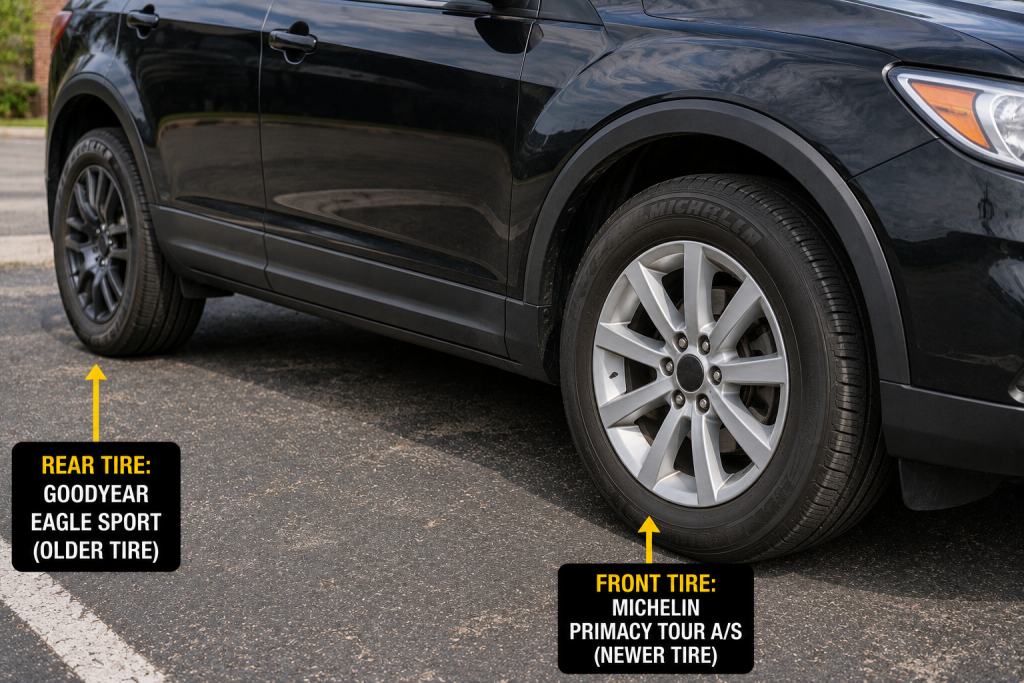
Buyers should not assume that mismatched tires automatically mean a vehicle was neglected. Many rental companies replace tires promptly to maintain safety standards. The key is viewing tire condition as one piece of a larger puzzle.
When combined with other indicators such as high mileage, fleet records, or unusual ownership history, tire evidence can strengthen the case that a vehicle previously served as a rental. Sometimes the clues are literally where the rubber meets the road.
7. Vehicle History Report Shows Commercial Or Fleet Registration
Many buyers glance at a vehicle history report and focus only on accident records. That approach can cause them to miss one of the clearest indicators of previous rental use. Hidden among registration entries and ownership details is information that can reveal whether the vehicle spent time in commercial service.
A history report often contains descriptions such as “fleet vehicle,” “commercial registration,” “rental use,” or similar classifications. These entries are extremely valuable because they provide direct insight into how the vehicle was used before reaching the used-car market.
Unlike physical signs that require interpretation, registration records are based on documented ownership information. If a major rental company owned the vehicle, the report may show a fleet designation during a portion of its life. Some reports even identify the type of commercial operation associated with the vehicle.
Buyers should pay attention to the timeline. A vehicle that spent its first one or two years under fleet ownership before being sold through an auction follows a pattern commonly seen with rental inventory. Afterward, it may pass through dealerships before reaching a retail buyer.
It is also useful to examine service entries listed on the report. Rental fleets frequently perform maintenance at regular intervals, creating a detailed service history. While this maintenance can be beneficial, the accompanying fleet designation often confirms the vehicle’s commercial past.
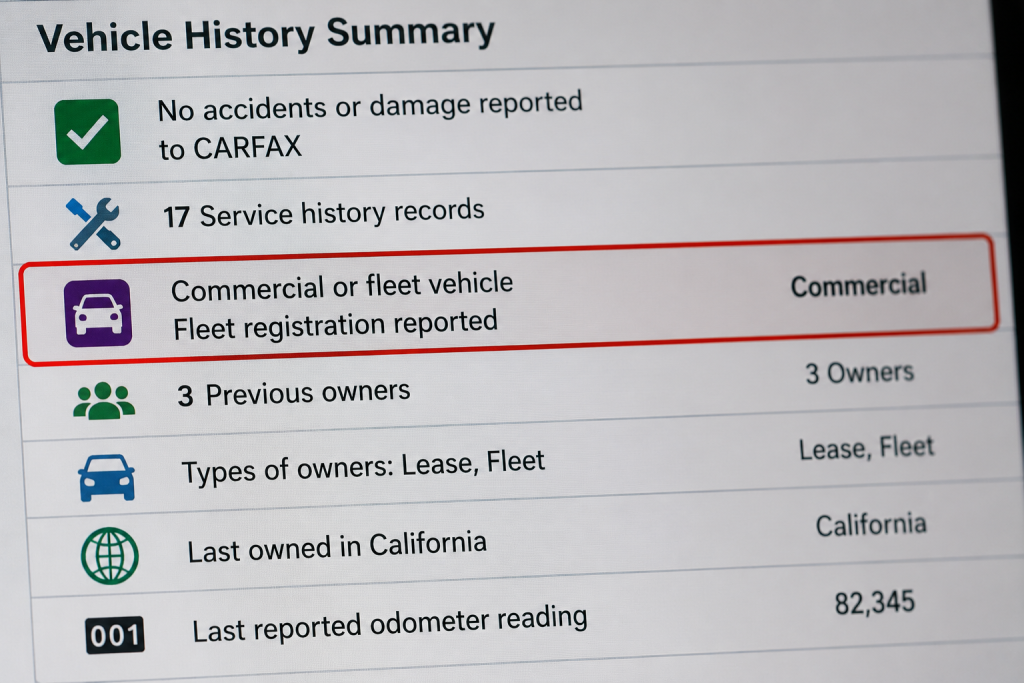
A history report should never be treated as a formality. It is one of the most powerful research tools available during the shopping process. Taking a few extra minutes to carefully read every section can uncover details that significantly affect a purchasing decision.
For buyers attempting to determine whether a used vehicle was once a rental, commercial registration records are among the strongest forms of evidence available.
8. Excessive Cosmetic Damage In High-Touch Areas
A former rental car can sometimes look perfectly acceptable from a distance while revealing a different story upon closer inspection. Cosmetic wear in frequently used areas often provides one of the final pieces of evidence that a vehicle has been handled by hundreds of different drivers and passengers.
Start by examining the door handles. Rental customers repeatedly enter and exit vehicles while carrying luggage, bags, keys, and personal belongings. Over time, this constant activity can leave scratches around exterior handles and door openings.
The trunk area deserves equal attention. Rental vehicles are often loaded and unloaded multiple times each week. Suitcases, sports equipment, and travel gear can create scuffs, chips, and scratches along cargo openings and rear bumper surfaces. These marks sometimes appear more severe than expected for the vehicle’s age.
Inside the cabin, focus on high-contact locations. Window switches, climate-control buttons, cup holders, center consoles, and seat adjustment controls frequently experience accelerated wear in rental vehicles. Small scratches and worn surfaces accumulate because so many different people use the same controls.
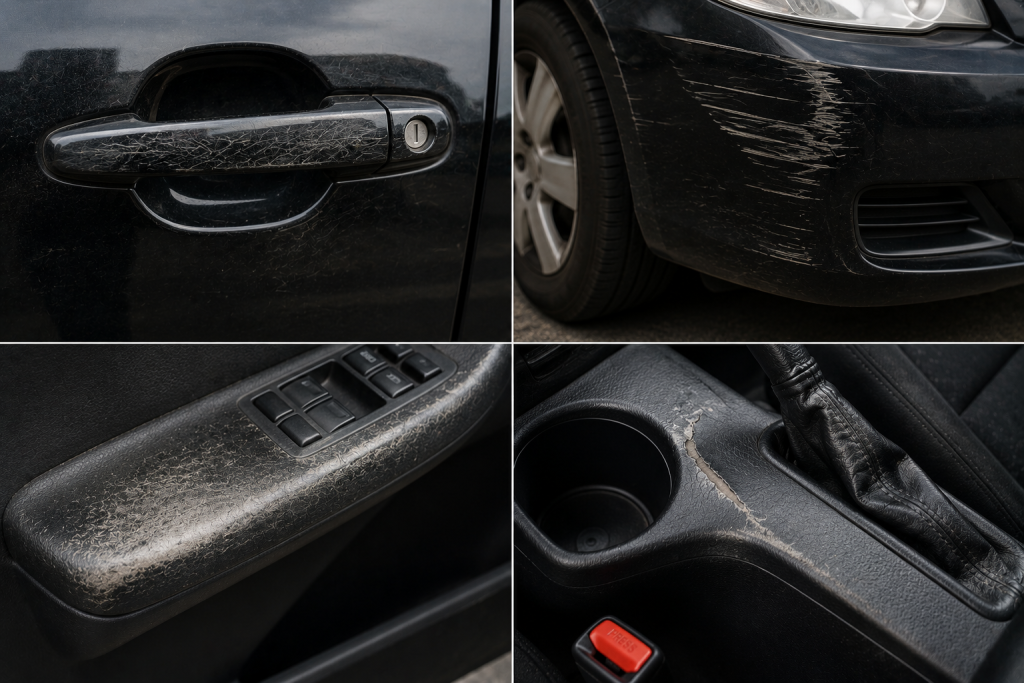
Seat belts can provide another clue. Rental vehicles often show heavier wear around buckles and latches because passengers constantly occupy different seating positions. Even small signs of aging in these areas can indicate unusually frequent use.
What makes this sign particularly useful is that it complements other indicators. A car with high mileage, fleet records, and significant wear in high-touch areas presents a much stronger case for previous rental service than any single clue alone.
Cosmetic imperfections do not necessarily make a vehicle a bad purchase. However, they can reveal how intensively it was used. Paying attention to these details helps buyers better understand a vehicle’s history and avoid surprises after the sale.
Also Read: 10 Ways To Make A Set Of Tires Last Twice As Long
