
Transmission problems can range from annoying shift quality issues to serious safety concerns, but few faults attract as much attention as transmission lockup defects. In certain situations, a transmission can unexpectedly lock, fail to disengage properly, or cause a sudden loss of power delivery.
Depending on the design of the transmission and the nature of the malfunction, drivers may experience abrupt deceleration, difficulty controlling vehicle speed, or an increased risk of collisions.
Over the last two decades, several major automakers have issued recalls involving transmission lockup concerns. These recalls affected everything from family sedans and pickup trucks to SUVs and luxury vehicles.
In some cases, the issue originated from a faulty torque converter. In others, software programming, valve-body malfunctions, or mechanical failures inside the transmission assembly created conditions that could cause the drivetrain to behave unpredictably.
What makes these recalls particularly important is that many affected vehicles remained popular long after the repairs were announced.
Used-car buyers often encounter these models on dealership lots and private-sale listings, making it valuable to understand which vehicles were involved and what problems prompted manufacturer action.
The seven vehicles highlighted here represent some of the most notable transmission-lockup recalls in recent automotive history.
Their stories reveal how a single component failure inside a transmission can create widespread consequences and force manufacturers to launch large-scale corrective actions affecting hundreds of thousands of vehicles.
Also Read: 8 Financial Drawbacks of Owning an Electric Vehicle
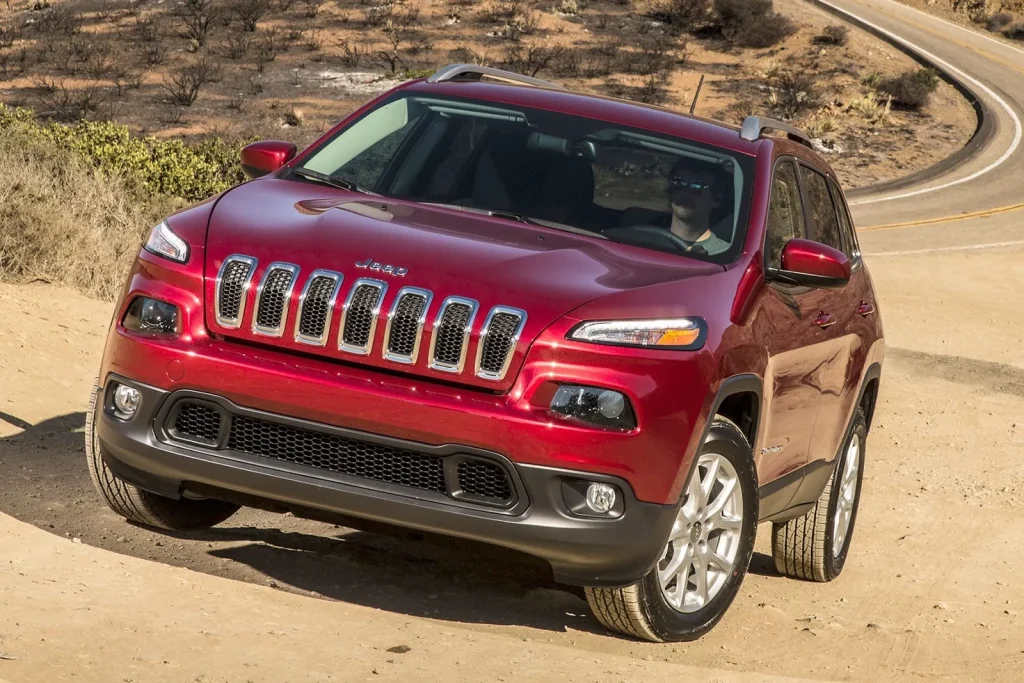
1. 2014 Jeep Cherokee
The launch of the 2014 Jeep Cherokee marked a major change for the brand because it introduced the then-new nine-speed automatic transmission to a mass-market SUV. The transmission promised improved fuel economy and smoother highway performance, but the rollout quickly became controversial due to a variety of drivability complaints.
Among the concerns investigated by regulators and engineers were situations involving unexpected transmission behavior and shifting irregularities that could affect vehicle operation.
Owners reported hesitation, harsh shifts, sudden gear changes, and occasions where the transmission failed to respond as expected. Because modern transmissions rely heavily on electronic controls, software calibration became a major focus of the investigation.
Jeep ultimately issued recall campaigns and software updates intended to address transmission-related concerns. Engineers revised control strategies, updated programming, and improved communication between various vehicle systems.
While many drivers experienced improvements after the updates, the Cherokee became one of the most discussed examples of how introducing a highly complex transmission can create unforeseen challenges.
The case attracted significant attention because the nine-speed automatic was intended to represent the future of efficiency-focused transmissions. Instead, the early years became dominated by troubleshooting efforts and customer complaints.
Even today, used-vehicle shoppers often research recall history before purchasing a first-generation Cherokee equipped with this transmission. The recall serves as a reminder that advanced technology can sometimes require extensive refinement after reaching the marketplace.
Specifications
- Engine: 3.2L Pentastar V6
- Torque: 239 lb-ft
- Horsepower: 271 hp
- Length/Width: 182.0 in / 73.2 in
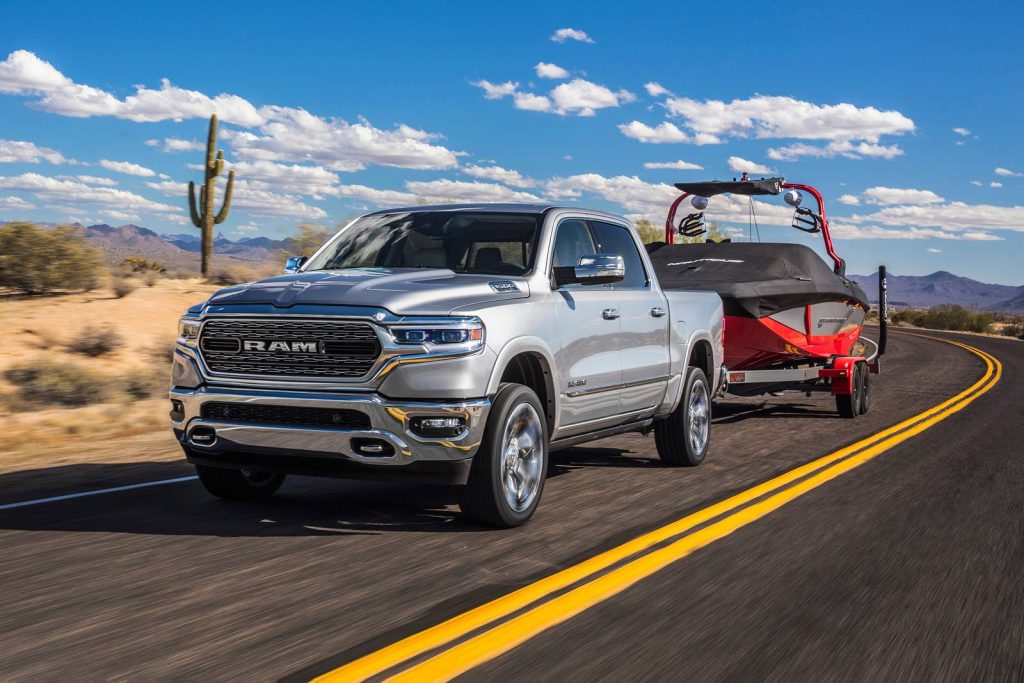
2. 2019 Ram 1500
Pickup trucks are expected to handle demanding workloads, making transmission reliability especially important. The 2019 Ram 1500 became the subject of transmission-related recall actions after concerns emerged regarding a condition that could affect vehicle movement and drivability.
Unlike many transmission problems that develop gradually, this issue involved circumstances where the transmission operation might not match driver expectations. Engineers identified conditions under which the vehicle could experience unintended behavior, prompting an extensive review of affected trucks.
Ram’s response involved updating software and implementing corrective measures designed to improve transmission control logic. Because modern pickups integrate numerous electronic systems, even a small programming error can influence how the transmission interprets driver inputs and vehicle conditions.
The recall attracted attention due to the popularity of the Ram 1500. As one of North America’s best-selling trucks, any large-scale service campaign inevitably affects a substantial number of owners. Dealerships worked through repair schedules while the manufacturer communicated with customers regarding available remedies.
What made this recall particularly noteworthy was the contrast with the truck’s strong reputation in many other areas.
The Ram 1500 earned praise for ride quality, interior refinement, and available technology, yet the transmission-related concern demonstrated that even highly regarded vehicles can encounter significant engineering challenges.
For prospective used-truck buyers, confirming recall completion remains an important step when evaluating affected examples. Properly repaired vehicles generally continue providing the capability and comfort that helped make the Ram 1500 a major success in the competitive pickup market.
Specifications
- Engine: 5.7L HEMI V8
- Torque: 410 lb-ft
- Horsepower: 395 hp
- Length/Width: 228.9 in / 82.1 in
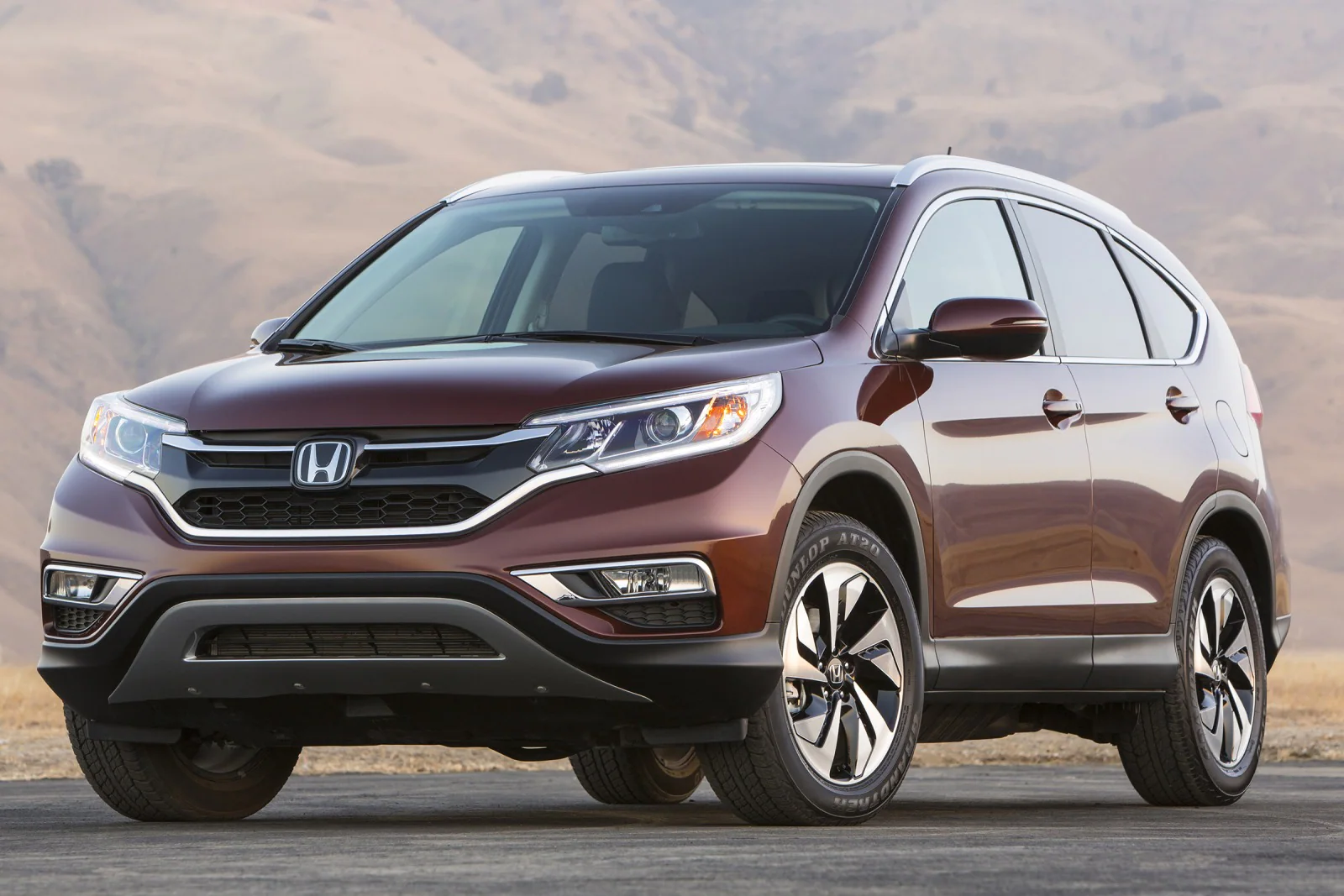
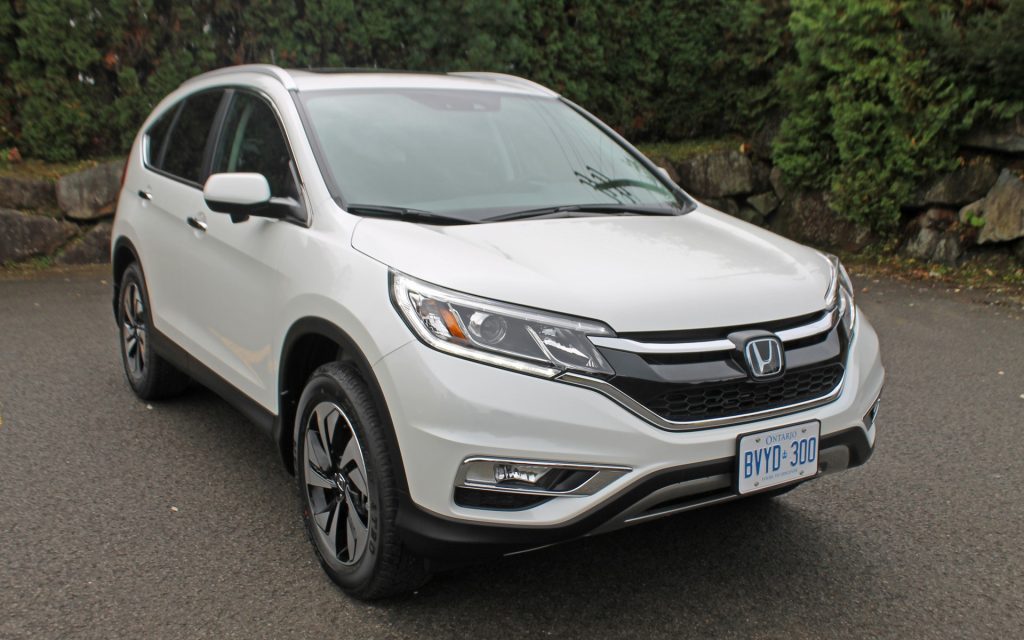
3. 2015 Honda CR-V
The Honda CR-V has traditionally been viewed as one of the safer choices in the compact SUV segment, which is why transmission-related recall actions involving certain 2015 models attracted considerable attention.
Unlike performance vehicles or heavy-duty trucks, where driveline stresses are expected, the CR-V was designed primarily for family transportation and daily commuting. That made any concern involving power delivery especially noteworthy.
The issue centered on circumstances that could affect transmission operation and vehicle movement. Engineers discovered that under specific conditions, components within the transmission system might not function exactly as intended.
Because modern automatic transmissions depend on precise communication between mechanical parts, hydraulic circuits, and electronic controls, even a small defect can create larger drivability concerns.
Honda responded by launching corrective measures aimed at reducing the risk of transmission-related malfunctions. Dealers inspected affected vehicles and performed the required updates or component replacements.
The company’s quick response helped limit the long-term impact of the issue and reassured owners that a solution was available.
What separated this recall from many others was the vehicle involved. The CR-V had built its reputation on dependable transportation and low ownership costs. Seeing a widely trusted model associated with a transmission recall surprised many consumers and generated substantial discussion among owners.
Despite the recall, the 2015 CR-V continued to earn strong marks for practicality, fuel economy, and interior versatility. Many examples remain on the road today with high mileage and reliable service records. For used-vehicle shoppers, verifying recall completion remains the most important step when considering one of these SUVs.
The situation demonstrated that even manufacturers known for durability occasionally encounter transmission-related engineering challenges requiring large-scale corrective action.
Specifications
- Engine: 2.4L Inline-4
- Torque: 181 lb-ft
- Horsepower: 185 hp
- Length/Width: 179.4 in / 71.6 in
4. 2016 Ford Focus
Few transmission controversies generated as much publicity as the issues involving the Ford Focus equipped with the PowerShift dual-clutch transmission. While the vehicle itself offered sharp handling, attractive styling, and respectable fuel economy, the transmission became the source of persistent complaints from owners across multiple model years.
The PowerShift unit was designed to combine the efficiency benefits of a manual transmission with the convenience of an automatic.
In theory, the concept offered improved fuel economy and responsive performance. In practice, however, many owners reported hesitation, shuddering, rough engagement, and unpredictable behavior during low-speed driving.
Regulators, consumer groups, and customers closely monitored the situation as complaints accumulated. Ford eventually implemented multiple service campaigns, software updates, and warranty extensions aimed at addressing the transmission’s shortcomings.
Certain actions focused on components that could contribute to abnormal operation and drivability concerns.
What made the Focus case particularly significant was the scale of the problem. The vehicle was sold in large numbers across numerous markets, meaning even a relatively small failure rate affected a substantial population of owners.
The resulting attention transformed the issue into one of the most widely discussed transmission-related stories of the decade.
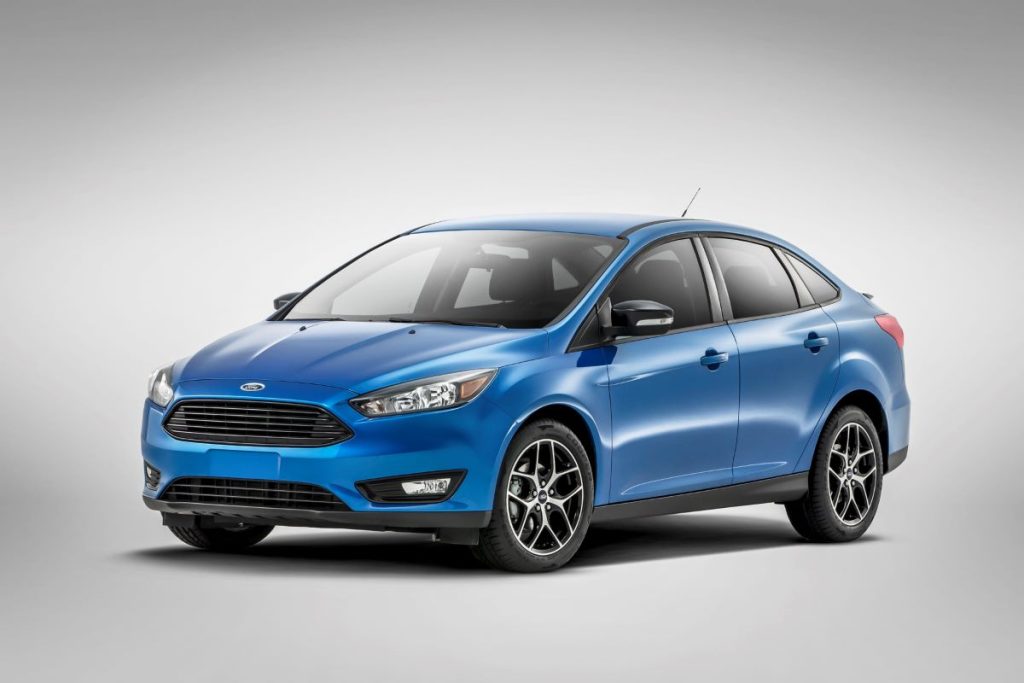
Interestingly, many drivers praised the Focus in nearly every area unrelated to the transmission. The chassis delivered engaging road manners, the cabin offered competitive technology, and the full package remained appealing.
Yet the transmission concerns overshadowed those strengths and ultimately influenced the model’s reputation.
Today, the Focus remains one of the clearest examples of how transmission-related problems can shape public perception long after recall and repair efforts have been completed.
Specifications
- Engine: 2.0L Inline-4
- Torque: 146 lb-ft
- Horsepower: 160 hp
- Length/Width: 171.7 in / 71.8 in
5. 2018 Ford F-150
When most people think about transmission recalls, compact cars and crossovers often come to mind first. The 2018 Ford F-150 proved that even America’s best-selling pickup trucks are not immune to significant drivetrain concerns.
At the center of the issue was Ford’s 10-speed automatic transmission, a sophisticated unit developed to improve both performance and fuel efficiency.
The transmission represented a major technological leap compared with older six-speed automatics. With ten forward gears available, engineers could keep the engine operating closer to its ideal power band while also reducing fuel consumption during highway driving.
On paper, the design offered substantial benefits. In real-world use, however, some owners reported unexpected shift behavior that prompted further investigation.
Regulators and Ford engineers examined complaints involving sudden downshifts and transmission operation that did not always align with driver expectations. Such behavior could potentially affect vehicle control, particularly at higher speeds.
Because modern transmissions rely heavily on software programming, engineers focused considerable attention on calibration strategies and control logic.
Ford responded through recall campaigns and software updates intended to address the issue. Dealers reprogrammed transmission control modules and performed additional inspections when necessary. The corrective actions aimed to improve shift quality and reduce the likelihood of unexpected transmission behavior.
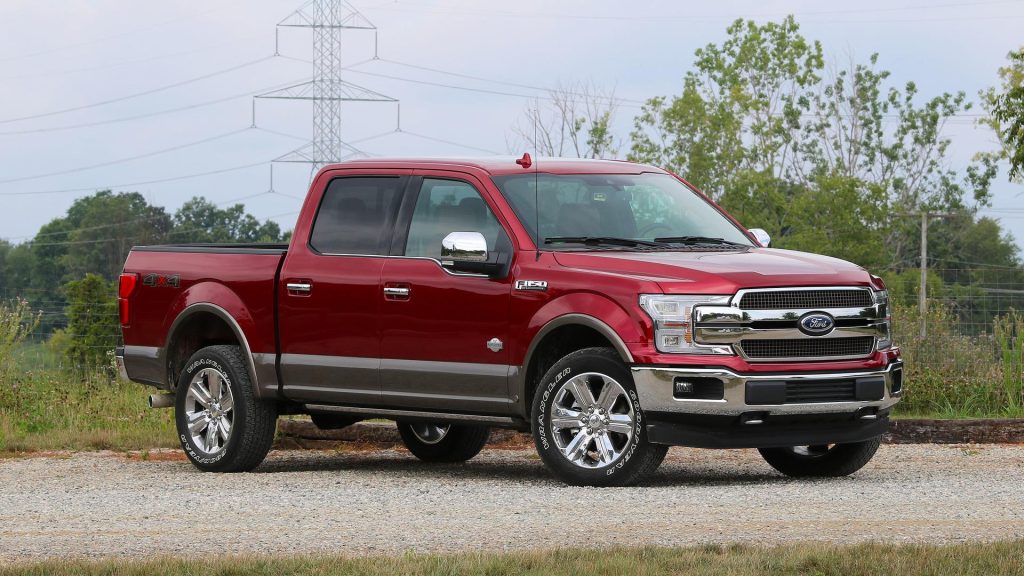
What made this recall especially noteworthy was the sheer number of affected vehicles. The F-150 consistently ranks among the most popular vehicles in North America, meaning any widespread issue quickly gains national attention.
Owners, fleet operators, and industry observers closely followed developments as repairs were rolled out.
Despite the recall, the F-150 remained a highly capable truck. Its towing capacity, engine options, and broad range of configurations continued to make it a dominant force in the pickup segment.
Specifications
- Engine: 5.0L V8
- Torque: 400 lb-ft
- Horsepower: 395 hp
- Length/Width: 231.9 in / 79.9 in
6. 2020 Kia Telluride
The Kia Telluride quickly established itself as one of the most successful three-row SUVs of its era. Buyers praised its spacious interior, premium design, comfortable ride, and strong value proposition.
Yet even a vehicle with widespread acclaim can encounter technical challenges, and transmission-related concerns led to recall actions affecting certain examples. Unlike recalls driven by long-term wear, this situation involved a manufacturing-related concern within the transmission assembly.
Engineers determined that under specific circumstances, a component issue could affect transmission operation and potentially create safety risks.
Because the transmission is responsible for transferring engine power to the wheels, any defect within the system receives immediate attention from both manufacturers and regulators.
Kia moved quickly to identify affected vehicles and implement corrective measures. Dealers inspected transmission components and replaced parts where required.
The company’s response reflected the importance of maintaining customer confidence in a vehicle that had become a cornerstone of the brand’s North American lineup.
One reason this recall stood out was the Telluride’s reputation at the time. The SUV was receiving awards from automotive publications and experiencing strong demand from consumers. News of a transmission-related campaign, therefore, generated significant interest among both current owners and prospective buyers.
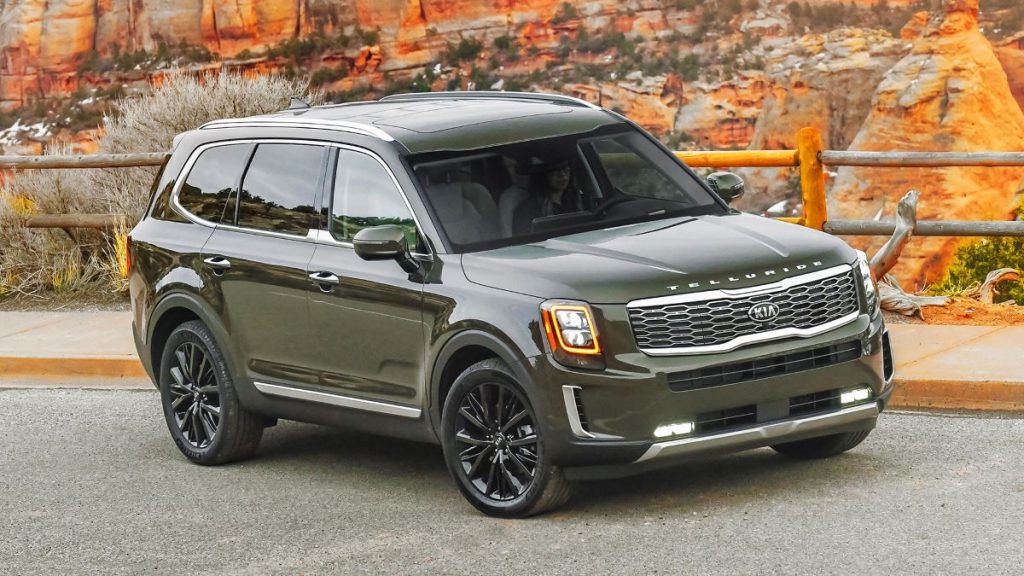
Fortunately, the recall addressed the issue before it could affect a larger number of vehicles. Many Tellurides continued delivering the comfort, practicality, and reliability that helped establish the model’s strong reputation.
The case serves as an example of how manufacturers often identify and correct potential drivetrain problems early, even when the affected vehicle is otherwise considered one of the standout products in its segment.
Specifications
- Engine: 3.8L V6
- Torque: 262 lb-ft
- Horsepower: 291 hp
- Length/Width: 196.9 in / 78.3 in
7. 2020 Chevrolet Silverado 1500
The Chevrolet Silverado 1500 has long been one of the pillars of the full-size pickup market, serving everyone from contractors and fleet operators to families who need serious towing capability.
Because of its widespread use, any recall involving the truck’s drivetrain attracts immediate attention. A transmission-related recall affecting certain 2020 Silverado models became one of the more significant examples of how a seemingly isolated component issue can affect a large number of owners.
At the heart of the concern was the automatic transmission system and its interaction with supporting components responsible for maintaining proper vehicle operation. Engineers identified conditions that could lead to unexpected transmission behavior, creating the potential for reduced driver confidence and increased safety concerns.
Since modern transmissions depend on a complex combination of software, sensors, hydraulic systems, and mechanical assemblies, diagnosing the root cause requires extensive investigation.
General Motors responded by issuing recall actions and developing repair procedures intended to address the problem. Dealership technicians inspected affected vehicles and performed the necessary corrective measures.
The company’s goal was to eliminate the possibility of transmission-related malfunctions while preserving the truck’s performance characteristics.
What made the Silverado case especially noteworthy was the vehicle’s role in commercial applications. Many owners rely on these trucks daily for work, towing, and hauling duties.
Any interruption in vehicle availability can have consequences that extend beyond personal transportation. As a result, repair completion became a priority for both fleet managers and individual owners.
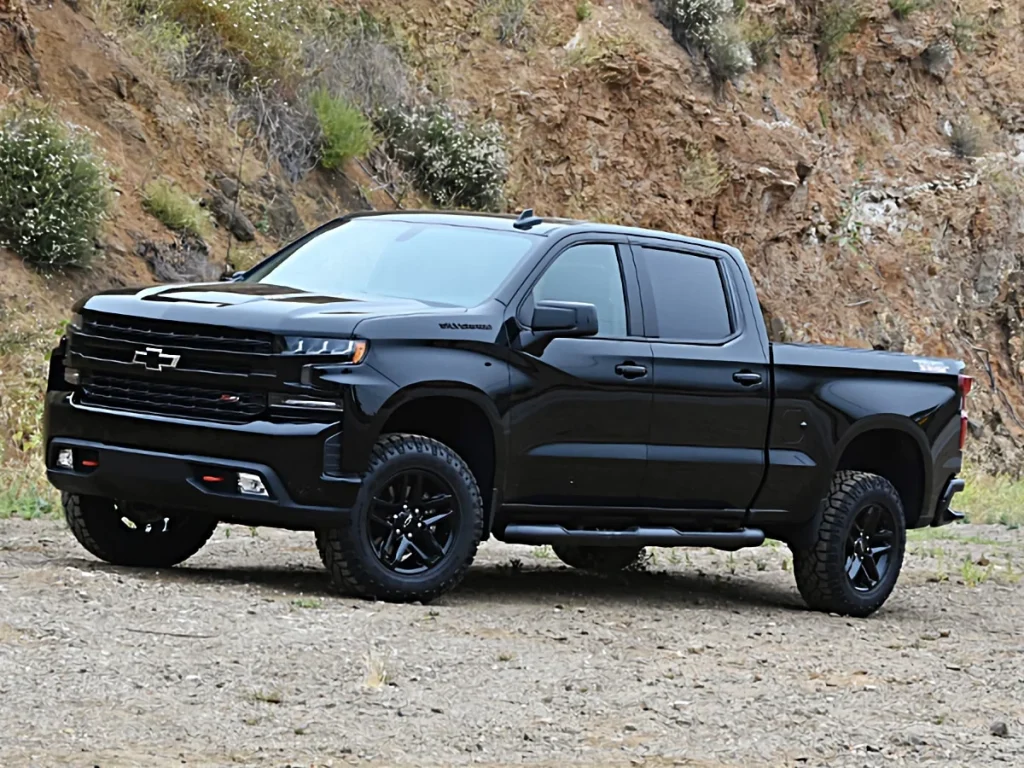
Despite the recall, the Silverado continued to offer strong capability, competitive towing ratings, and a broad selection of powertrain choices. Most repaired examples returned to normal service without further incident, demonstrating the effectiveness of the corrective actions implemented by the manufacturer.
The recall remains a valuable reminder that even highly developed modern trucks occasionally require large-scale interventions to address transmission-related concerns.
Specifications
- Engine: 5.3L V8
- Torque: 383 lb-ft
- Horsepower: 355 hp
- Length/Width: 231.7 in / 81.2 in
