
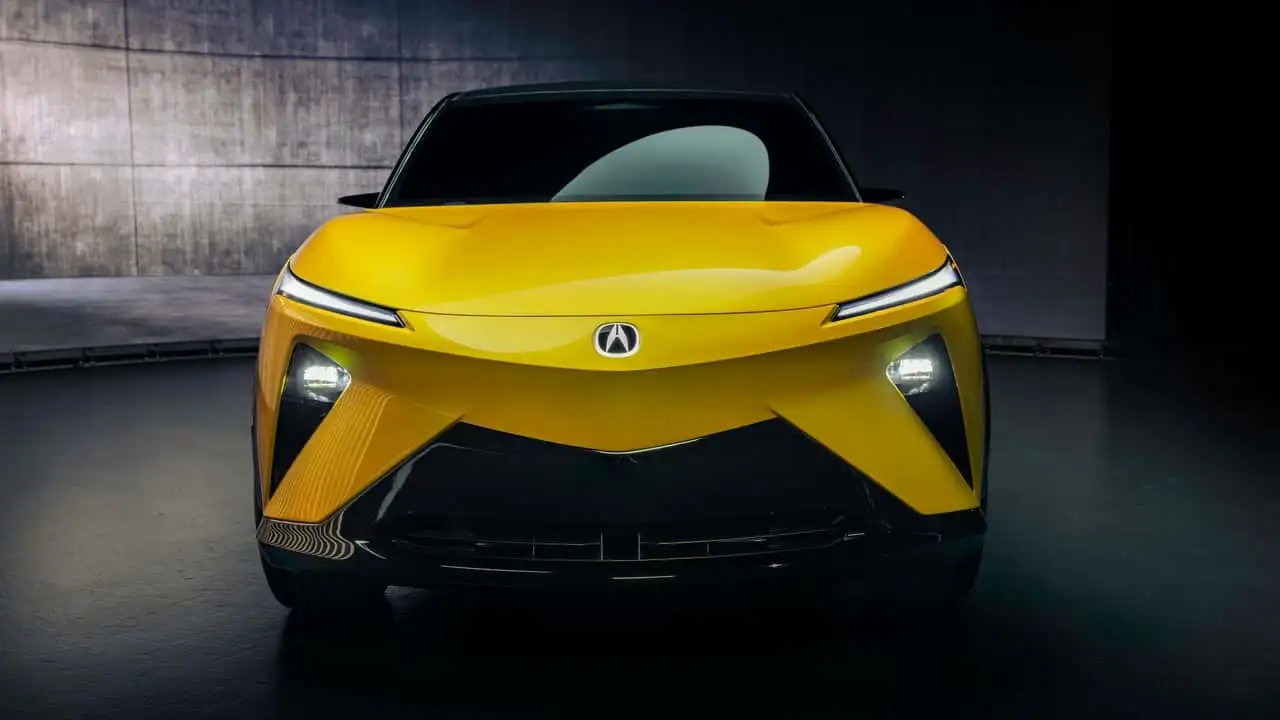
The electric vehicle market entered 2025 with expectations of rapid growth, expanding model lineups, and aggressive production targets. Just a few years earlier, many automakers were announcing ambitious plans to transition much of their portfolios toward battery-powered transportation.
New factories were built, billions of dollars were invested in battery technology, and manufacturers raced to introduce electric vehicles across nearly every segment.
Yet the reality that emerged during late 2025 and into 2026 proved more complicated. Consumer demand continued to grow in many regions, but not always at the pace automakers had forecast.
Higher interest rates, changing government incentives, shifting regulations, rising production costs, and increased competition from Chinese manufacturers forced many companies to rethink their strategies.
As a result, several highly anticipated electric models were either delayed, postponed indefinitely, or canceled altogether. Some projects were pushed back because companies wanted more testing and development time.
Others became victims of slowing sales projections or changing market priorities. In several cases, automakers redirected resources toward hybrids and plug-in hybrids instead of fully electric vehicles.
The vehicles highlighted here represent some of the most significant EV programs that encountered setbacks since late 2025. Their stories illustrate how quickly plans can change in an industry undergoing one of the largest technological transformations in its history.
While many of these models may eventually return in updated form, their delays and cancellations highlight the challenges automakers face in an increasingly uncertain EV market.
Also Read: 8 Financial Drawbacks of Owning an Electric Vehicle
1. Honda 0 SUV
Status: Canceled in 2026
When Honda revealed the 0 Series program, the company presented it as the foundation of its next-generation electric future. The 0 SUV was expected to become one of the most important products in Honda’s upcoming EV portfolio, serving as a practical family vehicle while showcasing a completely new architecture.
Unlike Honda’s earlier electric efforts, which often relied on partnerships or adapted platforms, the 0 SUV was designed to be part of a dedicated EV ecosystem.
The vehicle emphasized lightweight construction, advanced software integration, and a futuristic design language that looked dramatically different from traditional Honda products.
Industry observers initially viewed the model as evidence that Honda intended to become a major player in the electric segment.
However, market conditions changed considerably during 2025 and early 2026. Demand forecasts became less optimistic, competition intensified, and automakers began scrutinizing the profitability of large EV investments.
By 2026, Honda elected to halt the project. Reports indicated that the company shifted its focus toward hybrid vehicles and reassessed portions of its EV strategy after facing mounting financial pressure related to electrification investments.
The cancellation represented one of the most surprising reversals among major global manufacturers because the vehicle had already been heavily promoted as a key component of Honda’s plans.
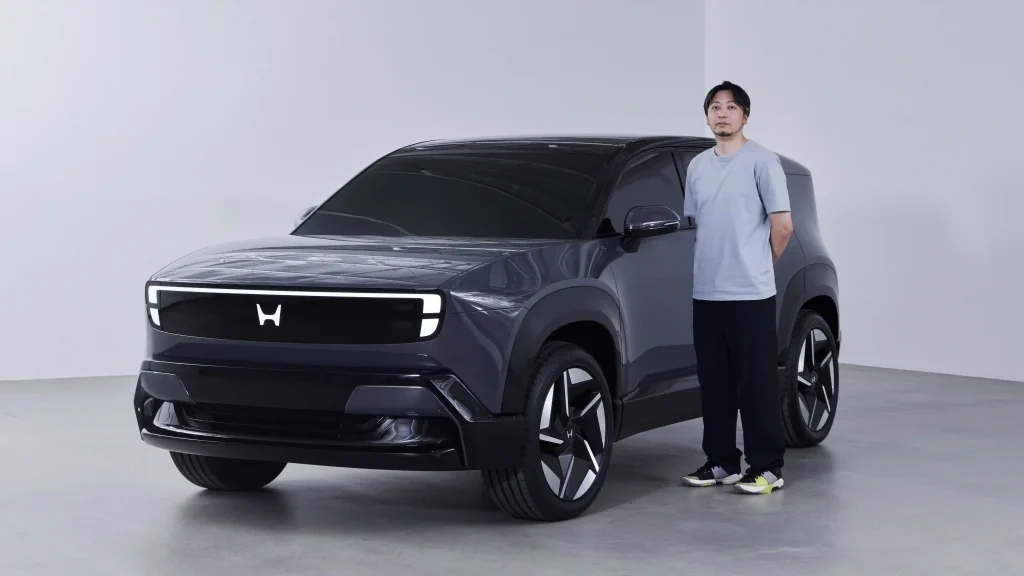
For consumers, the decision highlighted the risks associated with developing entirely new EV platforms during a period of uncertain market demand. What appeared to be a cornerstone product ultimately became an example of how quickly priorities can shift in the automotive world.
Specifications (Prototype Estimates)
- Engine: Dual-Motor Electric Powertrain
- Torque: Approx. 500 lb-ft
- Horsepower: Approx. 480 hp
- Length/Width: Approx. 190 in / 76 in
2. Honda 0 Saloon
Status: Canceled in 2026
The 0 Saloon was arguably the most visually striking member of Honda’s planned electric family. Its low-slung profile, dramatic styling, and technology-focused interior were intended to signal a completely new direction for the company. Rather than resembling a conventional sedan, the vehicle looked closer to a concept car that had reached production readiness.
Honda envisioned the saloon as a flagship product capable of competing with premium electric sedans from established and emerging manufacturers alike.
It was designed to showcase the company’s software ambitions as much as its engineering capabilities. Advanced connectivity features, over-the-air updates, and a highly digital cabin formed key elements of the concept.
Despite the excitement surrounding its introduction, the project ran into the same market realities impacting the broader 0 Series program.
EV demand growth slowed in several important markets, and companies across the industry began reassessing expensive development programs that might not deliver acceptable returns in the near term.
Honda ultimately decided that continuing investment in the saloon no longer aligned with its revised priorities. Instead, greater emphasis was placed on hybrid technologies and products that could achieve stronger profitability while still helping reduce emissions.
The cancellation reflected a broader trend in which manufacturers sought flexibility rather than committing exclusively to battery-electric solutions.
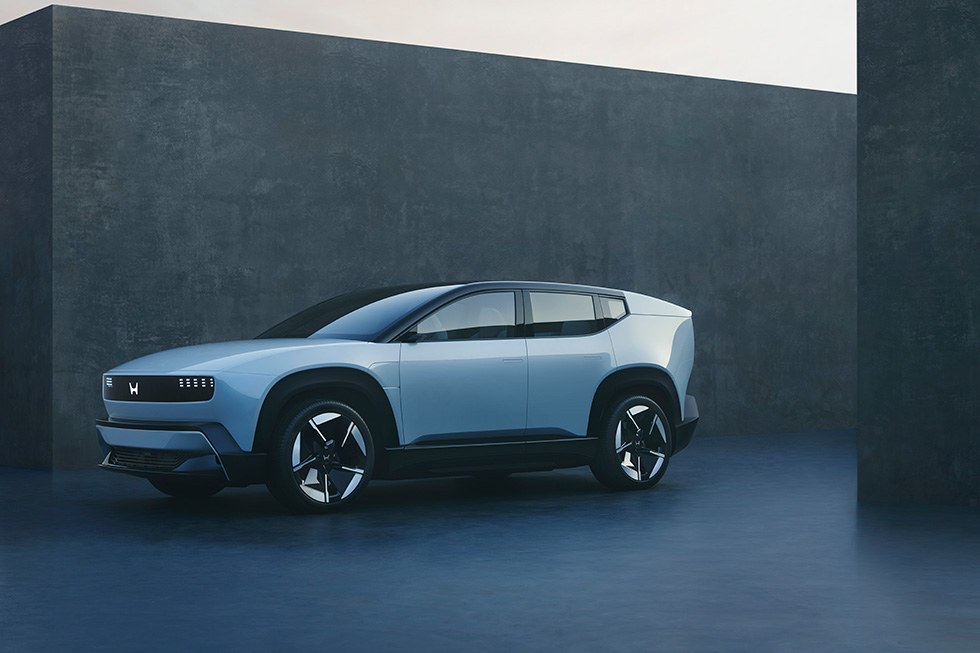
Although the vehicle never reached production, its influence may still appear in future Honda products. Design themes, software concepts, and engineering lessons developed during the project could find their way into later vehicles, even if the original saloon itself never reaches showrooms.
Specifications (Prototype Estimates)
- Engine: Dual-Motor Electric Powertrain
- Torque: Approx. 550 lb-ft
- Horsepower: Approx. 500 hp
- Length/Width: Approx. 195 in / 78 in
3. Acura RSX EV
Status: Canceled in 2026
Acura’s decision to revive the RSX name generated considerable attention among enthusiasts and industry analysts. Unlike the sporty coupe that carried the RSX badge in the early 2000s, the new version was planned as an electric crossover designed to help Acura establish a stronger presence in the premium EV segment.
The project was closely tied to Honda’s broader electrification strategy. Engineers intended to position the RSX EV between mainstream electric crossovers and higher-priced luxury offerings, creating a vehicle that combined performance, technology, and practicality.
Early plans suggested advanced battery systems, a modern software platform, and a distinctly Acura-focused driving experience.
However, the market environment shifted rapidly. Luxury EV growth slowed in several regions during late 2025, and many automakers found themselves reevaluating investment priorities. Rising development costs and uncertain demand projections made some planned vehicles harder to justify financially.
As Honda reconsidered its long-term EV roadmap, the Acura RSX EV became one of the casualties. Reports emerging in early 2026 indicated that the model would no longer proceed toward production as originally planned.
Instead, resources were redirected toward hybrid programs and more profitable vehicle segments. The cancellation formed part of a broader restructuring effort intended to protect profitability while still maintaining progress toward lower-emission transportation.
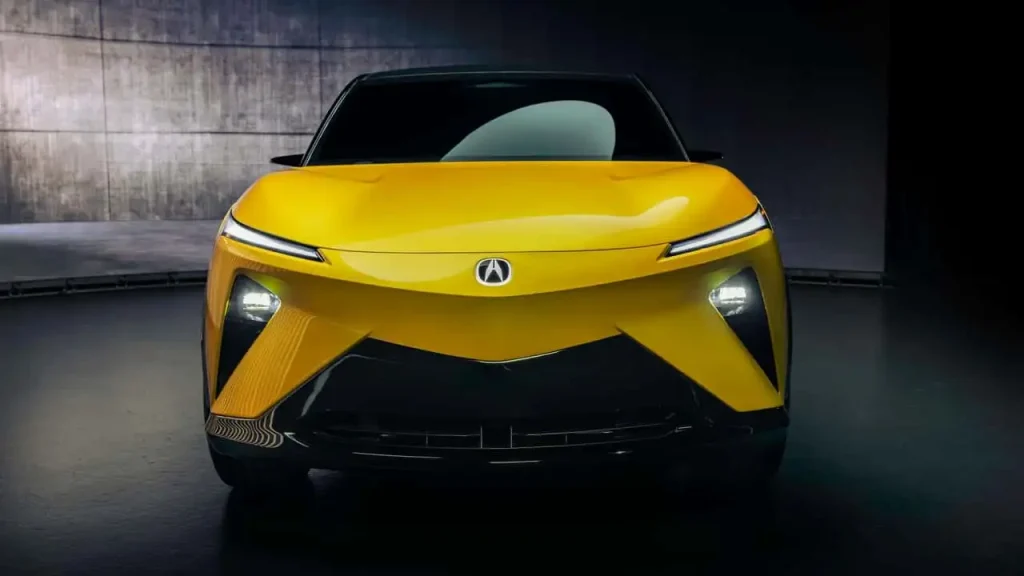
For Acura, the move represented a significant strategic adjustment. The brand remains committed to electrification in the long run, but the RSX EV demonstrated that even well-publicized projects can disappear when economic realities change.
Its cancellation became one of the clearest examples of the industry’s shift from aggressive EV expansion toward a more cautious and flexible approach.
Specifications (Projected Development Targets)
- Engine: Dual-Motor Electric Powertrain
- Torque: Approx. 450 lb-ft
- Horsepower: Approx. 400 hp
- Length/Width: Approx. 185 in / 74 in
4. Kia EV4 (U.S. Launch)
Status: Delayed Indefinitely
Not every EV setback involved outright cancellation. In Kia’s case, the EV4 remained alive as a global product, yet its American launch schedule became one of the most notable delays of the period.
The EV4 was originally expected to serve as an affordable entry point into Kia’s expanding electric lineup. With sedan styling, competitive range figures, and pricing intended to attract mainstream buyers, it appeared positioned to become a volume seller.
Industry observers viewed it as an important addition because affordable EV choices remained relatively limited compared with crossovers and SUVs.
As market conditions evolved, Kia reassessed the timing of its introduction. Changes in tariffs, shifting consumer demand, and the loss of certain incentives affected the business case for launching the model in the United States.
Rather than rushing the vehicle into a difficult market environment, the company chose to postpone its arrival until further notice.
The delay was particularly noteworthy because the EV4 continued moving forward in several international markets. That contrast highlighted how regional conditions increasingly influence automaker decisions. A vehicle that makes financial sense in one country may struggle to achieve profitability in another.
From a consumer perspective, the postponement removed what could have been one of the more attainable electric sedans available in North America. Buyers searching for a reasonably priced EV option lost a potentially attractive alternative during a period when affordability remained a major concern.
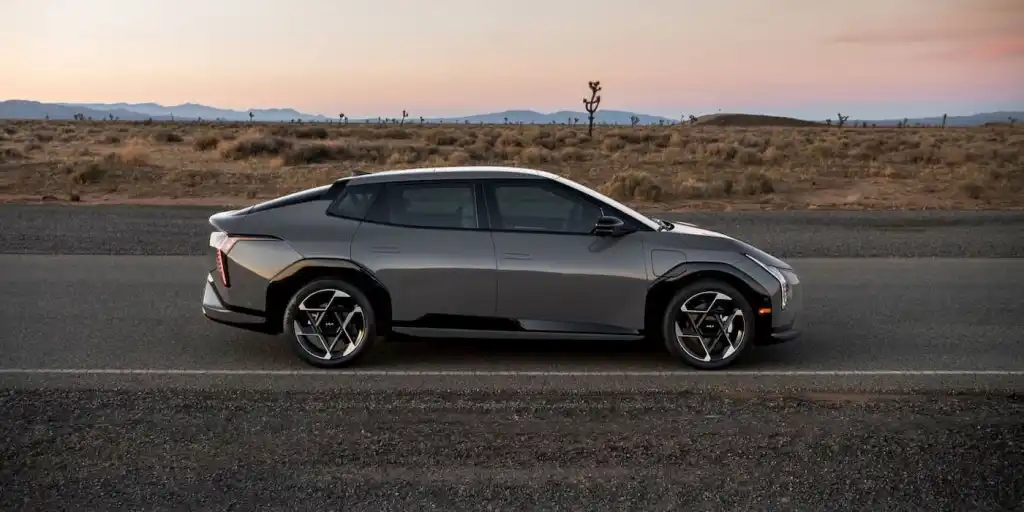
Although the EV4 has not been canceled, its indefinite delay shows how carefully manufacturers are managing product launches as the EV market enters a more competitive and uncertain phase.
Specifications (Global Production Model)
- Engine: Single-Motor Electric Powertrain
- Torque: 209 lb-ft
- Horsepower: 201 hp
- Length/Width: 186.2 in / 73.2 in
5. Ford Three-Row Electric SUV
Status: Delayed Beyond Original Launch Schedule
Few postponed EV programs attracted as much attention as Ford’s planned three-row electric SUV. The vehicle was intended to become a practical family-oriented flagship sitting above the Mustang Mach-E while demonstrating that battery-electric technology could work successfully in larger vehicle segments.
Ford believed there was a substantial opportunity for buyers who needed three rows of seating but wanted to avoid gasoline-powered SUVs.
Development progressed for several years as engineers worked to balance range, weight, interior space, and towing capability. Unlike compact EVs, a full-size family SUV presents unique challenges.
A vehicle of this size requires a large battery pack, and that battery significantly increases production costs while also affecting vehicle weight. Creating a profitable product under those conditions became increasingly difficult.
By late 2025 and into 2026, Ford began reassessing major electrification investments. Company executives publicly acknowledged that consumer demand for EVs was growing more slowly than many forecasts had predicted.
At the same time, interest in hybrids remained strong, encouraging Ford to direct additional resources toward electrified vehicles that did not rely entirely on battery power.
The result was a substantial delay for the three-row SUV program. Rather than launching according to its original schedule, the vehicle was pushed further into the future while the company reevaluated battery costs and market conditions.
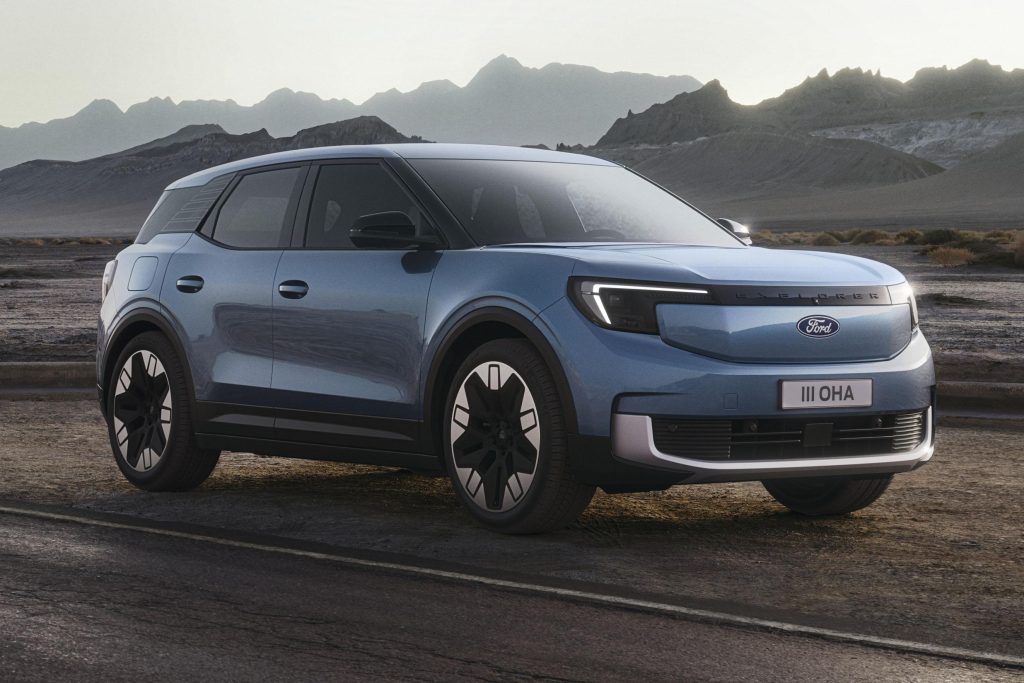
Although the SUV remains under consideration, its postponement became a symbol of a broader shift occurring throughout the industry. Automakers are increasingly focused on profitability and flexibility rather than simply expanding EV lineups as quickly as possible.
Specifications (Projected Development Targets)
- Engine: Dual-Motor Electric Powertrain
- Torque: Approx. 600 lb-ft
- Horsepower: Approx. 500 hp
- Length/Width: Approx. 205 in / 80 in
6. Lincoln Star Electric SUV
Status: Delayed Indefinitely
Luxury brands entered the EV race expecting affluent buyers to embrace battery-powered vehicles at a rapid pace. Lincoln’s Star electric SUV emerged from that optimism. Introduced as a striking concept, the Star represented a vision for the brand’s electric future, combining futuristic styling with a spacious cabin and technology-rich environment.
The project carried considerable strategic importance. Lincoln hoped the vehicle would help redefine the brand and attract customers who might otherwise consider premium electric offerings from European competitors.
Design played a central role in the vehicle’s appeal. Illuminated exterior elements, a modern interior layout, and advanced digital interfaces distinguished it from traditional luxury SUVs.
As development continued, market realities began changing. Luxury EV demand remained uneven across different regions, and manufacturers discovered that producing premium electric vehicles at attractive profit margins was more difficult than anticipated.
Battery costs, competitive pricing pressure, and uncertain consumer adoption rates complicated the business case.
Because Lincoln shares resources with Ford, the parent company’s broader EV strategy review inevitably affected the Star project. As Ford delayed or reconsidered several electric programs, Lincoln’s flagship EV also came under scrutiny.
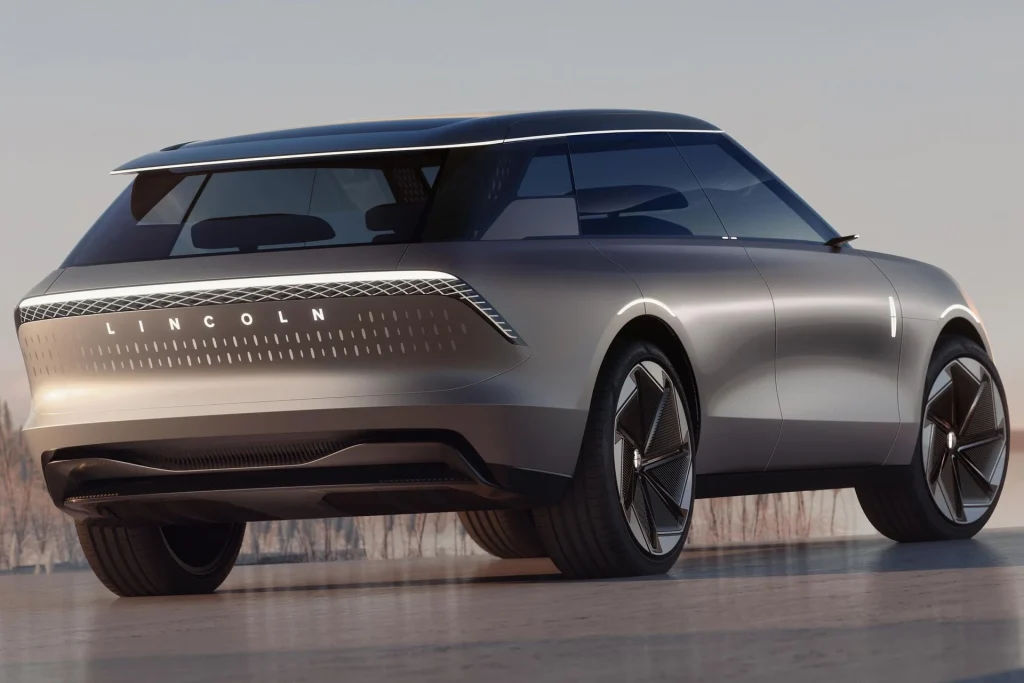
Rather than moving directly into production, the Star was placed on an indefinite delay. The decision did not necessarily signal the end of Lincoln’s electric ambitions, but it reflected a more cautious approach to future investments.
Executives preferred to wait for stronger market conditions before committing fully to an expensive luxury EV launch.
For industry observers, the Star’s delay demonstrated that even premium brands were becoming increasingly selective about where and when they introduced new electric products.
Specifications (Concept-Based Estimates)
- Engine: Dual-Motor Electric Powertrain
- Torque: Approx. 650 lb-ft
- Horsepower: Approx. 580 hp
- Length/Width: Approx. 201 in / 79 in
7. Porsche 718 Cayman EV
Status: Delayed Beyond Initial Launch Expectations
Among enthusiast-focused electric vehicles, few projects generated as much anticipation as the Porsche 718 Cayman EV. Porsche had already demonstrated its ability to build a compelling electric performance car with the Taycan, and many expected the electric Cayman to become a benchmark for driving engagement in the battery-powered era.
The challenge facing Porsche was not simply creating a fast vehicle. The company needed to preserve the balanced handling characteristics that made the gasoline-powered Cayman famous.
Engineers spent years refining battery placement, weight distribution, chassis tuning, and software controls to ensure the EV delivered the precise driving experience buyers expected from the brand.
As development progressed, difficulties emerged. Battery technology capable of meeting Porsche’s performance targets while maintaining acceptable weight proved more complex than anticipated. Industry reports suggested that suppliers and battery-related issues contributed to delays across several Volkswagen Group electric programs.
Instead of rushing the vehicle to market, Porsche chose to extend development timelines. Executives believed that releasing an unfinished product would risk damaging the reputation of one of the company’s most respected model lines.
Additional testing and engineering work were therefore prioritized over meeting the original schedule.
The delay reflected a broader reality affecting premium performance EVs. Customers willing to pay Porsche prices expect exceptional quality, range, charging performance, and driving dynamics. Meeting all of those requirements simultaneously remains a difficult engineering challenge.
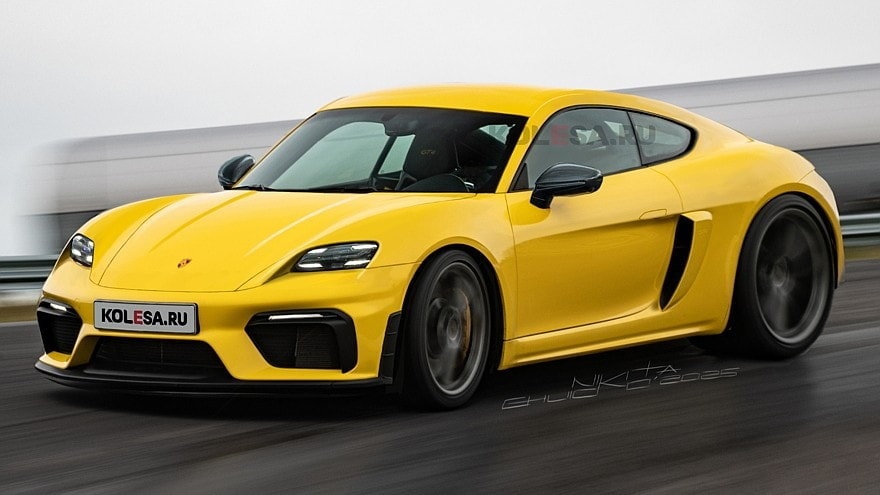
Although enthusiasts must wait longer than expected, Porsche’s decision demonstrates how seriously the company approaches product development.
The 718 Cayman EV remains an important future model, but the launch schedule shifted as engineers worked to ensure the vehicle met the standards associated with the Porsche name.
Specifications (Projected Development Targets)
- Engine: Dual-Motor Electric Powertrain
- Torque: Approx. 590 lb-ft
- Horsepower: Approx. 500 hp
- Length/Width: Approx. 174 in / 71 in
8. Lamborghini Lanzador Production EV
Status: Delayed From Original Electrification Timeline
When Lamborghini introduced the Lanzador concept, it represented a dramatic view into the company’s electric future. The vehicle combined characteristics of a grand tourer, crossover, and high-performance sports car while showcasing what an electric Lamborghini might look like in the coming decade.
Initially, the company appeared committed to bringing the production version to market relatively quickly. However, changing conditions throughout the luxury and performance vehicle sectors encouraged management to adopt a more cautious timeline.
Demand for high-end electric vehicles remained less predictable than expected, particularly among customers traditionally attracted to large-displacement engines and emotional driving experiences.
Lamborghini executives repeatedly emphasized that their buyers still showed strong enthusiasm for combustion-powered and hybrid performance vehicles. As a result, the company placed greater emphasis on hybrid models while extending the timetable for its first fully electric production vehicle.
Another factor involved technological expectations. A Lamborghini cannot simply match its competitors. It must deliver extraordinary acceleration, dramatic styling, premium craftsmanship, and an experience that feels unique within the supercar world.
Achieving those objectives while maintaining acceptable weight and range remains a difficult task for engineers.
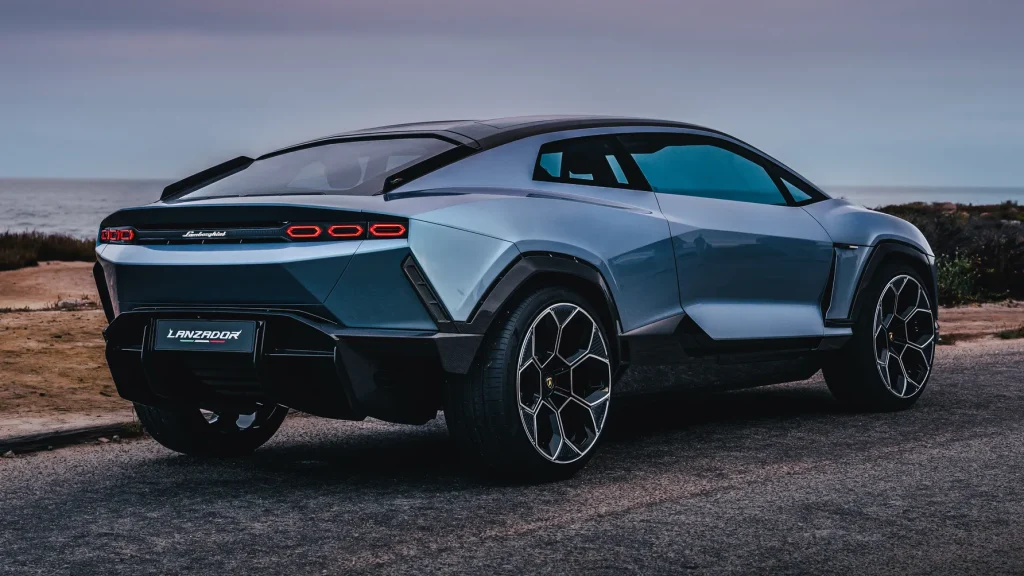
Consequently, the Lanzador’s path toward production became longer than originally anticipated. Rather than rushing into the market, Lamborghini chose to continue refining the concept and waiting for battery technology to mature further.
The delay illustrates an important trend among exotic manufacturers. Even companies committed to electrification are moving carefully, ensuring future products meet customer expectations rather than launching solely to satisfy industry timelines.
Specifications (Concept-Based Estimates)
- Engine: Dual-Motor Electric Powertrain
- Torque: Approx. 738 lb-ft
- Horsepower: Over 1,300 hp
- Length/Width: Approx. 200 in / 79 in
Also Read: 10 Things A VIN Report Won't Don’t Tell You About A Used Car
