
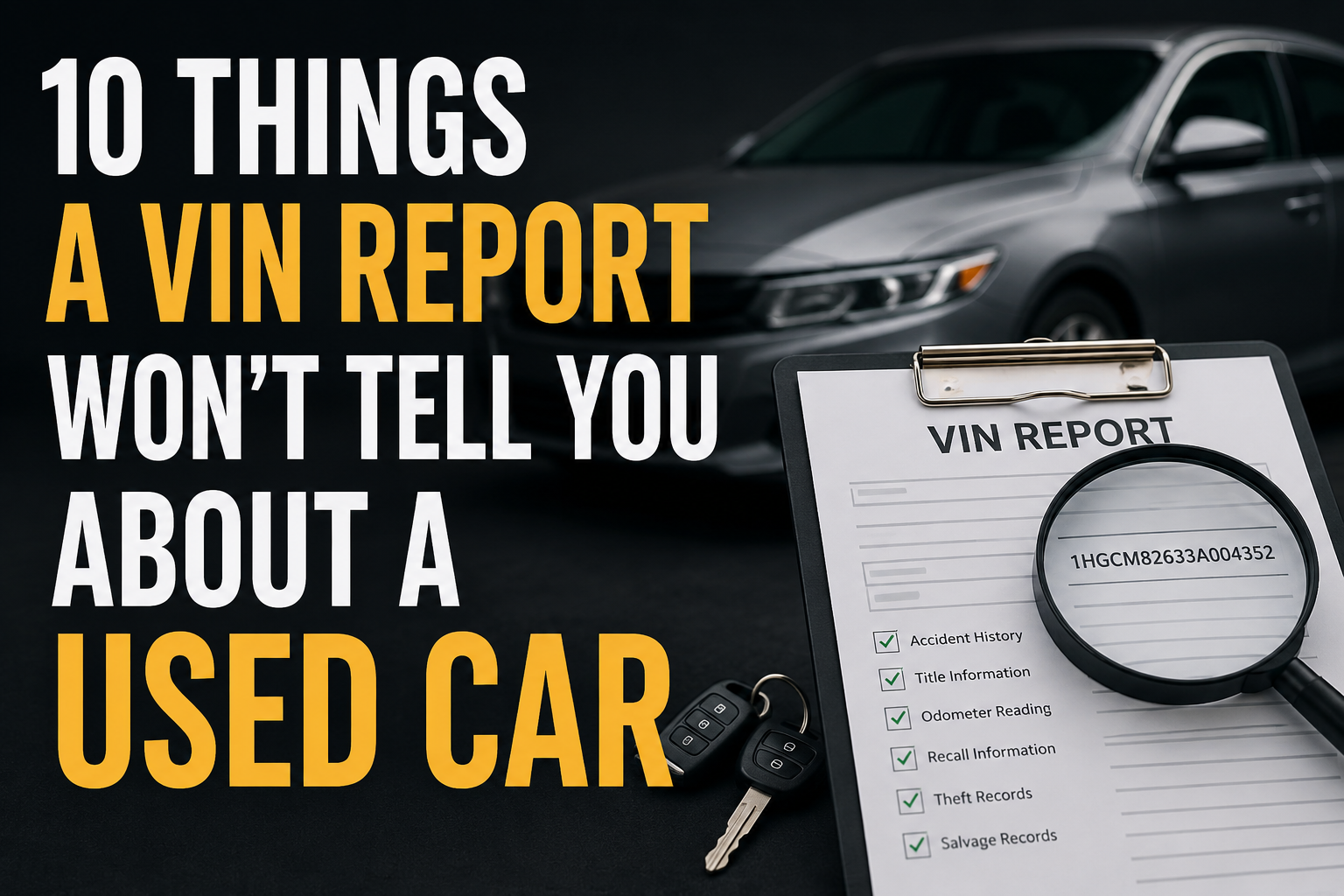
Purchasing a used car involves much more than checking the asking price and taking a quick test drive. Modern buyers often rely on VIN reports to uncover valuable information about a vehicle’s history.
These reports can reveal ownership records, title issues, reported accidents, mileage entries, recalls, and service events.
They are useful tools that help reduce uncertainty and provide a clearer picture of a vehicle’s past. However, many shoppers make the mistake of treating a VIN report as a complete record of everything that has happened to a car.
The reality is that VIN reports only contain information that has been officially recorded and shared with databases. If an event was never documented, never reported, or occurred outside reporting systems, it may never appear in the vehicle’s history. This creates gaps that buyers need to understand before making a purchase decision.
A clean VIN report does not automatically mean a vehicle is problem-free. Some of the most important details about a used car can remain hidden despite extensive history records.
Physical inspections, maintenance documentation, and conversations with previous owners often reveal information that databases simply cannot capture.
Understanding the limitations of a VIN report is just as important as understanding its strengths. The following sections highlight several critical things that may never appear in a vehicle history report, even though they can significantly affect ownership experience and long-term value.
Also Read: 10 Best-Selling Motorcycle Of Every Decade
1. Previous Driver Behavior
A VIN report can tell you who owned a vehicle, how many owners it had, and whether certain incidents were reported. What it cannot reveal is how those owners actually treated the car during daily use.
Driving habits play a major role in determining a vehicle’s condition. Two identical cars with the same mileage can have dramatically different levels of wear depending on how they were driven.
One owner may have accelerated gently, followed maintenance schedules, and allowed the engine to warm properly before demanding performance. Another may have driven aggressively every day, repeatedly subjected the vehicle to hard braking, and ignored basic mechanical sympathy. None of those behaviors appear in a VIN report.
For example, a sports car that spent years being launched aggressively at traffic lights may show no official warning signs. Likewise, a pickup truck that regularly hauled loads near its maximum capacity could appear perfectly normal on paper. Yet both vehicles may have experienced significantly more mechanical stress than expected.
The transmission is often one of the biggest victims of poor driving habits. Repeated hard acceleration, improper towing practices, and excessive stop-and-go abuse can shorten component life without generating any official record.

Drivers also affect interior condition. Careful owners tend to keep cabins clean and well maintained, while careless drivers can accelerate wear on seats, controls, and trim pieces.
This is why a pre-purchase inspection remains essential. A qualified mechanic may identify signs of excessive wear that a history report cannot capture.
A VIN report documents events. It does not document behavior. Since behavior often determines how well a vehicle ages, buyers should never assume that a clean report guarantees careful ownership.
2. Unreported Minor Accidents
One of the biggest misconceptions in the used-car market is the belief that every accident automatically appears on a VIN report. In reality, many collisions never become part of official vehicle history records.
Minor accidents frequently go unreported for various reasons. An owner may choose to pay for repairs out of pocket rather than involve insurance companies. In other situations, cosmetic damage might be repaired privately by a local body shop without generating any database entry.
As a result, a vehicle can have a completely clean accident history while still carrying evidence of previous damage.
Paintwork is one area where hidden repairs often reveal themselves. Differences in color tone, uneven panel gaps, overspray around trim pieces, or inconsistent reflections may indicate bodywork that never reached official records. Buyers who rely exclusively on VIN reports can easily miss these clues.
Parking lot incidents represent another common example. Scrapes, bumper damage, and minor collisions occur frequently. Many owners simply repair the vehicle themselves or pay a repair shop directly. Since no insurance claim is filed, the event may never appear in vehicle history databases.
The quality of repairs can vary significantly. Some repairs restore a vehicle perfectly, while others leave structural, cosmetic, or alignment issues that become apparent only during close inspection.

Professional inspectors often use paint-depth gauges and visual examination techniques to identify repaired areas that reports fail to mention.
This limitation highlights an important reality: VIN reports only record reported events. If no official documentation exists, the system has nothing to display.
A clean accident section should always be viewed as encouraging information rather than definitive proof that a vehicle has never experienced damage. Careful inspection remains one of the most important steps in any used-car purchase.
3. Hidden Mechanical Problems Developing Right Now
A VIN report looks backward. It records events that have already happened. What it cannot do is predict mechanical issues that are quietly developing beneath the surface at the exact moment you are considering a purchase.
This limitation catches many buyers by surprise. A vehicle may have a spotless history report, consistent ownership records, and no reported accidents, yet still be approaching a costly repair.
Consider engine components such as timing chains, turbochargers, water pumps, or fuel injectors. These parts can wear gradually over thousands of miles. The deterioration often occurs silently, producing few obvious symptoms until failure is near. Since no repair has occurred yet, there is nothing for a VIN report to record.
The same principle applies to transmissions. Internal wear may be progressing even though the vehicle shifts normally during a short test drive. By the time noticeable symptoms appear, repair costs can be substantial.
Suspension systems present another example. Shock absorbers, bushings, ball joints, and wheel bearings slowly degrade through normal use. These issues rarely appear in vehicle history databases because they are considered wear items rather than reportable events.
Electronic systems can create similar challenges. Sensors, modules, cameras, and infotainment components may be nearing failure despite a clean history record.
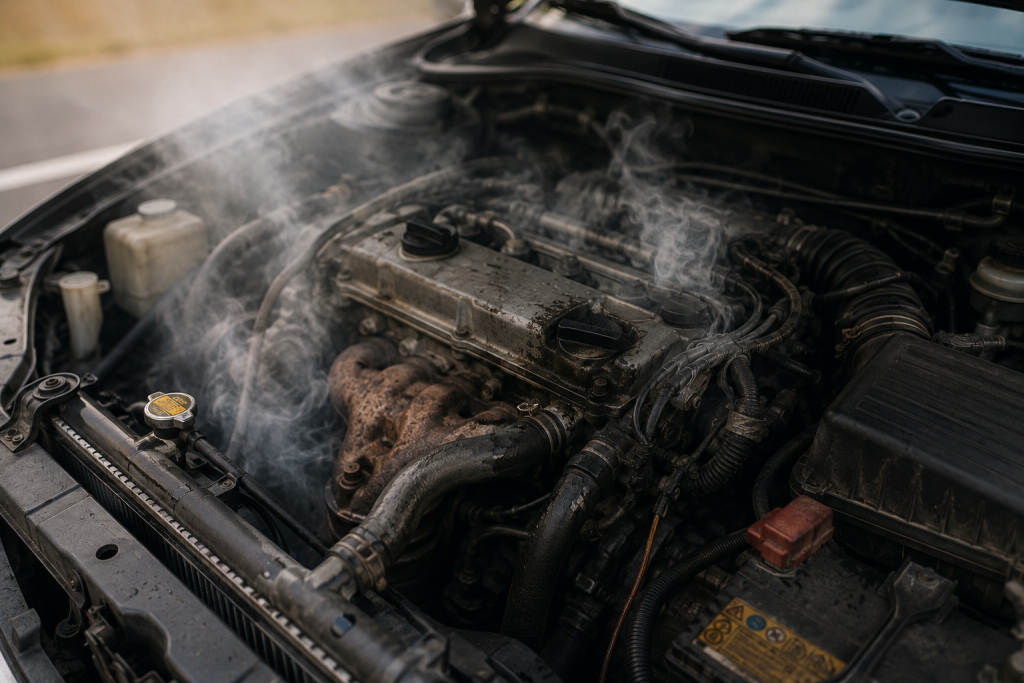
This is why professional inspections remain critical. Experienced technicians can identify fluid leaks, unusual noises, excessive wear, and early warning signs that databases cannot detect.
Think of a VIN report as a historical document rather than a health report. It may provide valuable information about where the vehicle has been, but it cannot accurately describe every mechanical condition that exists today.
Buyers who understand this distinction are far less likely to be surprised by expensive repairs shortly after completing a purchase.
4. How Well Routine Maintenance Was Actually Performed
Many vehicle history reports include maintenance entries, which can create a sense of confidence for potential buyers. Seeing multiple oil changes and service records certainly appears reassuring. However, a VIN report cannot tell you how well those maintenance procedures were actually performed.
This distinction is more important than many people realize. Imagine two vehicles receiving oil changes at identical intervals. One owner uses high-quality fluids and follows manufacturer recommendations carefully.
The other chooses the cheapest available products and rushes through maintenance without attention to detail. Both services may appear identical in a history report despite producing very different long-term results.
The report also cannot verify workmanship. A service entry may indicate that maintenance occurred, but it provides little insight into the quality of the technician’s work. Improper fluid levels, incorrectly installed components, or overlooked problems may never be documented.
Independent repair shops add another layer of uncertainty. Some facilities keep detailed records that are shared with reporting databases, while others do not. As a result, maintenance history may appear incomplete even when proper service was performed.
Conversely, a vehicle can display numerous service entries while still suffering from neglected items that were never addressed.
Receipts often provide more useful information than summary records alone. Detailed invoices reveal the exact parts used, the repairs performed, and any recommendations made by technicians at the time.
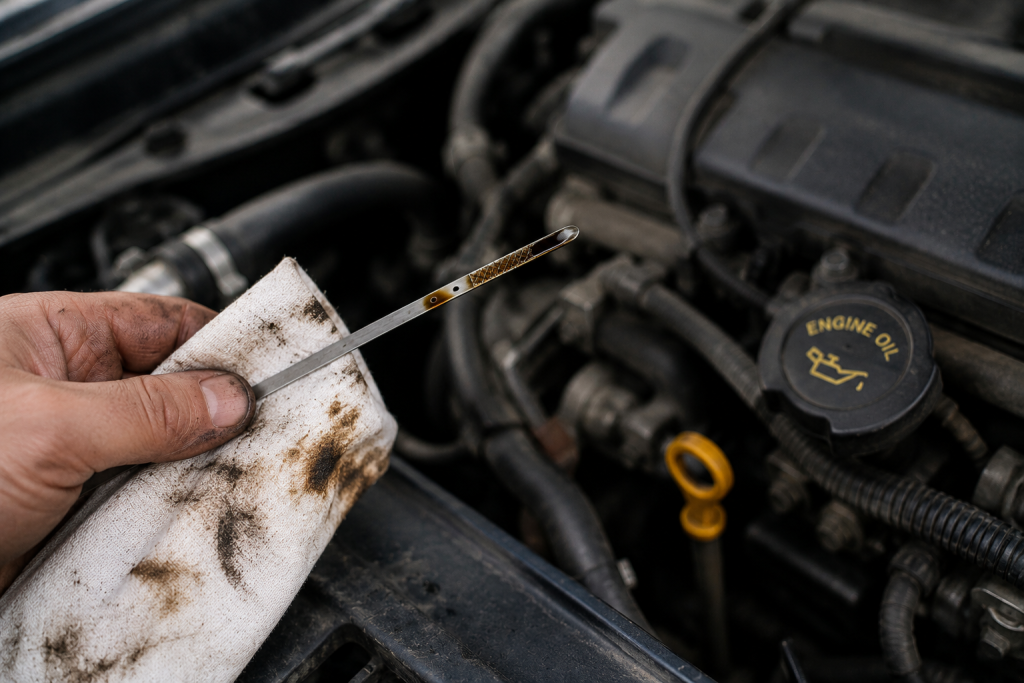
Vehicle condition ultimately tells a more complete story than maintenance entries alone. Clean fluids, smooth operation, and evidence of careful ownership frequently reveal more than a list of service dates.
A VIN report can confirm that maintenance was recorded. It cannot guarantee that maintenance was thorough, competent, or sufficient to keep the vehicle in excellent condition throughout its life.
5. Whether The Car Was Frequently Driven On Rough Roads
Road conditions have a tremendous impact on vehicle longevity, yet this is one detail that a VIN report cannot reveal.
A used car may have spent years traveling on smooth highways, or it may have endured a daily routine filled with potholes, gravel roads, broken pavement, and harsh driving environments. The report looks exactly the same in both cases.
Suspension systems often bear the consequences of rough-road use. Shock absorbers, springs, control arms, bushings, and steering components experience far greater stress when repeatedly exposed to uneven surfaces. This wear can accumulate gradually without generating any official record.
The underside of the vehicle can also tell a story that the VIN report misses. Cars driven regularly on gravel roads may show excessive stone chips, underbody scratches, or accelerated corrosion in certain areas.
These conditions rarely appear in vehicle history databases because they are considered normal wear rather than reportable incidents.
Wheel alignment issues can develop over time as well. Constant impacts from potholes and damaged roads may affect suspension geometry, leading to uneven tire wear and reduced driving comfort. Unless repairs were formally documented, none of this information becomes part of the vehicle’s history report.
Geographic location provides only limited clues. Even if a report shows where a car was registered, it cannot reveal the specific roads the owner used every day.

A thorough inspection often uncovers evidence of harsh operating conditions. Mechanics may identify worn suspension components, damaged underbody panels, or signs of repeated impacts that indicate a difficult driving environment.
Because road quality influences so many aspects of vehicle wear, buyers should never assume that a clean VIN report means the car lived an easy life. The condition of the vehicle itself often reveals much more than any database entry can provide.
6. Short Trips That Accelerated Engine Wear
Not all mileage is created equal. A VIN report can show the number of miles a vehicle has accumulated, but it cannot explain how those miles were driven. This missing detail is important because driving patterns can significantly influence engine health.
Many people assume low mileage automatically means a vehicle is in excellent condition. In reality, a car used primarily for short trips may experience more mechanical stress than one driven longer distances on a regular basis.
When an engine starts, it operates most efficiently after reaching normal operating temperature. Short trips often end before this happens. As a result, engine oil may not fully circulate under ideal conditions, moisture can accumulate inside the engine, and components may experience increased wear over time.
Repeated cold starts place additional strain on batteries, starters, and charging systems. A vehicle used mainly for brief errands can accumulate thousands of these cycles without any indication appearing in a VIN report.
Exhaust systems are affected as well. Moisture created during combustion normally evaporates during longer drives. Vehicles that rarely reach full operating temperature may retain moisture inside the exhaust, increasing the risk of internal corrosion.
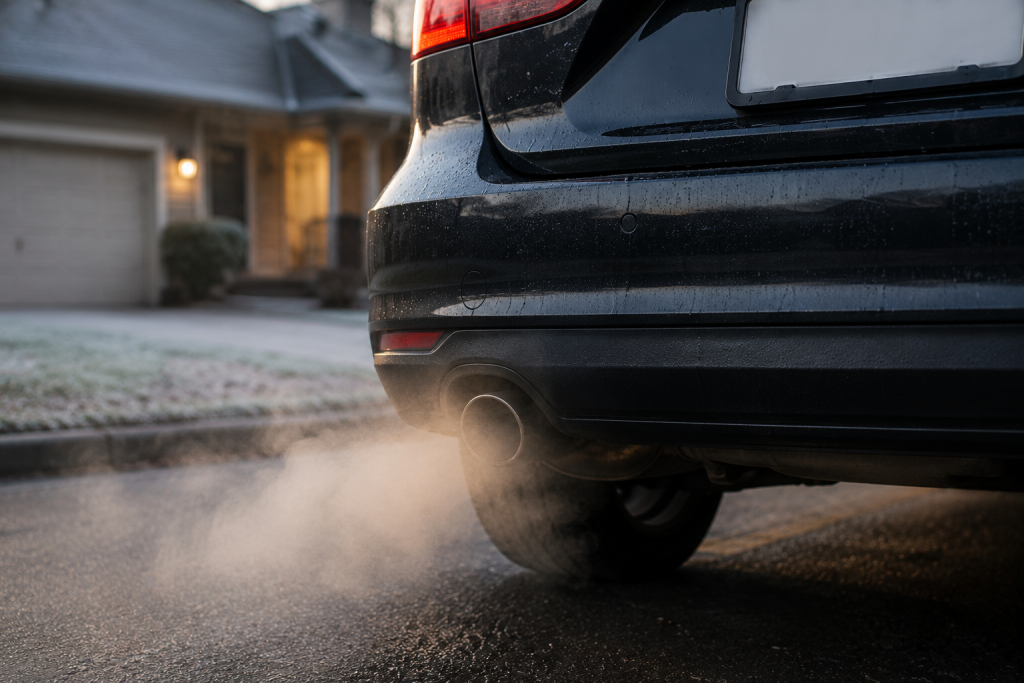
The challenge for buyers is that none of these factors are recorded in official history databases. A VIN report may show regular ownership, no accidents, and proper registration history while completely overlooking a driving pattern that accelerated wear.
Clues sometimes emerge during inspection. Excessive carbon buildup, unusual engine noises, or signs of premature component wear can indicate a history of short-trip use.
Understanding how mileage was accumulated is often just as important as knowing how much mileage exists. Unfortunately, that crucial piece of information remains one of the many things a VIN report simply cannot tell you.
7. Previous Smoking Or Persistent Interior Odors
A VIN report can provide information about accidents, title records, ownership history, and service events. What it cannot communicate is the atmosphere inside the cabin. One of the most overlooked aspects of buying a used car involves odors that have become deeply embedded in interior materials over time.
Smoking is a prime example. A vehicle may have spent years with a smoker behind the wheel, yet there will be no mention of this anywhere in a history report. Cigarette smoke can penetrate seat fabric, carpeting, headliners, ventilation systems, and insulation materials. Even after professional detailing, traces of the odor may remain.
The same issue applies to other persistent smells. Pets, food spills, mold, mildew, and even excessive use of air fresheners can leave lasting effects. Some sellers attempt to mask these odors before listing the vehicle for sale. A strong fragrance inside the cabin may actually be an attempt to hide a more unpleasant smell underneath.
Weather-related moisture problems create another concern. If a vehicle experienced water intrusion from a leaking sunroof, door seal, or window seal, mold and mildew odors can develop. Unless an insurance claim or repair record was officially documented, the VIN report will remain silent.
Buyers should inspect the vehicle when it has been sitting closed for several hours. This allows hidden odors to become more noticeable. Checking under floor mats and inside cargo compartments can also reveal signs of moisture or contamination.
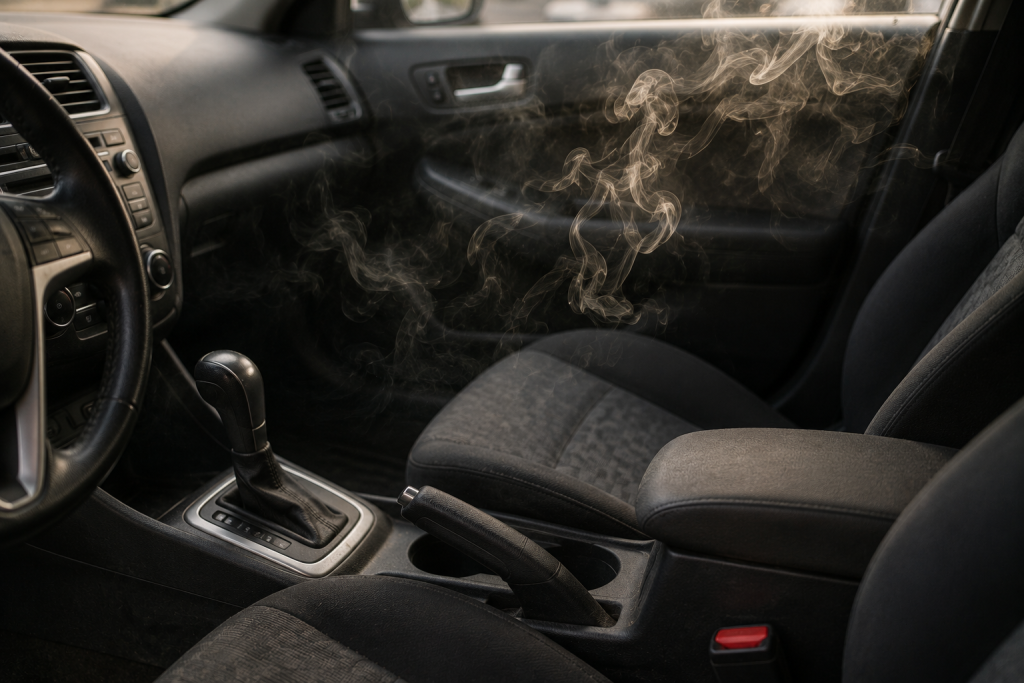
Interior smells may seem minor compared to mechanical problems, but they can dramatically affect ownership satisfaction. Some odors are difficult and expensive to remove completely.
This is a perfect example of why a physical inspection remains essential. A VIN report can provide valuable historical data, but it cannot tell you what the cabin smells like when you open the door.
8. Flood Exposure That Was Never Officially Reported
Flood damage is one of the most feared problems in the used-car market, yet not every flood-exposed vehicle receives a branded title or insurance designation. This creates a significant limitation for VIN reports.
When severe flooding occurs and an insurance company declares a vehicle a total loss, that information often appears in vehicle history databases.
The problem is that not every flood-damaged vehicle follows that path. Some owners choose not to file claims, while others perform repairs privately. In these situations, the vehicle’s history report may show no indication of water exposure.
Water can affect nearly every part of a modern vehicle. Electronic modules, wiring harnesses, sensors, connectors, and interior materials are particularly vulnerable. Problems may not appear immediately. Instead, corrosion can develop gradually, creating electrical issues months or even years later.
A VIN report cannot detect these hidden risks. Careful buyers often inspect areas that reveal evidence of previous flooding.
Rust in unusual locations, water stains beneath carpeting, corrosion on seat brackets, or residue inside the trunk can all serve as warning signs. Electrical connectors may also show discoloration or oxidation.
The smell of mildew frequently accompanies flood exposure, although not every affected vehicle retains an obvious odor. Some sellers thoroughly clean interiors before offering the vehicle for sale, making visual inspection even more important.
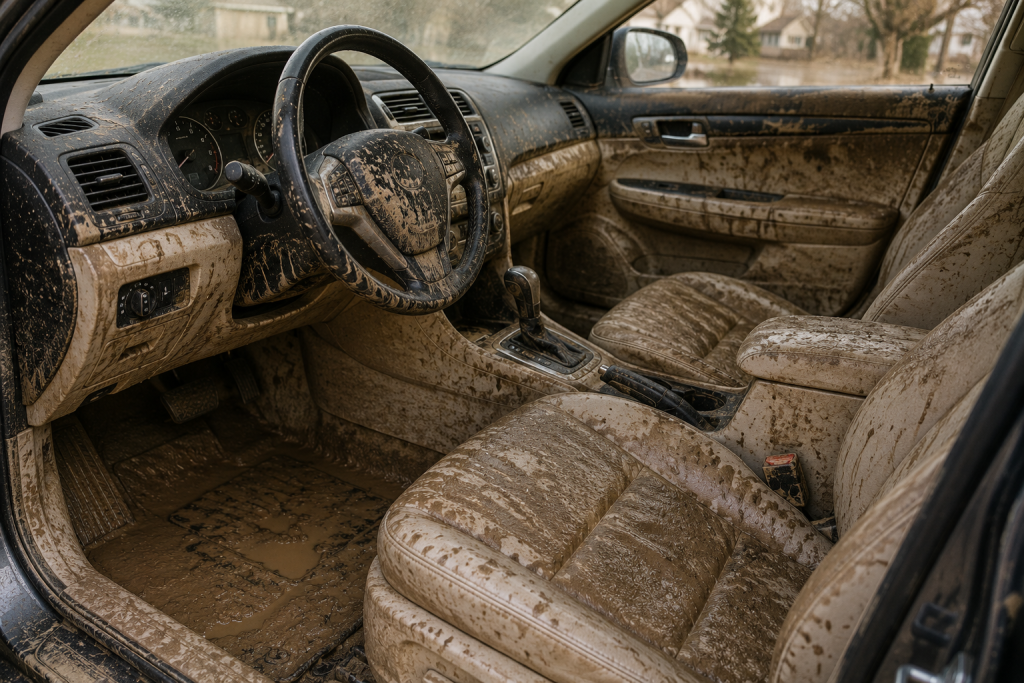
Geographic history may provide clues if the vehicle spent time in regions known for hurricanes or major flooding events. However, location alone proves nothing.
Because flood damage can create long-term reliability concerns, buyers should never rely exclusively on a VIN report for protection. Physical inspection and professional evaluation remain critical tools for identifying water-related problems that official databases may never record.
9. The True Reason The Previous Owner Sold It
A VIN report can identify ownership changes, but it cannot explain the motivations behind them. This missing information can be surprisingly important when evaluating a used vehicle.
People sell cars for countless reasons. Some upgrade to newer models, while others need different vehicle types because of family or lifestyle changes. However, there are also situations where owners decide to sell because they are frustrated with recurring problems, declining reliability, or expensive repair needs.
Imagine a vehicle that has developed an intermittent electrical issue. The problem may not be severe enough to generate insurance claims or official records, yet it could be annoying enough to convince the owner to sell. A VIN report would simply show a change in ownership without revealing the underlying cause.

This limitation is why conversations with sellers can be valuable. Honest owners often provide insights that no database can capture. Service receipts and maintenance records may also help reveal patterns that explain why the vehicle changed hands.
Ownership history is useful, but context matters just as much. Without understanding the circumstances behind a sale, buyers are only seeing part of the story. A VIN report can tell you when ownership changed, but it cannot tell you why that decision was made.
10. How Carefully The Vehicle Was Stored
Storage conditions play a major role in preserving a vehicle’s condition, yet this information never appears in a VIN report. Two identical cars with the same age and mileage can look and perform very differently depending on where and how they were stored.
A vehicle kept inside a climate-controlled garage is protected from harsh sunlight, heavy rain, snow, and temperature extremes. Paint, interior materials, rubber seals, and electronic components often age more slowly under these conditions.
By contrast, a vehicle parked outdoors every day faces constant exposure to environmental stress. Ultraviolet rays can fade paint and crack dashboards. Moisture can accelerate corrosion, while extreme temperatures place additional strain on batteries, plastics, and weather seals.
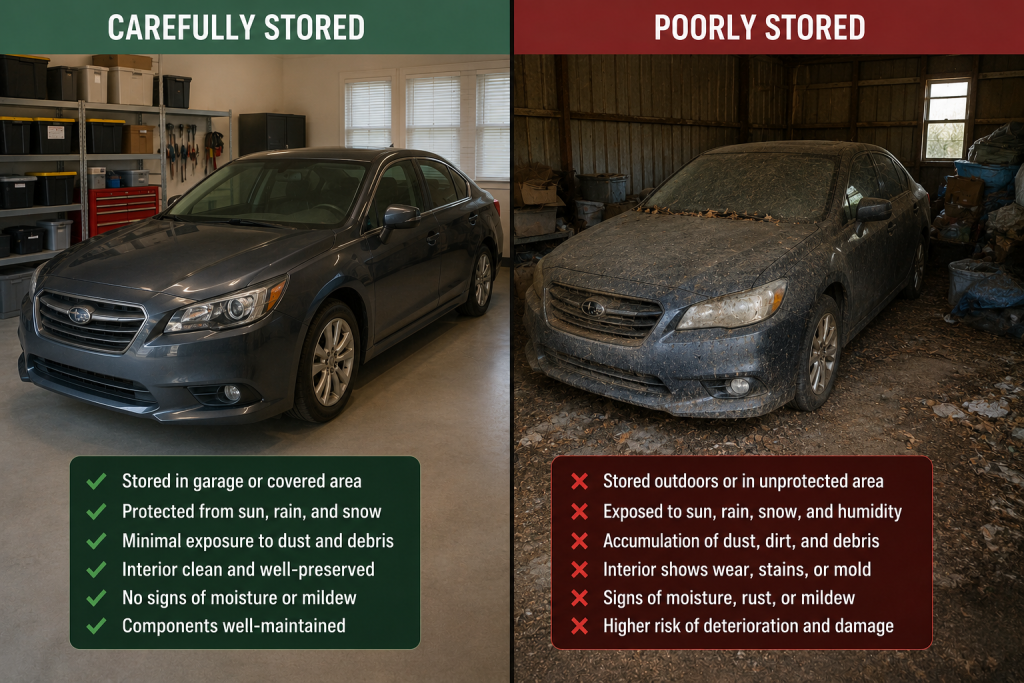
Long periods of inactivity can also create issues. Cars that sit unused for months may develop flat-spotted tires, weak batteries, dried seals, or fuel-system problems. None of these details appear in a VIN history report unless repairs were later documented.
Physical inspection often provides the best clues. Faded trim, cracked rubber components, paint deterioration, and signs of weather exposure can reveal how a vehicle spent its life.
A VIN report offers historical records, but it cannot describe the environment that shaped the vehicle’s condition. Understanding storage history helps buyers assess how well the car has truly been preserved over time.
Also Read: 10 Fastest Cars by Decades
