
Buying a car involves much more than just the initial purchase price. Long-term ownership expenses such as fuel, insurance, maintenance, spare parts, and unexpected repairs can have a major impact on a vehicle’s affordability. Among these costs, repairs often become the most unexpected financial strain, especially after the warranty period ends.
A car’s repair affordability depends on several factors, including engineering quality, durability, parts availability, and mechanical simplicity. Vehicles designed with reliable components and fewer complex systems generally require less maintenance and cost less to repair over time. In contrast, models with advanced electronics and specialized parts can lead to higher ownership expenses.
Reliability studies and consumer ownership data consistently show that certain manufacturers stand out for keeping maintenance and repair costs low. These brands typically combine dependable engineering, strong service networks, and readily available replacement parts. This guide highlights 10 car brands known for affordable repairs, explaining the factors behind their reputation and helping buyers identify vehicles that can reduce long-term ownership costs while providing dependable transportation.
Also Read: 8 Repairs That Cost More in Parts Than Labor
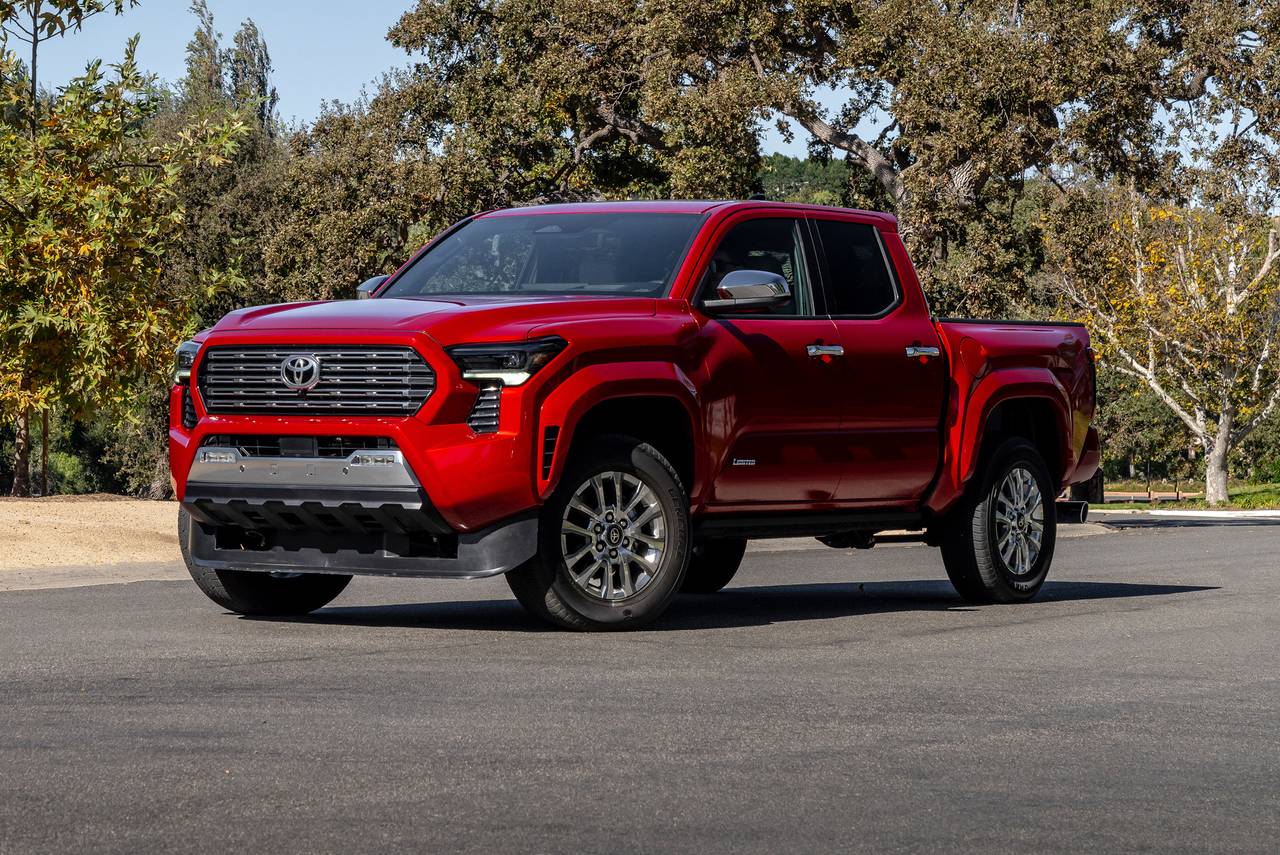
1. Toyota (Toyota Motor Corporation)
Toyota
Toyota has earned its reputation as one of the most affordable car brands to maintain through decades of focusing on reliability, durability, and proven engineering. Rather than rushing to introduce overly complex or untested technologies, Toyota typically refines existing systems, reducing the likelihood of mechanical failures and costly repairs. This conservative approach helps owners avoid many of the expensive issues that can arise in vehicles with more complicated designs.
A major advantage for Toyota owners is the widespread availability of parts and service expertise. Because Toyota vehicles are sold in large numbers across the world, replacement components are produced at high volumes, keeping prices competitive. Independent mechanics and dealerships are also highly familiar with Toyota models, which often reduces labor costs and shortens repair times.
Toyota’s engines, drivetrains, suspension systems, and hybrid technologies are designed with longevity in mind. When maintained properly, many Toyota vehicles can exceed 200,000 kilometers with relatively few major repairs. Routine maintenance such as oil changes, brake inspections, and fluid replacements typically accounts for most ownership expenses.
Another key advantage is Toyota’s predictable maintenance schedule, which allows owners to plan for vehicle upkeep and reduce the risk of unexpected repair costs. When repairs do occur, they are typically manageable rather than severe. Strong resale values, supported by long-standing consumer trust in durability, further enhance the brand’s appeal. Together, these factors contribute to a low cost of ownership, consistently positioning Toyota among the top choices for drivers seeking reliable transportation with minimal long-term expenses.
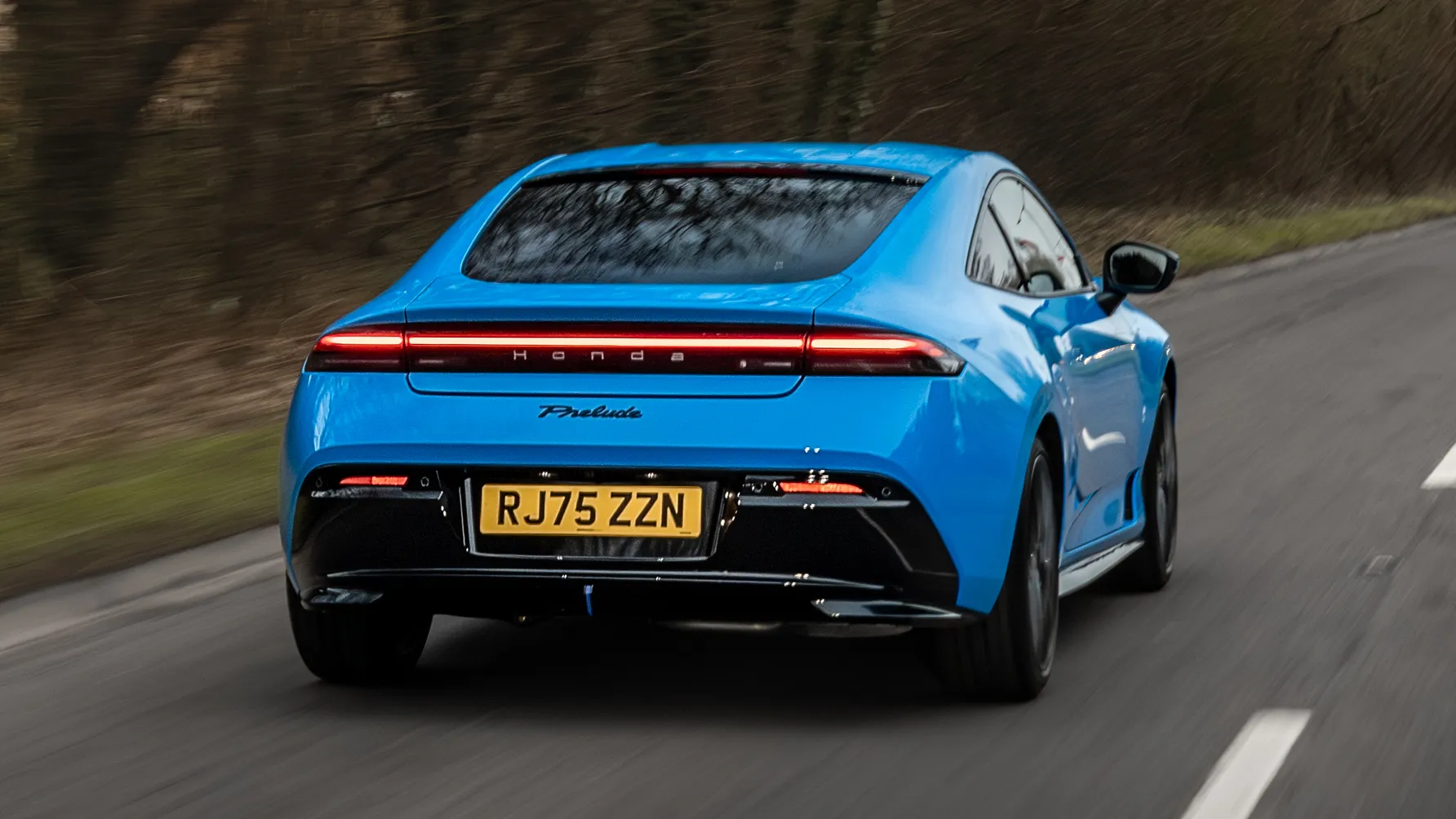
2. Honda (Honda Motor Co., Ltd.)
Honda has built its global reputation on engineering efficiency, mechanical refinement, and long-term durability, all of which contribute significantly to its low repair costs. One of the defining features of Honda vehicles is their highly efficient engine design philosophy.
Honda engines are known for producing excellent power output relative to their size while maintaining mechanical simplicity and reliability. This balance ensures that engines experience less internal stress during regular operation, which reduces wear and tear and lowers the likelihood of costly repairs over time.
Another important factor behind Honda’s affordability in repairs is its strong emphasis on modular engineering and standardized components. Many Honda models share platforms, engine variants, and transmission systems across different vehicle categories.
This standardization reduces manufacturing complexity and ensures that replacement parts remain widely available and competitively priced. Because so many Honda vehicles use similar mechanical systems, the aftermarket industry also supports them heavily, further reducing repair and maintenance expenses for owners.
Honda vehicles are also known for their long-term reliability when properly maintained, especially in critical components like timing systems, suspension assemblies, and drivetrain mechanisms.
Unlike some manufacturers that rely heavily on complex electronics or tightly integrated systems, Honda maintains a relatively balanced approach where mechanical durability is prioritized. This makes repairs easier to diagnose and less expensive to execute, since technicians can often resolve issues without replacing entire systems.
In addition to mechanical reliability, Honda benefits from an extensive global service network and strong brand familiarity among mechanics. This widespread expertise means that labor costs are typically lower because repairs are faster and more straightforward.
Even in smaller cities or semi-urban regions, Honda vehicles can be serviced without requiring specialized diagnostic tools or rare parts, which further reduces ownership costs.
Honda’s commitment to fuel efficiency indirectly contributes to lower repair costs. Efficient engines generate less heat stress and operate under optimized conditions, which reduces long-term damage to internal components.
Over time, this engineering balance allows Honda vehicles to remain reliable and cost-effective, making them one of the most practical choices for budget-conscious buyers seeking dependable long-term transportation.
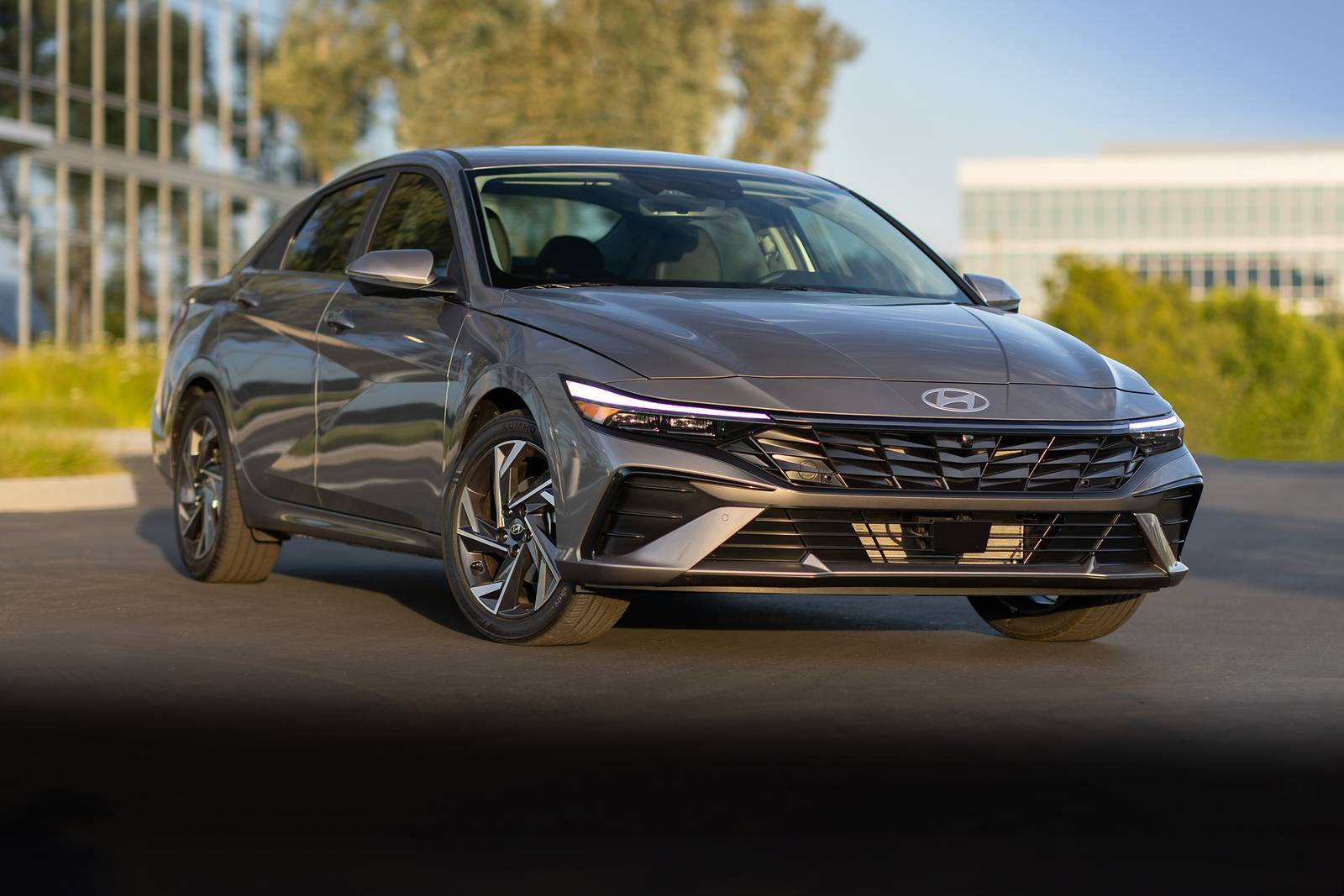
3. Hyundai (Hyundai Motor Company)
Hyundai has transformed itself from a budget-oriented manufacturer into a globally respected automotive brand known for modern design, strong feature sets, and increasingly low maintenance costs. One of the key reasons Hyundai vehicles are affordable to repair today is the company’s focus on platform sharing and engineering efficiency.
Many Hyundai models are built using shared architectures, which means that engines, transmissions, and suspension components are standardized across multiple vehicle types. This reduces manufacturing complexity and ensures that spare parts remain widely available and reasonably priced.
Another major factor contributing to Hyundai’s low repair costs is its strategic approach to warranty coverage and quality control. Hyundai offers some of the most competitive warranty programs in the automotive industry in several regions, which reduces repair expenses during early ownership years.
More importantly, these warranties reflect the company’s confidence in improved manufacturing consistency. Over time, this has helped reduce the frequency of major mechanical failures, making long-term ownership more predictable and affordable.
Hyundai vehicles are also designed with a strong emphasis on ease of maintenance. Engineers focus on creating layouts where critical components such as filters, belts, and basic engine parts are accessible without requiring extensive labor.
This design philosophy reduces service time and therefore lowers labor costs, which often represent a significant portion of repair bills. Even when issues do arise, Hyundai vehicles are generally straightforward to diagnose, which reduces the need for expensive specialized diagnostics.
The brand has also benefited from its global expansion, which has created a large network of service centers and trained technicians. This widespread service infrastructure ensures that maintenance is not limited to major cities, making ownership more convenient and affordable.
The availability of aftermarket parts further reduces costs, as owners can choose between genuine and high-quality third-party components depending on their budget.
Hyundai’s evolution into a value-driven yet modern automotive brand has positioned it as one of the most cost-effective manufacturers in terms of repair expenses, especially for drivers seeking a balance between technology, comfort, and long-term affordability.
Also Read: 8 Luxury SUVs That Become Bargains the Moment the Warranty Ends

4. Kia (Kia Corporation)
Kia has experienced one of the most significant transformations in the automotive industry, evolving from a budget-focused brand into a globally competitive manufacturer offering stylish, reliable, and cost-efficient vehicles. A major reason for Kia’s low repair cost structure is its close engineering relationship with Hyundai.
Both brands share platforms, engines, and core mechanical systems, which allows Kia to benefit from economies of scale and reduced production complexity. This shared architecture directly translates into lower spare part costs and easier maintenance procedures for owners.
Another important factor is Kia’s focus on modern yet practical engineering. While Kia vehicles include advanced infotainment systems and safety features, the brand ensures that essential mechanical components remain relatively simple and accessible.
This balance between technology and simplicity is crucial in keeping repair costs under control. Even as vehicles become more feature-rich, Kia avoids excessive mechanical overengineering that could lead to expensive repairs.
Kia also places strong emphasis on warranty support in many global markets. These extended warranties reduce the financial risk for owners during the early years of ownership and serve as an indicator of improved build quality and manufacturing consistency.
Over time, this has helped shift consumer perception of Kia from a low-cost brand to a reliable long-term ownership option with manageable maintenance expenses.
Service accessibility is another key strength. Kia has developed a widespread global service network that ensures routine maintenance and repairs are available in both urban and semi-urban areas.
Because Kia shares many components with Hyundai, mechanics are often already familiar with the systems, which reduces diagnostic time and labor costs. This familiarity plays a major role in keeping repair expenses low.
Kia vehicles are designed with cost-efficient replacement cycles in mind. Wear and tear components such as brake pads, filters, and suspension parts are engineered to be affordable and widely available. This ensures that even as vehicles age, maintenance remains budget-friendly rather than becoming prohibitively expensive.
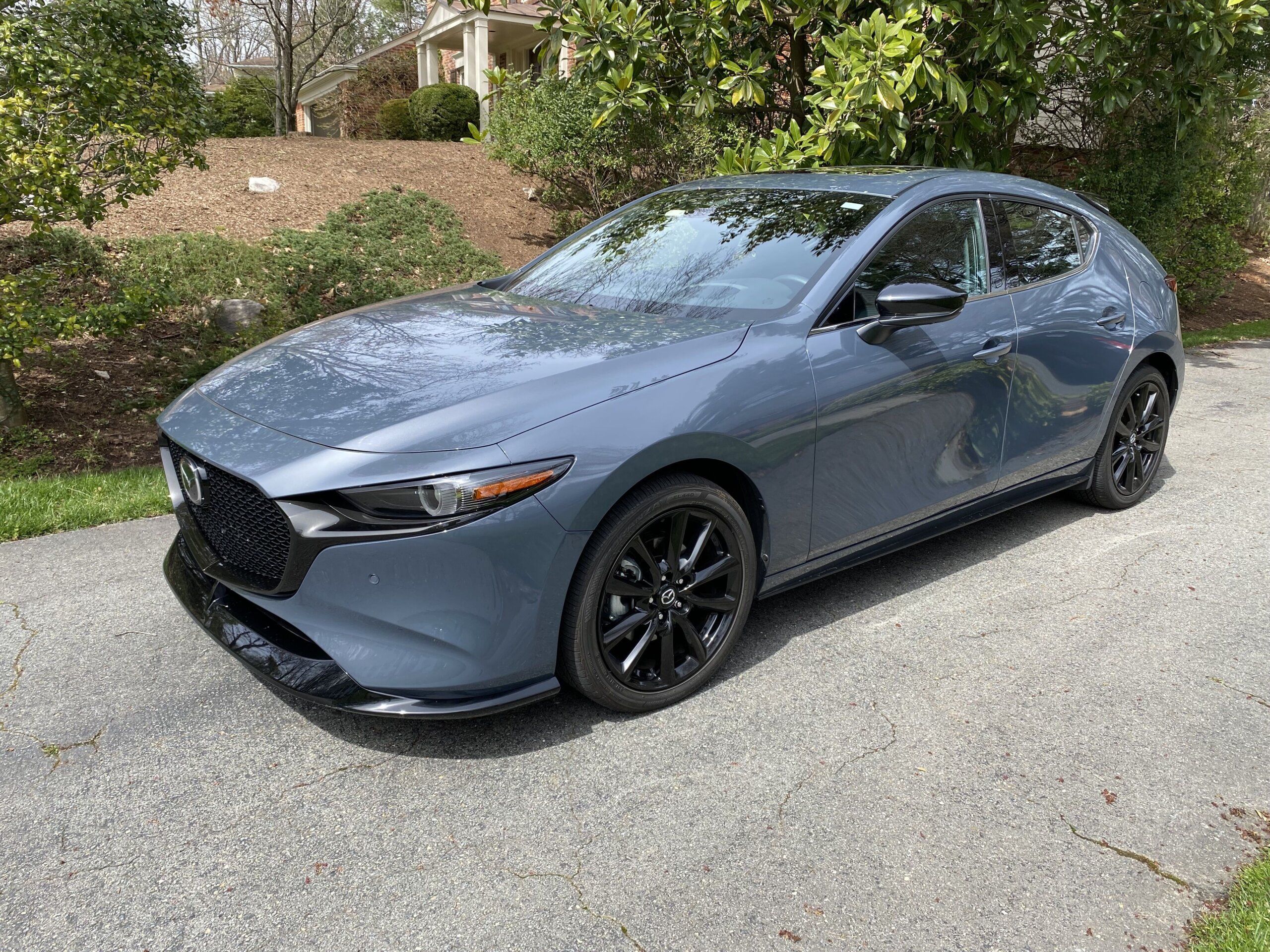
5. Mazda (Mazda Motor Corporation)
Mazda has earned a strong reputation for producing vehicles that combine stylish design with mechanical simplicity and long-term durability, all of which contribute to relatively low repair costs.
One of Mazda’s most important engineering philosophies is its SkyActiv technology, which focuses on improving fuel efficiency, reducing weight, and optimizing combustion efficiency without introducing unnecessary mechanical complexity. This approach results in engines and drivetrains that are easier to maintain and less prone to expensive breakdowns over time.
Another reason Mazda vehicles are cost-effective to repair is their focus on reducing unnecessary electronic and mechanical complications.
While modern cars increasingly rely on complex systems, Mazda tends to maintain a balanced design where critical components remain accessible and serviceable. This makes diagnostics simpler for technicians and reduces labor time during repairs, which is often a significant portion of maintenance costs.
Mazda also benefits from strong build quality and attention to long-term durability. The company emphasizes driving dynamics and structural integrity, which means components are designed to withstand regular stress over extended periods. This reduces the likelihood of premature failures and helps ensure that vehicles remain reliable well into high mileage usage.
Additionally, Mazda vehicles typically use well-tested mechanical systems rather than experimental technologies. This conservative engineering approach reduces the risk of unexpected issues and ensures that replacement parts are widely available and reasonably priced. It also means that aftermarket support is strong, giving owners more affordable repair options.
Mazda’s focus on lightweight vehicle architecture reduces strain on key components such as suspension systems, brakes, and engines. Lower mechanical stress directly translates into fewer breakdowns and longer component life, making Mazda one of the most efficient brands in terms of balancing performance, design, and long-term repair affordability.

6. Subaru (Subaru Corporation)
Subaru has built a strong global reputation for safety, durability, and All Wheel Drive capability, and while it is sometimes perceived as a more specialized brand, its long-term repair costs remain relatively moderate when compared to many competitors in similar segments.
One of the main reasons for Subaru’s cost efficiency in repairs is its engineering focus on durability in real-world driving conditions. Subaru vehicles are designed to perform well in challenging environments such as snow, rough roads, and uneven terrain, which means the components are built with a strong emphasis on strength and endurance. This durability reduces the frequency of major mechanical failures when vehicles are properly maintained.
Another key factor influencing Subaru’s repair cost structure is the brand’s symmetrical All Wheel Drive system, which is integrated into most of its models. While this system is more complex than standard Front Wheel Drive layouts, Subaru has refined it over decades to ensure consistency and reliability.
Once mechanics are familiar with the system, repairs become predictable and standardized, which helps control labor costs over time. In addition, Subaru has a loyal global customer base, which ensures steady demand for parts and encourages the production of widely available replacement components.
Subaru engines, particularly their boxer engine configuration, are designed for balance and stability, which helps reduce long-term mechanical stress. Although boxer engines can sometimes require slightly more attention during servicing, they are known for their longevity when maintained properly.
Regular maintenance, such as oil changes, gasket checks, and cooling system care, is usually sufficient to keep these engines running efficiently for high mileage usage. This predictable maintenance pattern helps owners avoid sudden, expensive repairs.
Another important aspect is Subaru’s strong presence in key markets such as North America and parts of Asia, which has resulted in a well-established service network.
This ensures that owners have access to trained technicians who understand Subaru systems well, reducing diagnostic time and labor charges. Availability of aftermarket parts further helps keep repair costs reasonable, especially for older models.
Subaru strikes a balance between performance capability and long-term reliability, making it a practical choice for drivers who need durability and safety without excessively high maintenance expenses.
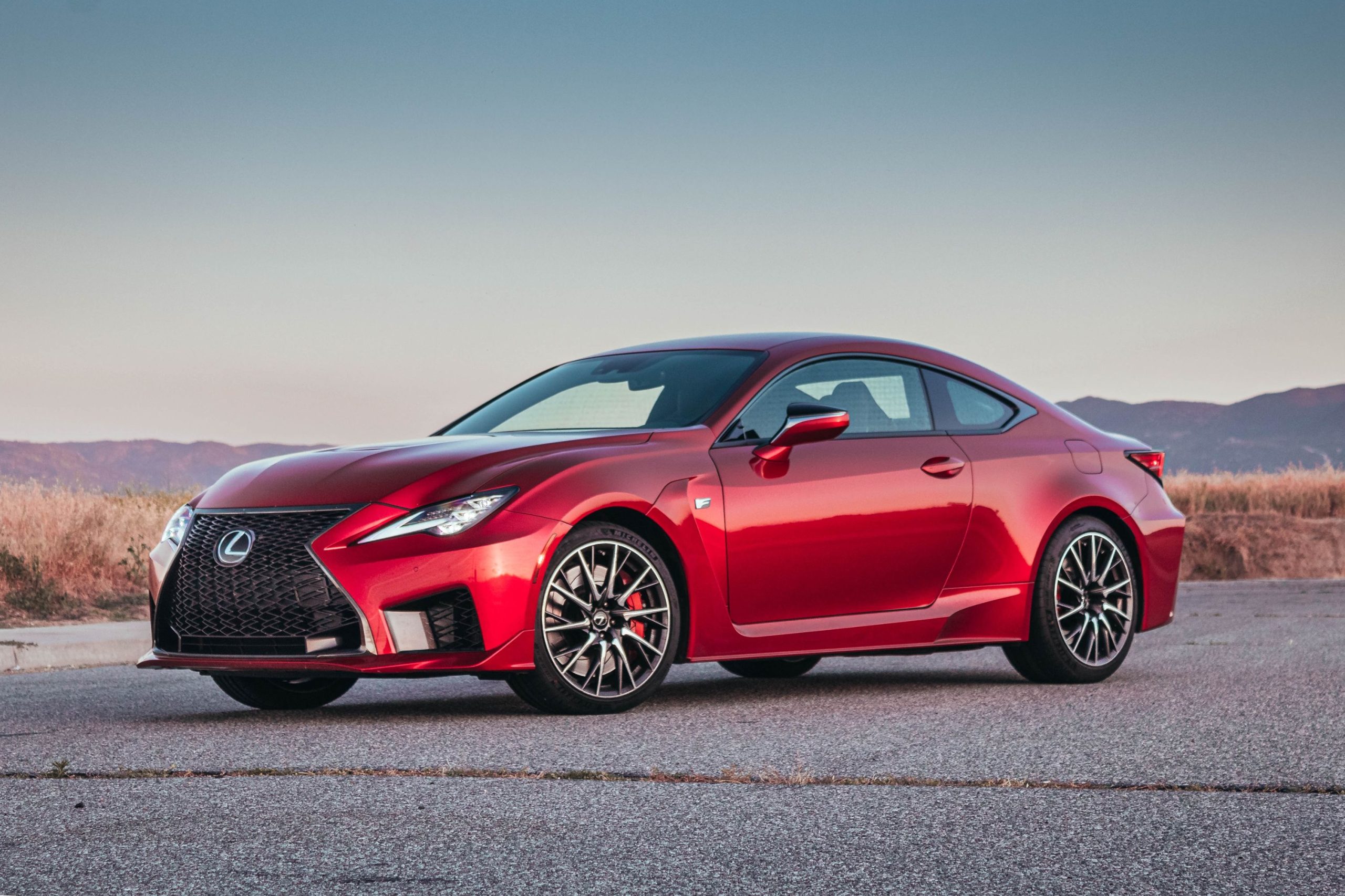
7. Lexus (Lexus)
Lexus, the luxury division of Toyota, stands out in the premium automotive segment for its exceptional reliability and surprisingly low repair costs compared to other luxury brands. One of the primary reasons for this advantage is its deep engineering connection with Toyota.
Many Lexus vehicles are built on proven Toyota platforms, which means they inherit the same core mechanical reliability and durability that Toyota is known for. This foundation significantly reduces the likelihood of major mechanical failures, even in high-end models.
Another major factor contributing to Lexus’s low repair cost is its focus on long-term quality rather than overly complex innovation. While many luxury brands prioritize cutting-edge but complicated systems, Lexus emphasizes refinement and reliability.
This means that even advanced features are carefully integrated to avoid unnecessary mechanical strain or excessive repair requirements. As a result, Lexus vehicles tend to age gracefully compared to many competitors in the luxury segment.
Lexus also benefits from extremely high build quality standards. Interior components, electronics, and mechanical systems are designed to last for extended periods without frequent replacements.
This reduces the number of minor repairs that typically accumulate over time in luxury vehicles. Even wear and tear items, such as suspension components and brake systems, are engineered for durability and long service life.
In addition, Lexus has a strong global service network supported by Toyota’s infrastructure. This ensures that parts are widely available and relatively affordable compared to other luxury brands.
Labor costs are also reduced because many technicians are already trained on Toyota systems, which share similarities with Lexus vehicles. This familiarity helps streamline diagnostics and repairs, reducing ownership costs.
Lexus delivers a rare combination in the automotive world: premium comfort and performance with maintenance costs that are closer to mainstream brands, making it one of the most financially sensible luxury options available.
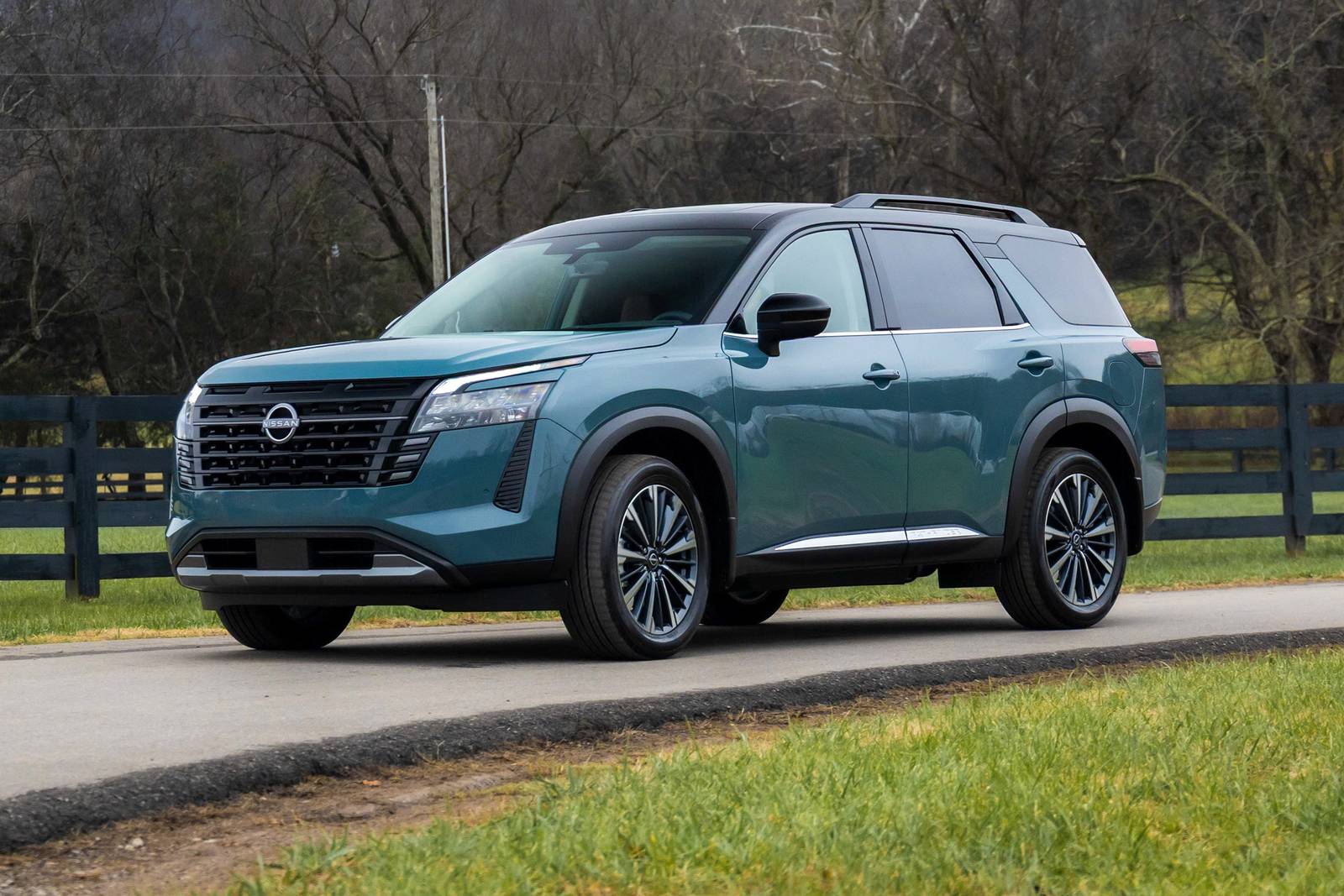
8. Nissan (Nissan Motor Co., Ltd.)
Nissan is a globally recognized automotive brand that offers a wide range of vehicles, many of which are known for affordability in maintenance and relatively low repair costs.
One of the key reasons for this is Nissan’s focus on practical engineering and mass market production. By producing vehicles in large volumes across global manufacturing facilities, Nissan is able to keep parts costs low and ensure widespread availability of replacement components.
Another factor contributing to Nissan’s cost-effective repair structure is its use of standardized platforms across multiple models.
This platform sharing reduces engineering complexity and allows many components, such as engines, transmissions, and suspension systems, to be used across different vehicles. As a result, spare parts are easier to produce, more widely stocked, and less expensive for consumers.
Nissan vehicles are also designed with user-friendly maintenance in mind. Many of their engines and mechanical systems are relatively straightforward compared to more complex luxury or performance-focused brands. This simplicity helps reduce labor costs during servicing, as mechanics can diagnose and repair issues more quickly without requiring specialized equipment or extensive disassembly.
The brand also benefits from a strong global service network, particularly in emerging and developing markets. This ensures that owners can access affordable maintenance services even outside major metropolitan areas. The availability of both genuine and aftermarket parts further helps reduce repair costs, giving consumers flexibility based on their budget.
Nissan remains a practical choice for drivers seeking affordable maintenance, especially when selecting models that prioritize reliability and simplicity over high-performance complexity.
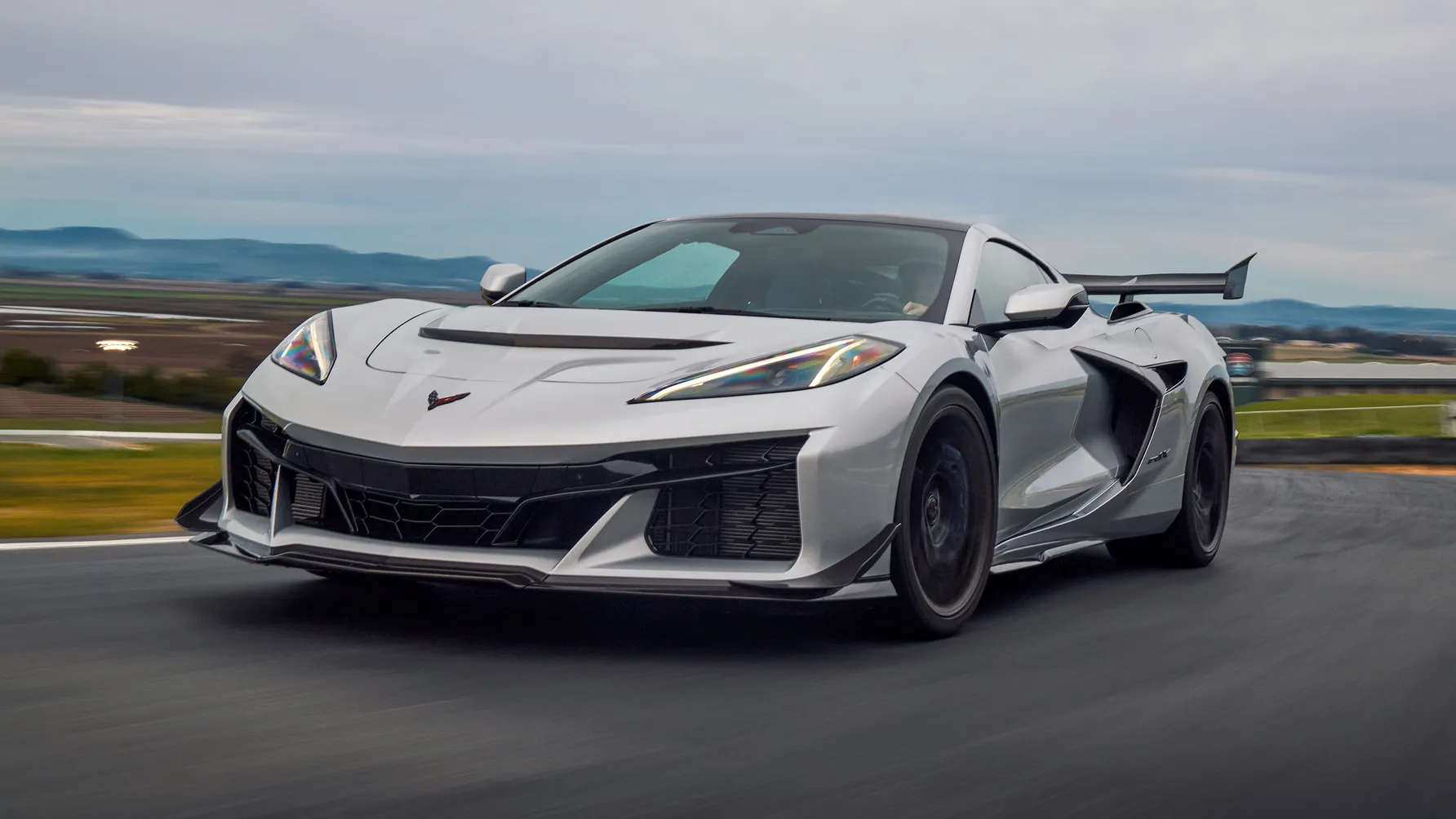
9. Chevrolet (General Motors Company)
Chevrolet, operating under General Motors, is one of the most widely distributed automotive brands globally and is known for offering vehicles with generally manageable repair costs.
One of the key advantages Chevrolet has is its extensive manufacturing and distribution network, which allows parts to be produced at scale and supplied efficiently across multiple regions. This high availability helps keep spare part prices stable and relatively affordable for consumers.
Another major factor is Chevrolet’s use of well-established mechanical platforms that have been refined over many years. Rather than frequently introducing entirely new systems, Chevrolet often improves existing designs.
This approach ensures that mechanics are already familiar with the systems, reducing diagnostic time and lowering labor costs during repairs. It also helps ensure that common issues are well understood and easier to fix.
Chevrolet vehicles are also designed with practicality in mind, especially in their most popular models. Many systems prioritize ease of maintenance and repairability, which makes routine servicing, such as brake replacement, suspension work, and engine maintenance, more straightforward compared to more complex vehicles. This contributes significantly to lower ownership costs.
In addition, Chevrolet benefits from a strong dealership and service network in many countries, which helps ensure consistent service availability. The presence of both authorized service centers and independent mechanics familiar with Chevrolet systems ensures competitive pricing in the repair market.
Chevrolet offers a balance of affordability, availability, and service accessibility, making it a reasonable option for drivers looking to keep long-term maintenance expenses under control.
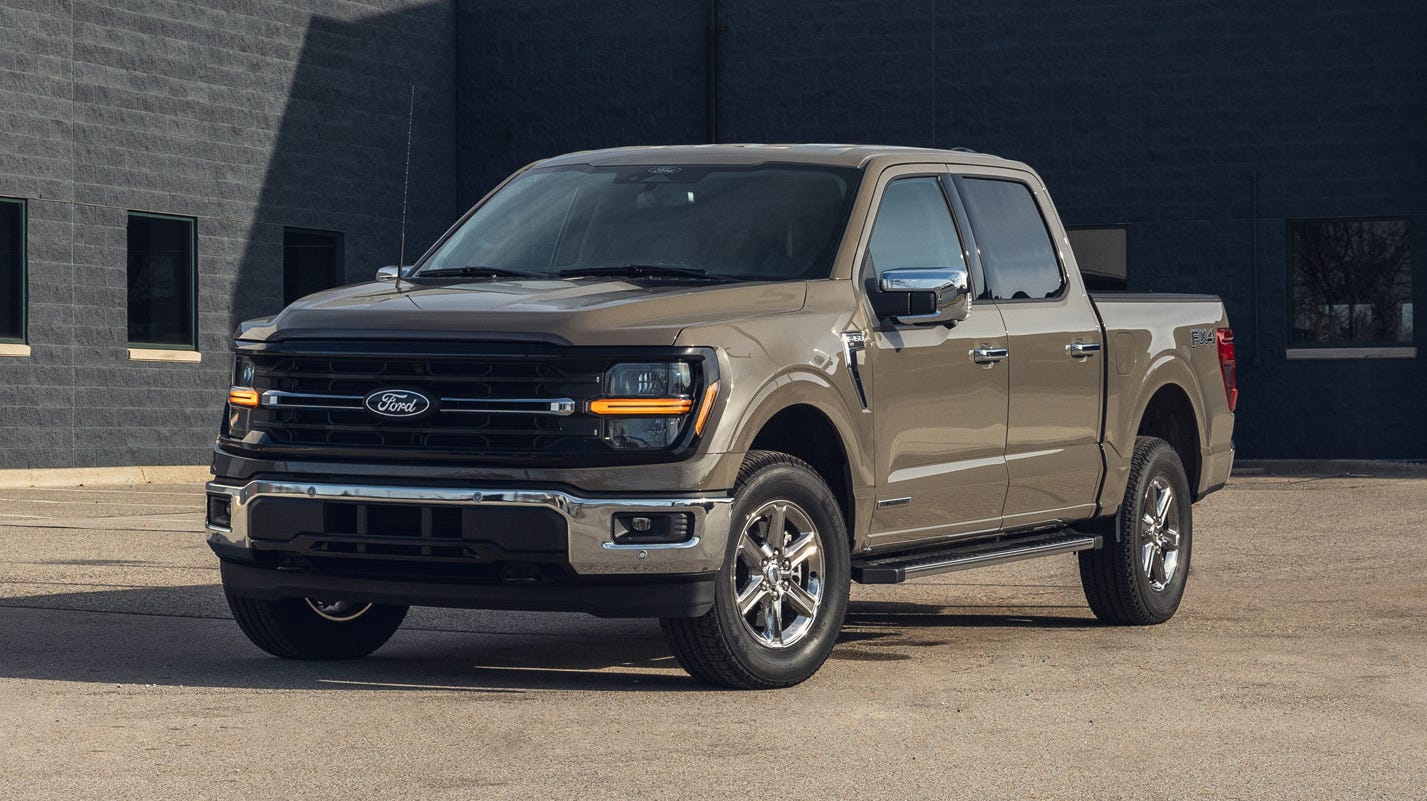
10. Ford (Ford Motor Company)
Ford is one of the most established automotive manufacturers in the world, and many of its vehicles are known for relatively low repair costs due to widespread availability and strong mechanical familiarity.
One of Ford’s biggest advantages is its massive global production scale. Because Ford vehicles are produced and sold in large numbers, spare parts are widely available and competitively priced, which directly reduces repair expenses for owners.
Another important factor is Ford’s long history of mechanical refinement. Many of its engines and platforms have been developed and improved over multiple generations, resulting in systems that are well understood by mechanics worldwide. This familiarity reduces diagnostic time and makes repairs more efficient, lowering labor costs significantly.
Ford also places emphasis on practical engineering in many of its mainstream vehicles. While the brand does produce performance-oriented models, its most common consumer vehicles are designed with durability and ease of maintenance in mind.
This includes accessible engine layouts, standardized components, and repair-friendly designs that simplify servicing procedures.
In addition, Ford benefits from an extensive global service network, ensuring that maintenance and repair services are widely accessible. Independent mechanics also frequently work on Ford vehicles, which increases competition in the repair market and helps keep costs reasonable for consumers.
Ford remains a practical and cost-effective brand for many drivers, especially those who prioritize accessibility, parts availability, and predictable maintenance costs over luxury or high complexity features.
