
Vehicle owners often worry about labor costs when a car needs repairs. Mechanics charge by the hour, and complex jobs can quickly become expensive. However, there is another side to the repair equation that frequently catches people off guard.
In some cases, the part itself costs significantly more than the labor required to install it. A repair that takes less than an hour may still generate a surprisingly large bill because the replacement component carries a high price tag.
Modern vehicles rely on increasingly sophisticated technology, specialized materials, and manufacturer-specific components. As a result, certain parts have become remarkably expensive despite requiring relatively straightforward installation procedures.
Owners may assume a quick repair means a low invoice, only to discover that the majority of the expense comes from the replacement part rather than the mechanic’s time.
Understanding which repairs fall into this category can help drivers prepare for unexpected costs and make smarter maintenance decisions.
It can also influence purchasing choices, especially when comparing different makes and models. Some vehicles use components that are considerably more expensive than others, even when performing similar functions.
The following repairs are known for creating situations where parts account for most of the final bill. In many cases, the mechanic completes the work quickly, but the component being installed carries a premium price. These repairs highlight how modern automotive ownership involves much more than paying for labor alone.
Also Read: 10 Best-Selling Motorcycles of Every Decade
1. Mass Air Flow Sensor Replacement
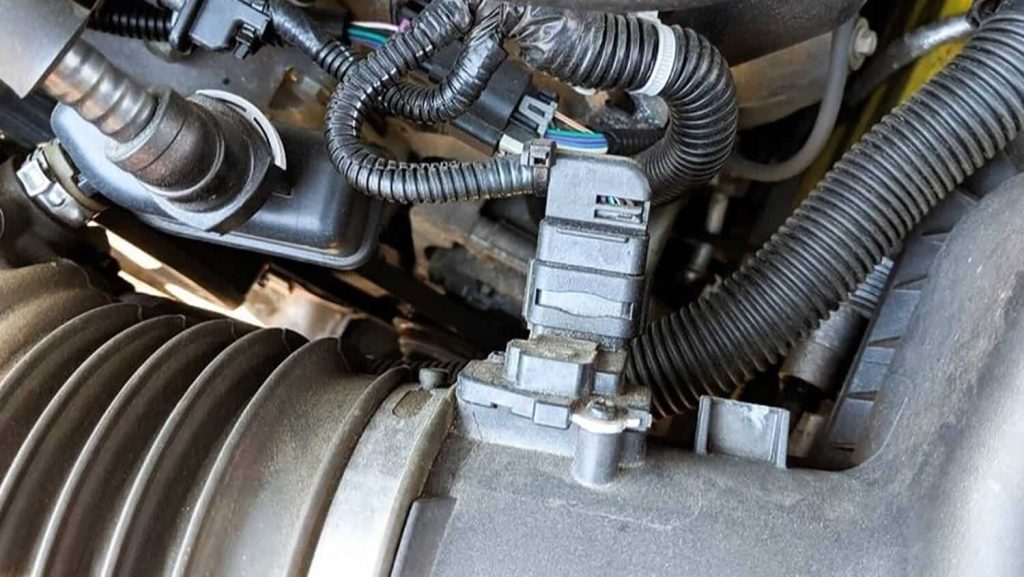
Few automotive components are as deceptively expensive as the mass airflow sensor. This small device plays a critical role in engine management by measuring the amount of air entering the engine and helping the computer determine the correct fuel mixture.
From a labor standpoint, replacing a mass air flow sensor is usually straightforward. In many vehicles, the sensor is located between the air filter housing and the intake system. A technician can often complete the replacement in less than an hour using basic tools. The simplicity of the installation leads many owners to expect a modest repair bill.
The surprise comes when the replacement part is priced. Depending on the vehicle, an original equipment mass airflow sensor can cost several hundred dollars. Luxury brands and performance vehicles frequently command even higher prices because of proprietary designs and stricter calibration requirements.
The reason these sensors are expensive lies in their precision. They must provide accurate airflow measurements under a wide range of operating conditions. Even minor inaccuracies can affect fuel economy, emissions, engine performance, and drivability.
Many drivers first notice problems through warning lights, rough idling, hesitation during acceleration, or reduced fuel efficiency. Because these symptoms can mimic other issues, proper diagnosis is important before replacing the sensor.
Aftermarket alternatives are available, but quality varies significantly. Some lower-cost sensors may not provide the same accuracy as the original components, leading to ongoing performance concerns.
This repair perfectly illustrates how a relatively simple installation can produce a substantial invoice. The mechanic’s labor may represent only a small portion of the cost, while the sensor itself accounts for the majority of the expense.
2. LED Headlight Assembly Replacement
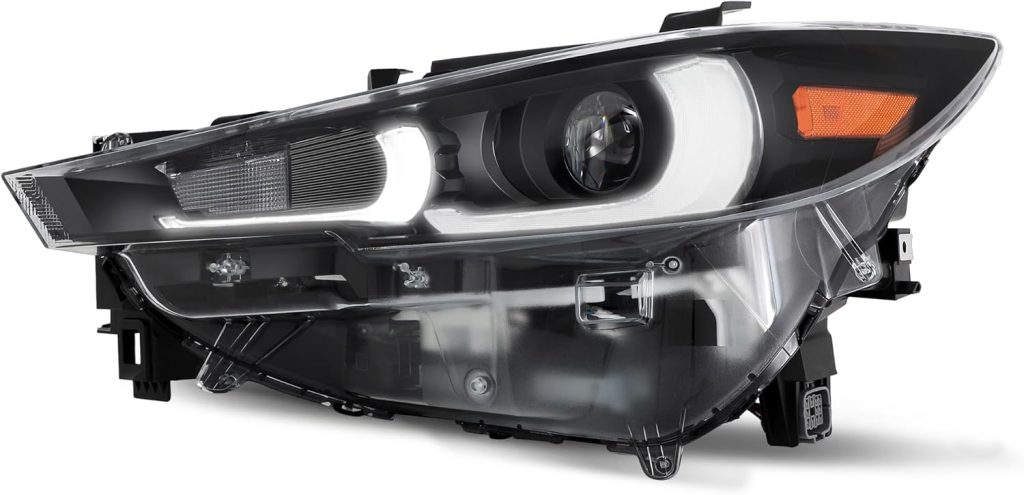
Modern LED headlights have transformed nighttime driving by providing brighter illumination, improved efficiency, and longer service life than traditional halogen bulbs. Unfortunately, when something goes wrong, replacement costs can be surprisingly high.
Years ago, replacing a failed headlight often involved purchasing a relatively inexpensive bulb and spending a few minutes installing it. Today’s LED systems operate very differently. Many vehicles use integrated headlight assemblies containing multiple electronic components, cooling systems, and sophisticated lighting technology.
When an LED module fails, owners frequently discover that individual components are not sold separately. Instead, the entire assembly may need replacement. This is where costs escalate rapidly.
The labor involved is often less significant than expected. On many vehicles, a technician can remove trim pieces, disconnect wiring connectors, and install the new assembly within a relatively short period. Even when bumper removal is required, labor expenses may still be lower than the cost of the replacement unit itself.
Headlight assemblies on premium vehicles can cost well over a thousand dollars each. Advanced features such as adaptive lighting, automatic high beams, cornering illumination, and matrix LED technology contribute to these upgraded prices.
Damage from minor collisions can also turn a simple repair into a costly event. A cracked lens or malfunctioning internal component may require replacement of the entire assembly, even if most of the unit remains functional.
Insurance companies frequently encounter these costs during accident repairs, but owners paying out of pocket often experience significant sticker shock.
LED headlights offer undeniable benefits in terms of performance and efficiency. However, when replacement becomes necessary, the component itself often accounts for the vast majority of the repair bill, leaving labor as a comparatively small portion of the final cost.
3. Radar Sensor Replacement
Many modern vehicles are equipped with advanced driver-assistance systems designed to improve safety and convenience. Features such as adaptive cruise control, forward collision warning, and automatic emergency braking often rely on radar sensors mounted behind the grille or integrated into the front bumper.
While these systems provide valuable functionality, replacing a damaged radar sensor can be surprisingly expensive.
What makes this repair unusual is the imbalance between parts and labor. Physically replacing the sensor is often a straightforward task. In many cases, a technician only needs to remove a few panels, disconnect an electrical connector, and install the new unit. The process may not require many labor hours.
The cost challenge comes from the sensor itself. Radar modules contain sophisticated electronics capable of accurately detecting vehicles, pedestrians, and obstacles under a wide variety of conditions. This precision technology carries a premium price, particularly on luxury and high-end vehicles.
Even a relatively minor front-end collision can damage the sensor or affect its alignment. A small impact that barely affects the bumper may still require the replacement of an expensive radar component.
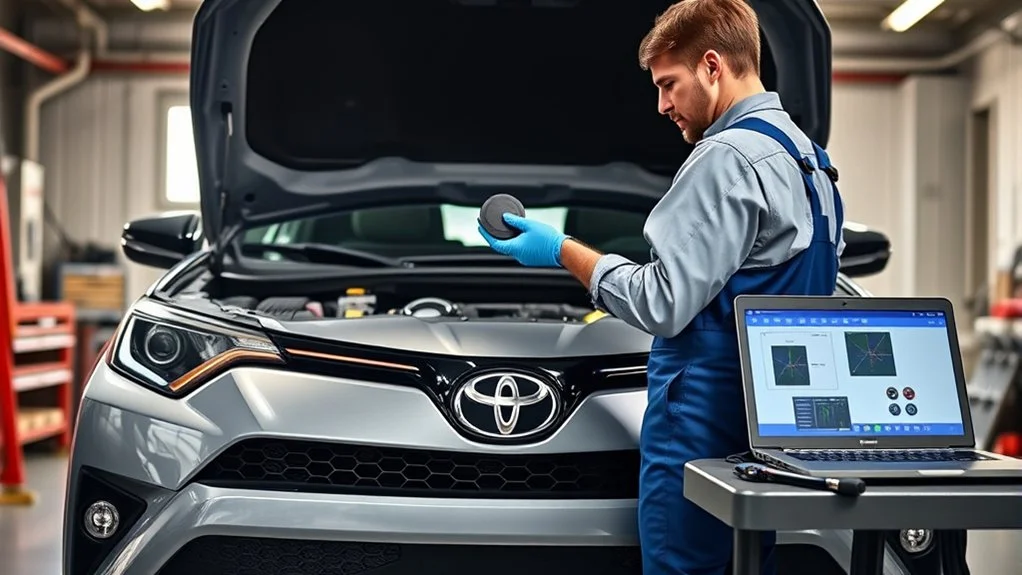
Calibration frequently follows installation. Although calibration adds some labor cost, the sensor usually remains the most expensive part of the repair. Vehicle manufacturers often require specialized equipment to ensure the system functions correctly after replacement.
Drivers may notice warning lights, disabled safety features, or cruise-control malfunctions when a radar sensor fails. Because these systems are integrated into the vehicle’s safety network, proper repairs are essential.
For many owners, the surprise is not how long the repair takes but how much the replacement part costs. A relatively simple installation can quickly become an expensive service visit because the radar module itself accounts for most of the final bill.
4. Key Fob and Smart Key Module Replacement
Modern vehicles have largely replaced traditional keys with sophisticated smart-key systems. These devices allow drivers to unlock doors, start engines remotely, and access vehicles without removing a key from their pocket. While convenient, these systems can become unexpectedly expensive when replacement is necessary.
At first glance, a key fob appears to be a simple handheld device. In reality, it contains electronic circuits, security chips, wireless communication hardware, and manufacturer-specific programming. This technology dramatically increases replacement costs compared to traditional metal keys.
Labor requirements are often minimal. Programming a new key fob and pairing it with the vehicle may take a relatively short amount of time, especially for experienced technicians. However, the replacement hardware itself frequently costs far more than owners expect.
Certain luxury brands charge hundreds of dollars for a single replacement key. If the smart-key module within the vehicle also requires replacement, expenses can rise even further. Security systems are intentionally designed to prevent unauthorized access, which increases complexity and manufacturing costs.
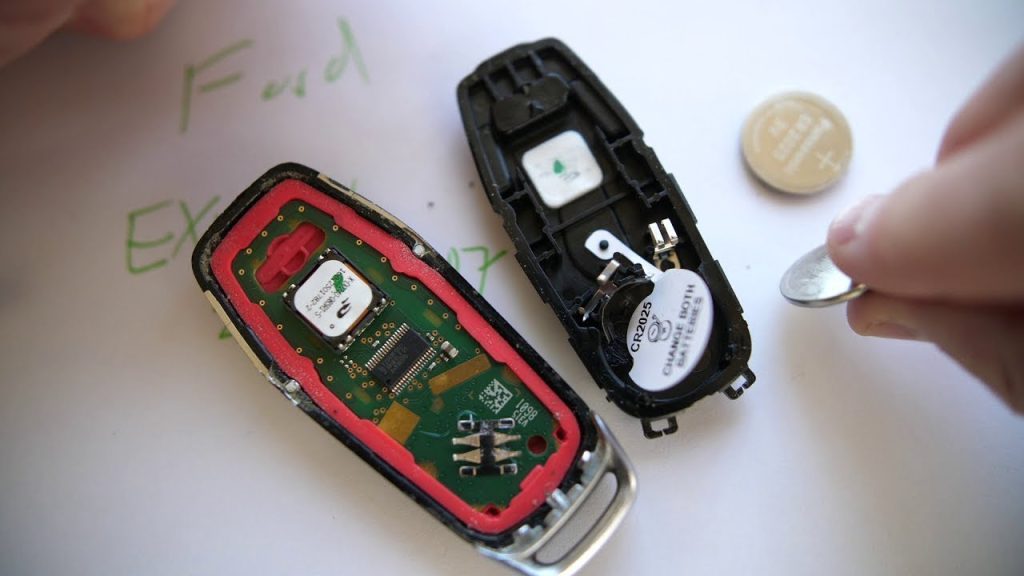
Losing all available keys can create additional financial headaches. In some cases, owners must replace multiple components or perform extensive reprogramming procedures before the vehicle becomes operational again.
Damage represents another common scenario. Key fobs are regularly dropped, exposed to moisture, or subjected to physical wear. Although the labor involved in replacement remains modest, the cost of obtaining and programming a new unit often dominates the invoice.
This repair demonstrates how modern convenience comes with hidden expenses. What seems like a small electronic accessory can become one of the costliest replacement items relative to the amount of labor required to complete the job.
5. Catalytic Converter Replacement
Few repairs create more financial shock than catalytic converter replacement. Many vehicle owners assume the cost must come from complicated labor procedures, but in reality, the majority of the expense is usually tied directly to the component itself.
The catalytic converter plays a critical role in reducing harmful exhaust emissions. Inside the unit are precious metals such as platinum, palladium, and rhodium.
These materials are highly effective at converting pollutants into less harmful gases, but they are also extremely valuable. Their market prices can fluctuate significantly, directly affecting replacement costs.
Labor requirements are often less intimidating than the final invoice suggests. On many vehicles, technicians can access the converter relatively easily. Although some designs require additional disassembly, the installation process is generally much less expensive than the replacement part itself.
This imbalance has contributed to a rise in catalytic-converter theft. Criminals target these components because the precious metals inside can be sold for substantial amounts. Owners frequently discover that replacing a stolen converter costs far more than anticipated.
Vehicle make and model play major roles in pricing. Some original equipment converters cost several thousand dollars before labor is even considered. Luxury and specialty vehicles often have the most expensive units.
Emission regulations further complicate matters. In many regions, replacement components must meet strict standards, limiting lower-cost alternatives. As a result, owners may have little choice but to purchase expensive approved parts.
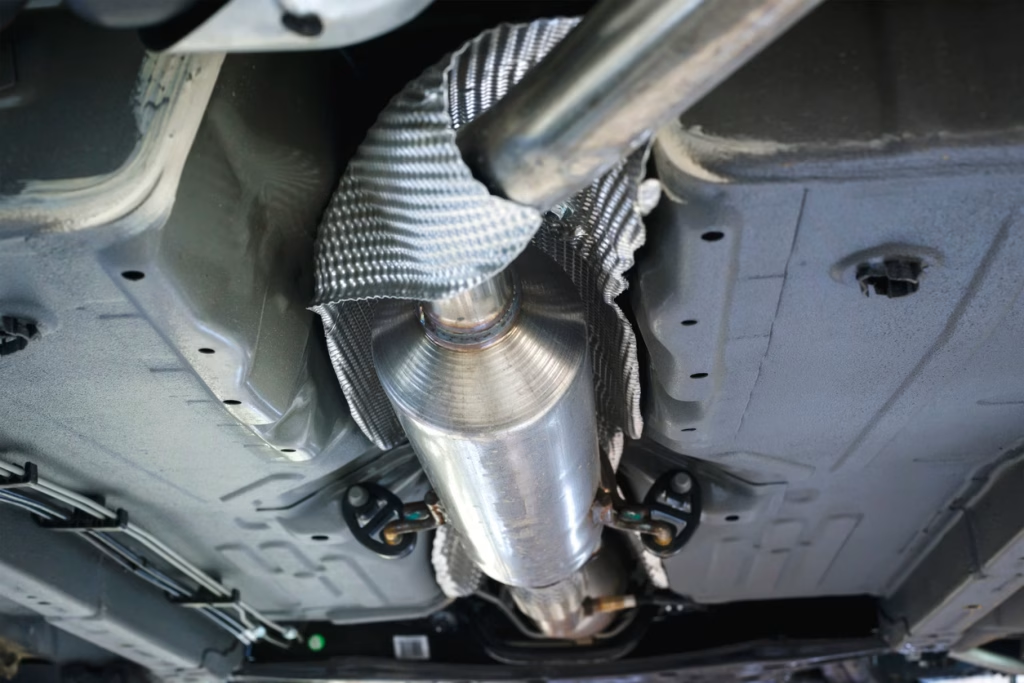
The repair highlights an unusual reality in automotive maintenance. A mechanic may complete the work in a reasonable amount of time, yet the bill remains high because the catalytic converter itself accounts for most of the expense. The component’s value, not the labor involved, drives the final cost.
6. Infotainment Screen Replacement
Vehicle dashboards have changed dramatically over the past decade. Large touchscreen displays now control navigation, climate settings, media functions, smartphone connectivity, and numerous vehicle systems. While these screens enhance convenience and modernize the driving experience, replacing one can become surprisingly expensive.
Unlike traditional dashboard controls, infotainment screens combine hardware and software into a single integrated unit. Many systems include high-resolution displays, processing components, touch-sensitive surfaces, and manufacturer-specific operating software. These features significantly increase replacement costs.
From a labor perspective, the repair is often relatively manageable. Technicians typically remove trim panels, disconnect wiring harnesses, install the new unit, and perform software initialization procedures. Depending on the vehicle, the process may take only a few hours.
The screen itself is where costs escalate. Replacement units can range from several hundred to several thousand dollars, especially in luxury vehicles equipped with advanced digital interfaces. Curved displays, multiple-screen setups, and integrated vehicle-control systems further increase pricing.
Physical damage is a common reason for replacement. Cracked screens, failed touch controls, display malfunctions, and internal electronic failures can all render the system unusable. Unfortunately, many manufacturers do not offer inexpensive component-level repairs.
The growing integration of infotainment systems creates another challenge. In some vehicles, the screen controls critical functions beyond entertainment, making replacement necessary rather than optional.
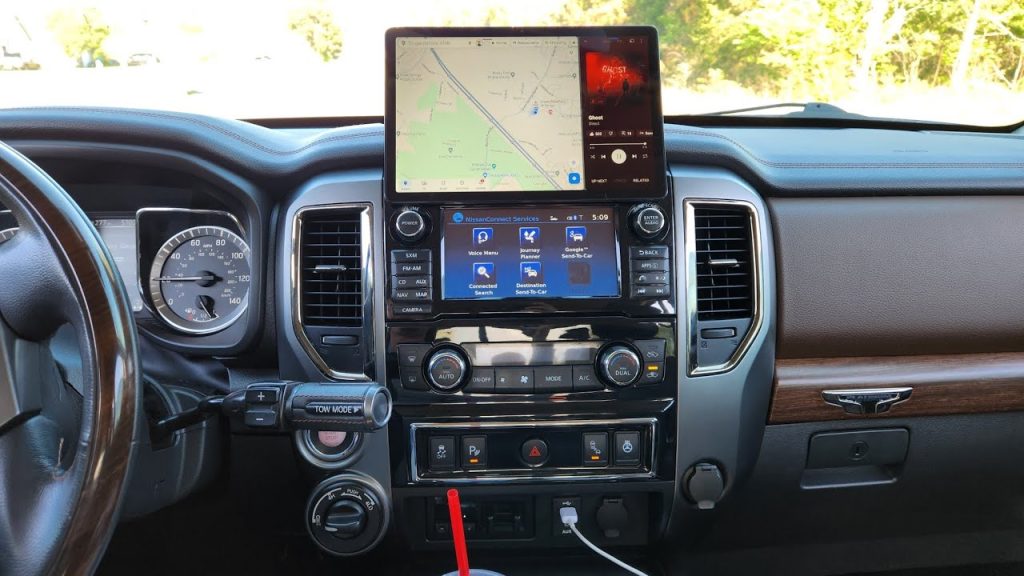
Owners are often surprised to learn that labor represents only a small fraction of the total repair bill. The sophisticated technology contained within the display unit accounts for most of the expense.
As vehicles become increasingly digital, infotainment screen replacement has emerged as one of the clearest examples of a repair where the part costs substantially more than the labor required to install it.
7. Electronic Throttle Body Replacement
Modern vehicles have largely abandoned traditional mechanical throttle cables in favor of electronic throttle control systems. These systems improve efficiency, emissions performance, and drivability, but they can also create an expensive repair when the throttle body fails.
The throttle body regulates airflow entering the engine. In older vehicles, this function was controlled directly by a cable connected to the accelerator pedal. Today’s electronic versions use motors, sensors, and computer-controlled mechanisms to manage airflow with far greater precision.
From a labor standpoint, replacement is often relatively simple. On many vehicles, the throttle body is mounted in an accessible location on the intake system.
A technician can typically disconnect a few electrical connectors, remove mounting bolts, install the replacement unit, and perform the necessary electronic relearning procedures without investing extensive labor hours.
The replacement part itself is where costs increase dramatically. Modern throttle bodies incorporate sensitive electronics, position sensors, and precision manufacturing. Because the component plays a vital role in engine operation, manufacturers maintain strict quality standards that contribute to higher prices.
Symptoms of a failing throttle body may include rough idling, hesitation during acceleration, reduced engine power, warning lights, or inconsistent throttle response. Since these issues directly affect vehicle performance, repairs are usually difficult to postpone.
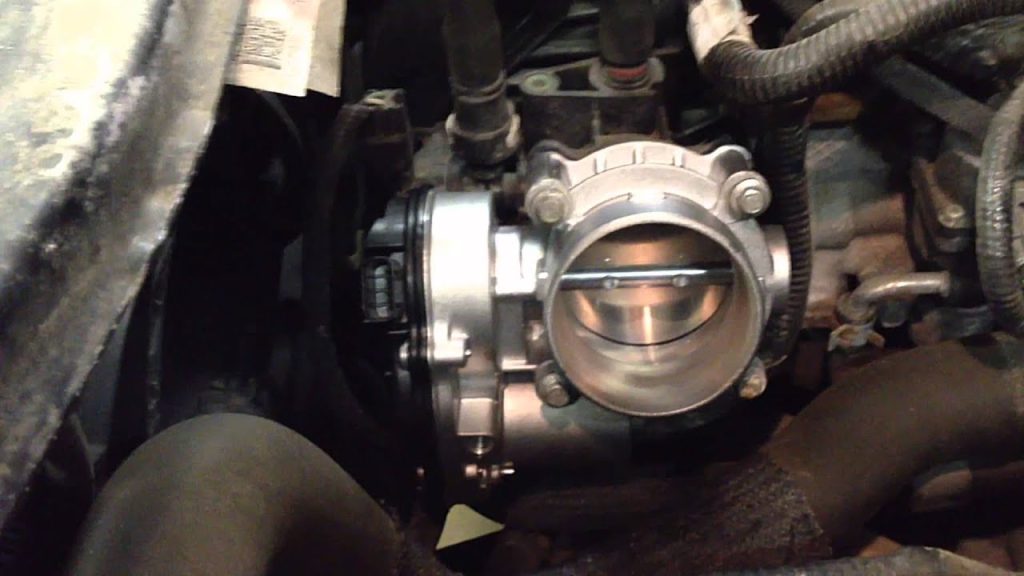
Aftermarket options may be available, but many owners choose original equipment components to ensure compatibility and reliability. This decision often increases the parts bill considerably.
What makes this repair noteworthy is the contrast between effort and expense. The installation process may be straightforward, yet the advanced technology contained within the throttle body causes the replacement part to dominate the final invoice.
It is a perfect example of how modern electronics can make a relatively simple repair surprisingly costly.
8. Hybrid Battery Cooling Fan Assembly Replacement
Hybrid vehicles rely on complex battery systems to deliver improved fuel efficiency and reduced emissions. One often-overlooked component within these systems is the battery cooling fan assembly.
While it may not receive the same attention as the battery pack itself, replacing this component can generate an unexpectedly expensive repair bill.
The cooling fan plays a crucial role in regulating battery temperature. Hybrid batteries perform best within specific temperature ranges, and the cooling system helps maintain those conditions during charging and operation. If the fan fails, battery performance and longevity may be affected.
Labor requirements are often moderate rather than excessive. In many vehicles, technicians can access the assembly by removing interior panels and reaching the cooling system components. Although the process requires care, it generally does not involve extensive mechanical disassembly.
The cost challenge comes from the specialized nature of the part. Hybrid-specific components are often produced in lower volumes than conventional automotive parts. The cooling assembly may include sensors, electronic controls, ducts, and manufacturer-specific hardware, all of which contribute to higher pricing.
Failure can occur because of dust accumulation, electrical issues, motor wear, or prolonged operating stress. Drivers may notice warning messages, reduced hybrid-system performance, or battery-temperature alerts before complete failure occurs.
Because the cooling system is directly tied to battery health, proper replacement is important. Ignoring the problem could potentially lead to more serious and expensive battery-related issues later.
Owners are frequently surprised by the final bill because the repair does not appear particularly complicated. However, the specialized nature of hybrid technology means the replacement component often costs far more than the labor required to install it.
Also Read: 10 Ways To Make A Set Of Tires Last Twice As Long
