
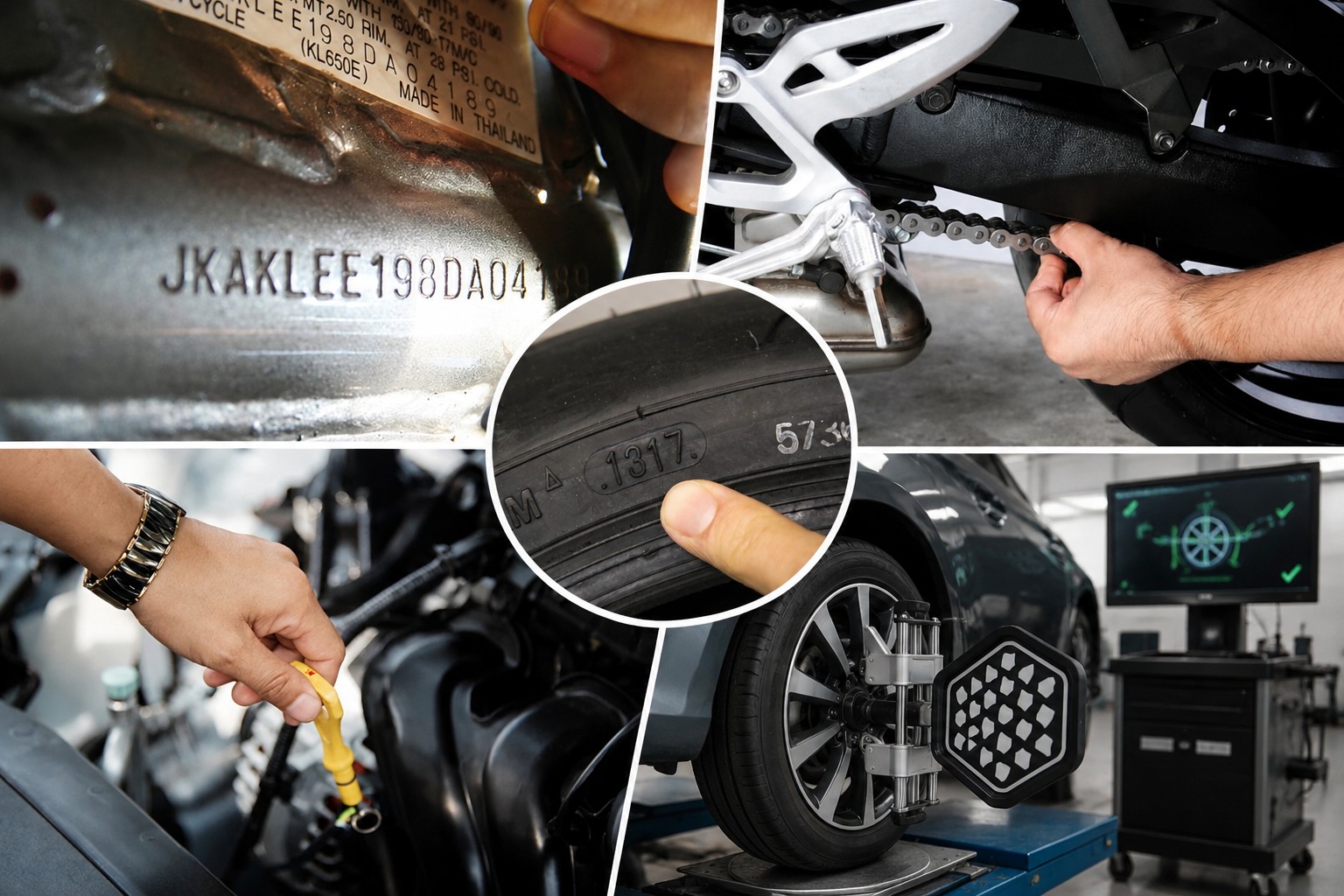
Buying a used motorcycle is one of the smartest ways to own a great bike without paying the steep depreciation hit of a brand-new model. A well-maintained pre-owned motorcycle can give you years of reliable riding for a fraction of the showroom price.
But the used market is also full of bikes hiding expensive problems behind a fresh coat of polish. Sellers often clean up a motorcycle just enough to distract from worn tyres, a tired engine, or a frame that has seen a crash.
That is why a careful, methodical inspection matters more than how shiny the paint looks. A few minutes of checking the right things can save you from months of repair bills later.
This guide walks through eight essential checks every buyer should make before handing over their money. These checks cover the engine and mechanical health, the paperwork and ownership history, and the final test ride and negotiation stage.
Whether you are a first-time buyer or have owned several bikes before, going in with a checklist puts you in control. You stop relying on the seller’s word and start relying on your own eyes, ears, and judgment. Let’s go through each of these checks in detail so you can buy with confidence.
1. Engine Condition and Oil Quality
Always ask the seller to let you start the engine cold. A warm engine can mask hard-starting issues that would otherwise be a major red flag. Listen closely for any knocking, rattling, or grinding sounds as the engine idles. A healthy engine should sound smooth and consistent, not rough or uneven.
Watch the exhaust pipe for smoke colour when the bike starts up. Thick blue or black smoke usually points to worn rings, valve seals, or a bigger internal problem.
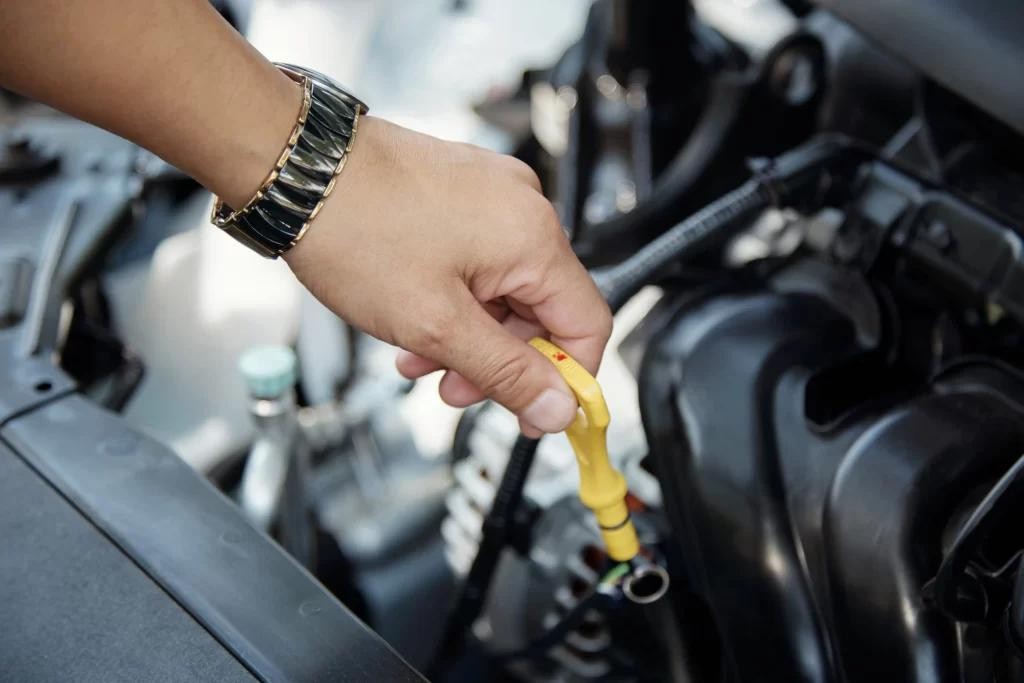
Pull out the dipstick or check the oil window to inspect the oil’s colour and level. Oil that looks like dark sludge or has a milky tint suggests poor maintenance or a coolant leak.
Check around the engine cases, gaskets, and cylinder head for oil seepage or visible leaks. Small leaks can sometimes turn into expensive repairs if ignored for too long.
During the test ride, pay attention to how the transmission shifts through every gear. A bike that jumps out of gear or feels notchy when shifting often needs costly gearbox work. Also, notice how the clutch behaves when you pull away from a stop. A clutch that slips, drags, or feels overly soft may need replacement soon.
2. Tyres and Brakes
Tyres tell you a lot about how the bike has been ridden and stored. Look closely at the tread depth and check for any uneven or one-sided wear patterns.
Uneven wear can point toward wheel alignment issues or suspension problems that need fixing. Even tyres with decent tread can still be dangerous if they are simply old.
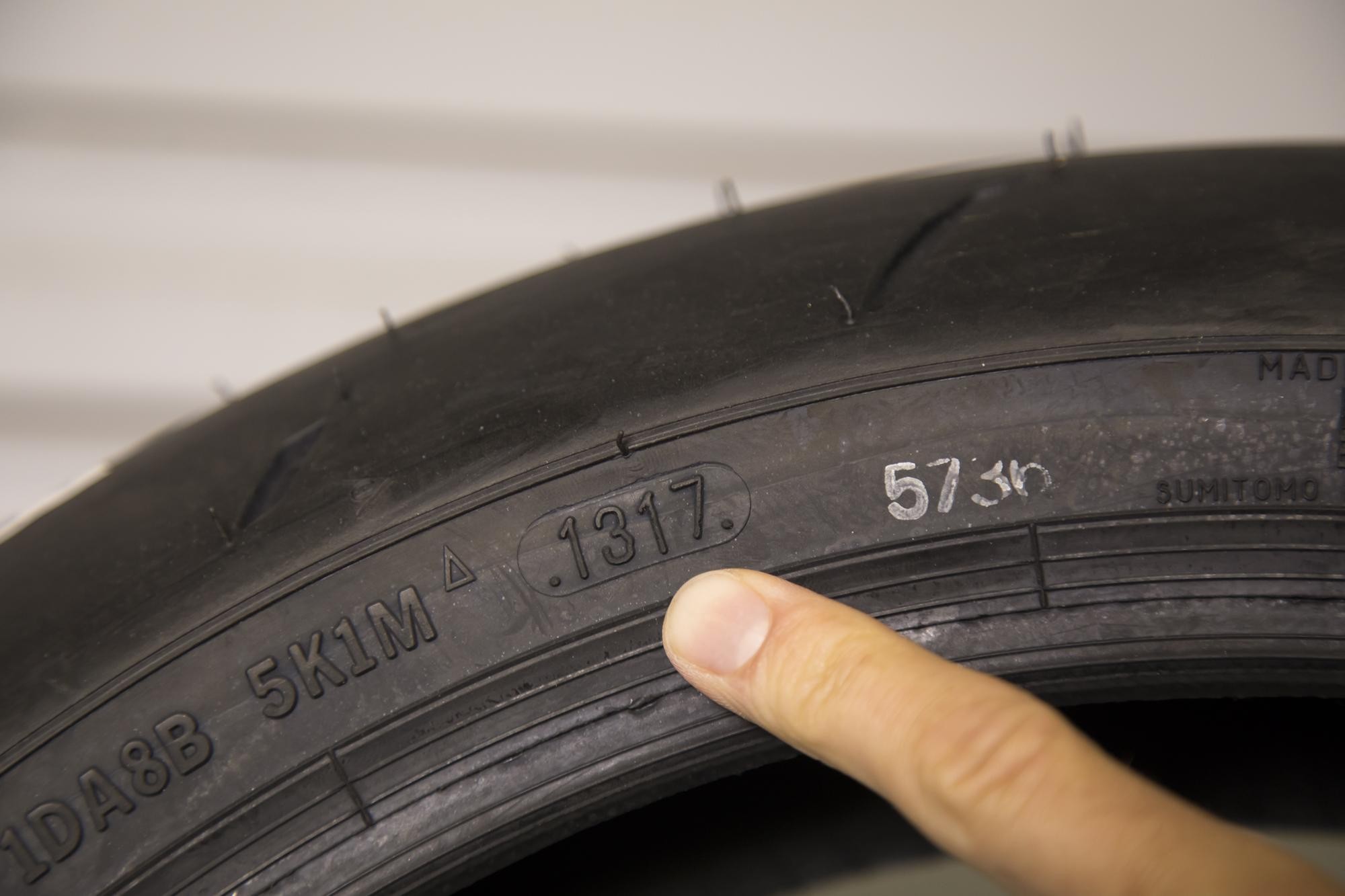
Check the date code moulded into the tyre sidewall to see its actual age. Rubber compounds harden and crack over time, even if the bike was barely ridden.
Cracks running along the sidewall or in the grooves are a clear sign the tyre needs replacing. Riding on cracked, hardened rubber reduces grip significantly, especially in wet conditions.
Now move to the brakes and squeeze each lever firmly to check for resistance. A lever that feels soft or spongy often means air in the brake lines or a worn master cylinder.
Look at the brake discs for grooves, rust, or visible thinning along the edge. Peek at the pads through the caliper to estimate how much friction material is left.
Worn pads and scored discs are common but inexpensive to fix during negotiation. Still, factor the repair cost into your offer before agreeing on a price.
3. Chain, Sprockets, and Suspension
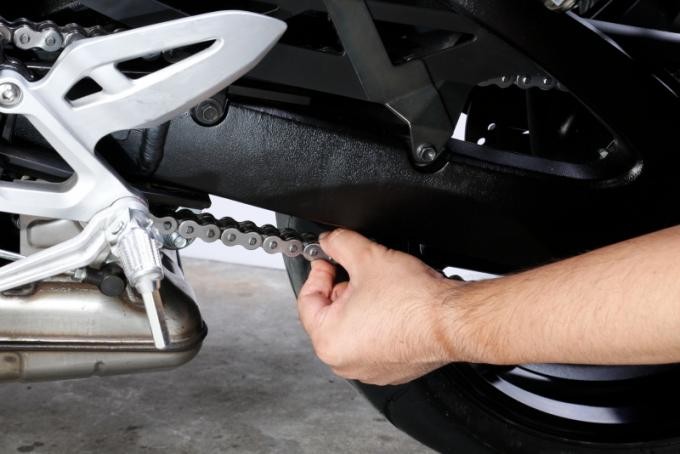
For chain-driven motorcycles, check the chain’s slack by pushing it up and down at the midpoint. A chain that feels excessively loose or has visibly rusted links has likely been neglected.
Look at the sprocket teeth from the side to check their shape and symmetry. Hooked or sharply pointed teeth indicate a stretched chain that has worn the sprockets unevenly.
Spin the rear wheel by hand while the bike is on its stand and listen for any unusual noise. Smooth, quiet rotation is what you want to hear from a healthy drivetrain.
If the motorcycle uses a belt instead of a chain, run your fingers along its length to feel for cracks. Belt replacement can be costly, so any visible damage should affect your offer.
Move to the front forks and press down hard on the handlebars to test the suspension’s rebound. The forks should compress and return smoothly without any clunking or sticking.
Check the fork stanchions closely for any oily residue near the seals. Weeping fork seals are a common and somewhat expensive repair on older motorcycles.
Finally, check the rear shock absorber for leaks and test how it handles bumps during the ride. A worn shock will feel bouncy or harsh, and it affects both comfort and handling.
4. VIN, Title, and Registration
Locate the Vehicle Identification Number, usually stamped near the steering neck or engine casing. Compare this number carefully against the one printed on the registration certificate and other documents.
Any mismatch between the VIN on the bike and the VIN on the paperwork is a serious warning sign. It could indicate a stolen vehicle, a rebuilt wreck, or simply incorrect paperwork that will cause headaches later.
Check that the seller’s name on the registration matches the person actually selling the bike to you. If it does not match, ask why and request proof of the chain of ownership.
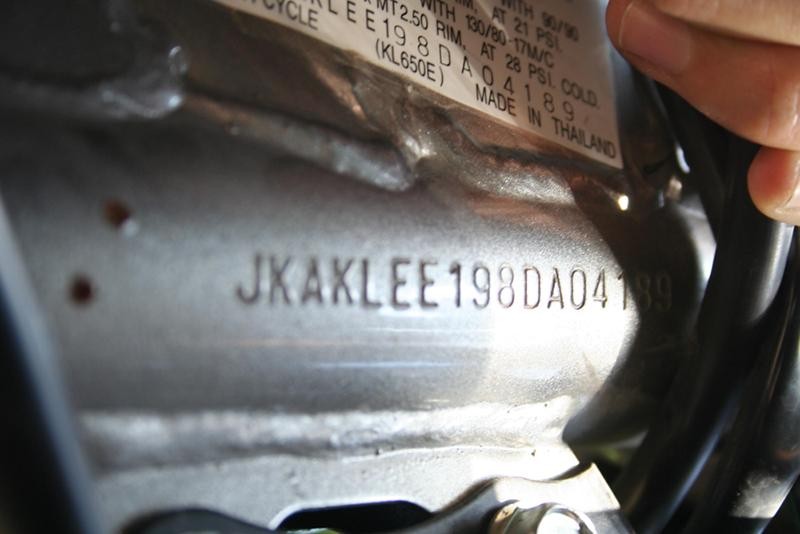
Confirm that the registration is current and that there are no pending fines or violations linked to the motorcycle. Outstanding traffic fines or paperwork issues can become your problem once ownership transfers.
Ask whether the bike has ever been registered in a different state or region. Inter-state transfers sometimes involve extra paperwork or re-registration steps you should know about in advance.
If the seller mentions a loan was taken against the motorcycle, ask for proof that it has been fully cleared. A bike still under an active loan can create serious ownership complications down the line.
Take a photo of the VIN, engine number, and registration details before you leave the inspection. Having this on record protects you if any disputes arise after the purchase.
Also Read: 8 Most Popular Cars by Decade (1950s to 2020s)
5. Service History and Accident Background
Ask the seller directly whether the motorcycle has ever been in an accident or suffered major damage. Their reaction and the consistency of their answer often tell you as much as the words themselves.
Request any service records, invoices, or a maintenance logbook if the seller has kept one. Regular documented servicing is one of the strongest indicators of a well-cared-for motorcycle.
Compare the odometer reading against the service history to see if the numbers make sense. A bike with very low mileage but heavily worn parts could mean the odometer has been tampered with.
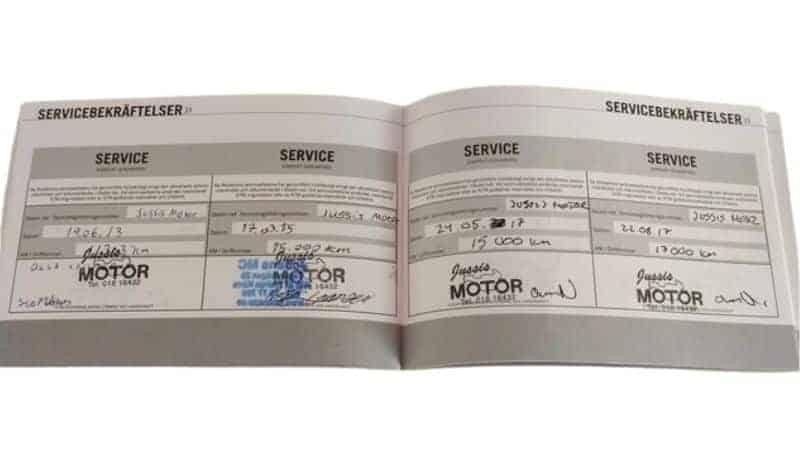
Check the motorcycle’s manual for scheduled maintenance items like valve adjustments or major service intervals. If the bike is close to one of these milestones, plan for that cost in your budget.
Look closely at the frame and bolts for signs of mismatched paint or replaced fasteners. Fresh paint in odd spots or non-original bolts can suggest hidden repair work from a past accident.
Check panel gaps and alignment between the fuel tank, fairings, and side covers. Uneven gaps or scratches in hard-to-reach spots often reveal a crash that was never disclosed.
If you have any doubt, consider getting a professional pre-purchase inspection from an independent mechanic. The small fee is worth the peace of mind it brings for a major purchase.
6. Cold Start Behaviour and Test Ride
Insist on testing the motorcycle while the engine is completely cold, never after the seller has already warmed it up. A cold start reveals starting problems that a pre-warmed engine would easily hide.
Note how many seconds it takes for the engine to fire up and settle into a steady idle. A bike that struggles to start or needs excessive throttle input may have carburettor or fuel system issues.
During the ride, accelerate through every gear and pay attention to power delivery at different speeds. Hesitation, stalling, or strange vibrations at certain speeds usually point toward an underlying mechanical problem.
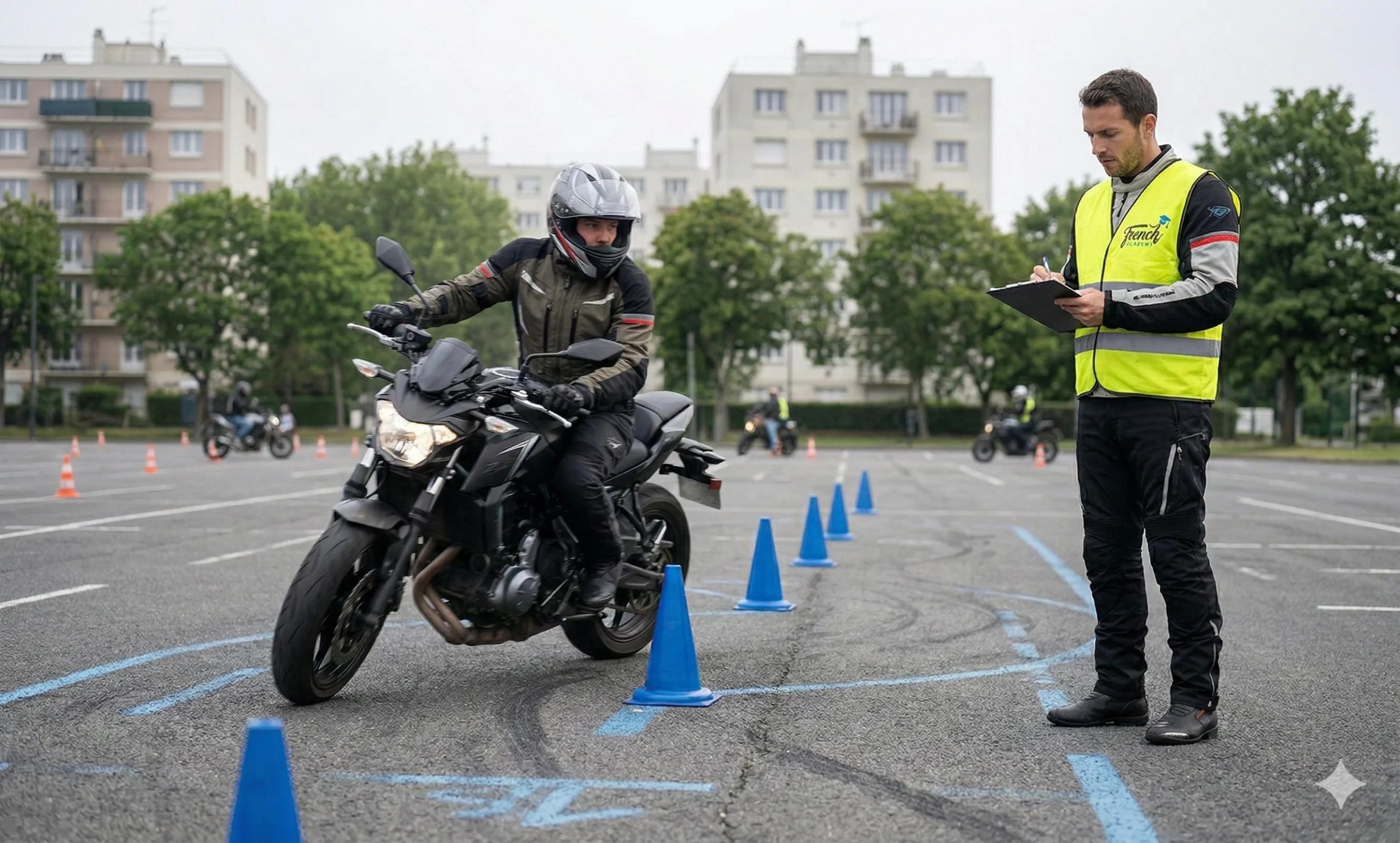
Brake hard from a moderate speed in a safe, open area to test stopping power and feel. The bike should slow down evenly without pulling to one side or making any grinding noise.
Take a few turns at low speed to check the steering for smoothness and stability. Stiff or wobbly steering can hint at worn bearings in the steering head or front suspension.
Ride over a small bump or uneven patch of road if it is safe to do so. This helps you feel how the suspension and frame respond together under real-world conditions.
Pay attention to how the bike feels on the centre stand or side stand, if it has one. A stand that wobbles or does not hold the bike steady may itself need replacing.
7. Electrical System, Lights, and Battery
Switch on the headlight, taillight, brake light, and turn signals one by one to confirm each one works. A single faulty bulb is minor, but multiple electrical failures suggest deeper wiring problems.
Test the horn to make sure it produces a clear, strong sound without any crackling. A weak or silent horn could mean a failing switch or a battery that is losing charge.
Look at the battery terminals for corrosion, loose connections, or any signs of leakage. Clean, tight terminals usually indicate that the previous owner paid attention to basic maintenance.
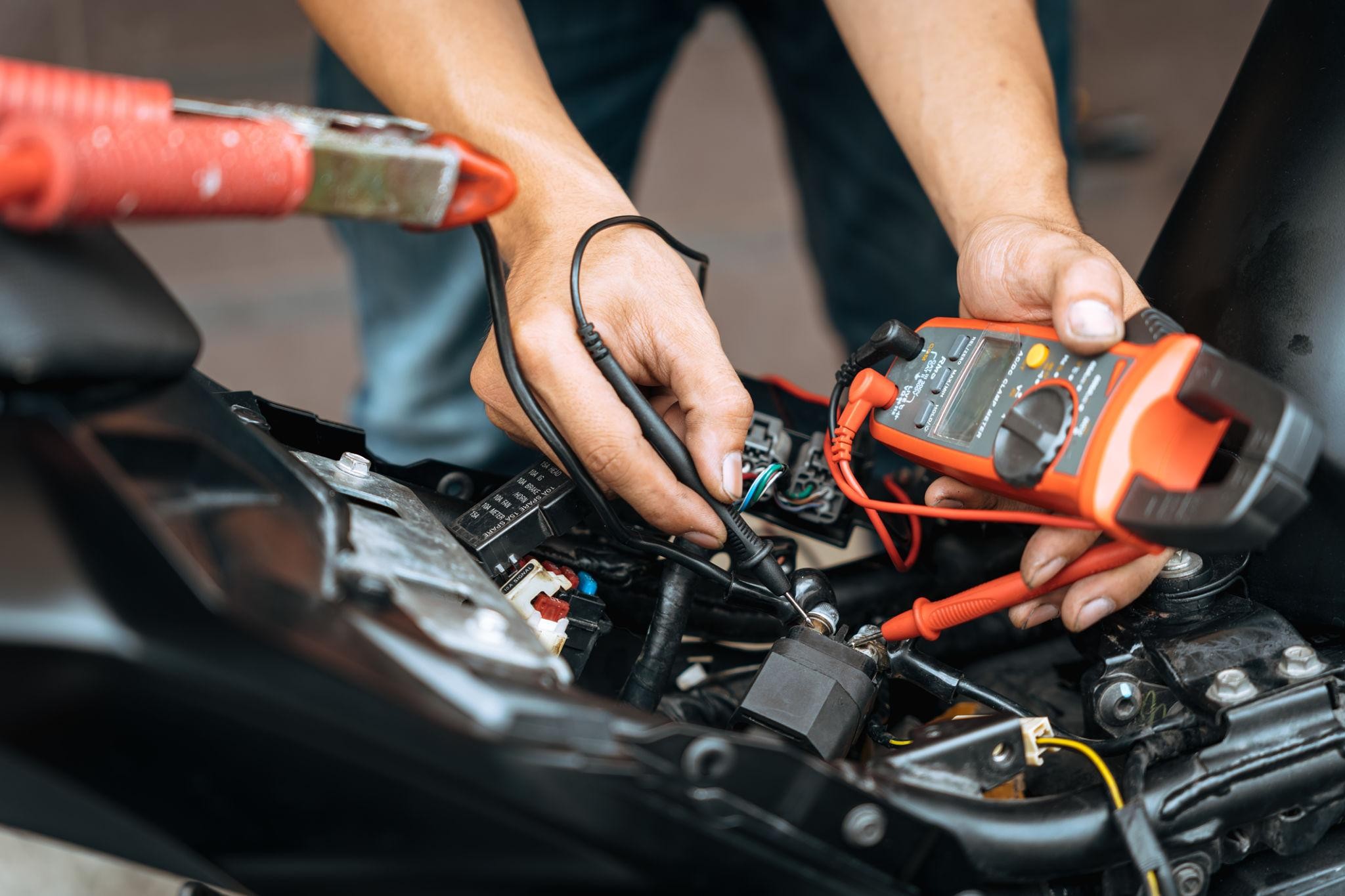
If you have access to a multimeter, check the battery voltage with the engine off first. A healthy battery should read close to its rated voltage when fully charged and at rest.
Start the engine and check the voltage again to see if the charging system is working properly. The reading should rise noticeably once the engine runs, confirming the alternator or stator is doing its job.
Check the dashboard for any active warning lights that stay illuminated after starting the bike. An engine warning light or unusual gauge behaviour deserves a direct explanation from the seller before you proceed.
Test the ignition switch and key by locking and unlocking the steering a few times. A worn ignition switch can eventually leave you stranded if it fails completely.
8. Body Condition and Final Price Negotiation
Walk around the entire motorcycle in good daylight and inspect the body panels closely for scratches or dents. Avoid inspecting in the rain or in dim light, since wet surfaces and shadows hide a lot of flaws.
Check the fuel tank’s paint for an even, untouched finish without bubbling or flaking. A tank with fresh paint in just one spot often signals a past repair rather than routine care.
Look underneath the bike for any fresh oil drips, coolant stains, or fluid pooling on the ground. Even a small puddle can point toward a leak that the seller may not have mentioned.
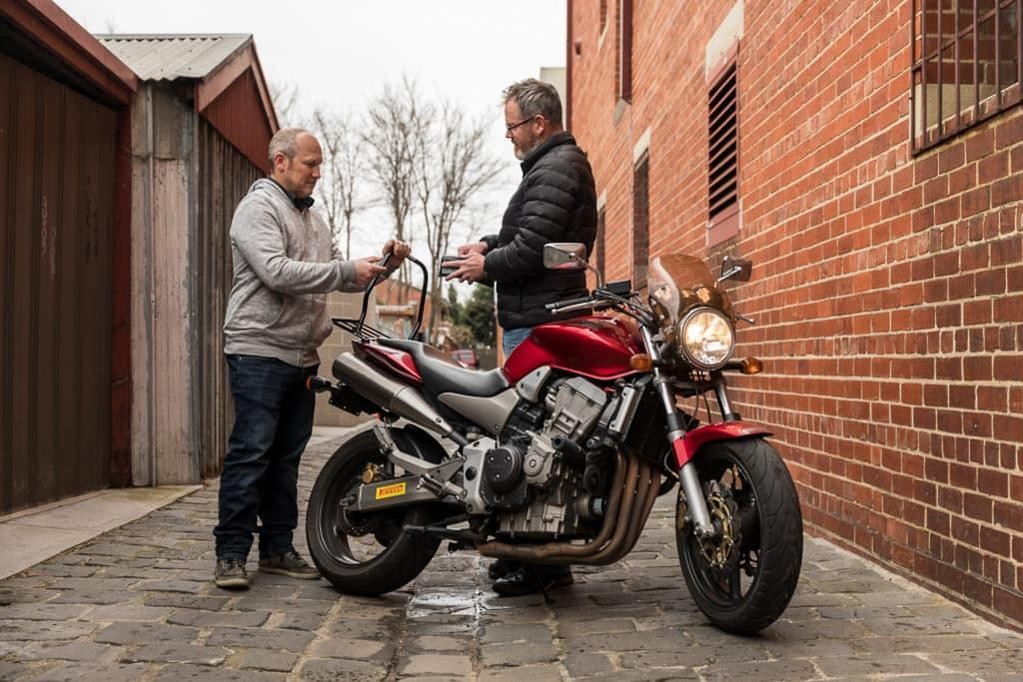
Sit on the bike and check that it feels balanced and that the side stand holds it firmly. An uneven stance can sometimes reveal a bent frame or damaged subframe from a past fall.
Write down every issue you find during your inspection, no matter how small it seems. This list becomes your strongest tool when it is time to discuss the final price.
Estimate the realistic cost of fixing each problem, from new tyres to a worn chain or brake pads. Use these numbers to justify a lower offer rather than simply saying the price feels too high.
Stay calm and polite during the negotiation, since a reasonable buyer often gets a better deal than an aggressive one. Most private sellers respect a buyer who clearly knows what they are looking at.
If the seller is unwilling to budge despite obvious issues, do not be afraid to walk away. There will always be another motorcycle, and patience usually rewards a careful buyer.
Also Read: 8 Best Cruiser Motorcycles Under $12,000
