
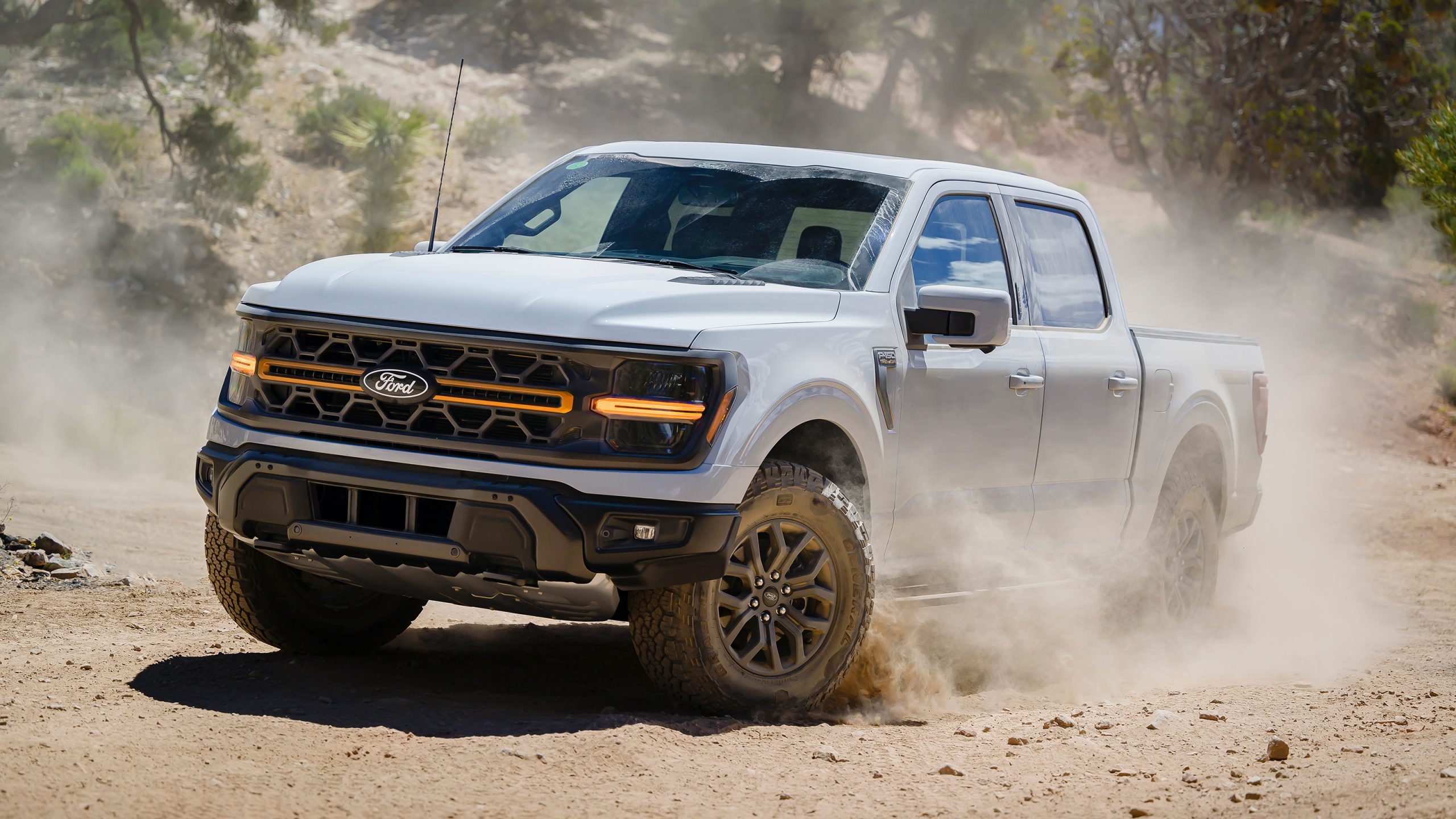
Vehicle theft remains a major concern across the United States, even though 2025 brought encouraging news. According to the National Insurance Crime Bureau (NICB), vehicle thefts declined significantly nationwide, marking the second consecutive year of substantial reductions.
Law-enforcement agencies, automakers, insurers, and anti-theft task forces contributed to the improvement through stronger enforcement efforts, enhanced security technologies, and public-awareness campaigns. Despite this progress, hundreds of thousands of vehicles were still stolen during the year.
Interestingly, the vehicles most frequently targeted were not exotic supercars or ultra-luxury SUVs. Instead, the list was dominated by popular sedans, pickups, and family vehicles that are common on American roads.
High production numbers, strong parts demand, older anti-theft systems, and vulnerabilities in certain model years all contributed to their attractiveness among thieves.
The rankings also reveal how theft trends evolve. Hyundai and Kia models continued to feel the effects of security issues that gained national attention in recent years, while several long-running targets such as the Honda Accord and Ford F-150 remained firmly on the list.
Meanwhile, some vehicles entered the rankings because of their widespread popularity rather than any particular design weakness.
The following ten vehicles were the most stolen models in America during 2025, according to NICB data. Their positions reflect total theft reports nationwide and provide valuable insight into which vehicles thieves targeted most frequently during the year.
Also Read: 10 States With the Worst Traffic in America, Ranked
1. Hyundai Elantra
The Hyundai Elantra finished 2025 as the most stolen vehicle in America, recording 21,732 thefts nationwide. While vehicle theft declined substantially across the country, the Elantra remained at the top of the rankings for another year, highlighting the lingering effects of security vulnerabilities found in older models.
Much of the Elantra’s theft problem can be traced to certain model years that lacked engine immobilizers, a feature that prevents a vehicle from starting without the correct key. Criminals exploited this weakness extensively, and social media trends helped spread information about how easily some vehicles could be stolen.
Although Hyundai has implemented software updates and security improvements, millions of older vehicles remain on the road.
What makes the Elantra’s position remarkable is its popularity. It serves as affordable transportation for commuters, students, and families, meaning there are simply many examples available for thieves to target. High production numbers often translate into higher theft totals because replacement parts remain in demand.
Insurance companies have paid close attention to the model’s theft history. In some areas, premiums increased noticeably for affected vehicles as insurers adjusted to higher risk levels. Meanwhile, law-enforcement agencies worked closely with manufacturers to distribute anti-theft devices and educate owners about available software updates.
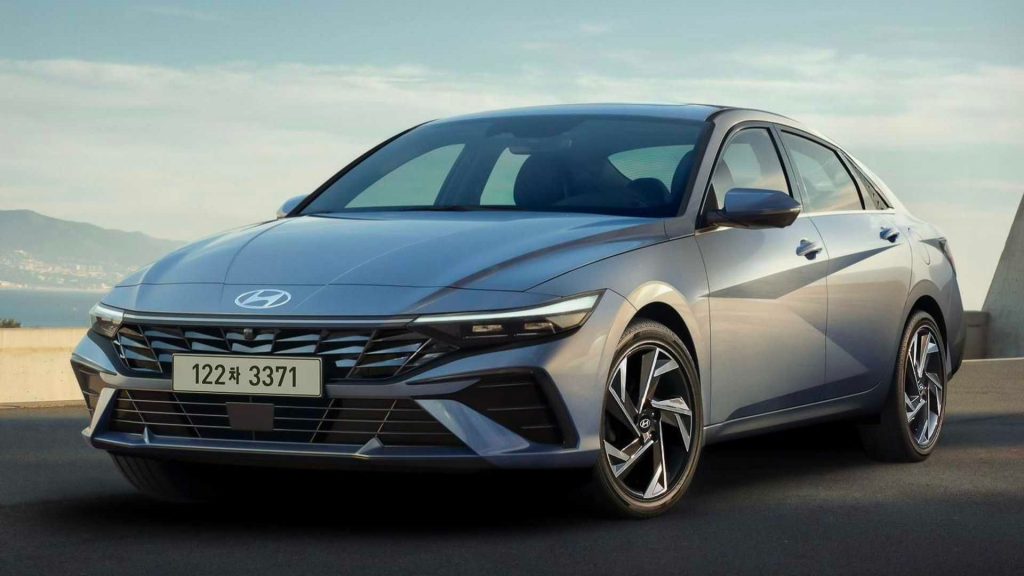
Despite its theft ranking, the Elantra remains a practical and fuel-efficient compact sedan. Most owners will never experience a theft incident, particularly if they utilize available security upgrades. Still, its position at the top of the list demonstrates how a design vulnerability can influence theft statistics for years after the issue first becomes public.
Specifications
- Engine: 2.0L Inline-4
- Torque: 132 lb-ft
- Horsepower: 147 hp
- Length/Width: 184.1 in / 71.9 in
2. Honda Accord
The Honda Accord ranked second in the 2025 theft statistics, with 17,797 reported thefts. While some newer models have only recently appeared in these rankings, the Accord has been a frequent presence in theft data for many years, making it one of the most consistently targeted vehicles in the United States.
The Accord’s presence on the list is not primarily driven by a single security flaw. Instead, its popularity plays a major role. Honda has sold millions of Accords over several decades, creating a vast pool of vehicles and replacement parts.
Stolen vehicles are often dismantled, and parts from common models can be sold quickly because demand remains strong.
Older Accord generations are especially attractive to thieves because many lacked the advanced anti-theft technologies found in newer vehicles. Even as modern security systems improved, the sheer number of older Accords still operating on American roads helped keep theft totals high.
Another reason for the Accord’s persistence is its reputation for durability. Vehicles with strong reliability records often remain on the road longer than competitors, increasing the number of potential targets available in any given year. A well-maintained Accord from fifteen or twenty years ago may still be serving daily transportation duties.
The model’s continued appearance near the top of theft rankings highlights a reality often overlooked in these discussions. Popularity itself can become a risk factor. The more vehicles that exist, the more opportunities thieves have to find and target them.
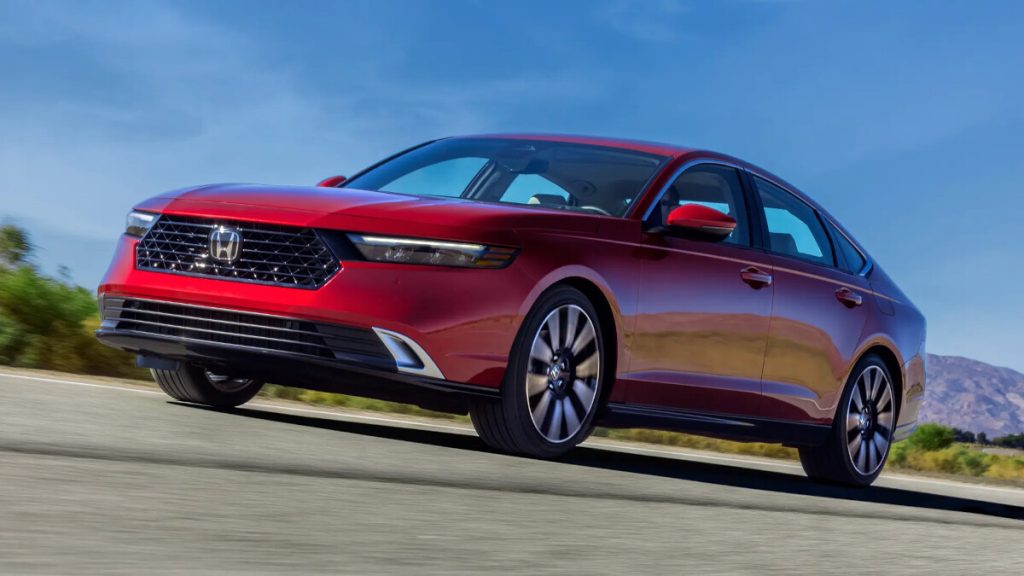
Even so, the Accord continues to be regarded as one of the most dependable midsize sedans available. Its theft statistics reflect widespread ownership and strong parts demand as much as they reflect any security-related concerns.
Specifications
- Engine: 1.5L Turbocharged Inline-4
- Torque: 192 lb-ft
- Horsepower: 192 hp
- Length/Width: 195.7 in / 73.3 in
3. Hyundai Sonata
The Hyundai Sonata secured the third position on the 2025 theft rankings, with 17,476 reported thefts nationwide. Like its smaller Elantra sibling, the Sonata continued to feel the effects of theft trends that emerged several years earlier and spread rapidly across the country.
While Hyundai has introduced multiple security measures to address these concerns, theft totals remained high enough to keep the sedan near the top of the list. According to NICB data, the Sonata ranked just behind the Accord and narrowly ahead of several pickup trucks and SUVs.
The Sonata’s theft figures are driven more by accessibility and widespread availability than by rarity. Hyundai sold the model in substantial volumes across multiple generations, resulting in a large number of these vehicles on American roads.
Older examples lacking engine immobilizers proved particularly attractive to criminals seeking quick opportunities.
The theft issue also demonstrated how public awareness can affect vehicle crime patterns. Once information about vulnerable models became widespread, theft rates surged in numerous cities. Hyundai responded with software updates, steering-wheel lock distribution programs, and security enhancements aimed at reducing risk.
From an ownership perspective, the Sonata remains a capable midsize sedan offering comfortable ride quality, efficient engines, and generous equipment levels. Many owners appreciate its value proposition and low operating costs.
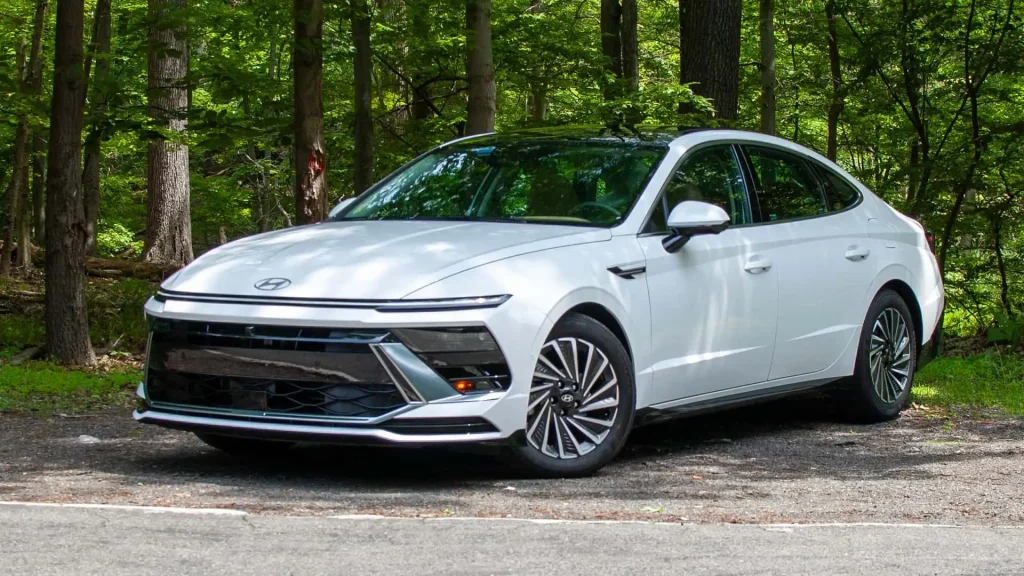
However, those shopping for used examples often pay closer attention to theft-prevention measures than they might with competing sedans.
The Sonata’s ranking serves as a reminder that vehicle security can influence ownership experiences just as much as reliability or fuel economy. Even as theft numbers decline nationally, models associated with previous vulnerabilities continue appearing prominently in annual statistics.
Specifications
- Engine: 2.5L Inline-4
- Torque: 181 lb-ft
- Horsepower: 191 hp
- Length/Width: 193.3 in / 73.2 in
4. Chevrolet Silverado 1500
The Chevrolet Silverado 1500 earned fourth place on the 2025 theft list with 15,731 reported thefts. Its presence differs from the Hyundai and Honda models above it because the Silverado’s ranking is driven less by specific vulnerabilities and more by sheer popularity.
Full-size pickups are among the most common vehicles in America, and that widespread presence naturally attracts criminal attention.
The Silverado’s appeal extends beyond personal transportation. Construction companies, contractors, ranchers, and commercial fleets rely heavily on these trucks.
As a result, they are frequently found in locations where valuable tools, equipment, or trailers may also be present. Thieves sometimes target the truck itself, while others seek access to the cargo or equipment associated with it.
Another factor is parts demand. Full-size pickups generate a massive aftermarket ecosystem, and replacement components remain valuable because millions of similar vehicles remain in service. Stolen trucks can be dismantled, with individual parts finding buyers quickly through legal and illegal channels.
The Silverado’s versatility also contributes to its theft statistics. Because it serves so many different roles, the vehicle appears in virtually every region of the country. Urban areas, suburban communities, and rural environments all contain large numbers of Silverados, increasing opportunities for theft.
Despite these numbers, the Silverado continues to be one of the most successful trucks in the United States. Buyers appreciate its towing capability, engine options, and broad range of configurations. The theft ranking reflects its popularity and utility as much as any security concern.
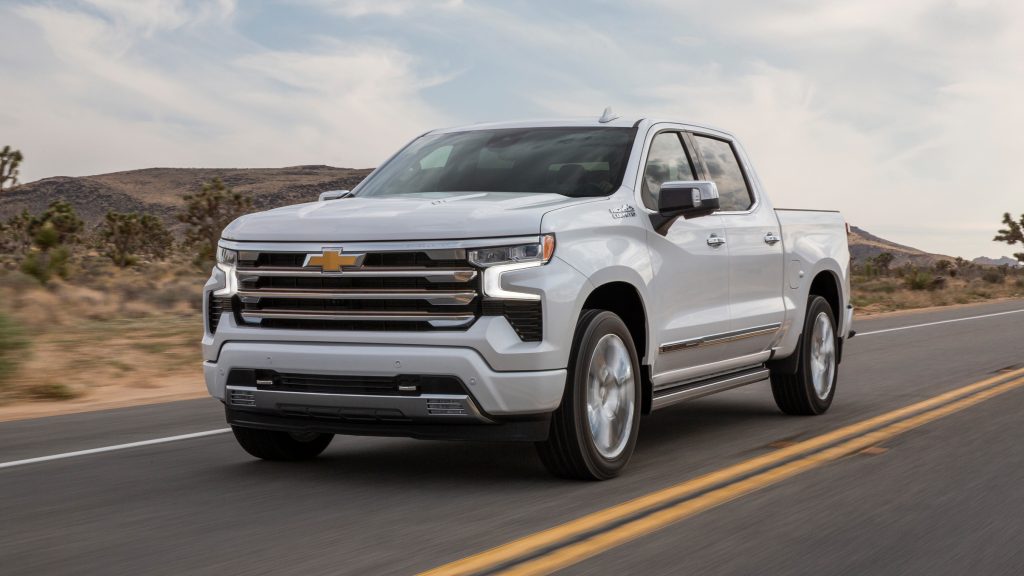
Its position on this list highlights a recurring pattern in theft data: vehicles with enormous sales volumes often appear near the top simply because there are so many examples available for criminals to target.
Specifications
- Engine: 5.3L V8
- Torque: 383 lb-ft
- Horsepower: 355 hp
- Length/Width: 231.7 in / 81.2 in
5. Honda Civic
The Honda Civic finished fifth in the 2025 theft rankings, recording 15,727 reported thefts across the United States.
The Civic’s appearance on theft lists is hardly a new development. For decades, it has been one of the most commonly stolen vehicles in America, a distinction tied more to its popularity and longevity than to any single security weakness.
One reason the Civic remains attractive to thieves is the sheer number of examples on the road. Honda has sold millions of Civics across multiple generations, creating a large and diverse vehicle population.
Older models, in particular, continue serving as daily transportation because of their reputation for reliability and low operating costs.
The aftermarket community also contributes to the Civic’s theft profile. Performance enthusiasts, restoration projects, and routine repairs all create demand for replacement parts. Stolen Civics can be dismantled and sold piece by piece, making them valuable targets even when the entire vehicle is not resold intact.
The Civic’s position is shaped less by recent trends influenced by social media or isolated vulnerabilities and more by decades of steady demand. Its widespread popularity makes it a frequent target, as parts from common models can be easily and quickly circulated through illicit markets.
Owners often respond by adding additional security measures such as steering-wheel locks, alarm systems, tracking devices, and secure parking practices. These precautions help reduce risk, particularly for older examples that may lack the latest anti-theft technology.
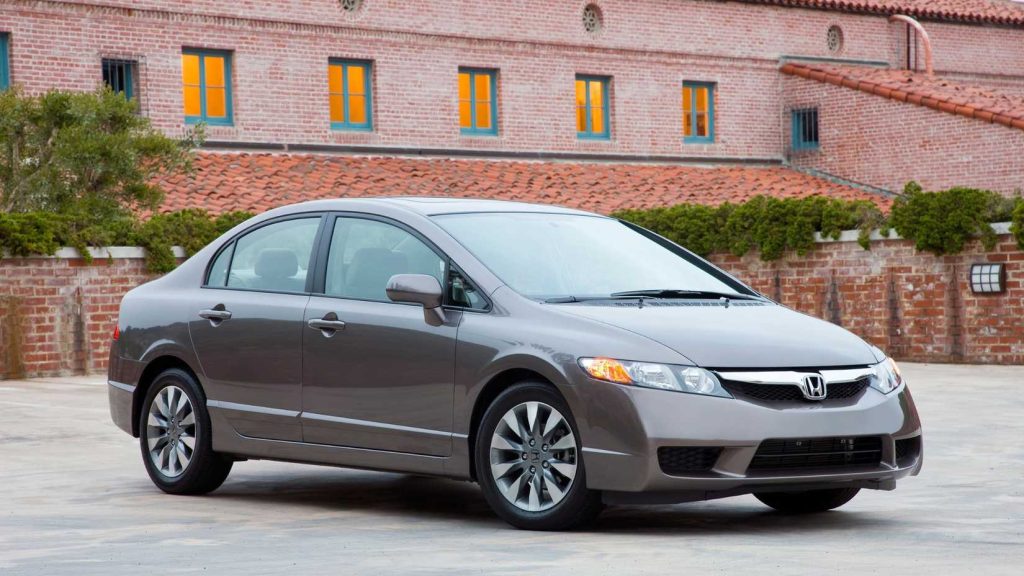
Despite its theft ranking, the Civic remains one of the most respected compact cars ever produced. Its blend of fuel efficiency, reliability, and practicality continues attracting buyers year after year. The very qualities that make it popular among consumers also contribute to its enduring presence in theft statistics.
Specifications
- Engine: 2.0L Inline-4
- Torque: 138 lb-ft
- Horsepower: 158 hp
- Length/Width: 184.0 in / 70.9 in
6. Ford F-150
The Ford F-150 claimed sixth place among the most stolen vehicles of 2025, with 12,952 thefts reported nationwide. Considering that the F-Series has remained America’s best-selling vehicle line for decades, its appearance on this list is not particularly surprising.
Popularity often creates opportunity, and few vehicles are more common on American roads than the F-150.
What makes the truck especially attractive to thieves is its versatility. F-150s are used by homeowners, contractors, businesses, municipalities, and commercial fleets. That broad customer base ensures a steady supply of vehicles in every region of the country, from dense urban areas to remote rural communities.
The truck’s value extends beyond the vehicle itself. Many F-150s carry expensive tools, equipment, or accessories that increase their appeal as theft targets. In some cases, criminals seek the contents of the truck as much as the truck itself.
Parts demand also plays a role. With millions of F-150s in service, replacement components remain highly valuable. Engines, body panels, wheels, electronic modules, and interior components can all command strong prices, creating incentives for organized theft operations.
Modern F-150s incorporate sophisticated security technologies, yet older trucks continue contributing heavily to theft totals. Vehicles from previous generations often remain in active use because of their durability and capability, expanding the pool of potential targets.
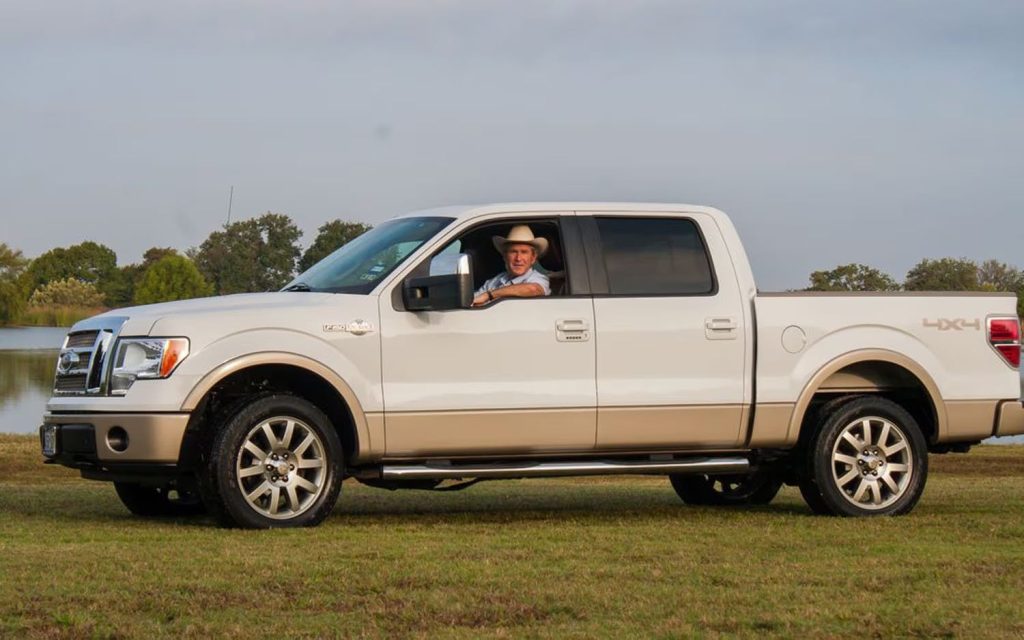
The F-150’s position on the list reflects its extraordinary presence in the marketplace rather than a widespread flaw.
Owners continue choosing the truck because of its towing performance, versatility, and long-standing reputation. Unfortunately, those same qualities ensure it remains firmly on the radar of vehicle thieves year after year.
Specifications
- Engine: 5.0L V8
- Torque: 410 lb-ft
- Horsepower: 400 hp
- Length/Width: 232.0 in / 79.9 in
7. Kia Optima
The Kia Optima ranked seventh among the most stolen vehicles in America during 2025, with 12,296 reported thefts according to NICB data. Although the model is no longer sold under the Optima name, many examples remain on the road, and certain model years continue attracting unwanted attention from criminals.
Much like the Hyundai Elantra and Hyundai Sonata, the Optima became closely associated with theft trends that emerged during the early 2020s. Some older vehicles lacked engine immobilizers, creating vulnerabilities that thieves learned to exploit. Once information about these weaknesses spread, theft rates rose sharply in numerous cities across the country.
The Optima’s popularity contributed to the problem. Kia sold large numbers of these sedans over multiple generations, giving criminals a substantial pool of potential targets. High production numbers also created strong demand for replacement parts, increasing the financial incentive behind theft operations.
Kia worked aggressively to address the issue through software updates, owner outreach programs, and additional anti-theft measures. Many affected vehicles received security improvements, helping reduce theft rates compared with previous years. Even so, the legacy of earlier vulnerabilities remained visible in the 2025 rankings.
For consumers, the Optima still offers many attractive qualities. Spacious interiors, comfortable ride quality, and competitive feature content helped make it a successful midsize sedan. Many owners continue reporting positive experiences with their vehicles despite the theft concerns.
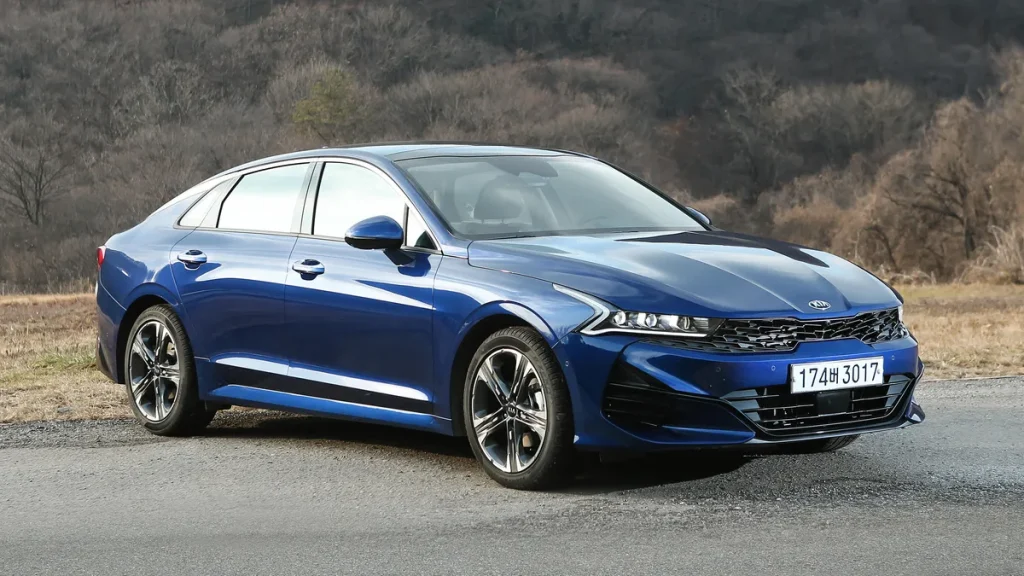
The Optima’s appearance on this list illustrates how vehicle theft trends can persist long after manufacturers implement corrective measures. Public perception, large vehicle populations, and years of accumulated theft data often keep certain models near the top of national rankings even as security improves.
Specifications
- Engine: 2.4L Inline-4
- Torque: 178 lb-ft
- Horsepower: 185 hp
- Length/Width: 191.1 in / 73.2 in
8. Kia Soul
The Kia Soul secured eighth place in the 2025 theft rankings with 11,987 reported thefts nationwide. Its boxy shape, practical interior, and affordable price helped it become one of Kia’s most recognizable products, but those same widespread sales figures contributed to its prominence in theft statistics.
The Kia Soul stands apart from traditional sedans and pickup trucks due to its distinctive market position. Its design appeals to a wide range of buyers, from first-time drivers to retirees looking for practical transportation. This broad appeal has driven strong sales volumes, resulting in a large number of Soul models on roads across the United States.
Unfortunately, some earlier model years shared security vulnerabilities similar to those found in other Hyundai Motor Group products. Criminals became familiar with these weaknesses, leading to higher theft rates in many metropolitan areas.
Law-enforcement agencies frequently cited the Soul as one of the vehicles most commonly targeted during the height of the theft surge.
Kia’s response included software upgrades, anti-theft campaigns, and increased owner education. These efforts helped reduce thefts, particularly as awareness spread among vehicle owners. Steering-wheel locks and updated security programming became common countermeasures.
What makes the Soul’s ranking particularly interesting is that the vehicle’s practicality remains one of its greatest strengths. Generous interior space, good fuel economy, and easy maneuverability continue attracting used-car buyers. For many owners, the vehicle serves as economical transportation with relatively low operating costs.
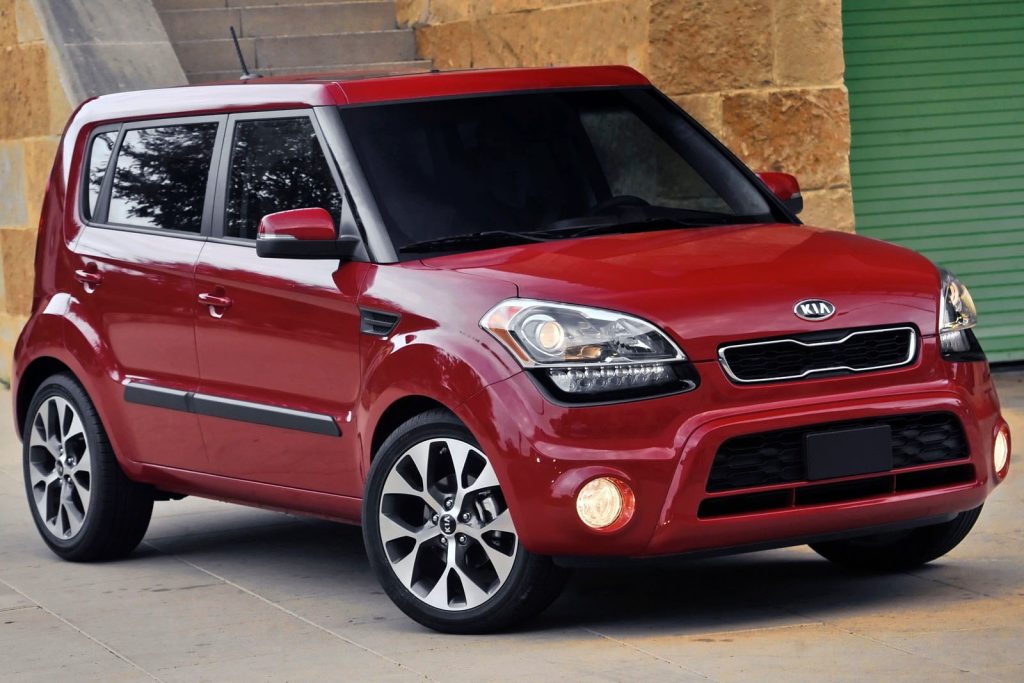
The Soul’s presence among the nation’s most stolen vehicles demonstrates how theft statistics can be influenced by a combination of popularity, accessibility, and historical security concerns. Even as national theft totals decline, certain models continue carrying the legacy of previous trends.
Specifications
- Engine: 2.0L Inline-4
- Torque: 132 lb-ft
- Horsepower: 147 hp
- Length/Width: 165.2 in / 70.9 in
9. Honda CR-V
The Honda CR-V finished ninth on the list of America’s most stolen vehicles in 2025, with 11,811 reported thefts nationwide. While the CR-V is often praised for reliability, practicality, and strong resale value, those same qualities help explain why it remains attractive to vehicle thieves year after year.
The CR-V’s presence in theft rankings is less about a particular design vulnerability and more about its widespread popularity.
Honda has sold millions of these compact SUVs over multiple generations, creating an enormous vehicle population spread across every region of the country. More vehicles on the road naturally create more opportunities for theft.
Another factor is the demand for replacement parts. The CR-V has one of the largest owner bases in the compact SUV segment, and parts remain valuable because so many examples are still in service.
Stolen vehicles are often dismantled, with engines, transmissions, body panels, wheels, and electronic components finding buyers in secondary markets.
The CR-V’s reputation for longevity also contributes to its theft numbers. Many older models continue operating reliably after years of use, meaning they remain available as targets long after competing vehicles have left the road. A fifteen-year-old CR-V is far from uncommon, which increases the total number of vehicles thieves can encounter.
Honda has continually improved security systems on newer generations, incorporating immobilizers, advanced key technology, and enhanced anti-theft measures. Nevertheless, older examples continue to influence annual theft statistics.
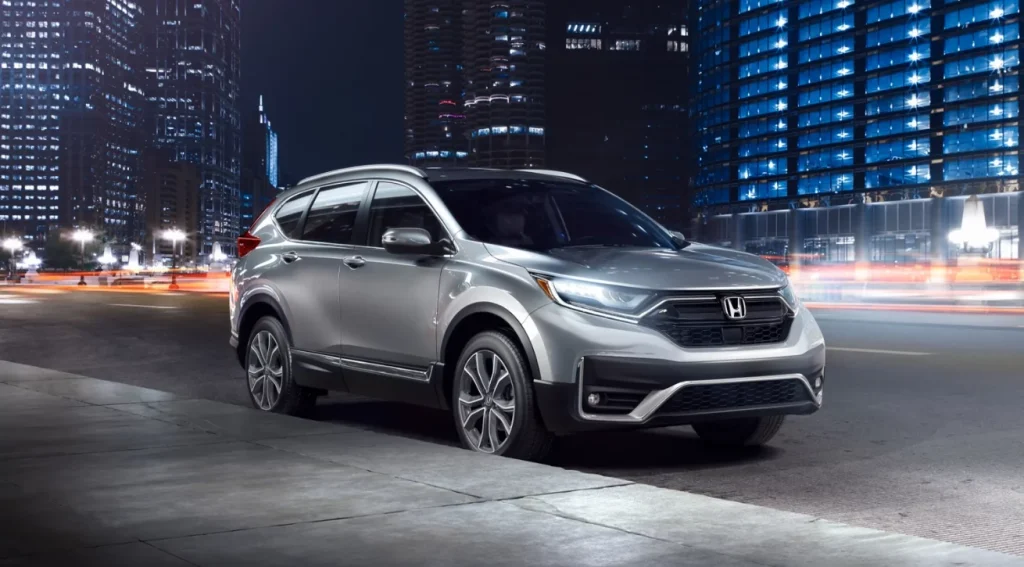
Despite its ranking, the CR-V remains one of the most trusted compact SUVs available. Families appreciate its spacious interior, efficient operation, and dependable nature. Its appearance on the theft list reflects widespread ownership and enduring demand rather than any significant weakness in the current model.
Specifications
- Engine: 1.5L Turbocharged Inline-4
- Torque: 179 lb-ft
- Horsepower: 190 hp
- Length/Width: 184.8 in / 73.5 in
10. Dodge Charger
Rounding out the top ten is the Dodge Charger, which recorded 11,452 thefts in 2025. Many of the vehicles on this list are targeted for their practicality or high demand for parts, but the Charger stands in a different category.
Its powerful image, performance reputation, and enthusiast following have made it one of the most recognizable sedans on American roads.
The Charger stands apart because many stolen examples are sought for the vehicle itself rather than simply for parts.
High-performance trims equipped with V8 engines are especially desirable, attracting attention from both organized theft rings and opportunistic criminals. The car’s combination of power, visibility, and cultural popularity has contributed significantly to its theft history.
Another factor is the wide range of Charger models produced over the years. From fleet vehicles to high-output performance variants, the lineup created a substantial population of cars across multiple market segments.
This broad availability increases opportunities for theft while also maintaining demand for replacement components.
Dodge and law enforcement agencies have devoted considerable attention to theft prevention in recent years. Security enhancements, software updates, and owner awareness campaigns have all been introduced to reduce risk. Even so, the Charger’s profile continues making it a favorite target.
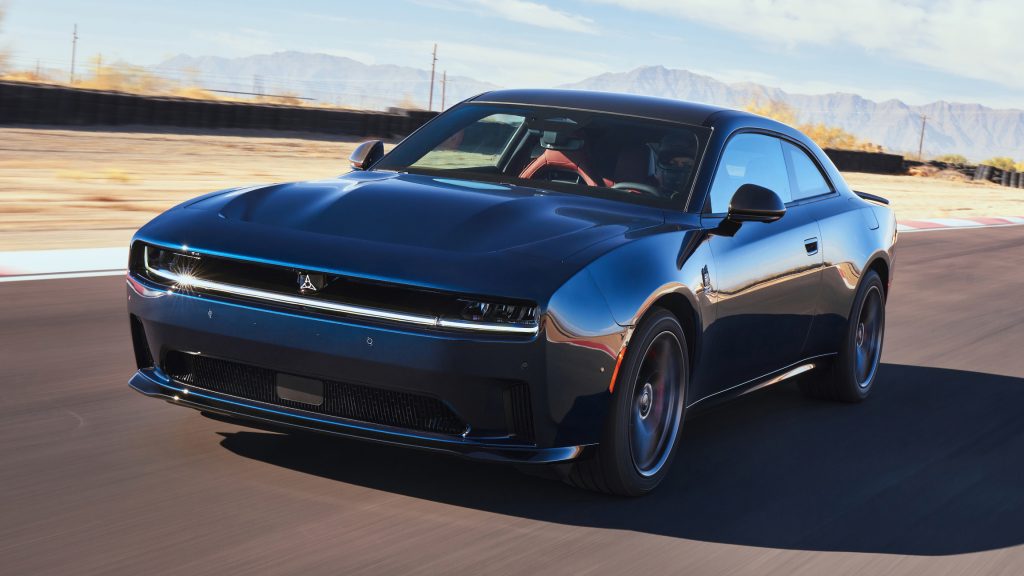
The irony is that many of the traits owners love most about the Charger also contribute to its theft ranking. Distinctive styling, strong performance, and a loyal enthusiast community help maintain demand for the vehicle long after production ends.
Its appearance in tenth place demonstrates that theft trends are not always driven by vulnerabilities alone. Sometimes, popularity, desirability, and cultural significance are enough to place a vehicle among the most frequently stolen in the nation.
Specifications
- Engine: 3.6L Pentastar V6
- Torque: 260 lb-ft
- Horsepower: 292 hp
- Length/Width: 198.4 in / 75.0 in
Also Read: 8 Repairs That Cost More in Parts Than Labor
