
Buying a vehicle, appliance, electronic device, or other major product from another state has become increasingly common. Consumers today have access to online marketplaces, dealership inventories across the country, and competitive pricing that often makes out of state purchases attractive.
Whether someone is searching for a specific vehicle model, looking for better discounts, or trying to find inventory that is unavailable locally, purchasing from another state can provide significant advantages.
However, one of the most important concerns buyers have before completing an out of state purchase is whether their warranty protection will remain valid once the product is brought home.
Warranty coverage is designed to provide peace of mind by protecting consumers against manufacturing defects, workmanship issues, and certain unexpected repair costs. Yet many buyers worry that crossing state lines could somehow void their warranty or make it difficult to obtain repairs.
These concerns are understandable because warranty terms can vary depending on the manufacturer, seller, product category, and type of coverage involved.
While most manufacturer warranties remain valid regardless of where the product was purchased within the country, there are situations where obtaining service may require additional steps or where certain dealership specific benefits may not transfer.
Understanding how warranties work across state lines is essential for making an informed purchasing decision. Buyers should know the difference between manufacturer warranties, dealer warranties, extended service contracts, and third party protection plans.
They should also understand the role of authorized service centers, warranty registration requirements, and state specific consumer protection laws. Taking the time to review these details before making a purchase can help prevent confusion and ensure a smooth ownership experience.
The good news is that in most cases, buying out of state does not eliminate warranty protection. Major manufacturers generally honor their warranties nationwide through authorized service networks.
Certain benefits may be limited, paperwork requirements may differ, and dealership provided perks may not follow the product to a new location. By learning how warranty coverage functions after an out of state purchase, consumers can protect their investment and enjoy the advantages of shopping beyond their local market.
Also Read: 7 Most Reliable Motorcycles You Can Buy Today

Understanding Manufacturer Warranties and Nationwide Coverage
Manufacturer warranties are generally the most reliable form of warranty protection available to consumers. These warranties are issued directly by the company that produces the product rather than by the dealership or retailer that sells it. Because the manufacturer controls the warranty program, coverage typically applies regardless of where the product was purchased within the country.
For vehicle buyers, this means that a new car purchased in one state can usually receive warranty repairs at an authorized dealership in another state.
Manufacturers maintain extensive service networks specifically to support customers who relocate, travel frequently, or purchase vehicles from distant dealerships. As long as the warranty remains active and the issue falls within the covered terms, authorized service centers are generally required to honor the warranty.
The same principle applies to many consumer electronics, appliances, and recreational products. National brands often support warranty service through authorized repair facilities spread across multiple regions. A customer who purchases a refrigerator, laptop, or home appliance from another state can typically access warranty support locally without difficulty.
However, consumers should carefully review warranty documentation before purchasing. Some warranties contain specific registration requirements or service procedures that must be followed. Failure to complete necessary paperwork could delay claim processing or create unnecessary complications during repair requests.
Keeping copies of purchase documents, warranty certificates, and registration confirmations is highly recommended. These records can help verify coverage and establish eligibility if warranty questions arise. Organized documentation often makes the claims process faster and more efficient.
Dealer Warranties and Benefits That May Not Transfer
While manufacturer warranties usually provide nationwide protection, dealership specific warranties can be a different matter. Many dealerships offer supplemental coverage programs, free maintenance packages, or special service benefits that are designed primarily for local customers.
For example, a dealership may advertise complimentary oil changes, tire rotations, inspections, or maintenance services for a specified period. These benefits often apply only at the selling dealership and may not be available through other locations. Buyers who live far away may find it difficult or impractical to use these services.
Some dealerships also provide limited in-house warranties on used vehicles. Unlike manufacturer warranties, these dealership warranties may only be valid at the original dealership. If repairs are needed after the vehicle is transported to another state, the buyer could be responsible for returning the vehicle to the selling dealer or paying repair costs elsewhere.
Understanding the distinction between manufacturer coverage and dealer provided benefits is critical. Buyers should ask detailed questions about which protections are transferable and which remain tied to the original selling location. Clear answers can help avoid disappointment later.
Written documentation is especially important when evaluating dealership warranties. Verbal promises may be difficult to enforce if disputes arise. Buyers should ensure that all coverage details, exclusions, and transfer conditions are clearly outlined in writing before completing the transaction.
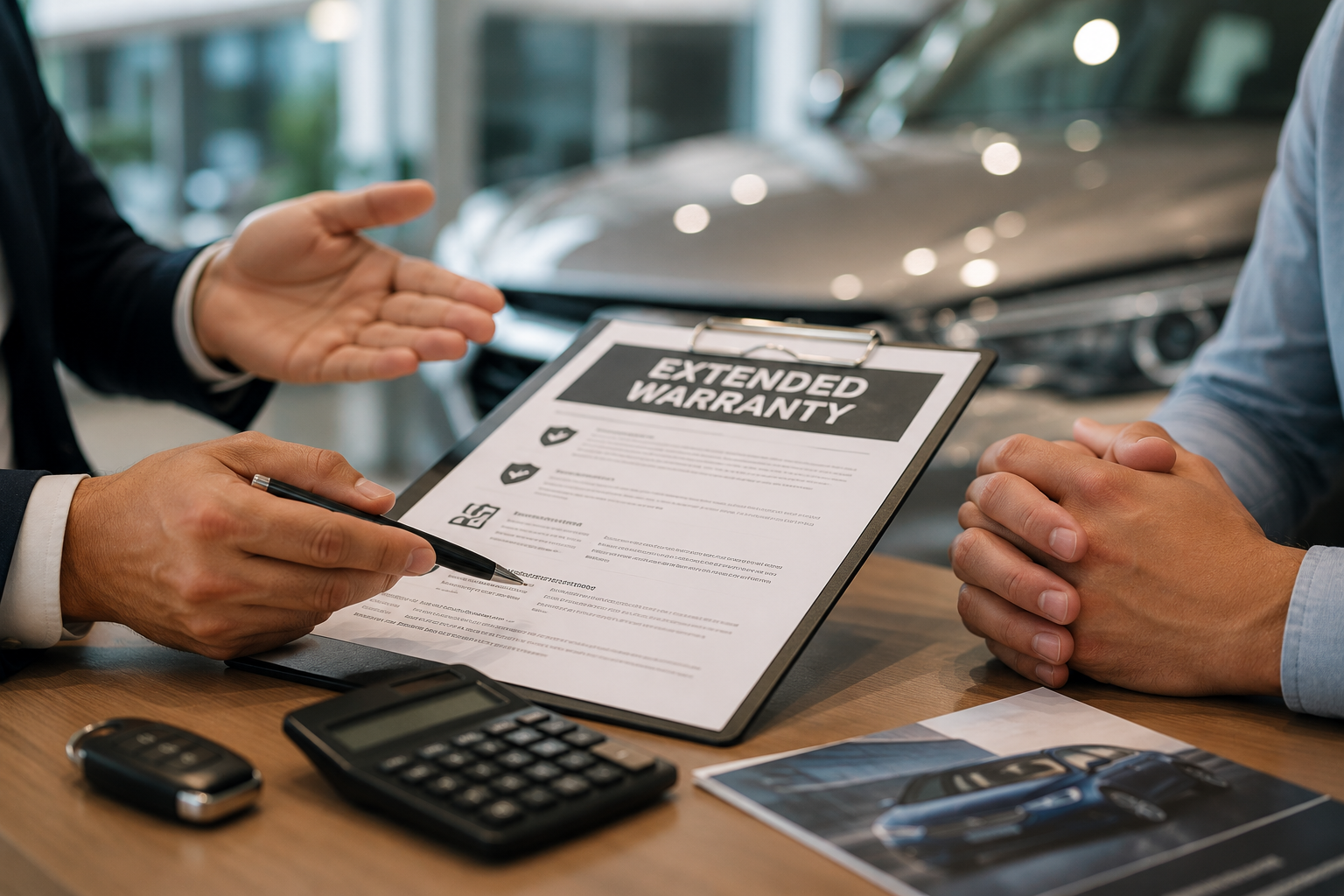
Extended Warranties and Service Contracts Across State Lines
Extended warranties and service contracts are commonly purchased to provide protection beyond the manufacturer’s standard warranty period. These plans can vary significantly in terms of coverage, provider networks, exclusions, and transferability.
Many manufacturer backed extended warranties offer nationwide protection similar to the original factory warranty. Because they are administered through the manufacturer, authorized service centers across the country can usually perform covered repairs. This makes them particularly attractive for buyers who travel frequently or relocate.
Third party service contracts require closer examination. Some providers maintain extensive repair networks, while others have more limited service availability. Before purchasing an extended warranty from an out of state seller, consumers should verify whether repair facilities exist near their home.
Claim procedures can also differ among providers. Some plans require preauthorization before repairs begin, while others allow repairs first and reimbursement later. Understanding these requirements can help prevent denied claims and unexpected expenses.
Reading the contract carefully remains one of the most important steps in the buying process. Coverage limitations, deductibles, maintenance obligations, and claim procedures should all be reviewed before committing to an extended protection plan.
Also Read: 10 Cars That Drove Over 800,000 Miles
State Laws and Consumer Protection Considerations
Although manufacturer warranties are generally honored nationwide, state laws can influence certain aspects of warranty administration and consumer protection. Different states may have unique regulations governing disclosures, vehicle sales, service contracts, and warranty practices.
One important area involves consumer protection laws that address deceptive sales practices. Buyers who purchase products from out of state sellers may still have legal rights if warranty terms were misrepresented during the transaction. Understanding these protections can be valuable if disputes arise.
Vehicle buyers should also be aware of emissions related warranties and requirements. Certain states maintain stricter emissions standards than others. While manufacturer warranties generally remain valid, compliance requirements may vary depending on the vehicle and destination state.
Used vehicle purchases can present additional considerations. Some states impose specific warranty disclosure requirements for used cars, while others allow more flexibility in as is sales. Buyers should understand the applicable rules before finalizing a purchase.
Consulting official state consumer protection resources can provide valuable information regarding warranty rights and obligations. Awareness of applicable regulations helps consumers make informed decisions and avoid misunderstandings.

Tips for Protecting Your Warranty After an Out of State Purchase
Protecting warranty coverage begins before the purchase is completed. Buyers should carefully review warranty terms, confirm transferability, and verify the availability of authorized service centers near their home location.
Maintaining accurate records is essential. Purchase agreements, warranty documents, maintenance receipts, and registration confirmations should be stored in a safe location. These records may be needed to support future warranty claims.
Following recommended maintenance schedules is equally important. Manufacturers often require evidence that maintenance has been performed according to specified guidelines. Missing required service intervals could jeopardize warranty coverage in certain situations.
Communication with the manufacturer can also be beneficial. Registering the product promptly and contacting customer support with any questions helps establish a clear record of ownership and coverage status.
Finally, consumers should address potential concerns before problems arise. Understanding claim procedures, locating nearby authorized repair facilities, and reviewing warranty limitations can make the ownership experience significantly smoother and reduce stress if repairs become necessary.
