
Airbags remain one of the most critical passive safety systems in modern vehicles. They work in milliseconds, cushioning occupants during a collision and dramatically reducing the risk of fatal head, chest, and limb injuries. While two airbags used to be standard a decade ago, today’s best-engineered cars pack in far more, covering knees, torsos, centers, and even rear passengers.
This list ranks ten cars that lead the pack when it comes to airbag count, blending global luxury flagships with some of the safest mass-market options sold in India. The ranking considers total airbag count, the type and placement of each airbag, and how that count contributes to real-world crash protection.
It’s worth remembering that airbag count alone doesn’t guarantee safety. Structural rigidity, seatbelt pretensioners, and crash-test performance from agencies like Global NCAP, Bharat NCAP, and IIHS all matter just as much. Still, more airbags generally mean more layers of protection for every seating position in the car.
From the Genesis GV80’s class-leading ten airbags to Skoda’s segment-redefining six-airbag standard fitment, here’s a detailed breakdown of the vehicles doing the most to protect their occupants.
1. Genesis GV80, 10 Airbags
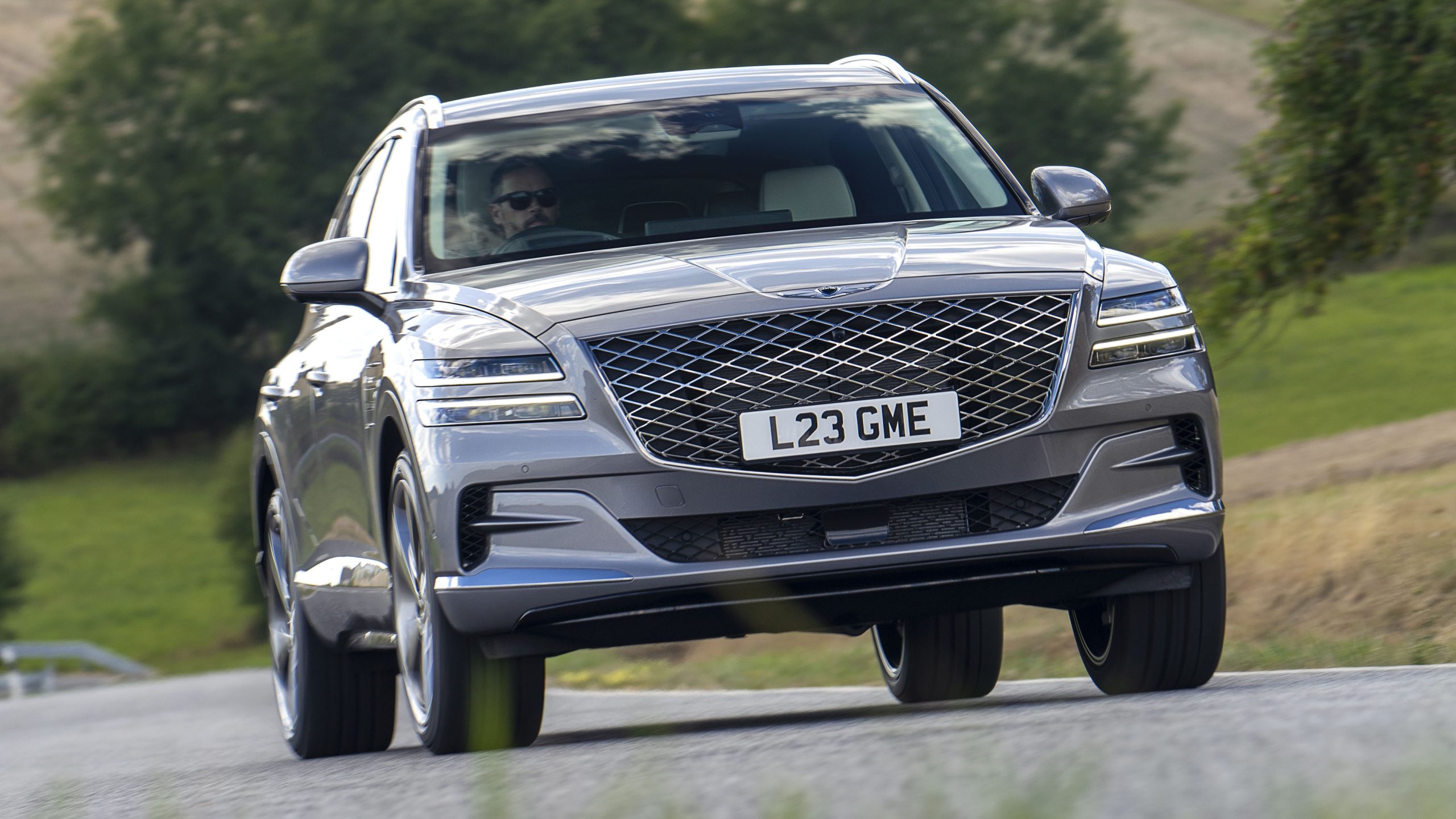
The Genesis GV80 currently sits at the top of the airbag count race among production vehicles. It carries ten airbags, the highest number offered in any mainstream luxury SUV today.
The safety system includes ten airbags, forward collision-avoidance assist, reverse parking collision-avoidance assist, driver attention warning, blind-spot collision-avoidance assist, automatic high beam assist, and lane keep assist. This combination puts the GV80 well ahead of most rivals in its segment.
What makes the GV80 special is its unique front-center airbag. It features a first-row centre side airbag to help minimise potential clashes between the driver and passengers.
This airbag deploys between the two front seats during a side-impact collision. It’s designed to prevent the driver from hitting the passenger, and vice versa, during a side impact.
The GV80 also includes dual front airbags, front side airbags, full-length curtain airbags, and front knee airbags. Together, this creates a near-complete protective cocoon around every front occupant.
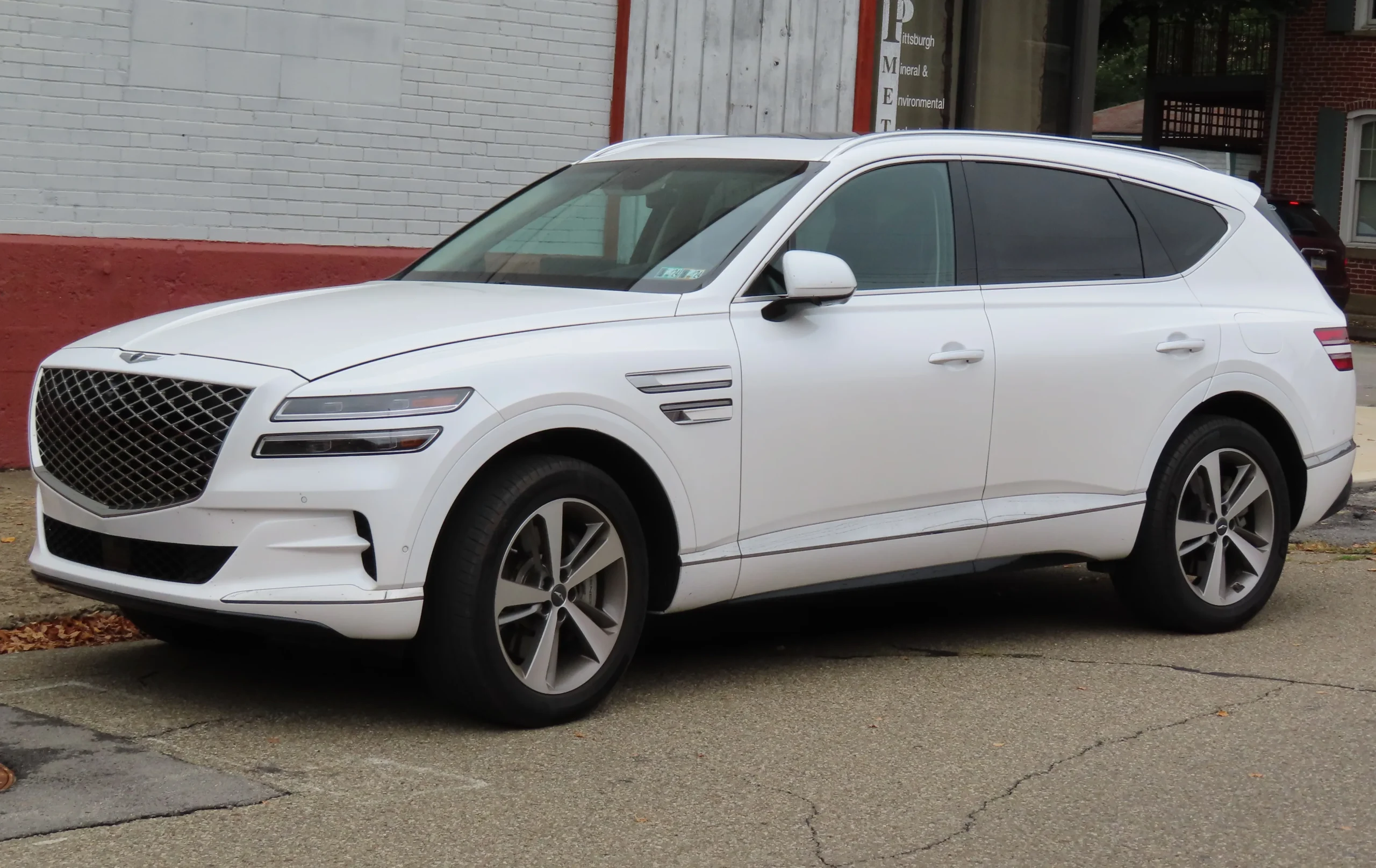
Beyond passive safety, the GV80 backs up its airbags with a strong suite of active safety tech. Forward collision avoidance, blind-spot monitoring, and automatic high-beam assist all work to prevent a crash before airbags are ever needed.
Specifications:
- Engine: 2.5L Turbo Petrol / 3.5L Turbo Petrol / 3.0L Turbo Diesel
- Horsepower: 300 hp (2.5T) / 375 hp (3.5T) / 274 hp (3.0D)
- Torque: 311 lb-ft (2.5T) / 391 lb-ft (3.5T) / 434 lb-ft (3.0D)
- Length: 4,995 mm
- Width: 1,975 mm
The GV80 is built on a dedicated rear-wheel-drive luxury platform. Aluminum doors, hood, and tailgate help keep weight balanced while maintaining structural strength.
This SUV is offered in five, six, and seven-seat configurations. The flexible seating layout means the airbag network has to protect a wide range of passenger positions.
For buyers chasing the absolute highest level of passive safety on the market, the GV80 is hard to beat. Its ten-airbag setup remains a genuine engineering differentiator rather than a marketing number.
2. Volvo XC90, 8 to 9 Airbags
Volvo has built its entire brand identity around safety, and the XC90 is the clearest expression of that philosophy. It comes equipped with up to nine airbags, depending on market and trim.
The XC90’s airbag suite includes dual front airbags, front side airbags, full-length side curtain airbags covering all three rows, and front knee airbags. This is one of the few SUVs that extends curtain airbag coverage all the way to third-row passengers.
Volvo’s reputation for safety isn’t just about airbag count. According to Consumer Reports’ analysis of crash tests, braking, handling, and crash-avoidance technology, Mazda, Genesis, and Acura currently rank among the safest new car brands, but Volvo remains historically significant for pioneering many of these safety concepts.
The brand introduced the three-point seatbelt decades ago and has continued building on that legacy with side airbags and reinforced structures. This long-term safety focus shows up throughout the XC90’s cabin design.
The XC90 also includes a unique whiplash protection system integrated into its front seats. This works alongside the airbags rather than replacing them, reducing neck injury risk in rear-end collisions.
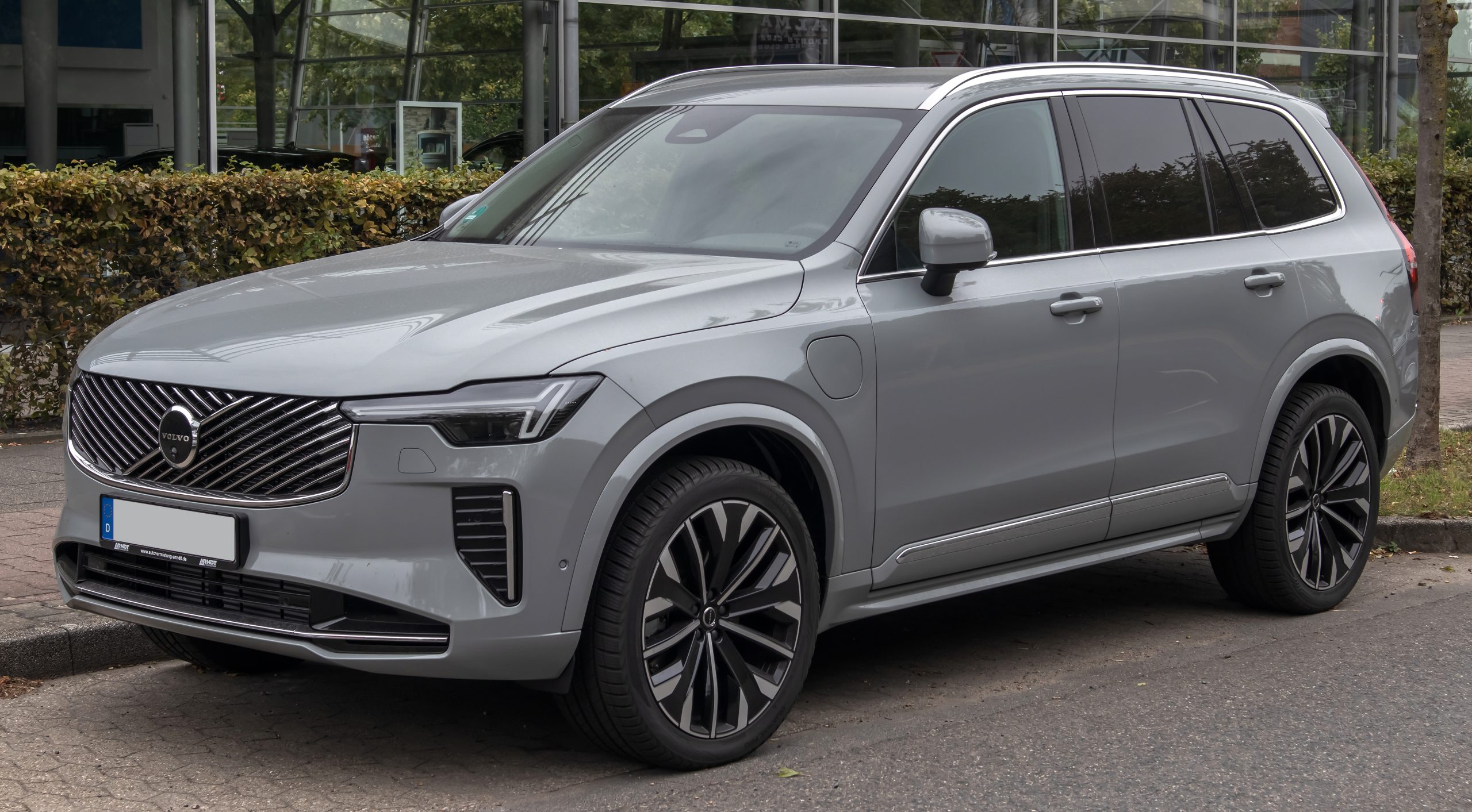
Structurally, the XC90 uses a boron-steel safety cage around the passenger compartment. This rigid frame ensures the cabin holds its shape, allowing the airbags to do their job effectively during deployment.
Specifications:
- Engine: 2.0L Turbo/Supercharged Petrol, available as a plug-in hybrid
- Horsepower: 250–455 hp, depending on variant
- Torque: 258–523 lb-ft (depending on variant)
- Length: 4,953 mm
- Width: 1,924 mm
The XC90 typically seats seven across three rows. Its airbag network is specifically engineered to protect occupants in every row, not just the front two seats.
Family buyers consistently rank the XC90 highly because of this all-row coverage. Few three-row SUVs match its combination of airbag count and curtain coverage depth.
3. Mercedes-Benz S-Class, 8+ Airbags
The Mercedes-Benz S-Class has long been the benchmark for luxury sedan safety engineering. It comes with eight or more airbags, including some genuinely unique additions.
The S-Class includes dual front airbags, front and rear side airbags, full curtain airbags, front knee airbags, and a rear center airbag. This rear center airbag is a standout feature, designed to stop rear passengers from colliding with each other during a side impact.
Mercedes also pioneered adaptive airbag deployment technology in this model. The system adjusts the inflation force based on crash severity, occupant size, and seating position before deployment.
This adaptive approach reduces the risk of airbag-related injury for smaller or lighter occupants. It’s part of why the S-Class has remained a reference point for safety engineers across the industry for decades.
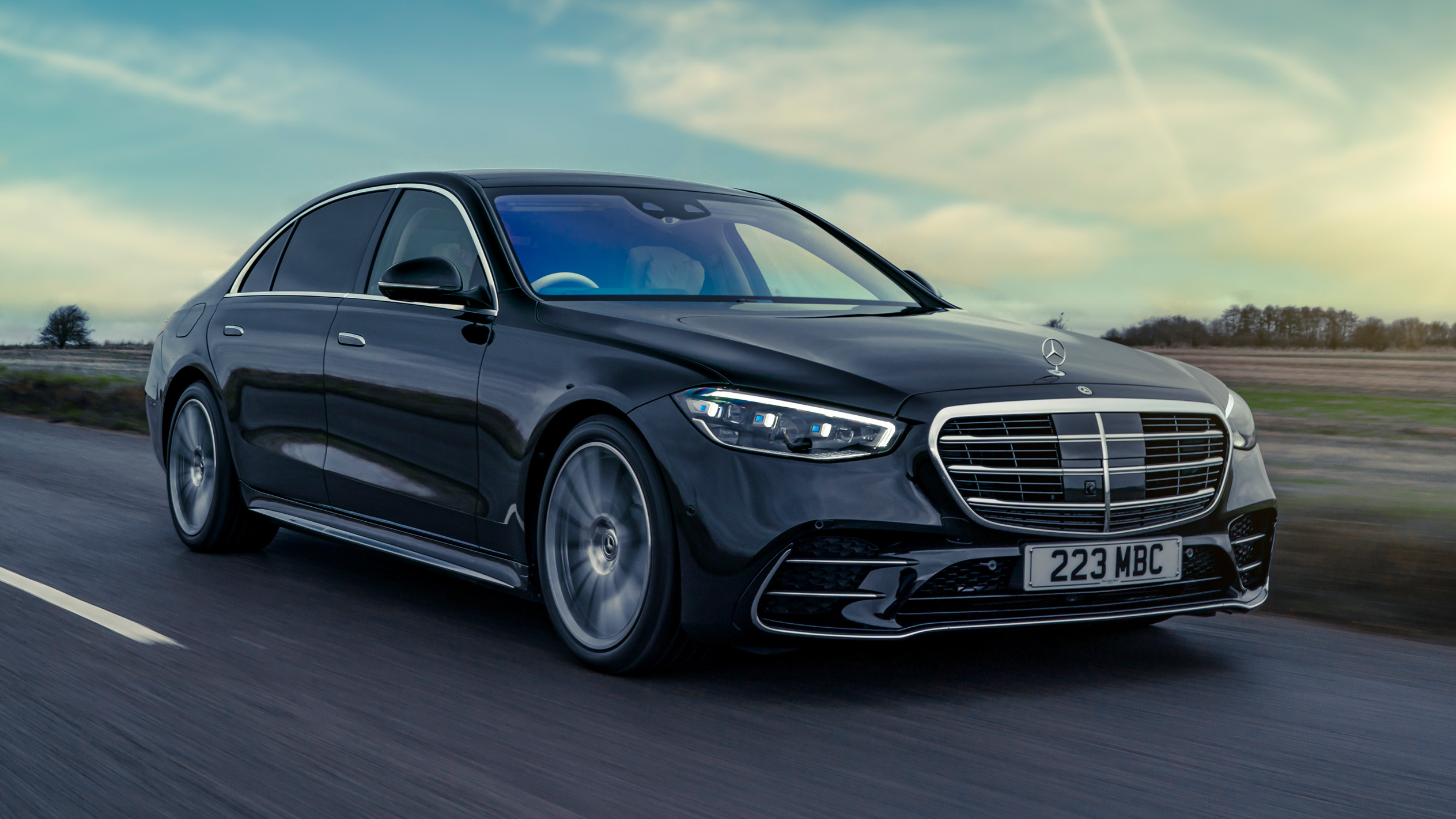
The car’s structure uses a mix of high-strength steel and aluminum to manage crash energy. This structural integrity works hand-in-hand with the airbag system to keep the cabin intact during impact.
PRE-SAFE technology also plays a role here, tensioning seatbelts and adjusting seat position before a predicted collision. This means the airbags deploy into a cabin that’s already been prepared for impact.
Specifications:
- Engine: 3.0L Inline-6 Turbo Petrol / 4.0L V8 Biturbo / Plug-in Hybrid
- Horsepower: 367–510 hp, depending on variant
- Torque: 369–553 lb-ft (depending on variant)
- Length: 5,289 mm
- Width: 1,954 mm
The S-Class remains the flagship sedan for the brand and a showcase for new safety technology. Most innovations seen in lower Mercedes models first debut here before trickling down the lineup.
Its airbag system reflects this flagship status, prioritizing rear passenger protection in a way few sedans attempt. This focus makes sense given how often S-Class owners are chauffeured rather than driving themselves.
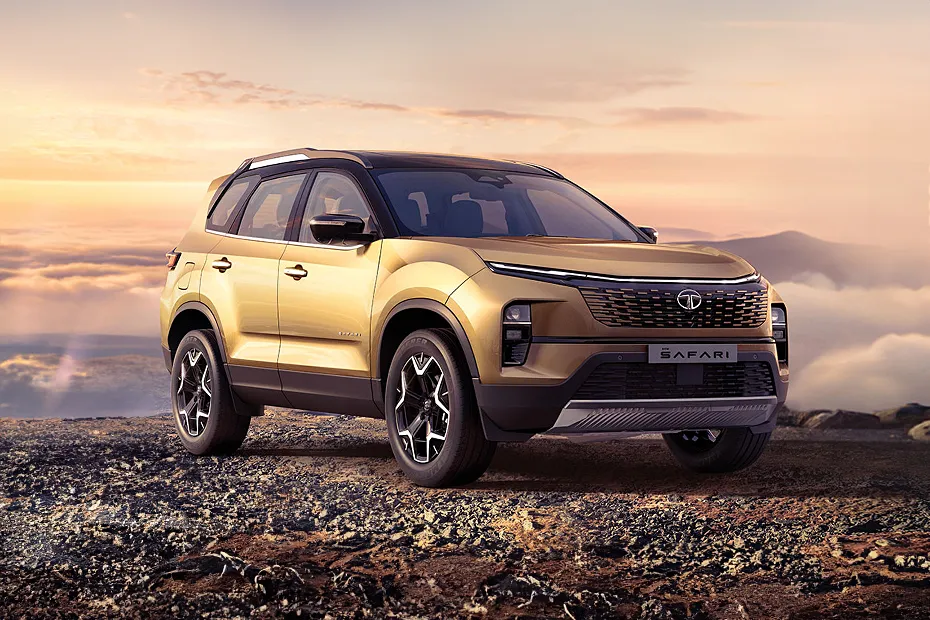
4. Tata Safari and Tata Harrier, Up to 7 Airbags
Tata’s flagship SUVs have become a benchmark for safety among Indian-made vehicles. Both the Safari and Harrier now offer up to seven airbags on higher trims.
The Tata Safari shares its 5-star Global NCAP scores in both adult and child protection with the Harrier. The seven-seater SUV comes with six airbags, three-point seatbelts at every position, ISOFIX anchors, ESP, hill hold, traction control, rollover mitigation, and corner stability control as standard.
Higher variants push this further with a dedicated knee airbag for the driver. Higher variants add hill descent control, a driver knee airbag, and the same Level 2 ADAS suite as the Harrier.
This knee airbag brings the total count to seven on top-spec models. It’s a rare feature at this price point, typically reserved for premium European and Japanese models.
Both SUVs share the OMEGARC platform, derived from Land Rover’s D8 architecture. This shared underpinning gives both vehicles strong structural rigidity that supports their high safety ratings.
The Level 2 ADAS suite adds automatic emergency braking and forward collision warning. This active safety layer works to prevent the very crashes that would trigger the airbags.
Tata has positioned safety as a core brand differentiator in the Indian market. Both the Safari and Harrier consistently rank among the highest-rated SUVs under Global NCAP testing.
Specifications:
- Engine: 2.0L Turbo Diesel (Kryotec)
- Horsepower: 168–170 hp
- Torque: 350 Nm (258 lb-ft)
- Length: 4,786 mm (Harrier) / 4,661 mm (Safari, varies by generation)
- Width: 1,894 mm
Rollover mitigation and corner stability control add another layer of protection beyond the airbags. These systems work to keep the vehicle upright during sharp evasive maneuvers, a known risk for taller SUVs.
For Indian buyers seeking maximum safety without going fully premium, these Tata SUVs deliver an impressive package. Their seven-airbag count on top trims rivals cars costing significantly more.
Also Read: 8 Cars That Are Cheap To Buy But Expensive To Fix
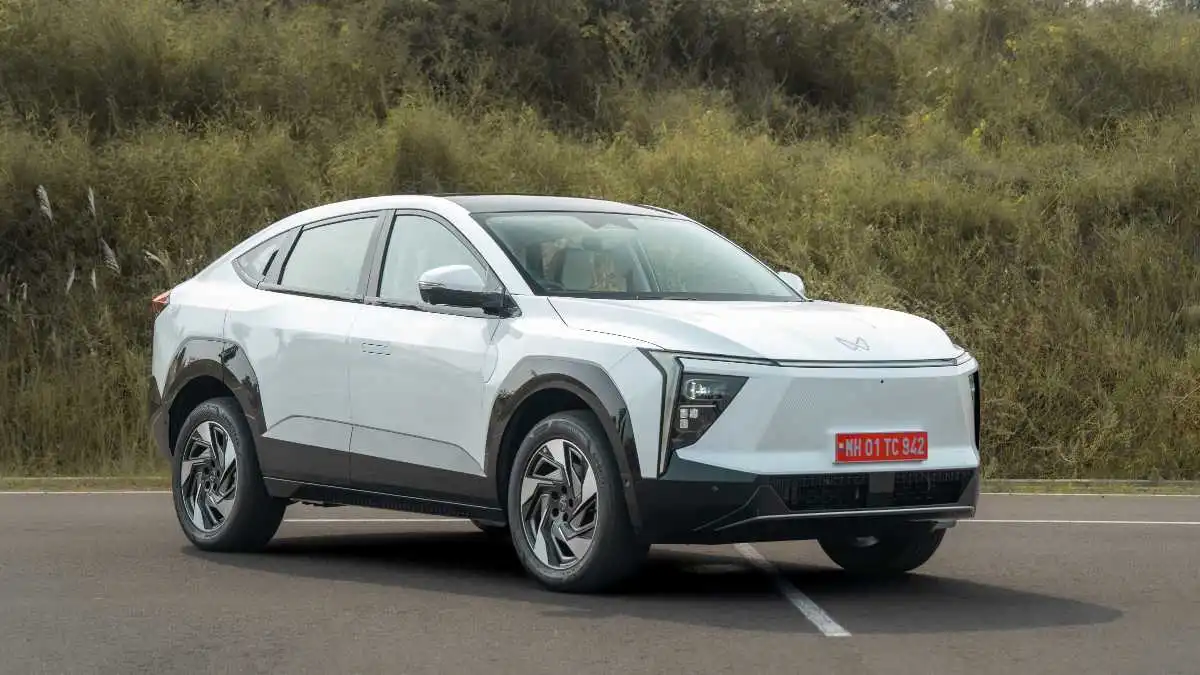
5. Mahindra XEV 9e and BE 6, 6 to 7 Airbags
Mahindra’s new-generation electric SUVs have set fresh safety benchmarks in India. The XEV 9e leads with a near-perfect crash test score alongside a strong airbag count.
The Mahindra XEV 9e is the first car in India to score a perfect 32 out of 32 in adult occupant protection under Bharat NCAP. This score reflects both structural design and the effectiveness of its restraint systems.
The XEV 9e and BE 6 come with six airbags as standard across most trims. Higher variants add a driver knee airbag, pushing the total to seven on select configurations.
Being electric vehicles, both models benefit from a flat battery floor that lowers the center of gravity. This improves stability during emergency maneuvers, reducing the chance of rollover-related injuries.
Mahindra built both SUVs on the INGLO skateboard platform designed specifically for electric powertrains. This ground-up EV architecture allowed engineers to optimize crumple zones without compromises from a shared ICE platform.
The brand has heavily marketed safety as a key differentiator for these new EVs. Independent crash test results have largely validated that positioning so far.
Specifications:
- Engine: Dual Electric Motors (AWD) / Single Motor (RWD)
- Horsepower: 231–280 hp, depending on variant
- Torque: 380–535 Nm (280–395 lb-ft)
- Length: 4,789 mm
- Width: 1,907 mm
Both SUVs also include a comprehensive ADAS package with adaptive cruise control and lane-keeping assist. This pairs with the airbag count to create a genuinely modern safety package at a competitive price point.
For buyers wanting an electric SUV with serious crash protection, these Mahindra models are currently leading the segment in India. Their combination of test scores and airbag coverage is hard to match at this price.
6. Skoda Kushaq and Skoda Slavia, 6 Airbags
Skoda made headlines in India by making six airbags standard across every single trim. This decision raised the safety floor for the entire compact SUV and sedan segment.
Skoda has updated both the Slavia and the Kushaq with six airbags as standard across the range. Previously, this level of protection was reserved only for the most expensive variants.
Earlier, the base Active and Ambition variants of both cars only came with driver and front passenger airbags, while the top variants came with six airbags. The update meant entry-level buyers no longer had to compromise on crash protection.
The airbag setup includes dual front airbags, front side airbags, and full curtain airbags covering both rows. This gives every seating position at least one dedicated airbag in a side-impact scenario.
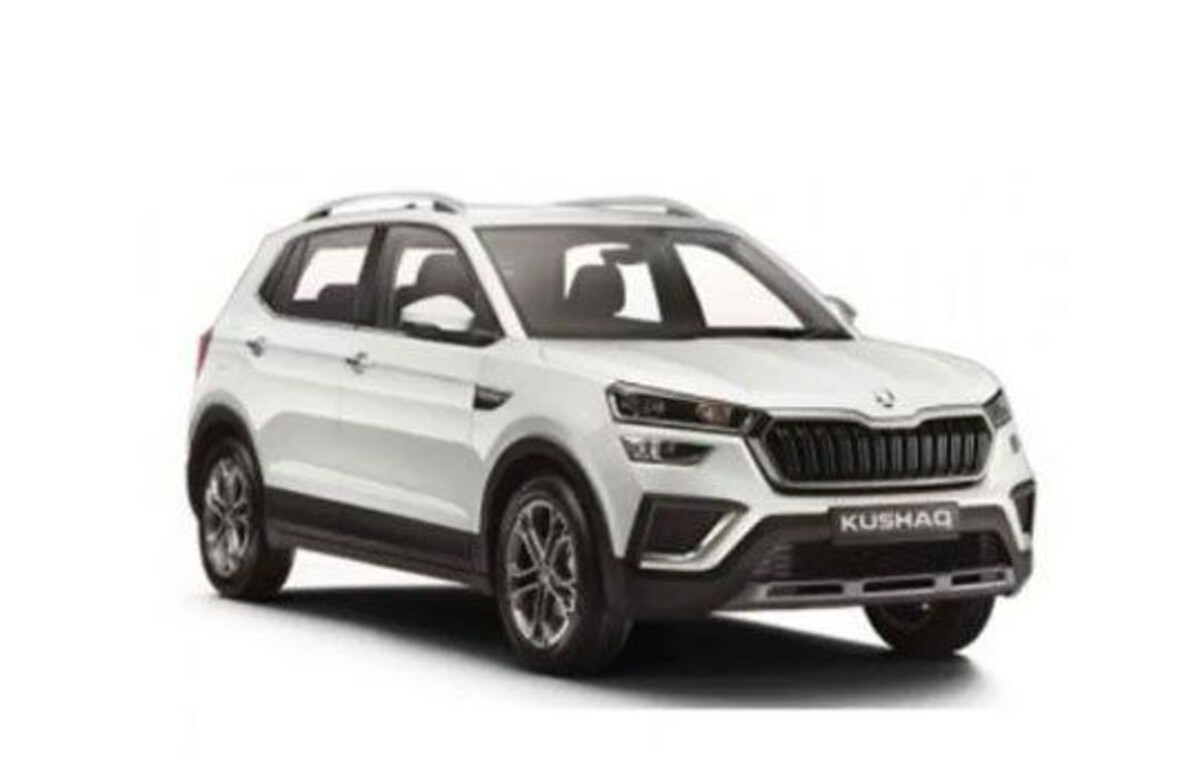
Both the Kushaq and the Slavia have aced the Global NCAP crash test with a five-star rating each, getting the top rating for adult and child occupants under GNCAP’s updated safety test protocols. This rating was achieved even before the airbag upgrade, on the dual-airbag variant.
Both models share the MQB-A0-IN platform co-developed with Volkswagen specifically for the Indian market. This was the first made-in-India platform to have achieved dual five-stars under Global NCAP’s newer and more stringent test protocols.
Specifications:
- Engine: 1.0L Turbo Petrol (3-cyl) / 1.5L Turbo Petrol (4-cyl)
- Horsepower: 114–148 hp
- Torque: 178 lb-ft (1.0L) / 184 lb-ft (1.5L)
- Length: 4,229 mm (Kushaq) / 4,541 mm (Slavia)
- Width: 1,760 mm (Kushaq) / 1,752 mm (Slavia)
Both engines come paired with manual or automatic gearbox options. The 1.5-litre unit adds cylinder deactivation technology to improve fuel efficiency under light loads.
This six-airbag standard set a precedent that several rivals have since followed. It remains one of the strongest safety-per-rupee propositions in the Indian compact car market.
7. Hyundai Creta and Kia Seltos, 6 Airbags
These platform-sharing SUVs have consistently led their segment on standard safety equipment. Among C-segment SUVs, the Creta and Seltos are the only other models apart from the Kushaq to offer six airbags as standard.
Both SUVs include dual front airbags, front side airbags, and curtain airbags across both rows. This was a notable move when introduced, since many competitors limited six airbags to top trims only.
Among Kushaq’s rivals, models such as the Hyundai Creta, Kia Seltos, and Honda Elevate are equipped with six airbags as standard, but the Maruti Grand Vitara, Toyota Hyryder, and MG Astor don’t. This comparison highlights how inconsistent standard safety equipment has historically been across this segment.
Both models also include electronic stability control and hill assist as standard fitment. These active systems complement the airbags by helping prevent loss-of-control situations in the first place.
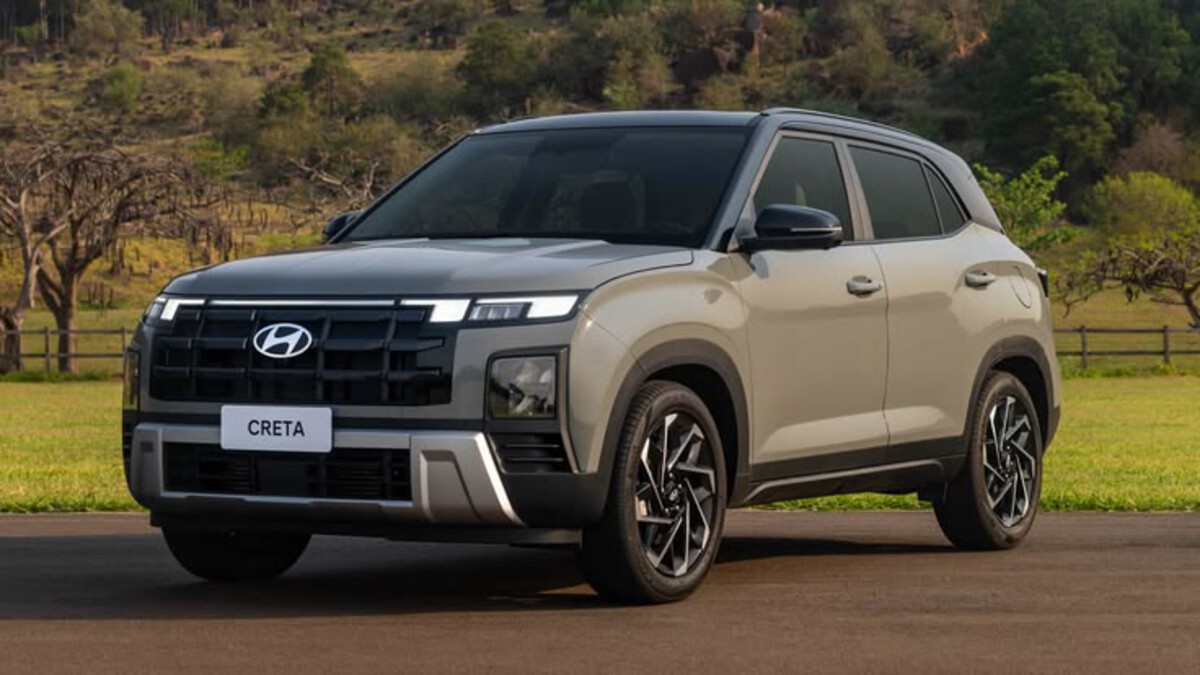
The Creta and Seltos share Hyundai-Kia’s K2 platform, tuned slightly differently for ride and handling character. This shared engineering background means their crash structures and airbag mounting points are nearly identical.
Both nameplates remain among the best-selling SUVs in India, partly due to this safety reputation. Buyers consistently cite the six-airbag standard fitment as a key purchase factor.
Specifications:
- Engine: 1.5L Petrol / 1.5L Turbo Petrol / 1.5L Diesel
- Horsepower: 113–160 hp, depending on engine
- Torque: 106–186 lb-ft (depending on engine)
- Length: 4,330 mm
- Width: 1,790 mm
Both SUVs offer a long list of variants spanning manual and automatic transmissions. This breadth of choice, combined with consistent six-airbag fitment, makes both strong all-rounders in their price bracket.
For buyers comparing mid-size SUVs in India, these two remain the reference point for standard safety equipment. Their consistent six-airbag fitment across nearly every trim level sets them apart from many rivals.
8. Volkswagen Virtus and Volkswagen Taigun, 6 Airbags
These Volkswagen siblings to the Skoda twins mentioned earlier bring identical engineering to a different badge. The Volkswagen Taigun was the first car tested under the stricter 2022 Global NCAP protocol and earned five stars in both adult and child protection.
It comes standard with six airbags, ESC, hill hold control, multi-collision braking, ABS with EBD, a tyre pressure monitor, an electronic differential lock, and a reverse camera with parking sensors. This comprehensive package matches what’s offered on the Skoda Kushaq.
The Virtus sedan mirrors the Slavia’s safety specification closely. These platform twins are your best bet for sustained highway driving under fifteen lakh rupees, tested under Global NCAP’s stricter updated protocol, scoring five stars.
Multi-collision braking is a particularly useful feature paired with the airbag system. It automatically applies the brakes after an initial collision, helping prevent a secondary impact that could otherwise cause additional injury.
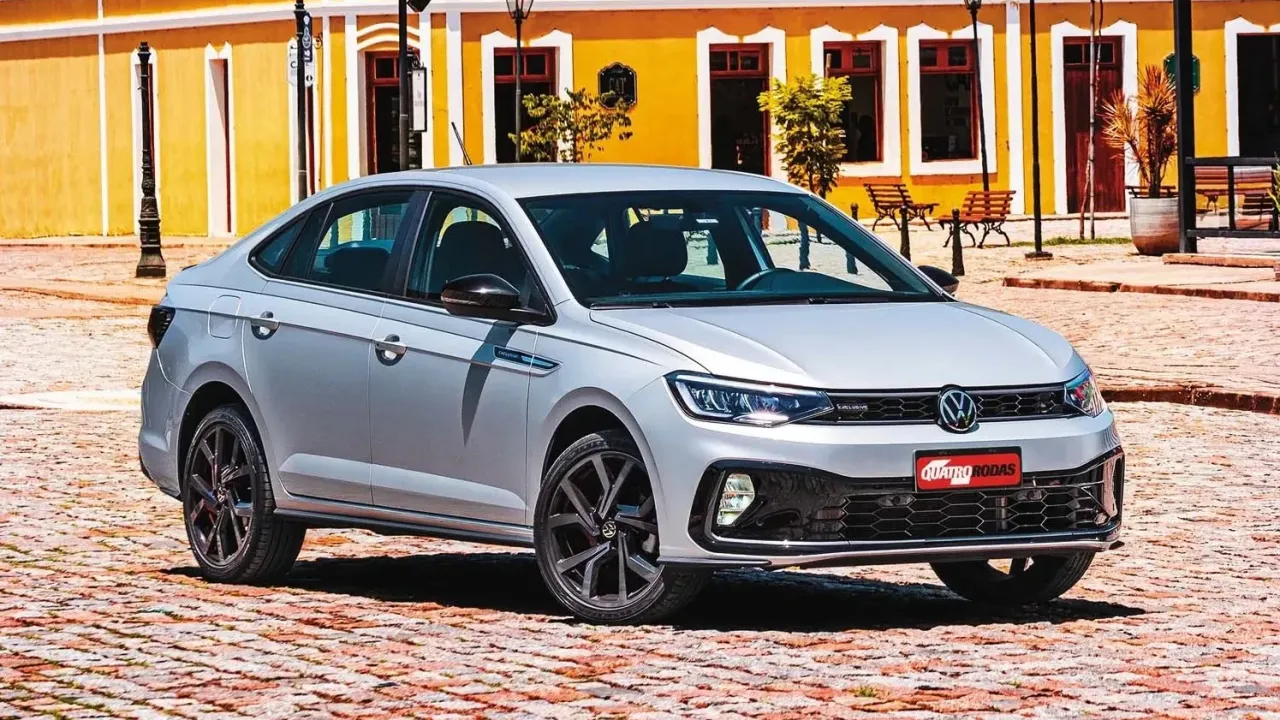
Both models benefit from the same MQB-A0-IN platform shared with their Skoda counterparts. This means structural rigidity and crumple zone design are essentially identical across both brands.
Volkswagen has positioned both models as the more performance-oriented option in their respective segments. The safety package remains a strong selling point despite this sportier positioning.
Specifications:
- Engine: 1.0L Turbo Petrol (3-cyl) / 1.5L Turbo Petrol (4-cyl)
- Horsepower: 114–148 hp
- Torque: 178 lb-ft (1.0L) / 184 lb-ft (1.5L)
- Length: 4,363 mm (Virtus) / 4,221 mm (Taigun)
- Width: 1,752 mm (Virtus) / 1,760 mm (Taigun)
Both nameplates remain a popular choice for buyers prioritizing driving dynamics alongside safety. The six-airbag standard fitment ensures this doesn’t come at the cost of occupant protection.
These Volkswagen models continue to compete closely with their Skoda twins on price and equipment. Buyers often choose between the two pairs based on dealer network and after-sales preference rather than safety differences.
9. Skoda Kylaq and Tata Punch, 6 Airbags
Among India’s budget-friendly compact SUVs, these two models have pushed safety standards downward in price. The Kylaq actually has a higher adult occupant protection score than the Punch, setting a new standard for base-variant safety.
The Classic base trim gets six airbags, ESC, traction control, multi-collision braking, ISOFIX, and three-point seatbelts with adjustable headrests for all five seats. This base-trim generosity is unusual in the budget SUV segment, where safety features are often reserved for top variants.
The Tata Punch matches this commitment to base-variant safety. Even the base Smart variant gets six airbags, ESC, ISOFIX child-seat anchors, and TPMS as standard, with no safety feature stripping across trims.
Both models scored impressively well in crash testing despite their compact size and affordable pricing. The Punch’s 2026 facelift scored 30.58 out of 32 in adult protection, which is remarkable at this price.
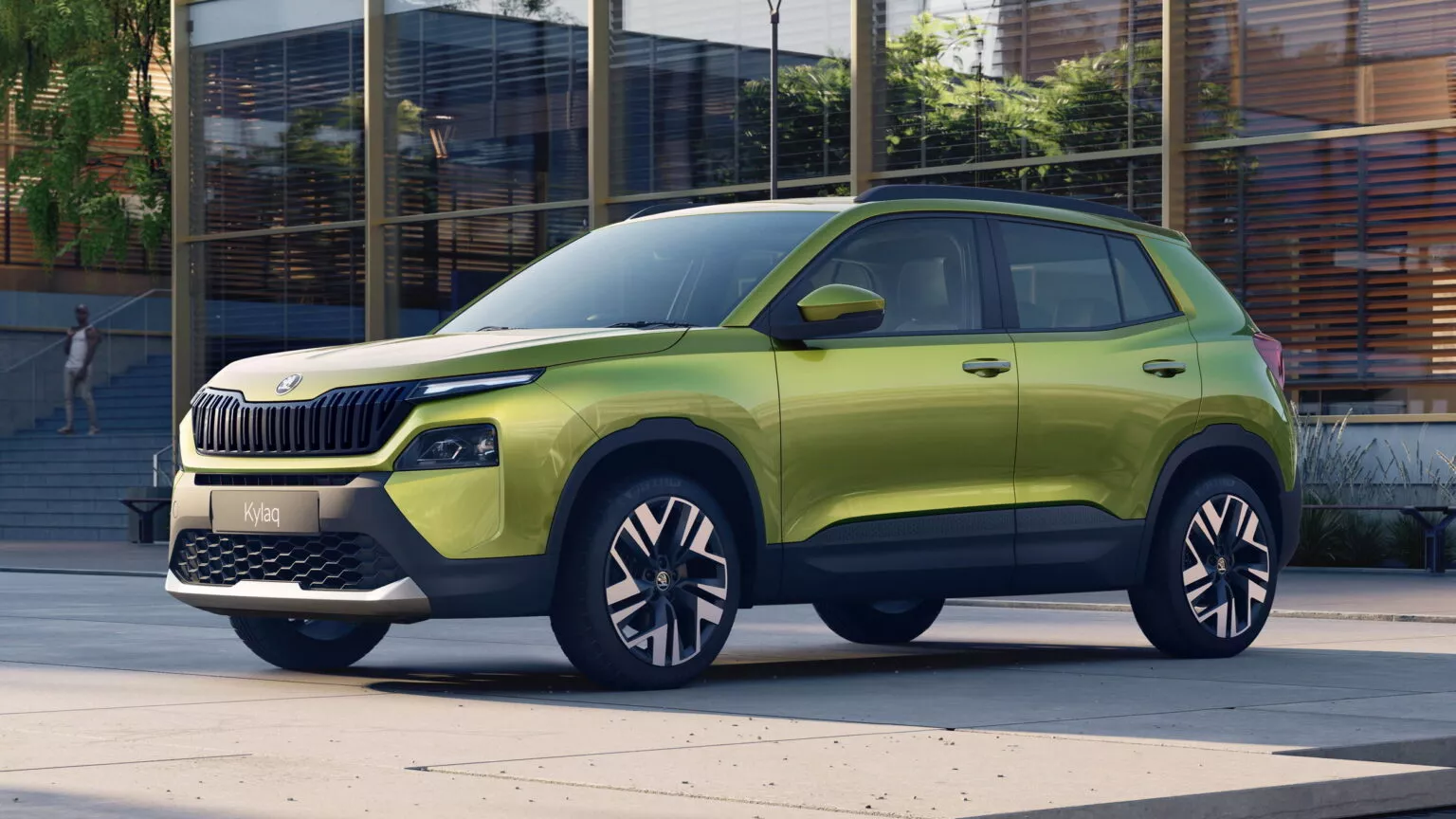
This consistency across trims matters because many budget buyers opt for entry-level variants to save money. Having six airbags even on the cheapest trim means no buyer is left with reduced protection.
Both vehicles include curtain airbags alongside the standard front and side airbags. This gives rear-seat passengers meaningful head protection that was historically rare at this price point.
Specifications:
- Engine: 1.2L Petrol (Tata) / 1.0L Turbo Petrol (Skoda)
- Horsepower: 86–113 hp, depending on variant
- Torque: 84 lb-ft (Punch) / 178 lb-ft (Kylaq)
- Length: 3,827 mm (Punch) / 3,995 mm (Kylaq)
- Width: 1,742 mm (Punch) / 1,789 mm (Kylaq)
These two models prove that high airbag counts no longer need to be a premium-only feature. Both have become reference points for affordable, well-rounded safety in the Indian market.
For budget-conscious buyers who refuse to compromise on crash protection, these two SUVs currently lead their price bracket. Their base-variant safety commitment stands out clearly against rivals that strip features at lower trims.
10. Hyundai Verna and Honda City, 6 Airbags
Rounding out this list are two long-running sedan nameplates that have kept pace with rising safety expectations. The Verna scored five stars under Global NCAP’s new protocol and is one of the few cars in its segment offering an optional centre airbag, which prevents head-clash injuries between driver and front passenger during severe side impacts.
This center airbag option is a genuinely distinguishing feature for a sedan in this price range. It mirrors, on a smaller scale, the kind of front-center protection seen on the Genesis GV80.
Among C-segment sedans in the country, the Verna, City, and Slavia now offer six airbags as standard. This puts both the Verna and City ahead of older rivals like the Maruti Suzuki Ciaz.
The Honda City has built a long reputation in India for balancing driving dynamics with strong safety credentials. Its six-airbag setup includes dual front, side, and curtain airbags across both rows.
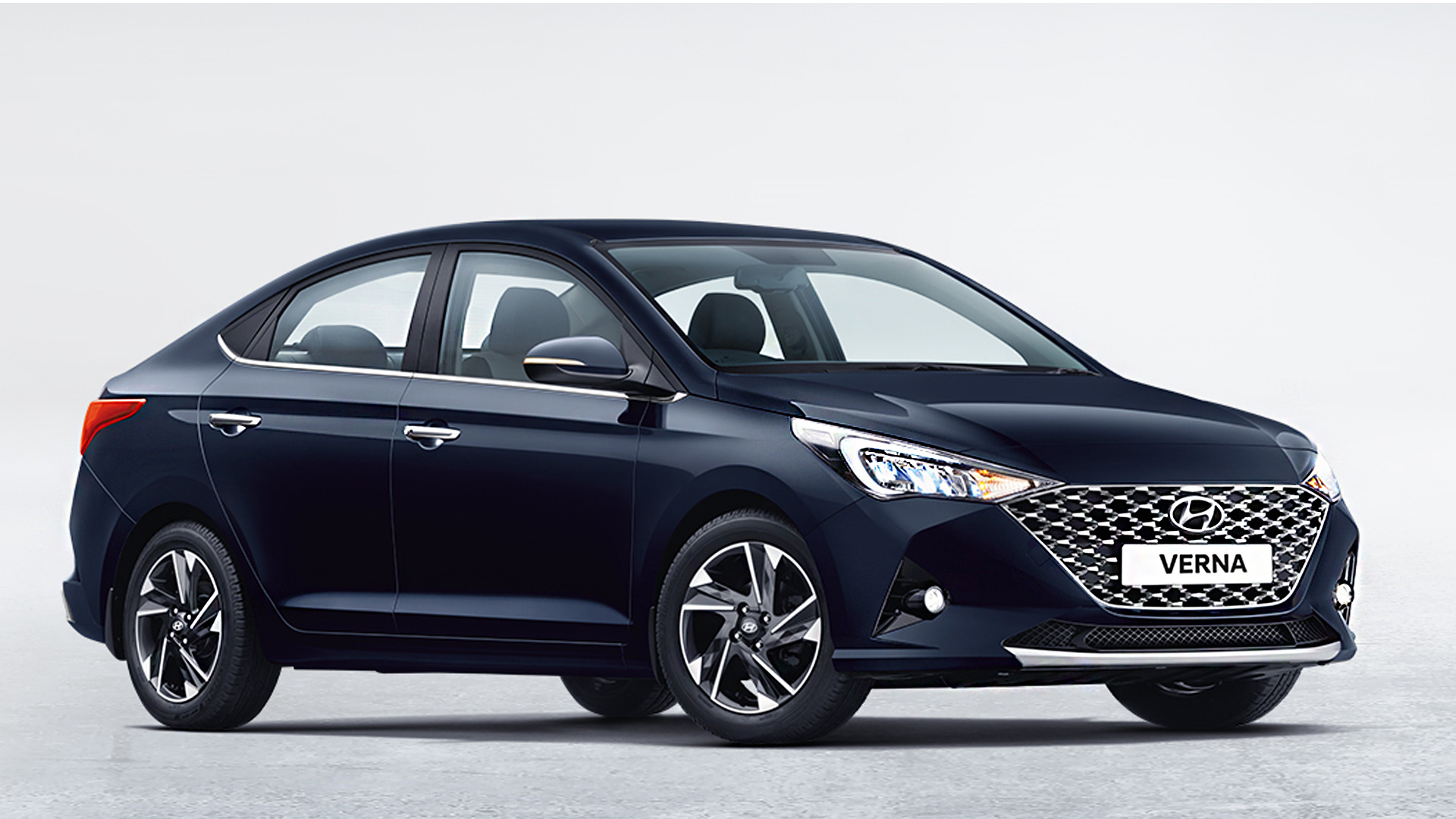
Both sedans benefit from a lower center of gravity compared to SUVs in the same price bracket. Sedans in this bracket are inherently safer than tall SUVs because of their lower centre of gravity and better rollover resistance.
This characteristic, combined with the airbag count, makes both cars strong choices for highway-heavy driving. Buyers covering long intercity distances regularly cite this stability as a key reason for choosing a sedan over an SUV.
Specifications:
- Engine: 1.5L Petrol / 1.5L Turbo Petrol (Verna) / 1.5L Petrol (City)
- Horsepower: 113–158 hp, depending on engine
- Torque: 106–187 lb-ft (depending on engine)
- Length: 4,535 mm (Verna) / 4,549 mm (City)
- Width: 1,765 mm (Verna) / 1,748 mm (City)
Both models remain consistent sellers in the mid-size sedan segment despite SUVs dominating sales. Their strong safety packages, including the optional center airbag on the Verna, help maintain this loyal buyer base.
For sedan buyers who want maximum protection without stepping up to a luxury badge, these two remain excellent choices. Their six-airbag standard fitment, paired with strong crash test results, keeps them competitive against newer SUV rivals.
Also Read: 10 Used EVs To Avoid And Why
