
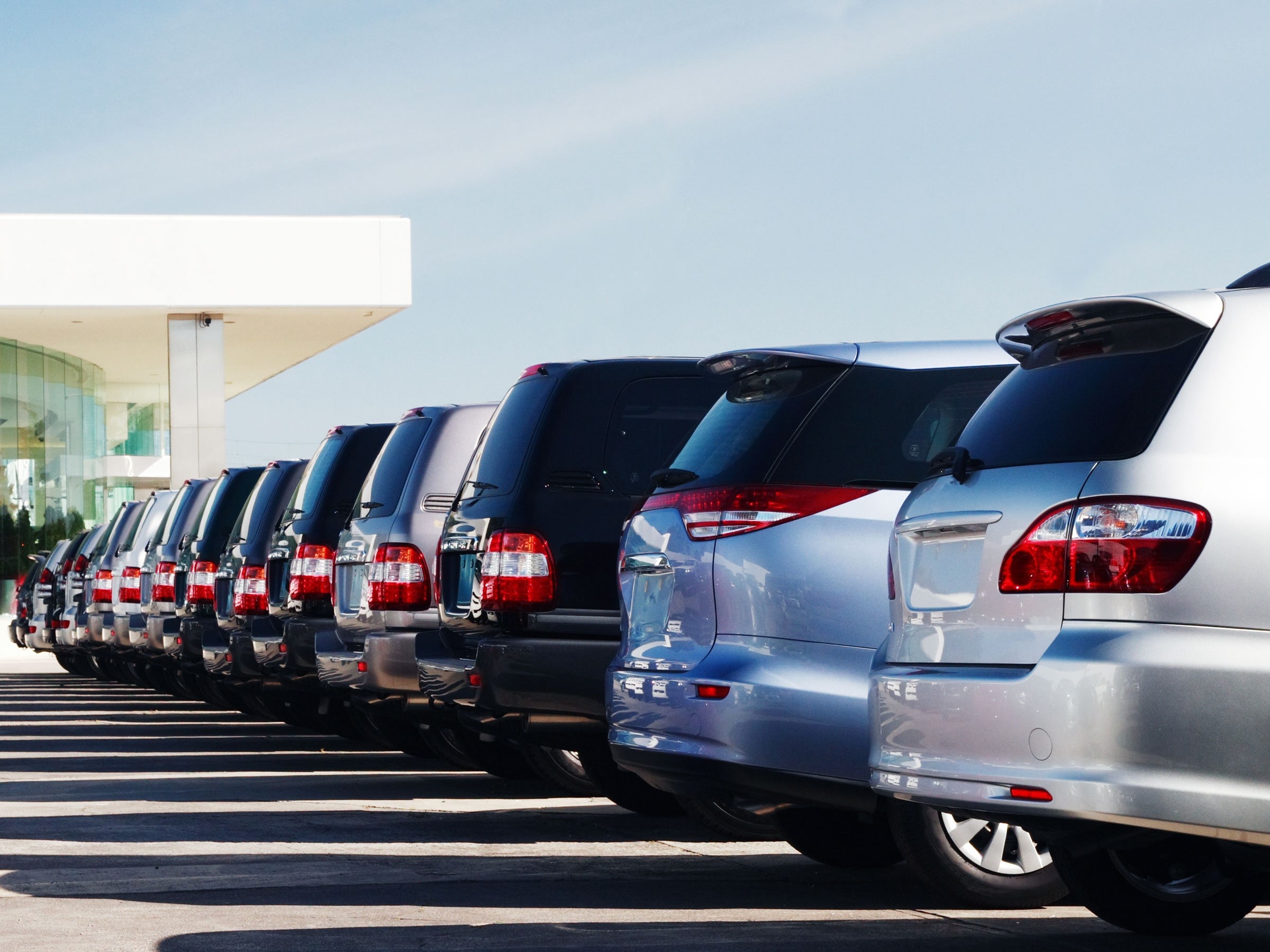
When you trade in a vehicle at a dealership, the number you are offered often feels confusing or even disappointing. Many car owners expect to receive something close to the retail value they see online, but the reality is very different.
What car dealerships actually pay for your trade-in is based on wholesale market value, reconditioning costs, resale risk, and current demand rather than emotional attachment or original purchase price. Understanding this difference is essential if you want to make informed decisions and avoid losing money during your next vehicle transaction.
Dealerships are not simply buying your car for what it is worth to you. Instead, they are buying it as an inventory asset that must be cleaned, inspected, repaired, and eventually resold at a profit.
This means the trade-in offer is usually lower than private sale value and significantly lower than retail listing prices. The gap between these values is where dealerships cover their operational costs and make a profit.
In most cases, the trade-in process is tightly connected to how the dealership expects to resell the vehicle. If a car is in high demand, low mileage, and in good condition, the offer may be closer to market value. If the car is older, has mechanical issues, or belongs to a less popular segment, the offer will drop significantly. Every adjustment is based on risk assessment and resale potential.
This article breaks down exactly how dealerships calculate trade-in values, what factors influence the offer, and how you can improve your bargaining position. By understanding the logic behind dealership pricing, you can approach your next trade-in with confidence and realistic expectations.
Also Read: 7 Most Reliable Motorcycles You Can Buy Today

How Car Dealerships Calculate Trade-In Value
Car dealerships typically start the trade-in valuation process by checking wholesale auction data. This is the price range that similar vehicles have recently sold for at dealer auctions.
These auctions represent the lowest reliable market value for used cars, and dealerships use them as a baseline because they could simply sell the car there if they choose not to retail it themselves.
Once the wholesale value is identified, the dealership subtracts estimated reconditioning costs. This includes mechanical repairs, cosmetic fixes, tire replacement, detailing, and sometimes diagnostic fees. Even if your car appears clean, dealerships assume there will be hidden issues that must be addressed before resale. This deduction can significantly lower the final offer.
Next, dealerships consider transportation, paperwork, auction fees, and storage costs. Every vehicle that enters their inventory represents a financial responsibility. Even if the car is not sold immediately, it occupies space and ties up capital. These overhead costs are factored into the trade-in price to protect dealership profit margins.
Market demand also plays a crucial role. If your vehicle model is popular and sells quickly, the dealership may offer more because they expect faster turnover. On the other hand, slow-moving models or niche vehicles receive lower offers because they may sit on the lot for longer periods, increasing risk and holding costs.
Dealerships typically offer less than a vehicle’s expected retail value to ensure there is room for profit when the car is resold. This built-in margin helps cover costs and generate revenue from the eventual sale.
Wholesale vs Retail Pricing Gap
The difference between wholesale and retail pricing is one of the most important concepts in understanding trade in values. Wholesale price is what dealers pay at auctions or trade transactions. Retail price is what consumers pay when buying from a dealership. The gap between these two numbers is where dealership profit and operational costs are covered.
When you trade in a car, the dealership is essentially paying you close to wholesale value, not retail value. This is because they need room to recondition the vehicle, market it, and still offer it at a competitive retail price. If they paid retail value for trade-ins, they would operate at a loss.
Retail pricing includes costs such as advertising, salesperson commissions, facility maintenance, financing operations, and warranty coverage. These costs are not visible in the sticker price but are embedded in the final selling price. This is why retail values are always significantly higher than trade-in offers.
Another reason for the gap is market unpredictability. A vehicle that looks easy to sell today may sit unsold for weeks due to shifting demand. Dealerships protect themselves against this uncertainty by keeping trade-in offers conservative. This ensures they can adjust pricing later without losing money.
Understanding this gap helps car owners set realistic expectations. A trade-in offer is not a reflection of your car’s worth in personal terms. It is a calculated business decision based on resale potential, cost structure, and market risk.

Factors That Increase Your Trade-In Value
One of the biggest factors that increases trade in value is vehicle condition. Cars that are well-maintained, clean, and free from mechanical issues consistently receive higher offers. Dealerships prefer vehicles that require minimal reconditioning because they can be resold faster and with fewer expenses.
Mileage is another critical factor. Lower mileage vehicles are more attractive because they generally have less wear and tear. Even a difference of twenty thousand kilometers can significantly change the valuation. High-mileage vehicles are seen as higher risk due to potential upcoming repairs.
Service history also plays an important role. A complete and verifiable service record increases buyer confidence and reduces dealership uncertainty. When a car has been regularly serviced at authorized centers, it signals reliability and reduces the likelihood of hidden mechanical problems.
Market demand can also boost trade in value. Popular models, fuel-efficient cars, and vehicles with strong resale reputations tend to fetch better offers. Seasonal demand can also influence pricing, such as higher demand for SUVs during certain travel seasons or compact cars in fuel-sensitive periods.
Additional features like upgraded infotainment systems, safety technology, and recent tire or battery replacements can slightly improve trade-in value. While these upgrades do not always translate into full cost recovery, they do improve perceived value and reduce reconditioning expenses for the dealership.
Also Read: 10 Cars That Drove Over 800,000 Miles
Factors That Reduce Your Trade-In Value
One of the most common reasons for reduced trade-in value is visible wear and tear. Scratches, dents, interior damage, and worn upholstery all signal that the car will require additional investment before resale. Dealerships immediately deduct estimated repair costs from their offer.
Mechanical issues have an even larger impact. Problems with the engine, transmission, suspension, or electrical systems can drastically reduce value. In some cases, the dealership may only offer a wholesale auction price or decline the trade-in altogether if repairs are too expensive.
Accident history also reduces value significantly. Even if a vehicle has been repaired properly, accident records can affect resale potential. Buyers are often cautious about previously damaged vehicles, which forces dealerships to lower their offer to compensate for reduced demand.
Older vehicles naturally lose value over time due to depreciation. As cars age, they become less desirable in the retail market and more expensive to maintain. This reduces the amount dealerships are willing to pay because profit margins become thinner.
Market timing can also affect trade-in value. When a particular vehicle segment is oversupplied, dealerships may reduce offers because they already have similar models in inventory and expect slower sales.
How to Negotiate a Better Trade-In Offer
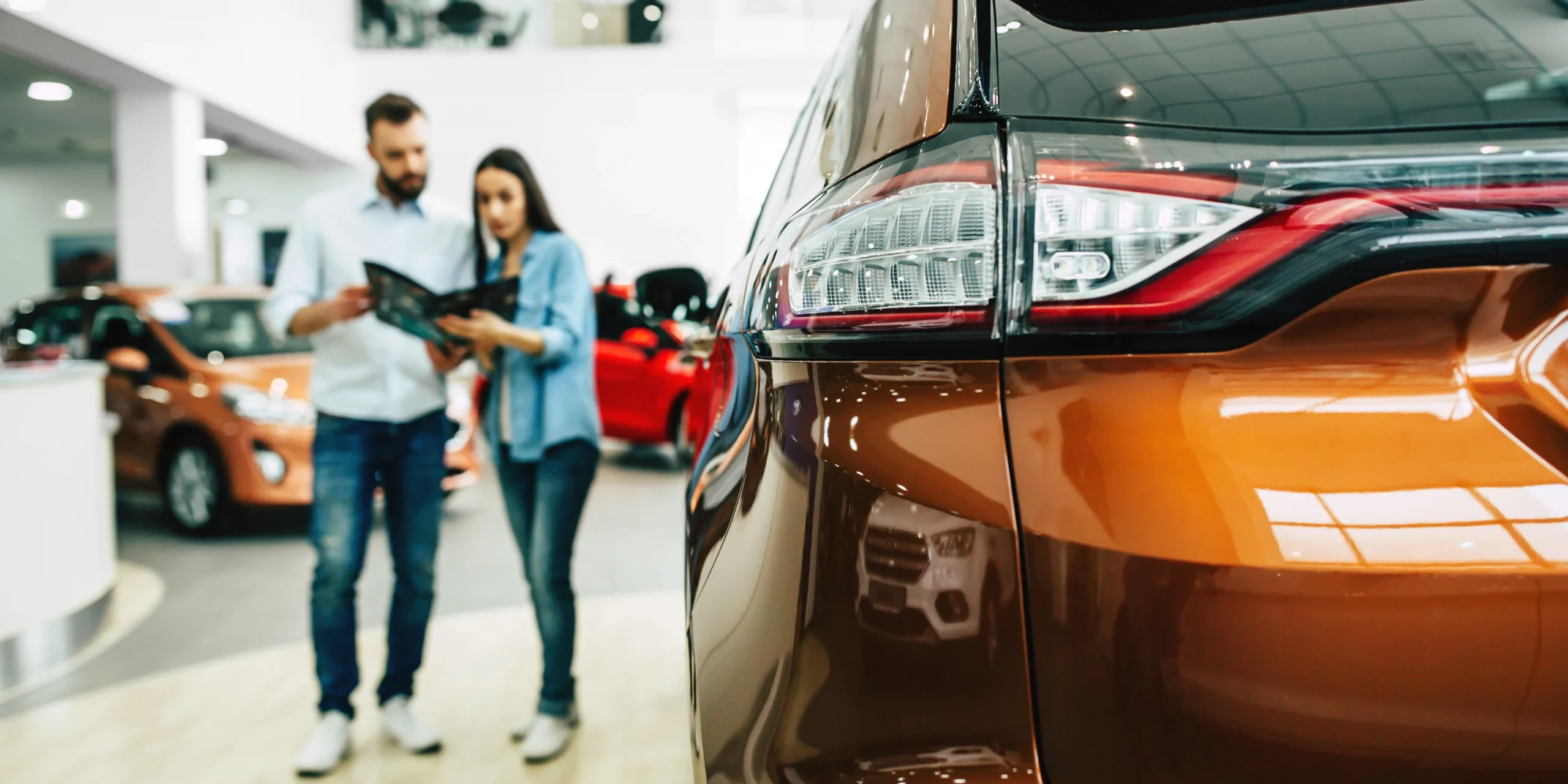
Negotiating a better trade-in offer starts with research. Before visiting a dealership, it is important to understand your vehicle’s approximate market value using reliable valuation references and recent sales trends. This gives you a realistic benchmark during negotiations.
Getting multiple offers is one of the most effective strategies. Different dealerships may value the same car differently based on their current inventory needs. By comparing offers, you gain leverage and can push for a higher price or better deal.
Timing your trade-in can also improve results. End of month, end of quarter, or periods when dealerships are trying to meet sales targets can work in your favor. During these times, dealerships may increase trade-in offers to close deals faster.
Keeping your vehicle clean and presentable before inspection can make a psychological difference. While it does not change the mechanical condition, it can improve first impressions and reduce perceived reconditioning costs in the evaluator’s mind.
Negotiating the trade-in and purchase price separately can also work to your advantage. Keeping these discussions independent makes it harder for dealerships to offset a lower trade-in offer with adjustments to the new vehicle’s price, giving you a clearer view of the true value of each part of the deal.
