
When it comes to buying a car, most people focus on model, mileage, fuel efficiency, and features. But one of the most important and often overlooked factors that affects the actual value of a car is time itself.
A car is not like real estate or certain collectibles that may increase in value over time. Instead, it is a depreciating asset, meaning its price generally falls the longer it sits, whether it is sitting in a dealership showroom, a private seller’s garage, or even unused in a driveway.
Understanding how and why a car’s price drops over time can help buyers make smarter decisions and help sellers avoid losing unnecessary money.
The moment a car is registered or driven off the lot, its value begins to decline. This initial drop is often the steepest, and many buyers are surprised to learn that a brand new car can lose a significant portion of its value within the first year alone.
Factors such as brand reputation, demand for the model, fuel type, condition, and even market trends influence how quickly this depreciation happens. However, time remains the most consistent and unavoidable factor.
For buyers, understanding depreciation timelines can open opportunities to save money by choosing nearly new vehicles instead of brand new ones. For example, a car that is one or two years old may still have most of its life left but could be significantly cheaper than its original price.
For sellers, especially those trying to sell older vehicles, timing becomes critical. Waiting too long can mean accepting a much lower price than expected.
Dealerships also closely monitor how long vehicles remain in inventory. Cars that sit unsold for extended periods often receive price cuts, promotional discounts, or bundled offers to encourage quick sales. This is because unsold inventory ties up capital and space, making it costly for dealers. Even small delays in selling a vehicle can reduce profit margins significantly.
In this article, we will break down the timeline of car depreciation, showing how a car’s value changes from the moment it is new to several years down the line. We will also explore what influences these changes and how buyers and sellers can use this knowledge to their advantage.
By the end, you will have a clear understanding of how time impacts car prices and how to make smarter financial decisions when dealing with vehicles.
Also Read: 7 Most Reliable Motorcycles You Can Buy Today
1. The First 12 Months: The Sharpest Drop in Value
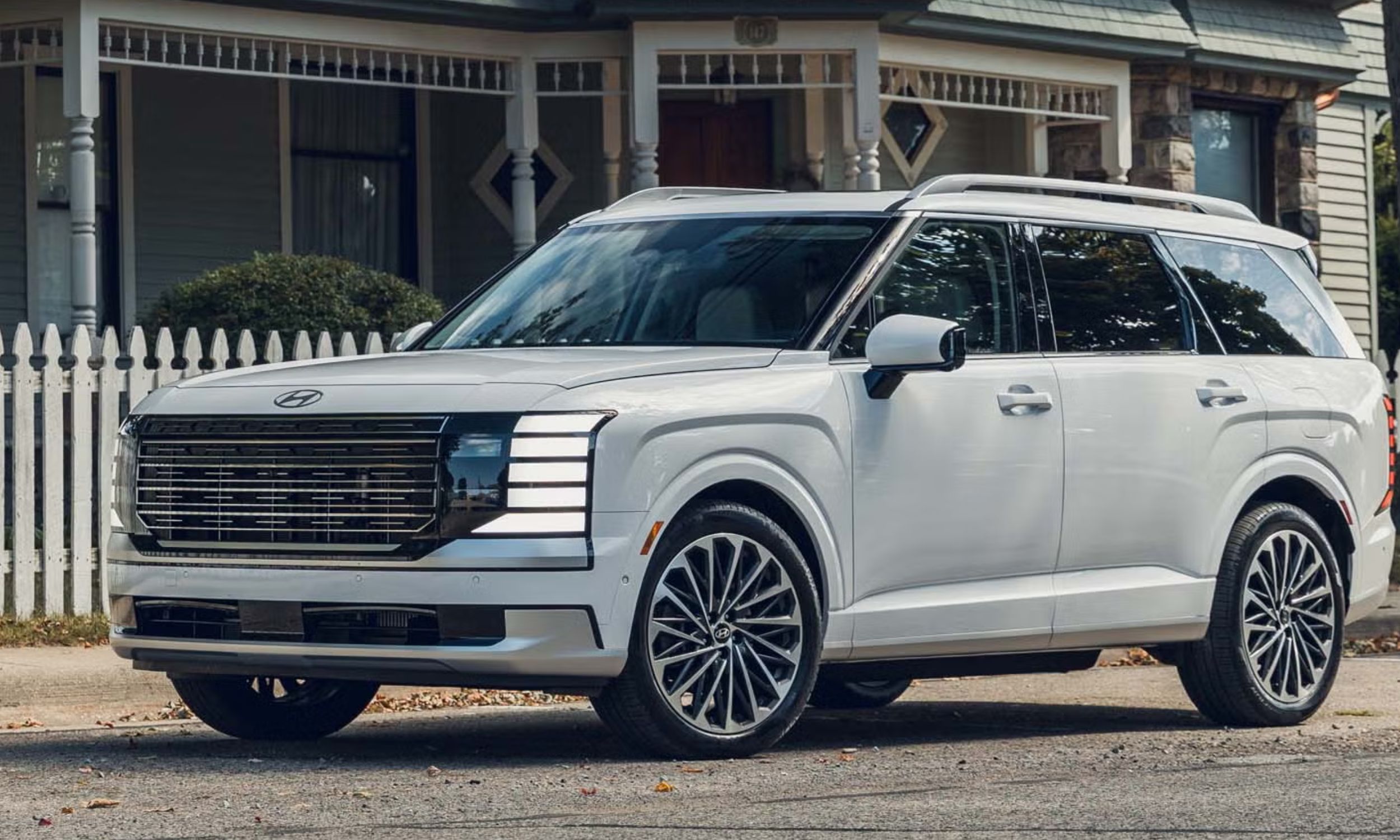
The first year of a car’s life is when it experiences the most dramatic depreciation. On average, a new car can lose around 15 to 25 percent of its value within the first year alone. This drop begins immediately after the car is registered and driven off the dealership lot. The reason is simple: the vehicle is no longer considered brand new, even if it has only been driven a few kilometers.
One of the biggest psychological factors behind this decline is buyer perception. People are willing to pay a premium for a “new” car, but the moment it becomes “used,” even slightly, that premium disappears. This creates a sharp price gap between brand new and nearly new vehicles. Dealers often factor this into pricing strategies, offering discounts or incentives to clear stock quickly before the model year changes.
Another factor is insurance valuation and registration costs. As soon as the car is registered, its official status changes, and resale value calculations adjust accordingly. Even cars that remain unused in a garage still depreciate because the market does not reward inactivity; it rewards “newness” and demand.
During this period, luxury cars and premium brands often lose value even faster in percentage terms compared to budget-friendly models. However, high-demand vehicles such as certain SUVs or fuel-efficient hatchbacks may retain value slightly better due to strong market interest.
Buyers can benefit significantly during this stage by purchasing nearly new cars that are only a few months old. These vehicles often come with minimal wear but are priced significantly lower than showroom models. This is one of the most cost-effective ways to own a high-quality vehicle without paying the full new-car premium.
2. Years 1 to 3: Stabilization and Market Adjustment
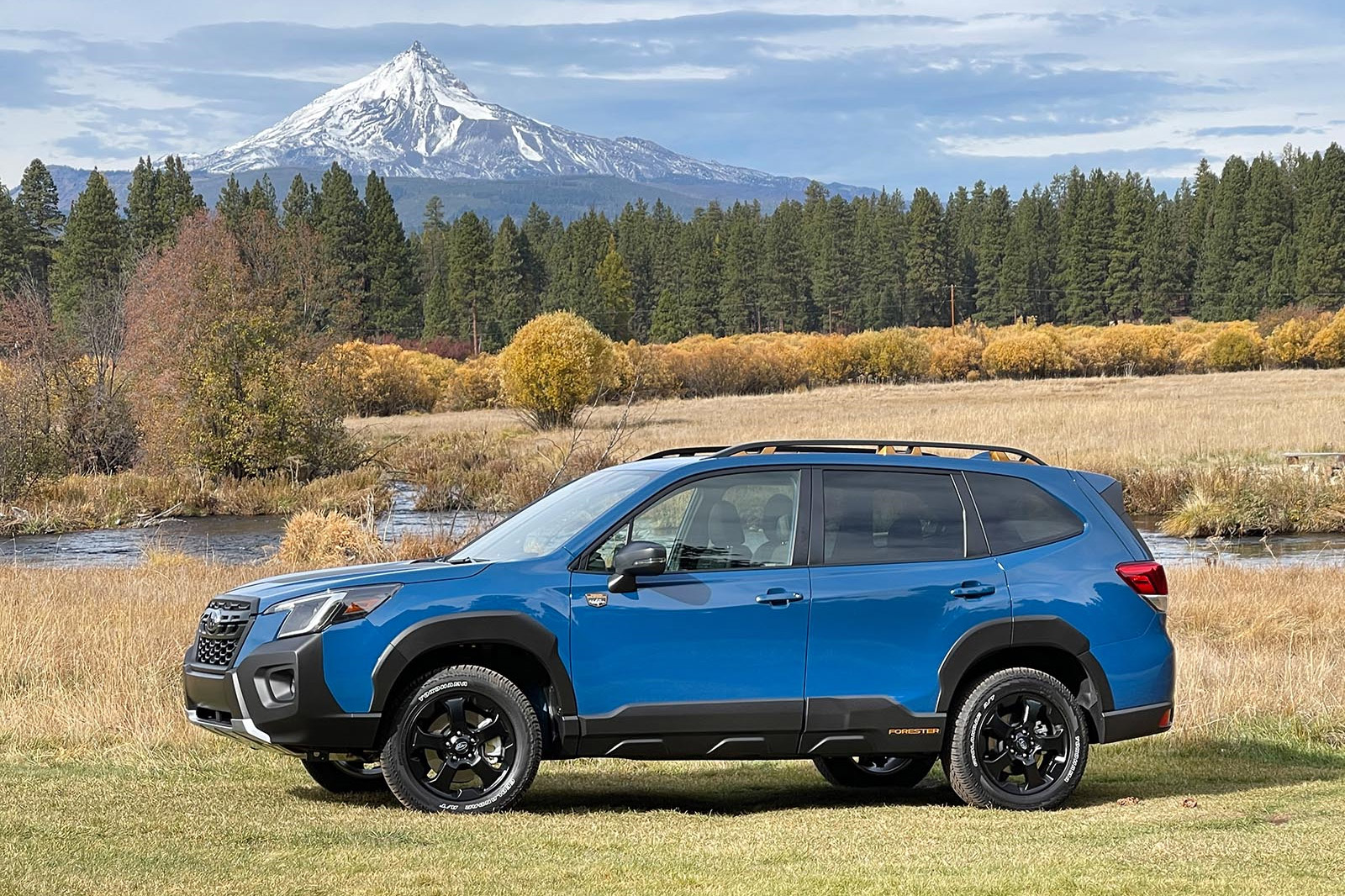
After the initial steep drop, a car’s depreciation curve begins to stabilize between the first and third year. While the value still decreases, the rate of decline is less aggressive compared to the first 12 months. Typically, cars lose an additional 10 to 15 percent of their value each year during this period.
This stage is often considered the “sweet spot” for used car buyers. Vehicles are usually still in good condition, often still under manufacturer warranty, and have already absorbed the most severe depreciation hit. Because of this, demand in the used car market is usually strong for cars in this age range.
Market dynamics play a larger role during this phase. For example, fuel prices, changes in government regulations, and new model launches can influence resale values. If a newer version of the same model is released with better features or improved efficiency, the older version may see a faster decline in value.
Maintenance history becomes increasingly important during this stage. A well-maintained car with service records will retain more value than one with uncertain upkeep. Buyers are more cautious now, inspecting condition, mileage, and accident history before making a purchase decision.
This period is also when leasing companies often cycle vehicles back into the market. Many lease agreements end after 2 to 3 years, increasing the supply of used cars. Higher supply can also push prices down slightly, depending on demand conditions.
For sellers, this is a critical window. Selling within this timeframe usually results in a better resale value compared to holding the vehicle longer. After this period, depreciation tends to slow in absolute terms but continues steadily.
Also Read: 10 Cars That Drove Over 800,000 Miles
3. Years 3 to 5: Slower but Steady Depreciation
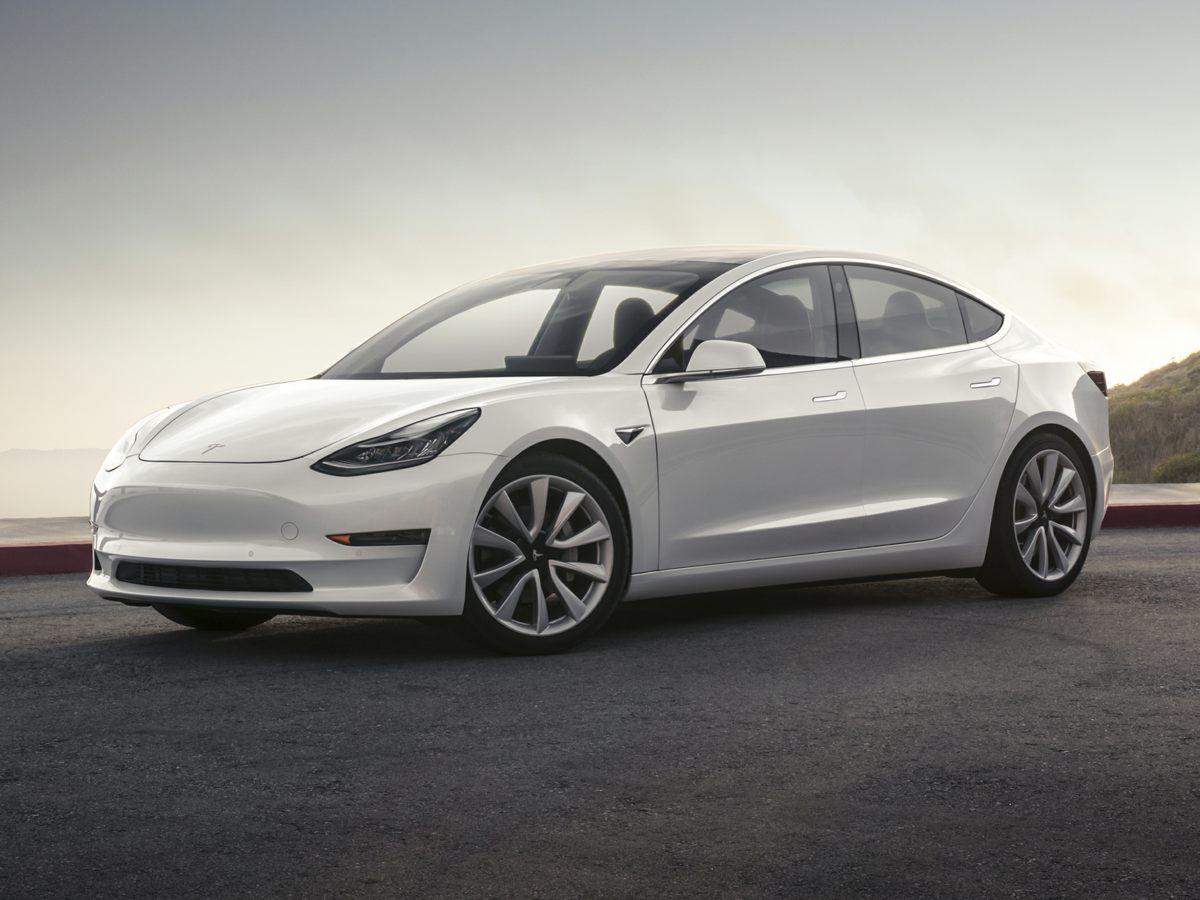
Between the third and fifth year, a car’s depreciation becomes more gradual but still significant. On average, vehicles may lose around 10 to 15 percent of their value across this entire period, depending on condition and market demand. By this stage, the car is firmly categorized as a used vehicle, and pricing is driven more by condition than original sticker price.
Wear and tear start becoming more noticeable. Components like tires, brakes, battery, suspension, and clutch may require replacement or servicing. These maintenance factors directly influence resale value, as buyers often factor upcoming repair costs into their offers.
Mileage becomes one of the most important pricing indicators. A car with low mileage in this age range can still command a relatively high price, while a high-mileage vehicle may see steep discounts. This is where usage patterns significantly affect depreciation outcomes.
Brand reputation also plays a strong role. Reliable brands with strong resale value tend to perform better in this stage, while less trusted brands may see sharper drops. Fuel efficiency and parts availability also influence buyer interest and pricing stability.
For many owners, this period is when they start considering upgrading or replacing their vehicle. It is also a common time for private sellers to enter the market, which increases competition and can influence pricing trends.
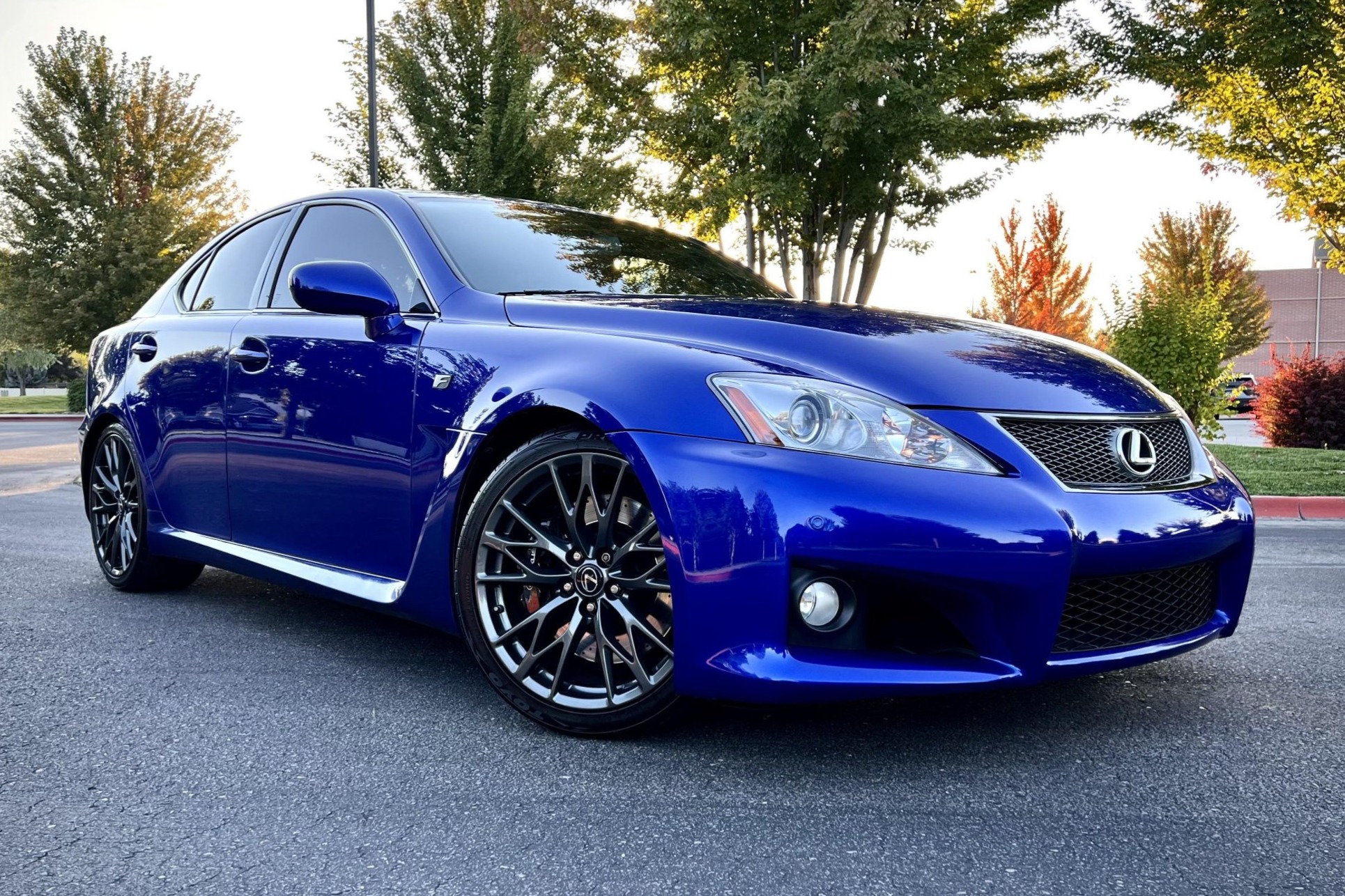
4. Years 5 to 10: Value Plateau and Condition-Based Pricing
Once a car crosses the five-year mark, depreciation continues but at a much slower and more inconsistent rate. At this stage, the car’s value is less about age and more about condition, maintenance history, and functionality. A well-maintained vehicle can still hold respectable value even after a decade of use.
Mechanical reliability becomes the primary concern for buyers. Cars that are known for long-term durability tend to perform better in resale markets. In contrast, vehicles with known maintenance issues or high repair costs may lose value rapidly regardless of their condition.
Ownership costs begin to influence pricing more heavily. Insurance premiums, fuel efficiency, and servicing expenses are all considered by buyers. If a car becomes too expensive to maintain, its resale value drops accordingly.
This is also the stage where emotional value sometimes replaces market logic. Some owners prefer to keep cars longer because resale value is low compared to original purchase price. However, buyers in this segment are usually bargain-focused and highly sensitive to condition and price.
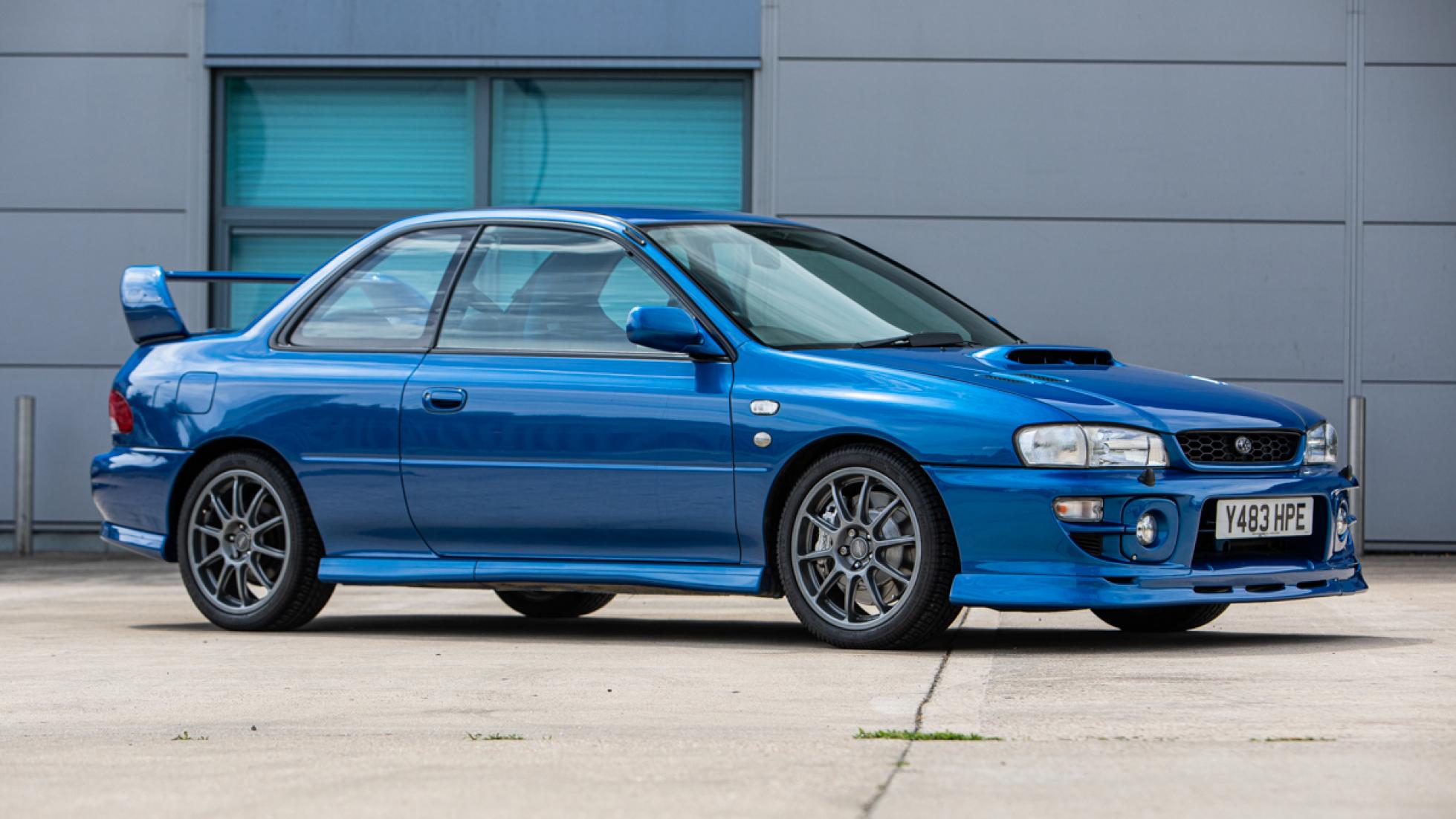
5. Beyond 10 Years: Minimal Market Value and Functional Worth
After 10 years, most cars reach a point where depreciation slows significantly in monetary terms because the value is already low. At this stage, the car is often valued based on usability rather than market desirability. Prices may stabilize in a narrow range depending on condition, mileage, and local demand.
Some cars continue to operate reliably for many years beyond this point, especially if they have been well maintained. However, resale value is usually limited unless the vehicle has collectible or classic status.
Maintenance costs become the dominant factor in ownership decisions. Many owners choose to sell or scrap vehicles once repair costs exceed the practical value of the car. Others may continue using them for short-distance or secondary purposes.
In some cases, older vehicles gain niche value in rural or budget markets where affordability is more important than modern features. However, this demand is limited and highly dependent on local conditions.
