

Car dealerships are often misunderstood as businesses that make money only when a vehicle is sold. In reality, modern automotive retail is far more complex and financially diverse. Even when a car sale does not fully materialize, dealerships can still generate significant revenue through multiple interconnected streams.
These include financing arrangements, trade-in evaluations, manufacturer incentives, service operations, insurance products, and aftermarket add-ons. The dealership model is designed in a way that profit is not dependent on a single transaction but rather on a network of financial opportunities created during the customer journey.
When a customer walks into a showroom, the dealership begins collecting value long before a final purchase decision is made. Every interaction, from test drives to credit checks, contributes data and opportunity for monetization.
For example, a customer who does not buy a vehicle on the spot may still be guided into a financing pre-approval process, which can generate fees or commissions if the application is processed through partner lenders. Similarly, customers who walk away from one deal often return later, sometimes influenced by follow-up communication strategies that are part of structured sales systems.
Another important aspect is that dealerships often earn money from services and financial products that are independent of whether a single car is sold at that moment. Extended warranties, insurance products, maintenance packages, and accessories can generate profit even if the initial vehicle transaction does not go through immediately.
Additionally, manufacturers often provide incentives or bonuses to dealerships based on performance metrics, customer leads, or inventory movement targets, meaning value can be created even without a direct sale.
In many cases, the dealership ecosystem is designed to ensure that no customer interaction is wasted. Even a failed negotiation can lead to future profitability through customer retention strategies, database marketing, and service department engagement.
A customer who does not purchase today may still service their existing vehicle at the dealership, generating recurring revenue. Over time, these touchpoints can be more profitable than the initial sale itself.
Understanding how dealerships profit when a sale does not happen reveals the strategic depth of automotive retail. It is not simply about selling cars but about maximizing every stage of the customer lifecycle.
From financing and trade in spreads to backend products and long-term servicing relationships, dealerships operate as multi-layered financial ecosystems that continue to generate income even when a single transaction falls through.
Also Read: 7 Most Reliable Motorcycles You Can Buy Today
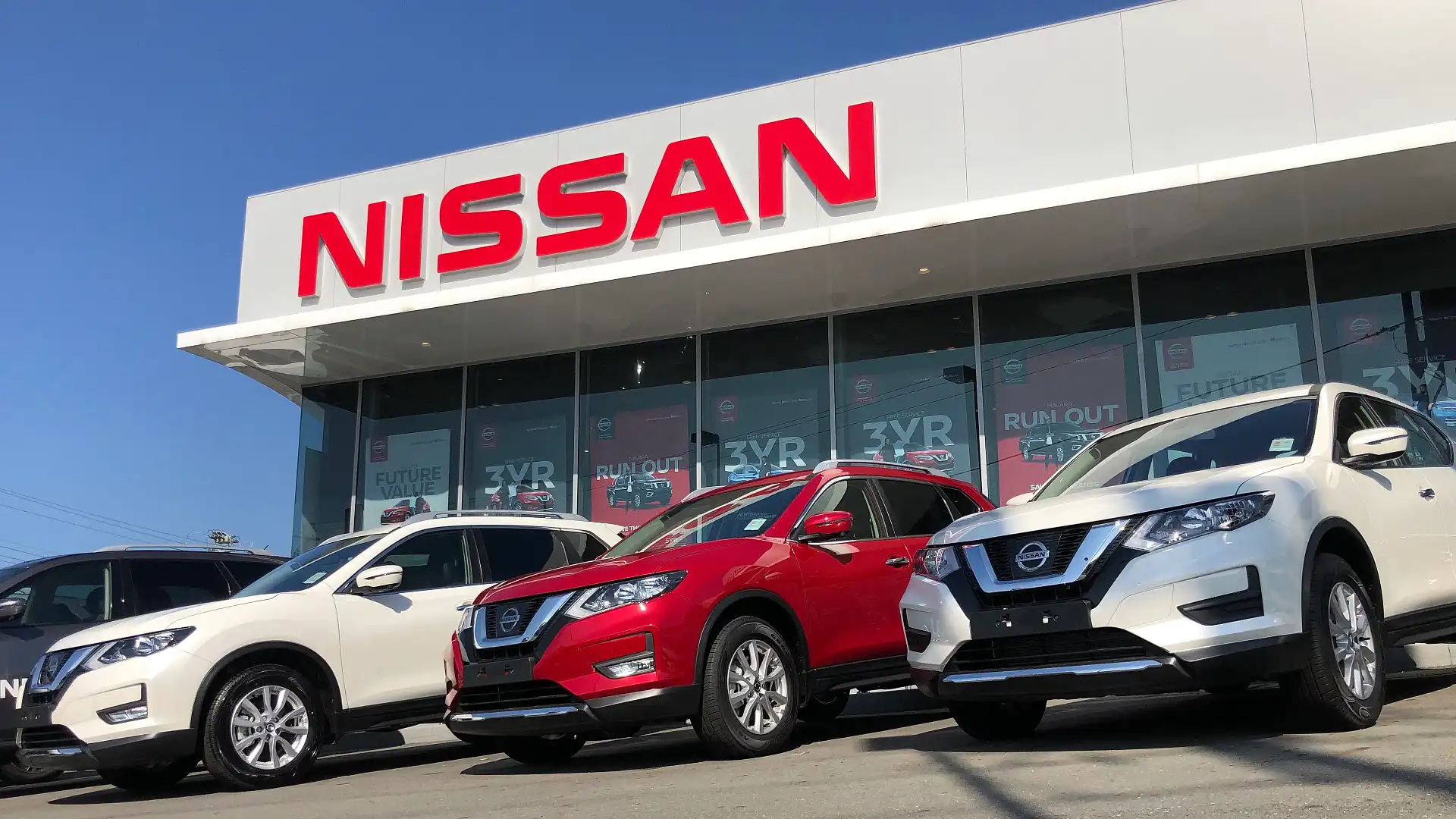
Dealership Revenue Streams Beyond Vehicle Sales
Modern car dealerships are structured as diversified financial hubs rather than simple retail outlets. While vehicle sales remain important, they are only one part of a much larger revenue system.
Many dealerships operate on thin margins for new car sales, sometimes earning very little profit from the sticker price alone. Instead, they rely heavily on alternative revenue streams that activate during and after customer interactions, even when a sale does not close.
One major source of revenue comes from manufacturer incentives. Automakers often reward dealerships for meeting certain performance targets, such as sales volume, customer engagement, or inventory turnover.
Even if an individual customer does not purchase a vehicle, the dealership may still benefit indirectly if showroom traffic contributes to broader performance metrics. These incentives can take the form of cash bonuses, discounted inventory pricing, or end-of-month rebates.
Another important revenue stream is customer data and lead generation. Every visitor who fills out a form, requests a test drive, or applies for financing becomes part of a dealership’s customer database. This information is valuable because it allows ongoing marketing efforts, including targeted promotions and follow-up campaigns.
Even if the initial sale does not occur, the dealership can monetize the relationship over time by converting leads into future buyers or service customers.
Service departments also play a key role in dealership profitability. Many dealerships operate service centers that handle repairs, maintenance, and inspections. Customers who initially come for a vehicle purchase may return later for servicing their existing cars.
These services typically have higher profit margins than vehicle sales themselves. In some cases, dealerships prioritize long-term service relationships over immediate sales because they generate consistent revenue.
Additionally, dealerships earn money through partnerships with financial institutions, insurance providers, and aftermarket suppliers. These partnerships often include referral fees or commissions for directing customers toward specific products.
Even when a car is not sold, the dealership may still benefit if a customer engages with financing applications, insurance quotes, or accessory consultations. This ecosystem ensures that value is created at multiple points in the customer journey.
Showroom traffic carries value on its own. Consistent visitor activity improves how a dealership is perceived, strengthens ties with manufacturers, and increases leverage when negotiating future inventory deals. Even when visits do not immediately result in sales, active customer engagement still contributes to the dealership’s long-term financial strength.
Financing and Loan Markups
Financing is one of the most powerful profit centers in the automotive dealership model. Many customers assume that car dealerships only earn money from selling vehicles, but financing arrangements often generate equal or even greater profit.
When a customer applies for a car loan through the dealership, the dealership typically works with multiple lending partners. These lenders pay the dealership a commission for arranging the loan, which creates income even if the vehicle sale itself does not proceed.
A key mechanism in this process is the interest rate markup. Lenders may approve a loan at a specific interest rate based on the customer’s credit profile, but dealerships sometimes have the ability to increase the final rate offered to the customer.
The difference between the lender’s rate and the customer’s rate becomes profit for the dealership. This markup system allows dealerships to earn money from financing even when vehicle margins are low or negotiations fall apart.
Another source of financing revenue comes from application processing and administrative fees. When customers submit financing applications, dealerships often facilitate paperwork, credit checks, and documentation processing. These services may be compensated by lenders or bundled into dealership fees. Even if a customer decides not to purchase the car, the financing process itself may have already generated revenue or compensation for the dealership.
Dealership finance departments also sell additional financial products such as loan protection plans, gap insurance, and extended payment options. These products are often highly profitable and are offered during the negotiation stage.
In many cases, customers who do not proceed with a vehicle purchase may still be approved for financing or offered alternative financial products, which can still result in commission income for the dealership.
Financing interactions also give dealerships insight into high-value customers. Even when a purchase is not completed, credit information and financial profiles remain in the dealership system. This data can later be used for targeted follow-ups or to present alternative vehicle options.
Over time, a customer who initially did not complete a purchase may become a profitable financing client, reinforcing the importance of loan-related revenue in dealership operations.

Trade-ins and Appraisal Spread
Trade-in vehicles are another critical profit mechanism in the dealership ecosystem. When a customer brings in an old car as part of a potential purchase, the dealership conducts an appraisal to determine its value.
This appraisal process often creates opportunities for profit, even if the final sale does not go through. The difference between what the dealership offers for the trade-in and what the vehicle can be resold for is known as the appraisal spread.
Dealerships typically aim to purchase trade-in vehicles at a price below market value. They do this by factoring in reconditioning costs, resale risk, and inventory turnover time.
However, if a customer decides not to complete the purchase of a new vehicle, the dealership may still acquire the trade-in separately or use the appraisal process as a basis for future negotiation. In both cases, the appraisal itself becomes a valuable business tool.
Once a trade-in vehicle is acquired, dealerships often refurbish and resell it at a higher price. Even minor repairs or cosmetic improvements can significantly increase resale value. This creates profit margins that are sometimes higher than those of new car sales.
Therefore, even if the original transaction falls apart, the dealership may still benefit from the trade-in evaluation process if the vehicle is later acquired under different terms.
Trade-ins also help dealerships expand their used car inventory without direct purchasing costs. Each appraisal provides insight into potential inventory additions.
Even when a customer does not proceed with a purchase, the dealership gains valuable information about available vehicles in the market. This data can be used to make future offers or to source similar vehicles from auctions or other sellers.
Trade-in discussions often help increase customer engagement and create room for more flexible negotiations. Customers frequently reassess their decision once a trade-in offer is presented, even if they were initially unwilling to proceed.
This back and forth process increases the likelihood of future conversion or alternative transactions. As a result, trade ins represent both a direct and indirect profit channel within dealership operations.
Also Read: 10 Cars That Drove Over 800,000 Miles
Aftermarket Products and Add Ons
Aftermarket products and add ons represent one of the highest margin areas in dealership operations. These include extended warranties, paint protection, interior protection packages, upgraded audio systems, and various cosmetic enhancements.
Even when a vehicle sale does not finalize, discussions around these products can still generate value for the dealership through commissions, bundled offers, or future conversions.
Dealerships often present aftermarket products during the negotiation phase, when customers are already emotionally and financially engaged in the buying process. This timing increases the likelihood of acceptance and allows dealerships to maximize profit per interaction.
Even if a customer declines the vehicle purchase, interest in add ons may still be recorded for future follow up, keeping the revenue opportunity alive.
Many aftermarket products are sourced through third party providers who pay dealerships a commission for each sale or referral.
This means that the dealership does not need to own the product inventory to generate income. Instead, it acts as a sales intermediary, earning profit through placement and promotion. This structure allows dealerships to maintain revenue streams even when vehicle sales do not close.
In addition, aftermarket offerings help strengthen long term customer relationships. Customers who purchase protection plans or service packages are more likely to return to the dealership for maintenance and repairs.
This creates recurring revenue opportunities that extend far beyond the initial transaction. Even when a sale does not happen immediately, the dealership may still capture customer interest for future engagement.
Aftermarket products also play a role in boosting dealership profitability by raising the average value of each transaction. Although not all customers choose these add-ons, those who do can substantially increase revenue per sale. This creates a buffer that helps dealerships maintain financial stability even during periods of uneven sales or when negotiations do not immediately lead to a purchase.
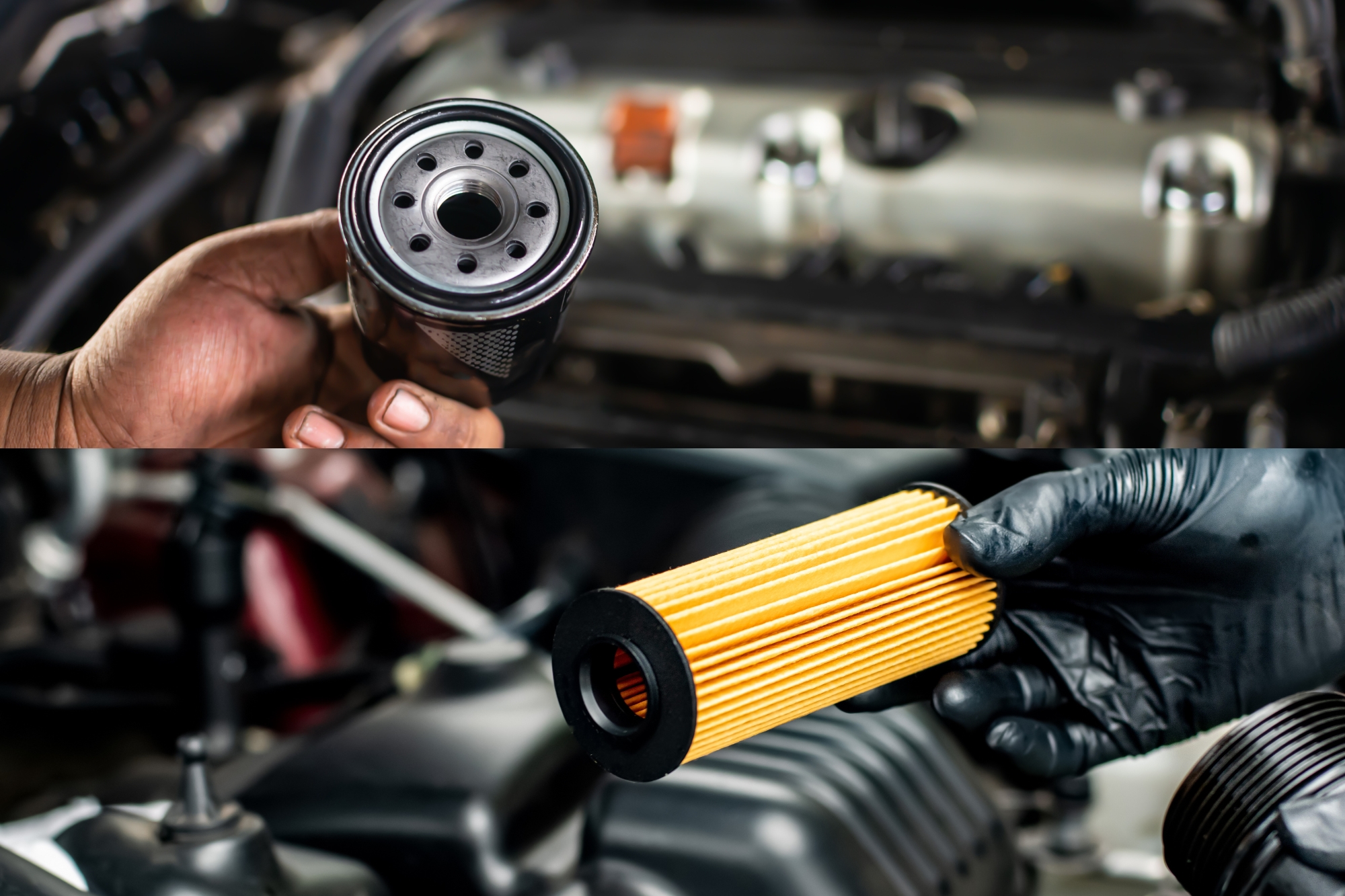
Service Departments and Long Term Profit
Service departments are often the most stable and profitable part of a dealership’s operations. Unlike vehicle sales, which can be unpredictable, service work provides consistent and recurring revenue.
Even when a customer does not purchase a vehicle, they may still rely on the dealership for maintenance, repairs, and inspections, creating long term financial value.
Many dealerships intentionally build strong service relationships during the sales process. Customers who visit a showroom but do not complete a purchase are often encouraged to return for service needs. This strategy ensures that the dealership remains connected to potential customers even after a sale does not occur. Over time, these service visits can generate more profit than the original vehicle transaction.
Service departments typically operate with high labor margins. Skilled technicians perform maintenance work that is billed at premium rates compared to the actual cost of labor and parts. This difference creates a steady income stream that supports the dealership’s financial health. Even if sales decline, service revenue helps stabilize the business.
Additionally, service visits provide opportunities for future sales. Customers who bring their vehicles in for maintenance may eventually be offered trade in deals or upgrade options. This creates a cycle of engagement where even non buyers become future prospects. The dealership benefits from continuous interaction regardless of initial purchase outcomes.
Service departments play a key role in strengthening customer loyalty and building trust in the brand. When customers have a positive experience during servicing, they are more likely to return for future vehicle purchases, consider financing options, and accept aftermarket offerings. This ongoing relationship building is a major factor that helps dealerships stay profitable even when individual sales do not always go through.
