Most vehicles lose value as soon as they leave the dealership, but a small number take the opposite path. These cars become more valuable after production ends because buyers begin to recognize qualities that were overlooked when they were new.
Limited production, unusual engineering, motorsport success, memorable styling, manual transmissions, powerful engines, and strong enthusiast communities can all push used prices beyond the original manufacturer’s suggested retail price.
That does not mean every example of a collectible car is automatically worth more than it cost new. Condition has a huge effect on value. A low-mileage, unmodified vehicle with service records, original paint, matching components, and a clean history will usually command far more than a heavily modified or neglected example.
Rare trims and special editions can also be dramatically more valuable than ordinary versions of the same model.
The collector market has become especially interested in analog performance cars from the 1990s and 2000s. Buyers are searching for vehicles with naturally aspirated engines, manual gearboxes, hydraulic steering, lightweight construction, and designs that connect to a particular era.
The cars in this list have all reached a point where desirable examples can sell for more than their original MSRP. Their prices can change quickly, but each has qualities that continue to attract collectors and enthusiasts.
Also Read: 8 Brands With the Best New-Car Warranty Coverage in 2026
1. Toyota Supra Turbo
The fourth-generation Toyota Supra Turbo has become one of the most valuable Japanese performance cars ever sold in the United States. When it was new in the 1990s, it was respected for its twin-turbocharged engine and sleek styling, but it was not produced in large numbers.
Toyota ended American sales after 1998, and the limited supply became more important as demand grew.
Its popularity rose sharply through movies, video games, tuner culture, and racing. The Supra’s 3.0-liter 2JZ-GTE inline-six engine developed a reputation for exceptional strength.
Factory output was 320 horsepower and 315 lb-ft of torque, but the engine could support major power increases when modified properly. That tuning potential made the car famous among enthusiasts, while its rarity made clean original examples highly desirable.
The six-speed manual transmission is especially valuable. Manual Turbo models with original body panels, unmodified engines, and documented maintenance now command prices far above their original sticker price. Cars with low mileage can sell for several times what they cost when new.
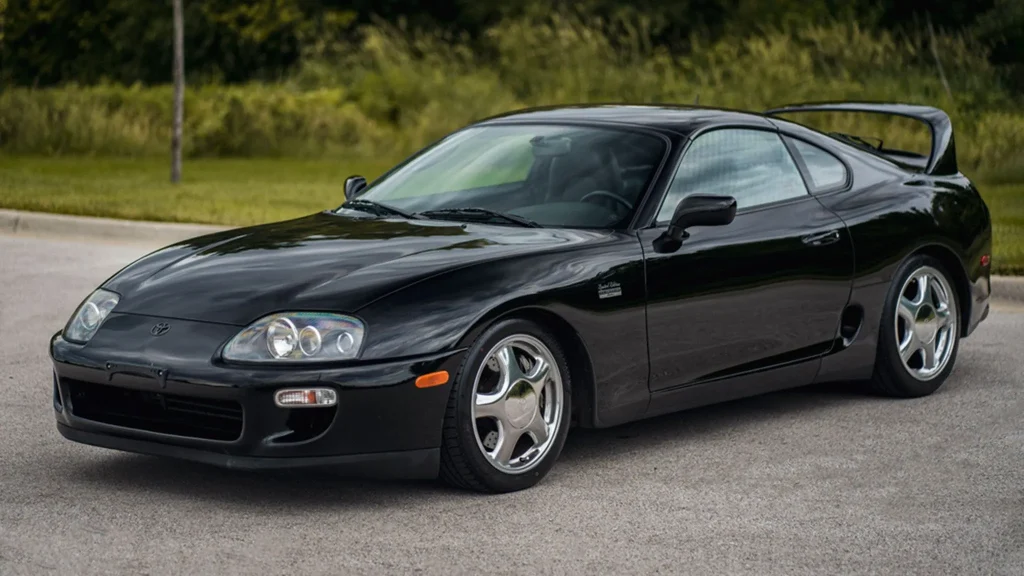
Buyers should be cautious because the Supra market includes heavily modified examples, imported models with different specifications, and cars that have been rebuilt after accidents. A complete inspection and detailed ownership history are essential.
Still, the appeal is easy to understand. The Supra Turbo combines a legendary engine, rear-wheel drive, striking 1990s styling, and a major place in automotive culture.
- Engine: 3.0-liter twin-turbocharged inline-six
- Torque: 315 lb-ft
- Horsepower: 320 hp
- Length/Width: 177.8 inches / 71.3 inches
2. Honda S2000 CR
The Honda S2000 CR is a rare version of Honda’s celebrated roadster, and its value has risen far beyond the price many buyers paid when it was new. Honda introduced the Club Racer model for 2008 as a more focused version of the standard S2000.
It used suspension changes, aerodynamic additions, lighter components, and a more track-oriented setup to create a sharper driving experience.
Only a limited number of CR models were sold in the United States, which makes them much harder to find than regular S2000s. The removable hardtop, revised front spoiler, rear wing, darker wheels, and special interior details gave the car a distinct appearance.
Honda also removed the convertible top on some versions, emphasizing the CR’s track-focused purpose.
Power came from Honda’s 2.2-liter naturally aspirated four-cylinder engine. It produced 237 horsepower and 162 lb-ft of torque, but its character mattered more than the figures.
The engine revved to 8,000 rpm and was paired with a precise six-speed manual transmission. Rear-wheel drive and balanced weight distribution made the S2000 CR feel direct and involving.
Clean examples have become highly sought after because modern sports cars rarely offer this combination of a high-revving naturally aspirated engine, manual gearbox, lightweight body, and simple mechanical feel. The best cars remain close to factory specification, with original panels, original wheels, and complete service records.
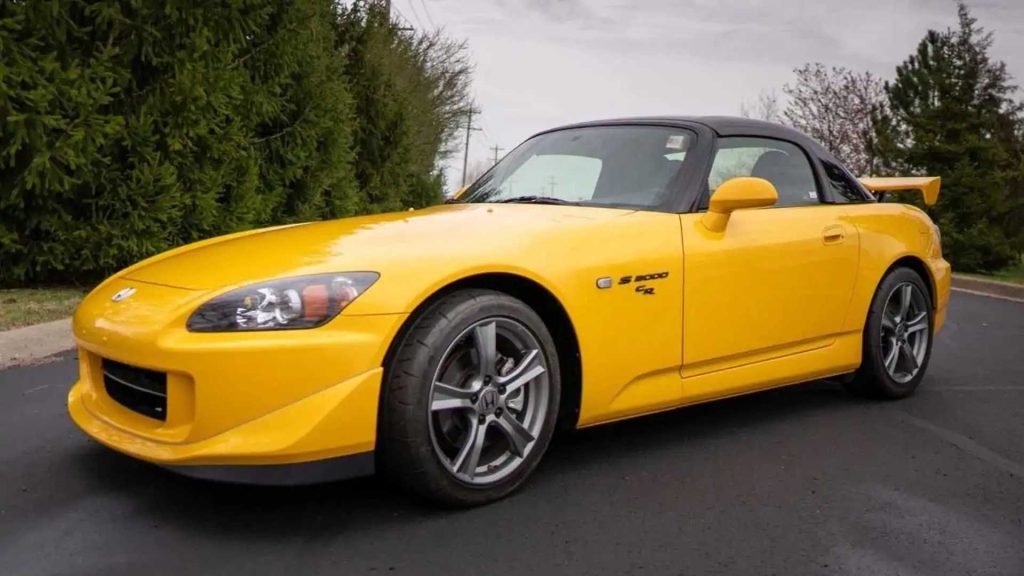
The S2000 CR has become valuable because it represents the end of a particular type of Honda performance car. It is rare, focused, and increasingly appreciated by collectors who want a pure driver’s machine.
- Engine: 2.2-liter naturally aspirated four-cylinder engine
- Torque: 162 lb-ft
- Horsepower: 237 hp
- Length/Width: 162.2 inches / 68.9 inches
3. Acura Integra Type R
The Acura Integra Type R has become one of the most valuable front-wheel-drive performance cars from the 1990s. When it was sold new, it appealed mainly to dedicated enthusiasts who understood the value of its lightweight construction, high-revving engine, and focused suspension.
Today, clean examples are sought after by collectors who recognize that Honda built something far more special than an ordinary compact coupe.
The Type R used a 1.8-liter naturally aspirated four-cylinder engine known as the B18C5. It produced 195 horsepower and 130 lb-ft of torque, but its real appeal came from the way it delivered power.
The engine revved to an 8,400-rpm redline and was paired with a close-ratio five-speed manual transmission. Honda also fitted a limited-slip differential, firmer suspension components, stronger brakes, and a lighter body than the standard Integra.
Its value has risen because many cars were modified, raced, stolen, or damaged when they were inexpensive used vehicles. Finding an original Type R with matching parts, factory paint, correct wheels, and service records is now difficult.
Low-mileage examples have sold for dramatically more than their original MSRP, while even well-kept higher-mileage cars can command strong money.
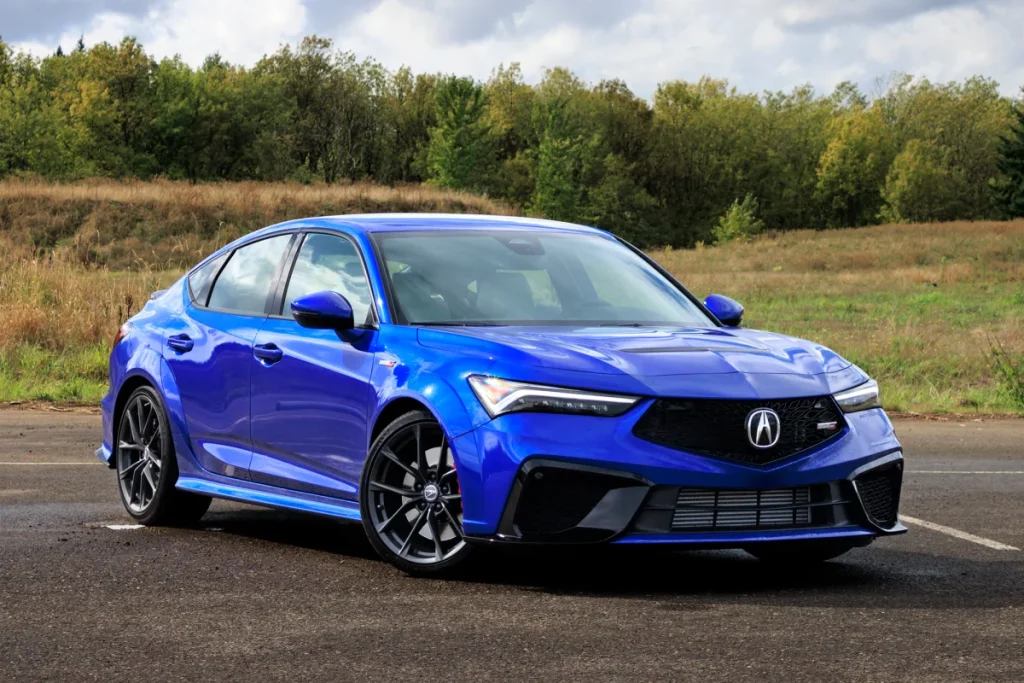
A buyer should be cautious about replicas. Standard Integras are often fitted with Type R badges, wings, wheels, and interior parts. Verifying the vehicle identification number, engine code, title history, and factory details is essential.
A genuine Integra Type R remains desirable because it offers a pure, lightweight, high-revving driving experience that modern performance cars rarely duplicate.
- Engine: 1.8-liter naturally aspirated four-cylinder engine
- Torque: 130 lb-ft
- Horsepower: 195 hp
- Length/Width: 172.0 inches / 67.3 inches
4. BMW Z8
The BMW Z8 was expensive when new, but it has become even more valuable because it was produced in limited numbers and combines retro design with a genuine high-performance drivetrain.
Introduced for the 2000 model year, the Z8 was inspired by the BMW 507 roadster from the 1950s. Its long hood, short rear deck, side vents, and wide stance gave it a classic sports-car shape, while its aluminum construction and advanced engineering made it thoroughly modern.
BMW installed the same 4.9-liter V8 used in the E39-generation M5. The engine produced 394 horsepower and 369 lb-ft of torque, sending power to the rear wheels through a six-speed manual transmission.
This gave the Z8 serious performance, but it was never intended to be only a track machine. It was a luxurious grand-touring roadster with a removable hardtop, leather interior, and a rare level of visual presence.
The car’s collector appeal grew because BMW built fewer than 6,000 examples worldwide. It also received major attention after appearing in the James Bond film The World Is Not Enough, adding another layer to its status. Original examples with their matching hardtops, factory accessories, service documentation, and low mileage are especially valuable.
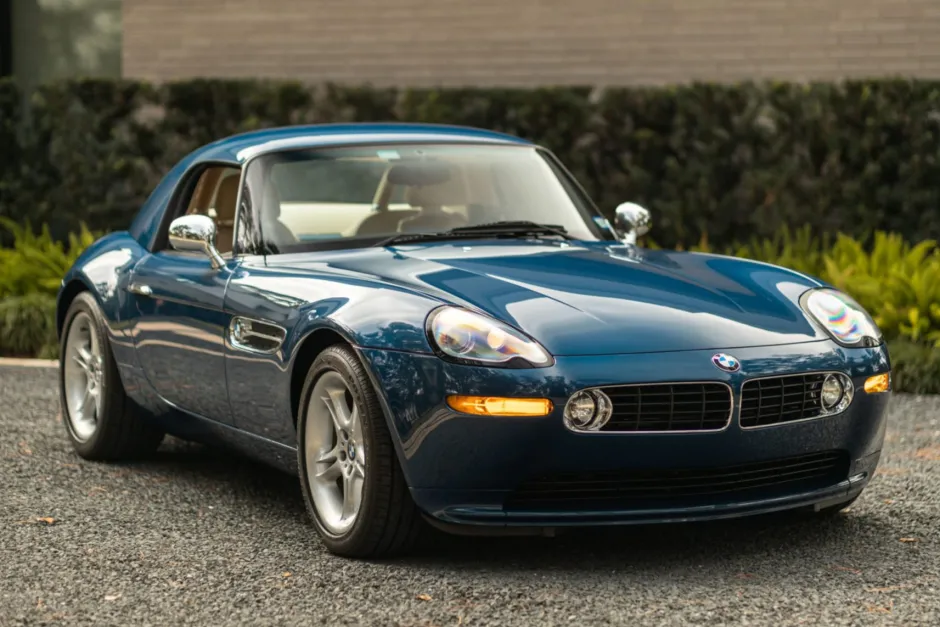
Maintenance costs can be high because of the aluminum structure, specialized parts, and high-end mechanical components. Still, the Z8 has the kind of rarity and design that collectors pursue. It is a car that blends a classic BMW roadster image with M5 V8 power, and desirable used examples now regularly exceed their original MSRP.
- Engine: 4.9-liter naturally aspirated V8
- Torque: 369 lb-ft
- Horsepower: 394 hp
- Length/Width: 173.2 inches / 72.0 inches
5. Dodge Viper GTS
The Dodge Viper GTS was never designed to be subtle. When it arrived in 1996, it brought a long hood, wide rear fenders, side-exit exhaust outlets, and a shape that looked more like a race car than a conventional American sports coupe.
Its original price was already high, but well-preserved examples now commonly attract more money because the Viper represents a type of performance car that is no longer built.
At the center of the GTS was an 8.0-liter V10 engine. It produced 450 horsepower and 490 lb-ft of torque, with power sent only to the rear wheels through a six-speed manual transmission.
There was no traction control, no stability control, and very little electronic help. That raw approach gives the Viper a demanding character, but it is exactly what collectors value.
The blue-and-white launch color scheme remains the most famous version, although clean examples in other original colors are also desirable. The GTS coupe is especially sought after because it added a fixed roof, a more rigid body, and the dramatic double-bubble roof design. Its racing success also helped establish its reputation.
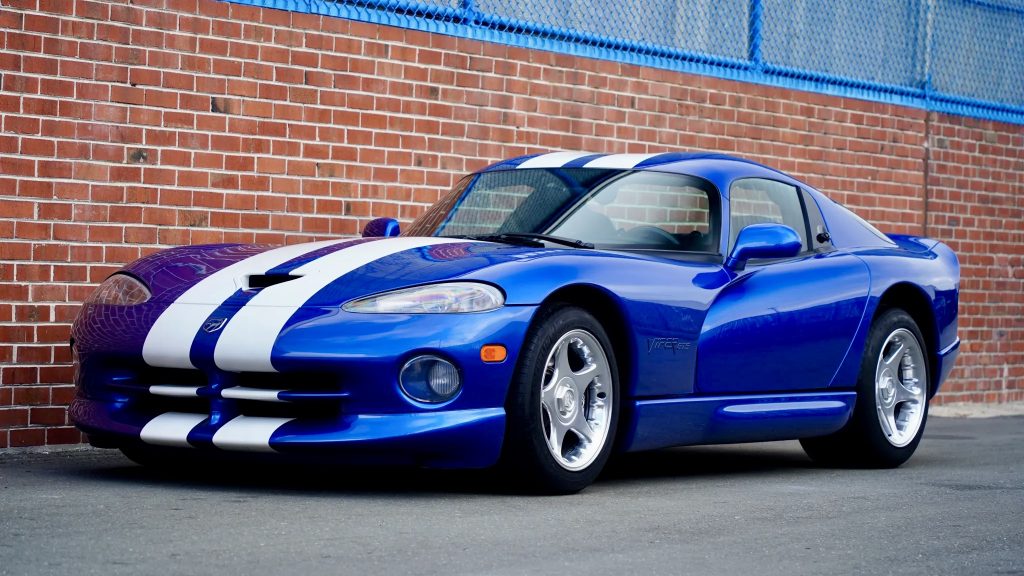
Condition separates valuable examples from ordinary ones. Original paint, factory wheels, untouched interiors, and detailed maintenance records matter greatly.
The V10 engine is durable when maintained, but tires, cooling components, suspension parts, and body repairs can be costly. A carefully preserved Viper GTS has become more than a fast used car. It is a collectible symbol of 1990s American performance.
- Engine: 8.0-liter naturally aspirated V10
- Torque: 490 lb-ft
- Horsepower: 450 hp
- Length/Width: 176.8 inches / 75.6 inches
6. Porsche Carrera GT
The Porsche Carrera GT has risen far beyond its original MSRP because it combines limited production, race-inspired engineering, and one of the most memorable engines ever installed in a road car.
Porsche built the Carrera GT from 2004 through 2006, producing only 1,270 examples worldwide. Its carbon-fiber construction, removable roof panels, and low, purposeful body gave it an exotic presence from the moment it arrived.
Its appeal begins with the engine. Porsche used a 5.7-liter naturally aspirated V10 originally developed for racing applications.
It produced 605 horsepower and 435 lb-ft of torque, delivered through a six-speed manual transmission with a distinctive birchwood shift knob. The engine revved with a sound and response that modern turbocharged supercars cannot easily reproduce.
The Carrera GT demands respect. It has no modern stability-control safety net, and its clutch can be difficult for inexperienced drivers to manage. Yet that mechanical honesty is part of its collector appeal. Drivers are connected directly to the engine, gearbox, steering, and chassis in a way that has become increasingly rare.
Collectors pay close attention to originality. Factory luggage, manuals, roof panels, service history, and correct tires can all affect value. Carbon-fiber repairs and clutch replacement are expensive, so a pre-purchase inspection by a specialist is essential.
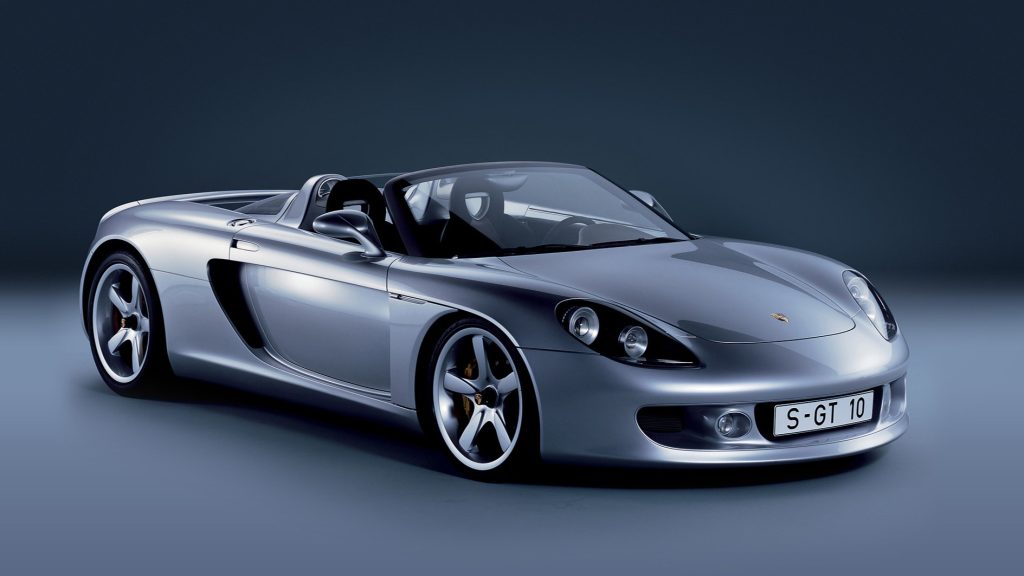
The Carrera GT has become highly valuable because it represents an extraordinary moment in Porsche history: a manual-transmission V10 supercar built with race-car technology and almost no compromise.
- Engine: 5.7-liter naturally aspirated V10
- Torque: 435 lb-ft
- Horsepower: 605 hp
- Length/Width: 181.6 inches / 75.0 inches
7. Lexus LFA
The Lexus LFA was one of the most ambitious performance cars ever created by a Japanese manufacturer. When it went on sale, its original price of about $375,000 placed it against established European exotics, and many buyers questioned whether a Lexus could justify that figure.
Time has changed the conversation. Desirable LFA examples now sell far above their original MSRP, with recent auction results reaching well into seven figures.
Lexus built only 500 examples, making rarity a major part of the car’s appeal. Its carbon-fiber structure, advanced aerodynamic design, and extremely detailed engineering gave it a level of craftsmanship that was unusual even among supercars.
The LFA was not created to be a high-volume profit machine. It served as a technical showcase for what Lexus and Toyota engineers could achieve.
The heart of the car is a 4.8-liter naturally aspirated V10 developed with Yamaha. It produces 553 horsepower and 354 lb-ft of torque, revving so quickly that Lexus used a digital tachometer because a traditional needle could not respond fast enough. Power reaches the rear wheels through a six-speed automated manual transmission.
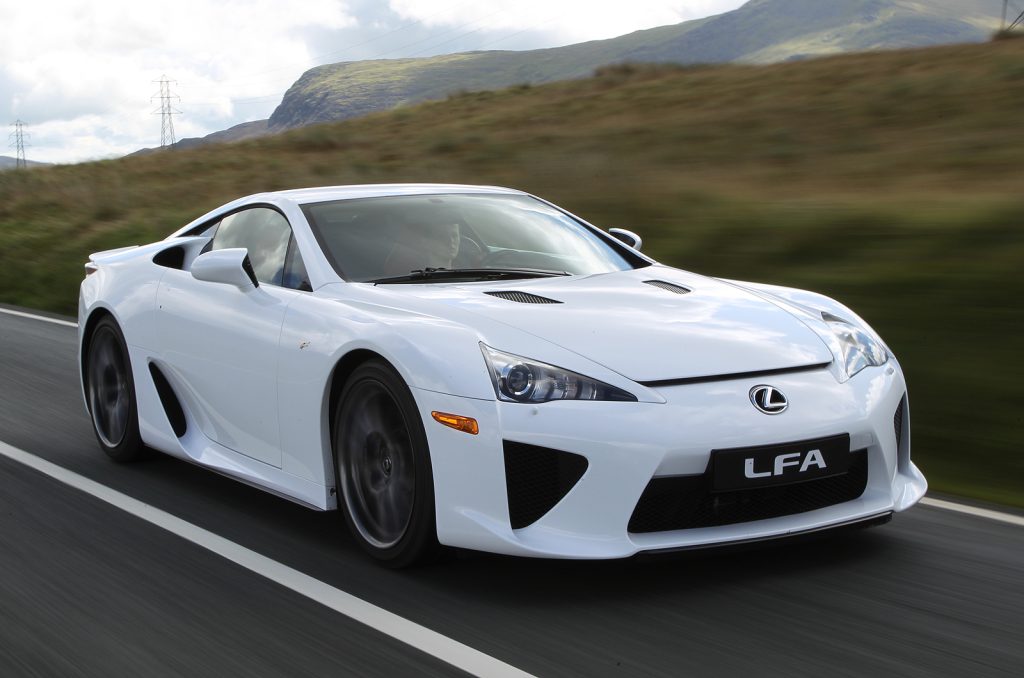
Collectors value the LFA for its sound, rarity, and engineering. Original paint, complete service records, factory accessories, and low mileage have a major effect on price. The Nürburgring Package is even more valuable because only 50 examples were built.
The LFA has become a modern collector icon because it represents a type of naturally aspirated V10 supercar that is unlikely to return.
- Engine: 4.8-liter naturally aspirated V10
- Torque: 354 lb-ft
- Horsepower: 553 hp
- Length/Width: 177.4 inches / 74.6 inches
8. Ford GT
The 2005 Ford GT was introduced as a modern tribute to the legendary Ford GT40 race car, but it quickly became much more than a nostalgic design exercise.
Ford built it in limited numbers between 2005 and 2006, combining retro styling with a supercharged V8 and an aluminum space frame. Its original MSRP was around $150,000, yet clean examples today can sell for several times that amount.
The GT’s shape borrowed heavily from the 1960s GT40, including the low roofline, round headlights, side air intakes, and broad rear fenders.
Despite the historic inspiration, the car was engineered as a modern supercar. Its aluminum chassis kept weight under control, while the mid-mounted engine layout gave it excellent balance and dramatic visual proportions.
Ford used a 5.4-liter supercharged V8 producing 550 horsepower and 500 lb-ft of torque. A six-speed manual transmission sent power to the rear wheels, giving the GT a direct and mechanical driving character.
It could accelerate with serious force, but the manual gearbox and analog controls are now just as important to collectors as the performance figures.
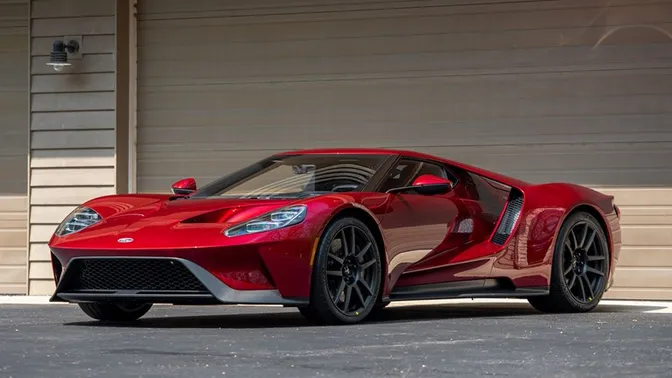
Originality is crucial in this market. Cars with factory paint, original wheels, unmodified engines, and complete documentation bring the strongest prices. Low-mileage examples are especially valuable, although well-maintained cars that have been driven carefully can still command significant money.
The Ford GT has appreciated because it connects American racing history with modern supercar performance. Its limited production, supercharged V8, manual transmission, and unmistakable design have made it one of the most valuable American collector cars of the 2000s.
- Engine: 5.4-liter supercharged V8
- Torque: 500 lb-ft
- Horsepower: 550 hp
- Length/Width: 182.8 inches / 76.9 inches
9. Ferrari F40
The Ferrari F40 was built as a celebration of Ferrari’s 40th anniversary, but it quickly became one of the most important supercars of the 1980s. When it reached buyers, its original price was already substantial, yet the best surviving examples now sell for far more than their original MSRP.
Its value comes from rarity, racing-inspired engineering, and the fact that it was the final Ferrari personally approved by Enzo Ferrari.
Unlike many modern exotic cars, the F40 was created with a very focused purpose. It used lightweight composite body panels, a stripped-down interior, fixed racing-style seats, and very little luxury equipment.
Air conditioning and basic trim were present in some versions, but comfort was not the main goal. The car was built to feel fast, loud, and direct.
Its 2.9-liter twin-turbocharged V8 produced 471 horsepower and 426 lb-ft of torque. A five-speed manual transmission sent power to the rear wheels, while the lack of traction control or stability control demanded real concentration from the driver. Turbo lag, heavy steering, and a raw chassis are all part of the F40 experience.
Collectors place enormous value on originality. Matching-numbers engines, original body panels, factory paint, correct wheels, documented servicing, and complete ownership history all influence price. Cars with known racing use or poor modifications can be less desirable.
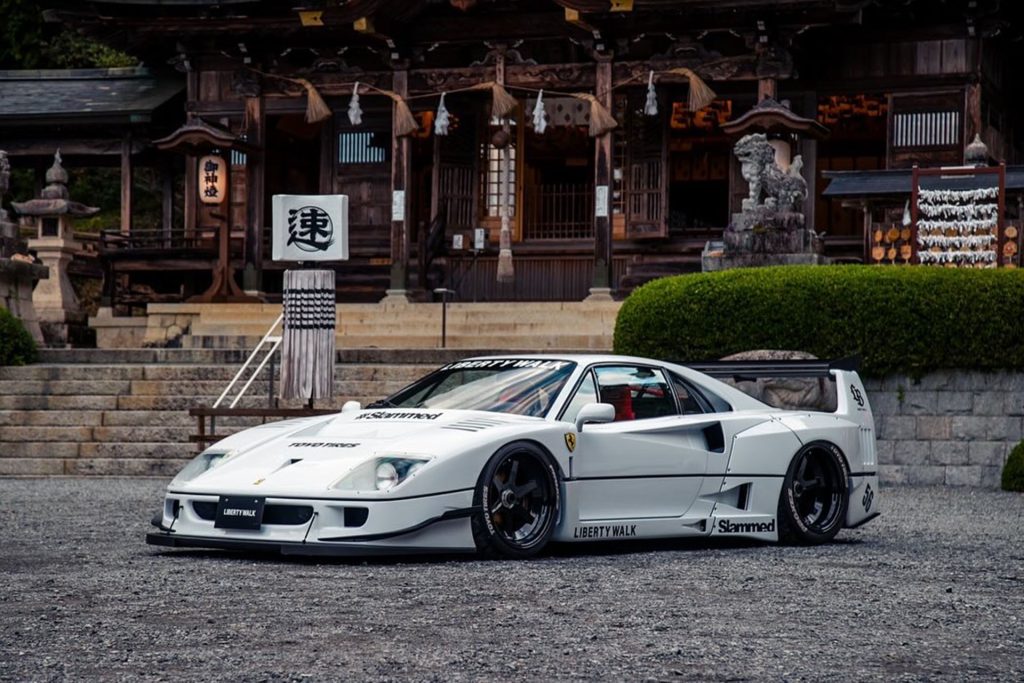
The F40 is worth more today because it represents a disappearing kind of supercar. It is lightweight, manual, turbocharged, visually dramatic, and mechanically uncompromising. Its value reflects both its historical importance and the emotional connection collectors have with one of Ferrari’s greatest creations.
- Engine: 2.9-liter twin-turbocharged V8
- Torque: 426 lb-ft
- Horsepower: 471 hp
- Length/Width: 174.4 inches / 77.6 inches
10. McLaren F1
The McLaren F1 was one of the most extraordinary road cars ever built, and its used value has risen far beyond its original MSRP. Introduced in the 1990s, it was created without compromise by a team led by Gordon Murray.
McLaren wanted to build the ultimate road car, not simply a fast supercar, and the result became a benchmark that still influences performance-car engineering.
Only 106 examples were produced, including road cars, racing versions, and prototypes. That limited number is a major reason for its immense value, but rarity alone does not explain the demand.
The F1 used a carbon-fiber monocoque, a central driving position, gold-lined engine-bay insulation, and a naturally aspirated BMW V12 engine. Its engineering was decades ahead of many competitors.
The 6.1-liter V12 produced 618 horsepower and 479 lb-ft of torque. Power went to the rear wheels through a six-speed manual transmission. With its low weight and exceptional aerodynamics, the F1 became the fastest production car in the world during its era.
More importantly, it delivered a driving experience that remains unique because the driver sits in the center of the cabin with two passenger seats placed slightly behind on either side.
A McLaren F1 is not simply purchased as transportation. It is treated as a major collectible asset. Original luggage, manuals, tools, service records, and factory components can influence value by millions of dollars. Cars with strong provenance and limited mileage are especially sought after.
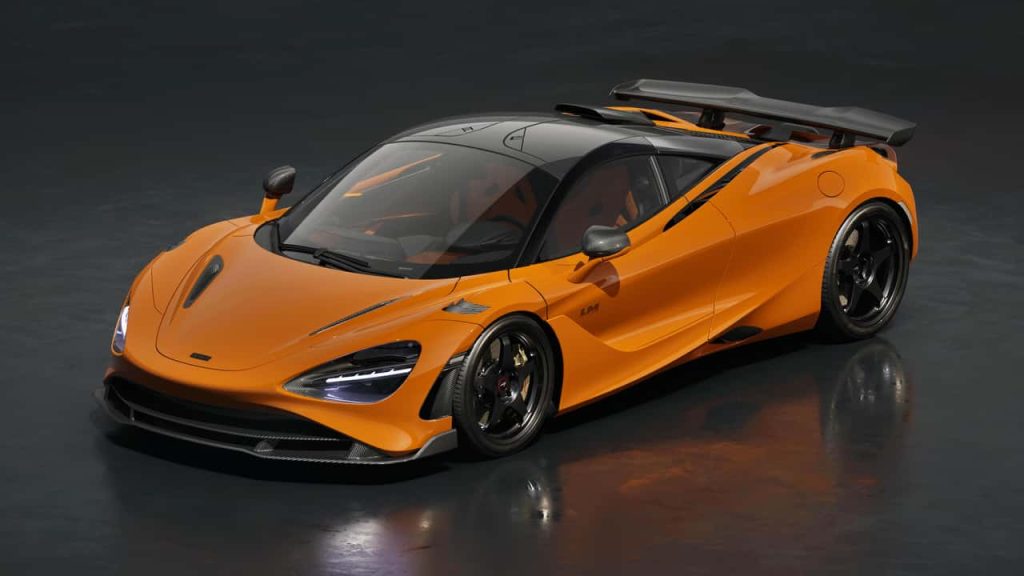
The F1 is worth vastly more than its original MSRP because it represents a rare combination of engineering purity, limited production, manual-transmission involvement, and historic significance. It remains one of the most valuable modern collector cars in the world.
- Engine: 6.1-liter naturally aspirated V12
- Torque: 479 lb-ft
- Horsepower: 618 hp
- Length/Width: 168.9 inches / 71.7 inches
Also Read: 8 Secret Features in the Subaru Outback Buyers Overlook