
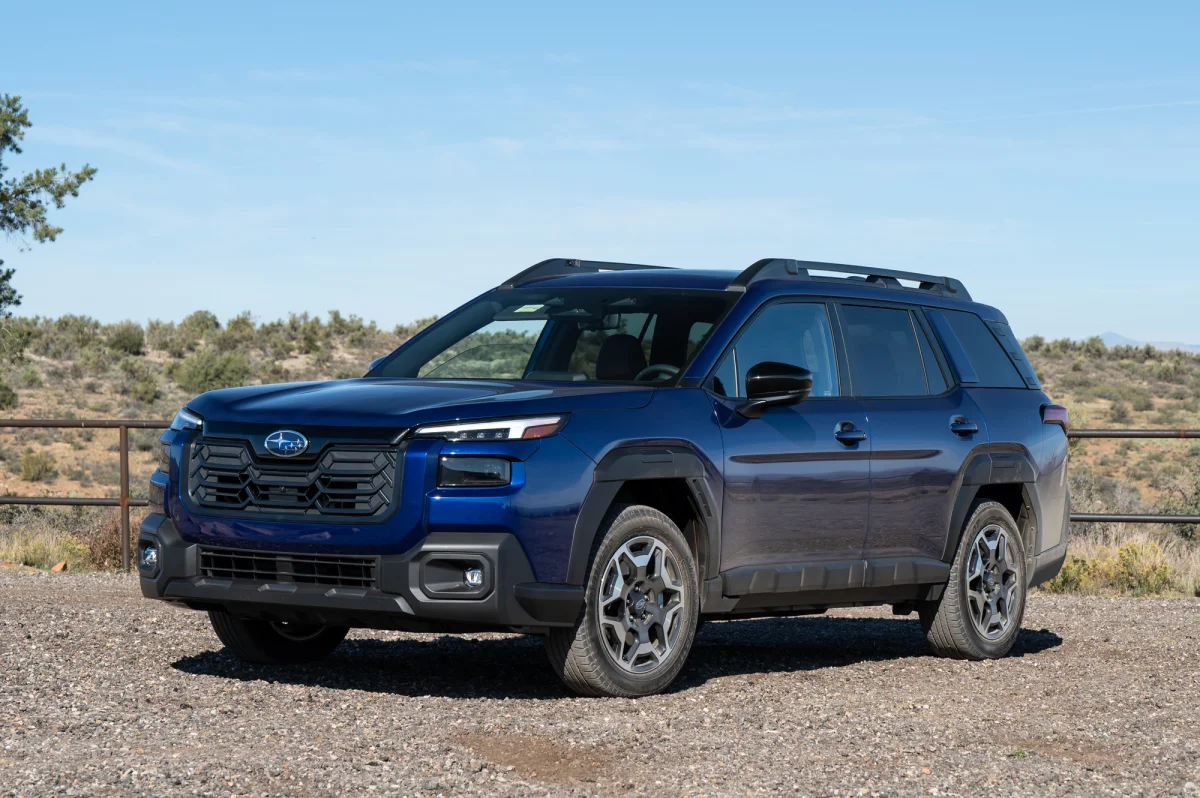
The Subaru Outback has built a strong reputation as one of the most capable and versatile crossover wagons on the market. Known for its rugged reliability, standard all wheel drive system, and strong safety credentials, it appeals to drivers who want both daily comfort and weekend adventure readiness in a single vehicle.
However, many buyers focus only on the obvious selling points such as fuel economy, cargo space, and ground clearance, while missing several lesser-known features that significantly improve usability, safety, and ownership experience.
What makes the Subaru Outback especially interesting is how much engineering depth is hidden beneath its familiar exterior. Beyond the well-advertised attributes, there are multiple systems and design choices that quietly enhance performance and convenience.
These include advanced traction management, underutilized driver assistance technologies, clever storage solutions, and thoughtful interior comfort features that are easy to overlook during a standard test drive. Many owners only discover these benefits months after purchase, once they begin using the vehicle in varied conditions.
In total, there are eight key overlooked features that stand out. These include Subaru X MODE terrain optimization, symmetrical All Wheel Drive tuning, roof rail integrated crossbars, hidden cargo storage compartments, EyeSight driver assist functions, SI DRIVE performance modes, rear seat comfort adjustments, and advanced cabin filtration systems.
Each of these contributes meaningfully to the Outback’s reputation as a practical adventure vehicle rather than just a commuter wagon.
Understanding these features in detail can help buyers make more informed decisions and also allow current owners to get more value from their vehicle. The Outback is not just designed for straightforward driving, but for adaptability across weather, terrain, and lifestyle needs.
Once these hidden capabilities are fully understood, it becomes clear why the model continues to maintain strong popularity in competitive SUV and crossover markets.
This article explores these eight overlooked features in depth, breaking down how each one works, why it matters, and how drivers can benefit from using them more intentionally in everyday driving situations and long-distance travel scenarios.
Also Read: 8 Repairs That Cost More in Parts Than Labor

1. Symmetrical All Wheel Drive and X-MODE Intelligence Working Together
The Subaru Outback’s symmetrical All Wheel Drive system is one of its most defining engineering features, yet many owners do not fully understand how advanced it really is. Unlike part-time systems found in many crossovers, this setup is permanently active and designed with a balanced drivetrain layout that improves stability and traction.
Power is distributed continuously to all four wheels, which reduces wheel slip and enhances control on wet roads, gravel paths, and uneven surfaces.
What is often overlooked is how seamlessly this system works in everyday driving. Many drivers assume it only becomes relevant in snow or off-road conditions, but it actively improves cornering stability and acceleration on dry pavement as well. The system constantly adjusts torque distribution based on wheel grip, which helps maintain predictable handling even during sudden steering inputs or emergency maneuvers.
X-MODE is another feature that is frequently underused. This system modifies engine output, transmission behavior, and braking distribution to maximize traction in challenging conditions.
When activated, it optimizes wheel spin control and helps the vehicle maintain momentum on slippery surfaces such as mud, snow, or loose gravel. Drivers who rarely venture off paved roads often forget to use it, missing out on its full capability.
One important aspect of X-MODE is its downhill assist functionality. On steep descents, the system can automatically control braking to maintain a safe and consistent speed, reducing driver workload and improving confidence in hilly terrain. This feature is especially useful during mountain travel or when driving on rural roads with unpredictable and changing slopes.
Symmetrical All Wheel Drive and X-MODE create a layered traction system that works continuously in the background. While many drivers think of it as a simple safety feature, it is actually a dynamic performance system that enhances control, stability, and confidence across nearly all driving environments.
2. Hidden Cargo and Interior Storage Innovations
The Subaru Outback is well known for its generous cargo capacity, but many of its most practical storage solutions are not immediately obvious.
Beyond the main cargo area, the vehicle includes multiple hidden compartments and flexible configurations that significantly improve usability for travel, camping, and daily commuting. These small design choices often go unnoticed during initial inspections.
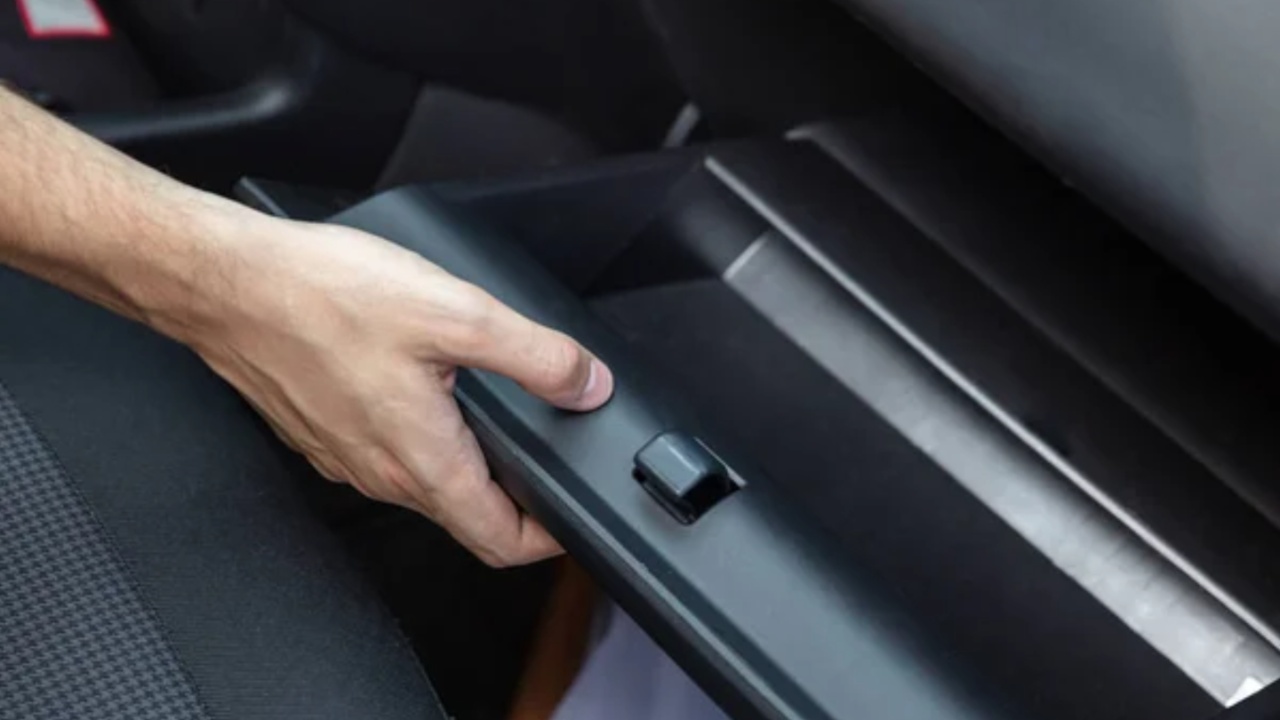
One of the most overlooked features is the underfloor cargo storage compartment. This space is designed to hold smaller items securely out of sight, such as emergency kits, tools, or personal valuables. It helps keep the main cargo area organized and prevents loose items from shifting during travel. Many owners only discover this compartment after several weeks of ownership.
Another subtle innovation is the flat folding rear seat design. When the rear seats are folded down, they create a nearly level load floor that makes it easier to transport larger items such as bicycles, camping gear, or furniture. The transition between seating and cargo mode is smooth and does not require complex adjustments, making it highly practical for spontaneous use.
Door pocket storage and center console design also deserve attention. Subaru has optimized these areas to accommodate modern lifestyle items such as water bottles, smartphones, and charging cables. The layout prioritizes accessibility, ensuring that frequently used items are within easy reach without cluttering the cabin.
Finally, the wide rear hatch opening angle enhances loading efficiency. It allows users to place bulky items without awkward maneuvering.
Combined with the low lift over height, it reduces strain during loading and unloading. These thoughtful details collectively transform the Outback into a highly functional utility vehicle that supports both everyday life and adventure travel.

3. Driver Assistance Systems Often Go Unused
Modern Subaru Outback models are equipped with advanced driver assistance technologies, but many owners only use a fraction of their capabilities.
The EyeSight driver assist system is one of the most important yet underutilized safety features. It includes adaptive cruise control, lane keeping support, and pre-collision braking, all working together through forward-facing cameras.
Adaptive cruise control is particularly useful on highways, yet many drivers avoid using it due to unfamiliarity. When activated, it automatically adjusts vehicle speed to maintain a safe distance from the car ahead. This reduces fatigue during long drives and helps maintain consistent traffic flow. It is especially effective in stop-and-go traffic conditions.
Lane centering assist is another feature that often goes unnoticed. Unlike simple lane departure warnings, this system actively helps keep the vehicle centered within its lane. It does not replace driver attention but provides subtle steering support that reduces strain during extended highway travel.
Pre-collision braking is designed to detect potential frontal impacts and apply braking force if necessary. While many drivers hope never to experience its intervention, it plays a critical role in preventing low-speed collisions in urban environments. Its presence significantly enhances safety confidence.
Additional features such as rear cross traffic alert and blind spot monitoring further expand situational awareness. When combined, these systems create a safety network that continuously monitors the vehicle’s surroundings. Many drivers only appreciate their value after experiencing challenging driving situations where visibility is limited.
4. Roof, Towing, and Adventure Ready Engineering Secrets
The Subaru Outback is designed with outdoor versatility in mind, and its roof and towing capabilities reflect this intention. One of the most overlooked features is the integrated roof rail system with built-in crossbar functionality. Unlike traditional roof racks that require separate installation, these crossbars can be deployed quickly when needed, making them ideal for spontaneous travel.
This system allows users to carry bikes, kayaks, or cargo boxes without additional hardware complexity. When not in use, the crossbars fold neatly into the roof rails, reducing wind noise and improving fuel efficiency. Many owners do not realize how quickly they can switch between configurations.
Towing capability is another area where hidden value exists. While not designed as a heavy-duty towing vehicle, the Outback can handle small trailers, boats, and recreational equipment with stability. The vehicle’s traction systems and stability control help maintain control when towing in varying conditions.
Ground clearance is also an important engineering feature that supports adventure driving. It allows the vehicle to navigate uneven terrain without risking underbody damage. Combined with approach and departure angles, it gives the Outback a level of off-road confidence that exceeds typical crossovers.
Roof load distribution and structural reinforcement further enhance safety when carrying heavy items on top. The chassis is designed to maintain balance even with additional roof weight, ensuring stable handling. These engineering details make the Outback a strong choice for outdoor enthusiasts who need flexibility without moving to a full-size SUV.
Also Read: 8 Luxury SUVs That Become Bargains the Moment the Warranty Ends

5. Comfort, Connectivity, and Cabin Enhancements
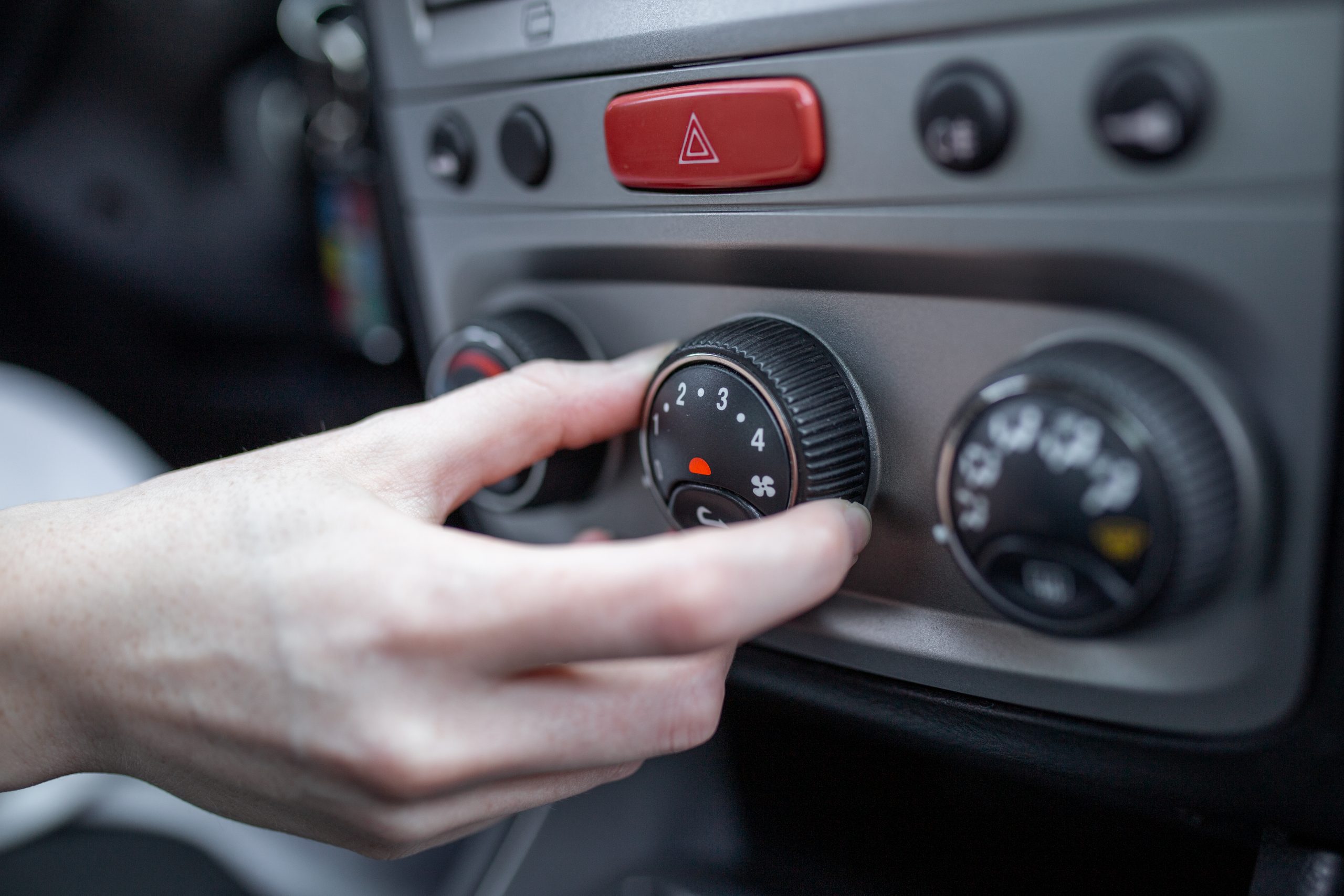
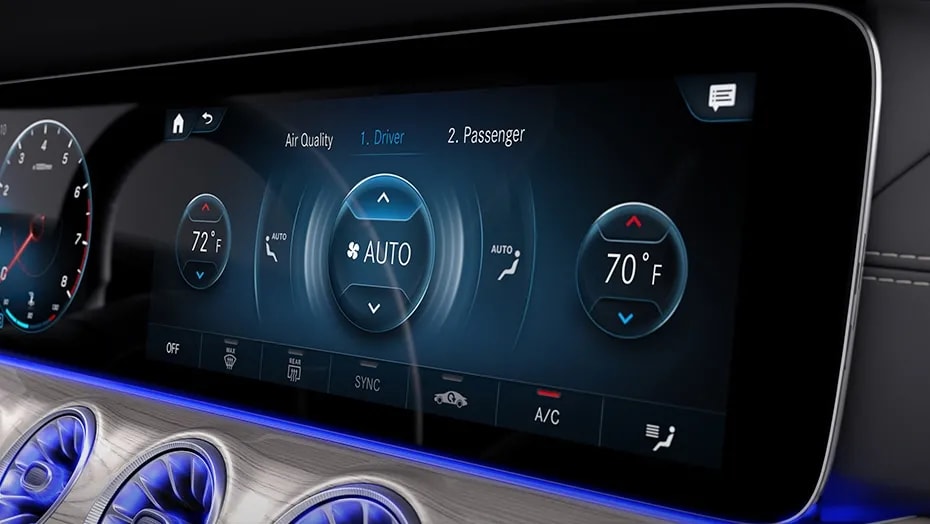
Inside the Subaru Outback, several comfort and technology features are often overlooked despite significantly improving the driving experience. One of these is the dual zone climate control system, which allows the driver and passenger to set individual temperature preferences. This improves comfort during long journeys and reduces disagreement over cabin settings.
Seat design also plays a major role in comfort. The front seats are engineered for long-distance support, with ergonomic shaping that reduces fatigue. Many drivers do not realize how much difference proper lumbar and cushion support can make during extended highway travel.
Infotainment connectivity is another area with hidden depth. The touchscreen system supports smartphone integration, navigation, and voice control, but many users only utilize basic functions. Advanced settings allow for customization of vehicle information displays and driver preferences, improving usability.
Cabin filtration is another overlooked benefit. The air filtration system helps reduce dust, pollen, and airborne particles entering the cabin. This is particularly useful in rural or dusty environments and contributes to a cleaner interior atmosphere during long drives.
Finally, acoustic insulation improvements help reduce road and wind noise. Subaru has engineered the cabin to maintain quietness even at highway speeds, which enhances comfort and reduces fatigue. Combined, these features create a refined driving environment that is often underestimated during initial vehicle comparisons.

6. Steering and Handling Enhancements Most Drivers Never Notice
One of the most underrated aspects of the Subaru Outback is how refined its steering and handling system is, especially considering its crossover wagon design. Many drivers assume the vehicle is built primarily for utility and comfort, but beneath that is a carefully tuned steering system that balances stability and responsiveness in a way that often goes unnoticed during casual driving.
At lower speeds, the steering feels light and easy to maneuver, which makes parking and city driving simple. What many owners do not realize is that this is achieved through electronic power steering tuning that adjusts effort based on speed. As the vehicle accelerates, the steering gradually becomes firmer, improving highway stability and reducing the need for constant correction.
Another overlooked detail is how the suspension system interacts with the All Wheel Drive system. The Outback uses a suspension setup that is designed to maintain tire contact across uneven surfaces. This helps the vehicle feel planted on gravel roads, potholes, and rough terrain, reducing bounce and improving comfort without the driver needing to adjust settings manually.
Cornering stability is also enhanced through subtle torque distribution adjustments. When the system detects turning forces, it can shift power between wheels to reduce understeer and improve grip. Most drivers experience this without realizing it, as it operates seamlessly in the background.
The steering and handling system in the Outback is designed not for aggressive sport driving, but for predictable confidence across a wide range of conditions. Its true strength lies in how invisible the technology feels while continuously improving control.

7. Fuel Efficiency Optimization Features Hidden in Plain Sight
The Subaru Outback is not always associated with extreme fuel efficiency, but it includes several hidden systems that help optimize fuel consumption under different driving conditions. Many owners overlook these because they operate automatically or are not prominently explained during purchase.
One key feature is the continuously variable transmission tuning. The system is designed to keep the engine operating in its most efficient RPM range whenever possible. Instead of shifting through fixed gears, it smoothly adjusts ratios to reduce unnecessary fuel burn during steady driving.
Another often ignored feature is the engine start-stop system found in newer models. When the vehicle is idling at traffic lights or in congestion, the engine can temporarily shut off to conserve fuel. While some drivers disable it, those who leave it active can see meaningful efficiency improvements in urban driving conditions.
Aerodynamic design also plays a major role in fuel optimization. The Outback’s body shape, roof rail integration, and underbody smoothing all contribute to reducing drag. Even small improvements in airflow efficiency help maintain better mileage at highway speeds.
Driving mode behavior also influences fuel consumption. Eco-focused calibration within the vehicle subtly adjusts throttle response and transmission behavior to prioritize efficiency over performance. Many drivers never actively select or notice these adjustments, but they are continuously working in the background.
Together, these systems demonstrate that fuel efficiency in the Outback is not dependent on a single feature, but rather a combination of small, intelligent engineering decisions.
8. Climate Control and All-Weather Comfort Systems
The Subaru Outback includes a surprisingly advanced climate control system that goes beyond simple heating and cooling. Many drivers use it in basic automatic mode without realizing how much customization and intelligence is built into it.
One overlooked feature is the dual zone or tri zone climate control system, depending on model year. This allows different sections of the cabin to maintain separate temperature settings, which improves comfort for all passengers during long journeys. It reduces the need for compromise and helps maintain a stable interior environment.
Seat heating and ventilation functions are another important but underused feature. Heated seats provide quick comfort in cold conditions, while ventilated seats in higher trims help regulate temperature during hot weather. Many owners forget to activate these features even when conditions would benefit from them.
The air conditioning system also includes automatic humidity and air quality adjustments. Sensors detect interior conditions and adjust airflow to prevent fogging and maintain visibility. This is particularly useful in rainy or humid environments where windshield clarity becomes important.
Cabin air filtration is another hidden strength. The filtration system helps reduce dust, pollen, and airborne particles entering the vehicle. This improves comfort for passengers with allergies or sensitivities, especially when driving in rural or high-dust areas.
Finally, rear passenger comfort is supported through thoughtful vent placement and airflow distribution. Many vehicles prioritize front seat comfort, but the Outback ensures balanced cooling and heating throughout the cabin, making long trips more comfortable for everyone.
