
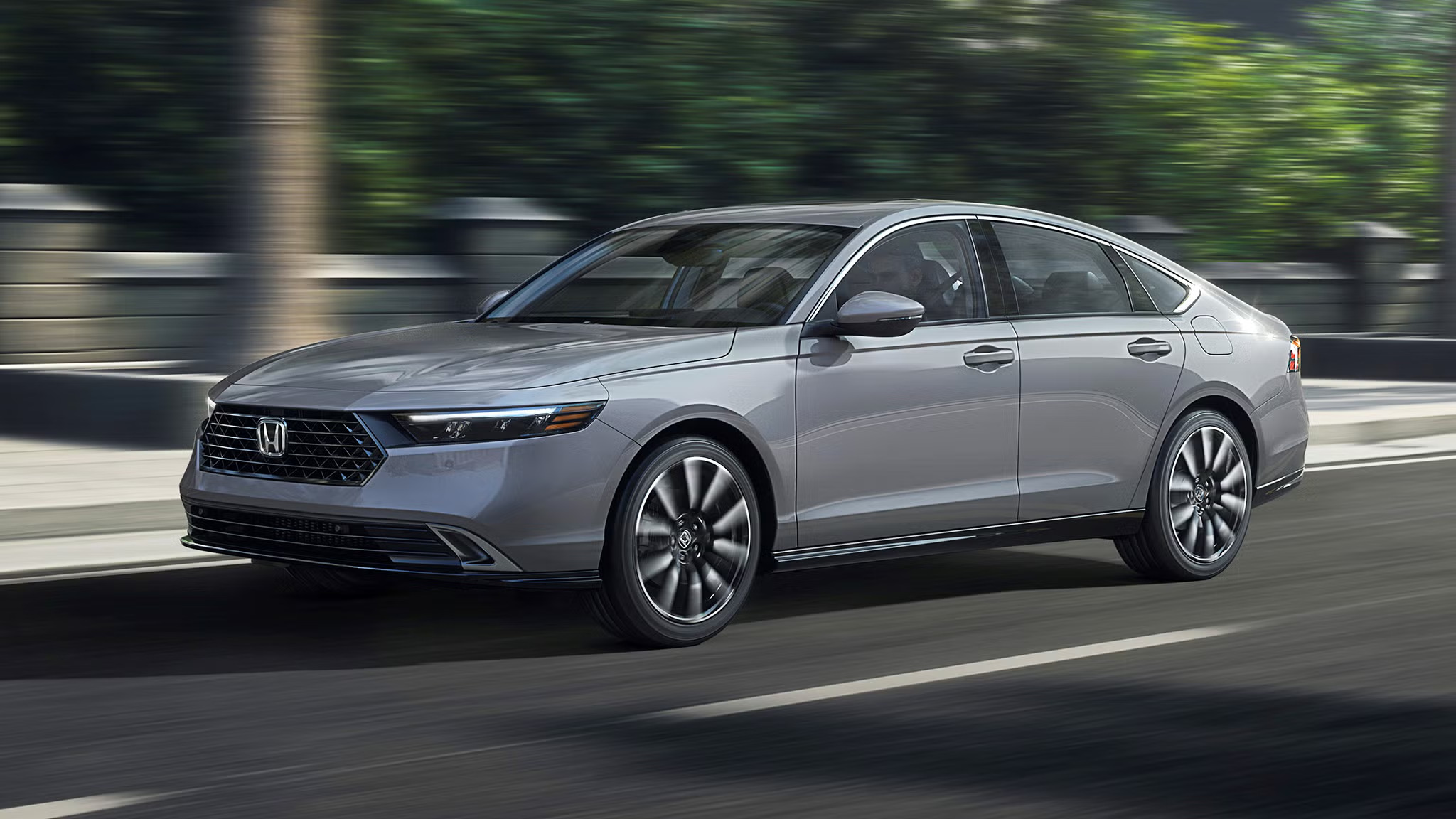
The Honda Accord has built a strong reputation over the years as one of the most reliable, practical, and comfortable midsize sedans in the automotive world. While most people know it for its fuel efficiency, smooth driving experience, and long-term durability, there is a lot more hidden beneath the surface that many owners never fully explore.
Modern versions of the Accord come packed with intelligent engineering, subtle convenience features, and smart technology integrations that are designed to improve safety, comfort, and driving enjoyment without always making themselves obvious.
These hidden or lesser-known features are often buried in menus, activated through specific combinations, or simply overlooked because they are not widely advertised in showrooms.
What makes the Honda Accord especially interesting is how Honda has gradually added advanced features across different generations without making the vehicle feel overly complex. Instead, many of these features operate quietly in the background, enhancing the driving experience in ways that drivers only notice once they discover them.
From secret key fob functions to hidden storage spaces, intelligent driving assistance systems, and customizable settings, the Accord has layers of functionality that go far beyond basic transportation. Understanding these features can significantly improve how you interact with your car and help you get more value from it.
An important aspect is that many owners assume their vehicle only includes what they were shown during delivery. However, the Honda Accord often includes additional capabilities depending on the model year and trim level that are not immediately explained in detail.
These features are designed to make driving easier, safer, and more personalized. For example, small adjustments in infotainment settings can unlock hidden convenience tools, while certain driver assistance systems can be fine-tuned for more comfort or responsiveness. Exploring these options can transform the way you experience daily driving.
In this article, we will uncover ten hidden features in the Honda Accord that most drivers do not know about. Each feature will be explained in detail so you understand not just what it is, but also how it works and why it matters.
Whether you are a new owner or have been driving an Accord for years, these insights will help you discover capabilities you may have been missing. By the end, you will see your car in a completely new light, appreciating the thoughtful engineering that makes it one of the most popular sedans in its class.
Also Read: 7 Most Reliable Motorcycles You Can Buy Today
1. Secret Key Fob Remote Window Control
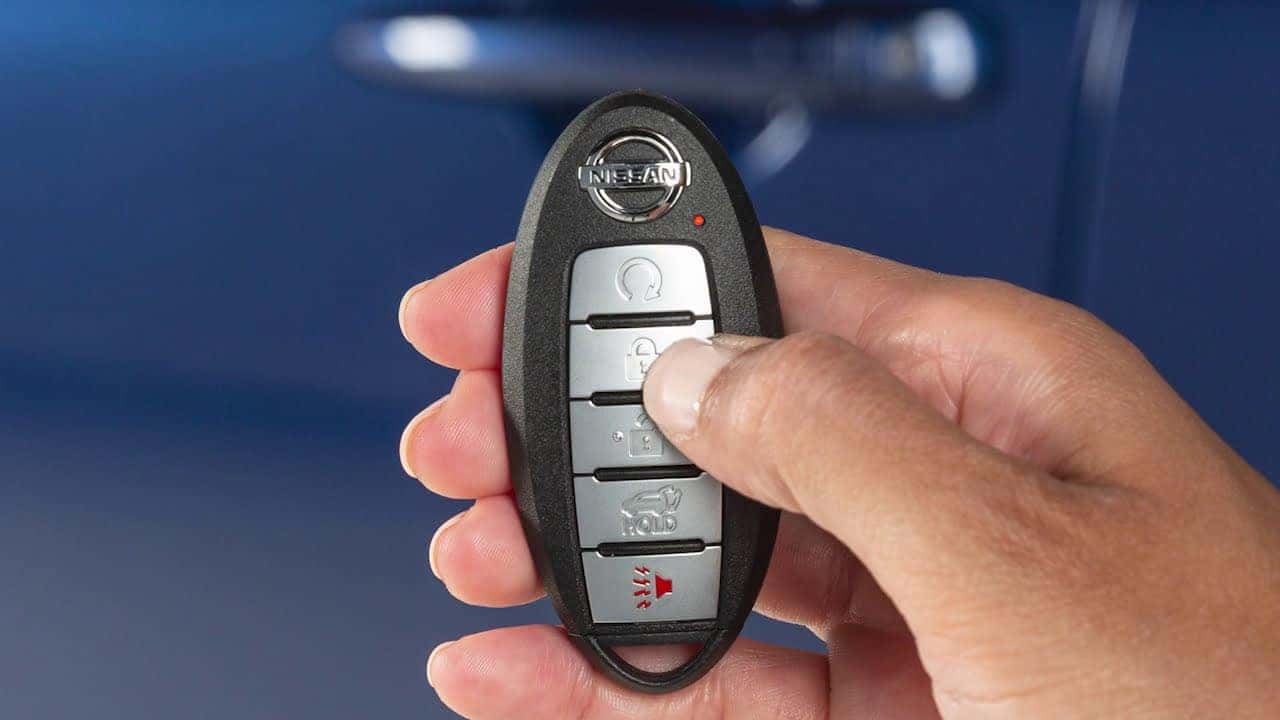
The Honda Accord includes a hidden convenience feature in many of its modern models that allows drivers to control the windows remotely using the key fob. This function is not always mentioned prominently in user guides, which is why many owners never realize it exists.
By pressing and holding the unlock button for a few seconds, all windows can roll down simultaneously, helping to ventilate the cabin before entering the vehicle on hot days. This small but practical feature improves comfort significantly in warm climates.
This feature is especially useful during the summer months when the interior temperature of a parked car can rise quickly. Instead of opening the doors and waiting for heat to escape, the remote window function allows air circulation to begin immediately.
In the Honda Accord, this is designed to work seamlessly with the vehicle’s electronic control system, ensuring smooth operation without requiring ignition.
If you accidentally leave the windows closed in a situation where ventilation is needed, you can adjust them from a short distance. This reduces the need to re-enter the vehicle just to make minor adjustments. It also adds a layer of modern convenience that aligns with smart vehicle design trends.
However, this feature may vary depending on the model year and region. Some versions of the Honda Accord may only support remote window down functionality and not window up for safety reasons. This limitation is intentional to avoid accidental closure risks when the driver cannot visually confirm surroundings.
This function shows how Honda integrates small quality-of-life improvements into the Accord that many drivers overlook entirely.
2. Trunk Release Mechanism Inside the Cabin
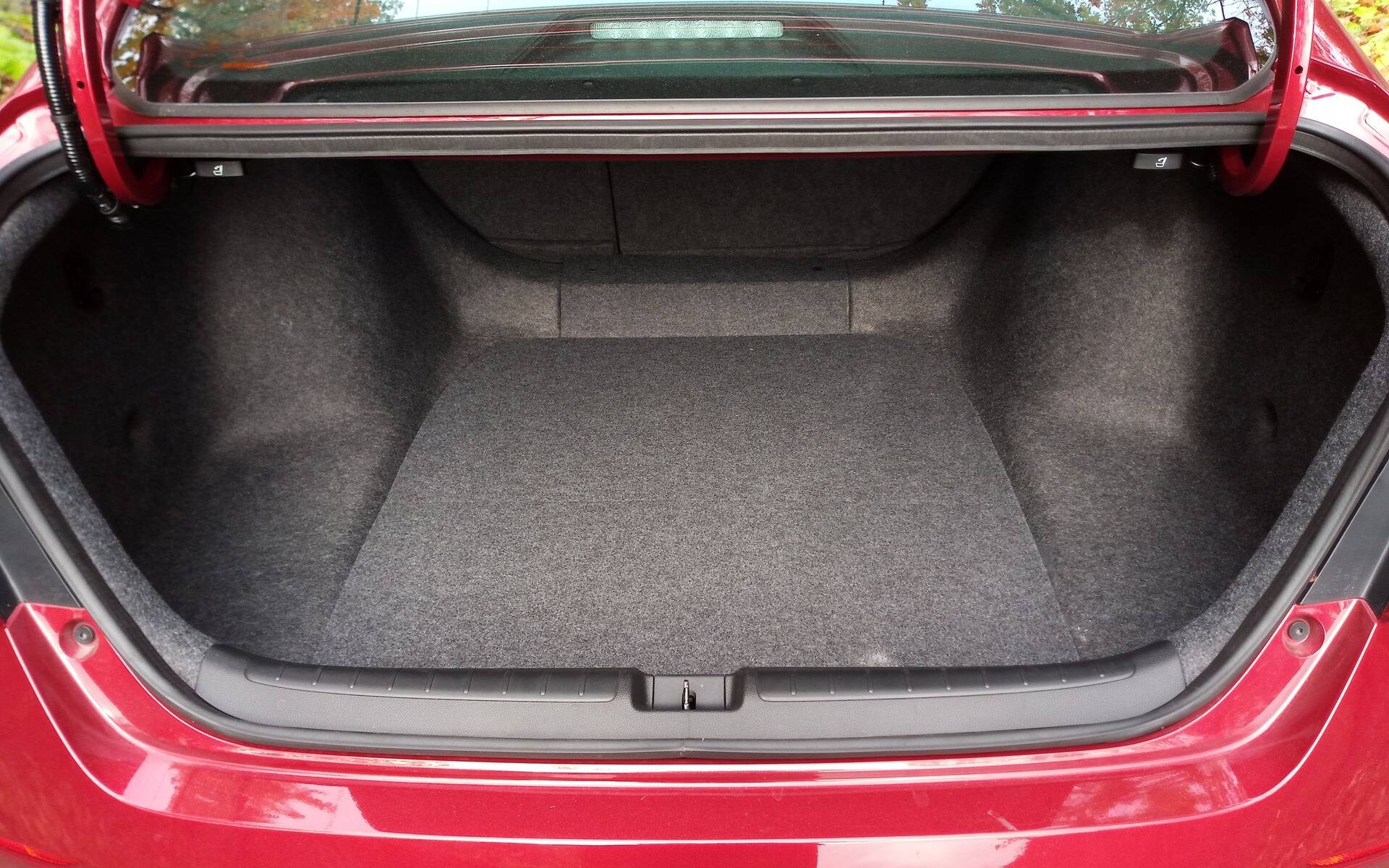
One lesser-known feature of the Honda Accord is the interior trunk release system that is subtly integrated into the driver area. While most people rely on the key fob or exterior button, there is often a manual release lever or button inside the cabin that serves as a backup mechanism. This feature is designed for emergencies and convenience, but is frequently forgotten by owners.
In many cases, this release system is located near the driver’s side floor area or inside the glove compartment, depending on the model year. The purpose is to provide a fail-safe method of accessing the trunk if electronic systems fail or the key fob is unavailable. In the Honda Accord, this redundancy reflects Honda’s focus on practical engineering.
This hidden mechanism is particularly useful in situations where the electronic trunk release stops responding due to battery issues. Instead of being locked out of storage space, drivers can still access the trunk manually. It ensures that essential access is never completely dependent on electronics alone.
Additionally, this feature can be helpful in emergency scenarios where quick trunk access is required. While not something used daily, its presence adds reassurance for long-term ownership of the vehicle.
Many owners are unaware of this system simply because they never encounter situations where it is needed, making it one of the most overlooked features in the Honda Accord.

3. ECON Mode Driving Behavior Feedback System
The Honda Accord includes an ECON mode that does more than just improve fuel efficiency. What many drivers do not realize is that it also provides subtle feedback on driving behavior through the instrument cluster. This system encourages smoother acceleration and more efficient driving habits.
When ECON mode is activated, the vehicle adjusts throttle response and air conditioning performance to optimize fuel consumption. However, it also modifies the display feedback so drivers can visually understand how efficiently they are driving. This creates a learning effect that helps improve long-term fuel economy.
In the Honda Accord, this system is designed to gently guide drivers rather than restrict performance completely. It allows for normal driving while subtly encouraging better habits such as gradual acceleration and steady speed maintenance.
The interesting aspect is how the system interacts with climate control. It may slightly reduce compressor load to conserve energy without significantly affecting comfort. Many drivers do not notice this change unless they actively compare ECON mode with normal mode.
This behavioral feedback system turns the Accord into a more interactive and educational driving experience.
4. Storage Compartments for Everyday Convenience
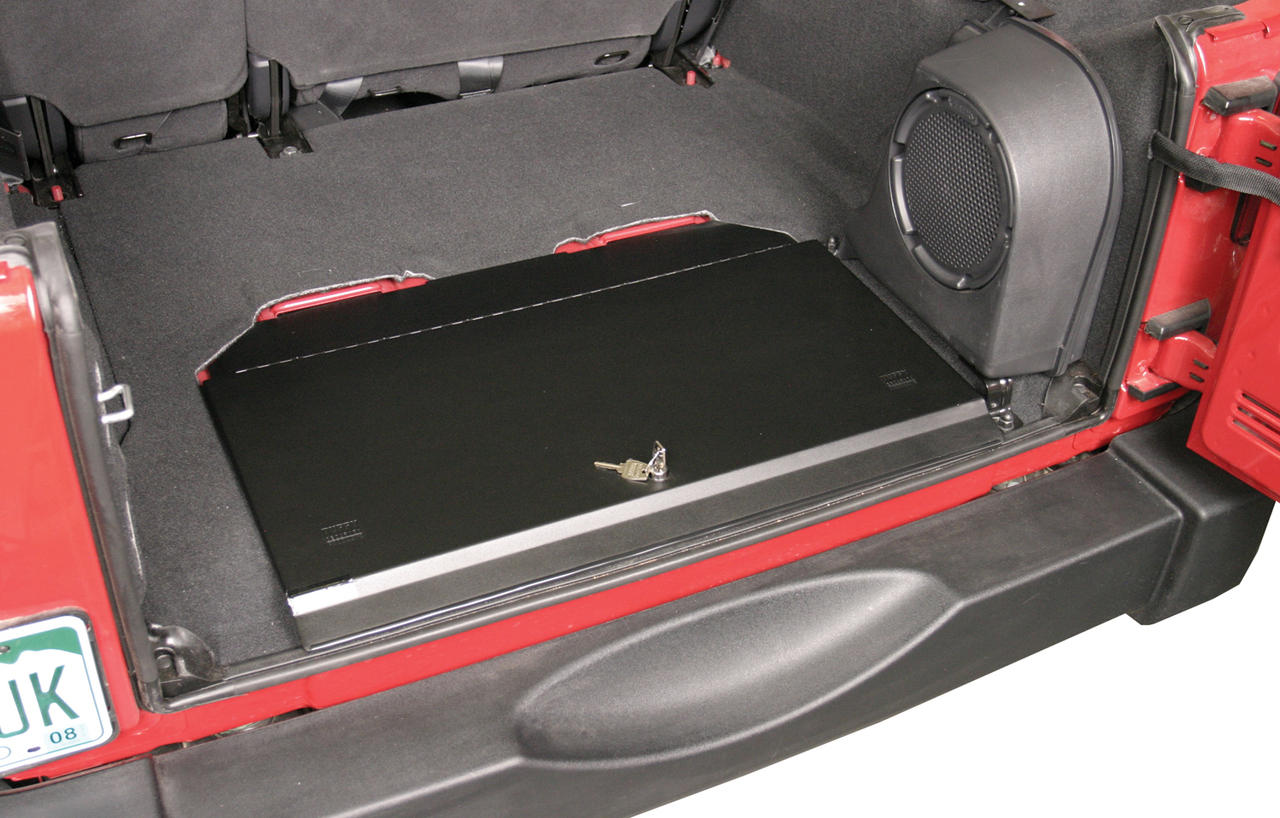
The Honda Accord is known for its clever use of interior space, and one of its lesser-known advantages is the presence of hidden or underutilized storage compartments. These are designed to maximize practicality without affecting cabin aesthetics.
For example, many models include discreet storage areas inside the center console, under armrests, or beneath floor panels. These spaces are not always immediately obvious, but can be very useful for storing small items securely.
In the Honda Accord, these compartments are integrated in a way that maintains a clean interior design. Honda prioritizes minimal clutter, so storage solutions are often built into existing structures rather than added as separate visible compartments.
These storage spaces are especially useful for organizing personal items like charging cables, documents, or emergency tools. Because they are not immediately visible, they also add a layer of security for valuables.
Many owners discover these compartments only after months or years of ownership, making them one of the most underrated aspects of the Accord’s interior design.

5. Steering Wheel Shortcut Controls for Deep Settings
The Honda Accord includes steering wheel controls that go beyond basic volume and call functions. Many drivers are unaware that these controls can be used to access deeper infotainment and driver assistance settings.
Depending on the model year, the steering wheel controls can be used to access a range of customization settings, including driver alerts, display preferences, and adjustments to the sensitivity of various safety systems.
In the Honda Accord, this design reduces the need to interact with the central touchscreen while driving, improving safety and convenience. It allows drivers to make adjustments without taking their hands off the wheel for long periods.
An advantage is the ability to quickly cycle through information screens such as fuel economy, trip data, and maintenance alerts. These shortcuts are often underused but extremely helpful for daily driving awareness.
This feature demonstrates how Honda integrates control simplicity with advanced functionality in a subtle way.
Also Read: 10 Cars That Drove Over 800,000 Miles
6. Walk Away Auto Lock Feature
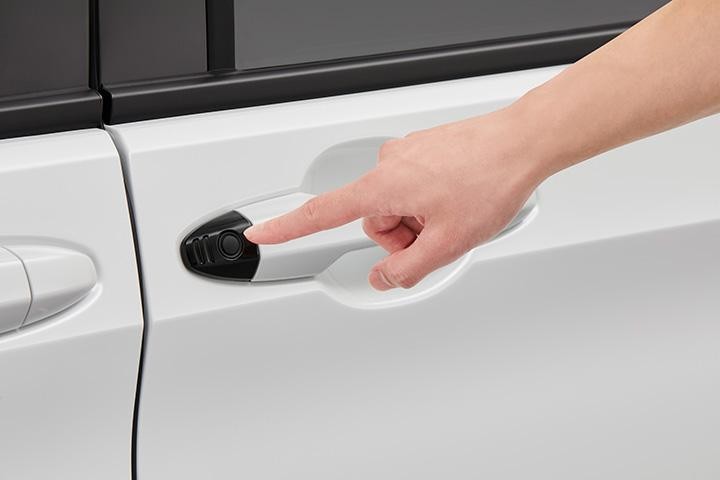
The Honda Accord includes a highly convenient security feature known as walk-away auto lock, which many owners either overlook or never fully customize. This system is designed to automatically lock the vehicle once the key fob moves beyond a certain distance from the car, removing the need for the driver to press the lock button manually.
While it sounds simple on the surface, the underlying system relies on proximity detection technology and intelligent verification to ensure that the key is genuinely outside the vehicle’s usable range before activating the lock sequence. This prevents accidental locking while the key is still inside the cabin or trunk, which could otherwise create inconvenience.
What makes this feature particularly useful in the Honda Accord is how it adapts to real-world usage patterns. In daily life, drivers are often distracted when leaving their vehicle, whether they are carrying bags, attending to passengers, or rushing into a building. In such situations, manual locking is easy to forget.
The walk-away auto lock system quietly takes over this responsibility, ensuring the car is secured without requiring conscious effort from the driver. Over time, this creates a habit-free security layer that operates in the background, which is exactly how modern automotive convenience features are designed.
One important aspect is customization. Depending on the model year and infotainment system in the Honda Accord, drivers can often enable or disable this feature, adjust the delay timing before locking, or pair it with additional security alerts.
This flexibility allows owners to tailor the system based on personal preferences, such as frequent short stops versus long parking durations. For example, someone who frequently loads and unloads items may choose a longer delay to avoid repeated locking cycles, while others may prefer immediate locking for maximum security.
From a safety perspective, the system also reduces human error. There are many real-world cases where vehicles are accidentally left unlocked in parking areas simply due to distraction. The walk-away auto lock feature minimizes this risk significantly.
It also integrates seamlessly with the Accord’s existing alarm and immobilizer systems, meaning that once the vehicle locks automatically, it is fully secured against unauthorized access attempts. This combination of automation and security makes it one of the most practical hidden features in the vehicle.
This feature demonstrates how the Honda Accord blends intelligent automation with everyday usability. It is not flashy or immediately noticeable, but it plays a major role in improving convenience and peace of mind, especially for drivers with busy routines.

7. Hidden Diagnostic and Check Mode
The Honda Accord contains an internal diagnostic and system check mode that is primarily intended for technicians but can sometimes be accessed through specific button sequences or service menus, depending on the model year.
This hidden layer of the vehicle’s software allows deeper inspection of system performance, sensor status, and electronic health indicators that are not typically visible through the standard driver interface. While most owners will never need to access this mode, it exists as part of Honda’s broader commitment to maintainability and advanced vehicle monitoring.
In practical terms, this diagnostic system can provide information about critical components such as battery voltage stability, engine sensor responses, emissions control systems, and warning history logs. In the Honda Accord, these insights help technicians quickly identify potential issues without disassembling large sections of the vehicle.
For example, if a warning light appears on the dashboard and then disappears, the system may still retain stored error codes that can be retrieved through diagnostic access. This helps in accurate troubleshooting and reduces unnecessary guesswork during servicing.
An interesting element is that this system often supports real-time monitoring of certain vehicle functions. During maintenance or advanced checks, technicians can observe live data streams from the engine and electronic control units.
This allows them to detect irregular patterns that may not yet trigger a warning light but could indicate early signs of wear or malfunction. In this sense, the diagnostic mode acts as an early warning system that enhances long-term reliability.
For advanced users who explore vehicle systems, the presence of this mode in the Honda Accord highlights the complexity hidden beneath its user-friendly exterior.
Modern vehicles are essentially computers on wheels, and Honda integrates multiple layers of software protection and monitoring. However, it is important to note that while some basic diagnostic screens may be accessible to owners, deeper system functions should only be used by trained professionals to avoid accidental changes to critical settings.
8. Rear Seat Release for Trunk Access
The Honda Accord features a highly practical yet often overlooked rear seat folding system that allows direct access between the cabin and the trunk.
While many drivers are aware that rear seats can fold down, fewer realize how strategically this system is designed to maximize both cargo flexibility and passenger comfort without compromising structural integrity. The release mechanisms are usually hidden within the seatback seams or upper edges, making them blend seamlessly into the interior design.
When activated, these latches allow the rear seatbacks to fold forward, creating a significantly larger cargo area that connects directly with the trunk space.
In the Honda Accord, this transformation is particularly useful for transporting long or bulky items such as furniture pieces, sports equipment, bicycles, or large luggage that would otherwise not fit into the standard trunk opening. The ability to extend cargo space in this way makes the Accord far more versatile than its exterior size might suggest.
Beyond simple storage expansion, this feature also plays a role in everyday convenience. For instance, drivers who frequently shop for household items or travel with mixed cargo and passengers can adapt the interior layout quickly without requiring any tools or complex adjustments.
The folding mechanism is engineered for ease of use, often requiring only a single pull or lever action before the seat collapses forward smoothly. This simplicity ensures that even less experienced users can operate it confidently.
In addition, the design of the Honda Accord ensures that when the seats are returned to their upright position, they lock securely into place, maintaining both passenger safety and structural stability.
The locking system is robust enough to prevent unwanted movement during driving, which is essential for maintaining comfort and safety for rear passengers. This balance between flexibility and security is a key reason why the Accord remains popular among families and long-distance drivers.
This hidden seat release system is a perfect example of how Honda integrates practical engineering into everyday usability. It does not draw attention to itself, yet it significantly enhances the vehicle’s functionality when needed, making the Accord a highly adaptable sedan.
9. Adaptive Cruise Control Hidden Fine Tuning
The Honda Accord is equipped with adaptive cruise control technology that goes beyond basic speed maintenance, offering hidden fine-tuning options that many drivers never explore.
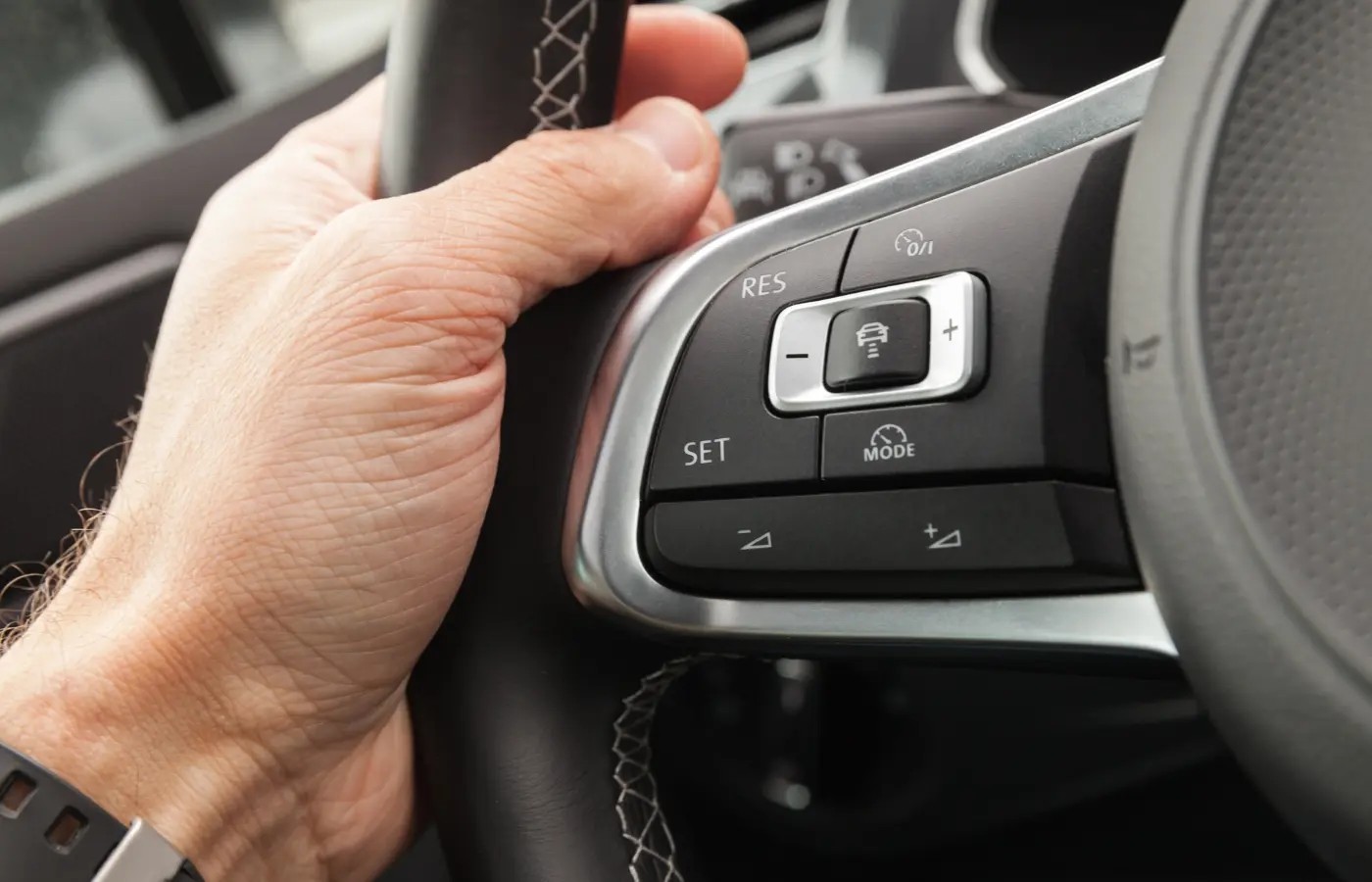
While most users simply activate cruise control for highway driving, the system actually includes adjustable parameters that influence how the vehicle responds to traffic conditions. These settings can typically be accessed through the infotainment system or steering wheel controls, depending on the model configuration.
One of the most important adjustable elements is following distance sensitivity. In the Honda Accord, drivers can select different distance levels that determine how closely the car follows the vehicle ahead.
A shorter distance setting creates a more responsive and tighter driving feel, which some drivers prefer in light traffic conditions, while a longer distance setting prioritizes safety and comfort during high-speed highway travel. This flexibility allows the system to adapt to different driving styles and environments.
One hidden aspect of this system is its smooth integration with braking and acceleration behavior. The Accord’s adaptive cruise control does not simply react abruptly; instead, it gradually adjusts speed to maintain comfort and fuel efficiency.
This creates a more natural driving experience that reduces fatigue during long journeys. In many cases, drivers do not realize how much the system is actively managing until they compare it with traditional cruise control systems in older vehicles.
In addition, the Honda Accord often integrates lane assist functions with adaptive cruise control, creating a semi-autonomous driving experience in certain conditions.
While this is not fully self-driving, it significantly reduces the mental workload on highways by assisting with steering corrections and speed adjustments simultaneously. These combined systems are designed to enhance safety without removing driver control.
The hidden tuning capabilities of adaptive cruise control demonstrate how the Accord provides a customizable driving experience. It allows users to balance comfort, responsiveness, and safety based on personal preference, making long-distance driving more efficient and less tiring.
10. Infotainment Customization and Shortcuts
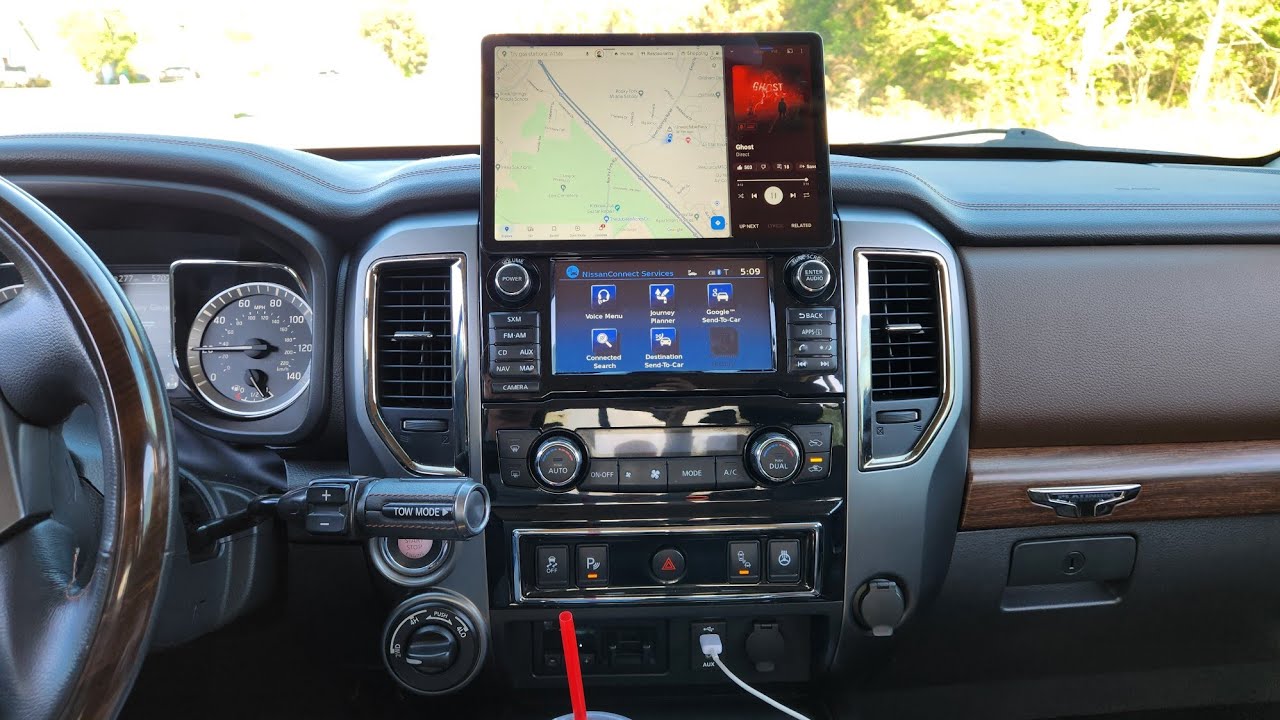
The Honda Accord includes a highly customizable infotainment system that offers a range of hidden settings and shortcut features designed to improve user experience. While most drivers only interact with basic functions such as navigation, music, or phone connectivity, the system actually contains deeper layers of customization that allow for a more personalized interface and smoother operation.
One of the key hidden aspects is the ability to reorganize menus and shortcuts. In many versions of the Honda Accord, users can rearrange home screen icons, prioritize frequently used apps, and adjust layout preferences to match their driving habits.
This reduces the time needed to access essential functions and minimizes distraction while driving. Over time, the system effectively adapts to the user’s preferences, creating a more intuitive interface.
The infotainment system can modify brightness, contrast, and even theme behavior based on lighting conditions. For example, during nighttime driving, the system may automatically switch to darker themes to reduce eye strain. Many users are unaware that these adjustments can also be manually fine-tuned for even greater comfort.
The Honda Accord also includes shortcut gestures and steering wheel integrated controls that allow quick access to frequently used settings.
These shortcuts reduce the need to interact directly with the touchscreen, improving safety by keeping the driver’s attention on the road. In some cases, long-press functions or multi-button combinations unlock additional menu layers that are not immediately visible in standard navigation.
These hidden infotainment customization options significantly enhance usability and personalization. They allow the Accord to feel more responsive to individual driver needs, turning a standard interface into a flexible and adaptive system.
