
Brakes are among the most important safety systems in any vehicle, yet many drivers unintentionally place excessive strain on them and fail to give them proper attention. Whether you spend most of your time in stop-and-go city traffic, cruising on highways, or driving through steep hills and mountain roads, the way you use your brakes has a direct impact on the lifespan of your brake pads, rotors, and other braking components.
Unfortunately, many drivers unknowingly develop habits that lead to premature brake wear, increased maintenance costs, and even dangerous driving conditions.
Understanding the driving mistakes that kill brakes early is essential not only for saving money but also for ensuring safety on the road. Brake systems are designed to withstand heat, friction, and repeated use, but they are not designed to compensate for poor driving behavior.
Simple actions such as sudden braking, riding the brakes downhill, or ignoring vehicle load limits can dramatically reduce the lifespan of your brake components. Over time, these habits create excessive heat buildup, uneven wear, and reduced braking efficiency.
In modern vehicles, braking systems are more advanced than ever, often including anti-lock braking systems and electronic brake distribution. However, even these technologies cannot fully protect your brake system from poor driving practices.
The responsibility still lies with the driver to use smooth, controlled, and mindful braking techniques. Small changes in driving behavior can significantly extend brake life and improve vehicle performance.
Another important factor is maintenance awareness. Many drivers delay brake inspections until they hear squealing noises or feel vibrations. By that point, damage is often already done. Preventive care, combined with better driving habits, is the key to avoiding costly repairs and ensuring consistent braking performance.
This article explores 8 common driving mistakes that kill brakes early, explaining how each habit damages your braking system and what you can do instead. By understanding these mistakes in detail, you can extend the life of your brakes, improve fuel efficiency, and enhance driving safety.
Also Read: 7 Most Reliable Motorcycles You Can Buy Today

1. Riding the Brakes While Driving Downhill
The most damaging habits for brake systems is continuously pressing or partially engaging the brakes while driving downhill. Many drivers do this to maintain a constant slow speed, but it leads to excessive heat buildup in the brake pads and rotors. When brakes overheat, their effectiveness reduces, a condition often called brake fade.
This constant friction prevents the brake system from cooling down properly. Over time, the brake pads wear down much faster than normal, and the rotors may become warped due to uneven heat distribution. Warped rotors can cause vibrations during braking and reduce control of the vehicle.
A better approach is to use engine braking. By shifting to a lower gear, the engine helps control the vehicle’s speed without putting continuous pressure on the braking system. This reduces strain on brake components and helps maintain consistent performance even on long descents.
In automatic vehicles, most transmissions have a manual mode or lower gear settings like L or 2. Using these settings can significantly reduce brake usage on slopes. Many drivers ignore this feature, which leads to unnecessary brake damage over time.
Developing the habit of controlled downhill driving not only extends brake life but also improves safety by preventing brake overheating in critical situations.
2. Sudden and Hard Braking Frequently
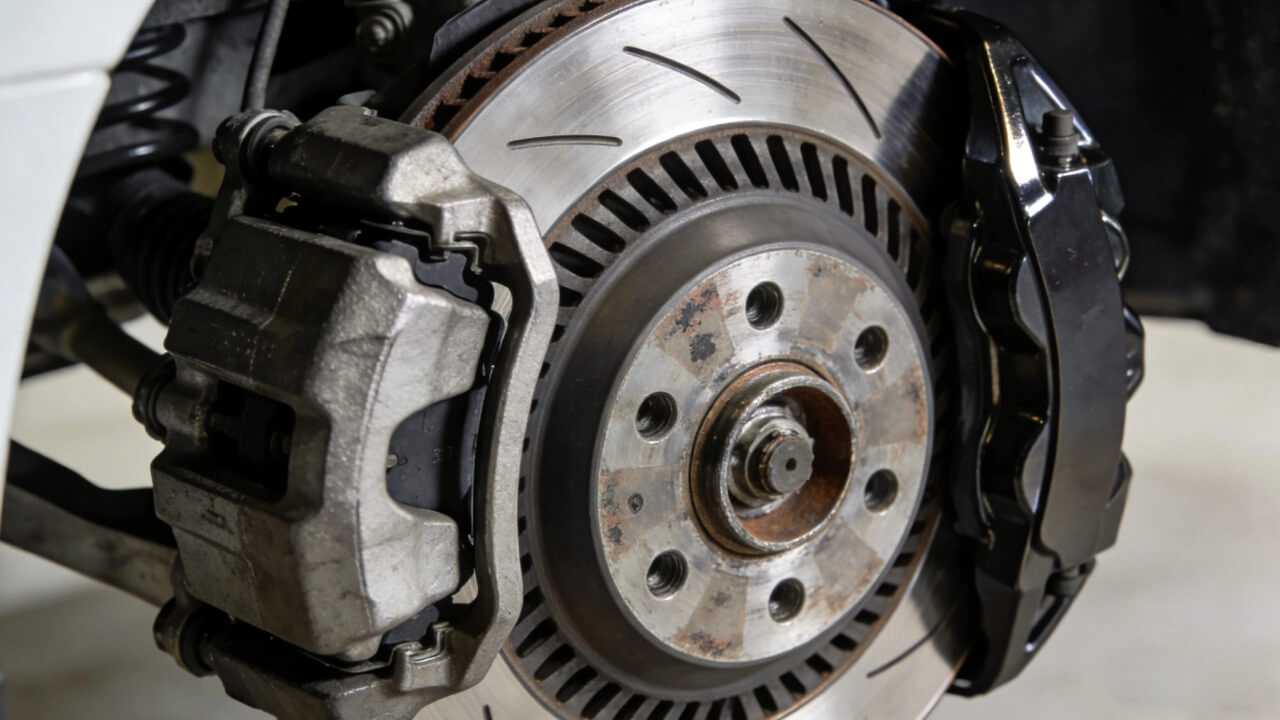
Frequent hard braking is another major reason brakes wear out prematurely. When drivers accelerate aggressively and then stop suddenly, the braking system experiences intense friction and heat in a short time. This repeated stress accelerates wear on brake pads and rotors.
Hard braking also causes uneven wear patterns. The front brakes typically handle most of the stopping force, so aggressive braking puts additional pressure on them. This leads to faster degradation of front brake components compared to the rear ones.
In addition, sudden braking reduces fuel efficiency and increases tire wear. It also creates unsafe driving conditions, especially in traffic, where smooth braking helps maintain better control and spacing between vehicles.
A smoother driving style, often called defensive driving, helps avoid unnecessary stress on brakes. By anticipating traffic flow and maintaining a safe distance, drivers can slow down gradually instead of stopping abruptly.
Over time, consistent smooth braking can significantly extend brake pad life and improve driving comfort.

3. Overloading the Vehicle Beyond Capacity
Driving with excessive load is another common mistake that kills brakes early. When a vehicle carries more weight than recommended, the braking system must work much harder to bring it to a stop. This increases heat generation and accelerates brake wear.
Overloading also affects stopping distance. A heavier vehicle requires more force and longer distance to stop safely. This puts drivers in situations where they may brake harder and more frequently, further increasing wear.
Suspension and tire systems also suffer under excess weight, which indirectly affects braking efficiency. Poor tire grip due to overloading can make braking less stable and more stressful on brake components.
Manufacturers provide specific load limits for a reason. Ignoring these limits not only damages brakes but also compromises vehicle safety and handling.
By respecting load capacity and distributing weight properly, drivers can significantly reduce brake strain and maintain better control of the vehicle.
4. Ignoring Brake Fluid Condition
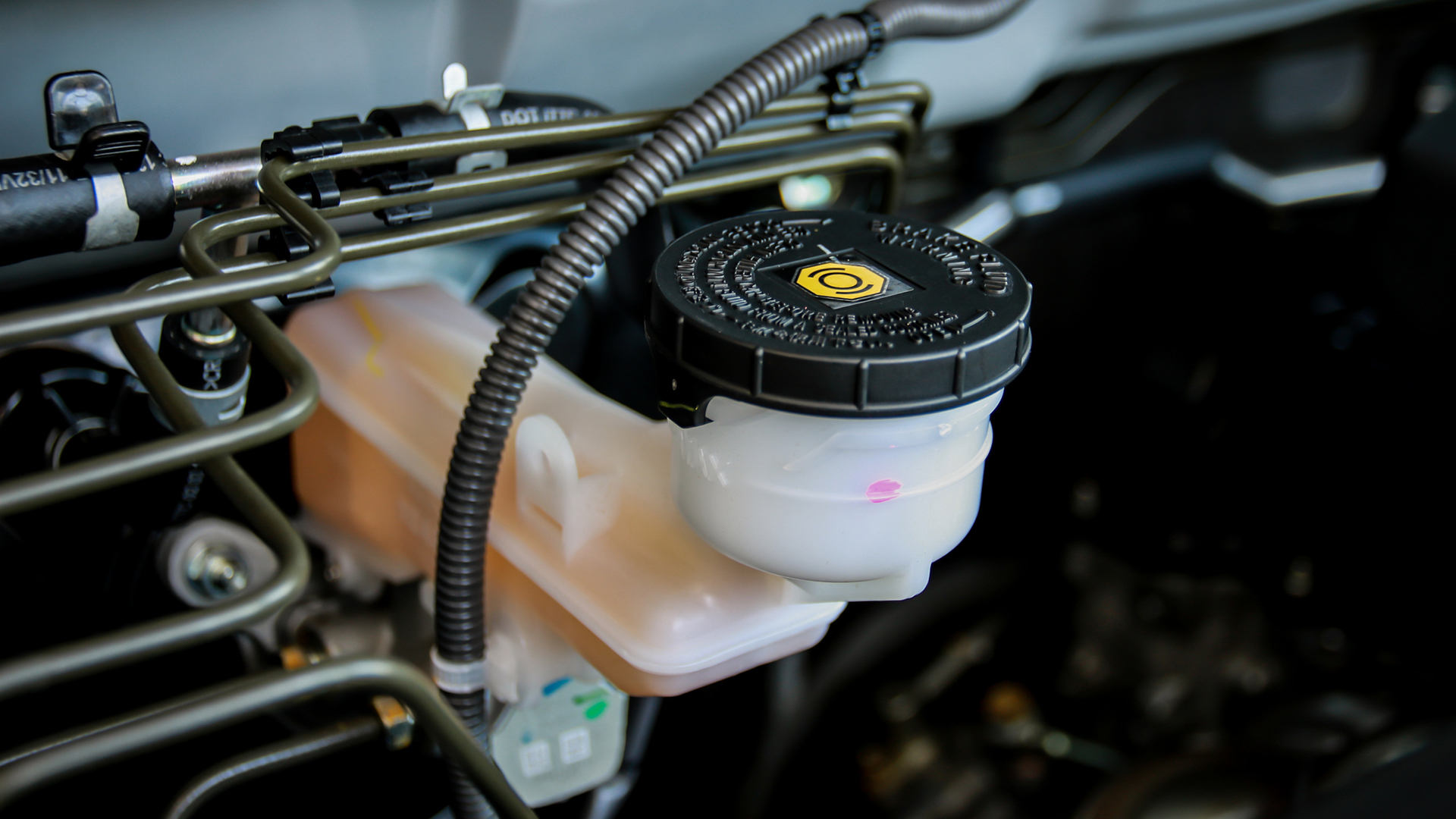
Brake fluid plays a crucial role in transferring force from the brake pedal to the braking system. Ignoring its condition is one of the most overlooked driving related mistakes that leads to brake problems.
Old or contaminated brake fluid absorbs moisture over time, which reduces its boiling point. When this happens, braking efficiency drops, especially under heavy use, leading to a spongy brake pedal feel and reduced stopping power.
Low brake fluid levels can also indicate leaks or worn components. If ignored, this can lead to air entering the braking system, making brakes less responsive and increasing wear on mechanical parts.
Regular brake fluid replacement is essential for maintaining consistent braking performance. Most manufacturers recommend changing brake fluid every two to three years, depending on driving conditions.
By keeping brake fluid clean and at proper levels, drivers ensure smoother braking response and reduce unnecessary stress on brake pads and rotors.
5. Aggressive Stop and Go Driving in Traffic
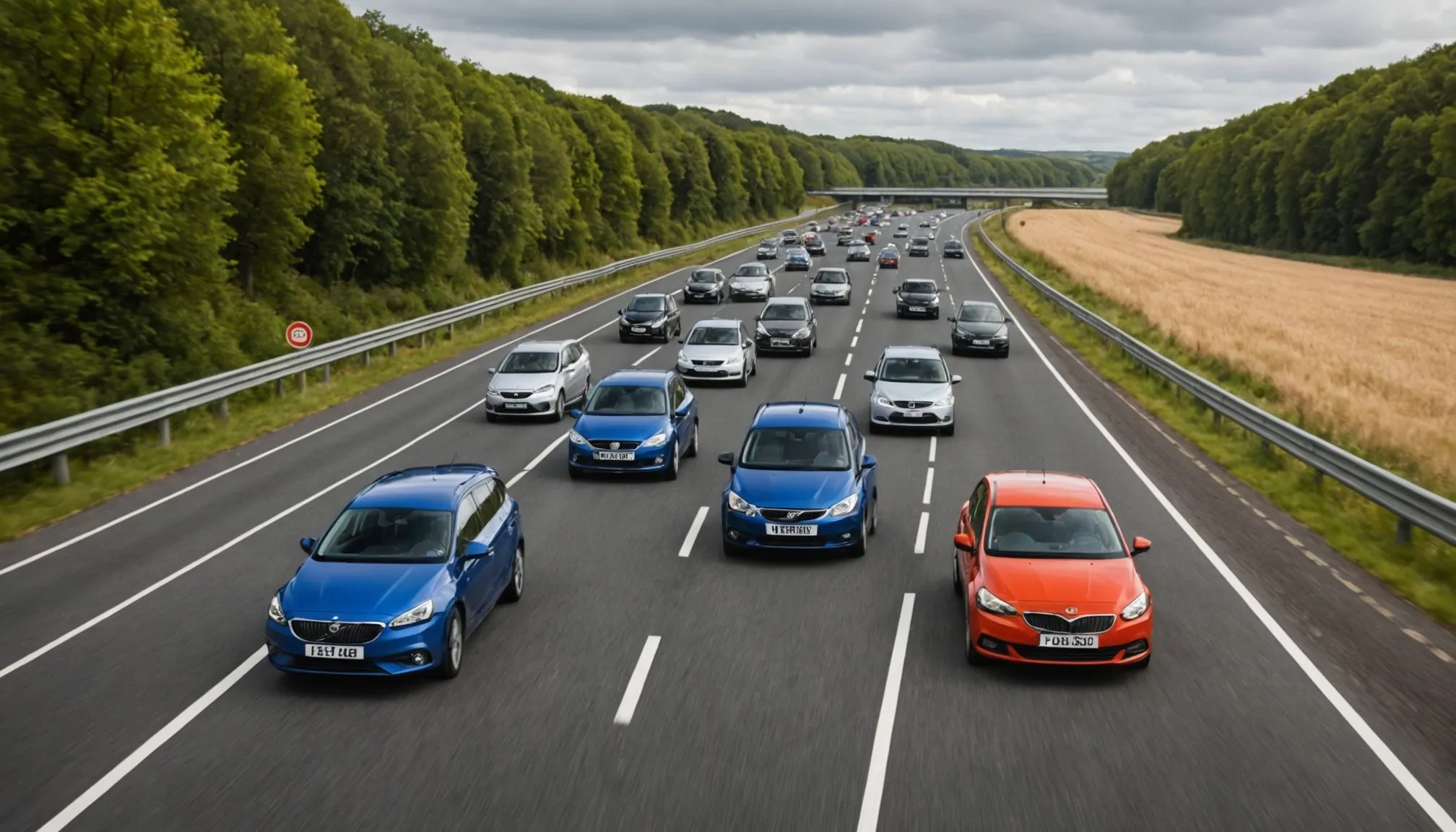
Urban traffic conditions often lead to frequent stop and go driving, which can heavily impact brake life. However, aggressive acceleration followed by hard braking makes the situation much worse.
This driving pattern creates constant heat cycles in the braking system. The repeated heating and cooling of brake components leads to faster wear and reduces durability.
In congested traffic, some drivers tend to speed up quickly whenever a gap appears, only to brake suddenly again. This behavior is one of the fastest ways to reduce brake pad lifespan.
Maintaining steady speed and leaving adequate distance from the vehicle ahead can reduce the need for constant braking. Anticipating traffic flow helps minimize unnecessary brake usage.
Over time, smoother driving in traffic not only preserves brakes but also reduces driver fatigue and improves fuel economy.
Also Read: 10 Cars That Drove Over 800,000 Miles
6. Riding the Clutch While Braking
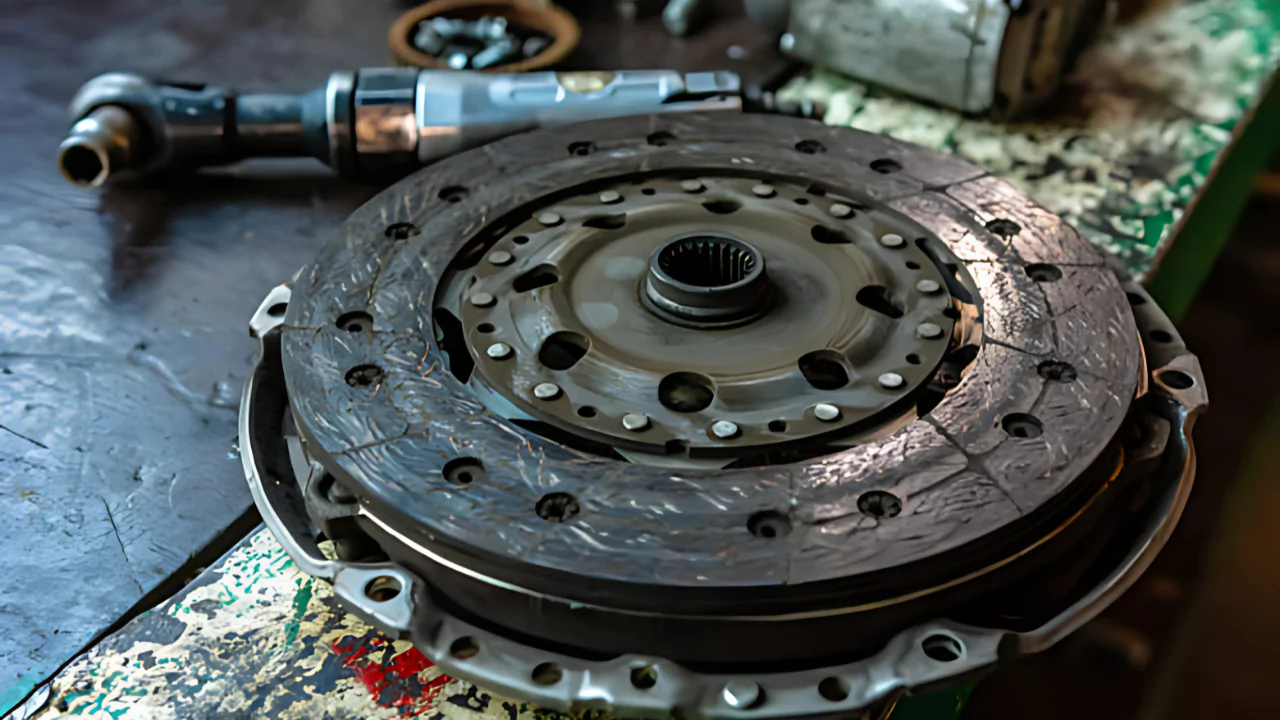
In manual transmission vehicles, riding the clutch while braking or during slow movement is a harmful habit that indirectly increases brake wear. When the clutch is partially engaged, it creates unnecessary strain on both the transmission and braking system.
This habit often leads drivers to rely more on brakes to compensate for poor gear control. As a result, brakes are used more frequently and intensely than necessary.
It also reduces engine braking efficiency, which normally helps reduce load on the brakes. Without proper engine braking, the brake system carries the full responsibility of slowing the vehicle.
Over time, this leads to overheating and faster degradation of brake pads. It can also affect driving smoothness and vehicle control.
Proper gear usage and timely shifting help distribute workload between engine and brakes, significantly improving brake life.
7. Delaying Regular Brake Maintenance
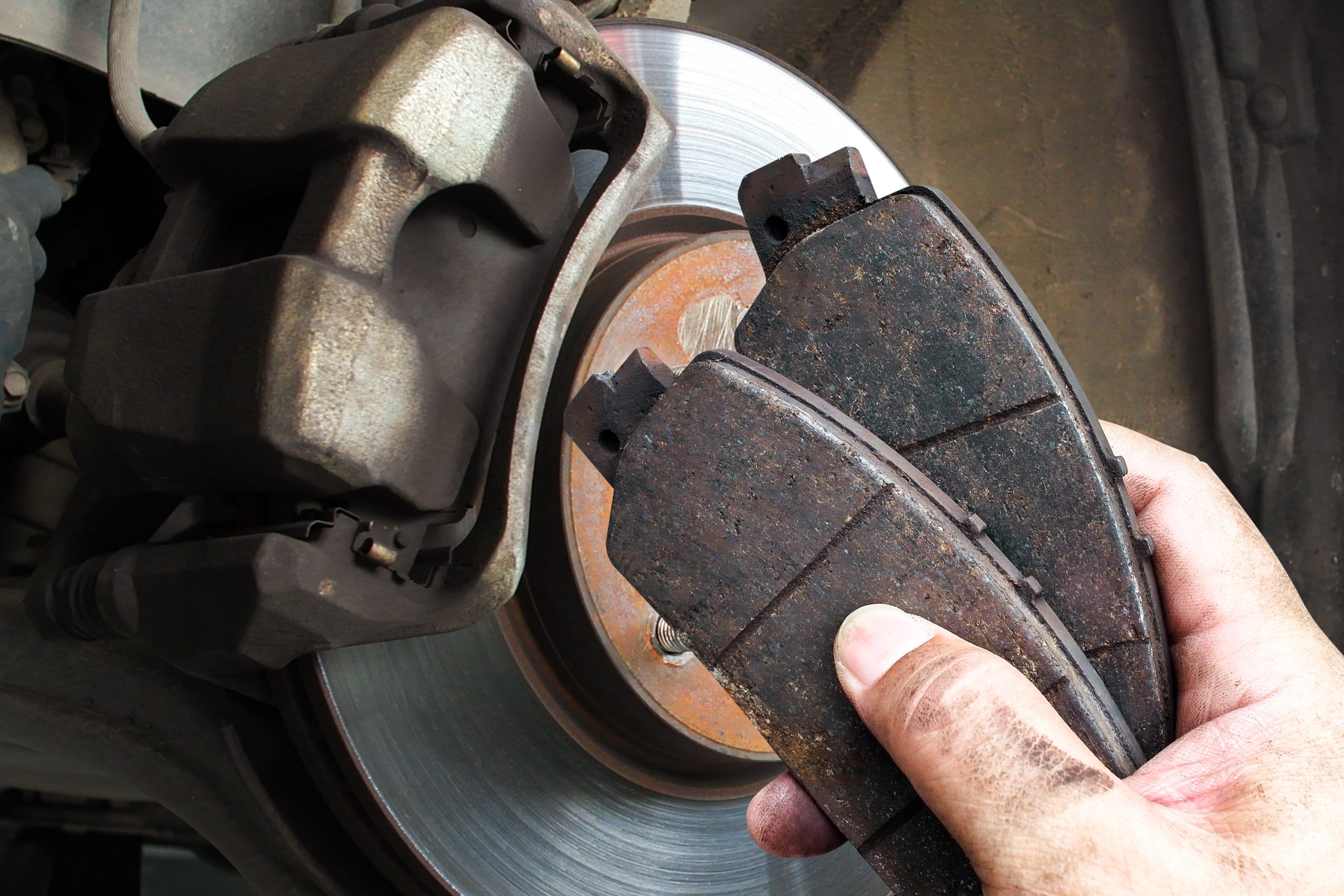
One of the most costly mistakes drivers make is delaying brake inspections until a problem becomes noticeable. By the time symptoms like squealing, vibration, or reduced stopping power appear, damage is often already advanced.
Brake pads have wear indicators, but ignoring them can lead to metal-to-metal contact, which damages rotors and significantly increases repair costs.
Regular maintenance allows early detection of issues such as uneven wear, fluid leaks, or caliper problems. Addressing these early prevents further damage to the braking system.
Many drivers avoid maintenance due to cost or inconvenience, but this often leads to much higher expenses later.
Routine inspections ensure brakes remain in optimal condition and significantly extend their lifespan.
8. Using Low Quality or Incorrect Brake Parts
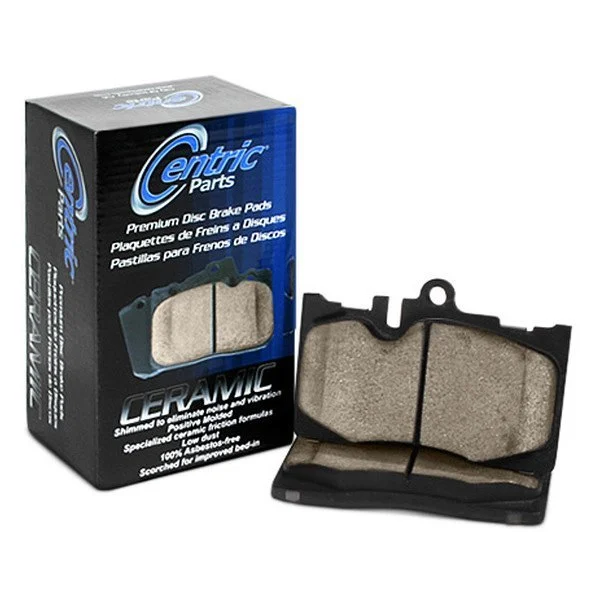
Choosing cheap or incorrect brake components is another major factor that kills brakes early. Low-quality brake pads often wear out faster and generate more heat during braking.
Incorrect parts may not match the vehicle’s braking system requirements, leading to uneven wear and reduced performance. This can also affect rotor condition and braking stability.
High-quality brake components are designed to withstand heat and friction more effectively, providing better durability and safety.
While cheaper options may seem cost-effective initially, they often result in more frequent replacements and higher long-term costs.
Using manufacturer-recommended or high-quality aftermarket parts ensures better braking performance and longer system life.
