
The three-row SUV segment has become a cornerstone of the automotive industry, blending family practicality, advanced technology, and strong styling. For 2027, many leading models are entering a major redesign cycle focused on electrification, with automakers introducing hybrid, plug-in hybrid, and fully electric powertrains to meet consumer demand for better efficiency, lower emissions, and improved performance.
Interiors are also evolving, featuring larger infotainment displays, digital dashboards, voice controls, over-the-air updates, and more spacious third-row seating. Safety technology is advancing through enhanced radar, camera, and lidar systems that support semi-autonomous driving features, automated parking, and improved driver assistance.
Combined with stronger crash protection and new vehicle platforms, these redesigns signal a significant shift in SUV design, highlighting the industry’s transition toward smarter, safer, and more sustainable mobility.
Also Read: 7 Most Reliable Motorcycles You Can Buy Today
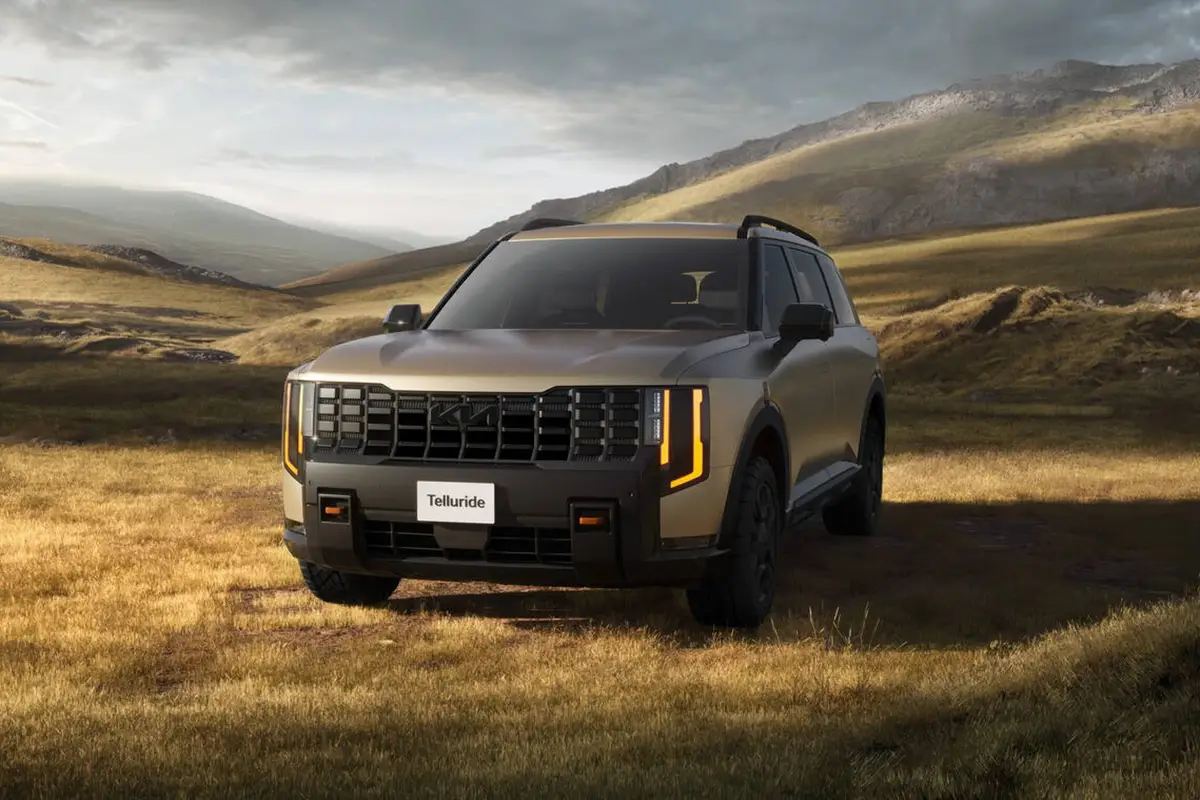
- Engine (expected): 3.5L V6 or 2.5L turbo hybrid (new generation option)
- Horsepower (expected): 291 hp (V6) or ~330 hp (hybrid)
- Torque (expected): 262 lb-ft (V6) or ~311 lb-ft (hybrid)
- Length (expected): ~196.5 to 198.0 inches
- Width (expected): ~78.0 inches
1. Kia Telluride
The Kia Telluride has established itself as one of the most successful midsize three-row SUVs thanks to its strong value proposition, bold design, and well-balanced driving characteristics.
For 2027, the Telluride is expected to enter a new generation that further refines its winning formula while introducing significant mechanical and technological improvements. Rather than completely reinventing the SUV, Kia aims to make the Telluride more upscale, capable, and efficient while preserving the qualities that have made it so popular with families.
From a design perspective, the 2027 Telluride is expected to adopt a more upright and modern exterior with sharper lighting signatures and improved aerodynamics.
Kia’s newer global design language suggests a more sophisticated front fascia with vertical LED elements and a cleaner grille structure. The SUV is also expected to grow slightly in dimensions, improving both passenger comfort and cargo capacity.
The Telluride is likely to receive one of its biggest upgrades yet. A fully digital dashboard layout is expected, featuring a wide panoramic display that integrates both the instrument cluster and infotainment system.
Kia will also focus heavily on material quality, introducing softer surfaces, improved stitching, and enhanced sound insulation to create a quieter driving experience. The third row, already one of the better ones in its class, is expected to become even more usable for adults.
Under the hood, the most important change is the introduction of hybrid powertrains. A turbocharged hybrid setup is expected to replace or supplement the current V6 engine in some markets.
This system will aim to balance performance with improved fuel efficiency, making the Telluride more competitive in an increasingly electrified segment. All-wheel drive systems are also expected to be refined for better traction and stability.
The Telluride redesign is positioned to strengthen Kia’s reputation as a leader in the value-oriented three-row SUV category, combining practicality, modern technology, and improved efficiency.
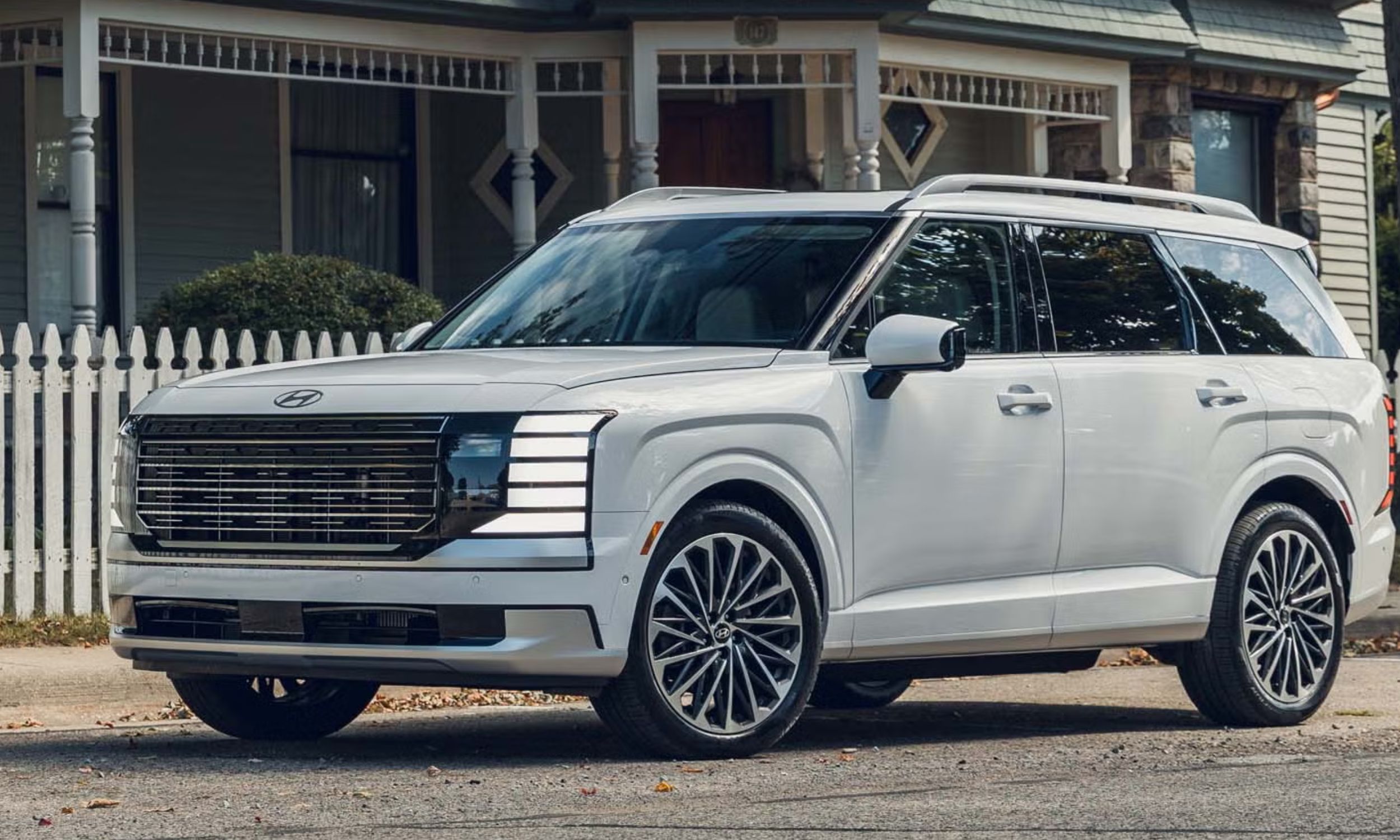
- Engine (expected): 3.5L V6 or 2.5L turbo hybrid system
- Horsepower (expected): 290 hp (V6) or ~335 hp (hybrid)
- Torque (expected): 262 lb-ft or ~310 lb-ft hybrid equivalent
- Length (expected): ~197 inches
- Width (expected): ~78.3 inches
2. Hyundai Palisade
The Hyundai Palisade, closely related to the Kia Telluride, is also preparing for a full redesign in 2027, but with a slightly different strategic direction. While the Telluride focuses on rugged sophistication, the Palisade is expected to lean further into premium luxury territory, positioning itself as a near-luxury alternative at a mainstream price point.
The exterior redesign is expected to be more futuristic compared to the outgoing model. Hyundai is likely to incorporate its newer design philosophy, featuring vertical lighting signatures, a wider stance, and smoother aerodynamic surfaces. The goal is to make the Palisade feel more upscale and distinct from its corporate sibling while improving efficiency and road presence.
A redesigned dashboard will likely feature dual integrated screens, a new infotainment interface, and enhanced voice control capabilities powered by AI-based systems.
Hyundai is also expected to improve seating comfort significantly, especially in the second row, where captain chairs may receive ventilation, heating, and extended recline functions.
In terms of powertrain options, hybridization will play a key role. Hyundai is expected to introduce a more advanced hybrid system that improves both fuel economy and torque delivery. Depending on the market, a plug-in hybrid variant may also be introduced to appeal to urban buyers seeking electric-only driving capability for short distances.
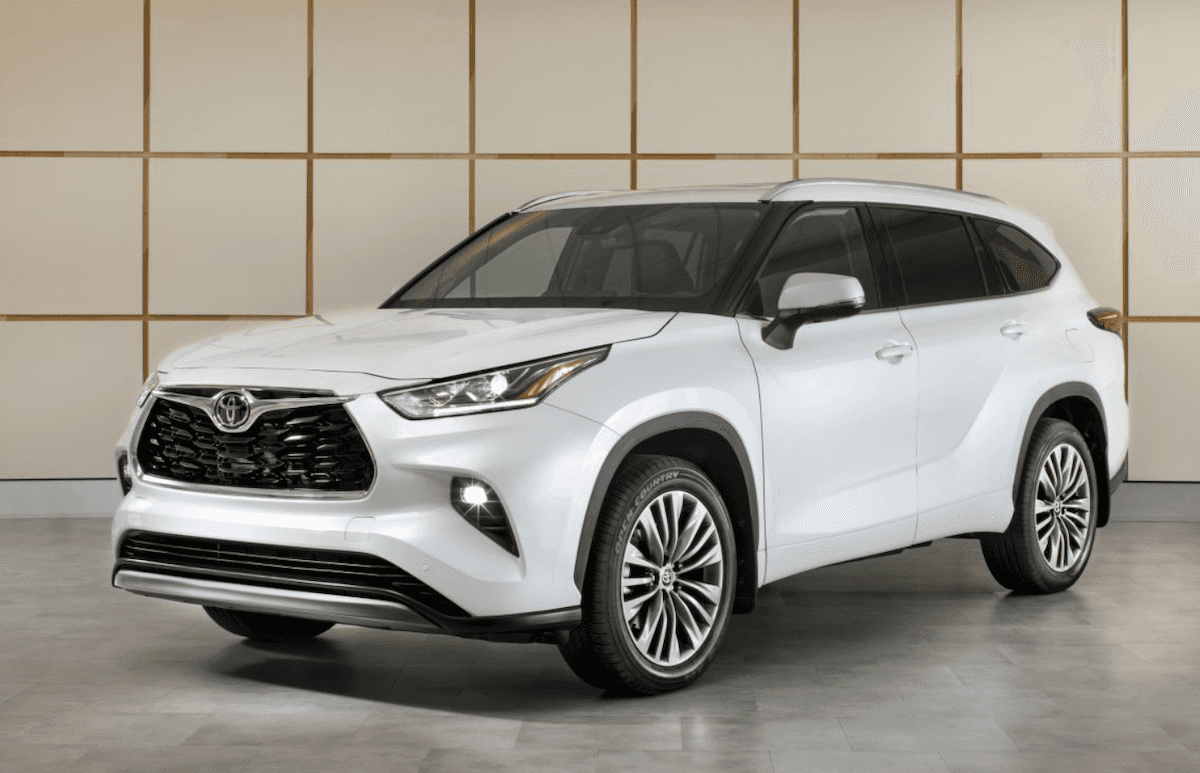
- Engine (expected): Dual-motor electric AWD system
- Horsepower (expected): ~310 hp to 375 hp depending on trim
- Torque (expected): ~320 to 450 lb-ft (instant electric torque)
- Length (expected): ~195 to 200 inches
- Width (expected): ~78 to 79 inches
3. Toyota Highlander
The Toyota Highlander is undergoing one of the most significant transformations in its history for the 2027 model year. Unlike previous updates that focused on refinement, the next-generation Highlander is expected to transition into a fully electric SUV, marking a major strategic shift for Toyota in the midsize family SUV category.
The exterior design will likely adopt a completely new aerodynamic profile, optimized for electric efficiency. This includes a more sculpted body, flush door handles, and a closed-off front fascia typical of modern EV design language. Toyota is expected to focus heavily on reducing drag while maintaining a strong and recognizable SUV identity.
The Highlander is expected to undergo a complete redesign centered around digital integration. A large central touchscreen, minimal physical controls, and a fully digital instrument cluster are anticipated. The cabin will likely emphasize space efficiency, made possible by the flat-floor EV architecture, which improves legroom across all three rows.
Performance expectations include multiple battery configurations offering different range levels, with an emphasis on balancing long-distance capability and affordability.
Toyota is also expected to integrate its latest suite of driver assistance technologies, improving safety and semi-autonomous driving functionality.
The new Highlander EV represents a pivotal moment for Toyota, signaling its commitment to electrification in mainstream family SUVs.
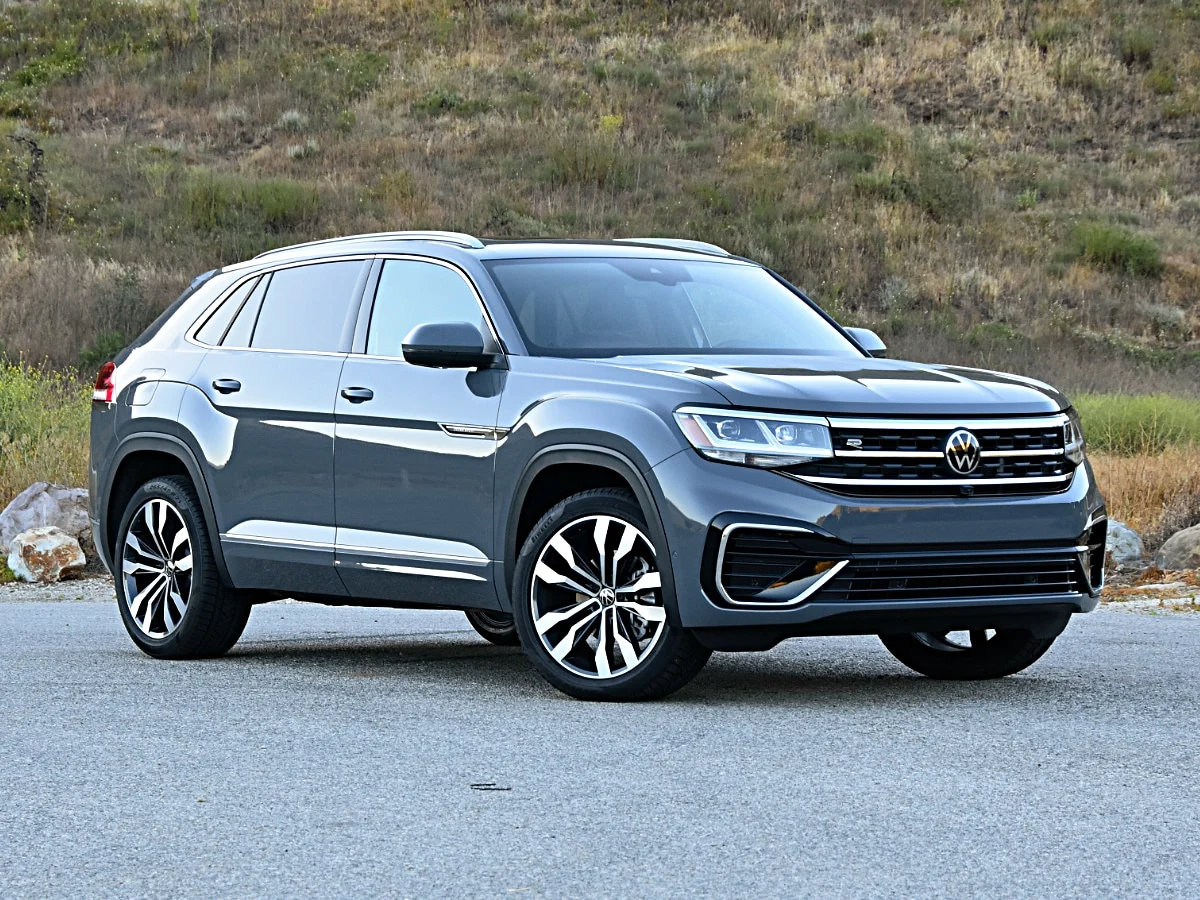
- Engine (expected): 2.0L turbo I4 (updated) or hybrid variant
- Horsepower (expected): 269 hp (ICE) or ~300 hp (hybrid)
- Torque (expected): 273 lb-ft (ICE) or ~300+ lb-ft (hybrid)
- Length (expected): ~200 to 202 inches
- Width (expected): ~78.3 inches
4. Volkswagen Atlas
The Volkswagen Atlas is finally set for a full redesign in 2027, addressing years of incremental updates and bringing it closer in line with Volkswagen’s global SUV strategy. The new Atlas is expected to be more refined, more efficient, and significantly more technologically advanced than the outgoing model.
Externally, the Atlas will adopt a cleaner and more modern design language with sharper proportions and improved aerodynamics. The front end is expected to feature slimmer headlights, a redesigned grille, and a more sculpted bumper layout. The look will be less bulky and more premium compared to previous generations.
Volkswagen is expected to introduce notable upgrades to both the interior materials and technology. A larger infotainment screen, a more refined software interface, and greater use of ambient lighting should create a more modern and inviting cabin. The interior layout is also expected to be redesigned with usability in mind, making the vehicle more practical and comfortable for families.
Powertrain updates are expected to focus on efficiency improvements, with a turbocharged engine receiving updates for better performance and fuel economy. Hybrid variants may also be introduced depending on market demand, especially in regions with stricter emissions regulations.
- Engine (expected): 2.0L turbo I4 mild hybrid or 3.0L V6 hybrid
- Horsepower (expected): 261 hp to ~375 hp (higher trims)
- Torque (expected): 273 lb-ft to ~369 lb-ft
- Length (expected): ~199 inches
- Width (expected): ~77.5 inches
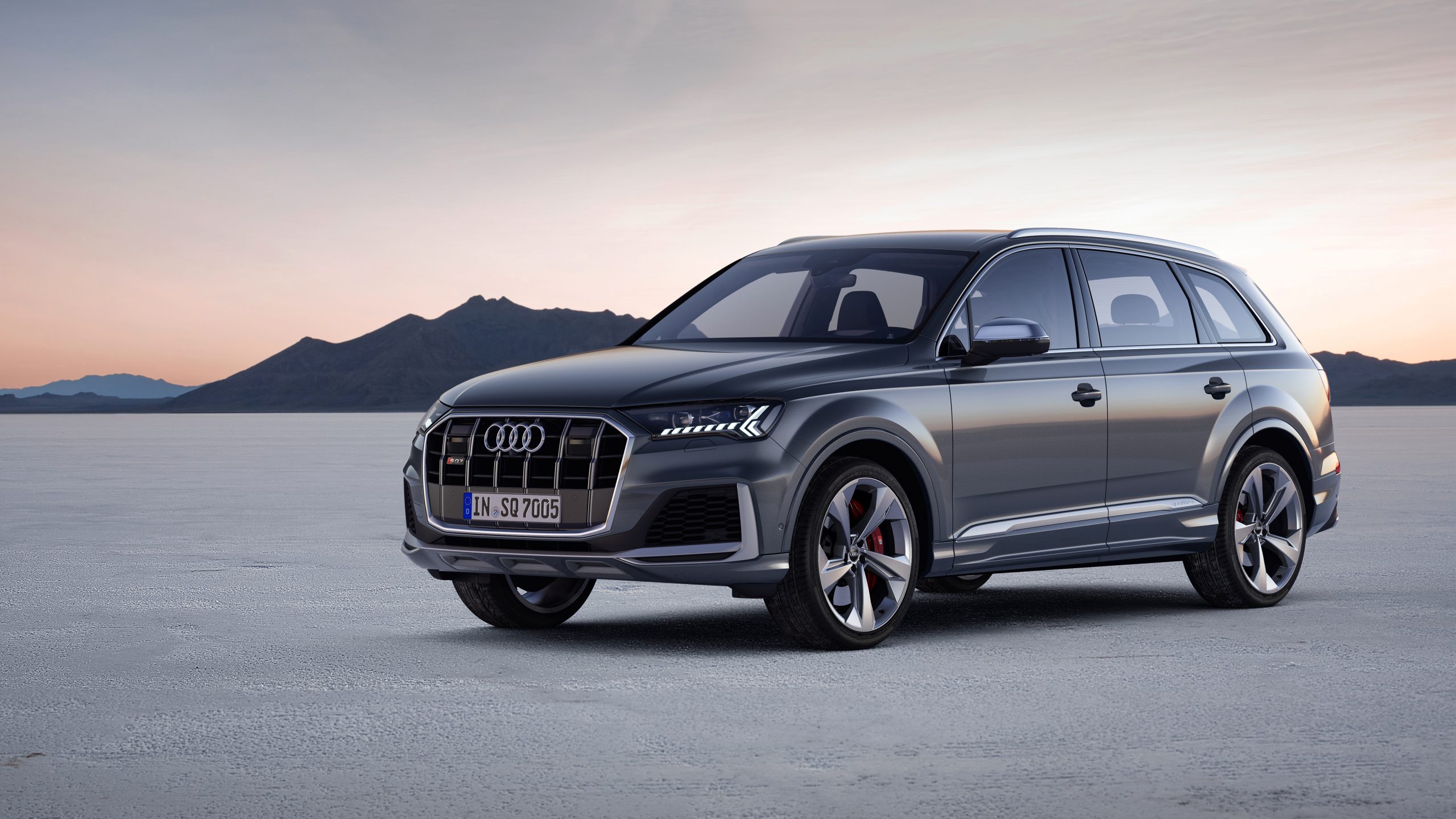
5. Audi Q7
The Audi Q7 is expected to enter a new generation for 2027, continuing its role as one of the most important luxury three-row SUVs in the global market. Audi is likely to focus heavily on design refinement, digital technology, and improved driving dynamics.
The exterior will evolve with sharper lines, updated lighting signatures, and a more aggressive yet elegant stance. Audi’s signature understated luxury design language will remain, but with a more modern and tech-focused appearance.
The Q7 is expected to receive a fully redesigned digital cockpit featuring multiple integrated displays, improved infotainment responsiveness, and enhanced connectivity features. Audi will continue emphasizing premium materials, including leather, wood, and brushed metal finishes.
Powertrains are expected to include advanced hybrid systems and refined gasoline engines, with a focus on efficiency and performance balance. Audi’s Quattro all-wheel-drive system will also be updated for improved handling and traction.
The 2027 Q7 is expected to maintain its position as a benchmark in the luxury three-row SUV category.
Also Read: 10 Cars That Drove Over 800,000 Miles
- Engine (expected): 3.0L inline-6 mild hybrid or 4.0L V8 AMG hybrid
- Horsepower (expected): 375 hp to ~612 hp (AMG variant)
- Torque (expected): 369 lb-ft to ~627 lb-ft
- Length (expected): ~205 inches
- Width (expected): ~79.9 inches
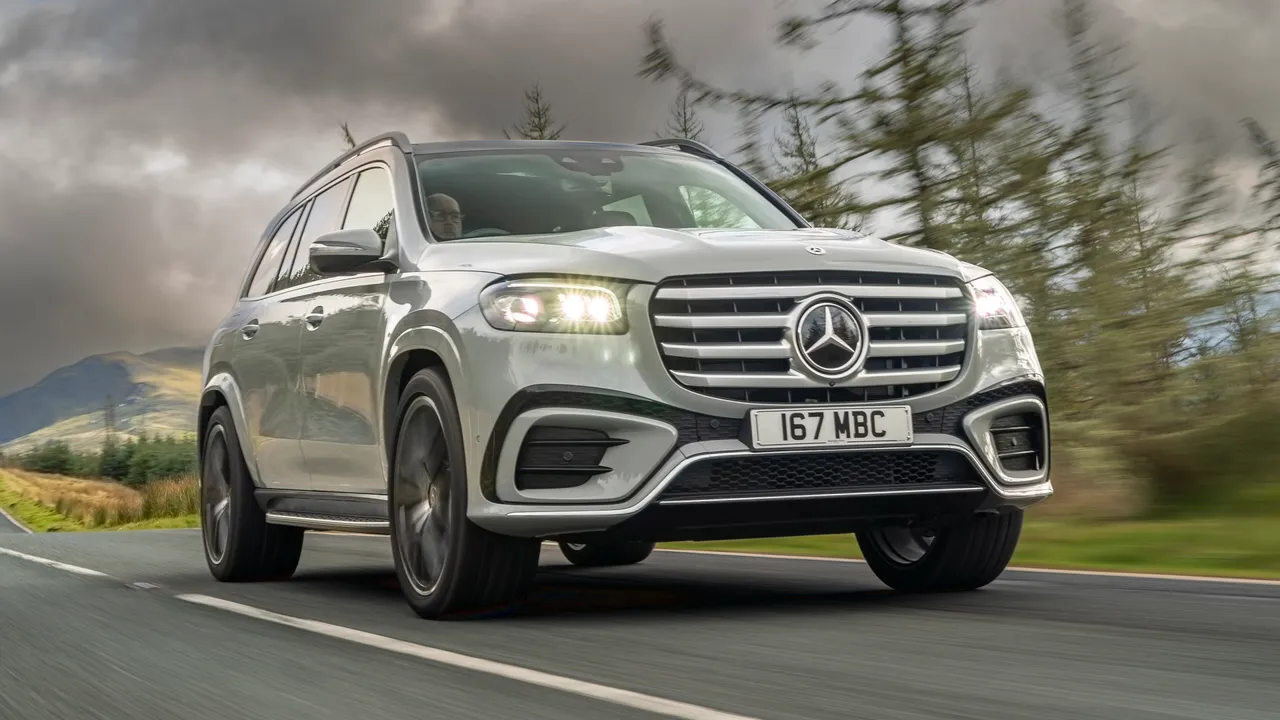
6. Mercedes-Benz GLS
The Mercedes-Benz GLS has long been positioned as the flagship full-size three-row SUV in the brand’s lineup, offering S-Class level comfort in a more versatile, family-oriented package.
For 2027, Mercedes is expected to introduce a significant update rather than a complete ground-up redesign, focusing on refining luxury, improving digital systems, and enhancing drivetrain efficiency. The GLS continues to serve as a benchmark for full-size luxury SUVs, competing directly with models like the BMW X7 and Cadillac Escalade.
From a design standpoint, the 2027 GLS is expected to receive subtle but meaningful exterior updates. These will likely include redesigned front and rear bumpers, updated LED lighting signatures, and a slightly more modern interpretation of Mercedes’ signature grille.
While the silhouette will remain unchanged due to its successful proportions, aerodynamic tweaks may be introduced to improve efficiency and reduce wind noise at highway speeds.
A large widescreen digital cockpit layout is likely to remain, but with improved processing speed, higher resolution displays, and more advanced voice control functionality. Mercedes is also expected to continue emphasizing ultra-luxury materials such as open-pore wood, premium leather, and customizable ambient lighting configurations.
In terms of performance, the GLS lineup is expected to continue offering a range of turbocharged engines paired with mild hybrid or plug-in hybrid systems.
These updates aim to improve fuel efficiency while maintaining the strong performance characteristics expected from a full-size luxury SUV. The GLS 63 AMG variant is expected to retain its performance focus, potentially with improved hybrid assistance for better responsiveness.
The GLS update will reinforce Mercedes-Benz’s dominance in the luxury three-row SUV category by enhancing technology, comfort, and refinement without disrupting its proven formula.
- Engine (expected): 2.0L turbo hybrid or 3.0L inline-6 mild hybrid
- Horsepower (expected): 255 hp to ~435 hp (AMG 53 variant)
- Torque (expected): 295 lb-ft to ~413 lb-ft
- Length (expected): ~194 inches
- Width (expected): ~76.7 inches
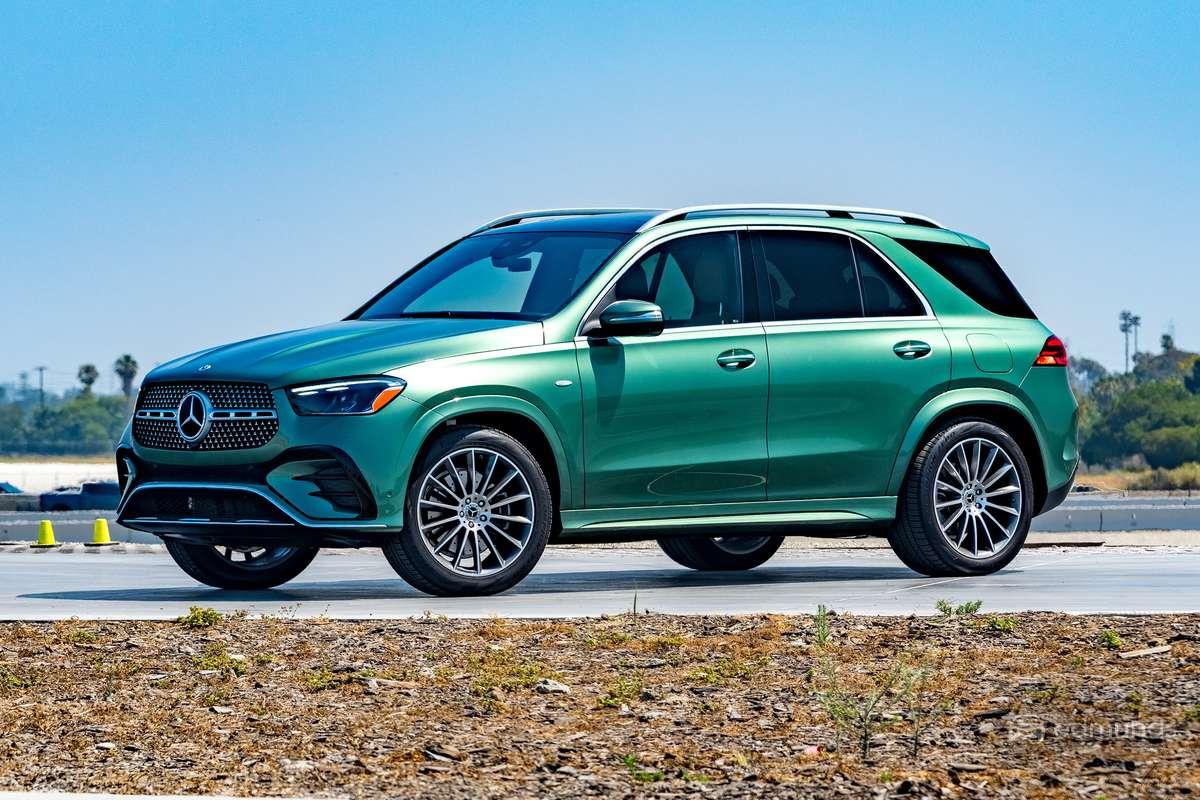
7. Mercedes-Benz GLE
The Mercedes-Benz GLE remains one of the most important midsize luxury SUVs in the global market, balancing comfort, performance, and advanced technology in a highly competitive segment. For 2027, the GLE is expected to receive a substantial refresh that aligns it more closely with Mercedes’ latest design and technology direction.
While not a full generational change, the updates are expected to be significant enough to keep it competitive against rivals like the BMW X5 and Audi Q7.
The exterior design changes are expected to be evolutionary, focusing on updated headlights, a redesigned grille, and refreshed bumpers. Mercedes is likely to incorporate sleeker lighting elements and improved aerodynamic detailing to modernize the SUV’s appearance. The shape will remain familiar, maintaining its strong road presence and family-friendly proportions.
A dual-screen setup is expected to remain, but with enhanced display clarity and more intuitive software navigation. Cabin materials will continue to emphasize premium comfort, with improved seat cushioning and noise insulation.
Powertrain updates are expected to focus heavily on hybridization. Mild hybrid systems will likely become standard across most trims, improving fuel efficiency and smoothness.
Plug-in hybrid variants may also see extended electric-only range, making the GLE more appealing in urban environments. Performance-oriented AMG versions will continue to prioritize driving dynamics while integrating electrified support systems.
- Engine (expected): 2.4L turbo hybrid or 2.5L hybrid AWD system
- Horsepower (expected): 275 hp to ~366 hp (TX 500h variants)
- Torque (expected): ~317 lb-ft to ~406 lb-ft
- Length (expected): ~203 inches
- Width (expected): ~78.3 inches
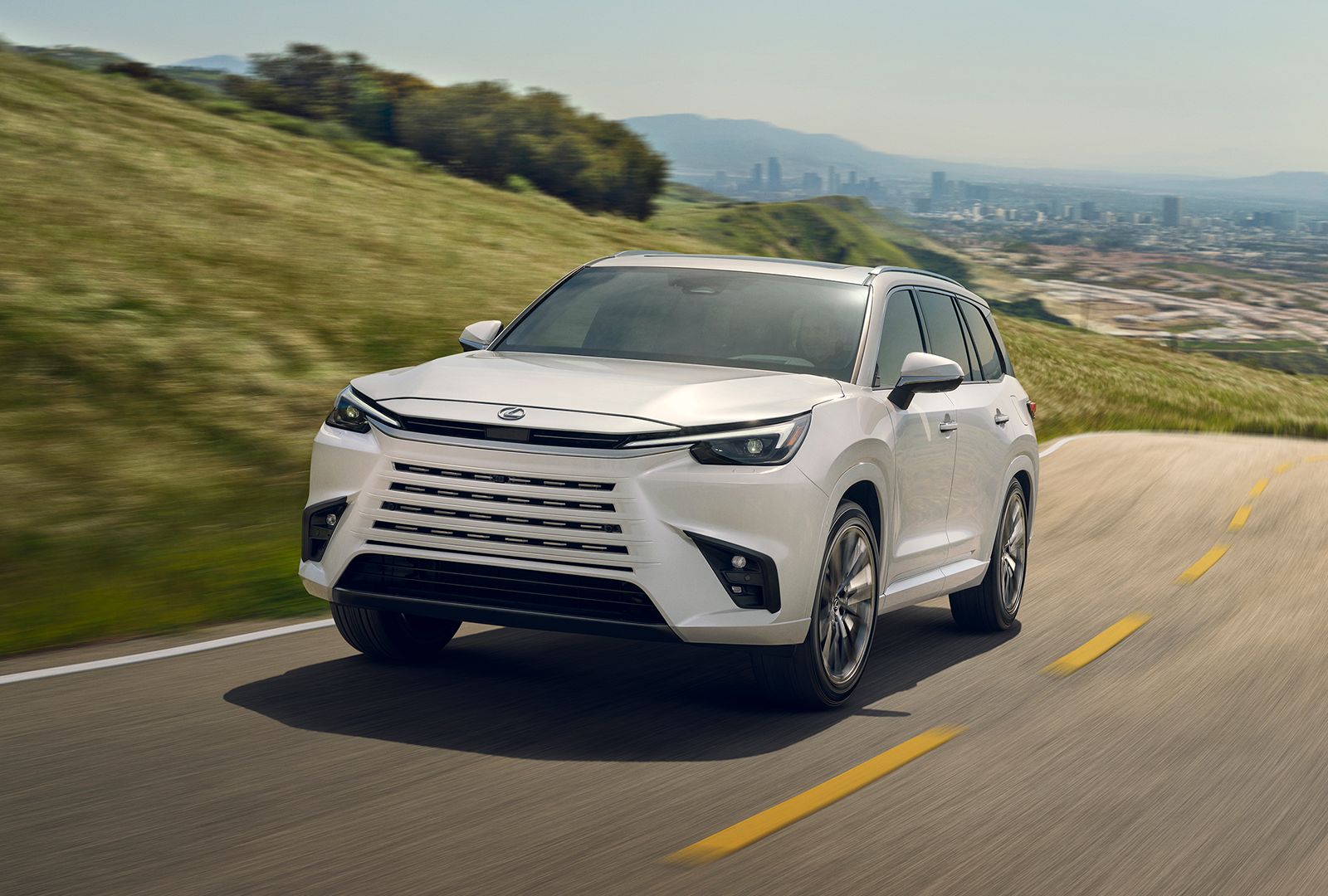
8. Lexus TX
The Lexus TX is one of the newer entrants in the three-row luxury SUV segment, designed specifically to offer a spacious, comfort-focused alternative for families seeking premium refinement.
By 2027, Lexus is expected to refine the TX rather than completely redesign it, focusing on improving hybrid performance, interior luxury, and long-term reliability, which remain core strengths of the brand.
From an exterior perspective, the TX is expected to receive subtle updates that align it more closely with Lexus’ evolving design language.
This may include revised LED lighting signatures, a slightly reworked front grille design, and minor aerodynamic improvements. Lexus is unlikely to drastically alter the TX’s proportions, as its current design already emphasizes spaciousness and practicality.
The TX is expected to continue prioritizing comfort and quietness, two hallmarks of Lexus engineering. Improvements are likely to include upgraded seat materials, enhanced sound insulation, and a more refined layout for the infotainment system.
Lexus may also expand its digital interface capabilities while retaining physical controls for key functions, ensuring ease of use for families.
Performance will continue to revolve around hybrid powertrains, which are central to Lexus’ global strategy. These systems are expected to become more efficient and smoother, offering improved fuel economy without sacrificing power delivery. The focus will remain on delivering a calm, predictable driving experience rather than sporty performance.
- Engine (expected): 2.3L turbo I4, 3.0L V6, or hybrid variant
- Horsepower (expected): 300 hp to ~400 hp (hybrid/performance trims)
- Torque (expected): 310 lb-ft to ~415 lb-ft
- Length (expected): ~198 inches
- Width (expected): ~79 inches
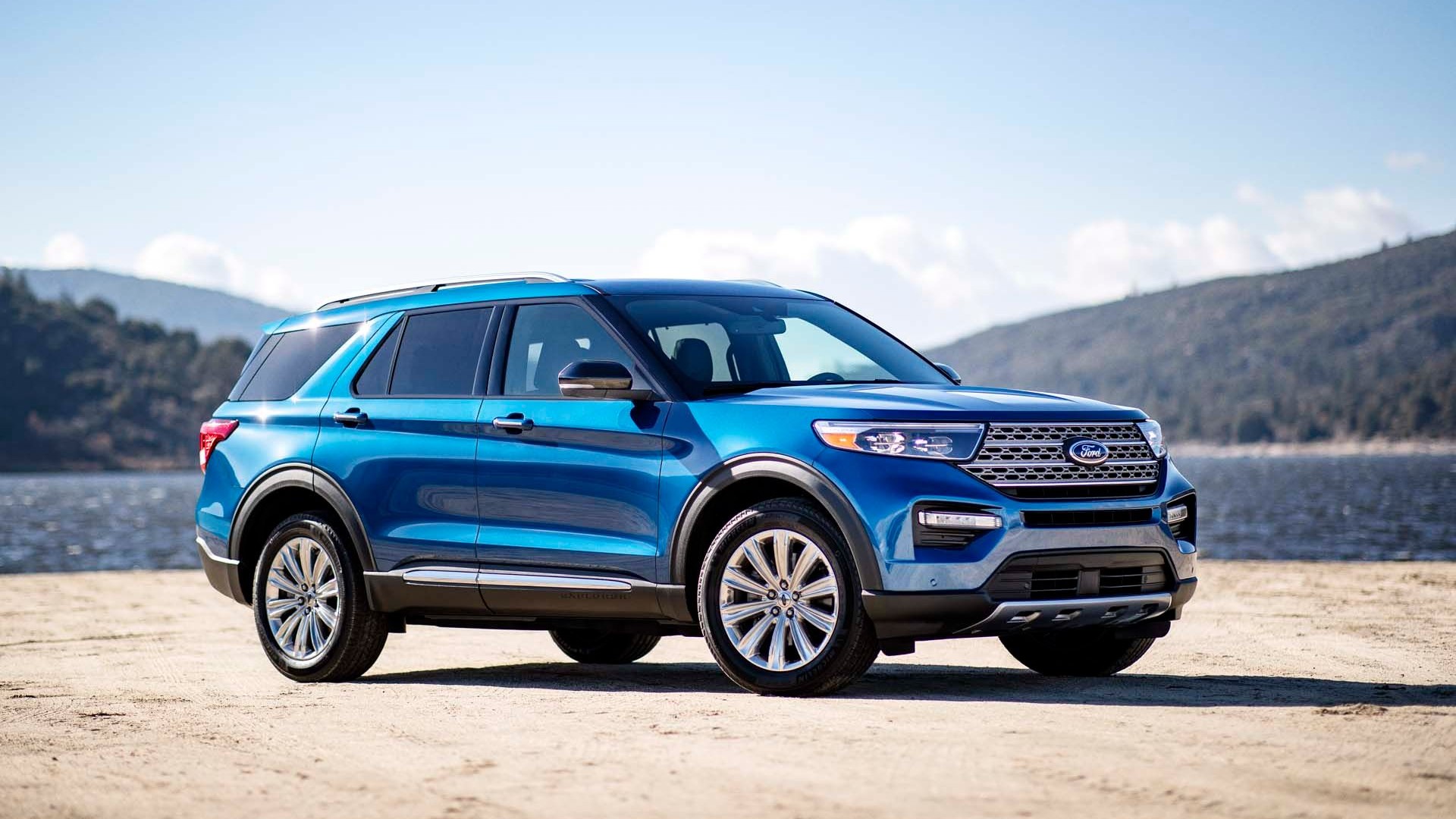
9. Ford Explorer
The Ford Explorer is one of the most iconic three-row SUVs in the North American market, with a long history of combining practicality, performance, and versatility. For 2027, Ford is expected to introduce a significant redesign that modernizes the Explorer’s platform, technology, and efficiency while maintaining its core identity as a capable family SUV.
The exterior design is expected to evolve with a more aerodynamic and refined appearance. Ford is likely to incorporate slimmer headlights, a redesigned grille, and a more sculpted body profile to improve both aesthetics and efficiency.
While the Explorer will retain its recognizable SUV proportions, the new generation is expected to feel more premium and less boxy than its predecessor.
The Explorer is expected to receive a redesigned dashboard will likely feature a larger central infotainment screen with improved software integration and faster processing speeds. Ford’s digital interface is expected to become more intuitive, offering better connectivity and voice control features. Cabin materials are also expected to improve, especially in higher trims.
Powertrain evolution will be a key focus area for the 2027 Explorer. Hybrid variants are expected to play a larger role, offering better fuel efficiency and smoother performance.
Depending on market strategy, Ford may also introduce plug-in hybrid options to compete with electrified rivals. The traditional gasoline engines will likely be refined for better efficiency and reduced emissions.
The new Explorer is expected to strengthen Ford’s position in the competitive midsize three-row SUV segment by combining modern technology, improved efficiency, and continued versatility.
- Engine (expected): 3.5L V6 or 2.0L hybrid system (future update likely)
- Horsepower (expected): 285 hp or ~320 hp (hybrid estimate)
- Torque (expected): 262 lb-ft or ~300+ lb-ft hybrid
- Length (expected): ~199 inches
- Width (expected): ~78.5 inches
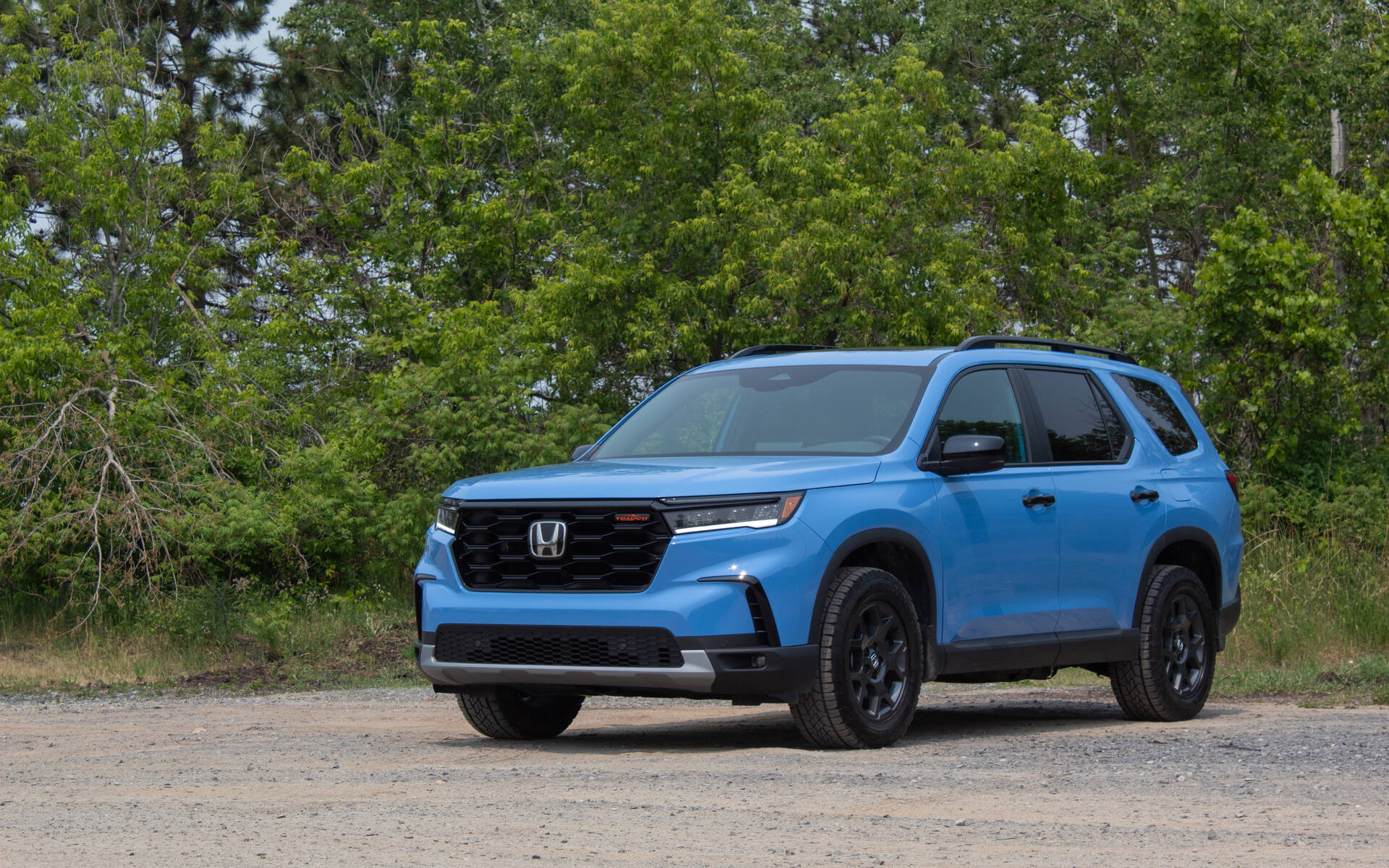
10. Honda Pilot
The Honda Pilot is widely regarded as one of the most practical and reliable three-row SUVs in the midsize segment, known for its family-friendly design, strong safety reputation, and comfortable driving dynamics. For 2027, Honda is expected to refine the Pilot further, building on its recent redesign with improvements in hybrid technology, interior usability, and refinement.
The exterior updates are expected to be modest, focusing on refreshed styling elements such as updated LED lighting, revised grille design, and minor aerodynamic improvements. Honda typically avoids overly aggressive styling changes, instead prioritizing long-term design consistency and functional aesthetics.
Improvements may include updated infotainment software, enhanced digital displays, and improved material quality in higher trims. Honda is also expected to refine seating comfort and expand cargo flexibility, making the Pilot even more suitable for large families and long trips.
A key development for the 2027 Pilot is the expected expansion of hybrid powertrains. Honda has been steadily increasing its hybrid offerings, and the Pilot is likely to benefit from a more advanced system that improves fuel efficiency while maintaining strong performance. This aligns with Honda’s broader electrification strategy across its SUV lineup.
