
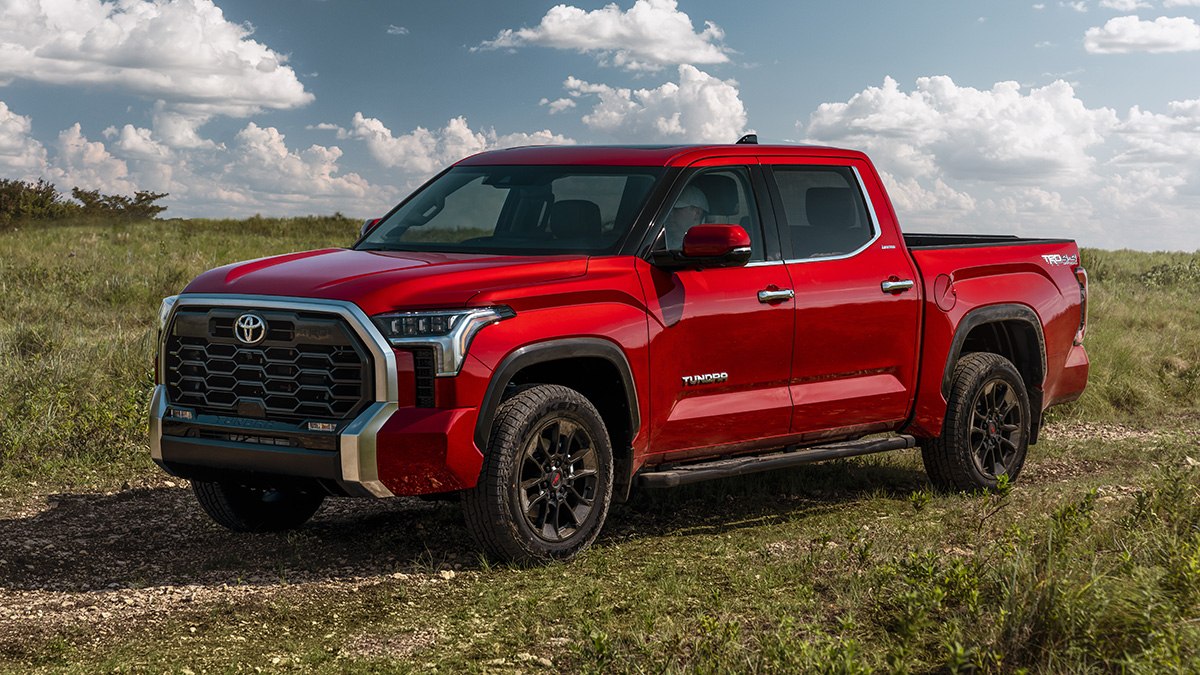
A recall notice is easy to miss. It may arrive in the mail months after a vehicle was purchased, get mixed in with dealership advertising, go to a previous owner, or be ignored because the car appears to be driving normally. That is why drivers should not wait for a letter before checking whether their vehicle has an open safety recall.
An open recall means the manufacturer has identified a safety-related defect or a failure to meet a federal safety standard, but the repair has not yet been completed on that specific vehicle.
The defect may involve airbags, brakes, steering, fuel systems, electrical wiring, seat belts, tires, cameras, software, or another safety-related component.
The repair is free. It does not matter whether the vehicle is old, out of warranty, bought used, financed, leased, or purchased from a private seller. If a manufacturer has issued a safety recall and a remedy is available, an authorized dealer must complete the repair at no charge.
The most reliable way to check is through the National Highway Traffic Safety Administration, commonly known as NHTSA. The agency’s recall tool can search by vehicle identification number or license plate number and identify whether a specific vehicle has an unresolved recall.
Also Read: 12 Most Recalled Cars In American History
Start With Your VIN
The best way to check for an open recall is by using the vehicle identification number, also called the VIN.
Every road-legal vehicle has a unique 17-character VIN. It works like a vehicle’s fingerprint. Unlike a make-and-model search, which may show recalls affecting a broad group of cars, a VIN search can identify whether a recall applies to that exact vehicle and whether the repair remains incomplete.
The VIN is usually found in several places:
- On the lower driver-side corner of the dashboard, visible through the windshield
- On the label inside the driver-side door jamb
- On the vehicle registration document
- On the insurance card or insurance policy paperwork
- On the vehicle title
- In some manufacturers’ mobile apps or connected-car accounts
Drivers should make sure they copy the VIN carefully. The number contains letters and numbers, and a single incorrect character can prevent the search tool from returning the right result.
NHTSA says the VIN lookup system can show open safety recalls that apply to the vehicle, including recalls that have not yet been repaired. The tool also indicates whether a remedy is available or whether the manufacturer is still developing the repair.
Use the Official NHTSA recall lookup tool.
Once the VIN is available, go to NHTSA’s official recall lookup page and enter the 17-character number.
NHTSA Recall Lookup Tool
The process is simple:
1. Open the NHTSA recall page.
2. Enter the VIN.
3. Review the results.
4. Read the recall description carefully.
5. Contact an authorized dealer if the recall is open.
The search result may show one of several different statuses.
An “incomplete” recall means the vehicle has an open recall and has not received the required repair. The owner should contact a dealer and arrange service as soon as possible.
An “incomplete, remedy not yet available” status means the vehicle is affected, but the manufacturer has not yet finalized the repair or has not made parts available. In that situation, the owner should register for alerts, contact the manufacturer, and follow any temporary safety instructions.
A completed recall means the repair has already been performed. In most cases, no additional action is required unless the manufacturer later issues another recall for a different issue.
NHTSA’s VIN lookup is particularly useful for used-car owners. A recall notice may have been mailed to the original owner, leaving the current owner unaware that the vehicle still has an unresolved defect.
You Can Also Search by license plate.
NHTSA now allows many drivers to search for recalls using their license plate number and state.
This option can be helpful when a driver does not have the VIN immediately available. The tool matches the license plate with vehicle-registration information and checks for open safety recalls.
However, the VIN remains the better option because it is specific to the vehicle itself. A license plate can change when a car is sold, moved to another state, or re-registered. The VIN stays with the vehicle for its entire life.
NHTSA recommends using the VIN whenever possible, especially before buying a used vehicle or scheduling a recall repair.
Check the Automaker’s Website Too
Most automakers operate their own recall-search pages. These tools usually allow owners to enter a VIN or license plate number and view open recalls, service campaigns, and sometimes warranty extensions.
A manufacturer’s website can be useful because it may provide more detailed instructions, dealership scheduling, parts availability, and customer service contact numbers.
For example, Toyota allows owners to search by VIN or license plate number and view safety recalls and service campaigns for the vehicle. manufacturer’s web. The site may also show service campaigns that do not appear in the NHTSA system.
A service campaign is different from a safety recall. It may address a known problem, software update, customer-satisfaction issue, or warranty-related repair without being classified as a federally regulated safety recall.
Drivers should take both seriously, but they should understand the difference. A safety recall involves a defect that creates an unreasonable safety risk or fails to meet a federal safety standard. A service campaign may be important, but it is not necessarily a legal safety recall.
Download the SaferCar App for future alerts.
Checking once is useful. Checking regularly is better. NHTSA offers the free SaferCar app, which allows drivers to enter or scan a VIN and receive notifications if a future recall is issued. The app can also track recalls for tires, car seats, trailers, and other vehicle-related equipment.
The app is especially useful for households with more than one vehicle. A family can add each car, truck, SUV, motorcycle, or child seat and receive alerts without needing to remember to search manually.
NHTSA recommends updating the app whenever a vehicle is sold, replaced, or added to the household. It can also help drivers who own older vehicles, since recall notices are more likely to be missed after a car has changed owners several times.
What To Do If Your Vehicle Has an Open Recall
If the search reveals an open recall, do not assume it is minor. Read the recall description carefully. It should explain the affected part, the possible safety risk, and the repair process. Some recalls involve issues that may not create immediate symptoms.
A car may start, stop, and drive normally while still carrying a defective airbag, fuel pump, steering component, or electrical system.
The next step is to call an authorized dealership for the vehicle’s brand. A Ford owner should contact a Ford dealer, a Honda owner should contact a Honda dealer, and so on.
Before visiting, ask whether the required parts are in stock. Some large recalls involve millions of vehicles, and dealers may need to order components before the appointment. Confirming availability can save time and prevent an unnecessary trip.
The dealer should perform the repair free of charge. NHTSA states that recall repairs are free, regardless of vehicle age, mileage, or warranty status.
If the recall notice includes instructions such as “do not drive,” “park outside,” or “do not charge,” follow those warnings immediately. These notices are used when the manufacturer or safety agency believes the defect presents an urgent risk, such as a potential fire, airbag rupture, brake failure, or loss of vehicle control.
What If the Dealer Says There Is No Remedy Yet?
Some recalls are announced before a final repair is ready. This often happens when a manufacturer identifies a serious issue but still needs to develop a replacement part, software update, inspection procedure, or repair method. The recall may appear in the VIN lookup system as “remedy not yet available.”
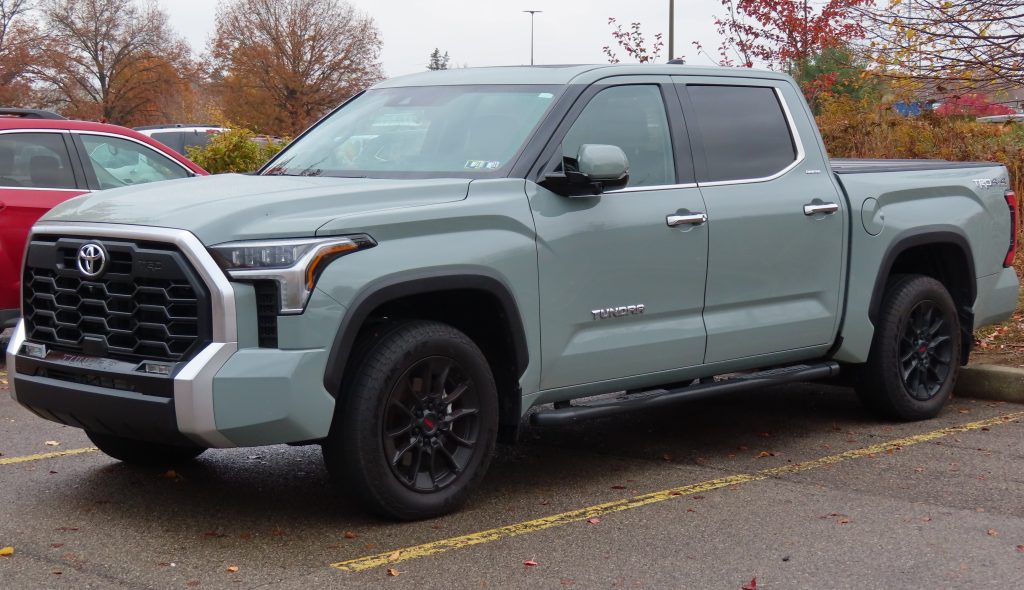
In that situation, the owner should contact the manufacturer’s customer-service department and ask to be added to the notification list. The owner should also ask whether the company has issued temporary guidance, such as parking outside, avoiding certain driving conditions, or limiting use of a particular feature.
Keep checking the recall status every few weeks. Once parts become available, dealers may begin scheduling repairs quickly, especially for high-priority recalls.
Do not assume that a recall without an immediate repair can be ignored. The manufacturer may issue updated guidance as the investigation develops.
Used-Car Buyers Should Check Before Paying
Anyone buying a used car should check the VIN before signing paperwork or sending money. An open recall does not automatically make a used car a bad purchase. In many cases, the dealer can complete the repair before delivery, or the buyer can schedule the free repair soon after purchase. But the recall should never be discovered after the deal is completed.
Ask the seller for the VIN before visiting the vehicle. Run the NHTSA search, check the automaker’s recall page, and ask whether the repair has been completed. If the seller says the recall was fixed, request service records or confirm the status through the VIN lookup tool.
This is especially important with older cars. Recall completion rates tend to fall as vehicles age and move through the used-car market. NHTSA notes that millions of recalls remain unaddressed every year, even when the repairs are free.
Do Not Rely Only on a Vehicle-History Report
Vehicle-history reports can be useful, but they should not replace an official recall check. A history report may show accidents, title changes, service records, mileage history, and some recall information. But recall status can change quickly, and not every repair record appears immediately in a third-party database.
The official NHTSA VIN search and the manufacturer’s own recall portal are the best sources for confirming whether a recall is still open.
Drivers should also remember that NHTSA’s VIN lookup has limits. It generally focuses on incomplete safety recalls from the past 15 calendar years and may not include every international vehicle, very recent recall, completed recall, or manufacturer service campaign.
If the search result seems unclear, call the automaker or an authorized dealer with the VIN.
Finding out whether a car has an open recall takes only a few minutes, but it can prevent a serious safety problem from being ignored.
Use the 17-character VIN, search the official NHTSA recall database, check the manufacturer’s website, and schedule the free repair if a recall appears. Drivers should also set up recall alerts through the SaferCar app and check again before buying any used vehicle. A recall repair costs nothing. Waiting too long can cost far more.
Also Read: Toyota Recalls More Than 43,000 Tundra Trucks Over an Engine Stall Risk
