
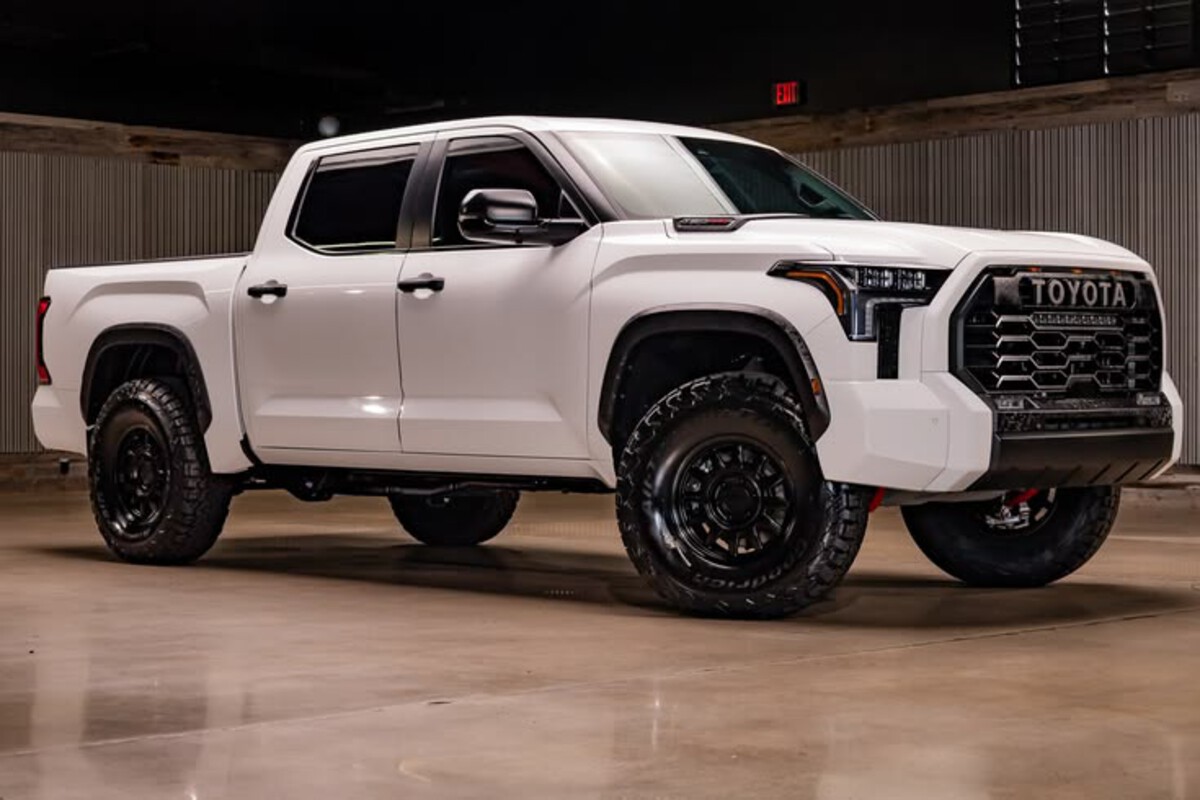
Toyota has issued a new safety recall affecting more than 43,000 Tundra pickup trucks in the United States after identifying an engine-related defect that could lead to a sudden loss of drive power.
The recall, announced in May, targets specific 2024 and 2025 model-year Tundra trucks built during a six-month production period and represents the latest effort by the automaker to address concerns surrounding its full-size pickup lineup.
According to documents filed with federal regulators, the issue involves a component within the engine assembly that may fail under certain conditions. If the defect occurs, the engine could lose power unexpectedly while the vehicle is being driven, increasing the risk of a crash, particularly at highway speeds or in heavy traffic.
Toyota has instructed owners of affected vehicles to contact dealerships once remedy procedures become available.
The company says repairs will be performed free of charge, and owners can verify whether their truck is included through the National Highway Traffic Safety Administration’s recall database or Toyota’s own recall lookup tools.
The announcement comes at a time when automakers across the industry are facing increasing scrutiny regarding quality control and manufacturing consistency, particularly as vehicles become more technologically complex and production volumes continue to grow.
Also Read: Genesis GV60 Adds Range and a Native Tesla Charging Port for 2026
The Recall Covers More Than 43,000 Trucks
The campaign affects approximately 43,400 Toyota Tundra pickups built between February 7, 2024, and August 5, 2024.
While the number represents only a portion of total Tundra production, it is significant enough to trigger a nationwide safety recall. The affected trucks include vehicles equipped with Toyota’s twin-turbocharged V6 engine, which has become the primary powerplant in the modern Tundra lineup.
Toyota launched the current-generation Tundra with a major shift away from the V8 engines that had powered previous models for years. The transition to turbocharged six-cylinder engines was intended to improve efficiency, increase torque, and help the company meet evolving emissions standards.
The latest recall does not affect every Tundra produced during the current generation. Instead, it is limited to vehicles assembled during a specific manufacturing window in 2024.
Owners whose trucks fall outside that production period are not included in the campaign.
What Is Causing the Problem?
According to Toyota’s recall documents, the issue stems from a defect involving engine components that may not have been manufactured to the company’s specifications.
During production, certain parts may have been improperly processed, creating conditions that can lead to premature wear or failure inside the engine. If the affected component deteriorates, it may cause the engine to operate abnormally and eventually stall.
An engine stall is particularly concerning because it can occur without warning. Drivers may suddenly lose propulsion while the vehicle is moving, reducing their ability to maintain speed or respond to traffic conditions.
Although power steering and braking systems generally continue functioning after an engine stall, the loss of drive power can still create a dangerous situation, especially when towing, merging onto highways, or traveling at higher speeds.
Federal safety regulators classify unexpected engine shutdowns as significant safety risks because they directly affect a vehicle’s ability to operate as intended.
Why Engine Stall Recalls Receive Serious Attention
Not every recall involves a component that can directly affect vehicle movement. Some campaigns address cosmetic defects, software glitches, or equipment issues that pose relatively limited safety concerns. Engine stall recalls are viewed differently because they impact a vehicle’s fundamental ability to move under its own power.
When an engine suddenly loses power, drivers must react quickly. Depending on road conditions, traffic density, and vehicle speed, the situation can become hazardous.
Large pickup trucks such as the Tundra are frequently used for towing trailers, hauling cargo, and traveling long distances. A loss of power while carrying heavy loads can create additional challenges for drivers attempting to move safely to the side of the road.
Safety experts note that modern vehicles contain numerous systems designed to minimize risks during mechanical failures, but preventing engine shutdowns remains the preferred solution.
That reality explains why manufacturers typically move quickly once a stall-related defect has been identified.
Another Challenge for the Tundra
The recall arrives during a period of increased attention on Toyota’s full-size pickup. Over the past two years, the company has addressed several issues involving certain Tundra models, including concerns related to engine manufacturing processes.
While Toyota maintains a strong reputation for reliability across much of its lineup, problems affecting the Tundra have attracted significant interest because the truck competes in one of the most competitive segments of the North American automotive market.
The full-size pickup category includes long-established rivals such as the Ford F-150, Chevrolet Silverado, Ram 1500, and GMC Sierra. Reliability and durability play major roles in purchasing decisions, particularly among buyers who depend on their trucks for work or towing.
For Toyota, maintaining customer confidence is especially important because the Tundra has traditionally been marketed as a dependable alternative to domestic competitors.
The company has emphasized that the latest recall reflects its commitment to identifying and correcting issues as quickly as possible.
How Toyota Identified the Issue
Automakers continuously monitor warranty claims, dealer reports, customer complaints, and internal quality-control data in an effort to detect emerging problems.
In this case, Toyota engineers reportedly began investigating reports involving engine-related concerns in certain Tundra trucks. Detailed analysis eventually identified a manufacturing issue affecting a limited population of vehicles.
Once engineers confirmed that the defect could result in engine failure and loss of drive power, the company initiated the recall process in coordination with the National Highway Traffic Safety Administration.
The investigation highlights the extensive monitoring systems used throughout the automotive industry. Modern manufacturers collect enormous amounts of information from dealerships, suppliers, and service networks to identify patterns that may indicate broader problems.
While recalls often generate negative headlines, safety advocates point out that they also demonstrate the effectiveness of these monitoring processes.
Finding and correcting defects before they lead to widespread incidents remains one of the primary goals of automotive safety programs.
The Repair Process
Toyota has informed regulators that affected owners will receive repairs free of charge through authorized dealerships.
The exact repair procedure depends on the specific condition identified within the engine assembly. In some cases, technicians may inspect and replace affected components. In others, more extensive repairs could be required to ensure long-term reliability.
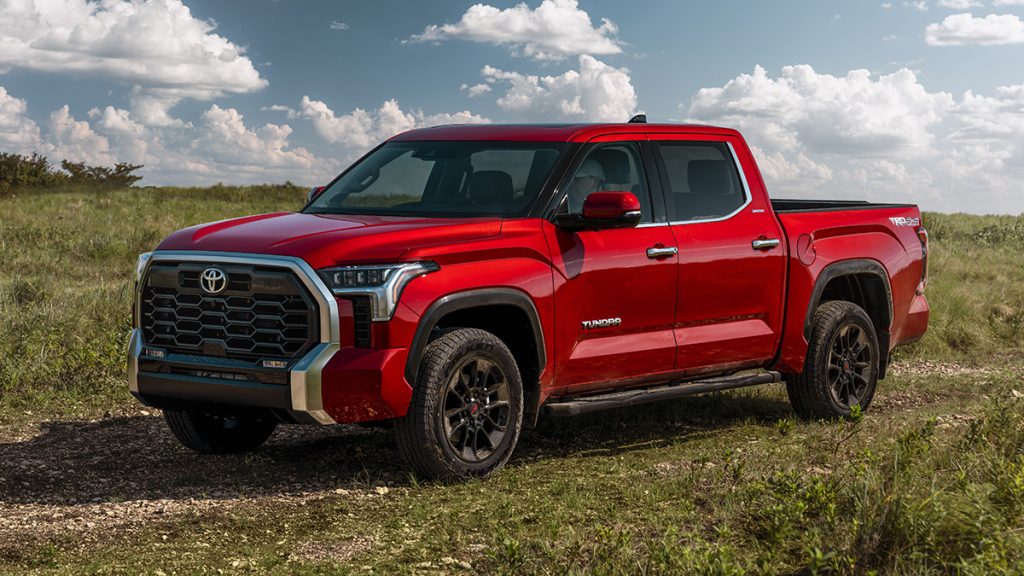
Dealers will receive detailed service instructions from Toyota before owner notifications begin. Because the issue involves engine-related hardware rather than software, the repair will require physical inspection and replacement of affected parts rather than a simple electronic update.
Toyota says replacement components have been developed and validated to eliminate the defect. The company expects repairs to restore normal engine operation and remove the risk of unexpected stalls.
What Owners Should Do
Owners of Tundra trucks built between February 7, 2024, and August 5, 2024, should verify whether their vehicle is included in the recall.
Toyota will notify affected customers directly by mail, but drivers do not need to wait for a notification letter to check their status. Vehicle identification numbers can be entered into Toyota’s recall lookup system or the National Highway Traffic Safety Administration database.
If a truck is included, owners should schedule service with an authorized Toyota dealership as soon as repair parts and procedures become available.
Drivers who notice unusual engine noises, warning lights, rough operation, hesitation, or unexpected power loss should seek inspection immediately, even if they have not yet received official recall information.
Prompt attention to potential engine issues can help reduce the risk of more serious problems developing.
The Importance of Proactive Safety Recalls
Recalls can be frustrating for vehicle owners, but they remain one of the most effective tools for addressing defects before they lead to accidents or injuries.
In Toyota’s case, the company identified a manufacturing issue affecting a relatively small percentage of total Tundra production and chose to correct the problem through a formal recall campaign.
While the number of affected trucks exceeds 43,000 units, the action is intended to prevent future failures rather than respond to a widespread crisis.
For owners, the recall serves as a reminder that even vehicles from highly respected manufacturers can experience production-related issues.
The good news is that Toyota has already acknowledged the problem, developed a remedy strategy, and begun the process of notifying customers. Once repairs are completed, affected Tundra owners should be able to continue using their trucks with confidence.
As the automotive industry becomes increasingly complex, recalls such as this one underscore the importance of ongoing quality monitoring and rapid corrective action. In the end, addressing a defect before it causes serious consequences remains far preferable to waiting until problems become more widespread.
For the more than 43,000 Tundra owners included in the campaign, scheduling the repair when notified will be the most important step toward ensuring continued reliability and safe operation.
Also Read: Hyundai Confirms No Standard Ioniq 6 for the 2026 Model Year
