
A top safety rating has long been one of the easiest ways for car shoppers to narrow down their choices. Seeing a vehicle earn high marks from the Insurance Institute for Highway Safety often provides reassurance that it can protect occupants when it matters most.
For years, many popular cars, SUVs, and trucks have built strong reputations based on those results. That is why the latest round of testing has caught so many people by surprise. For 2026, the IIHS raised the bar with a series of tougher evaluations designed to better reflect real-world crash scenarios.
One of the biggest changes involves a more demanding moderate overlap front crash test that places greater emphasis on protecting rear-seat passengers. The organization also introduced an updated Front Crash Prevention test that challenges automatic emergency braking systems to detect and avoid stationary vehicles, motorcycles, and large trucks at speeds reaching 43 mph.
As a result, several vehicles that previously earned top honors no longer qualify for the highest ratings. Some models dropped from Top Safety Pick+ to lower categories, while others failed to make the list entirely. In many cases, the vehicles themselves did not change. Instead, the standards became much harder to meet.
For shoppers researching their next vehicle, these results serve as a reminder that safety ratings are constantly evolving. A model that performed exceptionally well a few years ago may no longer rank among the leaders today. This list takes a closer look at ten vehicles that lost ground under the IIHS’s stricter 2026 testing requirements and explains what led to their lower ratings.
Vehicles That Lost Their Top Safety Pick+ Status
1. Toyota Tundra
- Engine: 3.4L Twin-Turbo V6
- Horsepower: 348 hp to 437 hp
- Torque: 405 lb-ft to 583 lb-ft
- Size: 233.6 to 252.5 in Long x 80.2 in Wide
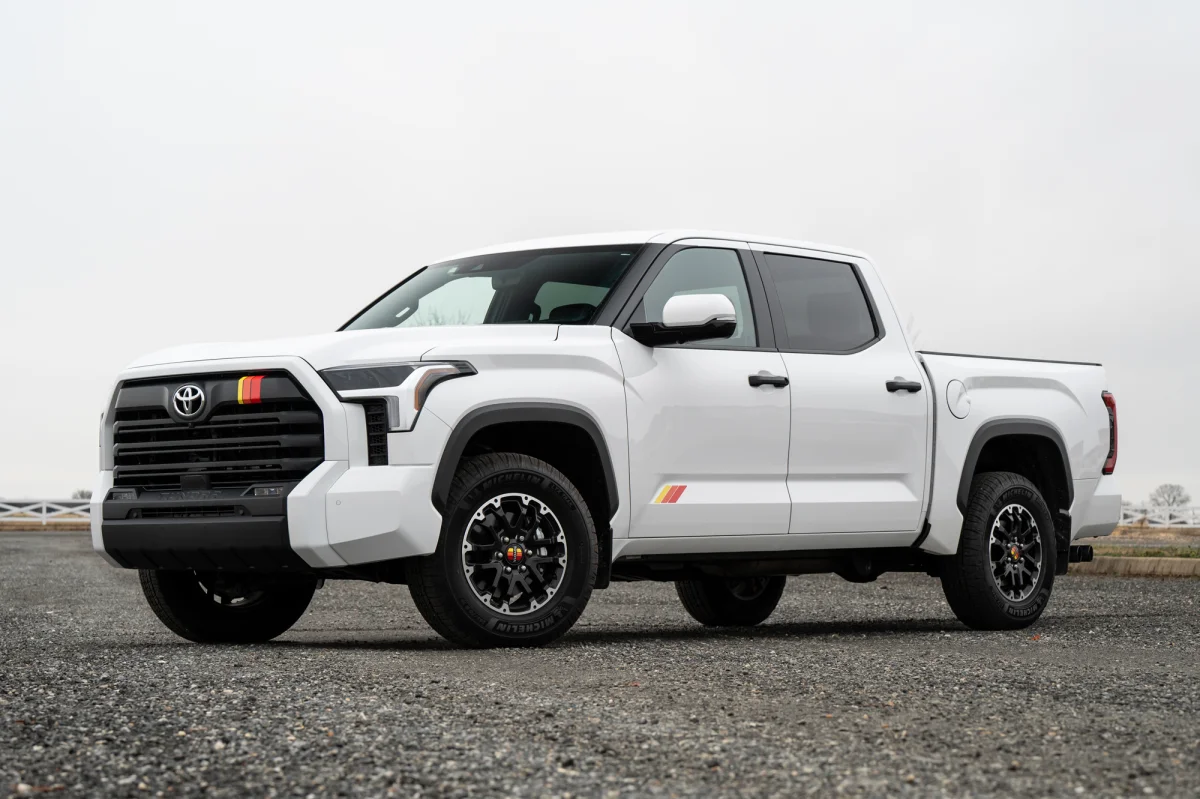
Toyota has earned a reputation for building dependable trucks, which is why the latest safety rating change for the 2026 Tundra stands out more than it might for some competitors. Under the hood, the truck remains highly capable, offering a 3.4-liter twin-turbocharged V6 that produces anywhere from 348 to 437 horsepower and between 405 and 583 lb-ft of torque, depending on the trim level. With a length ranging from 233.6 to 252.5 inches and a width of 80.2 inches, the Tundra is designed to handle serious towing, hauling, and everyday work responsibilities.
While its performance credentials remain strong, the truck no longer holds the IIHS Top Safety Pick+ award. Instead, it now carries the standard Top Safety Pick rating after falling short in one of the organization’s newest and toughest evaluations. The updated Vehicle-to-Vehicle 2.0 test examines how effectively automatic emergency braking systems can identify and react to stationary vehicles, motorcycles, and large trucks at speeds up to 43 mph.
For a full-size pickup, this category carries real importance. Trucks are heavier than most passenger vehicles and require more distance to slow down when traveling at highway speeds. Drivers who spend a lot of time on busy interstates or frequently encounter slow-moving traffic depend on these safety systems to provide an extra layer of protection when unexpected situations arise.
None of this changes the Tundra’s reputation as a capable and well-built pickup. Still, buyers who place a strong emphasis on the latest safety ratings may want to pay close attention to these results when comparing the Tundra against other full-size trucks in today’s increasingly competitive market.
2. Subaru Legacy
- Engine: 2.5L 4-Cylinder (or 2.4L Turbo 4-Cylinder)
- Horsepower: 182 hp to 260 hp
- Torque: 176 lb-ft to 277 lb-ft
- Size: 191.1 in Long x 72.4 in Wide
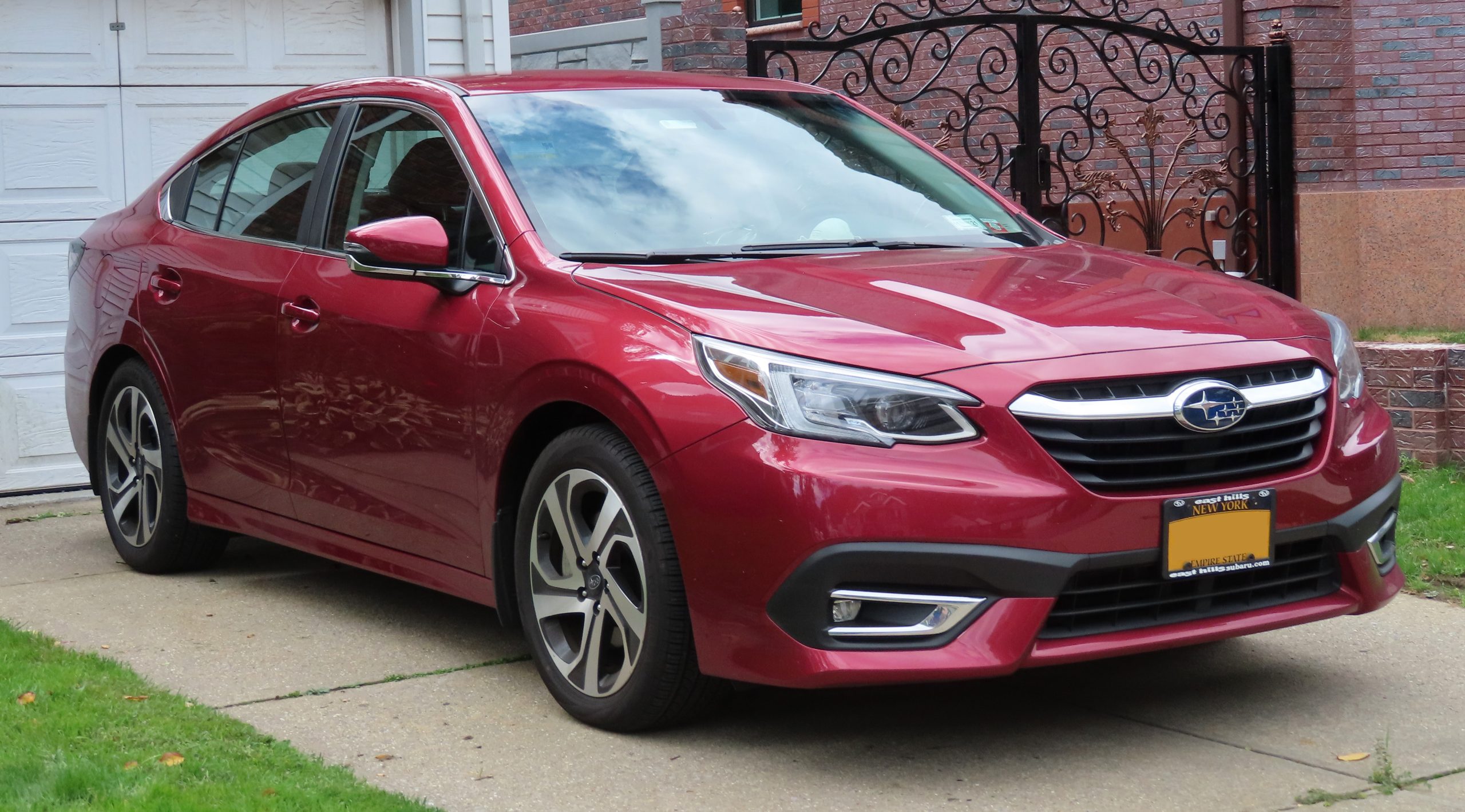
Safety has always been one of the biggest reasons people choose the Subaru Legacy. For years, the midsize sedan earned praise for its strong crash-test performance, standard all-wheel drive, and family-friendly design. The 2026 Legacy continues to offer two engine choices: a 2.5-liter four-cylinder producing 182 horsepower or a turbocharged 2.4-liter four-cylinder with 260 horsepower. Measuring 191.1 inches long and 72.4 inches wide, it remains a practical and comfortable option for everyday driving.
This year, however, the Legacy fell short of retaining its highest IIHS safety distinction. While it still earned a Top Safety Pick award, it lost the more prestigious Top Safety Pick+ rating that many Subaru buyers had come to expect. The change is tied directly to tougher testing standards introduced for 2026.
The biggest challenge came from the IIHS’s updated moderate overlap front crash test, which now places much greater emphasis on protecting rear-seat passengers during a collision. Earlier evaluations focused more heavily on front-seat occupants, but the revised test looks closely at how well people in the back seat are protected as well.
Results from the new testing showed that the Legacy’s rear-seat restraint system did not perform well enough to earn the highest possible score. Front-seat protection remains strong, but the weaker rear-seat results were enough to lower the vehicle’s rating.
For families who regularly carry children, relatives, or other passengers in the back seat, this is worth paying attention to. The Legacy is still considered a safe sedan, but the latest results show that safety standards continue to advance, and vehicles that once led the class may need updates to keep pace with newer testing requirements.
Also Read: 10 Family Cars With Top Safety Pick+ Awards in 2026
3. Hyundai Sonata
- Engine: 2.5L 4-Cylinder, 2.0L Hybrid, or 2.5L Turbo 4-Cylinder
- Horsepower: 191 hp to 290 hp
- Torque: 181 lb-ft to 311 lb-ft
- Size: 193.3 in Long x 73.2 in Wide
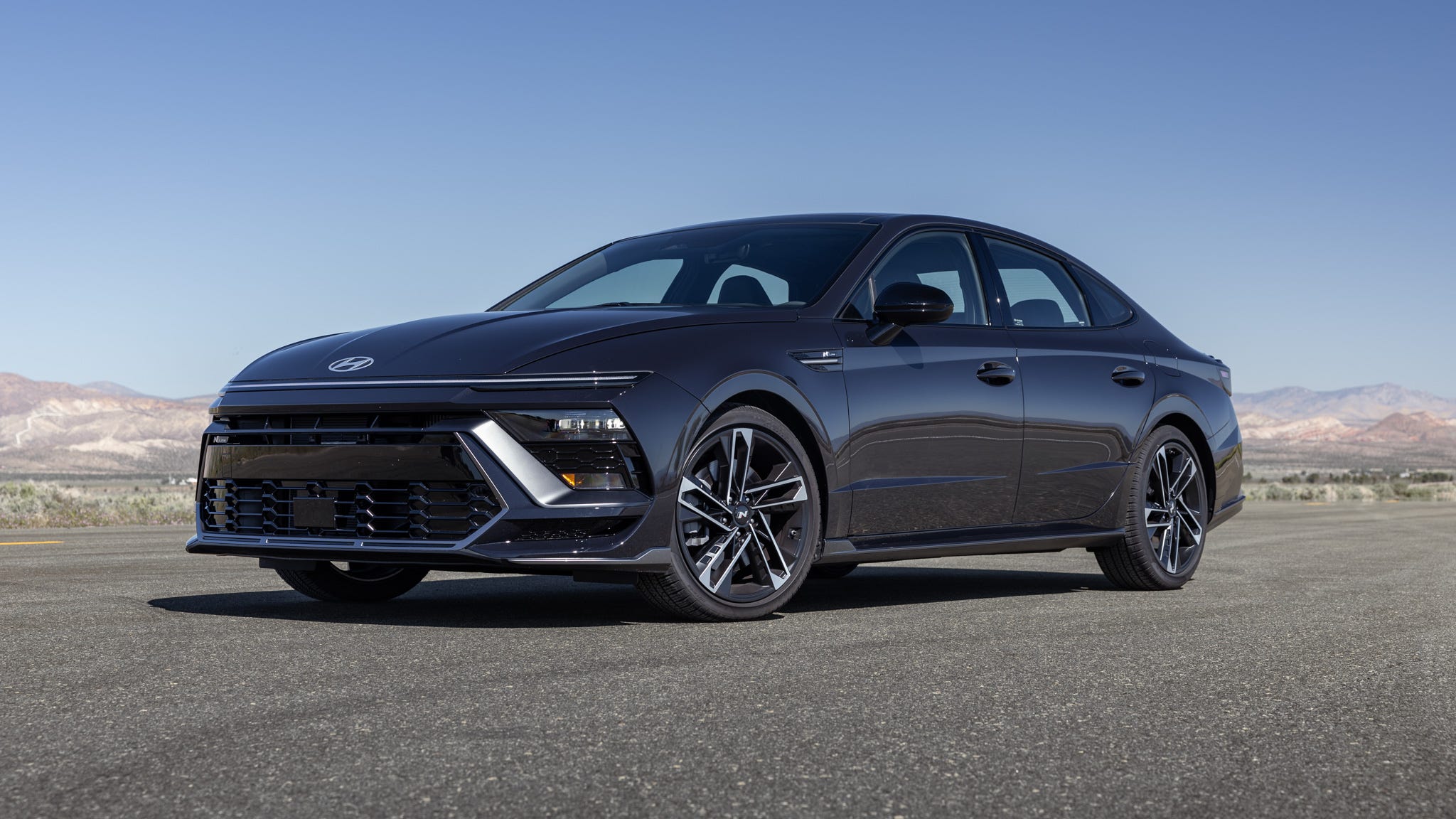
Hyundai’s Sonata continues to attract buyers looking for a roomy, well-equipped midsize sedan without stretching their budget. For 2026, the lineup offers several powertrain choices, including a 2.5-liter four-cylinder, a fuel-efficient hybrid system, and a turbocharged 2.5-liter engine.
Output ranges from 191 to 290 horsepower, while torque figures span from 181 to 311 lb-ft. Measuring 193.3 inches long and 73.2 inches wide, the Sonata delivers the spacious interior and comfortable ride that have helped make it a popular choice among families and commuters alike.
This year, however, the Sonata fell short of retaining its highest safety recognition. While it still earned a Top Safety Pick award from the Insurance Institute for Highway Safety, it no longer qualifies for the more prestigious Top Safety Pick+ designation. The change stems from the IIHS’s tougher testing procedures, particularly the updated moderate overlap front crash test that places much greater attention on the protection of rear-seat occupants.
That result highlights a challenge affecting several midsize sedans across the industry. For years, automakers concentrated heavily on improving safety for front-seat passengers through advanced airbags, stronger crash structures, and more sophisticated seatbelt systems. Rear-seat protection received less scrutiny because previous testing standards did not focus on it as closely. The latest IIHS evaluations have changed that, exposing weaknesses that were not as apparent under earlier requirements.
Hyundai has not yet announced any specific updates aimed at addressing this issue. Still, the revised rating serves as a reminder that safety standards continue to advance. Buyers considering a Sonata, especially those who frequently carry children, family members, or other passengers in the back seat, may want to compare how competing sedans perform under these newer tests before making a final decision.
The Sonata remains a solid midsize sedan, but stronger rear-seat protection is now becoming a much bigger factor in modern safety evaluations.
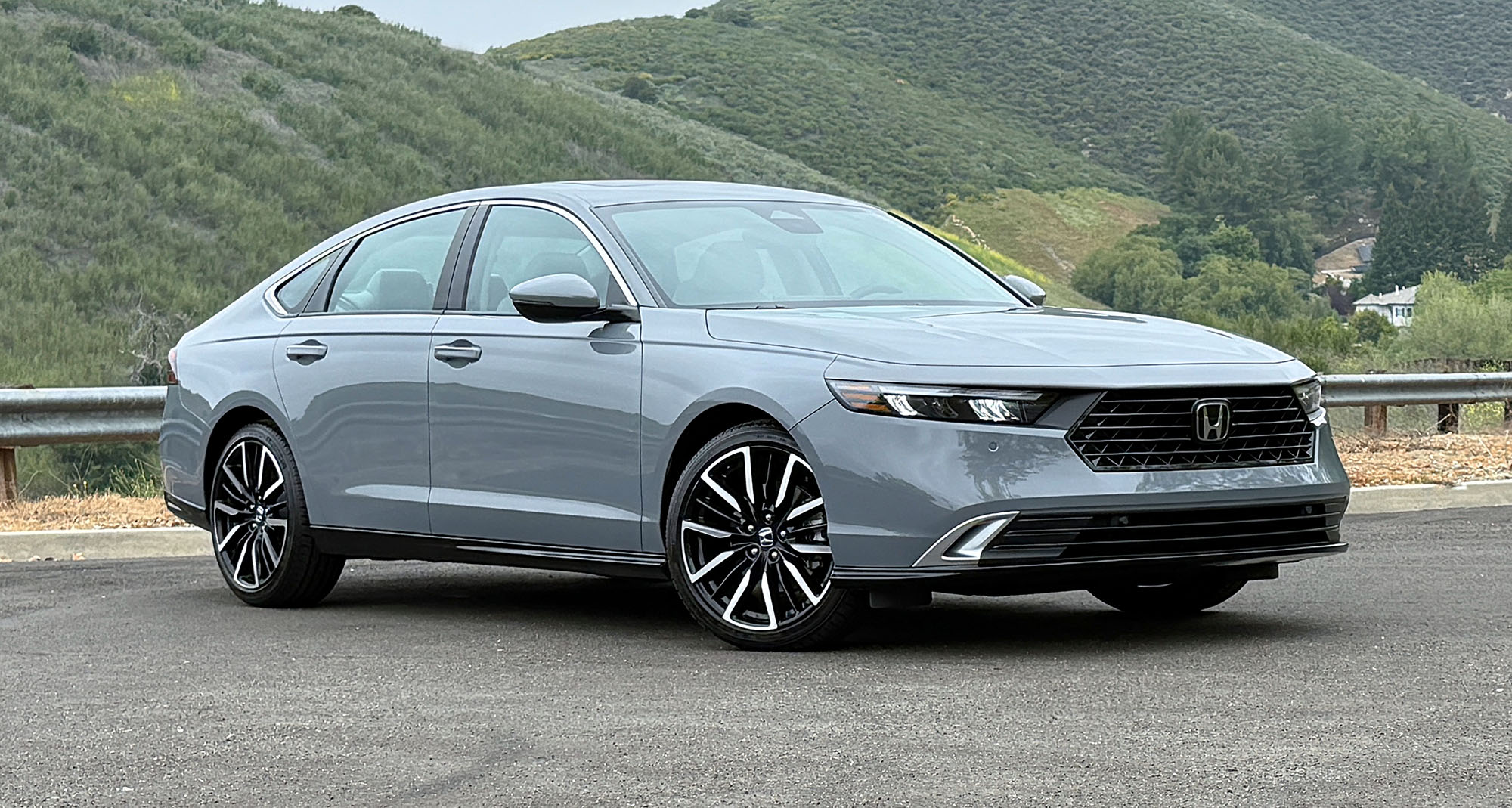
4. Honda Accord
- Engine: 1.5L Turbo 4-Cylinder or 2.0L Hybrid 4-Cylinder
- Horsepower: 192 hp to 204 hp
- Torque: 192 lb-ft to 247 lb-ft
- Size: 195.7 in Long x 73.2 in Wide
Few midsize sedans have earned the trust and recognition that the Honda Accord enjoys. Known for its comfortable ride, spacious cabin, strong fuel economy, and dependable reputation, the 2026 Accord continues to be a favorite among families and commuters. Buyers can choose between a turbocharged 1.5-liter four-cylinder engine and a 2.0-liter hybrid setup, delivering between 192 and 204 horsepower and up to 247 lb-ft of torque. At 195.7 inches long, the Accord remains one of the roomier sedans in its segment.
Unlike several competitors that lost safety ratings because of rear-seat protection concerns, the Accord’s issue comes from a different area. It earned a Top Safety Pick rating but fell short of the Top Safety Pick+ award due to tougher active safety requirements introduced by the IIHS for 2026.
The Accord’s crash protection remains strong. Instead, the challenge lies with the performance of its driver-assistance systems. Features such as automatic emergency braking, lane-keeping assistance, and pedestrian detection are now judged more aggressively than before. Honda’s well-known Honda Sensing package still performs well in everyday driving, but it did not score consistently enough in every test scenario to meet the stricter standards required for the highest rating.
For shoppers, this means the Accord remains a safe and well-built sedan, though Honda may need to further refine its driver-assistance technology in future updates.
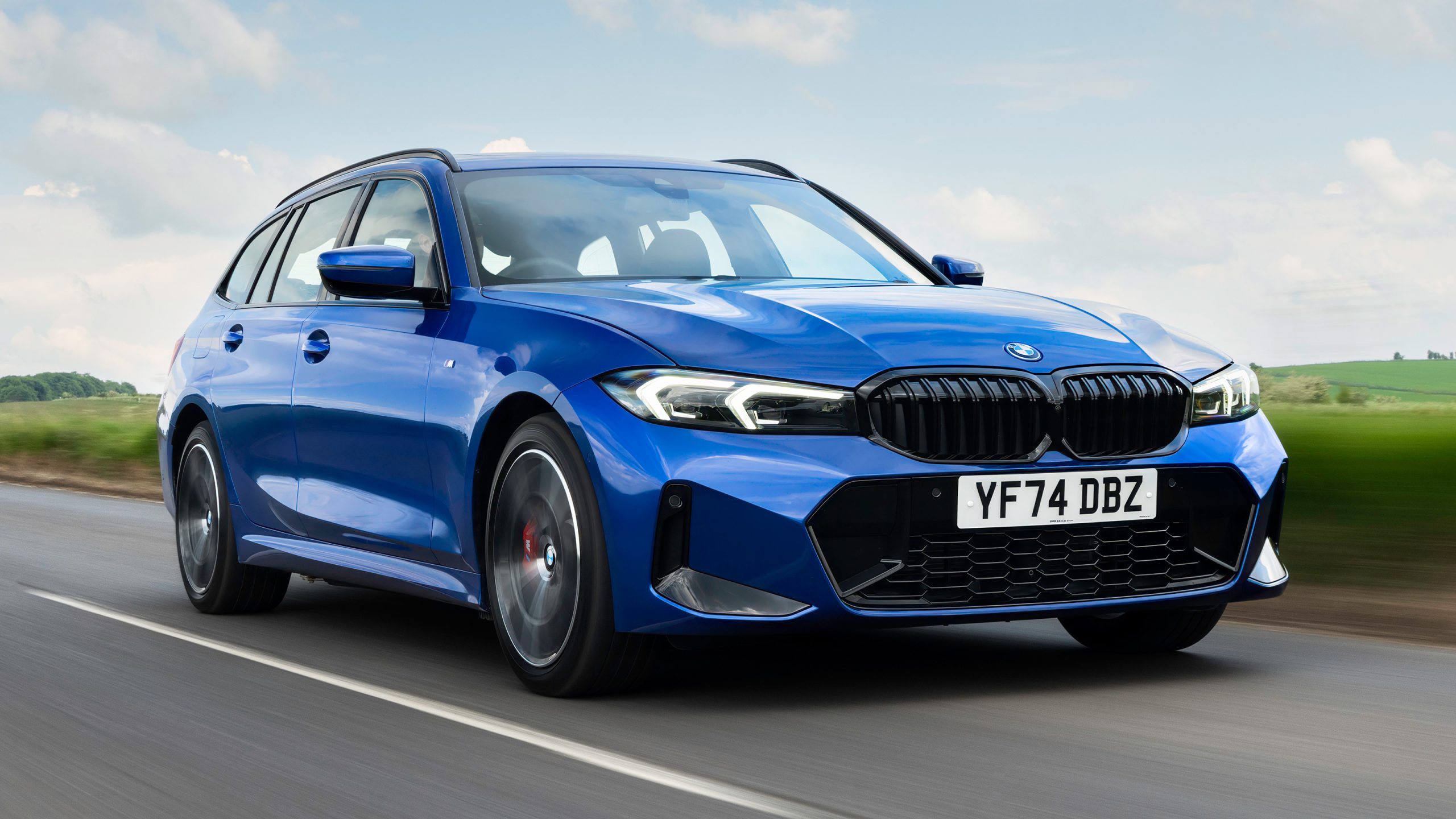
5. BMW 3 Series
- Engine: 2.0L Turbo 4-Cylinder (or 3.0L Turbo Inline-6)
- Horsepower: 255 hp to 382 hp
- Torque: 295 lb-ft to 369 lb-ft
- Size: 185.7 in Long x 71.9 in Wide
For years, the BMW 3 Series has been the car against which many luxury sedans are compared. Its reputation comes from combining sharp handling with a premium interior, making it a favorite among drivers who want both comfort and performance.
Engine choices range from a 2.0-liter turbocharged four-cylinder producing 255 horsepower to a 3.0-liter turbocharged inline-six generating up to 382 horsepower. Torque figures vary from 295 to 369 lb-ft. Measuring 185.7 inches long and 71.9 inches wide, the 3 Series remains relatively compact, giving it the nimble feel that has defined the model for decades.
Its recent drop from the IIHS Top Safety Pick+ category was not caused by a single weakness. Instead, the sedan lost ground in multiple areas as the organization introduced tougher testing requirements. Updated crash-avoidance evaluations placed greater demands on vehicle safety systems, and the 3 Series did not perform consistently enough across every scenario to maintain its previous standing.
Headlights also played a role in the lower rating. The IIHS continues to place heavy emphasis on nighttime visibility, measuring how well headlights illuminate the road while limiting glare for other drivers. Because the 3 Series is offered in several trims, headlight performance varies depending on the version buyers choose.
Higher trims generally perform better, while some lower trims fall short of the latest standards. That creates a situation where two vehicles carrying the same 3 Series badge may deliver different safety results based solely on their equipment.
Anyone shopping for one should pay close attention to the specific trim and headlight package included. BMW has the engineering expertise to address these concerns, but for now, the 3 Series sits just outside the organization’s highest safety category.
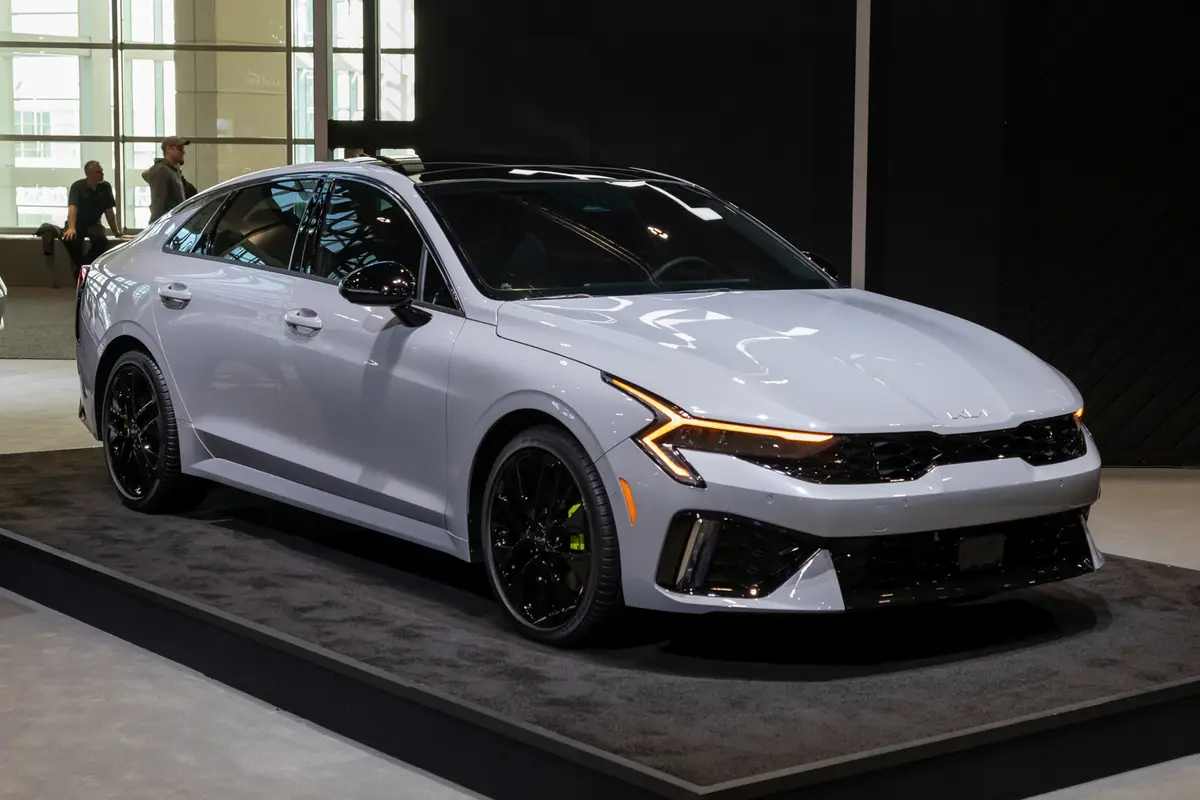
6. Kia K5
- Engine: 2.5L 4-Cylinder (or 2.5L Turbo 4-Cylinder)
- Horsepower: 191 hp to 290 hp
- Torque: 181 lb-ft to 311 lb-ft
- Size: 193.1 in Long x 73.2 in Wide
Kia’s K5 has carved out a reputation as one of the sportiest-looking sedans in the midsize segment, pairing eye-catching styling with genuinely competitive performance numbers. Buyers can choose between a 2.5L four-cylinder or a 2.5L turbocharged four-cylinder, generating horsepower between 191 and 290 alongside torque figures from 181 to 311 lb-ft. Measuring 193.1 inches long and 73.2 inches wide, the K5 sits comfortably within the same general size class as several other sedans already discussed on this list.
Unlike most other vehicles mentioned so far, the K5 did not simply slip from Plus status down to a standard rating. This sedan lost its high-tier placement entirely following a “Poor” rating in the updated frontal overlap testing, a result that lands considerably harder than a typical minor downgrade. Adding to the trouble, the K5 also earned only a “Marginal” score in modern side-impact challenges, meaning two separate crashworthiness categories both came back disappointing under the revised 2026 protocols.
A double failure like this points toward structural weaknesses that go beyond software tweaks or sensor recalibration, since both frontal and side-impact results depend heavily on how the vehicle’s frame, crumple zones, and reinforced pillars physically absorb crash energy. Fixing this kind of shortfall typically demands meaningful structural redesign work, something automakers usually reserve for a full model refresh rather than a quick mid-cycle fix.
Vehicles Dropped From the Safety Lists Entirely
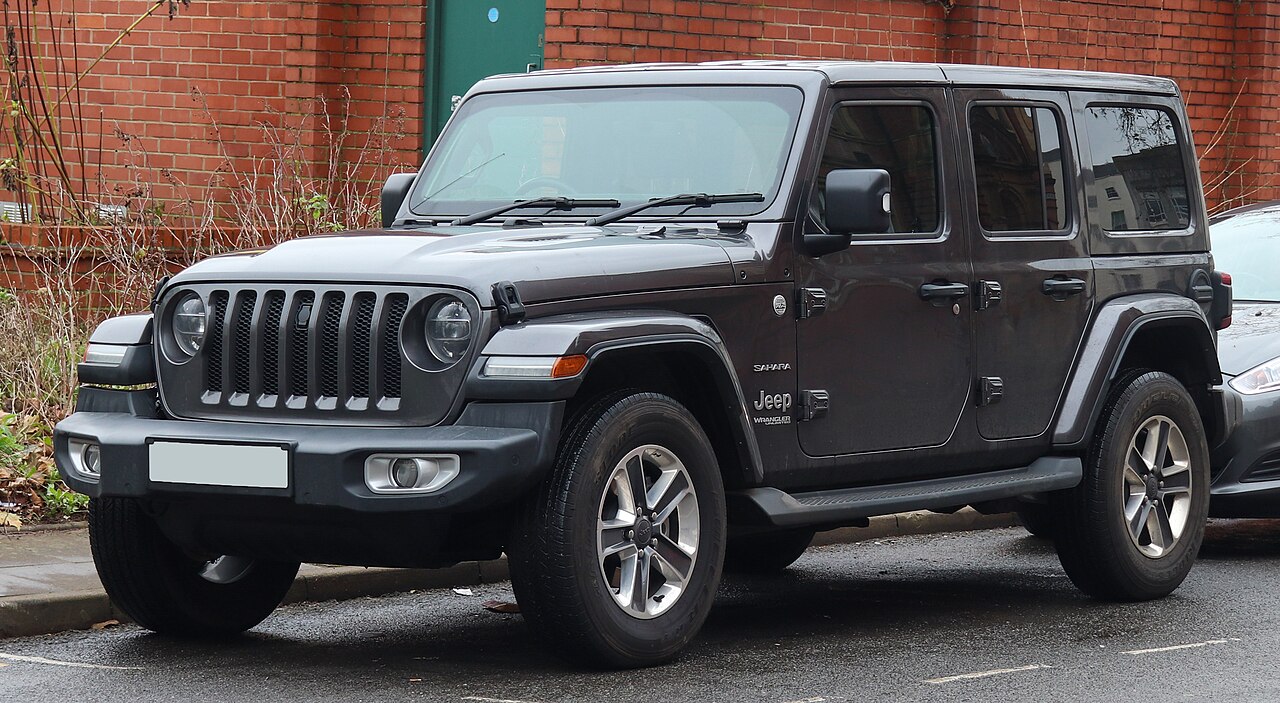
7. Jeep Wrangler
- Engine: 2.0L Turbo 4-Cylinder or 3.6L V6
- Horsepower: 270 hp to 285 hp
- Torque: 260 lb-ft to 295 lb-ft
- Size: 166.8 to 188.4 in Long x 73.8 in Wide
Few vehicles carry as much off-road credibility as the Jeep Wrangler, a model built from the ground up to handle rock crawling, mud, and trails that would stop most other vehicles immediately. Buyers can choose between a 2.0L turbocharged four-cylinder or a 3.6L V6, producing between 270 and 285 horsepower with torque ranging from 260 to 295 lb-ft. Length varies considerably depending on body style, stretching from 166.8 inches up to 188.4 inches, while width holds steady at 73.8 inches across the lineup.
That rugged off-road focus comes with real tradeoffs once IIHS testing enters the picture, and the Wrangler missed out on any Top Safety Pick designation entirely this year. Structural limitations revealed during side-impact testing exposed genuine vulnerabilities, a result that should not surprise anyone familiar with the Wrangler’s boxy shape and removable doors, both hallmarks of its off-road identity that work against it during controlled crash testing.
Weak head restraint metrics compounded the Wrangler’s struggles further, suggesting the seats and headrests do not adequately protect occupants from whiplash-related injuries during rear-impact scenarios. This particular shortfall has lingered around the Wrangler for several years across different testing cycles, and the 2026 standards simply made the gap impossible to overlook any longer.
None of this should shock longtime Jeep owners, who have generally accepted that the Wrangler trades certain on-road safety refinements in exchange for genuine trail capability that few rivals can match. Buyers who prioritize off-road performance above all else will likely continue choosing the Wrangler regardless of its IIHS standing, but anyone cross-shopping primarily for daily commuting safety should understand exactly what they are sacrificing in exchange for that legendary trail capability.
8. Ford Bronco Sport
- Engine: 1.5L Turbo 3-Cylinder or 2.0L Turbo 4-Cylinder
- Horsepower: 181 hp to 250 hp
- Torque: 190 lb-ft to 277 lb-ft
- Size: 172.7 in Long x 74.3 in Wide
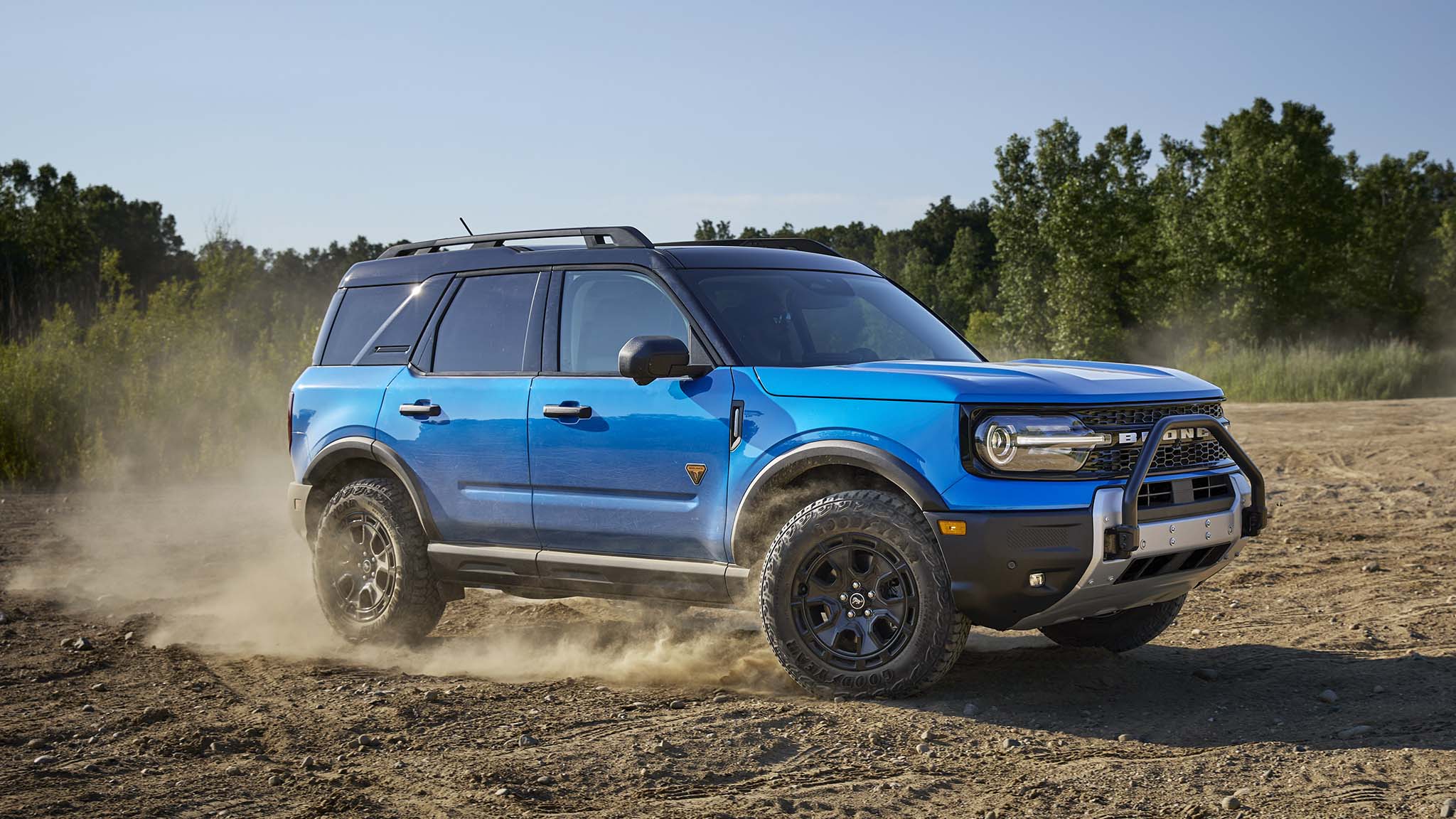
The Ford Bronco Sport has become a popular choice for drivers who like the rugged look of an off-road SUV but do not need the size or bulk of the larger Bronco. Engine options include a 1.5-liter turbocharged three-cylinder and a stronger 2.0-liter turbocharged four-cylinder, delivering between 181 and 250 horsepower and 190 to 277 lb-ft of torque. Measuring 172.7 inches long and 74.3 inches wide, it fits comfortably into the compact crossover category while still offering the adventurous personality that attracts outdoor-minded buyers.
What makes the Bronco Sport’s recent safety rating decline stand out is the fact that it previously earned high marks from the IIHS. Earlier versions received a Top Safety Pick+ award, making their drop under the updated testing standards a clear example of how much tougher the evaluations have become. The vehicle itself did not suddenly become less safe. Instead, the requirements became much harder to satisfy.
A major factor behind the lower rating was its performance in the latest automatic emergency braking tests. These evaluations measure how effectively a vehicle can recognize and avoid different obstacles, including passenger cars, motorcycles, and larger trucks. The Bronco Sport struggled to consistently meet the tougher benchmarks, particularly in higher-speed scenarios where reaction time becomes even more critical.
The result may come as a surprise because Ford has invested heavily in advanced driver-assistance technology across its lineup. Buyers who remember the Bronco Sport’s earlier safety awards should keep in mind that safety ratings are always evolving. As testing methods become more demanding, vehicles that once sat near the top of the rankings can find themselves facing tougher competition without any changes to the vehicle itself.
9. Buick Encore GX
- Engine: 1.2L Turbo or 1.3L Turbo 3-Cylinder
- Horsepower: 137 hp to 155 hp
- Torque: 162 lb-ft to 174 lb-ft
- Size: 171.4 in Long x 71.4 in Wide
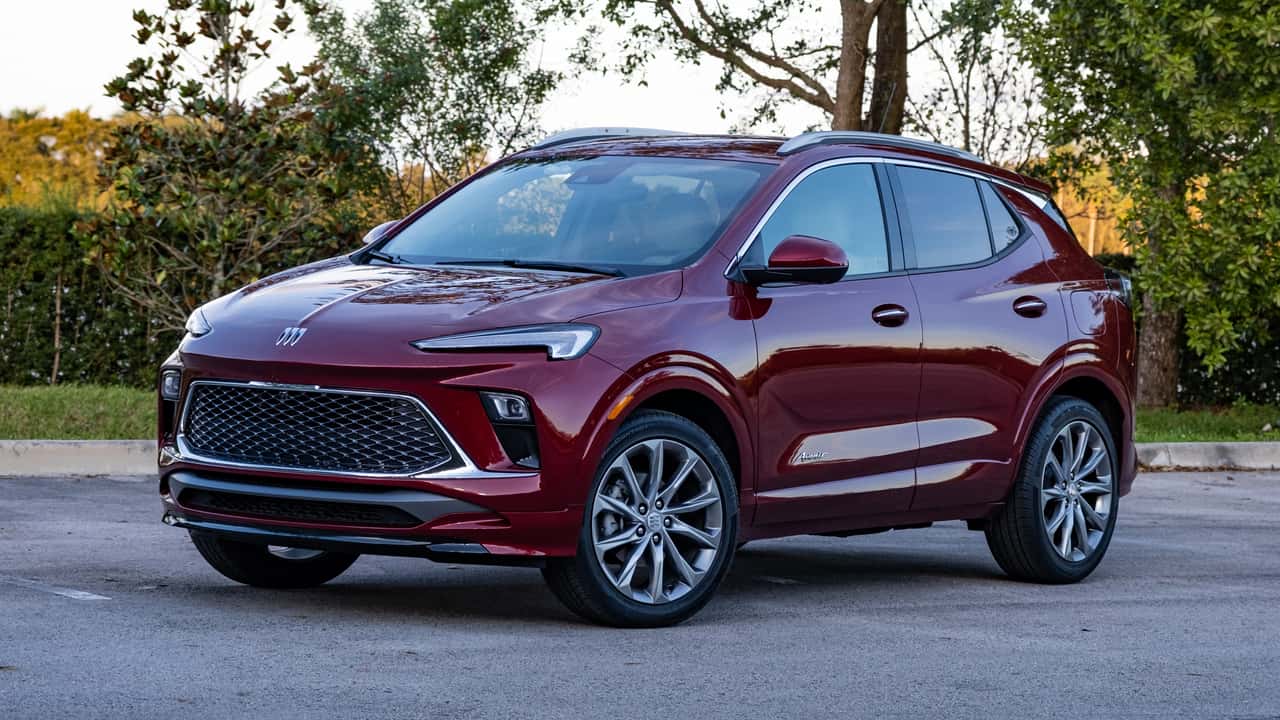
Buick positions the Encore GX as an accessible entry point into the brand’s lineup, offering a comfortable, quiet ride wrapped in a subcompact crossover body. Power comes from either a 1.2L turbocharged or a 1.3L turbocharged three-cylinder engine, generating between 137 and 155 horsepower alongside torque figures from 162 to 174 lb-ft. Measuring 171.4 inches long and 71.4 inches wide, the Encore GX competes in one of the most budget-conscious corners of the crossover market.
Crashworthiness was never the problem holding this Buick back from earning recognition in 2026. Despite earning “Good” scores across older crash test loops, the Encore GX still missed out on any Top Safety Pick award, and the explanation traces back to two areas completely separate from how the vehicle’s structure handles a physical collision.
Headlight performance once again surfaces as a recurring theme throughout this roundup, and the Encore GX joins the BMW 3 Series in suffering from uncompetitive illumination quality that fails to meet the IIHS’s visibility standards. Poor headlight performance matters enormously for nighttime safety, since a driver simply cannot react to hazards they never clearly see in the first place, regardless of how strong the vehicle’s frame might be in a collision.
Modern pedestrian-detection deficits added a second strike against the Encore GX, highlighting how far behind some affordable crossovers have fallen in active safety technology compared to pricier competitors. Pedestrian detection has become an expected baseline feature across much of the industry, and falling short here reflects a genuine technology gap rather than simply unlucky testing circumstances.
Also Read: 10 Cars With Factory Dash Cams and Sentry Modes
10. Kia Seltos
- Engine: 2.0L 4-Cylinder or 1.6L Turbo 4-Cylinder
- Horsepower: 146 hp to 195 hp
- Torque: 132 lb-ft to 195 lb-ft
- Size: 172.6 in Long x 70.9 in Wide
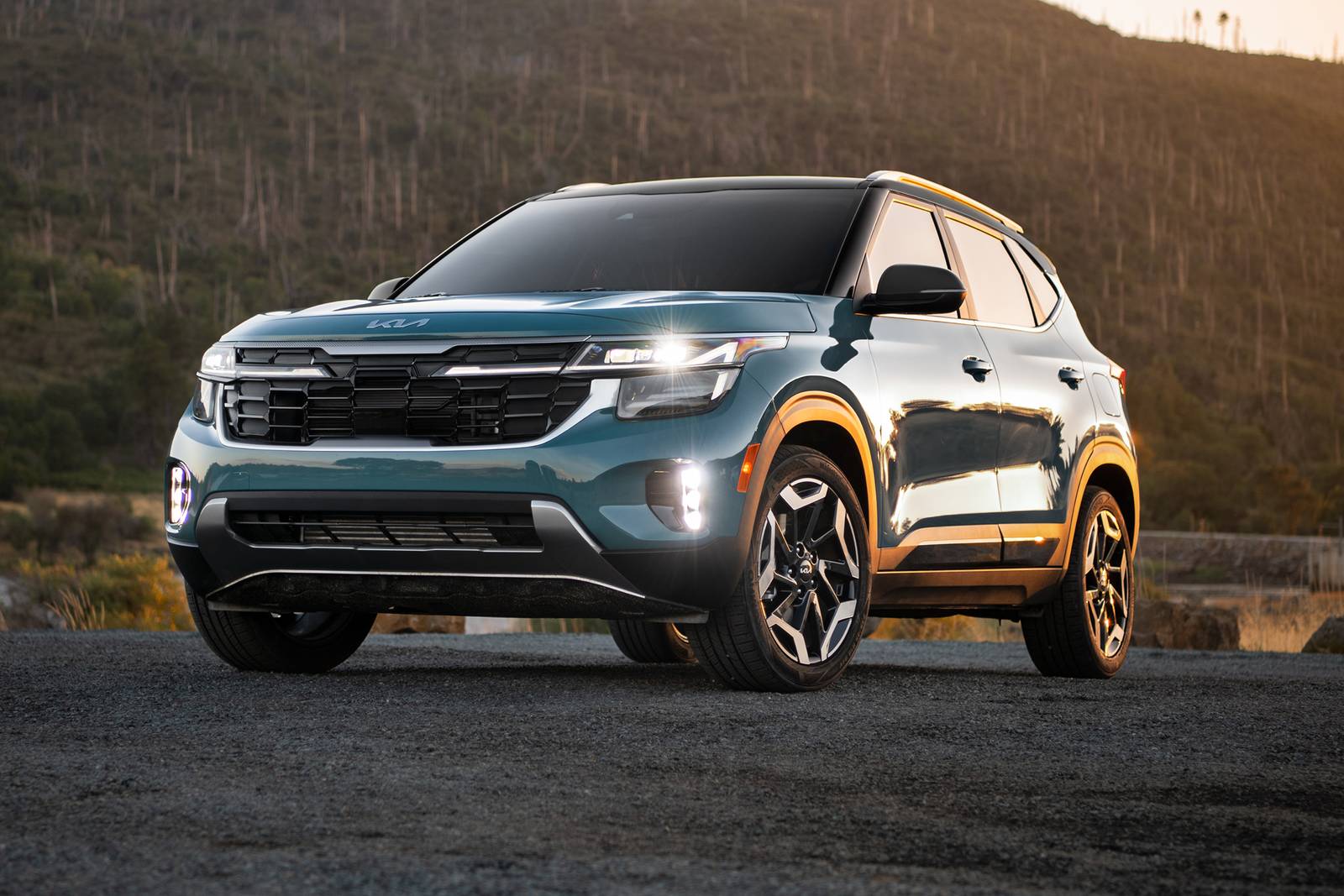
Wrapping up this list is the Kia Seltos, a compact crossover that has earned attention for its affordable pricing, modern styling, and generous feature list. Buyers can choose between a 2.0-liter four-cylinder engine and a more powerful 1.6-liter turbocharged four-cylinder, with output ranging from 146 to 195 horsepower and 132 to 195 lb-ft of torque. Measuring 172.6 inches long and 70.9 inches wide, the Seltos offers the easy maneuverability many shoppers want from a small SUV while still providing practical interior space.
Despite its strengths, the Seltos struggled under the latest IIHS testing standards. Among the vehicles featured here, it delivered one of the weakest performances, missing out on the safety awards that many competitors were still able to achieve. While several vehicles saw their ratings drop because of tougher testing requirements, the Seltos fell short across multiple evaluation areas, making its results particularly disappointing.
One of the biggest issues involved the headlights found on lower trims. Those models continue to use halogen units, which provide less effective illumination than modern LED systems. As automakers increasingly move toward brighter and more precise LED lighting, halogen headlights are becoming a growing disadvantage. Reduced nighttime visibility played a major role in the vehicle’s lower scores.
The problems did not stop there. The Seltos also posted weaker results in crash-prevention testing, raising concerns about how effectively its driver-assistance systems detect and respond to potential hazards. When limited nighttime visibility is combined with less capable collision-avoidance technology, the result is a vehicle that faces a tougher challenge in meeting today’s stricter safety expectations.
