
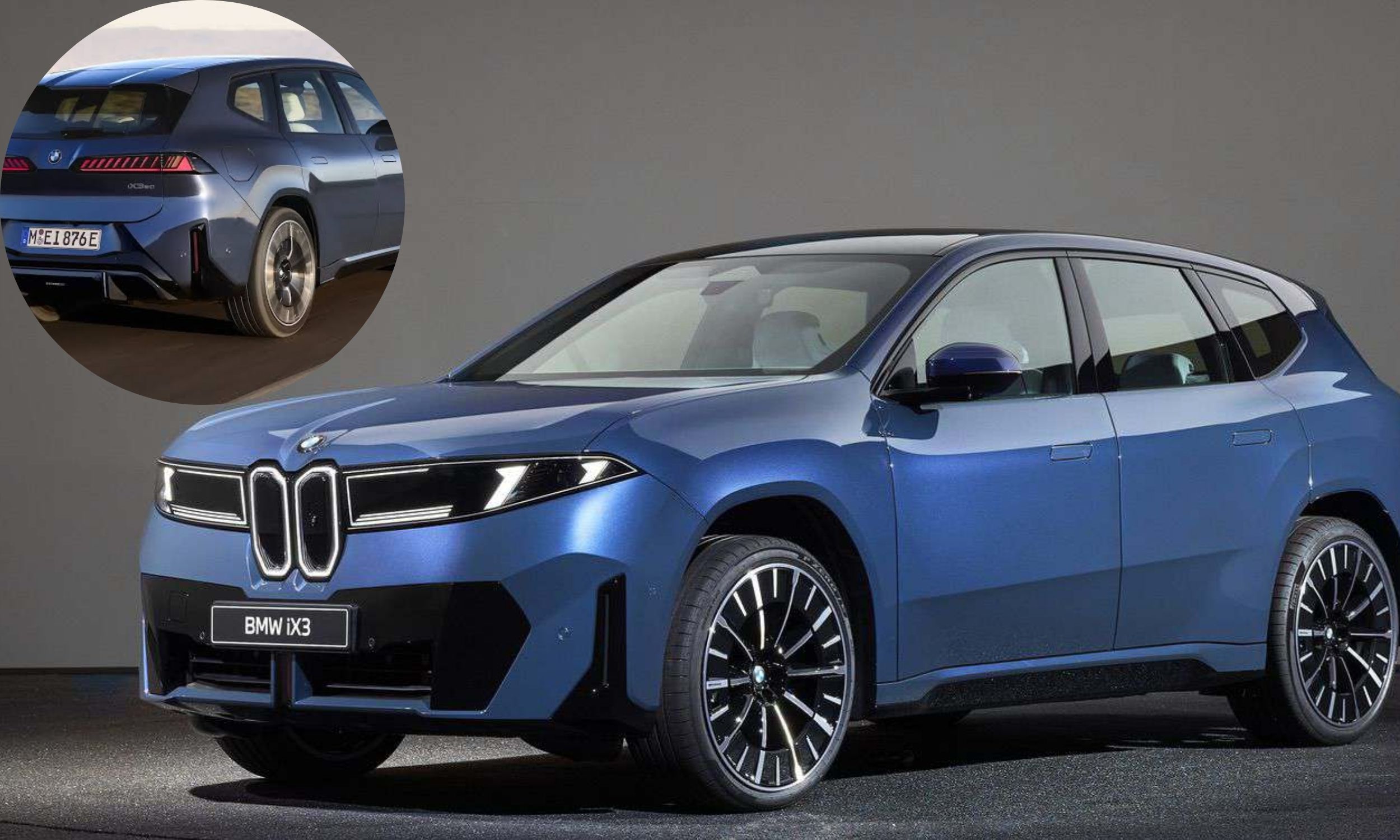
A car company betting its entire future on one model is rare, but that is exactly what BMW just did with the all-new iX3. After years of electric vehicles built on platforms originally designed for gasoline engines, BMW finally built something from a completely blank sheet of paper.
The result is the iX3, the first model riding on the company’s new Neue Klasse platform, a dedicated EV architecture that BMW says will shape every future model across the lineup for years to come. This is not just another electric SUV joining an already crowded segment.
It is a genuine reset for the brand, packing a fresh design language, an entirely new battery and motor system, and a tech-forward cabin built around a feature called Panoramic iDrive. Early reviewers have already called it one of the most complete electric vehicles the company has ever produced, and the awards have started piling up to match that praise.
Whether you are shopping for your first EV or you have been waiting for BMW to get this formula right finally, the iX3 deserves a serious look.
A Fresh Start Called Neue Klasse
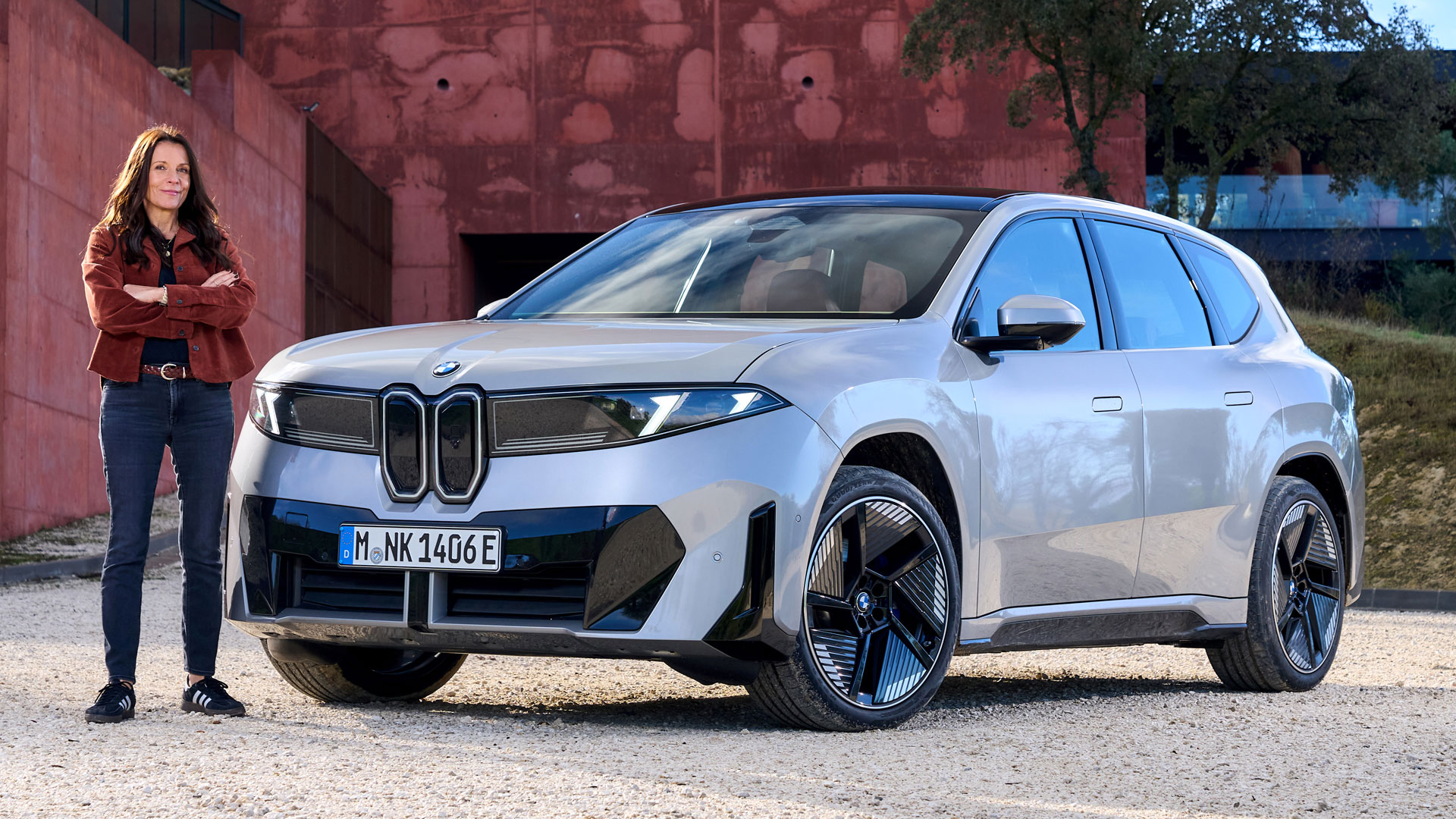
BMW’s new electric platform marks a major change in how the company builds EVs. The name “Neue Klasse” comes from the sporty sedans that helped revive BMW in the 1960s, showing how important this project is to the brand’s future. Unlike earlier BMW electric models that shared parts with gasoline-powered vehicles, this architecture was designed exclusively for electric power from day one.
That clean-sheet approach gives engineers far more freedom. Without having to accommodate components meant for combustion engines, BMW could optimize battery placement, cabin space, and weight distribution. The result is a vehicle that feels more balanced and purpose-built rather than adapted from an existing design.
Drivers who tested the iX3 quickly noticed the difference. Even with 463 horsepower and a weight of roughly 2.3 tons, the SUV feels lighter and more agile than its size suggests. Many reviewers found it more responsive and modern than BMW’s current flagship electric SUV, with the older model mainly retaining an advantage in ride comfort.
Industry recognition followed soon after. The iX3 received major praise from automotive reviewers and earned prestigious awards, reinforcing the belief that BMW’s new EV strategy is paying off. Rather than continuing to modify platforms shared with gasoline vehicles, the company invested in a dedicated electric foundation built for the future.
For BMW, the Neue Klasse project represents far more than another vehicle launch. It signals a fresh direction for the brand and demonstrates what can happen when an automaker designs an electric vehicle without the compromises that come from adapting older technology.
Numbers That Actually Move the Needle
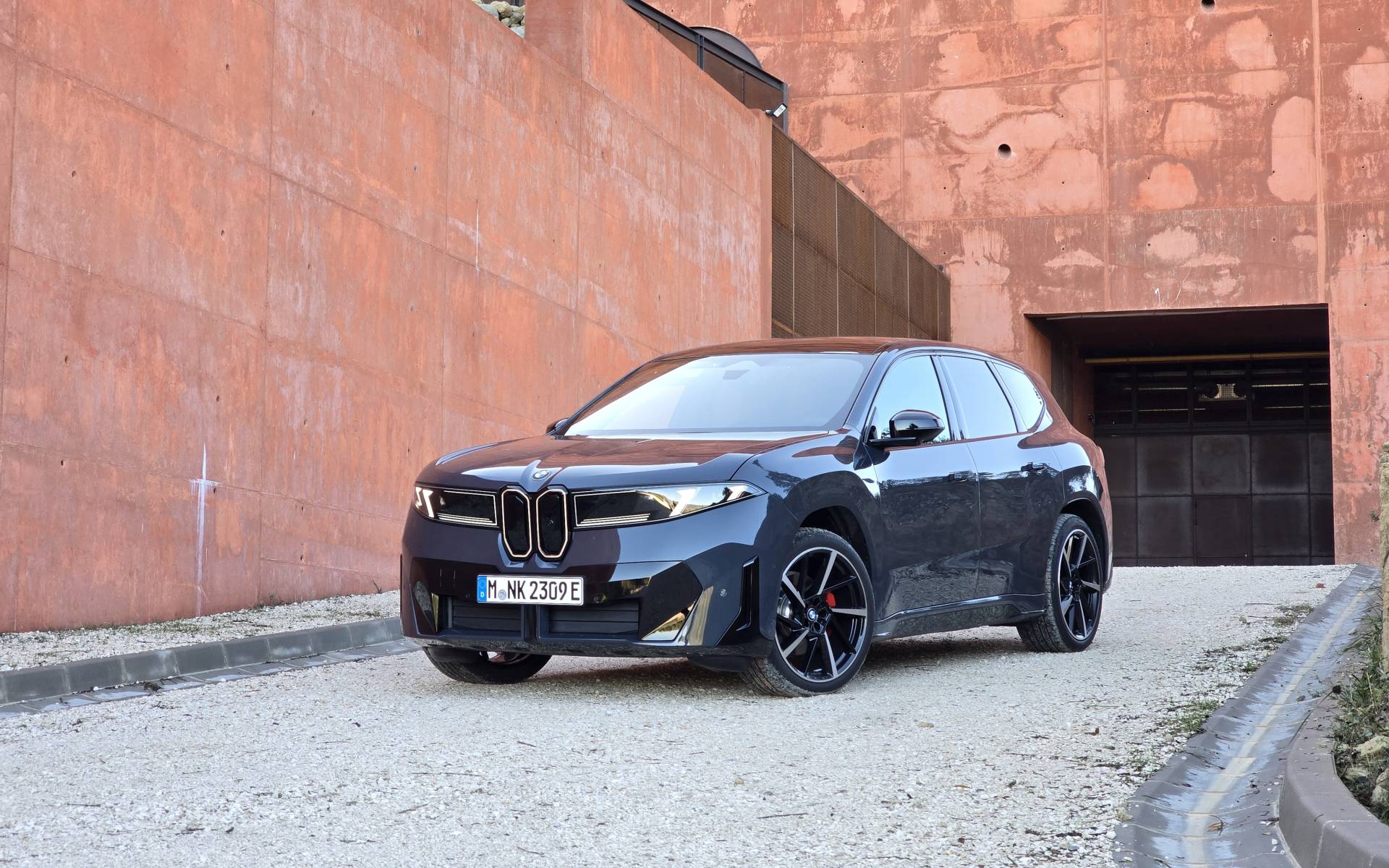
BMW is making a strong statement with the 2026 iX3, and the numbers help explain why so much attention is focused on this new electric SUV. The launch model, called the iX3 50 xDrive, comes with a 108.7-kWh battery and dual electric motors producing 463 horsepower and 473 lb-ft of torque. Performance is impressive, with a 0-60 mph time of just 4.7 seconds, putting it among the quicker luxury SUVs on the market.
Driving range is another area where the iX3 stands out. BMW expects up to 400 miles on a full charge, giving drivers far more confidence on longer trips and reducing the need for frequent charging stops. For many buyers, that kind of range makes an electric vehicle much easier to live with every day.
Charging capability may be the biggest highlight. The iX3 supports charging speeds of up to 400 kW, allowing it to add about 230 miles of range in only 10 minutes under ideal conditions. A charge from 10% to 80% takes roughly 21 minutes, making road-trip stops much shorter than many people associate with EV ownership.
BMW also introduced new hardware beneath the surface. Its latest-generation electric motors are more efficient, lighter, and less expensive to produce than before. The battery pack uses newer cylindrical cells designed to improve performance and efficiency.
Early testing in rain, snow, and mountainous areas suggests the technology performs well in real-world conditions, not just in laboratory settings. Taken together, the iX3 appears designed to deliver strong performance, long range, and extremely fast charging in one package.
Also Read: BMW Reveals a Concept for M Division’s First EV
A Cabin Built Around Panoramic iDrive
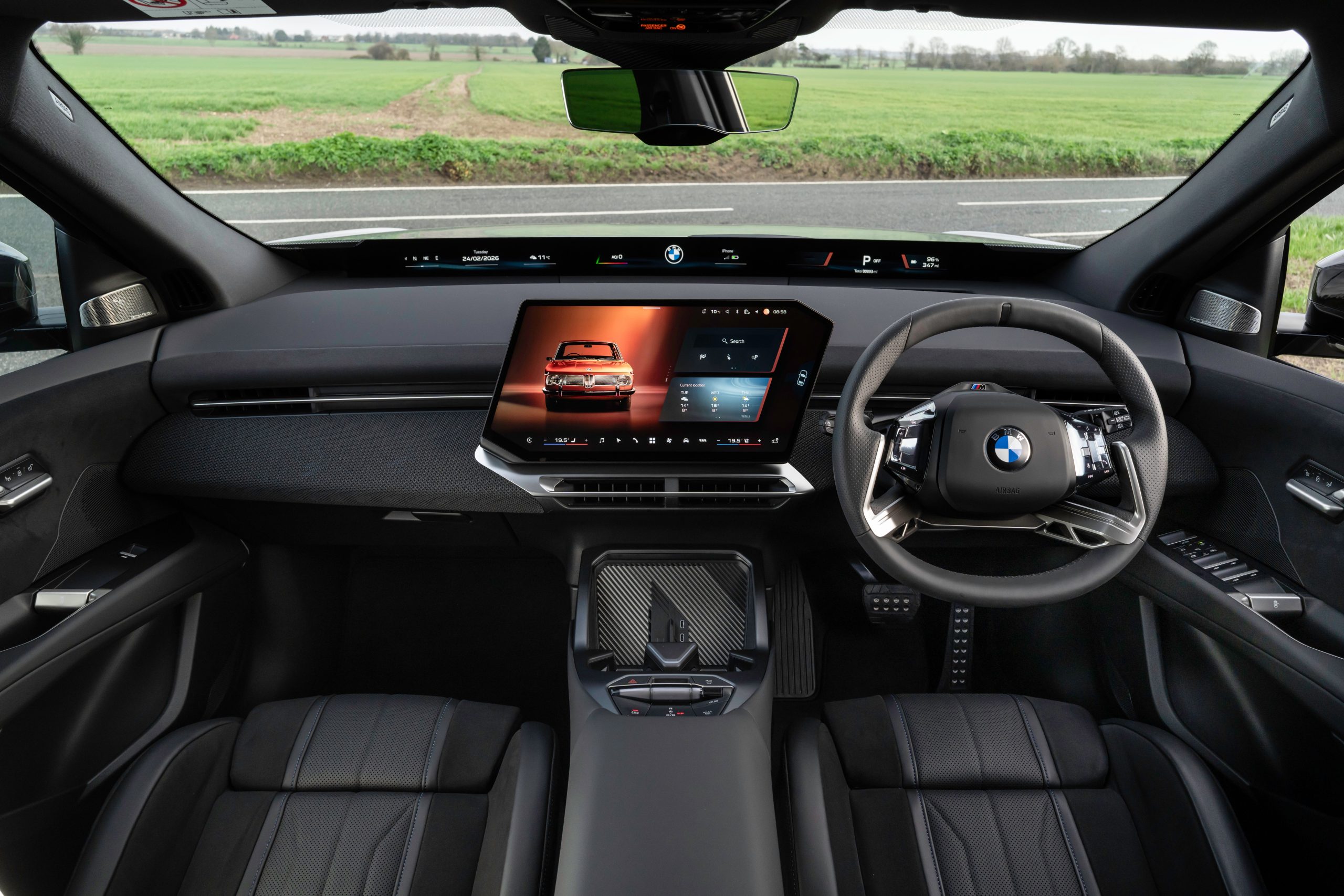
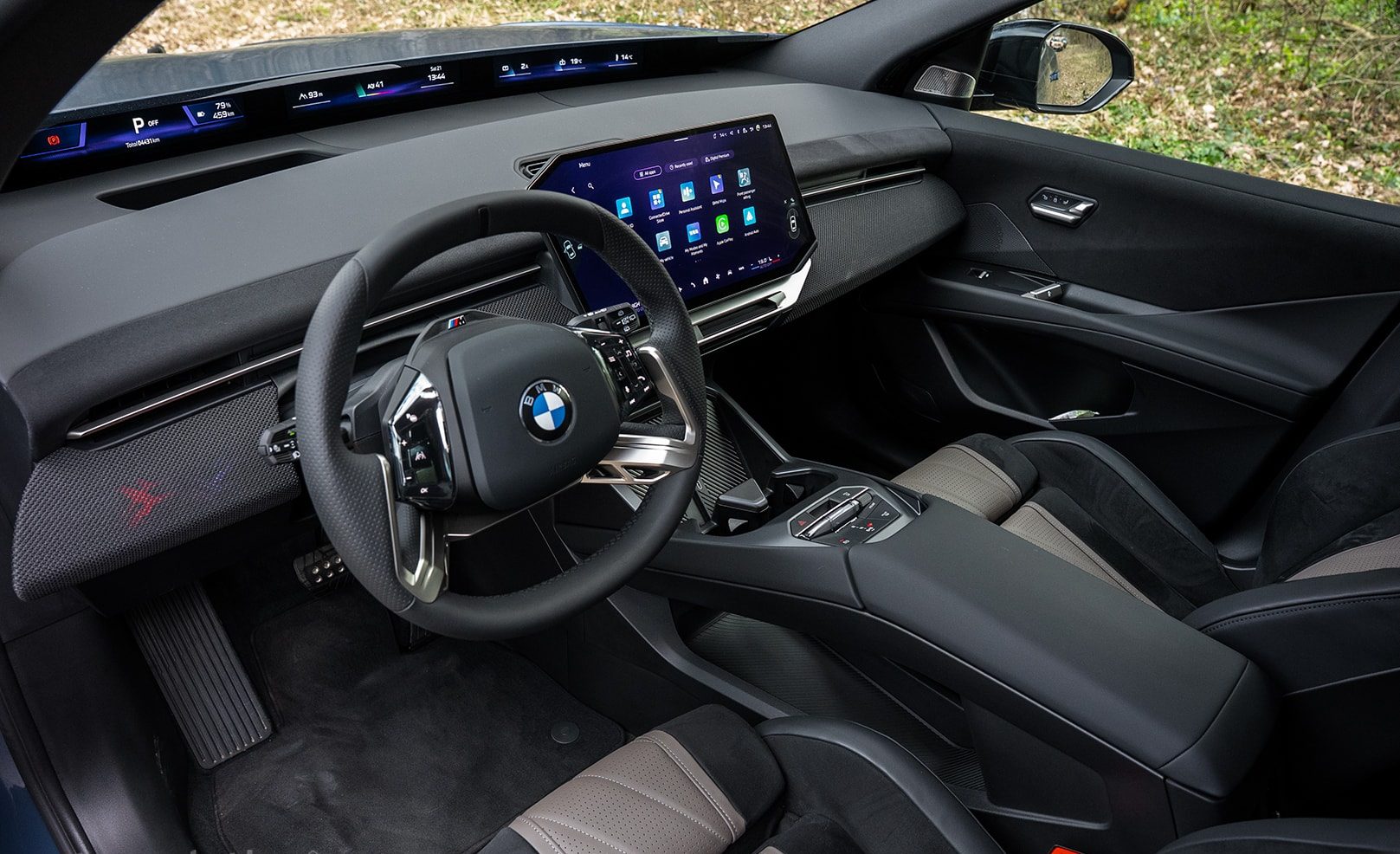
BMW designed the iX3’s interior to feel fresh and more technology-focused than its current lineup. At the center of the cabin is a large 17.9-inch touchscreen paired with the new Panoramic iDrive display system. Standard features include wireless Apple CarPlay and Android Auto, built-in navigation, a wireless charging pad, dual-zone climate control, a digital key, a power tailgate, synthetic leather seats, and 20-inch wheels.
One of the most interesting additions is BMW’s Panoramic Vision display. Instead of relying only on a traditional instrument cluster, important information such as speed and navigation directions is projected along the lower portion of the windshield. This allows drivers to keep their attention closer to the road while still seeing the information they need.
Safety equipment is generous right from the start. Every iX3 comes with forward collision warning, automatic emergency braking, blind-spot monitoring, lane-keeping assistance, pedestrian detection, adaptive cruise control, and vehicle exit warning. The SUV also supports hands-free highway driving in certain situations and can even assist with lane changes when the driver confirms the action with a glance toward the mirror.
Powering all of this technology is a sophisticated computing system. Rather than relying on one central processor, BMW uses four dedicated computers to manage different tasks. One controls vehicle performance and handling, another handles driver-assistance functions, a third runs the infotainment system, and the fourth manages essential vehicle operations. This setup helps the technology respond quickly and work smoothly, creating a more seamless driving experience.
Driving Dynamics That Actually Deliver
BMW appears to have focused on making the iX3 feel engaging behind the wheel instead of chasing the aggressive acceleration many electric vehicles rely on. Test drivers say power delivery feels smooth and natural, building speed in a controlled way rather than delivering a sudden surge the moment the accelerator is pressed.
The result is a driving experience that feels more refined and easier to manage in everyday situations. One area that earned especially strong praise was the regenerative braking system. In high-regeneration mode, drivers can handle much of their slowing simply by easing off the accelerator, creating a smooth one-pedal driving experience.
Reviewers highlighted how predictable and easy it is to control, allowing precise speed adjustments without the jerky feeling sometimes found in other EVs. Even critics known for being difficult to impress rated the system among the best currently available.
Road tests also showed that the iX3 performs well outside carefully controlled conditions. During drives through rain, snow, and mountainous routes with large elevation changes, the SUV maintained strong efficiency numbers. Those results suggest BMW’s latest electric technology can deliver solid performance even when weather and road conditions become challenging.
For drivers concerned about maximizing battery range, BMW includes a dedicated Max Range mode. When activated, the system reduces certain climate-control functions and limits top speed to help stretch the remaining battery farther. BMW says this feature can increase driving range by as much as 25 percent when needed. If extra power is required, pressing the accelerator firmly disables the speed restriction and returns the vehicle to its normal driving mode. Together, these features make the iX3 feel both enjoyable and practical for daily use and longer journeys.
Also Read: 7 BMW X5 Generations Ranked Worst to Best
What Comes Next for the Neue Klasse Family
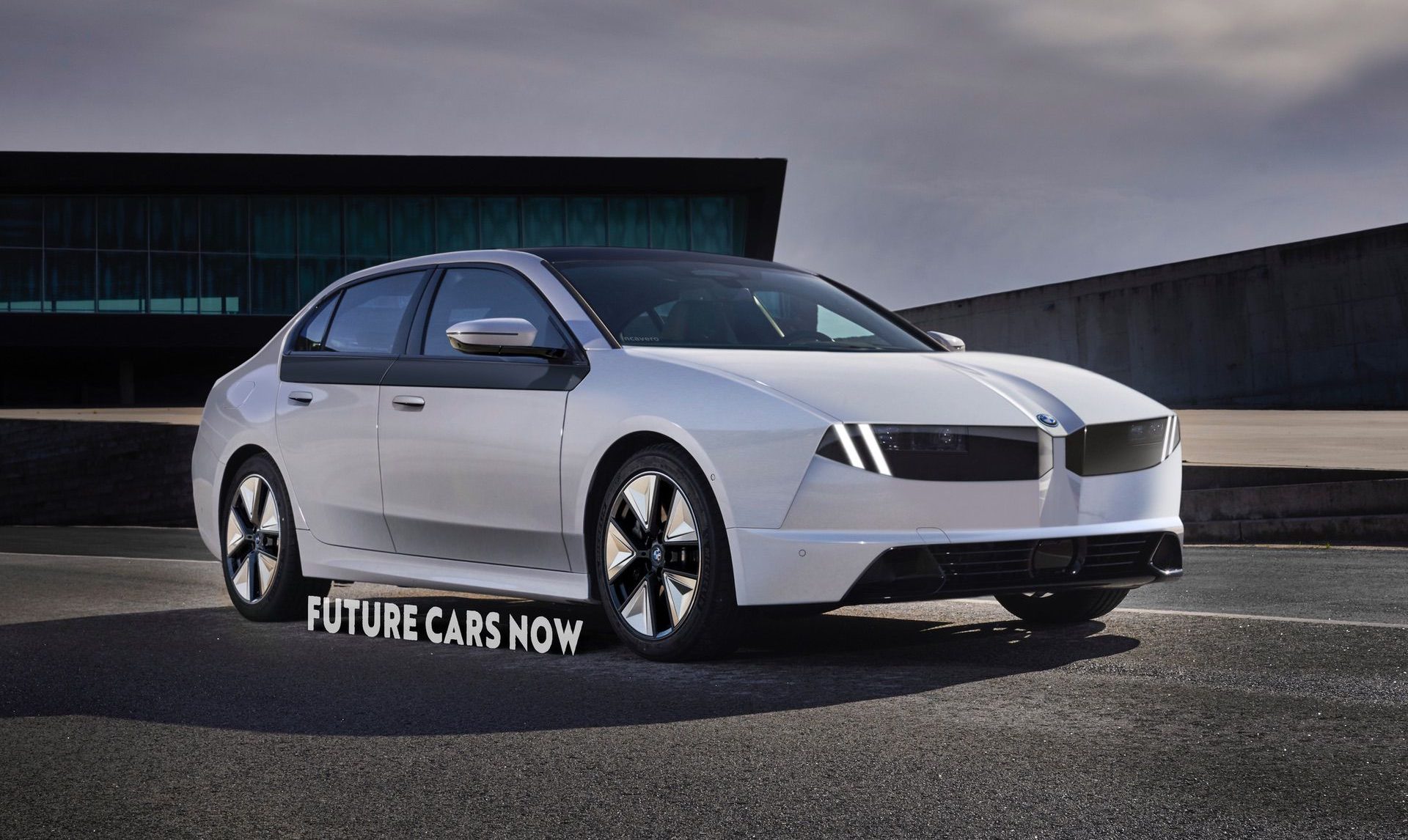
The iX3 represents only the opening chapter in what BMW promises will become a much larger story across its entire lineup. The iX3 is the first of many cars set to ride on the Neue Klasse EV platform, marking a clear break from BMW’s current strategy of selling combustion and electric versions of the same model on shared underpinnings, an approach the company currently uses across the 4, 5, and 7 Series lineups.
Buyers who like what they see in the iX3 should expect that same design language and technology to spread across additional models in the coming years. Initial availability remains intentionally limited while BMW ramps up global production. BMW is initially selling only the iX3 50 xDrive, with or without an M Sport Package, matching the rollout strategy used everywhere else around the world.
A more affordable entry point and a long-wheelbase variant are already taking shape behind the scenes for future release. BMW has fired up the configurator for the iX3 40, a new entry-level version featuring a single motor, rear-wheel drive, and a smaller battery offering reduced range, while engineers continue testing a China-only iX3 Long Wheelbase variant, focused specifically on range, charging, thermal management, and rear-seat comfort.
Manufacturing for the US market is already underway to meet anticipated demand. BMW will build the iX3 at a new plant in Debrecen, Hungary, with US production set to begin in the first quarter of 2026 and deliveries kicking off the following summer.
Given the praise, awards, and genuine engineering ambition packed into this first Neue Klasse model, the rest of BMW’s electric lineup has a remarkably high bar to clear in the years ahead, and the iX3 has set that bar with real substance behind the marketing.
