
Luxury SUVs rarely enjoy a straight, trouble-free path from first sketch to showroom favorite. BMW’s X5 proves that point better than most. Since its debut, this model has carried the weight of being both a family hauler and a performance-oriented machine with premium expectations attached.
Each generation arrived with bold ideas, new engineering choices, and fresh technology that promised progress. Some of those choices aged gracefully. Others created headaches for owners and shaped reputations that still linger today. Ranking BMW X5 generations from worst to best requires more than nostalgia or badge loyalty.
Real ownership experiences matter. Reliability trends, drivetrain behavior, interior quality, ride comfort, and long-term durability all play a role. Early ambition sometimes outpaced execution, while later updates corrected earlier missteps and refined what already worked. This list looks at how each version performed when new and how it held up after years of daily use.
Rather than treating every X5 as equal, this article separates them by generation and revision. Early builds are judged differently from later updates, and refresh cycles receive credit where improvements were clearly delivered. From first attempts that struggled with electronic reliability to recent versions that finally blend performance with polish, each chapter explains why that generation sits where it does in the ranking. These generations laid the groundwork, learned lessons the hard way, and shaped what the X5 eventually became.
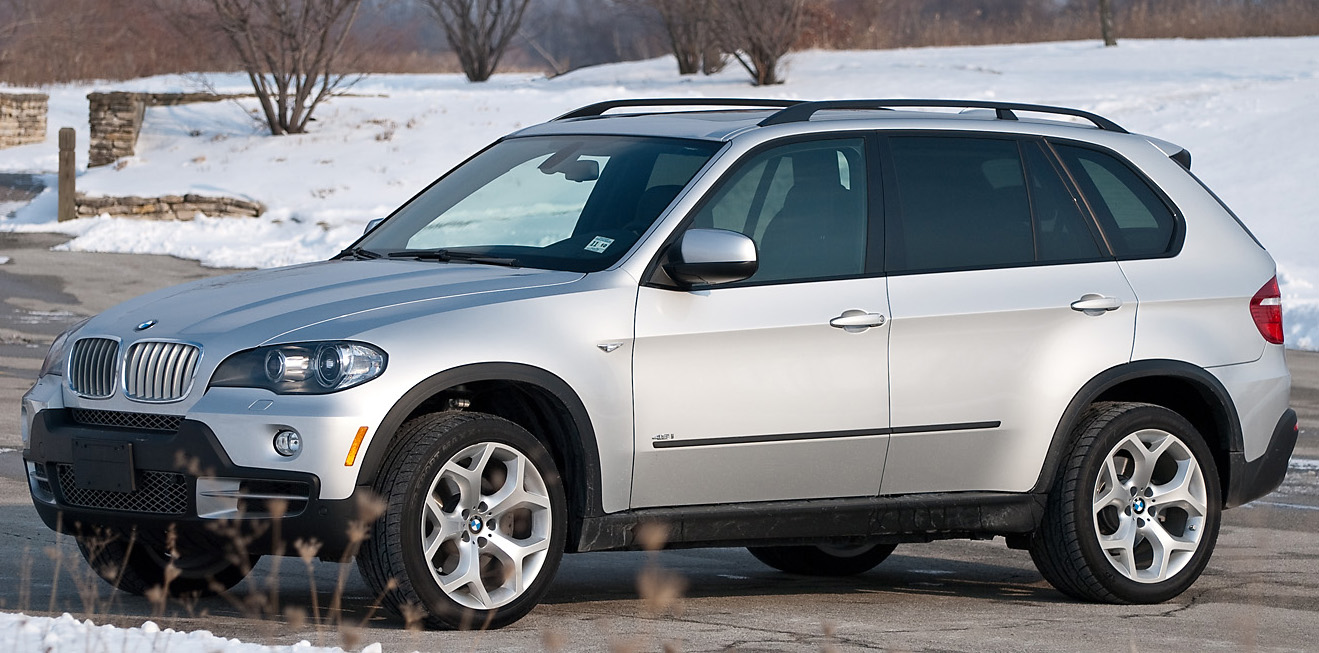
1. BMW X5 E70 Pre LCI (2007 to 2010) (Worst)
- Engine: 3.0L inline-6 and 4.8L V8 options
- Horsepower: up to 350 hp
- Torque: up to 350 lb-ft
- Size: Length 191.1 in, Width 76.1 in
The introduction of the second-generation BMW X5 E70 came with expectations that matched the brand’s ambition at the time. The vehicle arrived larger, heavier, and more focused on comfort than its predecessor, signalling a deliberate move toward the luxury end of the sport utility market.
While the design direction and feature expansion appeared impressive on paper, early ownership realities revealed a vehicle that entered production before all major systems had reached sufficient maturity. For many buyers, this period marked an ownership experience defined more by workshop visits than by satisfaction behind the wheel.
Engine performance varied widely depending on configuration. Inline six petrol variants delivered a smoother balance and fewer long-term failures, though they were not entirely free from cooling and accessory-related faults. V8 versions, which attracted buyers seeking stronger performance, suffered repeated issues involving oil leaks, valve stem seal deterioration, and premature cooling system wear. Repair procedures for these faults were rarely simple.
Tight engine packaging meant that even routine fixes required extensive labour, leading to high service bills that escalated rapidly once factory warranty coverage expired. Electrical systems proved equally demanding. Early versions of the iDrive interface experienced slow response times, frozen displays, and navigation malfunctions. Owners also reported frequent warning lights triggered by sensor faults that were difficult to trace.
Comfort access systems, parking sensors, and lighting modules exhibited inconsistent behaviour, creating a sense of uncertainty during daily use. Although these problems did not always immobilise the vehicle, they reduced trust in the vehicle’s reliability and eroded the premium ownership expectation.
Suspension design introduced another layer of difficulty. Many E70 units were equipped with adaptive air suspension intended to deliver adjustable ride comfort and handling balance. In practice, air springs, compressors, and control modules failed earlier than expected.
When faults occurred, repair costs surprised owners who had not anticipated the long-term financial implications of such technology. Vehicles fitted with conventional suspension systems generally fared better, though even these were not immune to bushing and control arm wear.
Interior quality presented mixed results. While the cabin layout felt modern at launch, material durability did not always align with the vehicle’s market positioning. High contact surfaces showed wear quickly, soft-touch coatings deteriorated, and trim rattles became common in vehicles used daily. Seats, though comfortable when new, often displayed cracking and bolster wear well before expected mileage thresholds.
Driving behaviour remained one of the few consistent strengths. Steering response, braking confidence, and highway stability reflected BMW’s chassis tuning expertise. Yet enjoyment was frequently overshadowed by concerns about reliability and cost exposure. Resale values declined as awareness of early E70 ownership challenges spread among used vehicle buyers.
This version occupies the lowest position due to the cumulative effect of mechanical, electrical, and suspension issues experienced during its early years. Capability existed, but consistency did not, leaving many owners feeling burdened rather than rewarded.
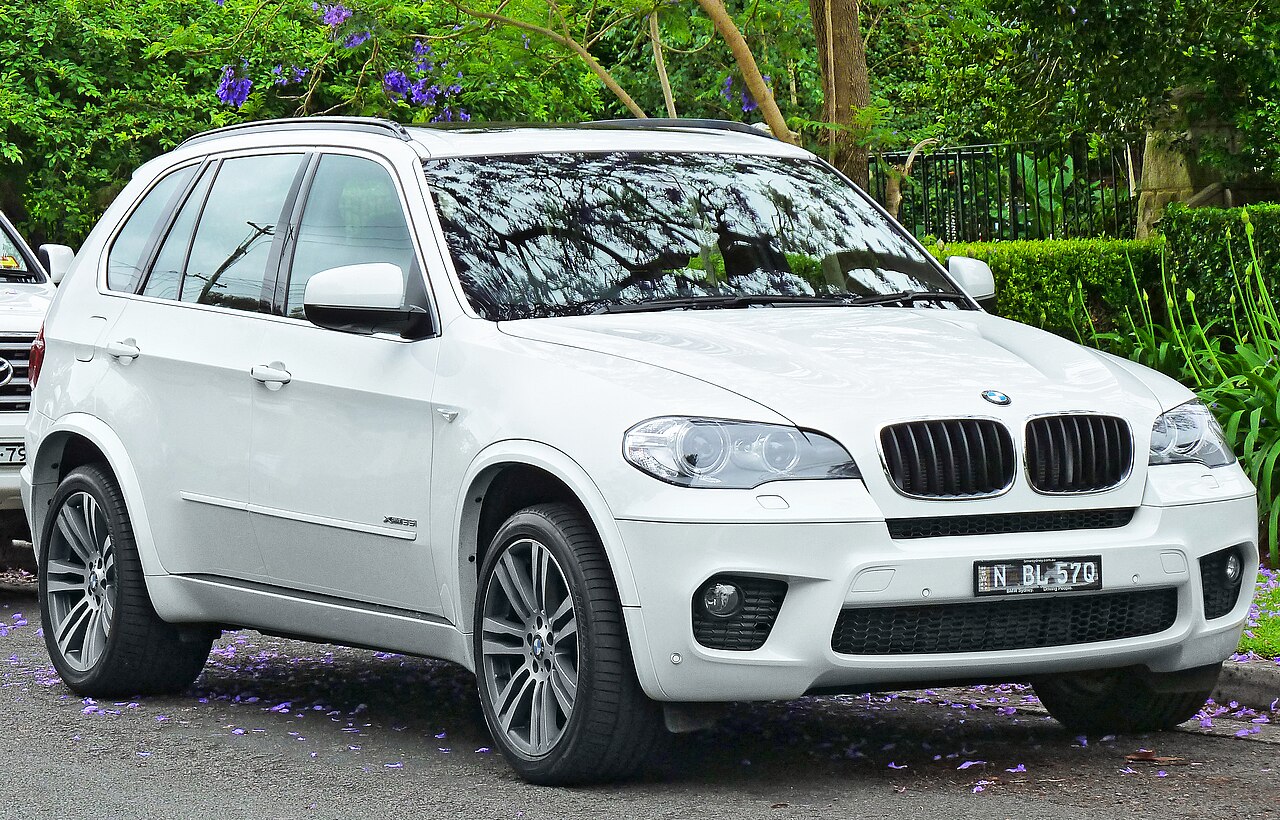
2. BMW X5 E70 LCI (2011 to 2013)
- Engine: 3.0L turbo inline-6 and 4.4L twin-turbo V8
- Horsepower: up to 400 hp
- Torque: up to 450 lb-ft
- Size: Length 191.1 in, Width 76.1 in
Facelift revisions often represent a manufacturer’s opportunity to correct early missteps, and the updated BMW X5 E70 LCI demonstrated clear intent to do exactly that. Visual refinements sharpened the exterior, interior materials received modest upgrades, and technology enhancements aimed to modernise the user experience. These changes delivered improvement, though the underlying structure of the platform continued to influence ownership outcomes.
Powertrain updates addressed some earlier weaknesses. Revised V8 engines reduced the frequency of valve stem seal failures, though oil consumption concerns persisted in certain cases. Introduction of turbocharged options improved power delivery and efficiency, yet added further mechanical demands that increased maintenance responsibility for owners. Inline six engines remained the safer choice for buyers prioritising durability over outright performance.
Technology reliability progressed with updated iDrive hardware and software. Screen response times improved, and system stability increased. Complaints regarding complete system failure declined, though intermittent electronic faults continued to appear. Parking assistance sensors, cameras, and driver support features occasionally malfunctioned, often requiring module replacement rather than simple resets.
Suspension durability improved slightly during this period. Air suspension failures occurred less frequently than in pre-facelift models, though they were not eliminated. Buyers who selected steel spring configurations reported fewer long-term issues, reinforcing the importance of specification choice when assessing used examples from this generation.
Interior refinement benefited from better material selection and improved assembly quality. Seats offered enhanced comfort and support, while sound insulation reduced cabin noise during highway travel. Wear still appeared with age, but at a slower pace than earlier versions. The cabin environment felt more cohesive and better suited to extended ownership.
Driving character remained a strong attribute. Handling balance, road feedback, and braking confidence continued to distinguish the X5 within its class. The vehicle delivered a blend of performance and comfort that appealed to drivers who valued engagement as much as practicality.
Despite these improvements, the facelifted E70 could not entirely escape the limitations of its platform. Repair frequency decreased, yet ownership costs remained elevated due to system sophistication. As a result, this generation stands above the earliest E70 builds, though it falls short of later X5 versions that benefited from cleaner design execution and reduced maintenance exposure.
Also Read: 10 BMW M3 Generations Ranked by 0-60 Time
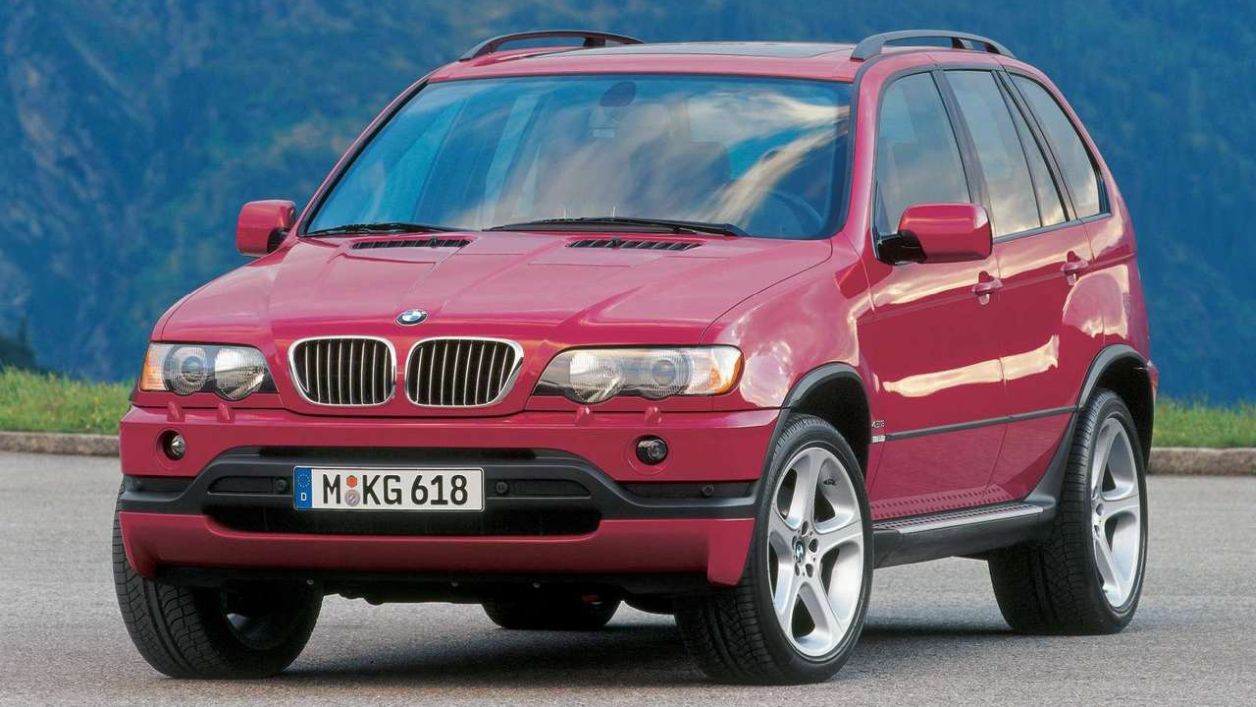
3. BMW X5 E53 (2000 to 2006)
- Engine: 3.0L inline-6, 4.4L V8, and 4.8L V8 options
- Horsepower: up to 355 hp
- Torque: up to 369 lb-ft
- Size: Length 183.7 in, Width 73.7 in
Introduction of the BMW X5 E53 marked a defining moment for the brand. This was the model that established BMW’s presence in the luxury sport utility category and set expectations for how a premium SUV could drive. At the time of its release, the E53 challenged conventional thinking by prioritising road handling and driver engagement rather than focusing solely on off-road capability. That philosophy earned praise, yet the passage of time has exposed limitations that influence how this generation is viewed today.
Mechanical design was comparatively straightforward, and this worked in its favour. Naturally aspirated inline six engines, such as the 3.0i, developed a reputation for durability when maintained with discipline. Cooling system components, including expansion tanks and radiators, demanded periodic replacement, but failures followed predictable patterns rather than sudden surprises.
V8 options delivered stronger performance but came with higher ownership costs tied to fuel consumption, cooling demands, and additional wear points. Even so, these engines avoided the layered mechanical challenges associated with later turbocharged units.
Electrical architecture remained restrained by modern standards. Limited onboard technology reduced the number of potential failure points. Early navigation units, audio systems, and display interfaces now appear outdated, yet they often continued functioning long after newer, feature-heavy systems failed.
Power window regulators, seat controls, and locking systems did present faults as vehicles aged, but repairs were usually direct and affordable due to an accessible design. Driving dynamics reflected the priorities of its era. Suspension tuning leaned toward firmness, delivering confident handling and steering feedback that appealed to drivers who valued involvement.
Long-distance comfort was sometimes suffered, especially on uneven surfaces, and families accustomed to softer ride characteristics occasionally found the experience tiring. Suspension bushings, control arms, and dampers required attention as mileage increased, though replacement costs remained reasonable relative to later generations.
Cabin quality varied widely depending on the specification. Higher trim levels with upgraded leather and wood finishes aged more gracefully, while entry trims showed wear in plastics and seat surfaces. Interior layout remained clean and logical, which supported long-term usability. Simplicity in design contributed to durability, even as styling cues revealed the vehicle’s age.
Safety equipment aligned with early 2000s expectations. Stability control, airbags, and basic driver aids were present, though advanced systems common today were absent. Structural safety met the standards of its time, yet the absence of modern assistance features affects appeal for current buyers prioritising technology.
This generation occupies a balanced position within the ranking. It lacks refinement, digital convenience, and comfort features expected today, yet it avoids the layered engineering that complicated later models. For drivers seeking a traditional BMW driving character in an SUV format, the E53 remains a viable choice, provided age-related maintenance is approached with realism and consistency.
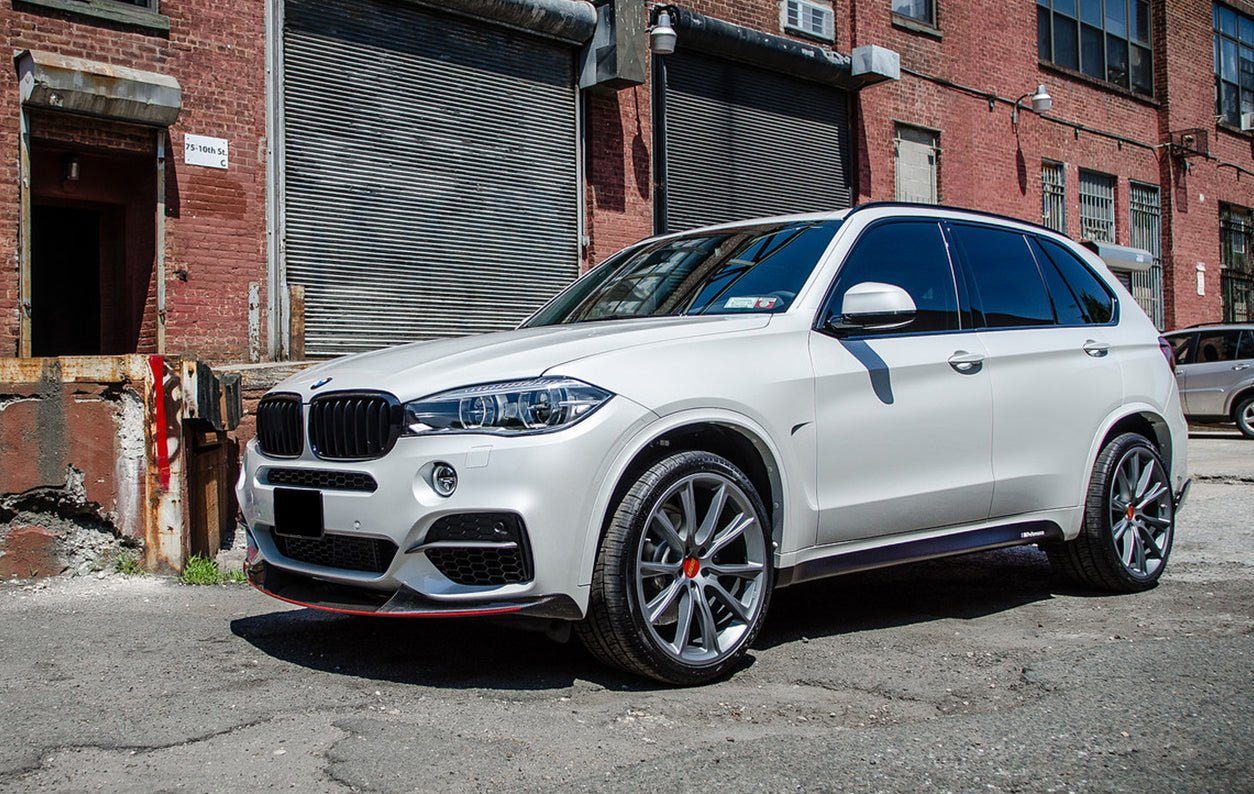
4. BMW X5 F15 Pre LCI (2014 to 2015)
- Engine: 3.0L turbo inline-6 and 4.4L twin-turbo V8
- Horsepower: up to 445 hp
- Torque: up to 480 lb-ft
- Size: Length 192.4 in, Width 76.3 in
The arrival of the BMW X5 F15 introduced a clear change in direction. This generation signalled BMW’s intention to refine the X5 into a more efficient, comfortable, and technologically advanced vehicle while preserving its driving identity. Weight reduction strategies, improved aerodynamics, and cleaner exterior styling gave the model a more mature presence. Early production years showed promise, though refinement was still in progress.
Engine offerings benefited from a modern turbocharged design. Inline six units delivered smooth power delivery and respectable fuel economy, earning positive feedback for balance and responsiveness. V8 versions offered strong acceleration with improved efficiency compared to earlier generations. Mechanical reliability improved, though early production examples experienced isolated component issues that required manufacturer updates.
Transmission calibration represented a step forward. Gear changes felt controlled and fluid, reducing the hesitation complaints that affected previous models. Low-speed drivability improved, making daily commuting less demanding. Highway cruising benefited from better gear spacing and quieter operation.
Technology adoption increased substantially. Infotainment systems became more capable, driver assistance features expanded, and digital displays enhanced cabin appeal. Early software versions introduced occasional glitches related to connectivity and interface responsiveness. Subsequent updates addressed many concerns, though first-year owners experienced more dealer visits than later buyers.
Interior execution advanced noticeably. Materials felt stronger, panel alignment improved, and seat comfort supported extended journeys. Cabin design balanced modern aesthetics with practical control placement. Wear resistance improved compared to earlier generations, contributing to better long-term presentation.
Suspension development favoured comfort without abandoning handling confidence. Adaptive systems provided flexibility across driving conditions, and reliability improved relative to previous air suspension designs. Ride quality became more composed, particularly on long trips.
Despite these advancements, the pre-facelift F15 does not rank higher due to early production adjustments that BMW refined later. Minor drivetrain, electrical, and software issues were addressed more thoroughly in subsequent updates. Owners of later production years benefited from these refinements, which explains the separation in ranking.
This generation represents progress toward equilibrium. It introduced meaningful improvements while still carrying traces of early cycle refinement needs. As a result, the F15 pre-LCI stands as a capable and appealing option that paved the way for stronger iterations that followed.
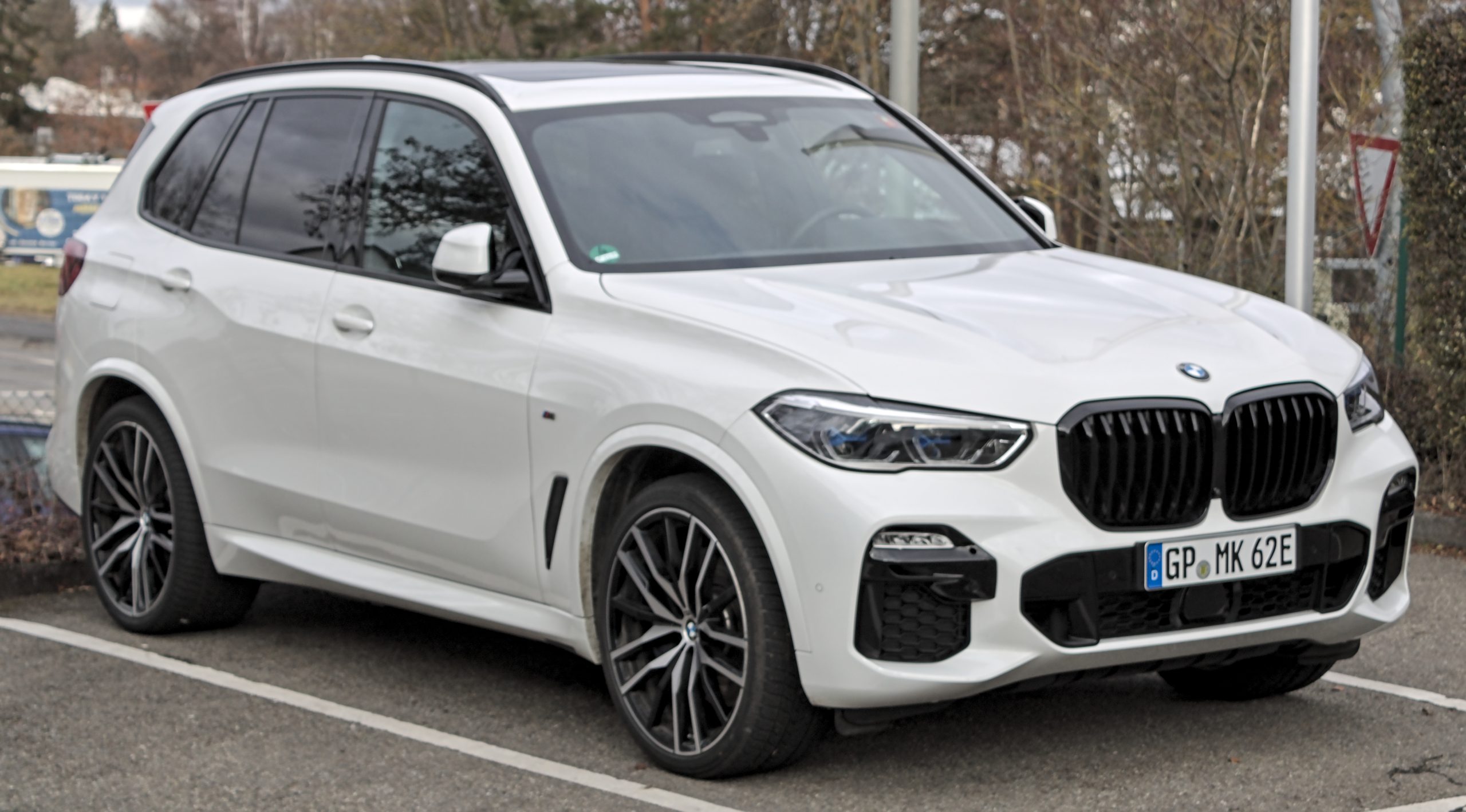
5. BMW X5 G05 Pre LCI (2019 to 2023)
- Engine: 3.0L turbo inline-6 and 4.4L twin-turbo V8
- Horsepower: up to 523 hp
- Torque: up to 553 lb-ft
- Size: Length 194.3 in, Width 78.9 in
Arrival of the fourth-generation BMW X5 G05 marked a fresh chapter for the model line. This version introduced a newly engineered platform with increased width, revised suspension geometry, and a cabin layout that reflected modern design priorities.
Rather than relying on incremental updates, BMW implemented a broad structural rework intended to improve ride stability, interior space, and long-term durability. Early production units still showed signs of first-cycle adjustment, yet owner feedback across multiple markets indicated that daily usability improved when compared with earlier generations.
Engine selection formed a major strength of this period. The turbocharged inline six engines delivered smooth acceleration, steady torque delivery, and refined acoustic behavior. These engines earned consistent praise for balanced output and predictable operation during urban driving and extended highway travel.
V8 variants provided higher performance capability while benefiting from revised cooling architecture and improved oil circulation. These updates reduced overheating concerns and lubrication-related wear that had affected some earlier BMW V8 designs. When maintenance schedules were followed accurately, mechanical durability remained satisfactory for a luxury SUV within this class.
Transmission behavior also reflected engineering maturity. The automatic gearbox produced smooth gear engagement during light throttle use and maintained responsive downshifts under load. Paddle shifter response improved, offering drivers better control without abrupt transitions. Traffic driving felt calmer, while extended cruising benefited from reduced drivetrain vibration and improved efficiency.
Interior construction showed measurable improvement in material quality. High contact surfaces such as steering wheels, armrests, and seat bolsters displayed better resistance to wear. Seating comfort improved across trim levels, with revised cushioning and lumbar support contributing to reduced fatigue during long trips.
Rear passenger accommodation benefited from the wider platform, creating a more balanced space distribution. Digital displays and ambient lighting enhanced the cabin atmosphere while retaining functional clarity. Technology adoption brought both advancement and adjustment.
The expanded digital instrument cluster and infotainment system provided extensive customization and improved visual presentation. Early software builds experienced connectivity interruptions and occasional driver assistance alert inconsistencies. Regular software updates resolved many of these concerns, and owners who maintained current system versions reported stable operation.
Suspension tuning achieved a better balance between comfort and control. Adaptive suspension systems responded effectively to changing road conditions, while air suspension reliability improved compared with older BMW installations. Ride quality remained composed on long journeys, and steering feedback preserved a sense of engagement suitable for the brand’s identity.
This generation earned its ranking through improved consistency rather than perfection. Ownership interruptions occurred less frequently, and long-term satisfaction improved. For buyers seeking a modern luxury SUV with established mechanical foundations, the pre-facelift G05 represented steady progress.
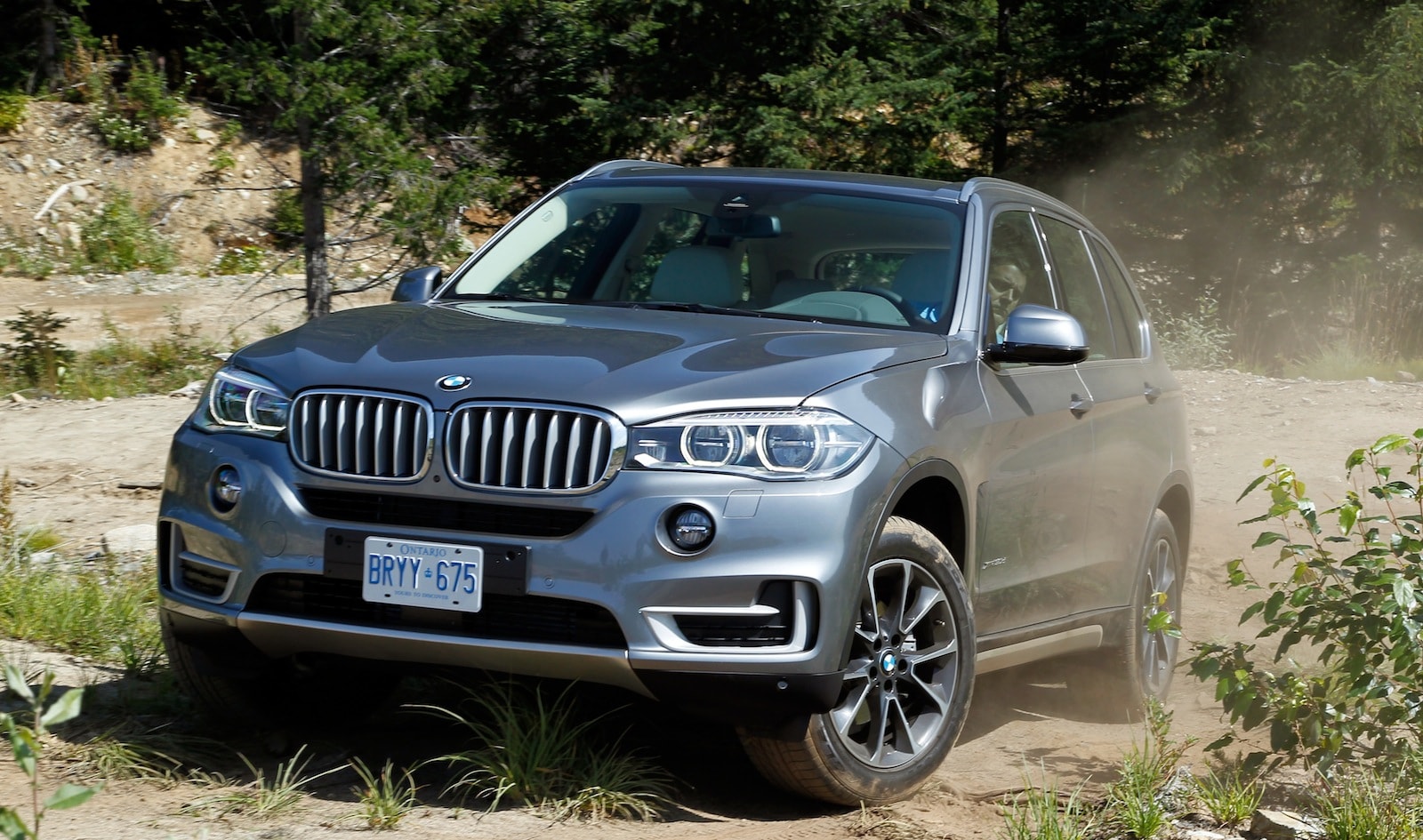
6. BMW X5 (F15) (2016 to 2018)
- Engine: 3.0L turbo inline-6 and 4.4L twin-turbo V8 options
- Horsepower: up to 445 hp
- Torque: up to 480 lb-ft
- Size: Length 192.4 in, Width 76.3 in
Later production examples of the BMW X5 F15 clearly reflected the advantages that come from sustained manufacturing experience and extended real-world feedback. By the time the facelifted models reached showrooms, BMW had already identified and corrected several mechanical and electronic weaknesses that affected the early years of the third generation.
As a result, vehicles produced between 2016 and 2018 presented a more settled ownership experience, one marked by steadier operation and reduced disruption from unexpected workshop visits. Engine performance during this period showed consistent improvement.
The inline six petrol and diesel options continued to deliver smooth power delivery, dependable fuel consumption, and long service life when maintained according to factory schedules. These engines benefited from revised cooling components and improved internal tolerances that reduced stress during extended use.
V8 variants also matured, receiving updates that addressed earlier concerns relating to oil usage and heat management. Owners of these later units reported fewer warning lights, lower oil top-up frequency, and better thermal stability during long-distance driving or towing activity.
Gearbox behavior improved as well. BMW refined the transmission software, leading to smoother gear engagement during low-speed movement and less hesitation when pulling away from rest. These updates enhanced daily usability, especially in urban traffic conditions where earlier models sometimes felt unsettled.
On open highways, the transmission maintained lower engine speeds more effectively, contributing to a calmer driving experience and improved fuel efficiency during sustained travel. Cabin quality reached its strongest point for the F15 generation. BMW revised interior materials, addressing complaints related to early wear on seat bolsters, steering wheel trim, and high-contact surfaces.
Assembly consistency also improved, with fewer reports of interior rattles or loose fittings. Control placement remained intuitive, allowing drivers to interact with vehicle systems without distraction. Noise suppression measures received attention, resulting in reduced road and wind intrusion at motorway speeds.
Electronic system reliability improved steadily over these years. Infotainment responsiveness became more consistent, while software-related glitches declined. Driver assistance features such as adaptive cruise control and lane support operated with greater predictability, reinforcing confidence during longer journeys. Updates issued during this period tended to refine existing functions rather than correct disruptive faults, reflecting a more mature development stage.
Suspension systems also benefited from revision. Air suspension units recorded fewer premature failures, while conventional spring setups delivered a balance of comfort and control suited to varied road conditions. Steering feedback remained aligned with BMW’s traditional tuning, offering accuracy without excessive firmness.
Ownership feedback consistently reflected appreciation for the improvements seen during this period. Vehicles from the 2016 to 2018 production window felt complete rather than transitional, delivering dependable service across daily and extended use. This level of maturity justifies the late F15’s high placement within the ranking.
Also Read: 9 Hidden Features in BMW Models That Many Owners Never Discover
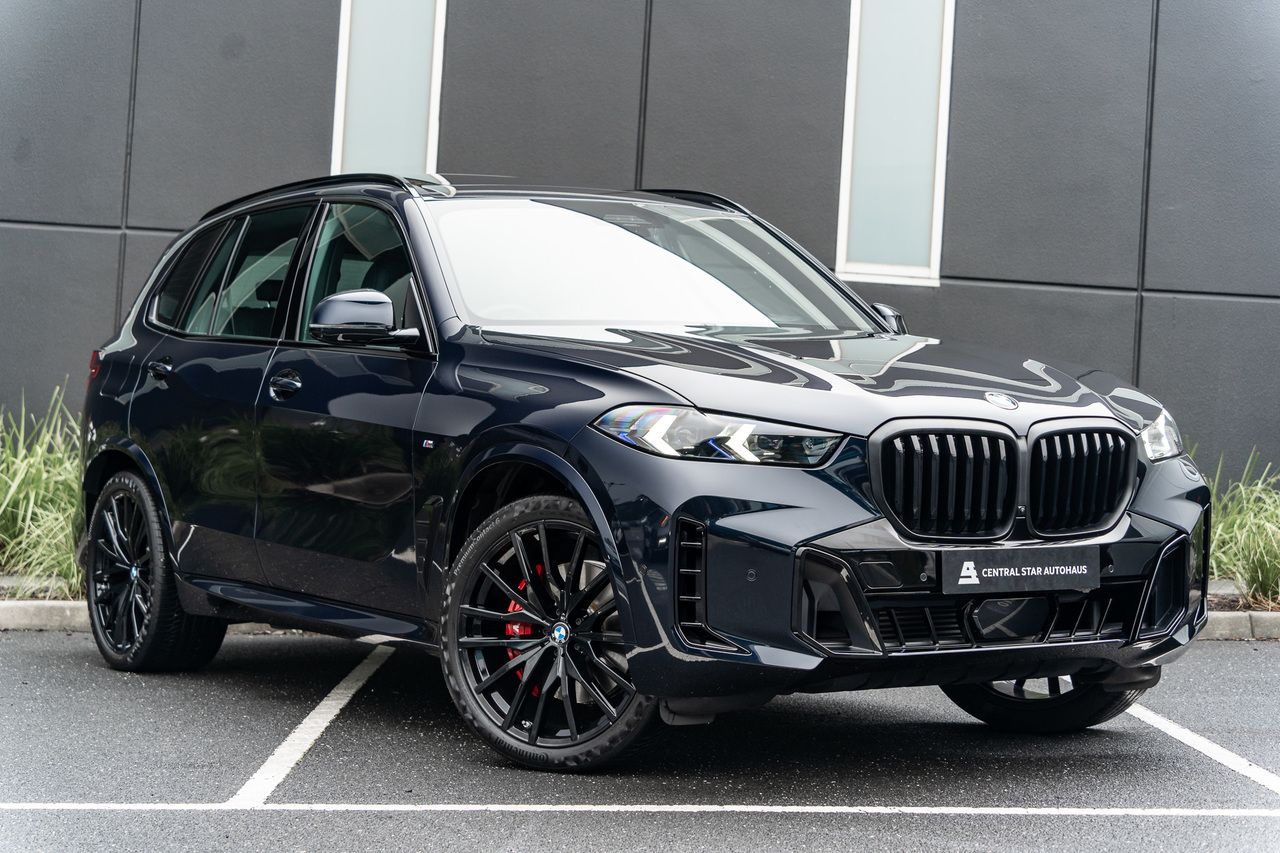
7. BMW X5 G05 LCI (2024 to Present)
- Engine: 3.0L turbo inline-6 mild-hybrid and 4.4L twin-turbo V8
- Horsepower: up to 523 hp
- Torque: up to 553 lb-ft
- Size: Length 194.3 in, Width 78.9 in
Current BMW X5 G05 LCI models represent the most refined interpretation of the nameplate so far. This generation benefits from years of accumulated engineering data, customer feedback, and production optimisation. Rather than introducing radical changes, BMW focused on refinement, durability, and system integration, producing a vehicle that aligns closely with modern luxury expectations.
Powertrain offerings show a clear emphasis on stability and efficiency. Updated petrol and diesel engines deliver consistent performance while maintaining controlled operating temperatures under varied driving conditions. Hybrid configurations expand flexibility, allowing electric assistance during low-speed operation without undermining highway performance. Early ownership reports indicate steady mechanical behavior, supported by improved software coordination between engine, battery, and transmission systems.
Transmission calibration reflects careful tuning. Gear changes occur smoothly across driving modes, supporting relaxed cruising while remaining responsive when acceleration is demanded. Throttle response feels controlled rather than abrupt, contributing to driver confidence during daily use and longer journeys.
Interior execution sets a high benchmark. Materials selected for seating, dashboard surfaces, and trim components demonstrate resistance to wear while maintaining visual appeal. Digital displays integrate cleanly into the cabin layout, presenting information clearly without overwhelming the driver.
System menus feel organised and responsive, reducing distraction during operation. Early software stability appears stronger than previous launches, limiting disruption during initial ownership. Ride quality benefits from advanced suspension calibration. Adaptive systems respond effectively to changing road surfaces, maintaining comfort without sacrificing body control.
Noise isolation measures create a calm cabin environment, particularly during motorway travel, where wind and tyre noise remain well controlled. Safety and assistance technologies function with consistency, reinforcing trust in the vehicle’s support systems. Alerts and interventions occur predictably, supporting the driver rather than creating confusion.
This generation reflects the advantage of patience and accumulated experience. By focusing on refinement rather than reinvention, BMW delivered a version of the X5 that feels dependable, polished, and aligned with its premium positioning.
For buyers seeking a balanced blend of comfort, performance, and reliability, the latest G05 LCI stands as the strongest expression of the model to date.
