
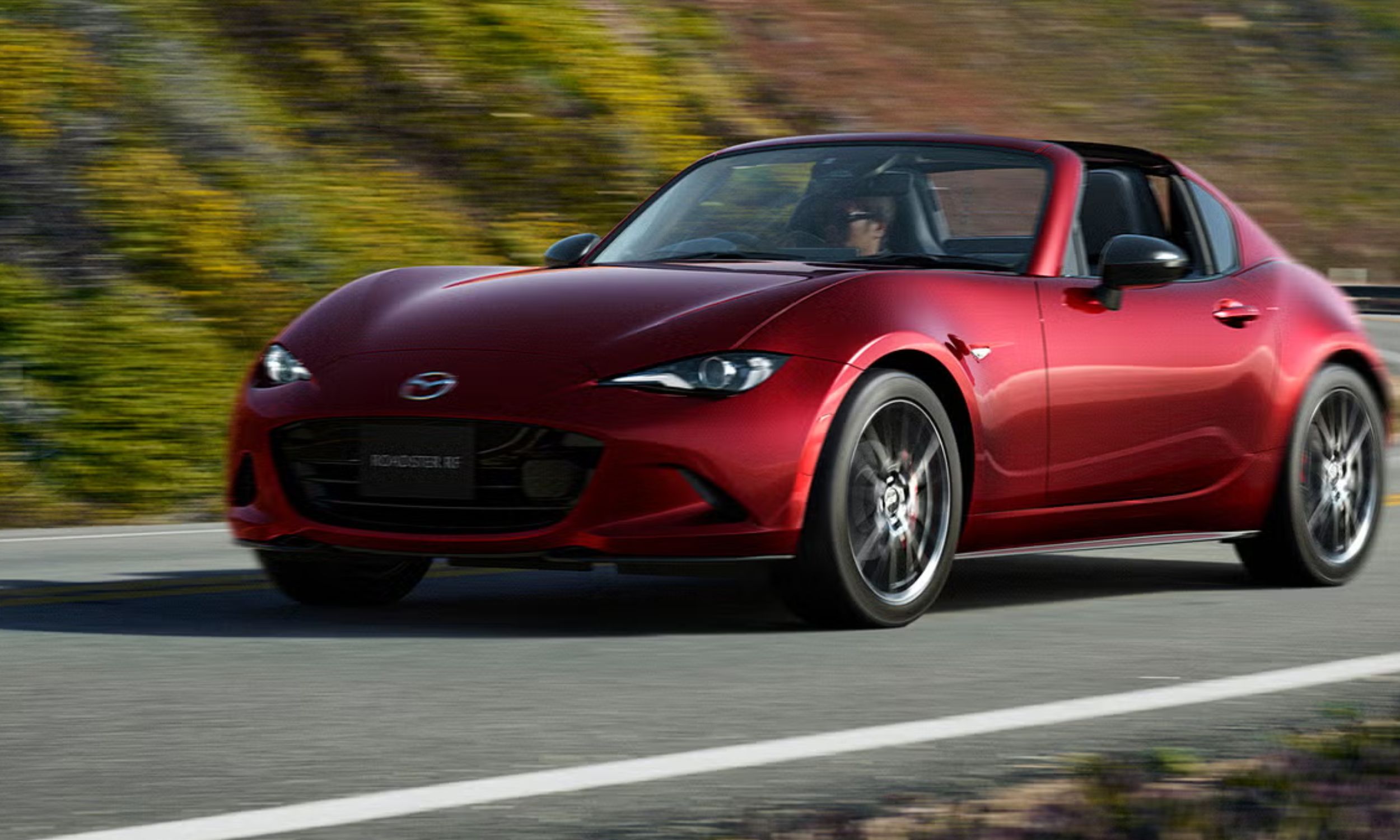
Some cars exist to get you from point A to point B. And then there is the Mazda MX-5 Miata, a car that makes you want to find a longer route just to stay behind the wheel a little longer. For decades, this two-seat roadster has stood as one of the purest driving experiences available at any price point, and now Mazda is preparing to bring a next-generation version for the 2027 model year.
Here is the part that will make a lot of sports car enthusiasts genuinely relieved: Mazda is not going electric. It is not stuffing a turbocharger under the hood to chase bigger horsepower numbers. It is not adding weight to accommodate a larger platform or a longer list of luxury features. Instead, the automaker is staying committed to the philosophy that made the MX-5 a legend in the first place: lightweight construction, a naturally aspirated gasoline engine, and a driving experience built around feel rather than raw performance figures.
Full specifications have not been officially released yet, but what Mazda has confirmed points toward a refreshed roadster that respects its own history while adding enough new character to justify the new generation badge. If you love driving for the sake of driving, this one is worth paying attention to.
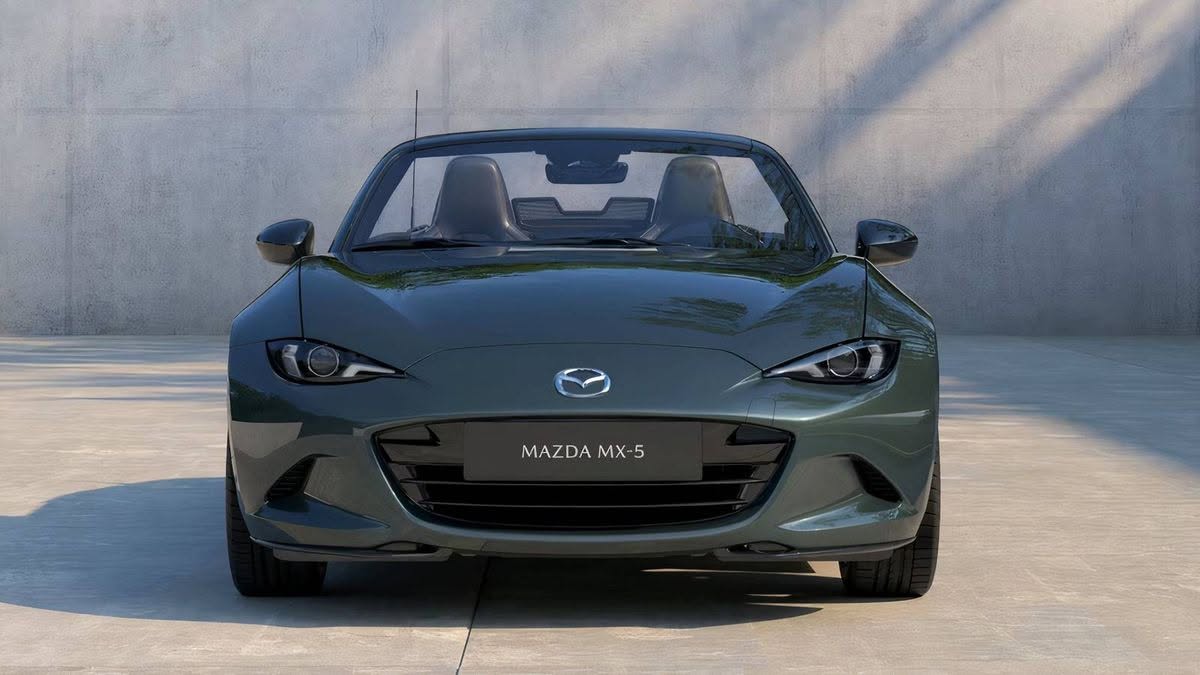
Why Mazda Is Refusing to Follow the Crowd on This One
While much of the auto industry is focused on electric motors, hybrid systems, and turbocharged engines designed to post impressive figures, Mazda is taking a different path with the MX-5. The company continues to shape its small sports car around driving enjoyment rather than numbers meant to win comparisons. That direction is intentional and consistent with how the MX-5 has been developed for decades. The upcoming 2027 version reinforces that this mindset is still firmly in place.
Mazda has confirmed the next MX-5 will continue using a gasoline engine instead of moving to electrification. In today’s market, that choice stands out. It reflects a belief that sound, throttle response, and direct feedback still matter to people who enjoy driving. A naturally aspirated engine delivers power in a smooth, predictable way that encourages drivers to stay involved rather than relying on electronic assistance or boosted torque.
This type of engine rewards attention. Power builds as revs rise, giving the driver a clear sense of control and timing. There is no waiting for a boost or relying on software to shape the experience. That interaction demands more skill, but it also provides a deeper sense of satisfaction behind the wheel.
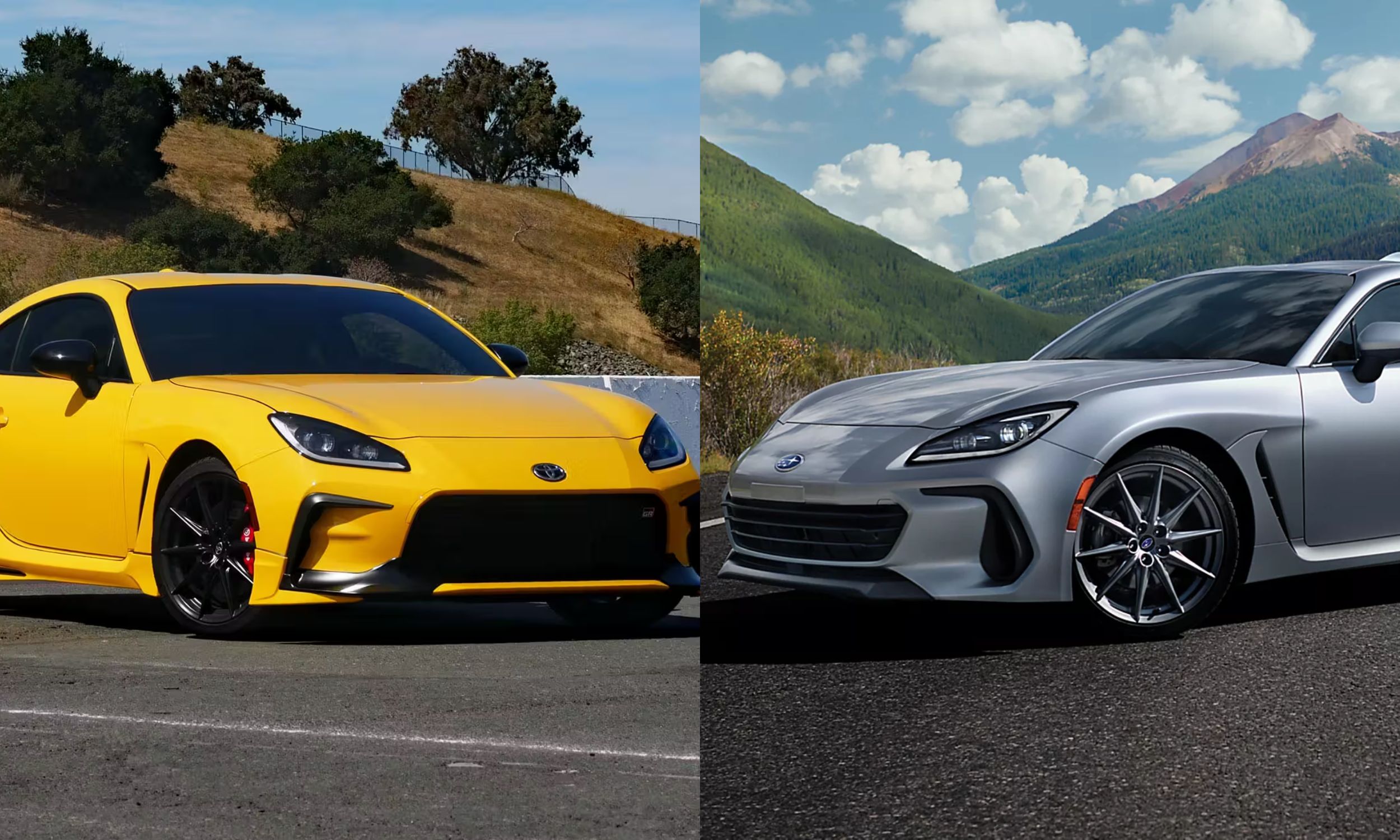
Some rivals, such as the Subaru BRZ and Toyota GR86, have made similar choices, keeping naturally aspirated engines alive in affordable sports cars. Many others have moved toward forced induction or electric setups. Mazda’s commitment to lightweight and natural engine response defines what the MX-5 stands for, and the 2027 model continues to protect that identity.
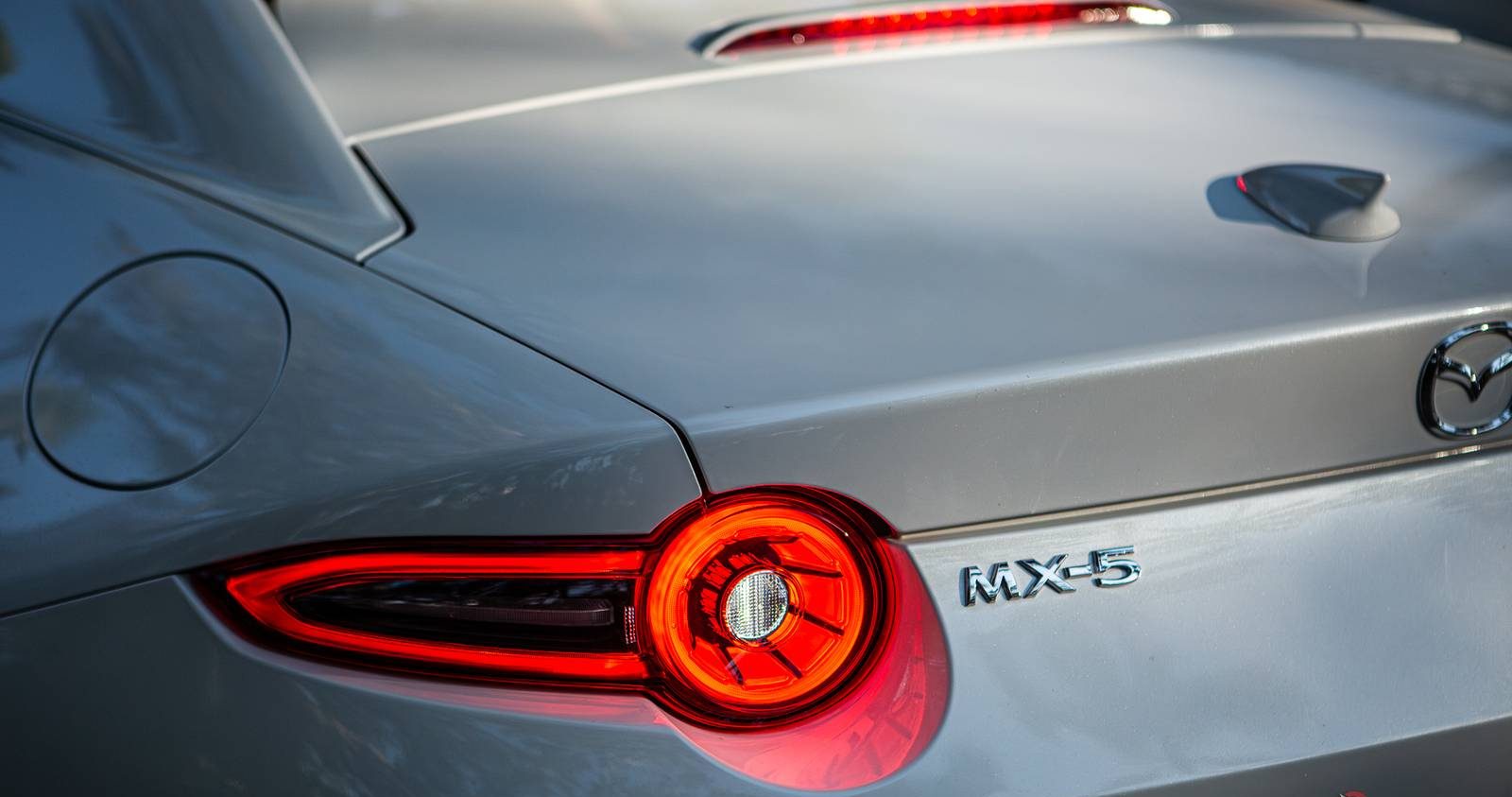
The Lightweight Philosophy That Has Defined Every Generation
Power figures in modern performance cars have climbed sharply, but that progress has brought an overlooked downside. New vehicles carry far more weight than older models because of added safety features, screens, sensors, and reinforced structures. Extra mass dulls responsiveness and reduces driver feedback, even when engines are stronger. The upcoming 2027 Mazda MX-5 Miata is being shaped to push back against that pattern.
Mazda has long followed a philosophy focused on the connection between driver and machine. That approach values steering feel, balance, and feedback more than raw output figures. Keeping weight low allows a car to feel quick without chasing big power, stop with less effort, and respond cleanly when changing direction. Road texture reaches the driver more clearly, which is central to the MX-5 experience.
Early information suggests Mazda’s engineers have made careful choices to prevent the next MX-5 from gaining unnecessary mass, even while meeting newer safety rules and modern expectations. That kind of restraint requires intention at every stage, from material selection to how components are arranged inside the cabin. Nothing is added without considering its impact on feel.
For longtime MX-5 owners, this focus is reassuring. The car’s identity has always depended on lightness and balance. Adding weight would weaken what makes it special. By staying committed to a lean design, Mazda shows it understands its audience and remains focused on delivering a car that feels right from the driver’s seat.
Also Read: 10 Little-Known Features in the Mazda CX-5
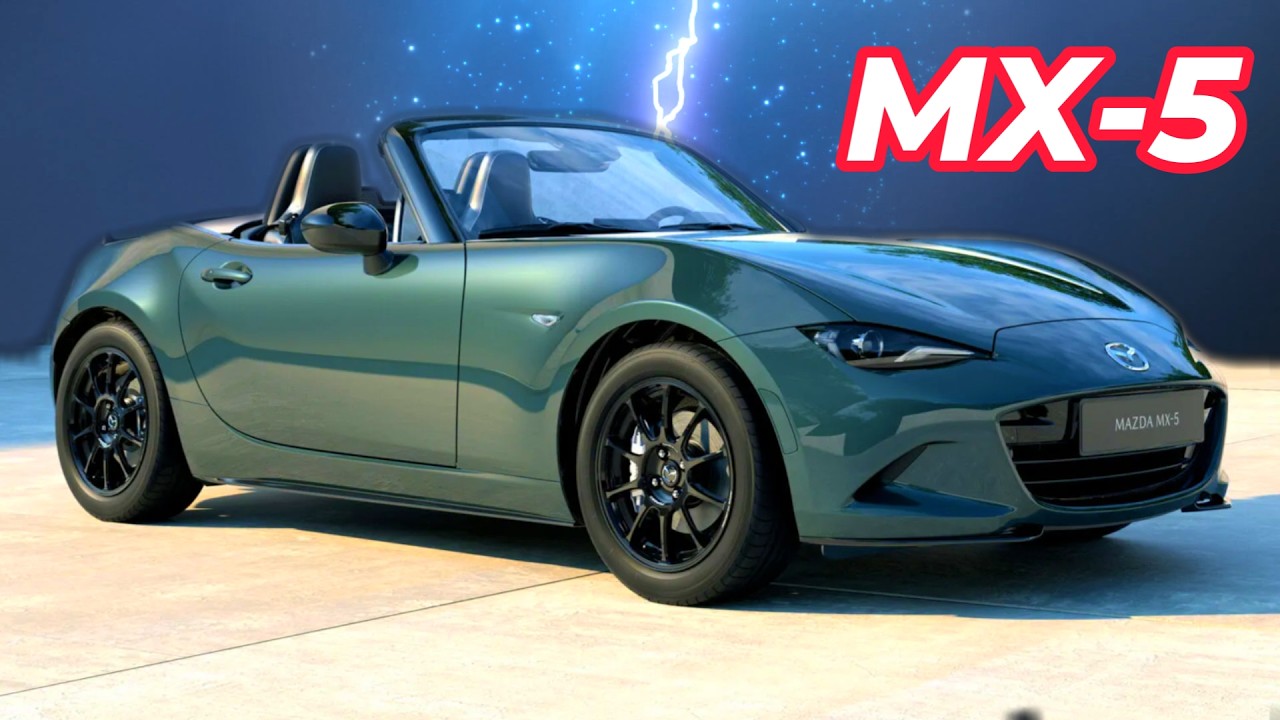
New Colors, Special Editions, and What We Know About the 2027 Lineup
Mazda has confirmed that the 2027 MX-5 Miata will arrive this fall, and a handful of details have already surfaced that give a clearer picture of what buyers can expect when it reaches showrooms. Among the confirmed additions is a new Zinc Green exterior color, a shade that sits in the cooler, more contemporary end of the green spectrum and should look particularly sharp on the roadster’s tight, low-slung body. Color choices matter for a car like the MX-5, which is often purchased as much for personal expression as for transportation.
A special version called the Yakudo has also been confirmed for the 2027 lineup. Special editions of the MX-5 have a long history of offering buyers a curated package of visual and functional upgrades that go beyond what standard trim levels provide, and the Yakudo appears to follow that tradition. Mazda has not released the complete specification list for the Yakudo at the time of writing, but its confirmation alongside the base 2027 reveal suggests it will be a meaningful addition rather than a cosmetic-only package.
Structurally, the 2027 MX-5 is expected to build on the current ND-generation platform rather than introducing an entirely new architecture. That platform has been widely praised by automotive journalists and MX-5 owners for its balance, its rigidity, and the way it communicates with the driver. Refining a proven foundation rather than replacing it entirely is a sensible approach for a car whose character is this carefully defined.
Pricing has not been officially announced, but the MX-5 has historically offered a strong value proposition in the sports car segment. For a car that competes on driver engagement rather than raw performance metrics, it has consistently punched above its price class, and the expectation is that the 2027 model will maintain that positioning.
How the 2027 MX-5 Stacks Up Against Its Closest Rivals
Positioning the 2027 Mazda MX-5 Miata against its nearest competitors requires looking at what each car actually delivers behind the wheel, not just what appears on a comparison chart. In the naturally aspirated, driver-focused sports car segment, the two most direct competitors are the Toyota GR86 and the Subaru BRZ, both of which share a platform and powertrain. Those cars produce around 228 horsepower from a 2.4-liter flat-four engine and weigh in at roughly 2,800 pounds in coupe form.
The MX-5 is lighter than both, and it converts that weight advantage into a driving experience that feels more immediate and responsive at lower speeds. Where the GR86 and BRZ require more road speed to build momentum and communicate feedback, the MX-5 delivers engagement at everyday driving speeds. A winding back road at 40 to 50 miles per hour in an MX-5 is a more involving experience than many sports cars deliver at twice the speed.
Convertible competitors are fewer. The Fiat 124 Spider, which shared a platform with the previous MX-5 generation, is no longer in production. That leaves the MX-5 in a largely unchallenged position as the go-to affordable open-top roadster. At a higher price point, the Porsche 718 Boxster offers more outright performance and an available manual transmission, but it costs considerably more and delivers a different kind of driving experience oriented more toward speed than pure tactile connection.
Against any of these alternatives, the 2027 MX-5 Miata’s commitment to natural aspiration and lightweight construction gives it a distinctive identity that does not require a turbocharger or an electric motor to justify. It wins by being more honest about what driving actually feels like.
Also Read: 4 Mazda Models Worth Buying vs 4 to Skip in 2026
What the 2027 MX-5 Means for the Future of Driver’s Cars
Sports car enthusiasts have spent the past several years watching the segment shrink. Models get discontinued, replaced with crossovers, or transformed into something almost unrecognizable from their original intent. Every time a manufacturer announces that a beloved driver’s car is going electric-only or getting permanently retired, there are fewer genuinely engaging options left on the market.
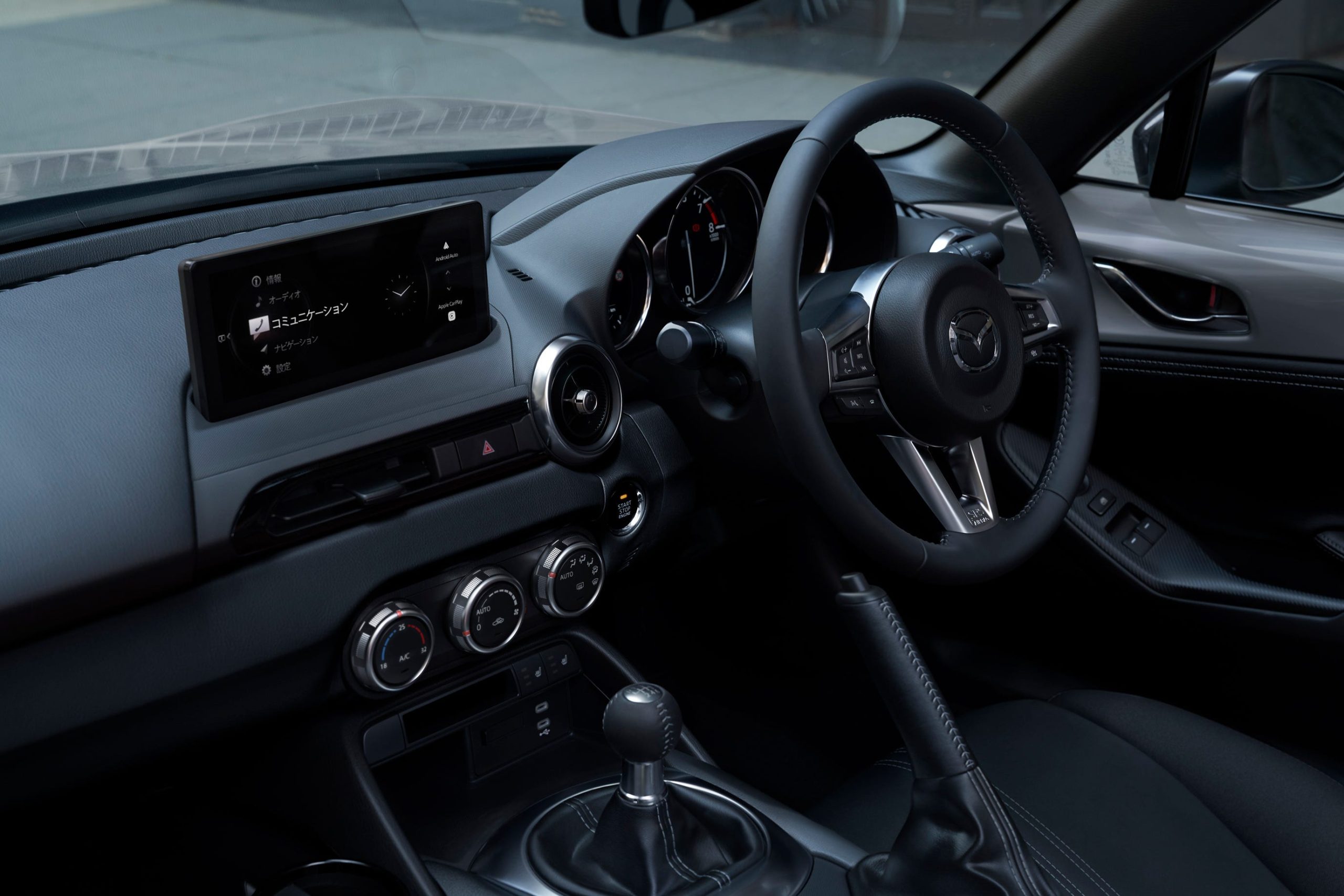
Against that backdrop, the 2027 Mazda MX-5 Miata’s arrival carries meaning beyond the car itself. It represents proof that a manufacturer can still commit to building a naturally aspirated, lightweight roadster in the current regulatory and commercial environment. Mazda is not just updating a product. It is making an argument about what cars should be, and it is backing that argument with engineering decisions that cost something in a world that rewards electrification.
For driving enthusiasts, the MX-5 has always been more than a car. It is a point of reference, a benchmark for what matters when you remove everything unnecessary and focus on the connection between driver, machine, and road. Every new generation carries the weight of that expectation, and the 2027 model appears ready to meet it.
Mazda has confirmed that full details will be released closer to the fall launch date. When complete specifications arrive, the focus will be on whether the driving feel lives up to the brand’s promises. Based on everything confirmed so far, a naturally aspirated engine, a lightweight platform, a new special edition, and a fresh color range, there is strong reason to believe the 2027 Mazda MX-5 Miata will arrive exactly as advertised: a proper driver’s car built for people who still believe that how a car feels matters more than how fast it goes.
