
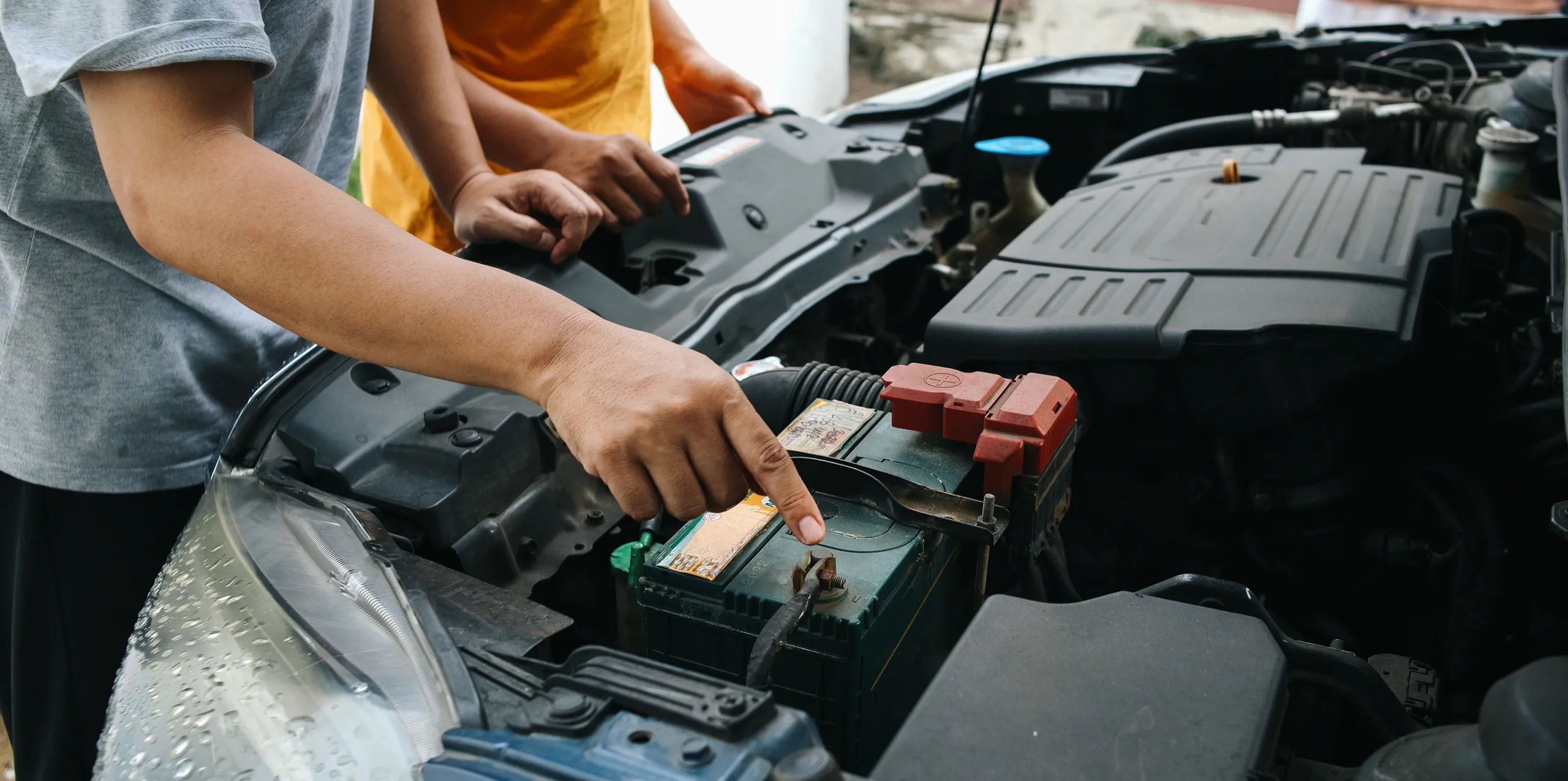
Hybrid vehicles have become increasingly popular among drivers looking for better fuel economy, lower emissions, and reduced operating costs compared to traditional gasoline-powered vehicles. By combining an internal combustion engine with an electric motor and a high-voltage battery pack, hybrid cars can achieve impressive efficiency while maintaining the convenience of conventional refueling.
Models from manufacturers such as Toyota, Honda, Hyundai, Ford, and Kia have demonstrated that hybrid technology is no longer a niche innovation but a mainstream automotive solution. However, one of the most common concerns prospective buyers and current owners have is the cost of replacing a hybrid battery.
Because the battery is a central component of the hybrid system, many drivers worry that battery replacement could result in a major repair expense that offsets the fuel savings gained over years of ownership.
The reality is that hybrid battery replacement costs vary considerably depending on the vehicle make, model, battery type, labor rates, geographic location, and whether the owner chooses a new, refurbished, or used battery.
While early hybrid vehicles often carried a reputation for expensive battery replacements, advances in battery technology, manufacturing efficiency, and reliability have helped reduce concerns about battery longevity.
Many hybrid batteries now last well beyond 100,000 miles, with some remaining functional for 150,000 to 250,000 miles or more under normal driving conditions. In addition, automakers typically provide extensive warranty coverage for hybrid battery systems, offering owners additional peace of mind during the early and middle years of vehicle ownership.
Understanding the true cost of replacing a hybrid battery requires examining several factors beyond the battery itself. Labor charges, diagnostic procedures, dealership pricing, independent repair shops, battery recycling programs, and warranty options all play a role in determining the final expense.
Drivers should also understand the warning signs of battery deterioration and explore available alternatives before deciding on a replacement. By learning how hybrid batteries function, how long they typically last, and what replacement options exist, vehicle owners can make informed financial decisions and avoid unexpected surprises.
This article explores the factors influencing hybrid battery replacement costs, typical price ranges, battery lifespan expectations, warning signs of failure, and practical ways to manage expenses while keeping a hybrid vehicle operating efficiently.
Also Read: 8 SUVs With The Most Space For Comfort
Understanding Hybrid Car Batteries
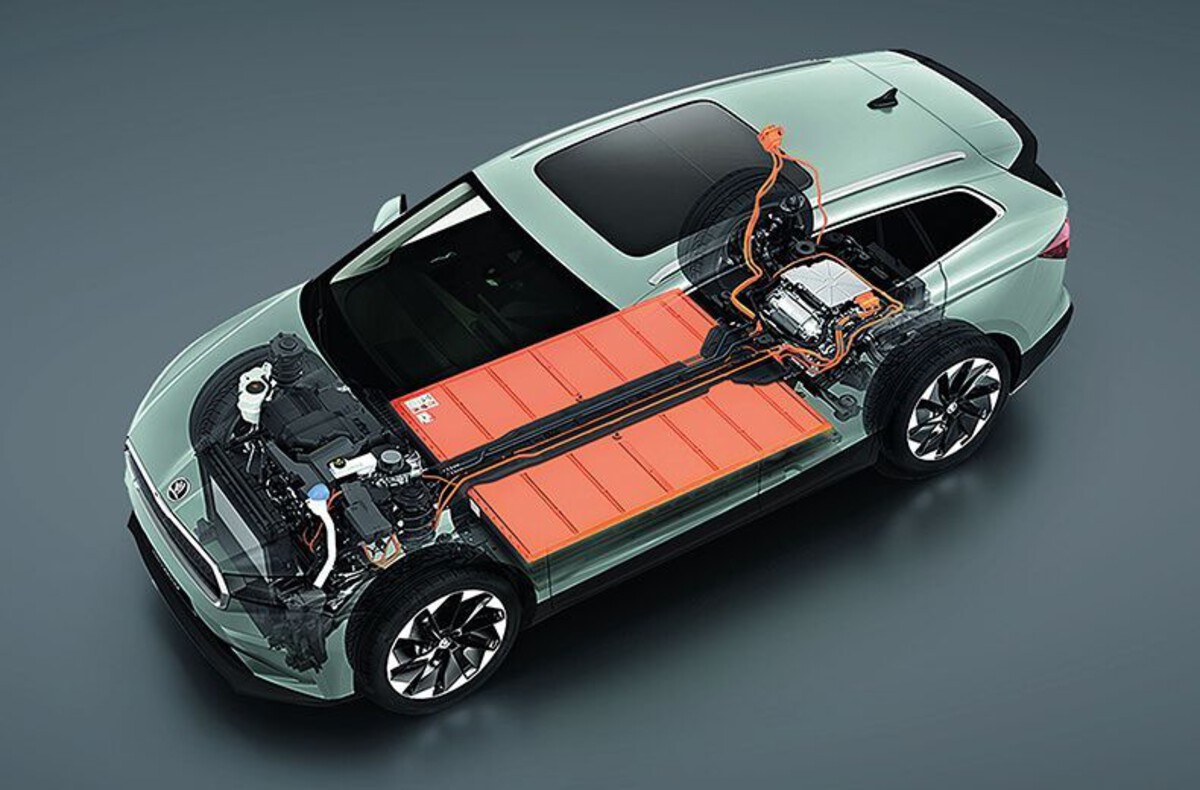
Hybrid vehicles rely on sophisticated battery systems that differ significantly from conventional 12-volt automotive batteries. The hybrid battery pack stores electrical energy used to power the electric motor and assist the gasoline engine during acceleration, cruising, and low-speed driving.
This collaboration between the electric motor and engine allows hybrid vehicles to consume less fuel while reducing emissions. Unlike standard car batteries that primarily start the engine, hybrid batteries perform continuous energy storage and discharge functions throughout daily operation.
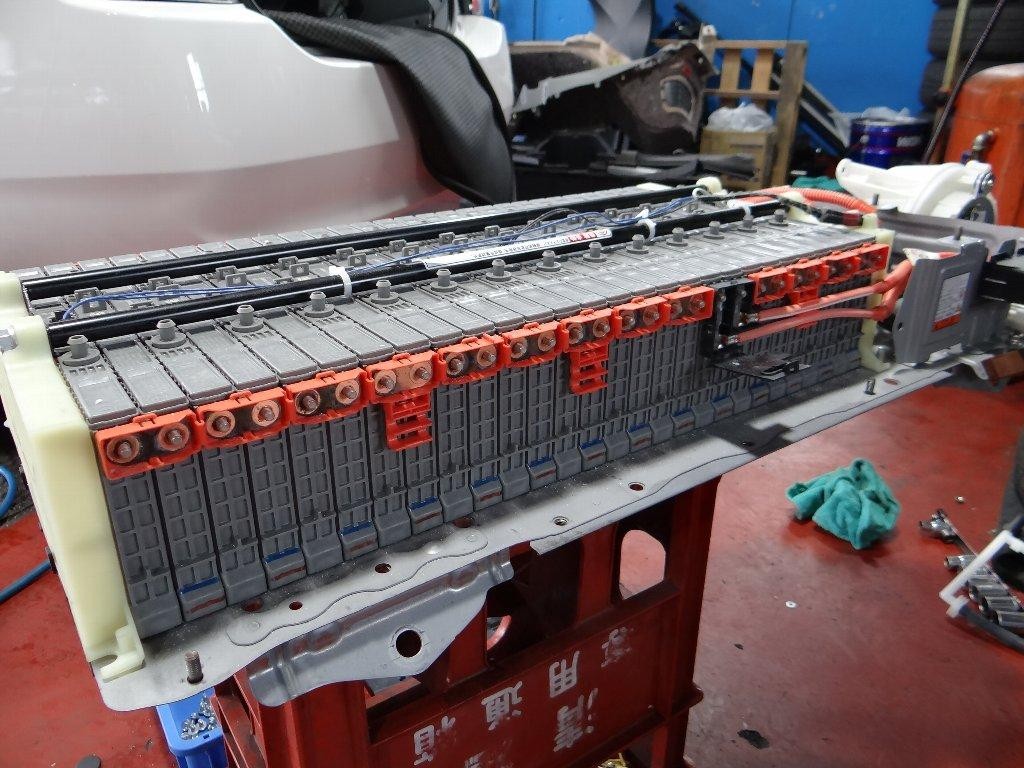
Most hybrid vehicles use either nickel metal hydride batteries or lithium-ion batteries. Nickel metal hydride technology has been widely used in many established hybrid models because of its proven reliability and durability. Lithium-ion batteries are becoming increasingly common due to their lighter weight, higher energy density, and improved efficiency.
The specific battery chemistry influences replacement costs, expected lifespan, and vehicle performance. Different manufacturers select battery technologies based on engineering priorities, vehicle size, and cost considerations.
Hybrid battery packs consist of numerous individual cells grouped into modules and monitored by sophisticated electronic control systems. These systems continuously track temperature, voltage, charging patterns, and battery health.
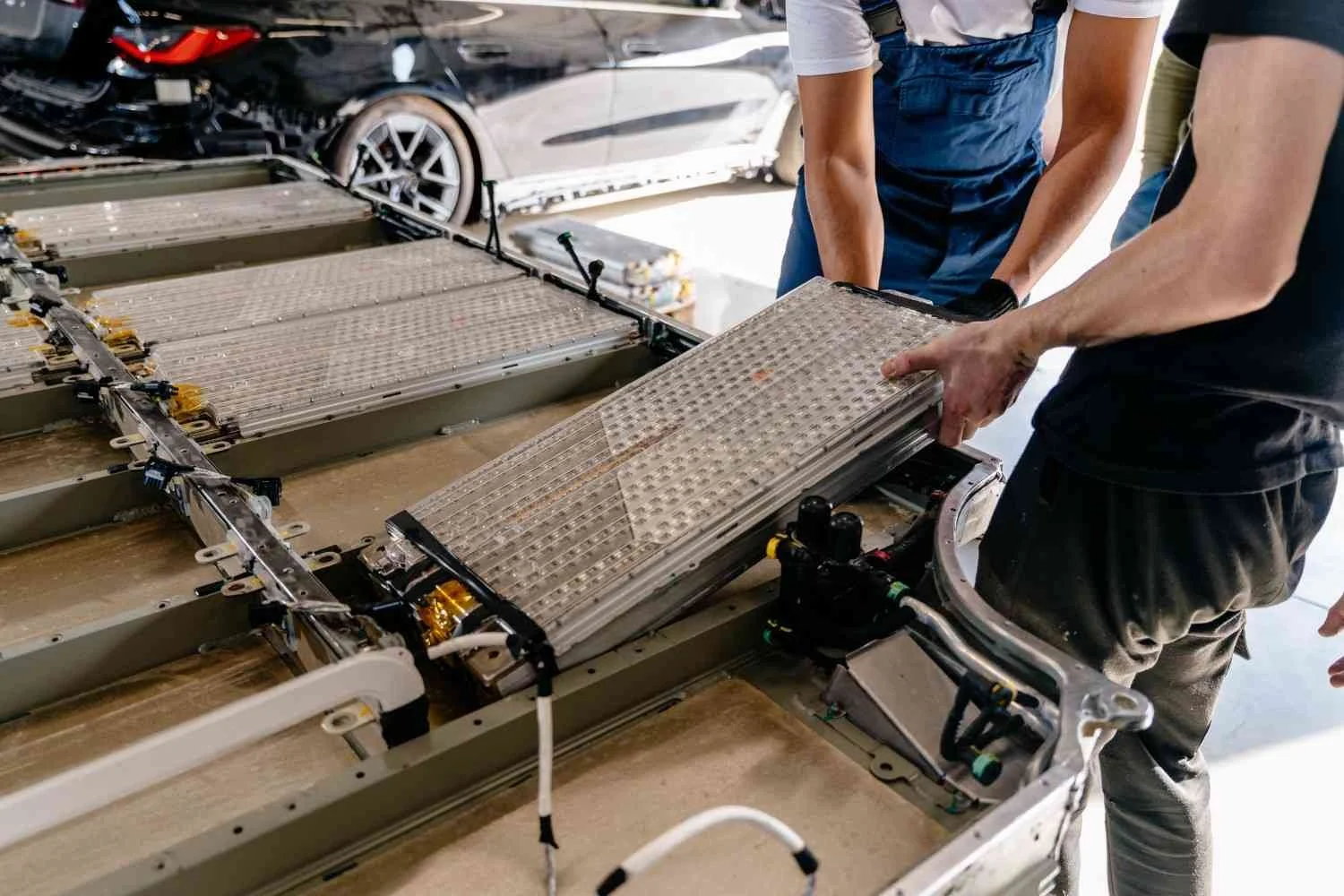
As a result, battery replacement is a specialized procedure requiring trained technicians and appropriate safety protocols. High-voltage systems present unique risks, making professional installation highly recommended for most owners.
The battery’s role extends beyond powering the electric motor. It also captures energy through regenerative braking, converting kinetic energy into stored electrical energy that can be reused later. This process improves efficiency and reduces wear on conventional braking components. Because the battery is constantly cycling through charging and discharging phases, manufacturers design hybrid battery packs to withstand years of operation under varying environmental conditions.
Understanding the complexity of hybrid batteries helps explain why replacement costs can appear high compared to standard automotive batteries. However, these systems deliver substantial fuel savings over their lifespan and often require replacement only once during a vehicle’s ownership period, if replacement becomes necessary at all.
Average Cost of Replacing a Hybrid Battery
The cost of replacing a hybrid battery can vary widely depending on several important factors. In general, owners can expect to pay anywhere from $1,500 to $8,000 or more for a complete battery replacement. The wide range reflects differences in battery design, vehicle class, manufacturer pricing, labor costs, and replacement options.
For popular compact hybrid vehicles, battery replacement often falls between $2,000 and $4,000 when using a new battery supplied by the manufacturer.
Larger hybrid SUVs and premium luxury hybrids may have significantly higher replacement costs due to larger battery packs and more complex electrical systems. Labor expenses can add several hundred dollars to the final bill, especially when dealership service departments perform the work.
Refurbished batteries offer a more affordable alternative for budget-conscious owners. These battery packs typically contain tested and reconditioned modules and may cost between $1,000 and $3,000, including installation. While refurbished batteries can provide meaningful savings, they may not offer the same lifespan or warranty coverage as brand-new units. Buyers should carefully evaluate warranty terms and supplier reputation before selecting this option.
Used hybrid batteries represent a lower-cost alternative. Salvage yards and specialty battery suppliers sometimes offer used battery packs removed from vehicles involved in collisions or other non-battery-related incidents. Although initial costs may be attractive, used batteries often involve greater uncertainty regarding remaining service life and long-term reliability.
Dealership replacement generally costs more than independent hybrid repair specialists. Independent shops frequently offer competitive pricing while maintaining high levels of expertise.
Obtaining multiple quotes can help owners identify the best combination of value, warranty protection, and service quality. Comparing options thoroughly can result in significant savings without compromising vehicle performance or safety.
Factors That Influence Replacement Costs
Several variables determine how much a hybrid battery replacement will ultimately cost. Vehicle make and model represent one of the most significant factors.
Popular hybrid models often benefit from greater parts availability and a larger network of qualified repair providers, helping to moderate costs. Less common or luxury hybrid vehicles may require specialized components that increase expenses.
Battery chemistry also affects replacement pricing. Lithium-ion batteries generally cost more to manufacture than nickel metal hydride batteries, although technological advances continue to narrow the gap. The size and capacity of the battery pack further influence cost. Larger vehicles typically require larger battery systems, leading to higher replacement expenses.
Labor rates vary considerably across regions and service providers. Dealerships often charge premium labor rates due to factory certification, specialized training, and access to manufacturer resources.
Independent hybrid specialists may offer lower labor costs while still delivering high-quality service. Geographic location can also influence labor pricing, with urban areas frequently experiencing higher service rates.
Warranty coverage can dramatically reduce out-of-pocket expenses. Many hybrid vehicles include extensive battery warranties that cover defects and performance issues for several years. Owners experiencing battery problems within the warranty period may qualify for partial or complete replacement coverage, significantly lowering repair costs.
Market conditions and supply chain factors occasionally affect battery pricing as well. Fluctuations in raw material costs, manufacturing capacity, and global demand for battery components can influence replacement expenses.
While these factors are largely outside the control of vehicle owners, understanding their impact provides valuable context when evaluating repair estimates and replacement options.
Also Read: 7 Most Reliable Motorcycles You Can Buy Today
Signs Your Hybrid Battery May Need Replacement
Recognizing early warning signs of battery deterioration can help owners address issues before they become more severe. One of the most common indicators is a noticeable decline in fuel economy. As battery performance decreases, the gasoline engine must work harder to compensate, leading to increased fuel consumption and reduced efficiency.
Drivers may also observe fluctuations in battery charge levels. A healthy hybrid battery typically maintains relatively stable charging behavior. Rapid changes between full and low charge states can indicate weakening battery modules or declining battery capacity. Dashboard warning lights related to the hybrid system should never be ignored, as they often signal the need for diagnostic testing.
Reduced acceleration and diminished vehicle performance may also suggest battery issues. Because the electric motor relies on stored battery energy to supplement engine power, a failing battery can limit the system’s ability to provide assistance during acceleration. This may result in sluggish performance, especially when merging onto highways or climbing steep grades.
Unusual engine operation can provide additional clues. If the gasoline engine runs more frequently than normal or remains active during conditions where electric assistance would typically occur, the hybrid system may be compensating for reduced battery effectiveness. These changes often develop gradually, making them easy to overlook without careful observation.
Professional diagnostic testing remains the most reliable method for evaluating battery health.
Modern hybrid vehicles generate detailed system data that trained technicians can analyze to identify failing modules, capacity loss, and other performance concerns. Early diagnosis may allow owners to explore repair options before complete battery replacement becomes necessary.
Ways to Reduce Hybrid Battery Replacement Expenses
Although hybrid battery replacement can be expensive, several strategies can help minimize costs. Maintaining the vehicle according to manufacturer recommendations supports system health and may contribute to longer battery life.
Regular inspections, cooling system maintenance, and prompt attention to warning lights can help prevent minor issues from developing into major problems.
Comparing quotes from multiple service providers is one of the most effective ways to control expenses. Dealerships, independent hybrid specialists, and battery refurbishment companies often offer significantly different pricing structures. Evaluating labor rates, warranty terms, and customer reviews can help owners identify the best value.
Refurbished battery options may provide a practical compromise between cost and performance. Reputable suppliers often test and balance battery modules while offering warranty protection that provides additional confidence. For older vehicles with lower market value, refurbished batteries can be an economically sensible solution.
Investigating warranty coverage is essential before authorizing replacement work. Some manufacturers provide extended hybrid component warranties, and certain regions may require longer battery warranty periods under emissions regulations. Understanding available coverage could save thousands of dollars in repair costs.
Drivers considering a hybrid vehicle purchase should view battery replacement within the broader context of ownership costs. Fuel savings, reduced emissions, potential tax incentives, and long battery life frequently offset replacement concerns.
With proper maintenance and informed decision-making, hybrid vehicles can continue delivering reliable and economical transportation for many years.
