
Car dents are among the most common forms of vehicle damage experienced by drivers around the world. Whether caused by parking lot mishaps, hailstorms, minor collisions, falling objects, or accidental impacts, dents can significantly affect the appearance and value of a vehicle.
While some dents require professional repair, many smaller dents can be fixed using specialized tools designed for paintless dent repair and minor bodywork restoration. These tools help vehicle owners and technicians remove dents without replacing panels or performing extensive body repairs, making the process more affordable and efficient.
The growing popularity of do-it-yourself vehicle maintenance has encouraged many car owners to explore dent repair tools that can restore damaged panels with minimal effort. Modern dent repair equipment has evolved considerably over the years, allowing users to tackle various dent sizes and shapes while preserving the original paint finish whenever possible.
Paintless dent repair techniques have become especially popular because they maintain the factory finish and reduce the need for sanding, filling, and repainting. As a result, many vehicle owners are investing in dent removal tools that offer professional-level results at a fraction of the cost of body shop services.
Choosing the right dent repair tool depends on several factors, including the size of the dent, the location of the damage, the accessibility of the panel, and the condition of the paint. Some tools work by pulling dents outward, while others push the metal back into its original position.
Certain tools are designed for beginners, whereas others are commonly used by experienced technicians who require precision and control. Understanding the strengths and limitations of each tool is essential for achieving the best results while avoiding additional damage.
In this comprehensive guide, we will explore eight of the most effective tools used for fixing dents on cars. Each tool serves a specific purpose and offers unique advantages depending on the repair situation.
By understanding how these tools work and where they perform best, vehicle owners can make informed decisions about dent repair methods and determine which equipment is most suitable for their needs.
Whether you are a professional technician or a car enthusiast looking to maintain your vehicle’s appearance, these tools can play a valuable role in restoring damaged body panels and preserving the aesthetic appeal of your automobile.
Also Read: 8 SUVs With The Most Space For Comfort
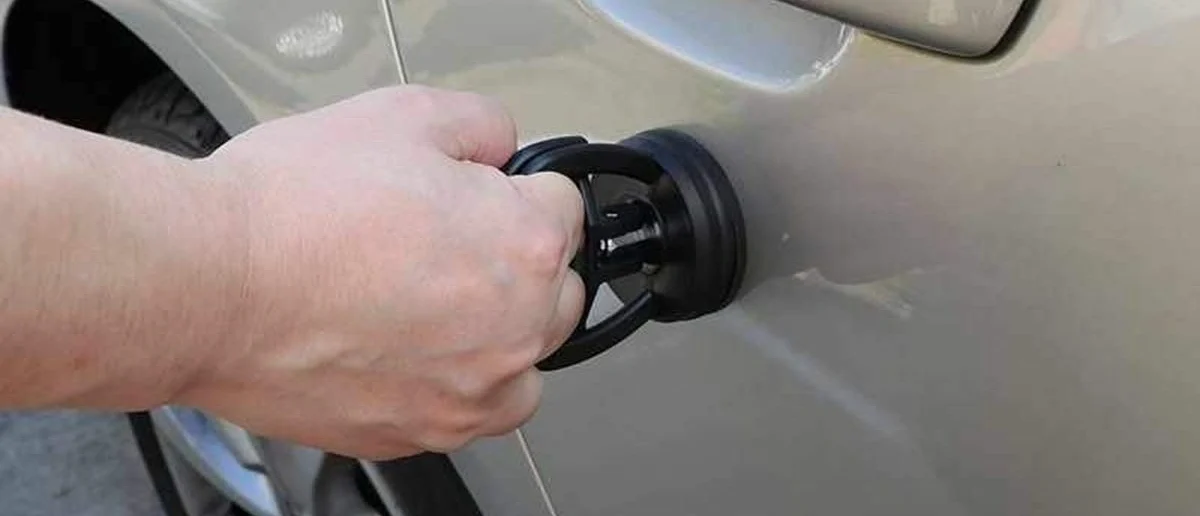
1. Dent Puller Suction Cup
A dent puller suction cup is one of the most recognizable and widely used tools for removing shallow dents from vehicle panels. This tool uses suction force to grip the dented area and pull it outward.
It is particularly effective on smooth surfaces where the paint remains intact, and the dent does not contain sharp creases. Many vehicle owners choose suction cup dent pullers because they are affordable, easy to use, and require minimal technical expertise.
The tool typically features a strong rubber cup attached to a handle. After cleaning the damaged area, the user presses the suction cup firmly against the panel and activates the vacuum seal. Once a secure grip is established, the handle is pulled outward with controlled force. This action helps restore the panel’s original shape by gradually lifting the dent from the surface.
One of the primary advantages of suction cup dent pullers is their non-invasive nature. Since they do not require drilling, sanding, or adhesive application, they reduce the risk of damaging the vehicle’s paint. This makes them especially useful for modern vehicles with high quality factory finishes that owners wish to preserve.
Despite their effectiveness on minor dents, suction cup pullers have limitations. Deep dents, sharp creases, and damage near panel edges often require more advanced repair methods. Users should also ensure that the surface is clean and smooth to achieve maximum suction and avoid slippage during the repair process.
For small and medium-sized dents located on doors, hoods, roofs, and trunk lids, a quality suction cup dent puller remains one of the most practical tools available. Its simplicity and accessibility make it an excellent starting point for basic dent repair projects.
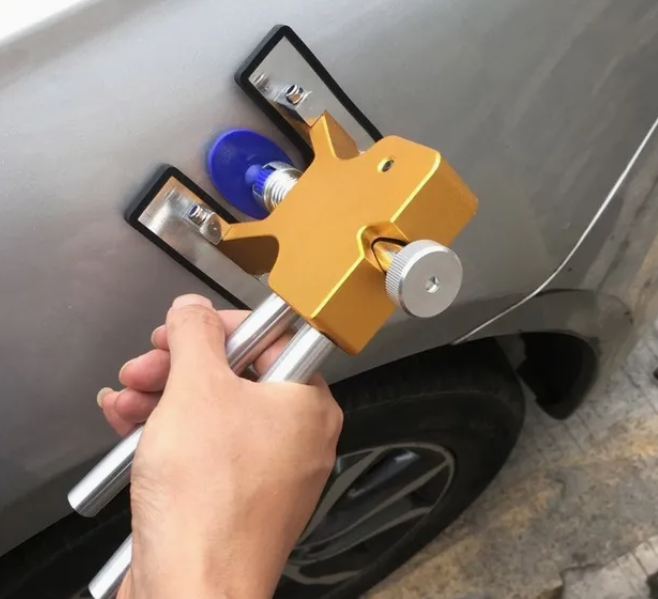
2. Glue Pulling Kit
Glue pulling kits are among the most popular paintless dent repair solutions used today. These kits employ specially designed tabs and hot glue to attach pulling devices directly to the dented area. Once the adhesive sets, the dent can be gradually pulled outward using a bridge puller or slide hammer.
One of the key benefits of glue-pulling kits is their versatility. They can be used on a wide range of dent sizes and shapes, making them suitable for both beginners and professional technicians. The variety of tab sizes included in most kits allows users to target specific areas with greater precision and control.
The repair process begins by selecting an appropriately sized tab and applying hot glue to its surface. The tab is then placed at the center of the dent and allowed to bond with the panel. After the glue cures, a pulling tool is attached to the tab and used to lift the dent. Once the repair is complete, the glue is safely removed using an approved adhesive remover.
Glue pulling kits are highly valued because they preserve the original paint finish. Unlike traditional body repair techniques, they eliminate the need for fillers and repainting in many cases. This helps maintain the vehicle’s resale value and factory appearance.
While glue pulling can achieve impressive results, users must exercise patience and precision. Excessive pulling force may create high spots or distort the metal. Proper technique and gradual adjustments are essential for successful dent removal and panel restoration.
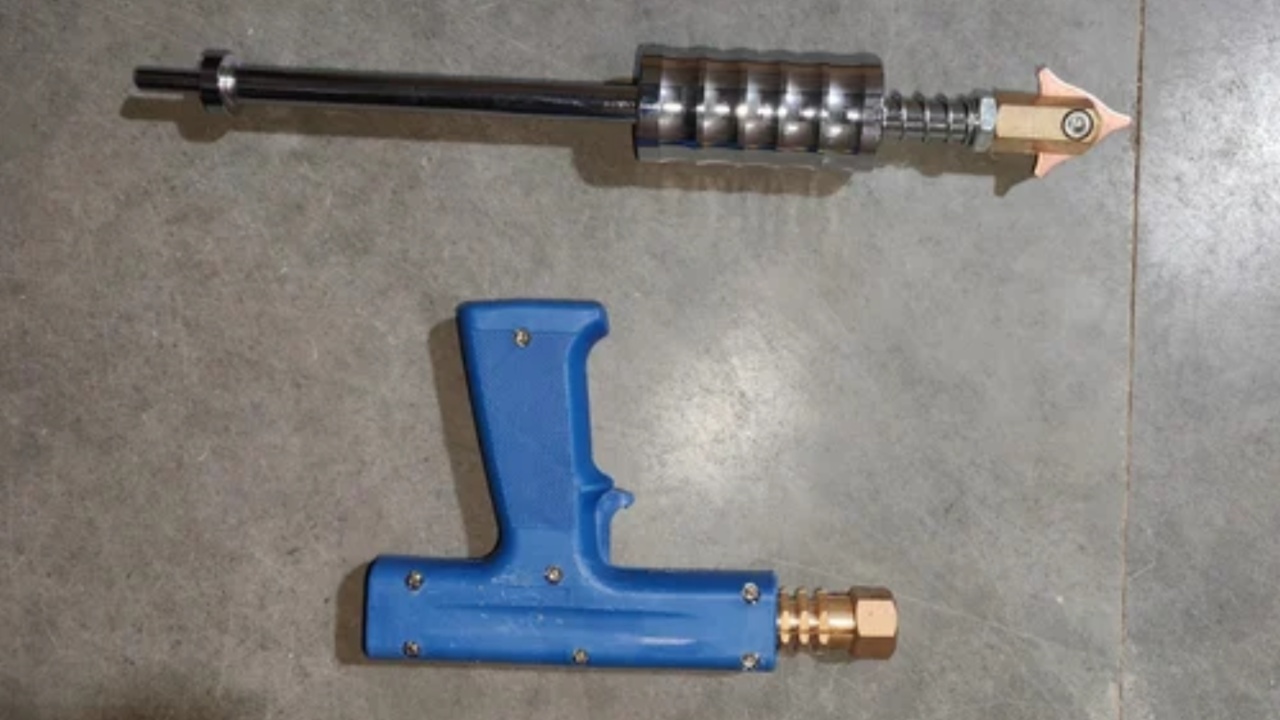
3. Slide Hammer Dent, Puller
A slide hammer dent puller is a powerful tool designed for removing more stubborn dents that cannot be corrected with simple suction methods. This tool uses a weighted sliding mechanism to generate a controlled pulling force, making it effective for larger and deeper dents.
The slide hammer consists of a metal shaft, a sliding weight, and an attachment point that connects to glue tabs or welded studs. As the weight is rapidly moved along the shaft, impact force is transferred to the dented panel, helping pull the damaged area outward.
Professional technicians often rely on slide hammers when dealing with severe dents that require additional pulling power. The tool provides greater leverage and allows users to focus force precisely where it is needed. This level of control is particularly useful when repairing complex body panel damage.
One advantage of the slide hammer is its adaptability. It can be used with multiple attachment methods depending on the repair scenario. This flexibility makes it a valuable addition to any dent repair toolkit and suitable for various vehicle body styles.
However, slide hammers require careful handling. Excessive force can overstretch metal panels and create additional repair challenges. Proper training and experience significantly improve the likelihood of achieving smooth, professional-quality results with this tool.

4. Dent Repair Rods
Dent repair rods are essential tools in professional paintless dent repair operations. These long, specially shaped rods are designed to access the backside of body panels and gently push dents outward from within the vehicle structure.
Available in various lengths, shapes, and tip designs, dent repair rods allow technicians to address dents in difficult-to-reach areas. By applying controlled pressure from behind the panel, users can gradually reshape the metal without affecting the paint finish.
One of the most significant advantages of dent repair rods is their precision. Skilled technicians can manipulate the metal at a highly detailed level, enabling them to remove dents with remarkable accuracy. This technique is commonly used on doors, fenders, roofs, and quarter panels.
The effectiveness of dent repair rods depends largely on accessibility. Interior trim panels, lights, and other components may need to be removed to gain access to the damaged area. While this requires additional effort, the results often justify the investment of time.
Dent repair rods represent the foundation of professional paintless dent repair. Although mastering their use requires practice and experience, they remain among the most effective tools for restoring vehicle panels to near original condition.
Also Read: 7 Most Reliable Motorcycles You Can Buy Today
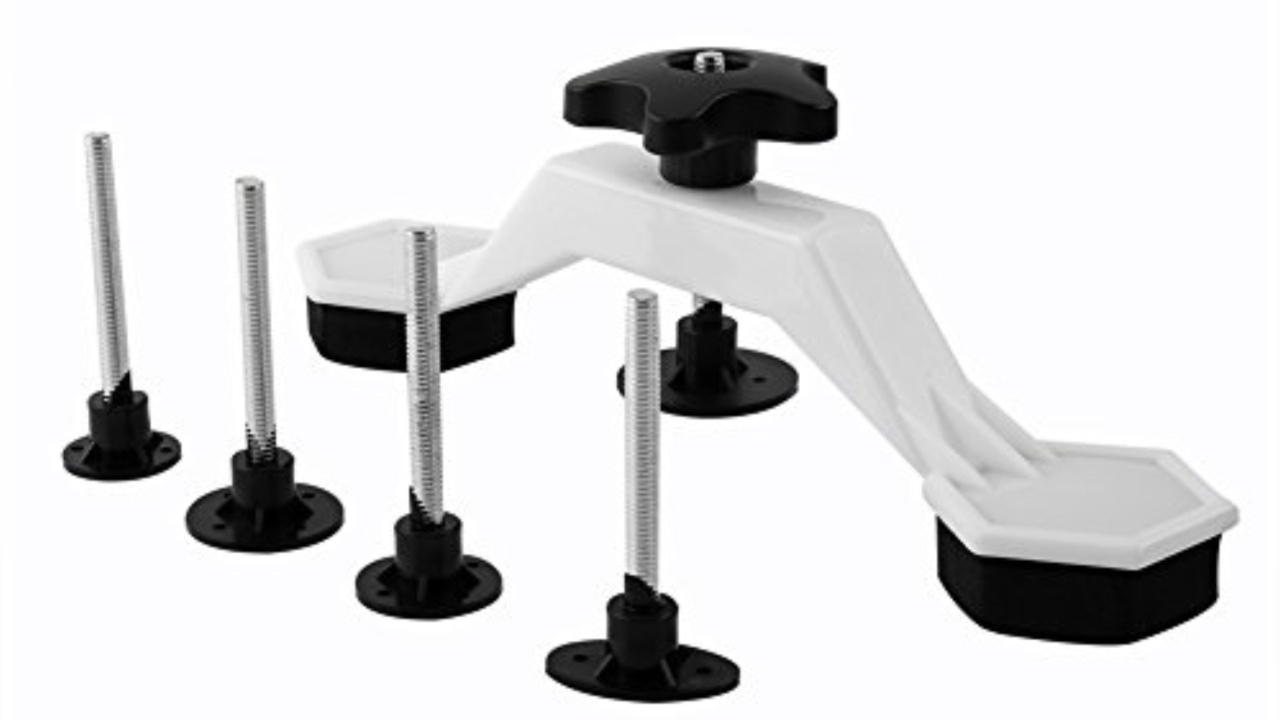
5. Bridge Dent Puller
The bridge dent puller is a specialized tool commonly used in conjunction with glue-pulling systems. Its design features a bridge-shaped frame that spans the dented area while applying a controlled lifting force through a central adjustment mechanism.
This tool allows users to make gradual and precise corrections during the dent removal process. The adjustable center section provides excellent control over pulling pressure, reducing the risk of overcorrection and panel distortion.
Bridge dent pullers are particularly useful for medium-sized dents located on relatively flat surfaces. Their balanced design distributes force evenly across the repair area, helping maintain the natural contour of the panel during restoration.
Many technicians appreciate the bridge puller’s simplicity and reliability. Unlike impact-based tools, it uses a steady mechanical force that can be carefully adjusted throughout the repair. This makes it suitable for delicate panels and sensitive repair situations.
When combined with proper glue-pulling techniques, a bridge dent puller can deliver excellent results while preserving the vehicle’s original finish. Its precision and ease of use make it a popular choice among both professionals and dedicated enthusiasts.
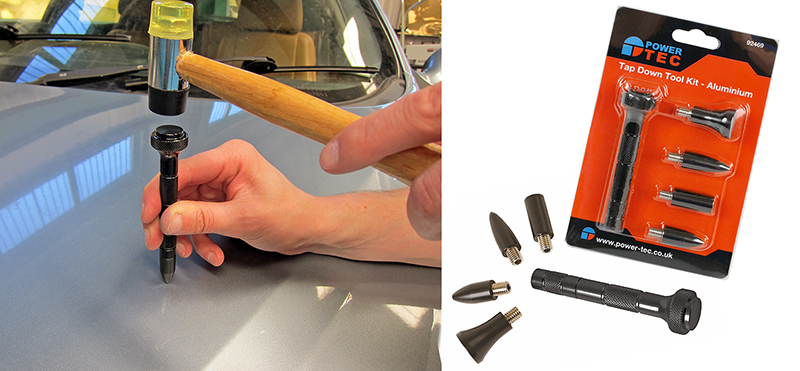
6. Tap Down Tool
A tap-down tool plays a crucial role in paintless dent repair by addressing high spots that may develop during the dent removal process. These tools are used to gently tap raised areas back into alignment with the surrounding panel surface.
Typically made from plastic, nylon, or polished metal, tap-down tools are designed to minimize the risk of paint damage. They are often used alongside small hammers to deliver controlled and precise adjustments.
During dent repair, pulling or pushing operations can occasionally create slight elevations in the metal. Tap-down tools help technicians refine the panel’s shape and restore a smooth, uniform appearance. This finishing process is essential for achieving professional-quality results.
The effectiveness of tap-down tools depends on patience and attention to detail. Small adjustments made gradually tend to produce the best outcomes. Rushing the process may lead to uneven surfaces or additional panel imperfections.
Because paintless dent repair focuses heavily on precision, tap-down tools are considered indispensable equipment. They contribute significantly to the final appearance of the repaired panel and help ensure a seamless restoration.
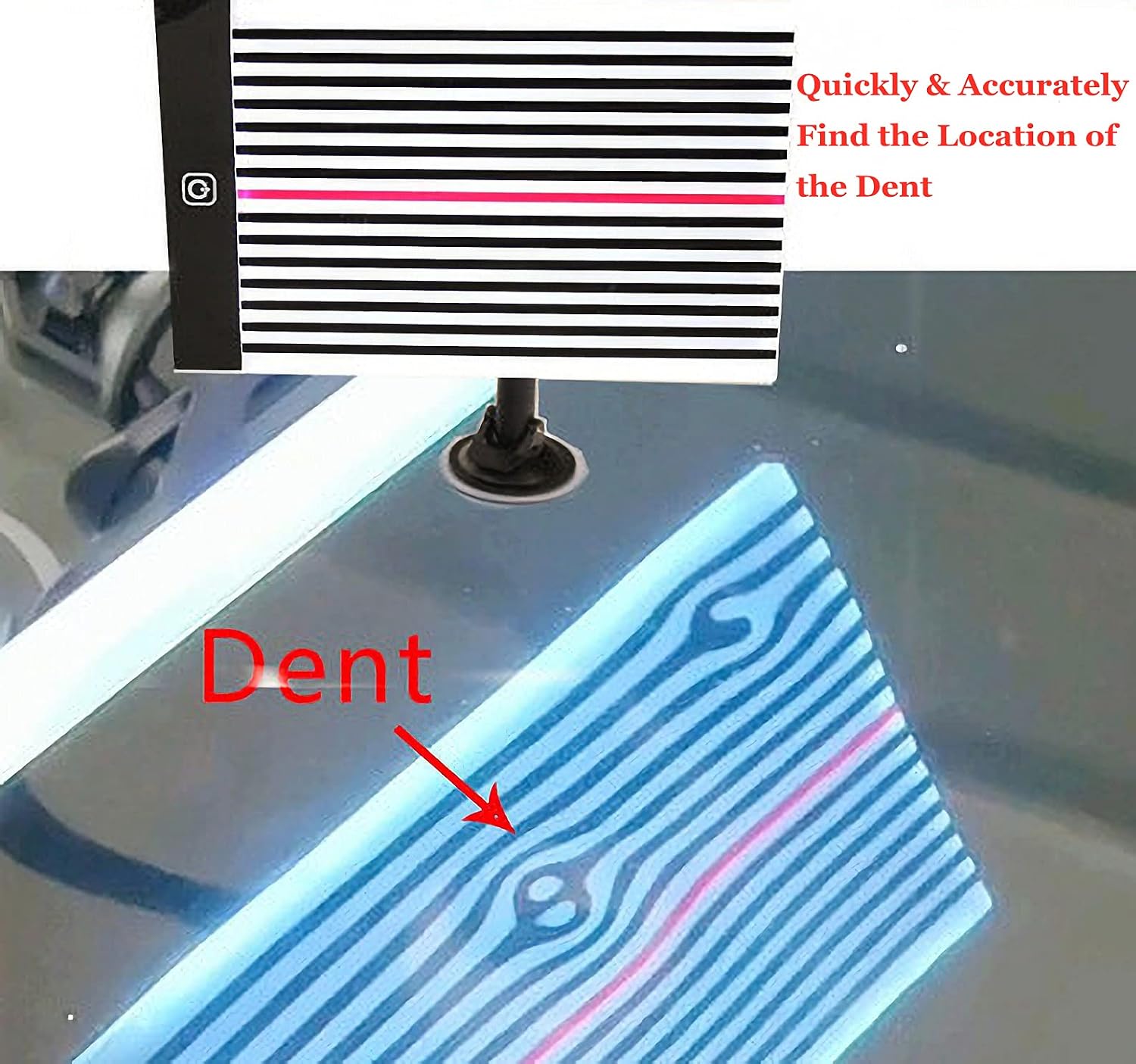
7. LED Dent Inspection Light
An LED dent inspection light may not directly remove dents, but it is one of the most important tools in the repair process. These specialized lights illuminate panel surfaces and reveal subtle distortions that would otherwise be difficult to detect.
The light projects reflection patterns across the vehicle’s surface, allowing technicians to identify low spots, high spots, and irregular contours. This visual feedback is essential for monitoring repair progress and making accurate adjustments.
Professional dent repair technicians rely heavily on inspection lights because even minor imperfections can become visible under certain lighting conditions. By using reflection analysis, they can achieve a higher level of precision during repairs.
Modern LED inspection lights are highly portable and adjustable. Many feature brightness controls and flexible mounting options that accommodate different repair environments. This versatility enhances their usefulness in workshops and mobile repair operations.
Without proper inspection lighting, achieving flawless dent repairs becomes considerably more difficult. For this reason, LED dent inspection lights are regarded as essential tools in both professional and advanced do-it-yourself dent repair setups.
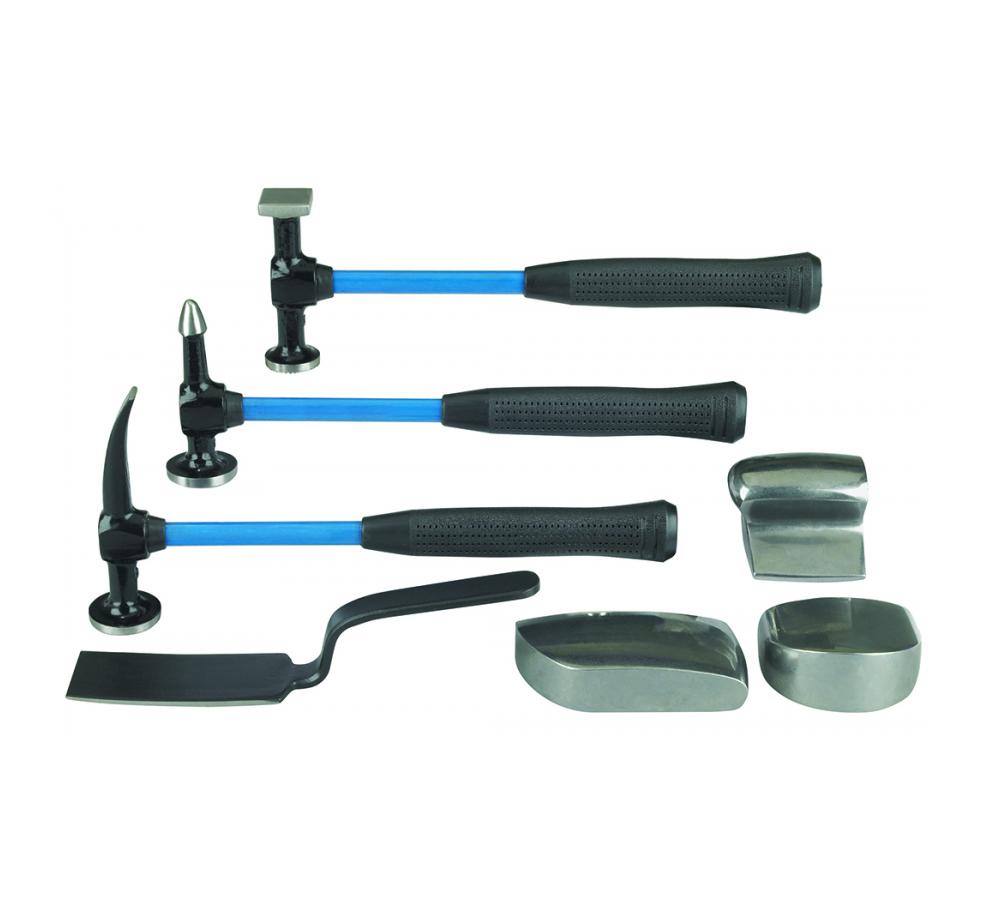
8. Body Hammer and Dolly Set
A body hammer and dolly set is a traditional automotive repair solution that continues to play an important role in dent correction. These tools are used together to reshape damaged metal panels through controlled hammering and support techniques.
The dolly serves as a backing surface placed behind the panel, while the body hammer applies force from the exterior. This combination allows technicians to manipulate metal precisely and restore damaged areas to their original form.
Body hammer and dolly sets are especially useful for larger dents and repairs that involve stretched or distorted metal. Unlike paintless dent repair tools, they are often employed in conventional bodywork procedures that may include sanding, filling, and repainting.
Experienced technicians value the versatility of these tools. Different hammer and dolly shapes accommodate various panel contours and repair requirements, enabling precise metal shaping across a wide range of vehicle designs.
Although they require greater skill than many modern dent repair tools, body hammer and dolly sets remain fundamental equipment in the automotive repair industry. Their effectiveness and adaptability ensure their continued relevance in professional body shops worldwide.
