
Pop up headlights are one of the most iconic automotive design features ever created, symbolizing a golden era of car styling that combined creativity, aerodynamics, and futuristic appeal. These retractable headlights first gained popularity in the mid 20th century and became especially famous during the 1970s, 1980s, and 1990s.
Pop-up headlights were designed to remain concealed within the body of the car when not in use, creating a sleek and uninterrupted front profile. Once activated, the headlights would mechanically rise into position, revealing a distinctive and often dramatic appearance that gave the vehicle added personality and visual appeal.
Car enthusiasts around the world still admire vintage cars with pop up headlights because they represent a time when automotive design was bold and experimental. Engineers were not only focused on function but also on style and emotional impact.
Many sports cars, luxury coupes, and even some everyday vehicles adopted this design trend to improve aerodynamics while also giving cars a futuristic identity. At the time, manufacturers believed that hiding headlights would reduce drag and improve fuel efficiency, although the actual benefits varied depending on the model and design.
Today, pop up headlights are no longer used in modern production cars due to stricter pedestrian safety regulations and advancements in compact lighting technology such as LED and adaptive headlights. However, their legacy continues to live on in automotive culture.
Classic car collectors and enthusiasts actively seek out these vehicles, not only for performance but also for nostalgia and design appreciation. Pop up headlights have become a defining feature of vintage automotive charm, often associated with excitement, personality, and uniqueness.
In this article, we will explore ten vintage cars that became famous for their pop up headlights. Each of these vehicles played an important role in automotive history and helped define an era of design innovation.
From lightweight Japanese sports cars to powerful European exotics and American muscle inspired machines, these cars represent a diverse range of engineering philosophies. We will look at what makes each model special, how the pop up headlights contributed to their identity, and why they remain beloved by car enthusiasts today.
Whether you are a collector, a car enthusiast, or simply someone who appreciates classic automotive design, this list will take you through some of the most memorable machines ever built. These cars are more than just transportation; they are symbols of creativity and mechanical artistry from a time when design had no limits.
Also Read: 8 SUVs With The Most Space For Comfort
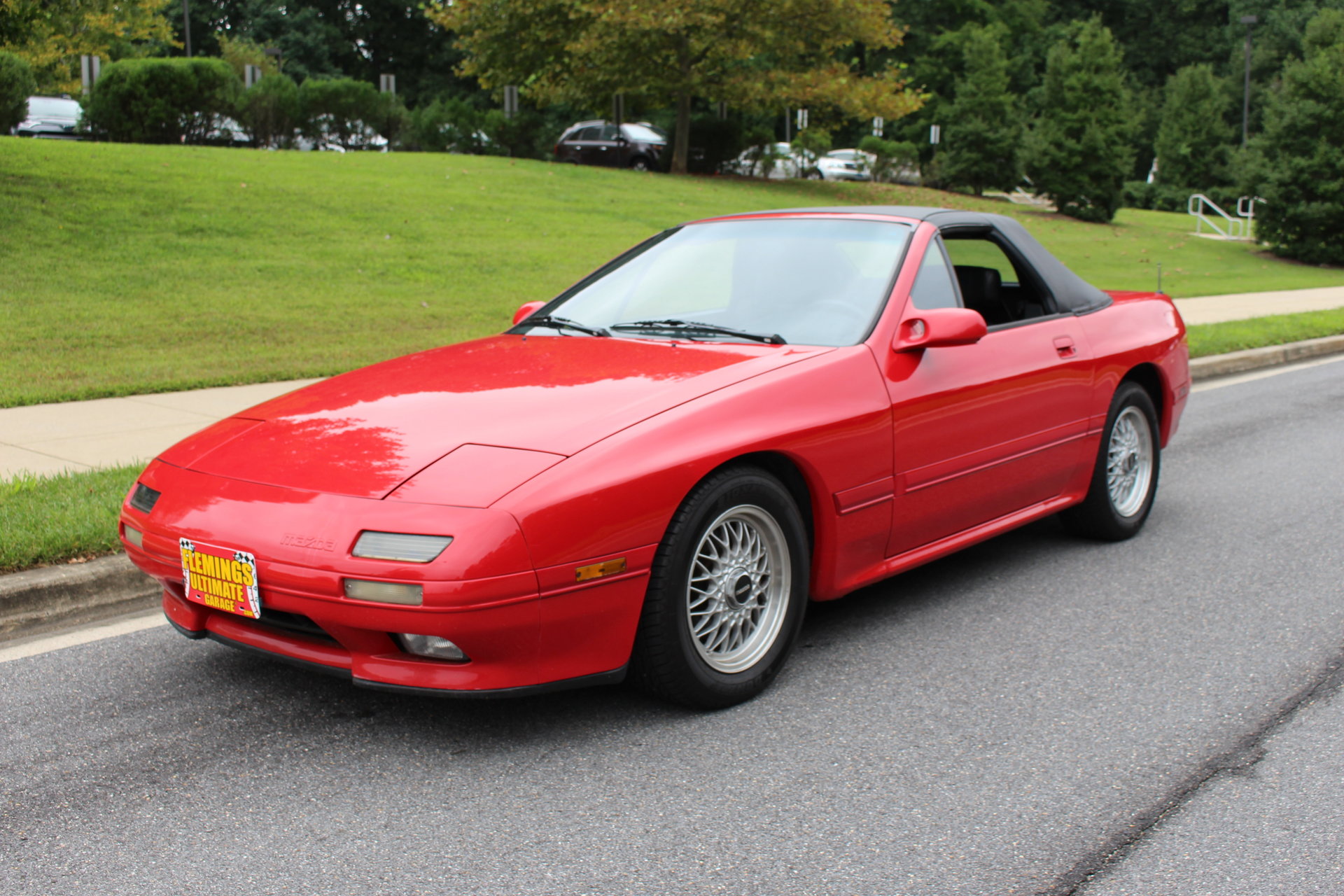
- Engine: 1.1L to 1.3L Twin rotor rotary (12A / 13B depending on generation)
- Horsepower: 100 hp to 276 hp (varies by generation, highest in FD twin turbo)
- Torque: 144 Nm to 314 Nm
- Length: 4280 mm to 4295 mm
- Width: 1690 mm to 1760 mm
1. Mazda RX 7
The Mazda RX 7 is one of the most iconic sports cars ever produced by Japan, and its pop up headlights are a major part of its identity. Introduced in 1978, the RX 7 quickly gained popularity for its lightweight design, balanced handling, and unique rotary engine.
The pop up headlights added to its sleek and low profile appearance, making it look aggressive yet elegant when parked and even more dynamic when driving at night.
One of the biggest reasons the RX 7 became so famous is its perfect balance between performance and affordability. Unlike many expensive European sports cars of its time, the RX 7 offered enthusiasts a chance to experience true sports car handling without an extreme price tag.
The pop up headlights were not just a styling choice but also contributed to the aerodynamic shape of the front end, allowing smoother airflow over the body.
The second generation RX 7, introduced in the mid 1980s, refined this design even further. It featured sharper lines, improved suspension, and a more powerful rotary engine. The pop up headlights became more integrated into the design, giving the car a cleaner and more modern look compared to its predecessor. This generation is often considered one of the most balanced sports cars ever built.
Enthusiasts today still admire the RX 7 for its driving experience and iconic design. The pop up headlights are often one of the first features mentioned when discussing its styling, as they give the car a distinctive personality that modern fixed headlight designs simply cannot replicate. The RX 7 remains a symbol of Japanese automotive innovation and continues to influence sports car design worldwide.
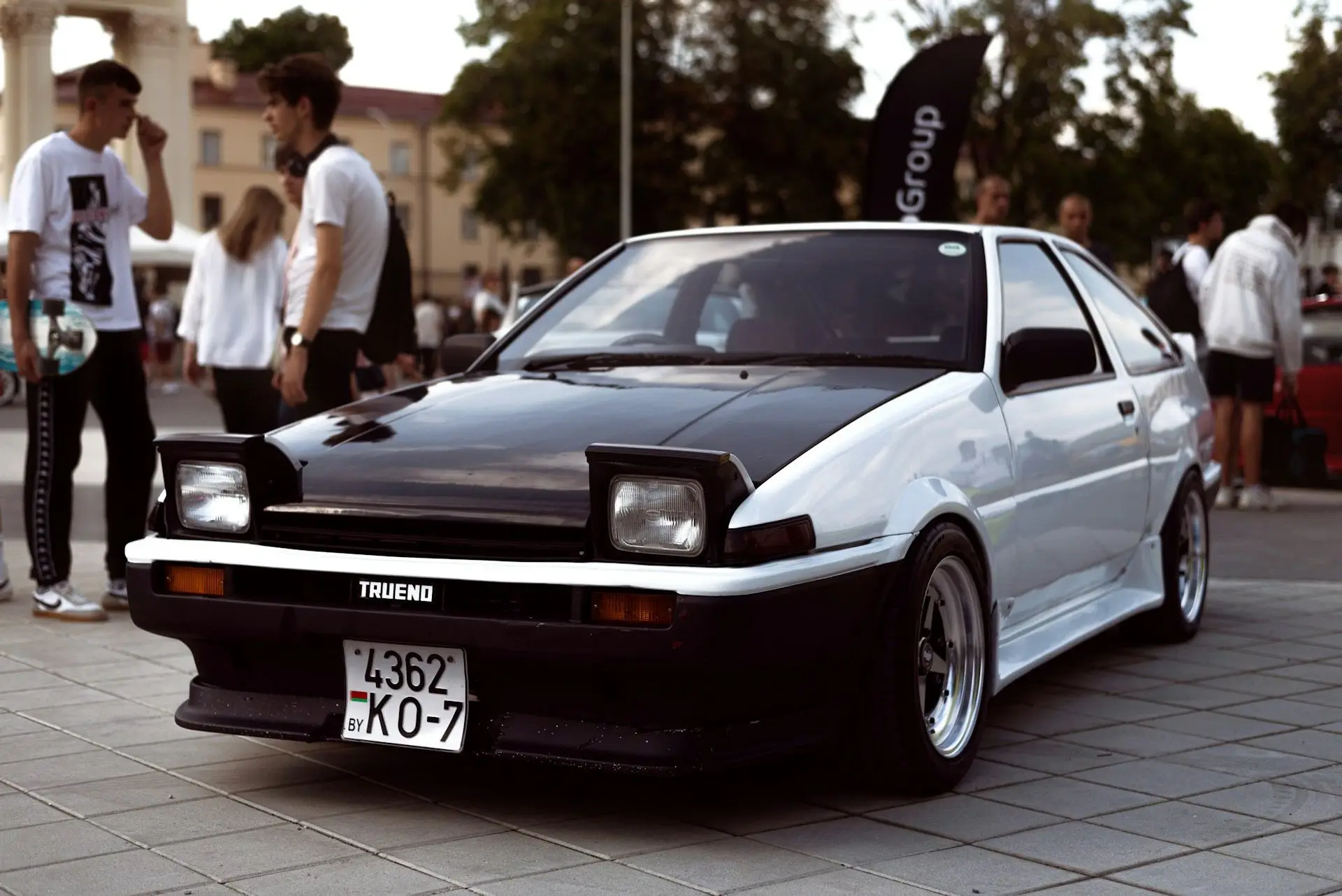
- Engine: 1.6L 4A GE inline 4
- Horsepower: 112 hp to 130 hp
- Torque: 130 Nm to 149 Nm
- Length: 4180 mm
- Width: 1625 mm
2. Toyota AE86 Sprinter Trueno
The Toyota AE86 Sprinter Trueno is a legendary car that helped define the era of lightweight Japanese performance vehicles. Known widely from motorsport culture and drifting communities, the AE86 is instantly recognizable due to its sharp design and iconic pop up headlights.
These headlights give the car a playful yet focused expression, especially when they are raised during night driving or lowered for aerodynamic efficiency.
The AE86 was never about raw power. Instead, it focused on balance, agility, and driver engagement. Its rear wheel drive layout made it a favorite among driving enthusiasts, and the pop up headlights contributed to its clean and compact front end. The simplicity of its design allowed it to become a true driver’s car rather than just a visual statement.
In motorsport culture, especially in drifting, the AE86 gained legendary status. Its lightweight frame and responsive steering made it ideal for controlled slides and technical driving. The pop up headlights became part of its personality, often associated with expressive driving styles and anime inspired car culture that further boosted its popularity worldwide.
Even today, the AE86 is considered a cultural icon. Its design has influenced modern sports cars, and collectors value it highly. The pop up headlights remain one of its most charming features, representing a design era where cars were built with personality and character rather than purely digital efficiency.
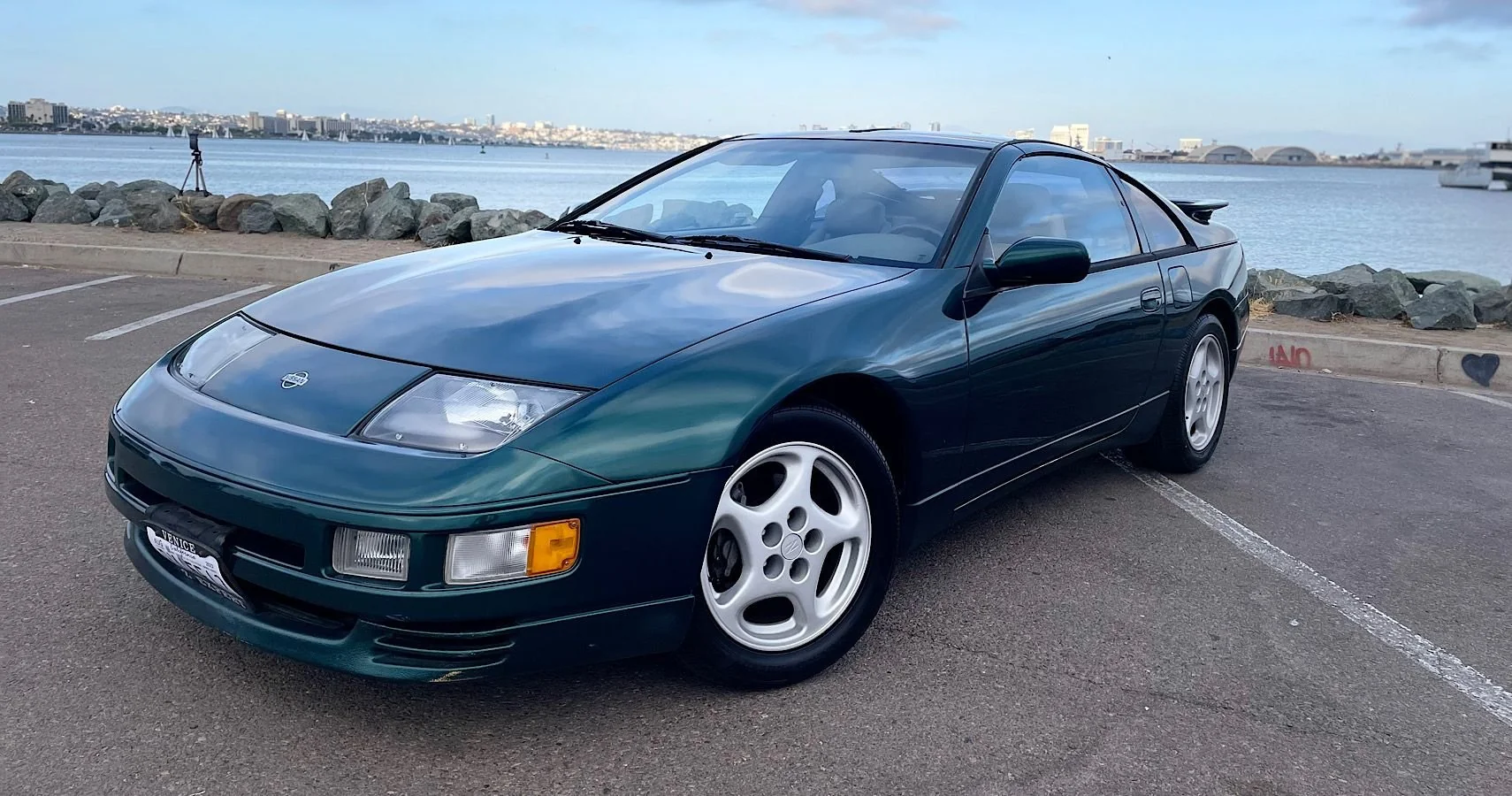
- Engine: 3.0L VG30E / VG30DE / VG30DETT V6
- Horsepower: 160 hp to 300 hp
- Torque: 248 Nm to 384 Nm
- Length: 4310 mm
- Width: 1790 mm
3. Nissan 300ZX (Z32)
The Nissan 300ZX is one of the most advanced and stylish Japanese sports cars of the late 1980s and 1990s, and its pop up headlights played a huge role in shaping its futuristic identity. When the Z32 generation was introduced in 1989, it immediately stood out due to its smooth, aerodynamic body lines and low stance. The pop up headlights were seamlessly integrated into the front design, giving the car a clean surface when the lights were closed and a sharp, aggressive look when they were raised.
The engineering behind the 300ZX was just as impressive as its styling. It featured advanced technology for its time, including optional twin turbocharging, multi link suspension, and even early forms of digital instrumentation in some trims. The pop up headlights were not just cosmetic; they helped maintain aerodynamic efficiency, which was a key design priority for Nissan during this era.
What made the 300ZX especially memorable was how well it balanced luxury and performance. It was comfortable enough for long distance driving yet powerful enough to compete with European sports cars.
The pop up headlights became a signature visual cue that emphasized its high tech personality. Even today, the Z32 remains one of the most respected Japanese performance cars ever built.
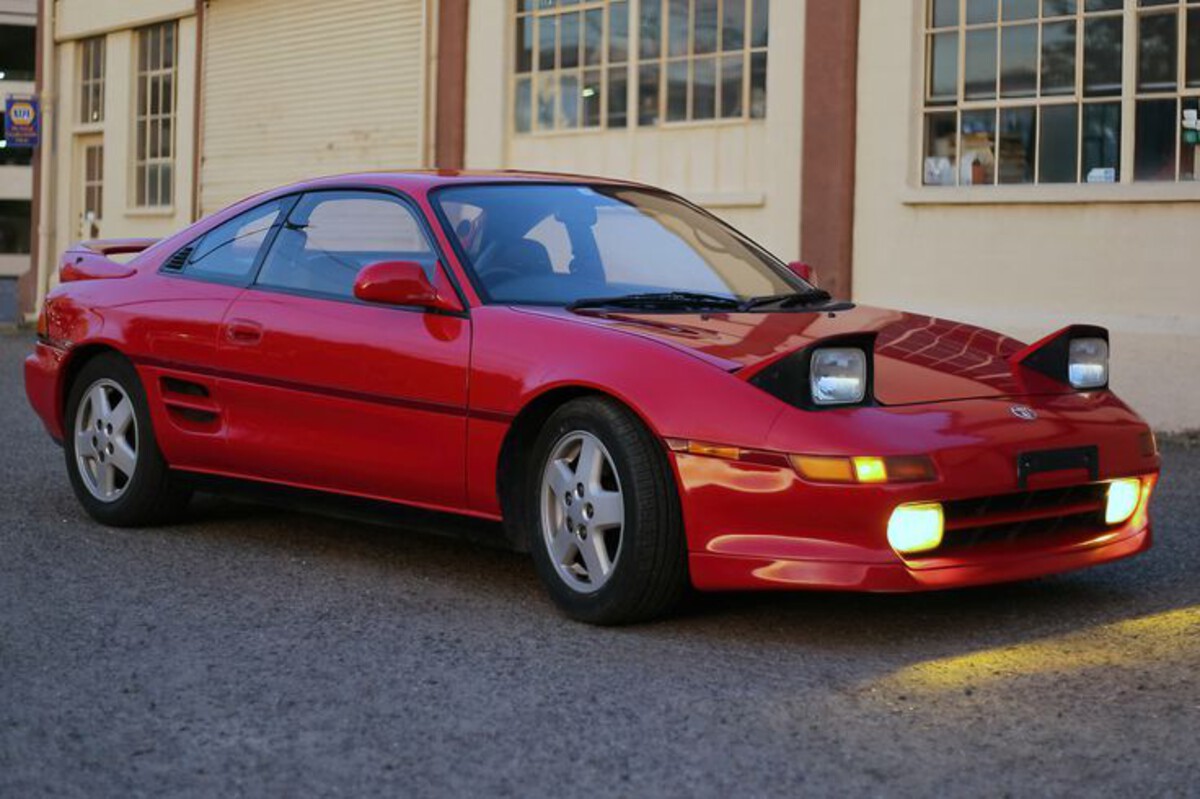
- Engine: 1.6L 4A GE (AW11), 2.0L 3S GE / 3S GTE (SW20)
- Horsepower: 112 hp to 245 hp
- Torque: 135 Nm to 304 Nm
- Length: 3925 mm to 4170 mm
- Width: 1665 mm to 1695 mm
4. Toyota MR2 (AW11 and SW20)
The Toyota MR2 is a mid engine sports car that gained a strong reputation for its lightweight design and sharp handling. The early AW11 and second generation SW20 models both featured pop up headlights, which contributed significantly to their sporty and compact appearance. These headlights gave the MR2 a distinctive personality that matched its agile and responsive driving dynamics.
The MR2 was designed to deliver a pure sports car experience at an affordable price. Its mid engine layout provided excellent weight distribution, making it extremely balanced on twisty roads. The pop up headlights enhanced this design philosophy by keeping the front end low and smooth, which helped improve aerodynamics and gave the car a sleek profile.
In the second generation SW20, the MR2 evolved into a more powerful and refined machine. It gained sharper styling and turbocharged engine options in some markets.
The pop up headlights remained a key visual feature, giving the car a slightly exotic appearance that resembled more expensive European sports cars. This generation is often considered one of the best handling cars of its time.
Also Read: 7 Most Reliable Motorcycles You Can Buy Today
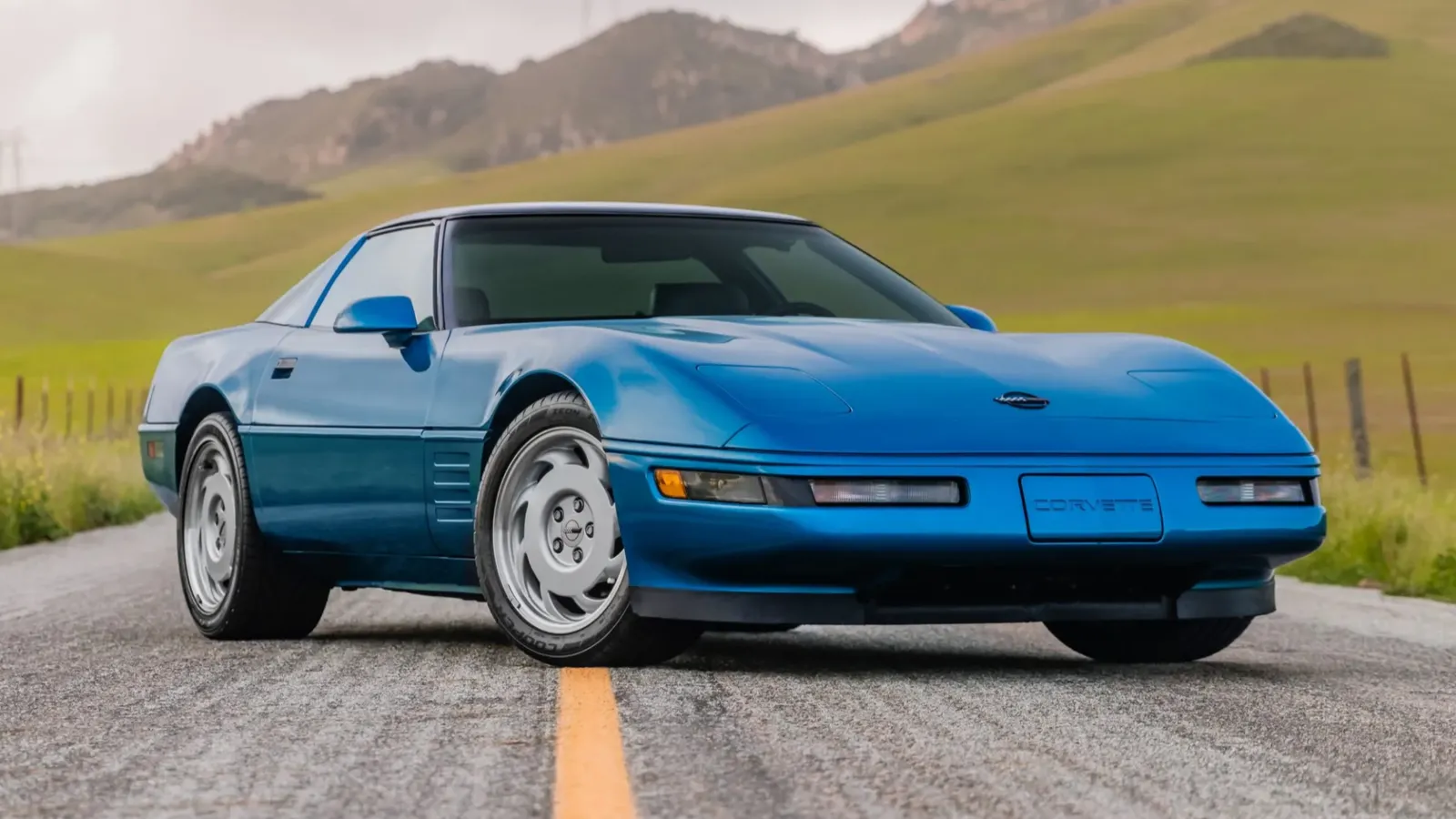
- Engine: 5.7L Small Block V8 (L98 / LT1)
- Horsepower: 205 hp to 300 hp
- Torque: 366 Nm to 461 Nm
- Length: 4430 mm
- Width: 1790 mm
5. Chevrolet Corvette C4
The Chevrolet Corvette C4 represents a major turning point in American sports car design. Introduced in the 1980s, the C4 generation embraced modern styling and technology, and its pop up headlights became one of its most recognizable features. When closed, the front end of the Corvette appeared extremely flat and aerodynamic, almost like a futuristic concept car.
The C4 Corvette was designed with performance in mind, especially improved handling compared to its predecessors. The pop up headlights allowed engineers to maintain a low drag coefficient, which was important for both speed and fuel efficiency. When activated, the headlights gave the car a dramatic and aggressive expression that matched its performance oriented character.
Over time, the C4 became a symbol of 1980s automotive design. While some critics debated its styling at launch, enthusiasts appreciated its technological leap and driving dynamics. The pop up headlights remain one of its most iconic features, representing the bold experimentation of American car design during that era.
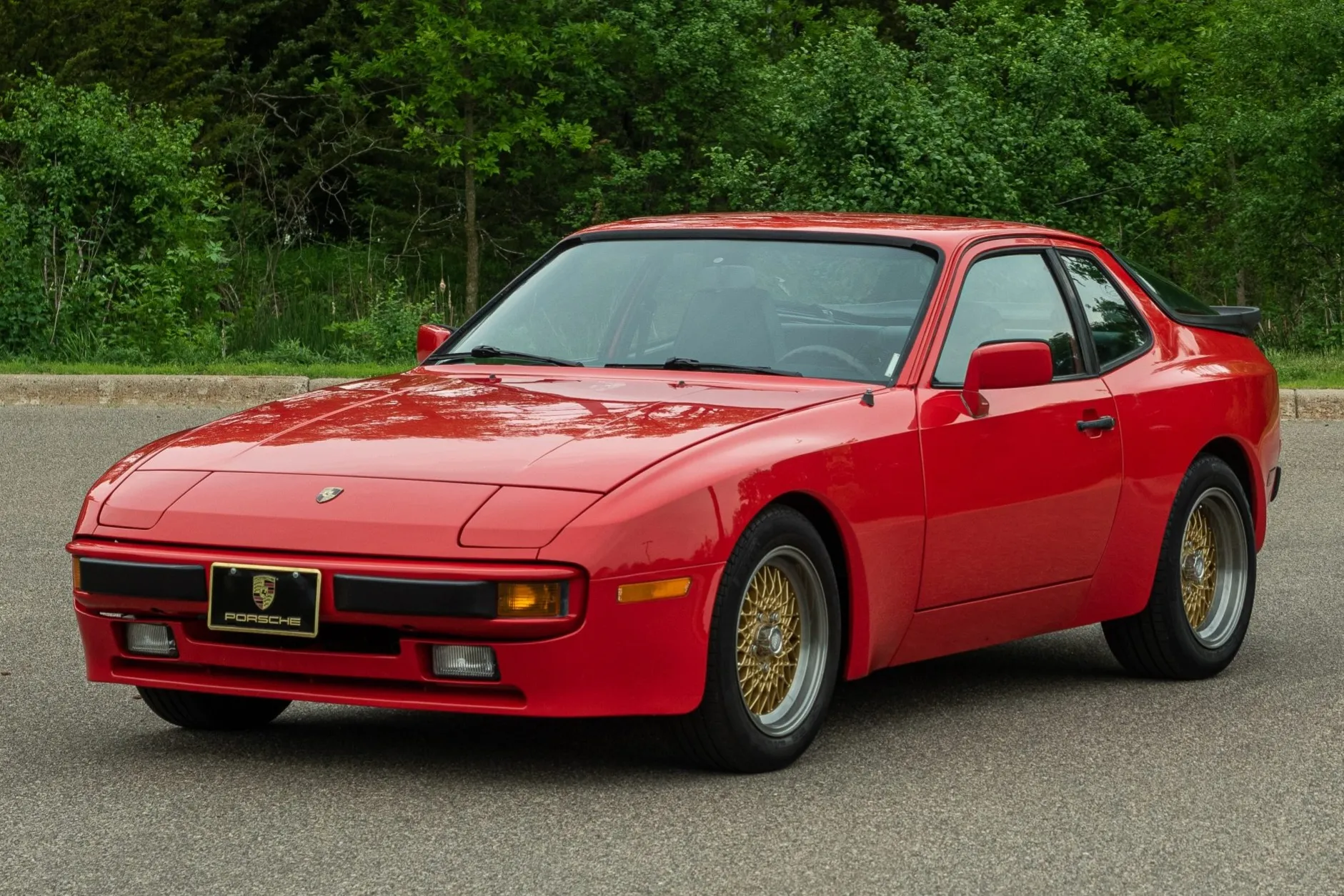
- Engine: 2.5L to 3.0L inline 4
- Horsepower: 143 hp to 208 hp
- Torque: 205 Nm to 280 Nm
- Length: 4200 mm
- Width: 1735 mm
6. Porsche 944
The Porsche 944 is a classic German sports car that blended practicality with performance, and its pop up headlights are a defining part of its design language. Introduced in the 1980s, the 944 featured a balanced front engine, rear transaxle layout, which gave it near perfect weight distribution. The pop up headlights contributed to its smooth and aerodynamic front profile.
The Porsche 944 featured a refined and understated design rather than the aggressive styling commonly associated with many supercars. Its pop-up headlights complemented this character by maintaining a clean and simple front end when closed. Once raised, they gave the car a slightly playful yet purposeful appearance that reflected its balanced and composed driving character.
The Porsche 944 was praised for its handling and usability, making it one of the most accessible Porsche models of its time. It was capable on both daily roads and spirited driving conditions. The pop up headlights remain one of its most charming design elements, symbolizing the blend of elegance and engineering precision that Porsche is known for.
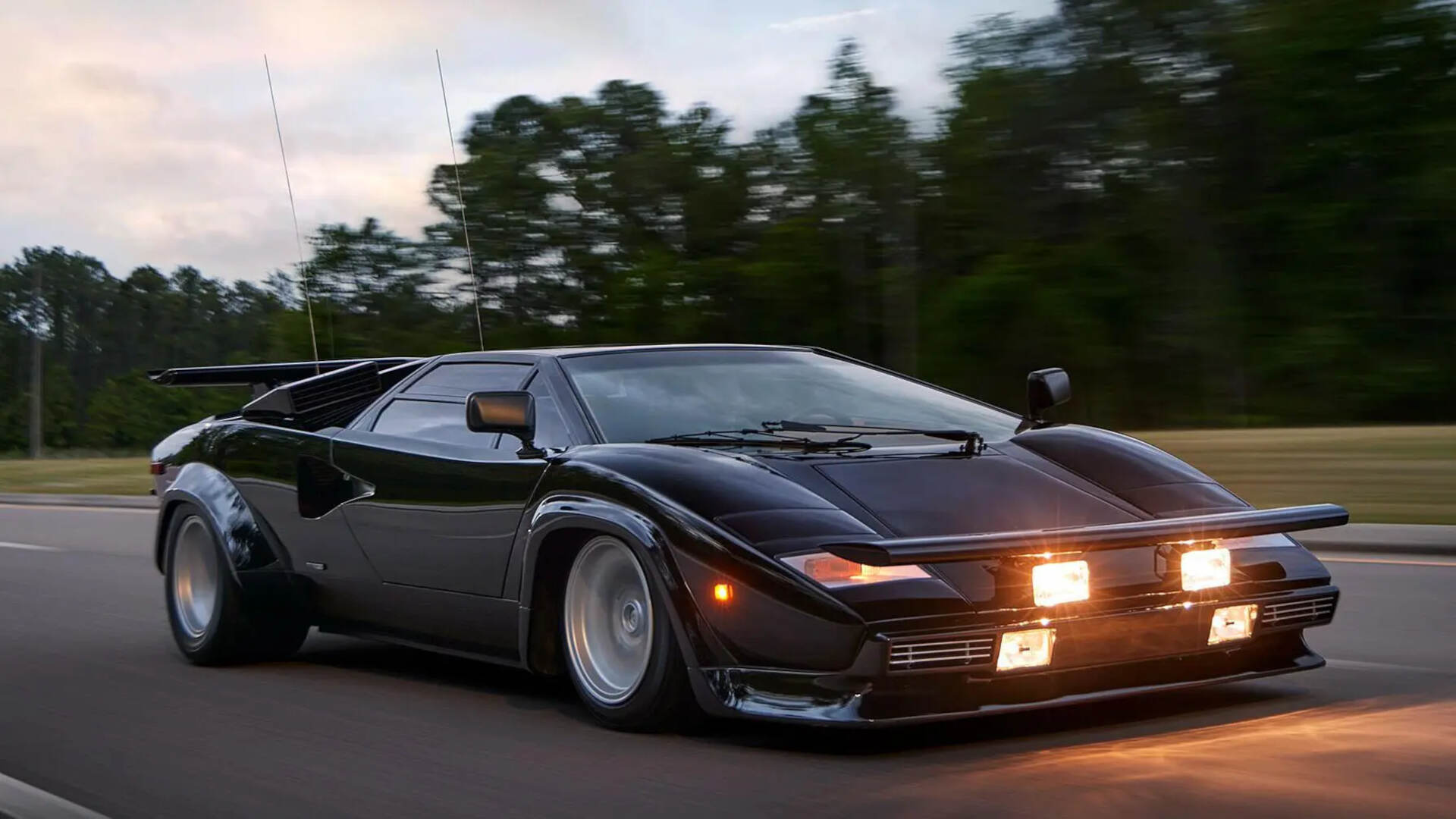
- Engine: 3.9L to 5.2L V12
- Horsepower: 370 hp to 455 hp
- Torque: 361 Nm to 500 Nm
- Length: 4140 mm
- Width: 2000 mm
7. Lamborghini Countach
The Lamborghini Countach is one of the most legendary supercars ever built, and its pop up headlights are part of its dramatic and aggressive design identity. Introduced in the 1970s and produced into the 1990s, the Countach became a symbol of extreme automotive styling, with sharp angles, wide stance, and futuristic proportions.
The pop up headlights on the Countach were integrated into its wedge shaped body, maintaining its low aerodynamic profile when closed. When opened, they gave the car a mechanical and almost robotic expression, enhancing its exotic and otherworldly appeal. This feature became part of its visual drama, especially when the car was showcased at night or in motion.
Beyond its styling, the Countach was a performance icon. Its powerful V12 engine and raw driving experience made it one of the most desirable supercars of its era. The pop up headlights added to its theatrical presence, reinforcing its reputation as a poster car for generations of automotive enthusiasts.
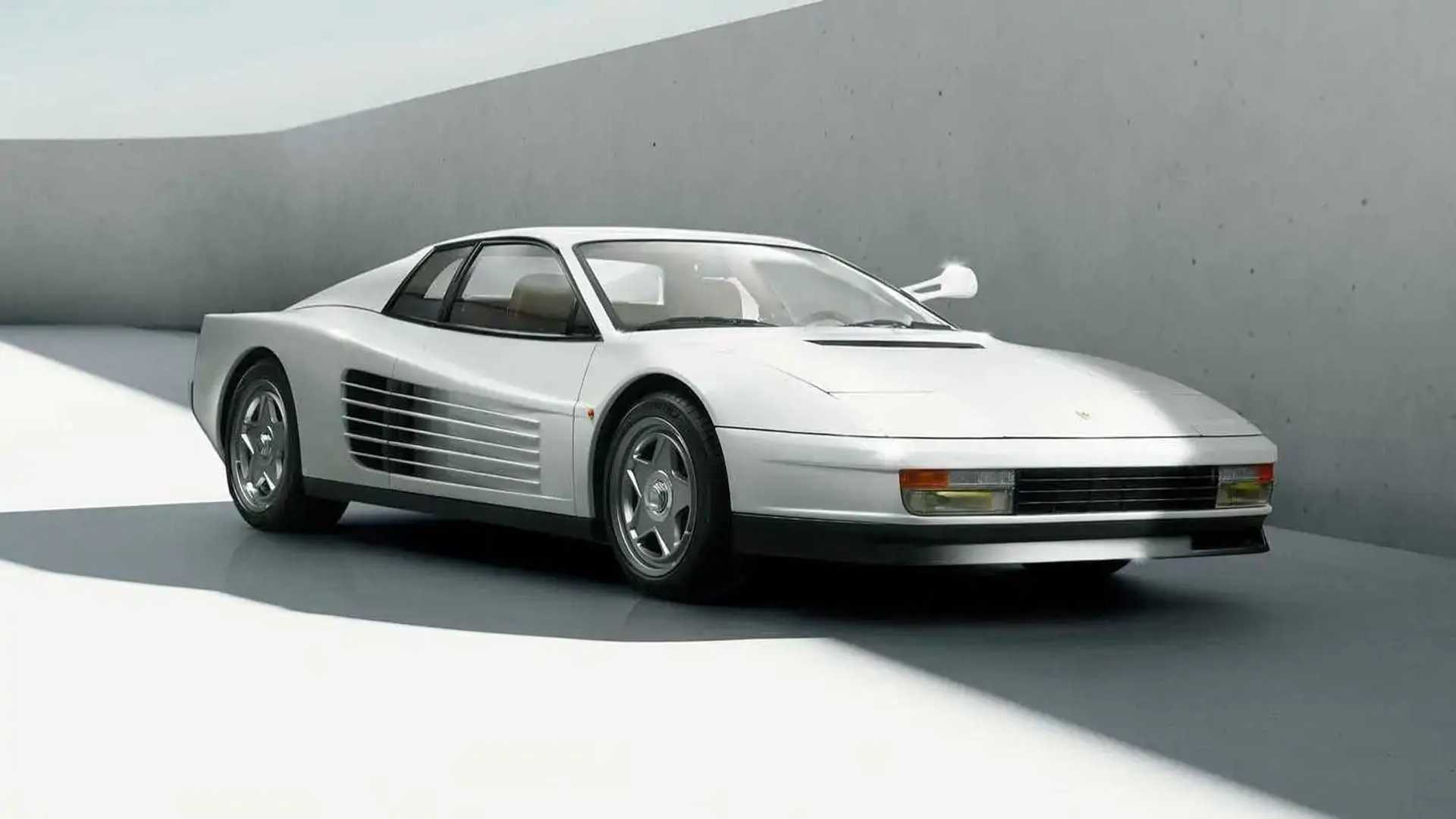
- Engine: 4.9L Flat 12
- Horsepower: 390 hp to 428 hp
- Torque: 490 Nm
- Length: 4485 mm
- Width: 1976 mm
8. Ferrari Testarossa
The Ferrari Testarossa is one of the most recognizable Ferrari models ever produced, known for its wide side strakes and aggressive design. While its primary headlights were fixed units, certain concept variations and earlier design studies explored pop up headlight configurations, which influenced Ferrari’s design direction during that era.
The Testarossa represented 1980s excess and performance, combining a powerful flat 12 engine with a bold and unmistakable body. The design language focused heavily on aerodynamics and cooling, which is why the final production version adopted fixed headlights. However, the influence of pop up headlight era design trends is still visible in its clean front end proportions.
Despite not relying heavily on pop up headlights in its final form, the Testarossa belongs to the same design era and shares the same spirit of innovation.
It represents a time when Ferrari and other manufacturers were experimenting heavily with futuristic aesthetics and performance driven styling.
- Engine: 3.0L / 3.2L V6 (C30A / C32B)
- Horsepower: 270 hp to 290 hp
- Torque: 285 Nm to 304 Nm
- Length: 4430 mm
- Width: 1810 mm
9. Honda NSX (First Generation)
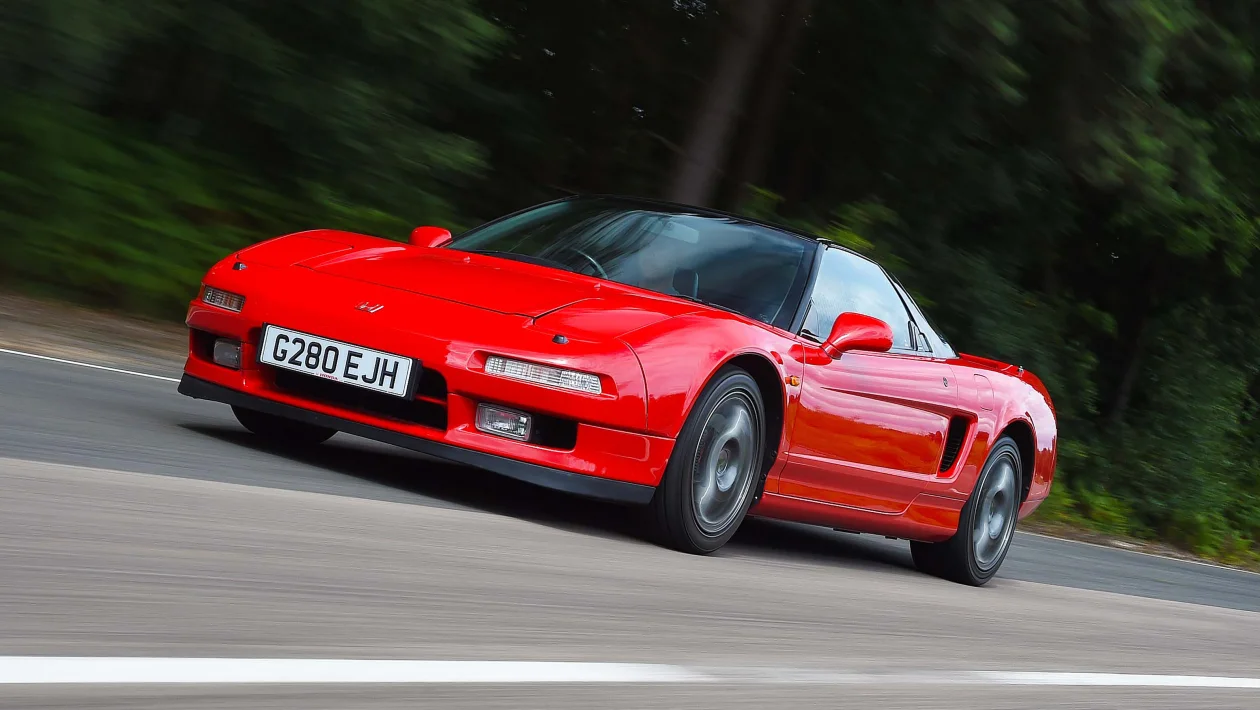
The Honda NSX is a groundbreaking Japanese supercar that combined reliability with exotic performance. Its pop up headlights were one of its most distinctive features, giving it a sleek and futuristic appearance. Developed with input from legendary driver Ayrton Senna, the NSX was designed to compete with the best sports cars in the world.
The pop up headlights contributed to the NSX’s aerodynamic efficiency and clean design philosophy. When closed, the car looked almost minimalist and smooth, emphasizing its precision engineering. When raised, the headlights gave it an expressive and high performance character that matched its driving capabilities.
The NSX was praised for its balance, handling, and everyday usability. It proved that supercars could be reliable and practical without sacrificing excitement. The pop up headlights remain one of its most beloved design features, symbolizing the golden age of Japanese performance engineering.
- Engine: 1.6L / 1.8L inline 4
- Horsepower: 115 hp to 133 hp
- Torque: 135 Nm to 149 Nm
- Length: 3970 mm
- Width: 1675 mm
10. Mazda MX 5 Miata (NA)
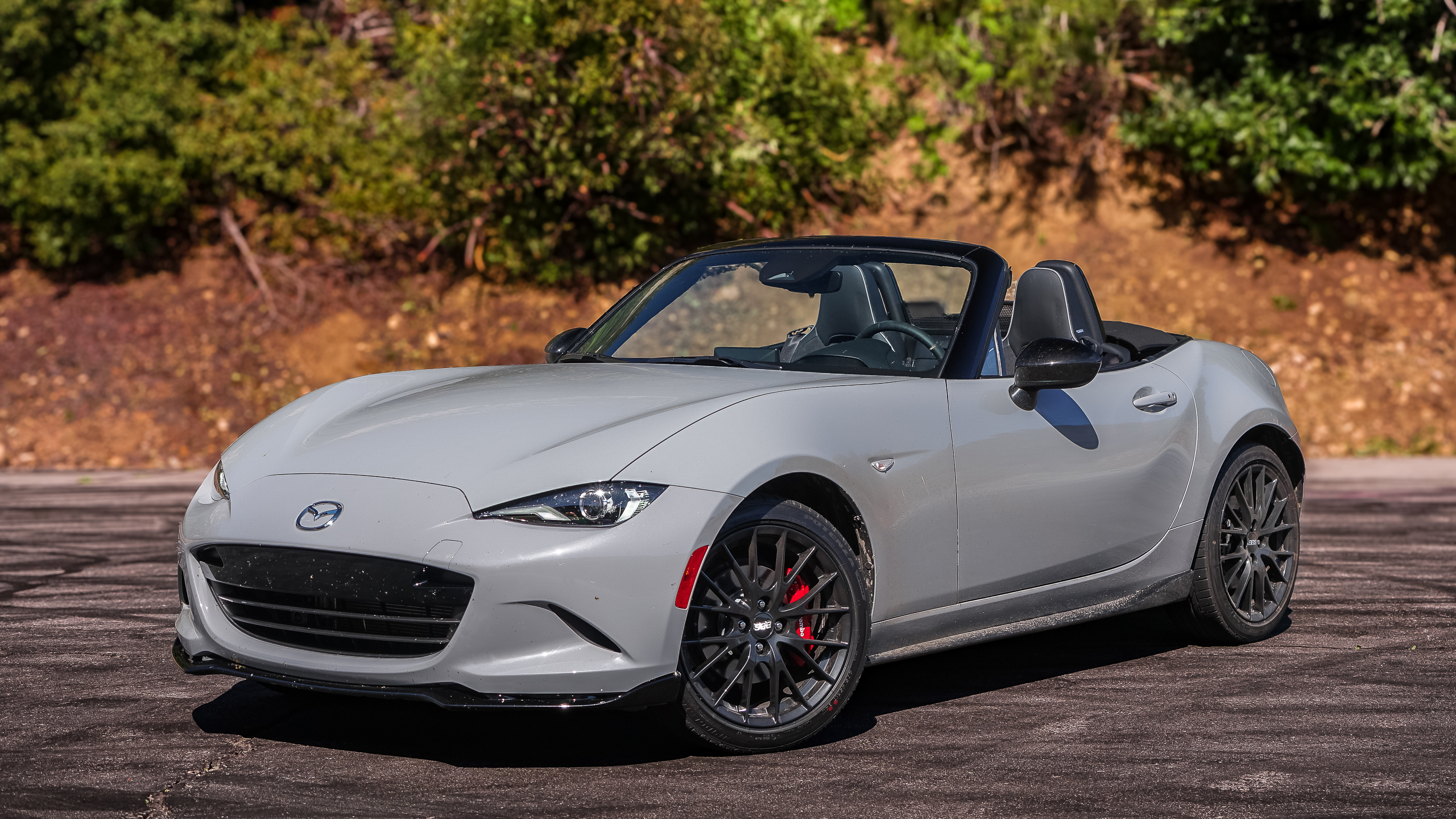
The Mazda MX 5 Miata, especially the first generation NA model, is one of the most beloved roadsters ever created. Its pop up headlights are instantly recognizable and contribute heavily to its friendly and playful character. The design was inspired by classic British roadsters, but Mazda added Japanese reliability and engineering precision.
The pop up headlights give the MX 5 a unique personality. When closed, the car has a smooth and compact look, and when opened, it appears cheerful and expressive, which matches its fun driving nature. This simple yet effective design choice helped make the Miata a global success.
The MX 5 focuses on lightweight driving enjoyment rather than power. It is known for its perfect balance, responsive steering, and open top driving experience. The pop up headlights have become one of its most iconic traits, making it one of the most recognizable sports cars of all time.
