
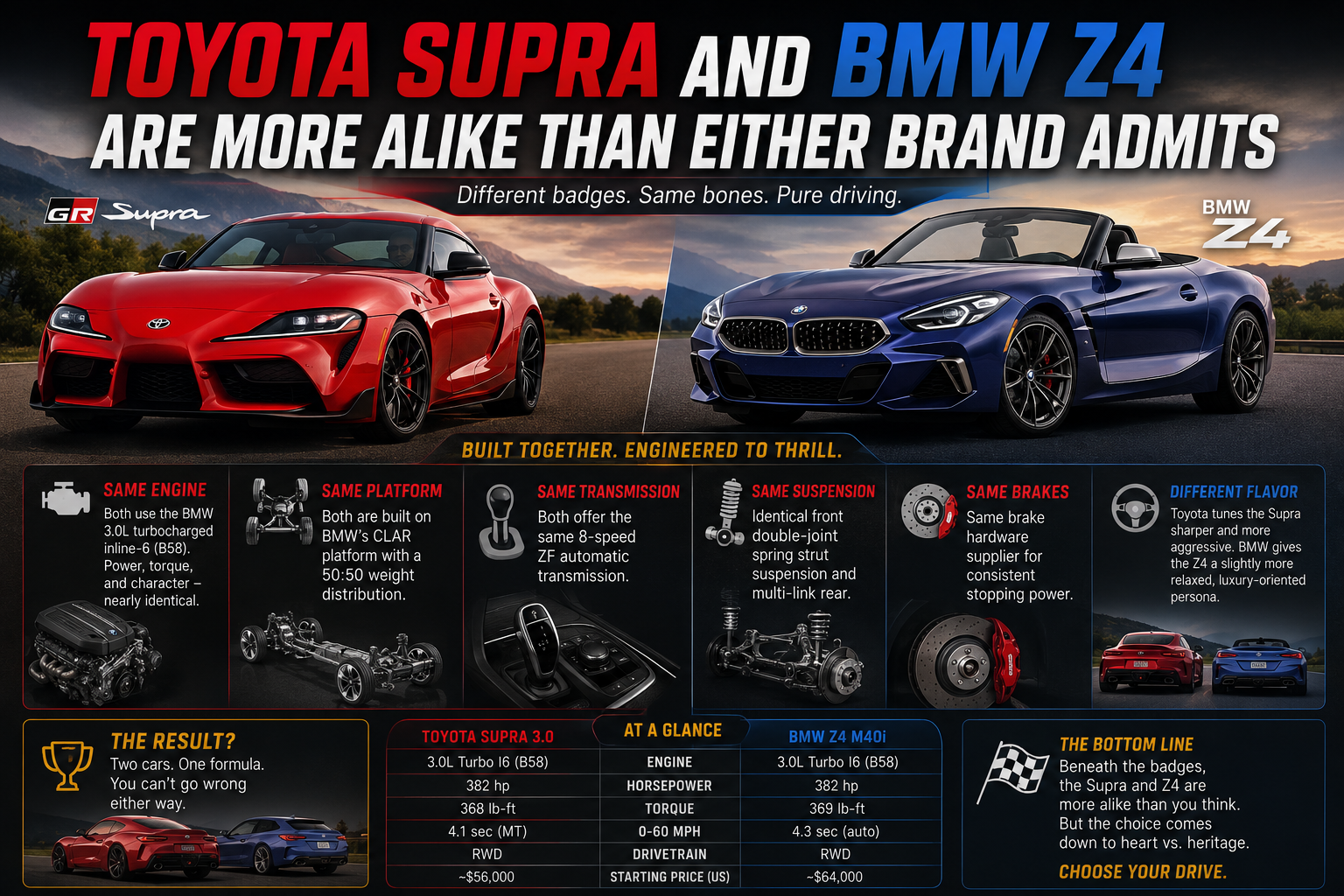
The modern automotive industry is full of collaborations that often remain partially hidden behind brand identity and marketing narratives. One of the most discussed examples of this trend is the relationship between the Toyota GR Supra and the BMW Z4.
At first glance, these two vehicles appear to come from completely different worlds. Toyota is widely associated with reliability, efficiency, and motorsport-inspired engineering rooted in Japanese manufacturing philosophy.
BMW, on the other hand, is known for its German engineering precision, luxury driving dynamics, and a long heritage of producing performance-oriented roadsters.
Yet beneath these brand identities lies a shared engineering foundation that makes the Supra and Z4 far more closely related than many enthusiasts initially realized.
This partnership between Toyota and BMW was not a coincidence or a simple supply agreement. It was a deliberate co-development project aimed at reducing costs while creating two distinct performance cars for different audiences. The result is a pair of vehicles that share core mechanical components, including engines, transmission options, chassis architecture, and even electronic systems.
Despite these shared bones, both companies worked to ensure that the driving experiences would reflect their respective brand philosophies. Toyota focused on tuning the Supra for sharp handling and track-oriented behavior, while BMW emphasized the Z4’s comfort, refinement, and open-top touring character.
What makes this comparison particularly interesting is how successfully both brands managed to create separate identities on top of nearly identical engineering foundations. The Supra is marketed as a coupe-focused sports car with aggressive styling and a strong emphasis on driving engagement.
The Z4 is presented as a luxury roadster designed for relaxed cruising with occasional bursts of performance. However, when analyzed technically, the similarities become difficult to ignore. From the engine bay to the suspension geometry, the overlap is significant enough that many automotive journalists and enthusiasts describe them as siblings rather than rivals.
This shared DNA raises important questions about modern automotive development. As regulations become stricter and development costs continue to rise, partnerships like this are becoming more common.
Car manufacturers increasingly collaborate on platforms, engines, and software systems to stay competitive while still trying to maintain brand identity. The Supra and Z4 project is a clear example of how this strategy can produce two distinct vehicles that still rely heavily on shared engineering.
Also Read: 8 SUVs With The Most Space For Comfort
Shared Platform and Engineering Foundation
The most significant connection between the Toyota GR Supra and BMW Z4 lies in their shared platform architecture. Both vehicles are built on BMW’s Cluster Architecture platform, commonly referred to as CLAR.
This modular structure is designed to support a wide range of vehicles, from sedans to SUVs and sports cars. In the case of the Supra and Z4, the platform was adapted specifically for Rear Wheel Drive sports car applications, allowing both models to share a common structural foundation while still offering unique tuning possibilities.
At the core of this shared platform is the emphasis on weight distribution and structural rigidity. Engineers from both Toyota and BMW collaborated to ensure that the chassis could deliver the stiffness required for high-performance driving while maintaining comfort for everyday use.
The result is a platform that provides both cars with near-perfect weight balance, which is essential for predictable handling dynamics. Although Toyota claims to have influenced tuning decisions heavily, the underlying hard points of the chassis remain fundamentally the same.
The production strategy also reflects their shared engineering. Both the Supra and Z4 are manufactured at BMW’s facility in Graz, Austria, operated by Magna Steyr.
This is a critical detail because it highlights how deeply integrated the production process is. Neither vehicle is assembled in Japan for Toyota nor in Germany for BMW in the traditional sense. Instead, they roll off the same production line, further reinforcing their mechanical connection.
Even safety structures and crash engineering are largely shared between the two models. High-strength steel and aluminum components are used throughout the frame to meet global safety standards while keeping weight under control. This approach allows both companies to save on development costs while still achieving high safety ratings across different markets.
Engine and Performance Similarities
One of the most important areas where the Toyota GR Supra and BMW Z4 converge is under the hood. Both vehicles share the same core engine family supplied by BMW, most notably the turbocharged inline six-cylinder engine found in higher-performance variants.
This engine, often referred to in BMW terminology as part of the B58 family, is widely regarded for its smooth power delivery, strong mid-range torque, and tuning potential. In both the Supra and Z4, it serves as the performance flagship option, delivering nearly identical factory output figures depending on market calibration.
The shared engine architecture means that many internal components are effectively the same between the two cars. This includes the block design, turbocharging system, fuel injection technology, and cooling layout. What changes between the Supra and Z4 is not the fundamental hardware, but rather the surrounding software calibration and intake or exhaust tuning.
Toyota engineers worked with BMW to adjust throttle mapping and engine response characteristics so that the Supra would feel more aggressive and track-focused, while the Z4 would deliver a smoother and more refined power curve suitable for open-top cruising.
In lower trim versions, both models also share a four-cylinder turbocharged engine option, which again comes directly from BMW’s modular engine lineup.
This entry-level engine provides adequate performance for everyday driving while improving fuel efficiency and lowering the cost of entry into the platform. Although enthusiasts often prefer the six-cylinder version, the existence of a shared base engine further highlights how closely intertwined these two vehicles are at a mechanical level.
Performance figures between equivalent Supra and Z4 models are remarkably close. Acceleration times, horsepower ratings, and torque outputs often differ only slightly, usually due to brand-specific tuning decisions or minor aerodynamic variations.
In real-world driving conditions, these differences are difficult to distinguish without a direct back-to-back comparison. This reinforces the idea that while branding may suggest different identities, the underlying performance potential is nearly identical.
Another key similarity is the use of a turbocharged layout optimized for mid-range torque rather than high-revving power delivery. Both cars are designed to provide strong acceleration in everyday driving conditions rather than requiring high engine speeds to access performance.
This makes them more accessible and usable on public roads, aligning with modern sports car expectations. The shared engine philosophy also contributes to consistent reliability and maintenance characteristics across both models.
Transmission and Drivetrain Systems
Beyond the engine, the transmission and drivetrain systems further reinforce the deep connection between the Toyota Supra and BMW Z4. Both vehicles are equipped with the same eight-speed automatic transmission sourced from BMW, known for its quick shifts, smooth operation, and ability to handle high torque output.
This transmission plays a major role in shaping the driving experience of both cars, as it is responsible for delivering power from the shared engine to the rear wheels with minimal interruption.
The calibration of this transmission differs slightly between the two models. In the Supra, gear changes are programmed to feel more immediate and aggressive, particularly in sport modes where downshifts are more responsive, and rev holding is more pronounced.
In the Z4, the same transmission is tuned for smoother transitions and more relaxed behavior, especially during normal driving conditions. Despite these differences, the mechanical hardware remains identical, meaning the underlying performance capability is shared.
Both vehicles are Rear Wheel Drive only, which is a deliberate choice to maintain driving purity and balance. This layout is central to the sports car identity of both models, providing predictable handling characteristics and allowing for controlled oversteer when driven enthusiastically.
The shared drivetrain layout also simplifies engineering and packaging, as both companies were able to optimize the platform around a single configuration rather than developing multiple variants.
Taken together, the transmission and drivetrain systems highlight how deeply the Supra and Z4 share engineering resources. While software tuning provides some differentiation, the mechanical and electronic foundations are essentially the same, reinforcing the idea that these two vehicles are variations of a single engineering project rather than fully independent designs.
Also Read: 7 Most Reliable Motorcycles You Can Buy Today
Driving Dynamics and Real World Feel
Although the Toyota Supra and BMW Z4 share a significant amount of hardware, their driving dynamics reveal how much tuning and brand philosophy can influence perception. On paper, they may be nearly identical, but on the road, they are presented as two distinct personalities shaped by suspension tuning, steering calibration, and chassis refinement.
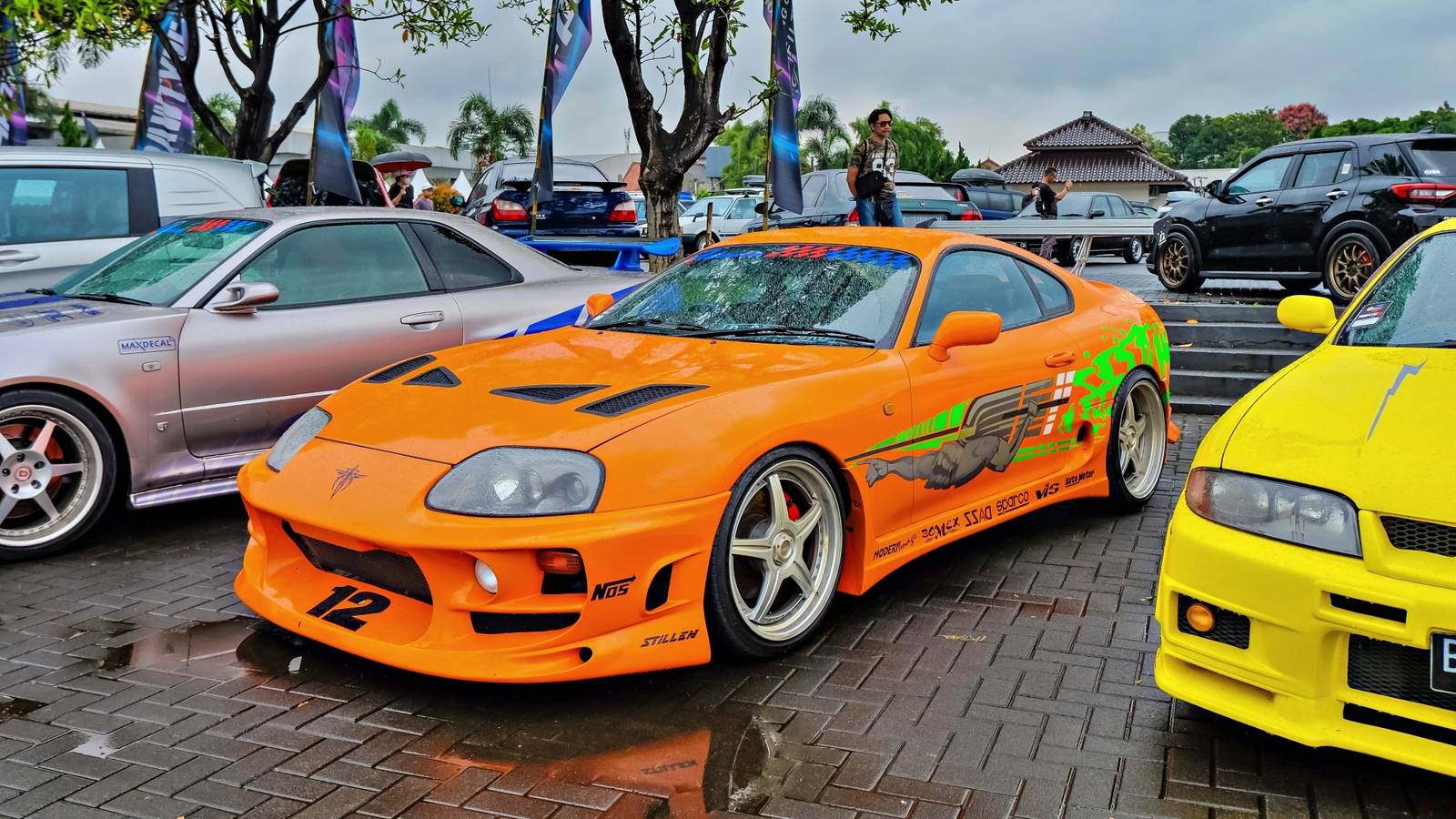
The Supra is tuned to feel more rigid and responsive, with a stronger emphasis on sharp turns in behavior and stability at high speeds.
Toyota engineers aimed to create a car that feels confident on a racetrack, with minimal body roll and a sense of direct connection between driver input and vehicle response. This results in a driving experience that feels more aggressive and focused, especially in sport-oriented driving modes.
In contrast, the Z4 is tuned for comfort and smoothness. BMW’s approach prioritizes a more relaxed ride quality, particularly important for a roadster designed for open-air cruising. The suspension absorbs road imperfections more effectively, and steering inputs feel slightly softer and more progressive. This makes the Z4 feel more suitable for long-distance touring, where comfort is as important as performance.
Despite these differences, the underlying behavior remains remarkably similar when both cars are pushed to their limits.
The shared chassis balance and weight distribution mean that both vehicles respond predictably in corners, with a neutral handling bias and a tendency toward controlled oversteer when traction limits are exceeded. Skilled drivers often note that once past the initial tuning differences, the core handling characteristics feel closely aligned.
One of the most interesting aspects of their real-world driving feel is how tire choice and suspension settings can dramatically influence perceived differences. Because both cars share such a similar foundation, small changes in setup can make them feel more alike or more distinct, depending on configuration. This highlights how much of the perceived difference is tuning rather than hardware.
Design Philosophy and Brand Identity
While the Toyota Supra and BMW Z4 share much of their mechanical DNA, their exterior and interior designs are where each brand attempts to establish a distinct identity.
Toyota approached the Supra with the goal of creating a visually aggressive, coupe-style sports car that reflects its performance heritage. BMW, in contrast, designed the Z4 as a sleek roadster focused on elegance, proportions, and open-top driving appeal.
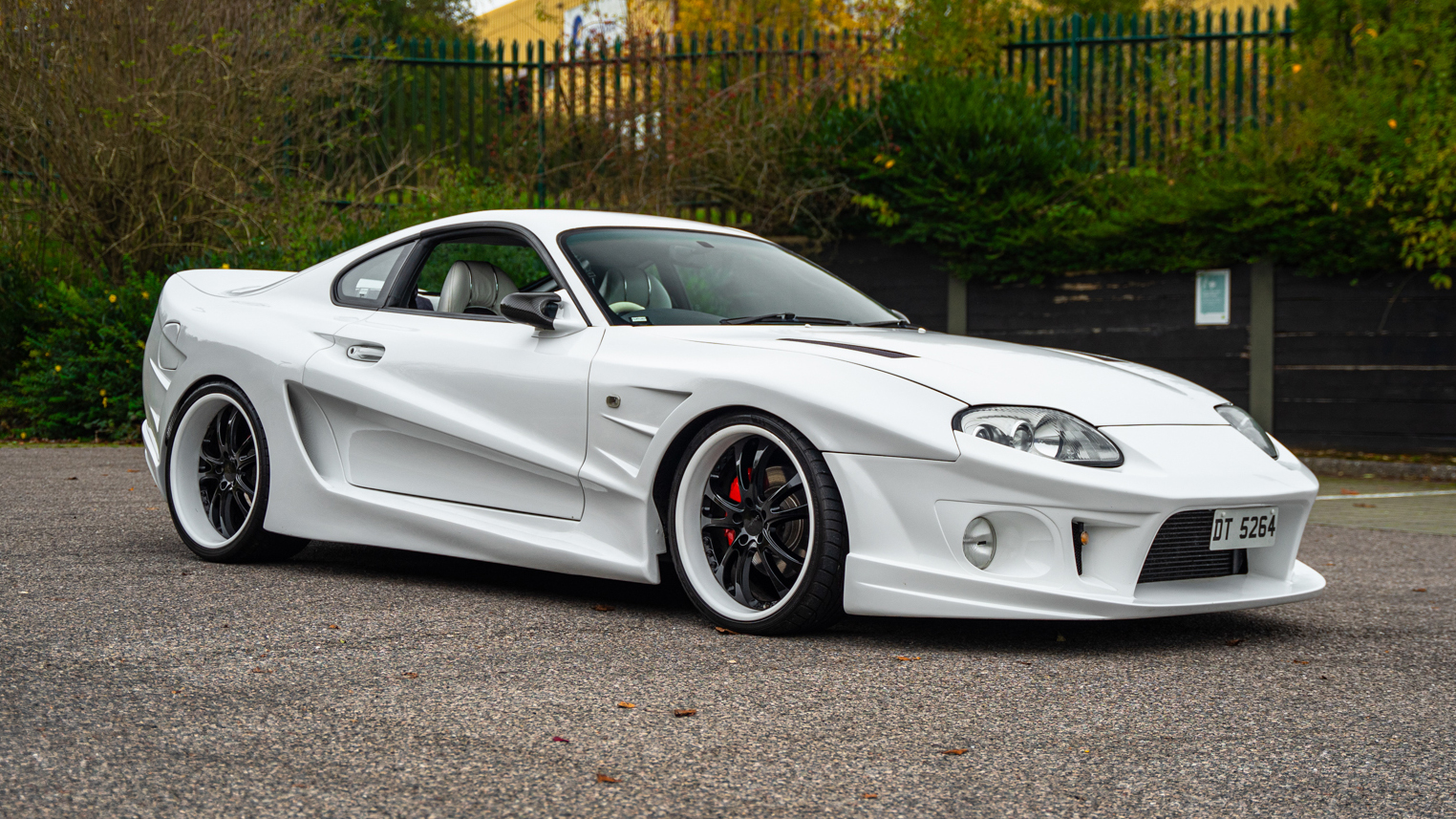
The Supra features a fixed roof coupe design with sharp lines, pronounced aerodynamic elements, and a compact cabin that emphasizes performance proportions. Its styling is heavily influenced by motorsport aesthetics, with wide fenders, a low stance, and aggressive front and rear detailing. These design choices are intended to communicate speed and track capability even when the car is stationary.
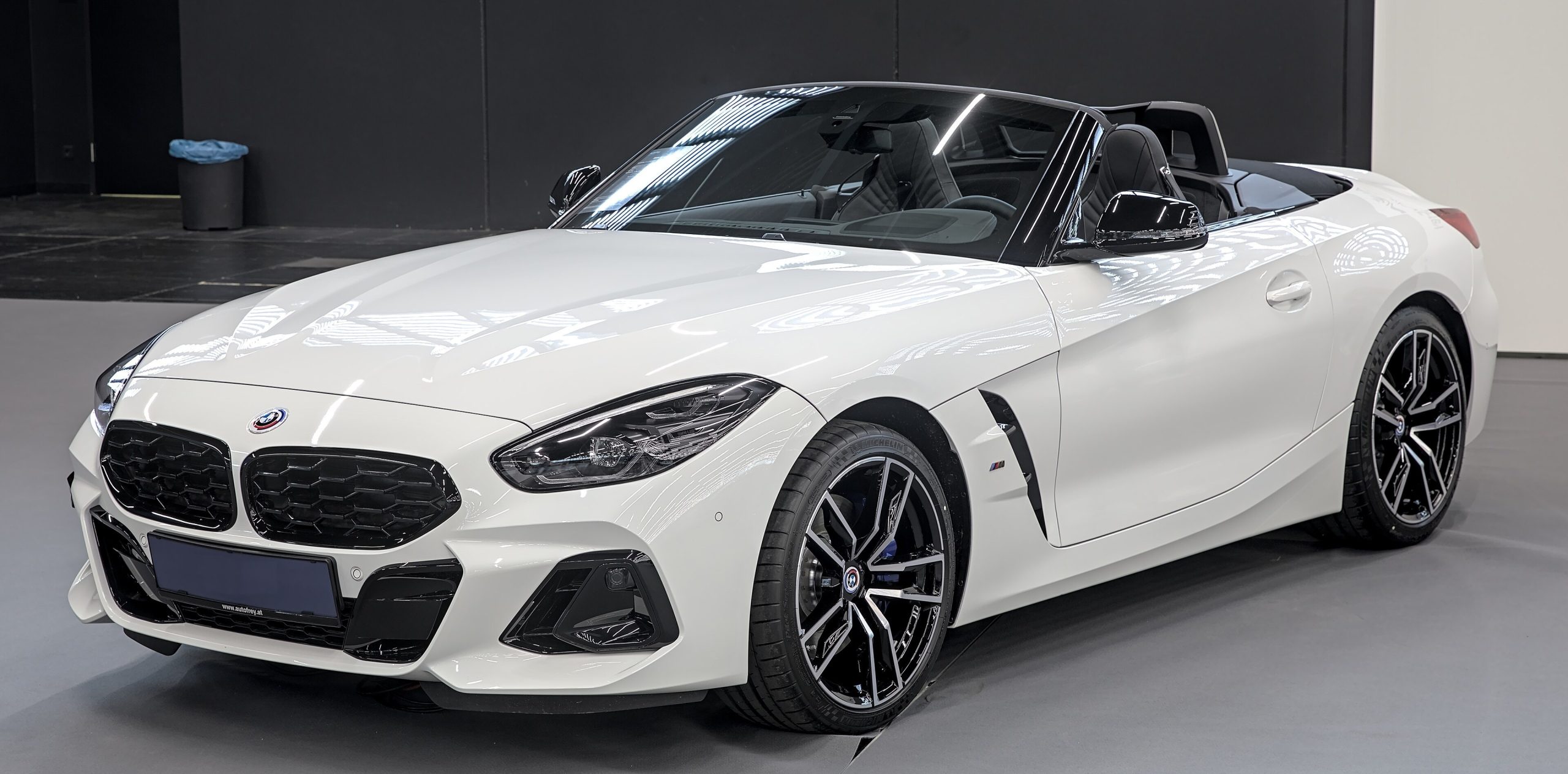
The Z4 takes a different approach by adopting a soft top convertible design. This fundamentally changes its proportions and visual presence. The long hood and rear deck emphasize classic roadster styling, while the open roof adds a sense of freedom and luxury. BMW focuses on smooth surfaces, elegant lines, and a more refined appearance compared to the Supra’s sharp and angular design language.
Inside the cabin, the differences continue but with subtle reminders of their shared origin. Both vehicles feature similar control layouts, infotainment systems, and switchgear sourced from BMW.
However, Toyota has made efforts to customize interior trims, seat designs, and branding elements to reflect its own identity. The Supra’s interior feels more driver-focused and compact, while the Z4’s cabin feels more open and relaxed due to its roadster architecture.
Despite these differences, experienced observers can easily identify shared components across both interiors. The infotainment system interface, digital instrument cluster design, and many physical controls are clearly derived from BMW’s existing design language. This reinforces the idea that while surface-level design differs, the underlying user experience is closely related.
Brand identity plays a major role in how consumers perceive these differences. Toyota positions the Supra as a return of an iconic sports car nameplate with a focus on performance credibility.
BMW positions the Z4 as part of its long-standing roadster tradition, emphasizing luxury and driving pleasure. These narratives help separate the cars in the marketplace, even though their engineering foundation is closely shared.
In essence, design is the primary tool used by both manufacturers to differentiate what is mechanically a closely related pair of vehicles. It is through styling, interior atmosphere, and branding that the Supra and Z4 achieve separate identities despite their shared origins.

Market Positioning and Industry Impact
The collaboration between Toyota and BMW on the Supra and Z4 represents a broader trend in the automotive industry where manufacturers share platforms to reduce costs and improve efficiency. Both vehicles occupy similar performance segments but are marketed toward slightly different audiences, allowing each brand to maintain distinct positioning despite shared engineering.
The Supra is positioned as a performance-focused coupe aimed at enthusiasts who prioritize driving engagement and track capability. It appeals to buyers who value aggressive styling and a strong connection to motorsport heritage. Toyota leverages the Supra nameplate to reinforce its performance image and expand its presence in the sports car market.
The Z4, on the other hand, is positioned as a premium roadster that emphasizes luxury, comfort, and open-top enjoyment. BMW targets buyers who want a stylish convertible with strong performance but also refined everyday usability. This positioning allows BMW to maintain its reputation for blending sportiness with luxury.
From an industry perspective, the partnership demonstrates how globalization and cost pressures are reshaping vehicle development. Building a standalone sports car platform is extremely expensive, especially in a market where demand for two-door sports cars is relatively limited.
By sharing development costs, Toyota and BMW were able to bring two distinct products to market that might not have been financially viable independently.
This collaboration also highlights the increasing complexity of brand authenticity in modern automotive design. Enthusiasts often debate how much shared engineering is acceptable before a car loses its brand identity. The Supra and Z4 relationship sits at the center of this debate, as it is one of the most transparent examples of cross-brand engineering in recent years.
The Supra and Z4 are more than just similar vehicles. They represent a strategic approach to modern automotive engineering where collaboration enables innovation and market viability. While they wear different badges and appeal to different audiences, their shared foundation makes them two expressions of the same engineering idea.
