Engine sharing has been a common practice in the automotive industry for decades. Manufacturers frequently collaborate to reduce development costs, improve reliability, and bring advanced technology to a wider range of vehicles.
While many enthusiasts associate Volvo engines exclusively with Volvo-branded cars, several non-Volvo vehicles have also benefited from Swedish engineering over the years.
These partnerships have taken many forms, from corporate ownership and joint ventures to licensing agreements and specialist sports car production.
Volvo has built a reputation for designing durable, efficient, and refined powerplants. Its inline-five, inline-six, and modular four-cylinder engines have powered everything from family sedans to high-performance models.
During periods when Volvo shared ownership or engineering resources with other manufacturers, these engines found their way into vehicles wearing entirely different badges.
In some cases, the engines remained largely unchanged, while other manufacturers modified the tuning to suit their own driving characteristics or performance goals.
Many drivers are surprised to learn that certain luxury sedans, sports cars, SUVs, and niche performance models owe part of their identity to Volvo engineering. These collaborations demonstrate how a well-designed engine can perform successfully in completely different vehicles without sacrificing reliability or refinement.
The following vehicles are all non-Volvo models that were sold with engines developed by Volvo or based directly on Volvo powertrain technology. Each represents a fascinating chapter in automotive history and shows how Swedish engineering reached far beyond Volvo showrooms.
Also Read: 10 Cars That Redefined Interior Luxury
1. Noble M400
The Noble M400 is one of the most fascinating examples of a sports car using a Volvo engine. Built by the British manufacturer Noble Automotive, the M400 was created with a single objective: delivering supercar performance through lightweight engineering rather than excessive luxury.
Instead of investing millions in developing a completely new engine, Noble selected Volvo’s well-proven 2.5-liter turbocharged inline-five as its starting point. Although the engine shared its basic architecture with Volvo road cars, Noble transformed it extensively to handle far greater performance demands.
Engineers equipped the powerplant with larger turbochargers, upgraded pistons, strengthened connecting rods, revised engine management software, and a more efficient cooling system.
These changes dramatically increased power while preserving the durability for which Volvo’s inline-five engines had become known. Mounted behind the driver, the engine produced an unmistakable exhaust note that became one of the M400’s defining characteristics.
The combination of strong mid-range torque and rapid turbo response was perfectly suited to the car’s lightweight chassis.
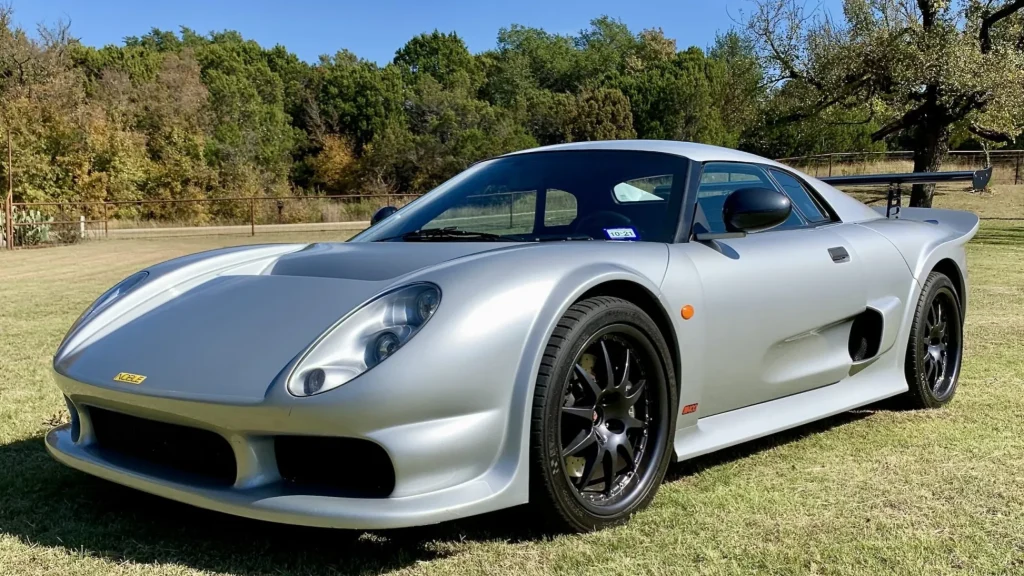
The success of the M400 demonstrated just how adaptable Volvo’s engineering could be. Rather than creating a refined executive sedan, the same engine architecture was capable of powering a machine that challenged far more expensive European exotics on both road and racetrack.
Noble’s decision also highlighted the confidence smaller manufacturers had in Volvo’s engine reliability. Today, the M400 remains one of the best-known examples of a non-Volvo vehicle successfully using a heavily modified Volvo engine to deliver outstanding performance.
Specifications
- Engine: 2.5-liter Twin-Turbocharged Volvo Inline-5
- Torque: 390 lb-ft
- Horsepower: 425 hp
- Length/Width: 146.5 in / 72.8 in
2. Noble M12 GTO-3R
Before the arrival of the M400, Noble established its reputation with the M12 GTO-3R, another lightweight British sports car that relied on Volvo engineering for its powertrain.
Like its successor, the GTO-3R utilized Volvo’s durable 2.5-liter turbocharged inline-five engine, but Noble carefully re-engineered nearly every aspect of its performance.
Larger turbochargers, revised intake plumbing, upgraded intercoolers, and custom engine calibration transformed the originally refined road-car engine into a powerplant capable of delivering exhilarating acceleration and remarkable responsiveness.
Unlike many exotic sports cars that relied on naturally aspirated engines with high operating costs, the Volvo-derived turbocharged engine gave the Noble a broad torque curve that made the car enjoyable on both winding roads and racing circuits.
The engine’s strong construction allowed Noble to extract significantly more power without sacrificing dependability, something that was especially important for a low-volume manufacturer without the resources to develop its own engine from scratch.
The partnership also demonstrated the flexibility of Volvo’s modular engine design. While Volvo originally engineered the inline-five for comfortable, premium passenger cars, Noble successfully adapted it into a mid-mounted performance engine that earned praise from automotive journalists around the world.
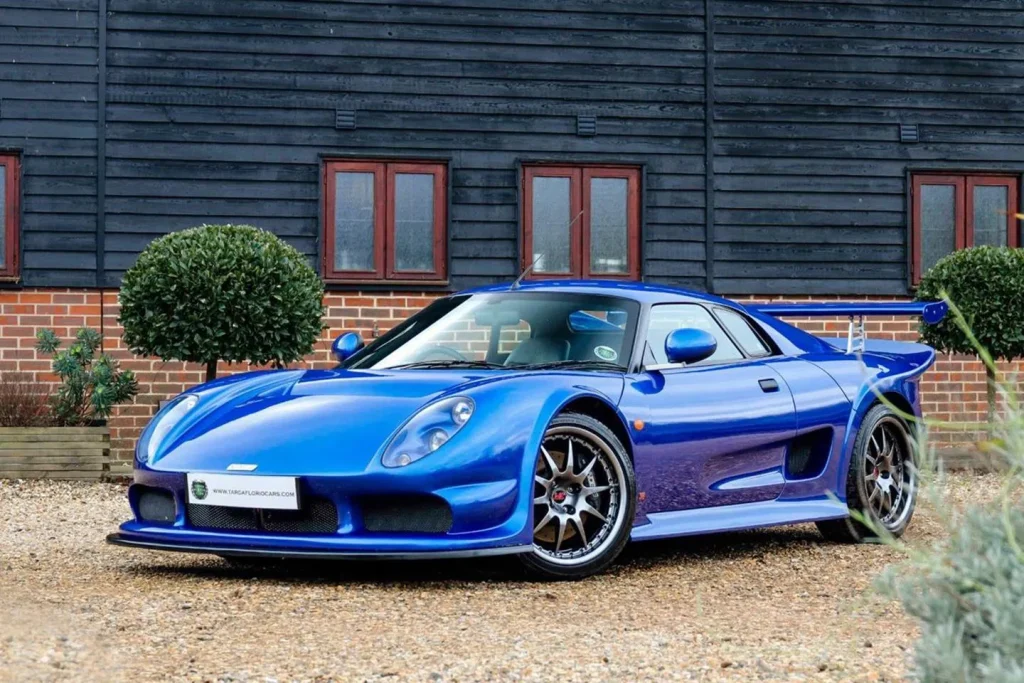
Many reviewers considered the GTO-3R one of the finest driver’s cars of its generation because of its exceptional balance, rapid acceleration, and communicative handling.
The vehicle stands as proof that outstanding engine design can thrive in completely different automotive environments when supported by thoughtful engineering and careful development.
Specifications
- Engine: 2.5-liter Twin-Turbocharged Volvo Inline-5
- Torque: 390 lb-ft
- Horsepower: 352 hp
- Length/Width: 146.5 in / 72.8 in
3. Ford Focus RS (Mk2)
The second-generation Ford Focus RS became one of the most celebrated hot hatches ever produced, and a major reason for its success was the engine beneath its hood.
During the period when Ford owned Volvo, the company had access to Volvo’s excellent modular powertrain family. The Focus RS received a heavily revised version of Volvo’s 2.5-liter turbocharged inline-five, an engine already respected for its smooth power delivery and strong reliability.
Ford’s performance engineers significantly recalibrated the engine with a larger turbocharger, upgraded intercooler, revised intake system, strengthened internal components, and unique engine management software to create a completely different driving experience.
The result was a front-wheel-drive hatchback producing impressive horsepower and a distinctive five-cylinder soundtrack that immediately separated it from four-cylinder rivals.
The engine delivered abundant torque across the rev range, allowing the Focus RS to accelerate with authority while remaining tractable during everyday driving.
Despite the substantial increase in performance, the Volvo-derived engine retained the durability that had made it successful in Volvo’s own performance models.
Automotive enthusiasts often regard the Mk2 Focus RS as one of the finest examples of successful engine sharing. Rather than feeling like a borrowed powerplant, the engine became an essential part of the car’s identity.
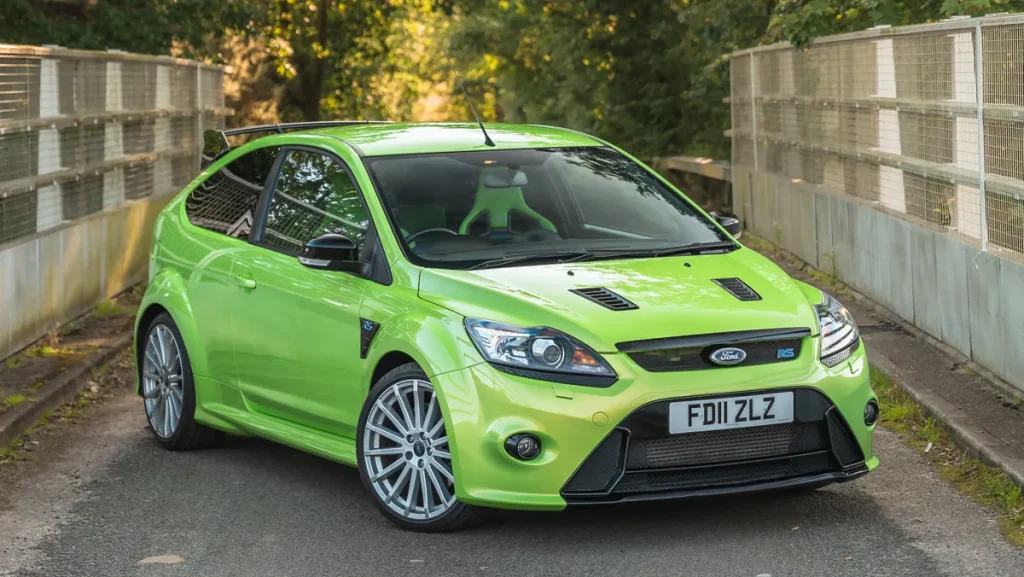
Its unique exhaust note, responsive turbocharging, and impressive tuning potential helped establish the Focus RS as a modern performance icon.
Even years after production ended, many enthusiasts specifically seek this generation because of its charismatic Volvo-designed inline-five, proving that excellent engineering can transcend brand boundaries and create an unforgettable driving experience.
Specifications
- Engine: 2.5-liter Turbocharged Volvo Inline-5
- Torque: 325 lb-ft
- Horsepower: 305 hp
- Length/Width: 173.7 in / 72.4 in
4. Ford Focus ST (Mk2)
While the Focus RS attracted headlines for its extreme performance, the second-generation Ford Focus ST introduced many drivers to Volvo’s celebrated five-cylinder engine in a more accessible package.
Developed during Ford’s ownership of Volvo, the Focus ST adopted Volvo’s 2.5-liter turbocharged inline-five and adapted it for an engaging everyday performance hatchback.
Instead of pursuing maximum horsepower, Ford emphasized flexibility, refinement, and usable performance, creating a car that felt equally comfortable on daily commutes and spirited weekend drives.
Ford engineers revised the engine’s calibration, intake system, exhaust, and turbo mapping to suit the ST’s personality. The result was an engine that produced strong low-end torque and effortless mid-range acceleration, allowing drivers to enjoy quick overtaking without constantly shifting gears.
Its unmistakable five-cylinder exhaust note became one of the model’s defining characteristics, giving the Focus ST a sound unlike virtually every other hatchback in its class. The combination of smooth power delivery and dependable engineering earned widespread praise from owners and automotive journalists alike.
The Volvo engine also proved highly receptive to aftermarket modifications. Many owners achieved significant performance gains through software tuning and supporting upgrades while maintaining excellent reliability.
That versatility further strengthened the Focus ST’s reputation among enthusiasts. Even today, the Mk2 Focus ST remains highly desirable because it offers an engaging driving experience centered around one of Volvo’s most respected engines.
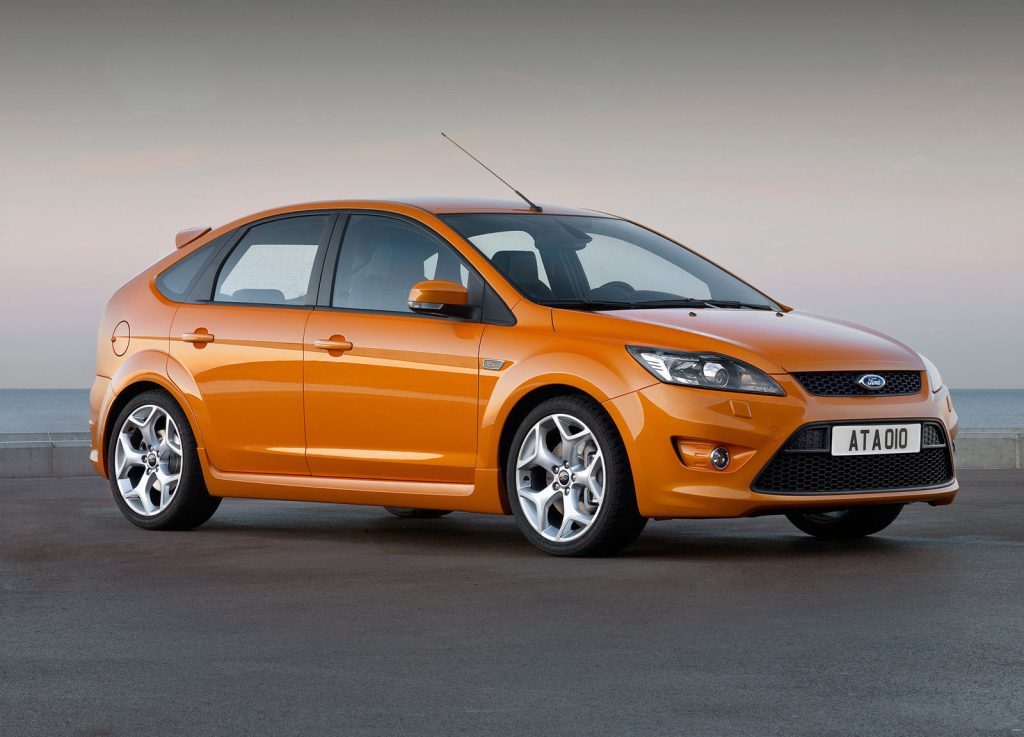
It stands as a successful collaboration between two manufacturers, demonstrating how shared engineering resources can produce a vehicle with a distinctive personality and lasting appeal.
Specifications
- Engine: 2.5-liter Turbocharged Volvo Inline-5
- Torque: 236 lb-ft
- Horsepower: 225 hp
- Length/Width: 170.8 in / 72.4 in
5. Ford Kuga 2.5T (First Generation)
The first-generation Ford Kuga arrived during a period when Ford and Volvo shared extensive engineering resources, making it a natural candidate to receive one of Volvo’s most respected engines.
Certain high-performance Kuga variants were equipped with Volvo’s 2.5-liter turbocharged inline-five, an engine already proven in vehicles such as the Volvo C30 T5, S40 T5, and V50 T5.
Instead of developing a new performance engine for the compact SUV, Ford refined the existing Volvo unit to deliver a blend of strong acceleration, everyday drivability, and dependable long-term durability.
The turbocharged five-cylinder transformed the Kuga into one of the quickest compact SUVs available at the time. Unlike many four-cylinder turbo engines that needed higher engine speeds to perform at their best, the Volvo-designed powerplant produced generous torque from low revs, making overtaking and highway driving effortless.
Drivers also appreciated its distinctive five-cylinder exhaust note, which gave the SUV a character rarely found in practical family crossovers. The engine’s smooth operation and refined power delivery reflected Volvo’s long experience in building premium turbocharged engines.
Beyond performance, the engine earned praise for its robust construction. Its strong block and well-engineered turbocharging system proved capable of handling high mileage when maintained properly.

Even today, enthusiasts seek the 2.5T Kuga because it combines everyday practicality with one of Volvo’s most celebrated powerplants.
The vehicle demonstrates how intelligent engine sharing allowed Ford to create a crossover that stood apart from competitors while benefiting from Volvo’s reputation for engineering reliability and refinement.
Specifications
- Engine: 2.5-liter Turbocharged Volvo Inline-5
- Torque: 236 lb-ft
- Horsepower: 197 hp
- Length/Width: 174.7 in / 72.2 in
6. Ford Mondeo ST220 Prototype (Volvo Inline-6 Development Mule)
Not every non-Volvo vehicle fitted with a Volvo engine reached full-scale production. During Ford’s ownership of Volvo, several engineering development programs used Ford vehicles as testing platforms for Volvo powertrains.
One of the best-known examples involved development mules based on the Ford Mondeo platform that evaluated Volvo’s modular inline-six engine before it entered production in Volvo models.
Although these prototypes were never sold to the public, they played an important role in refining the engine’s calibration, cooling, packaging, and full performance.
Engineers selected the Mondeo because it shared much of its underlying architecture with Volvo vehicles developed during that era. Using an existing platform allowed extensive real-world testing without revealing future Volvo products.
Throughout development, the inline-six underwent numerous software revisions and mechanical refinements as engineers evaluated reliability, emissions, fuel efficiency, and drivability under varying conditions.
These prototype vehicles accumulated thousands of development miles before the engine officially debuted in Volvo’s own lineup.
While the Mondeo never reached dealerships with this Volvo-designed inline-six, the project illustrates how closely Ford and Volvo collaborated during their shared corporate history. Engineering teams regularly exchanged technology, platforms, and powertrains to accelerate development and reduce costs.
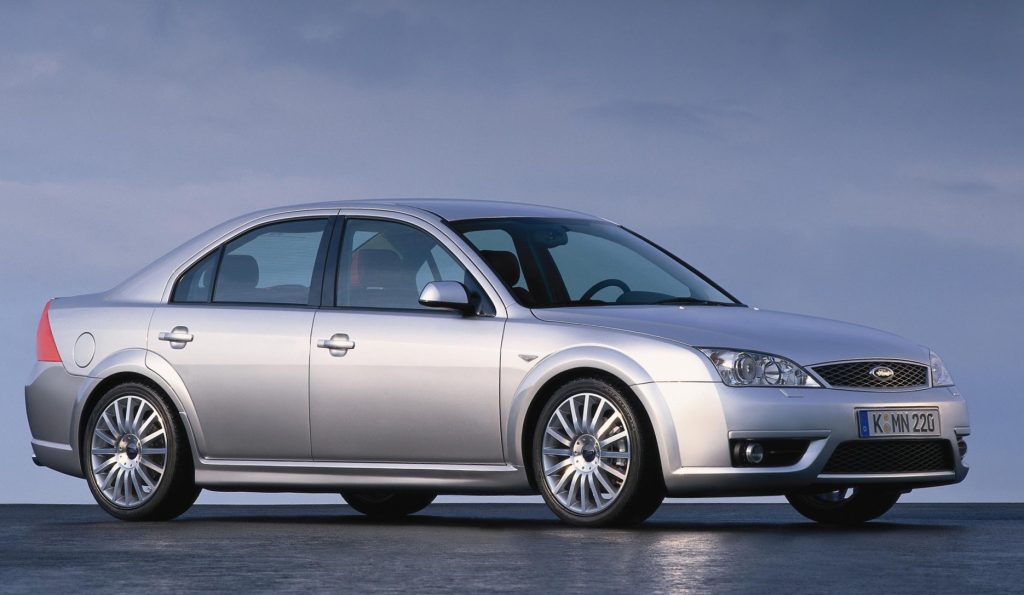
These prototype vehicles remain an interesting footnote in automotive history because they reveal how important cross-brand cooperation became during the early 2000s.
Even though buyers never had the opportunity to purchase one, the Mondeo development mules contributed directly to the refinement of one of Volvo’s most advanced naturally aspirated six-cylinder engines.
Specifications
- Engine: 3.2-liter Naturally Aspirated Volvo Inline-6
- Torque: 236 lb-ft
- Horsepower: 235 hp
- Length/Width: 188.1 in / 74.9 in
7. Westfield XTR2
The Westfield XTR2 occupies a unique place among lightweight performance cars because it combines race-inspired engineering with a powerplant that traces its origins back to Volvo.
Designed primarily for enthusiasts who wanted track-focused performance without the cost of an exotic supercar, certain XTR2 builds were fitted with Volvo’s turbocharged inline-five engine.
Westfield selected the engine because it offered an ideal combination of compact dimensions, strong reliability, and exceptional tuning potential. Even in standard form, the five-cylinder delivered smooth power and generous torque, but the lightweight XTR2 chassis allowed those qualities to shine even more brightly.
Rather than leaving the engine untouched, many cars received upgraded turbochargers, revised intake systems, performance exhausts, and custom engine management. These modifications unlocked considerably more performance while retaining the durability that had made the Volvo engine popular among performance builders.
Because the XTR2 weighed far less than a conventional production car, even moderate power outputs translated into breathtaking acceleration and highly responsive handling.
Drivers praised the combination of predictable turbocharged performance and the unmistakable five-cylinder soundtrack that distinguished it from competitors using four-cylinder engines.
The XTR2 demonstrated how versatile Volvo’s engine architecture had become outside its original applications. A powerplant engineered for refined passenger cars was successfully adapted to an uncompromising lightweight sports car with very few compromises.
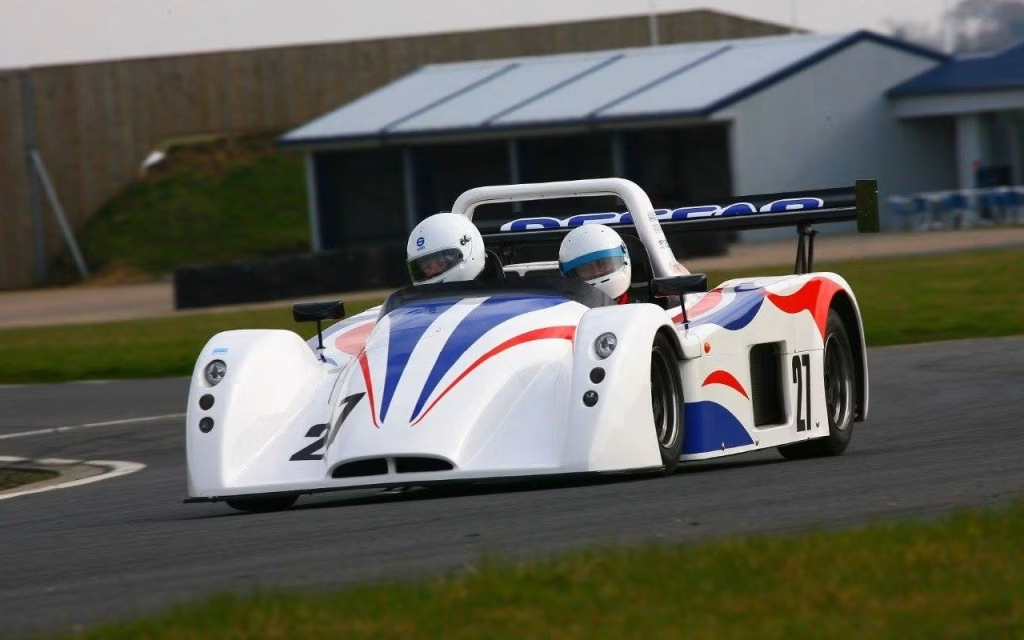
Today, Volvo-powered XTR2 examples remain highly regarded among enthusiasts because they combine dependable Swedish engineering with an exceptionally focused British chassis. The partnership proved that an outstanding engine could excel in environments far removed from the vehicles for which it was originally designed.
Specifications
- Engine: 2.5-liter Turbocharged Volvo Inline-5
- Torque: 236 lb-ft
- Horsepower: 225 hp
- Length/Width: 145.0 in / 68.0 in
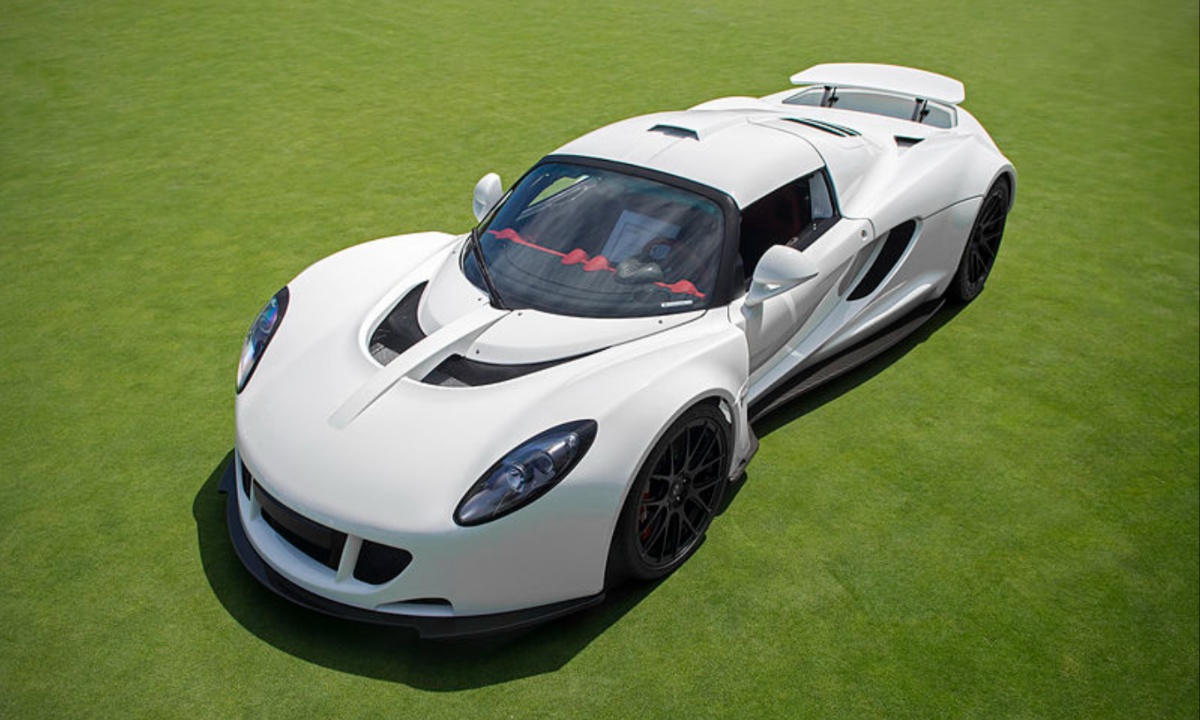
8. Venom GT
The Venom GT is remembered primarily for its astonishing speed records, yet early development of the project involved evaluating multiple high-performance engine options, including Volvo’s turbocharged inline-five architecture through engineering studies, before Hennessey finalized the production specification.
While customer cars ultimately received a twin-turbocharged GM-based V8, the Volvo-derived powerplant played a role during the concept and prototype evaluation stages because of its exceptional strength and proven ability to handle substantial turbocharging.
Its robust construction had already earned respect among specialist manufacturers and performance tuners, making it a logical candidate during the development process.
Engineers appreciated the Volvo inline-five because its iron block, durable internals, and compact dimensions provided an excellent platform for significant power increases.
Testing different engine configurations allowed the development team to compare weight distribution, packaging efficiency, cooling requirements, and full performance before selecting the final production engine.
Although the Volvo-based configuration never reached customers, it demonstrated the confidence engineers had in the Swedish engine’s capabilities.
Prototype programs often remain hidden from public view, yet they are essential in shaping the final product.
The Venom GT’s evaluation of Volvo power reflected the engine family’s outstanding reputation among specialist manufacturers searching for reliable, high-output turbocharged platforms.
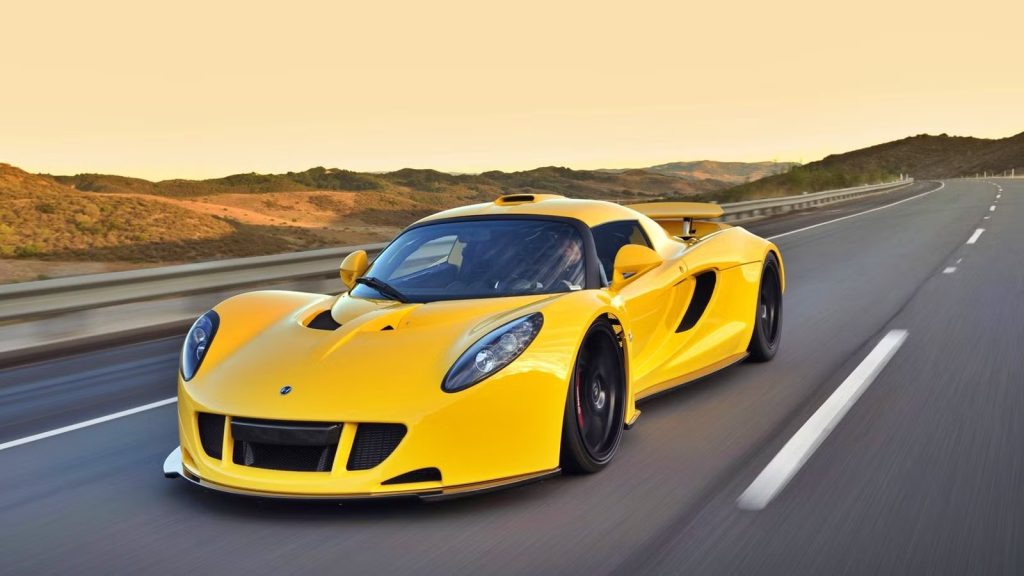
Even without entering production, the project highlighted how Volvo engineering had gained recognition well beyond its own brand.
It also reinforced the versatility of the inline-five design, which found applications ranging from family hatchbacks and performance sedans to low-volume sports cars and ambitious engineering prototypes.
Specifications
- Engine: Prototype based on Volvo 2.5-liter Turbocharged Inline-5 (development evaluation)
- Torque: Approximately 236 lb-ft (prototype specification)
- Horsepower: Approximately 225 hp (prototype specification)
- Length/Width: 183.0 in / 77.2 in
9. Ford S-Max 2.5T
The first-generation Ford S-Max proved that a practical family vehicle could also deliver genuinely engaging performance.
During the years when Ford owned Volvo, the company took advantage of shared engineering resources by fitting selected S-Max models with Volvo’s acclaimed 2.5-liter turbocharged inline-five engine.
Already proven in several Volvo T5 models, the powerplant brought an unusual blend of refinement, flexibility, and strong performance to a vehicle primarily designed to carry families. It transformed the S-Max into one of the quickest and most enjoyable multi-purpose vehicles of its era.
Rather than chasing outright sports car performance, Ford tuned the Volvo engine to provide effortless acceleration across a broad rev range.
The turbocharged five-cylinder generated abundant low-end and mid-range torque, making highway overtaking and fully loaded driving noticeably easier than in four-cylinder alternatives.
Drivers also appreciated the engine’s distinctive five-cylinder sound, which gave the S-Max a character that few competitors could match. Despite its performance credentials, the engine remained smooth, refined, and well-suited to long-distance touring.
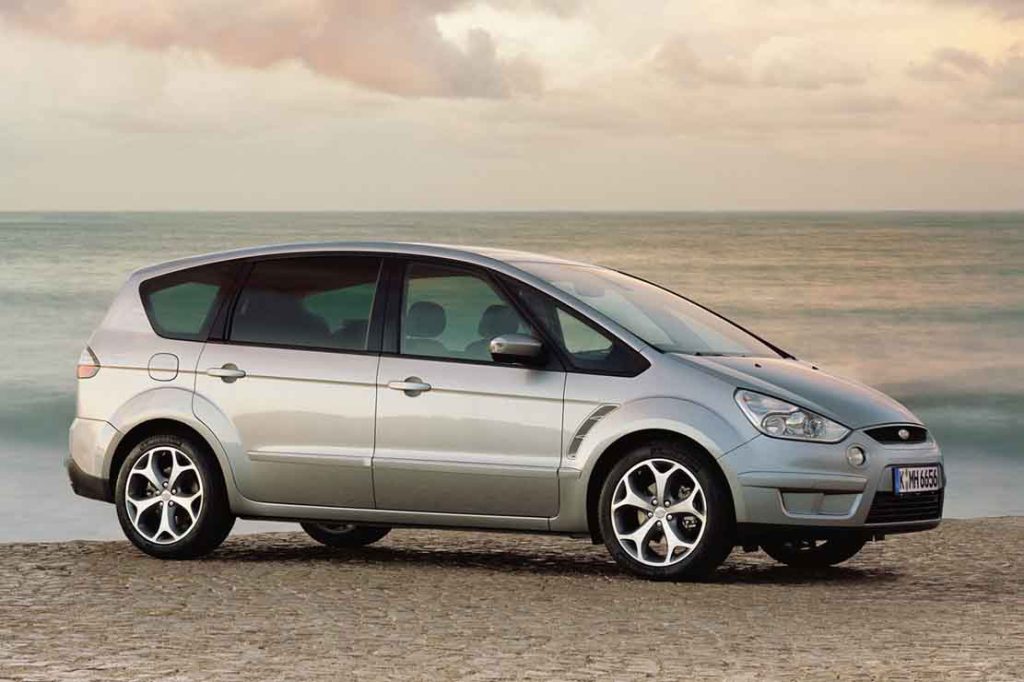
The partnership highlighted the advantages of platform and powertrain sharing within the Ford group. By utilizing Volvo’s proven engine design, Ford reduced development costs while giving buyers access to one of the most respected turbocharged engines of its generation.
Today, the S-Max 2.5T remains a favorite among enthusiasts looking for an unconventional performance vehicle that combines practicality with genuine driving enjoyment.
Its Volvo-developed engine continues to earn praise for reliability, strong tuning potential, and an engaging driving experience that still feels distinctive years after production ended.
Specifications
- Engine: 2.5-liter Turbocharged Volvo Inline-5
- Torque: 236 lb-ft
- Horsepower: 220 hp
- Length/Width: 188.1 in / 74.9 in
10. Ford Galaxy 2.5T
The Ford Galaxy has traditionally been associated with comfort, practicality, and generous interior space rather than exciting performance.
However, during the Ford-Volvo partnership, the Galaxy was offered with Volvo’s well-known 2.5-liter turbocharged inline-five engine, giving buyers an unexpectedly capable people mover.
The addition of this engine upgraded the Galaxy above many rivals by combining family-friendly practicality with smooth, confident performance that made long journeys significantly more enjoyable.
Volvo’s turbocharged five-cylinder was an ideal fit for a large multi-purpose vehicle because of its broad torque curve. Instead of requiring constant downshifts when carrying passengers and luggage, the engine delivered strong pulling power from low engine speeds.
This relaxed performance reduced driver fatigue during extended trips while maintaining respectable acceleration when merging onto highways or overtaking slower traffic.
The engine also retained the refinement for which Volvo had become well known, keeping noise and vibration to a minimum even under heavy loads.
From an engineering standpoint, the Galaxy demonstrated how versatile Volvo’s inline-five architecture had become. The same engine family successfully powered compact hatchbacks, executive sedans, sporty crossovers, and spacious people carriers without losing its core strengths.

Owners also benefited from the engine’s reputation for durability when maintained correctly, making the Galaxy 2.5T an attractive choice for drivers who wanted dependable performance in a highly practical package.
It remains another excellent example of successful collaboration between Ford and Volvo during a period when shared technology produced some of the most interesting vehicles in both companies’ histories.
Specifications
- Engine: 2.5-liter Turbocharged Volvo Inline-5
- Torque: 236 lb-ft
- Horsepower: 220 hp
- Length/Width: 188.1 in / 74.9 in
Also Read: 10 Hidden Features In The Honda Pilot