
Automotive luxury has never been defined solely by performance, speed, or exterior design. Over the decades, the true benchmark of a luxury automobile has increasingly shifted toward interior craftsmanship, comfort, and technology integration.
The cabin of a car has become a personal sanctuary, a mobile living space where materials, ergonomics, and digital innovation converge to create an experience that rivals high-end lounges and private jets. From hand-stitched leather seats to advanced ambient lighting systems and intelligent infotainment interfaces, modern luxury interiors are designed to appeal to all senses, not just the visual one.
The evolution of interior luxury began with traditional marques focusing on wood trims, plush upholstery, and spacious seating. However, as consumer expectations grew, manufacturers began introducing cutting-edge features such as massaging seats, rear seat entertainment systems, adaptive climate zones, and noise cancellation technology.
These innovations transformed cars from simple transportation tools into highly personalized environments. Today, luxury is defined by how seamlessly technology blends with craftsmanship while maintaining comfort over long journeys.
One major shift in automotive luxury has been the influence of digital ecosystems. Touchscreen interfaces, voice-controlled systems, and AI-driven assistance have replaced many physical controls, offering a cleaner and more intuitive dashboard experience.
Yet, despite this digital transformation, the best luxury cars still maintain a balance between modern tech and tactile physical elegance. This balance is what separates premium vehicles from truly iconic luxury flagships.
Global competition among automakers has also pushed the boundaries of interior innovation. Brands from Germany, Britain, Japan, and the United States continuously compete to deliver the most refined cabin experience.
Whether it is the silent isolation of a chauffeur-driven limousine or the driver-focused luxury of a grand tourer, each vehicle on this list has played a role in redefining what interior luxury means.
In this article, we explore 10 cars that have significantly influenced the evolution of interior luxury. These vehicles are not just modes of transport but benchmarks of design philosophy, craftsmanship, and technological progress. Each one introduced innovations that reshaped consumer expectations and set new standards for comfort and sophistication in the automotive world.
Also Read: 8 SUVs With The Most Space For Comfort
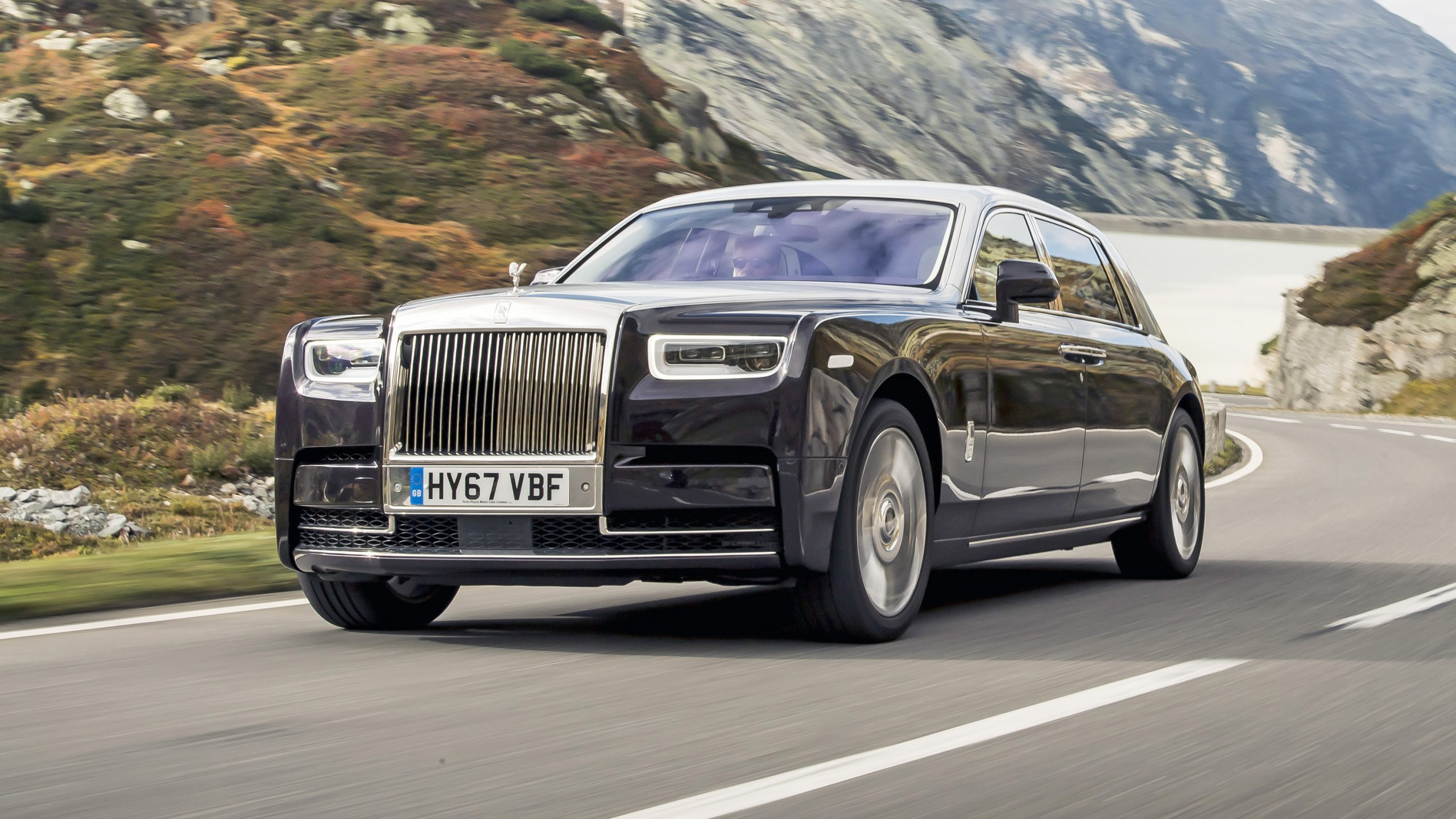
- Engine: 6.75L twin turbocharged V12
- Horsepower: 563 hp
- Torque: 900 Nm
- Length: ~5,762 mm
- Width: ~2,018 mm
1. Rolls-Royce Phantom
The Rolls-Royce Phantom represents the pinnacle of traditional automotive luxury, where every detail is meticulously handcrafted. The interior is designed as a serene lounge space rather than a conventional car cabin, with an emphasis on silence, space, and bespoke customization.
The use of premium materials such as hand-stitched leather, real wood veneers, and metal accents creates an atmosphere of unmatched refinement. Every Phantom is tailored to its owner, meaning no two interiors are exactly alike, reinforcing its exclusivity.
One of the defining characteristics of the Phantom’s interior is its extraordinary attention to acoustic isolation. Engineers have developed extensive soundproofing techniques that include double-layered glass and insulated body panels.
The result is what many describe as a “magic carpet ride,” where outside noise is almost entirely eliminated. This quietness enhances the sense of privacy and relaxation, making the Phantom ideal for chauffeur-driven luxury.
The rear seating area is where the Phantom truly excels, offering executive lounge-style comfort. Passengers enjoy reclining seats, integrated massage functions, and extended legroom that rivals private aircraft seating.
The rear cabin can also be equipped with entertainment screens, refrigerated compartments, and bespoke storage solutions, depending on customer preferences. This focus on rear passenger experience highlights the vehicle’s limousine heritage.
Technology inside the Phantom is integrated in a subtle and elegant way. Rather than overwhelming occupants with screens, Rolls-Royce prioritizes minimalism and discretion. Features such as navigation, climate control, and entertainment are seamlessly embedded within the dashboard, ensuring that the interior remains visually clean.
Even the iconic starlight headliner, which simulates a night sky using fiber optic lighting, demonstrates how technology can be used to enhance ambiance rather than dominate it.
The Phantom redefined interior luxury by proving that craftsmanship and personalization matter more than complexity. It set a global benchmark for ultra-luxury sedans and continues to influence how high-end vehicles approach interior design. Its legacy is not just in its engineering but in its ability to create an emotional experience of comfort, prestige, and exclusivity.
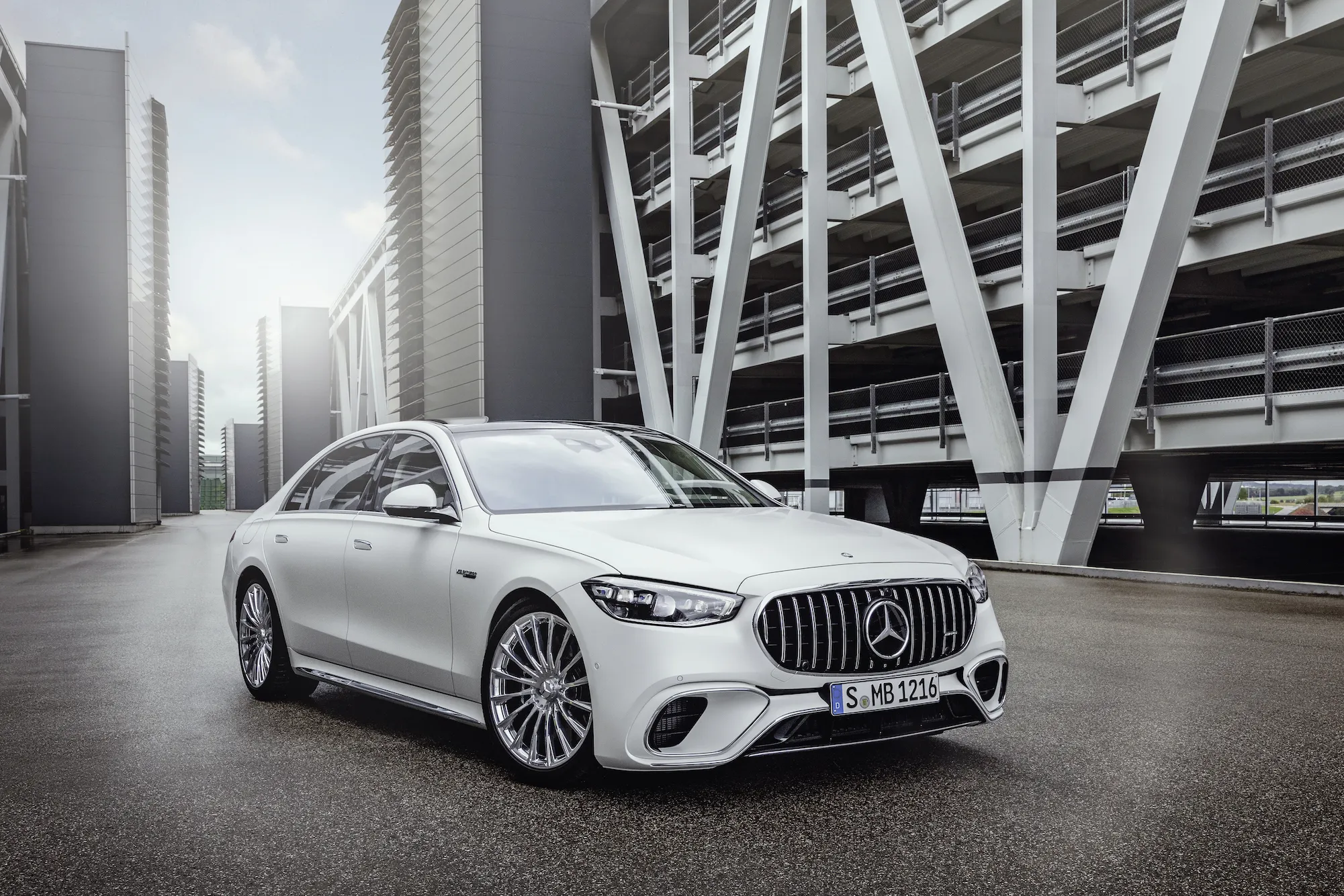
- Engine: 4.0L twin turbo V8 mild hybrid
- Horsepower: 496 hp
- Torque: 700 Nm
- Length: ~5,289 mm
- Width: ~1,954 mm
2. Mercedes-Benz S Class
The Mercedes-Benz S-Class has long been considered the technological leader in luxury sedans, consistently introducing innovations that later become industry standards. Its interior design philosophy focuses on combining cutting-edge technology with premium comfort, creating a space that is both intelligent and inviting. Over multiple generations, the S Class has evolved into a benchmark for digital luxury and ergonomic excellence.
One of the most significant contributions of the S Class to interior luxury is its pioneering infotainment and digital cockpit systems.
The introduction of large touchscreen displays, fully digital instrument clusters, and voice-activated controls transformed how drivers interact with vehicles. The cabin is designed to reduce complexity while increasing accessibility, allowing both driver and passengers to control key functions with minimal effort.
Comfort has always been a central focus of the S-Class interior. The seats are engineered with advanced ergonomics, offering multi-contour adjustments, heating, cooling, and massage functions.
Rear passengers benefit from executive seating packages that include reclining seats and extended leg support. These features make the S Class a preferred choice for both self-driving owners and chauffeur-driven executives.
A defining aspect of the S-Class interior is its ambient lighting system. Subtle LED lighting runs throughout the cabin, allowing occupants to customize the atmosphere according to mood or preference. Combined with high-quality materials such as leather, wood, and brushed metal, this lighting system enhances the sense of sophistication and modern luxury.
The S-Class has consistently pushed boundaries in safety and driver assistance technology as well. Features such as advanced cruise control, lane keeping assistance, and semi-autonomous driving capabilities are integrated into the cabin experience.
These innovations not only improve safety but also reduce driver fatigue, making long journeys more comfortable and less stressful. The S-Class remains a symbol of intelligent luxury that blends tradition with innovation.
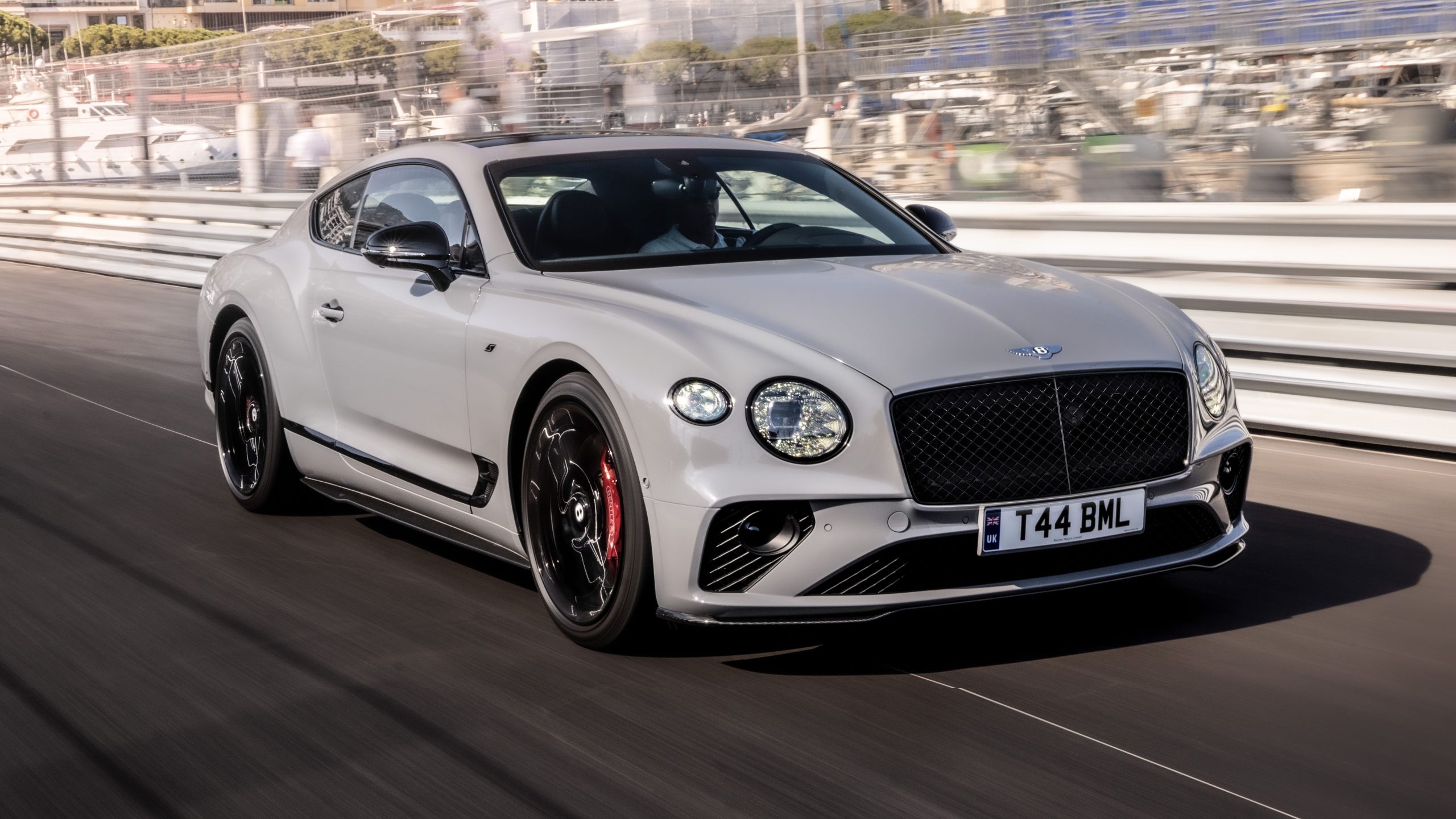
- Engine: 6.0L twin turbo W12
- Horsepower: 650 hp
- Torque: 900 Nm
- Length: ~4,850 mm
- Width: ~1,966 mm
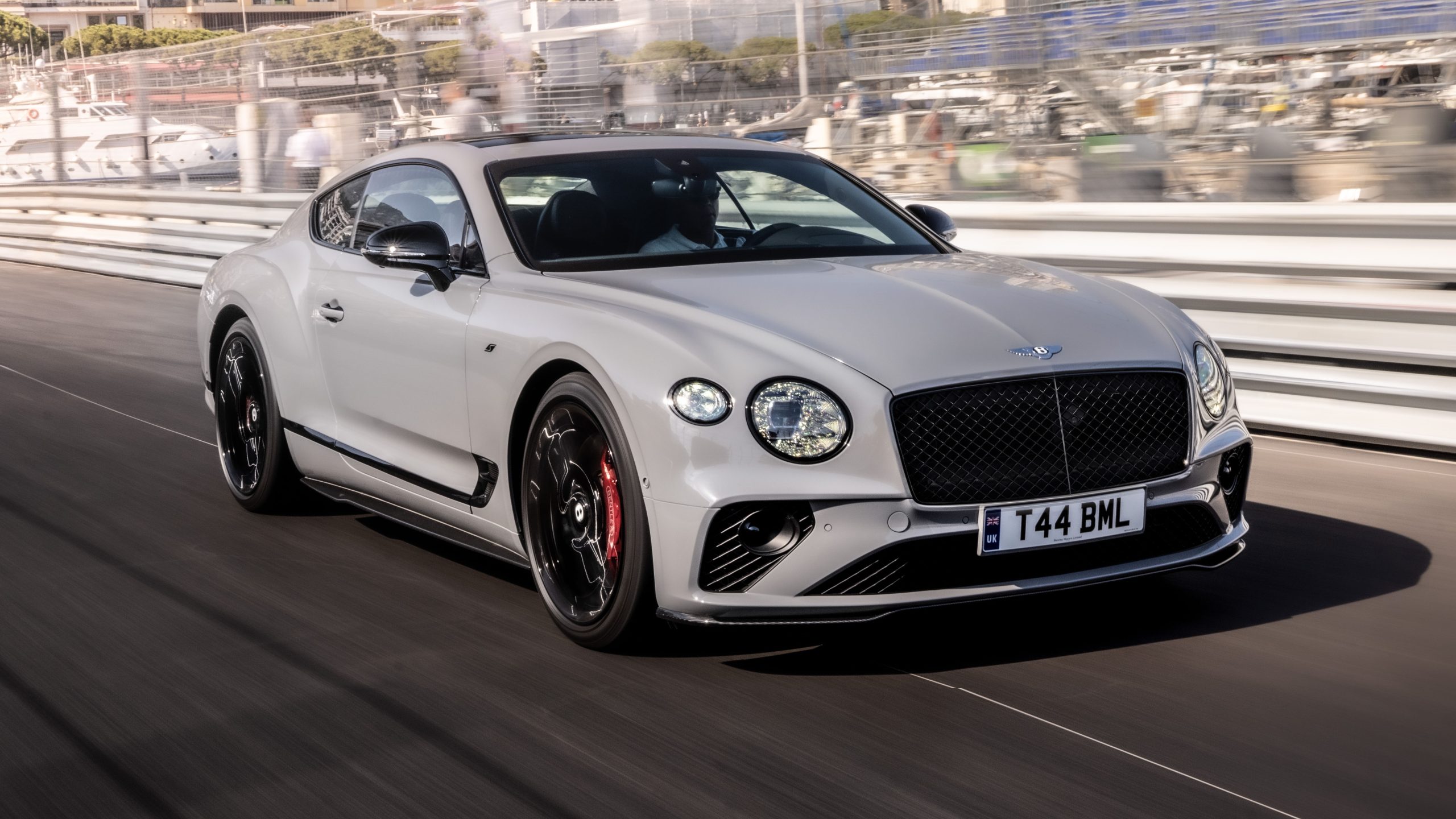
3. Bentley Continental GT
The Bentley Continental GT has long been associated with a unique blend of performance and handcrafted luxury. Inside, it feels less like a conventional sports coupe and more like a tailored private lounge built for grand touring.
The cabin is defined by meticulous craftsmanship, where artisans spend hours aligning wood veneers, stitching leather panels, and polishing metal accents to perfection. The result is an environment that feels warm, detailed, and unmistakably premium.
One of the strongest impressions the Continental GT makes is through its use of natural materials. Unlike mass-produced interiors that rely heavily on synthetic surfaces, this car emphasizes authenticity.
Open-pore wood, diamond quilted leather, and precision-milled metal create a tactile richness that immediately stands out. Each element is carefully selected to maintain harmony between sportiness and elegance, ensuring the cabin never feels overly aggressive or sterile.
Comfort plays a major role in shaping the Continental GT experience. The seats are designed to support long-distance travel with multiple adjustment options, heating, ventilation, and deep cushioning.
Despite its coupe silhouette, the interior offers surprising practicality, especially in the front row where driver and passenger are treated to generous space and ergonomic precision. Even high-speed cruising remains relaxed due to excellent insulation from road and wind noise.
Technology inside the cabin is integrated with subtle restraint. A rotating dashboard display allows drivers to switch between a digital screen, analog dials, or a clean wood veneer panel.
This thoughtful design ensures that technology enhances the experience without overwhelming the traditional luxury feel. The infotainment system is responsive and intuitive, but it never distracts from the handcrafted ambiance that defines the brand.
The Continental GT reshaped expectations for grand tourers by proving that performance cars can also deliver deeply refined interiors. It balances emotional design with modern convenience, making every journey feel like a private, high-end travel experience rather than just a drive.
- Engine: 4.4L twin turbo V8
- Horsepower: 523 hp
- Torque: 750 Nm
- Length: ~5,252 mm (standard LWB varies slightly)
- Width: ~2,047 mm
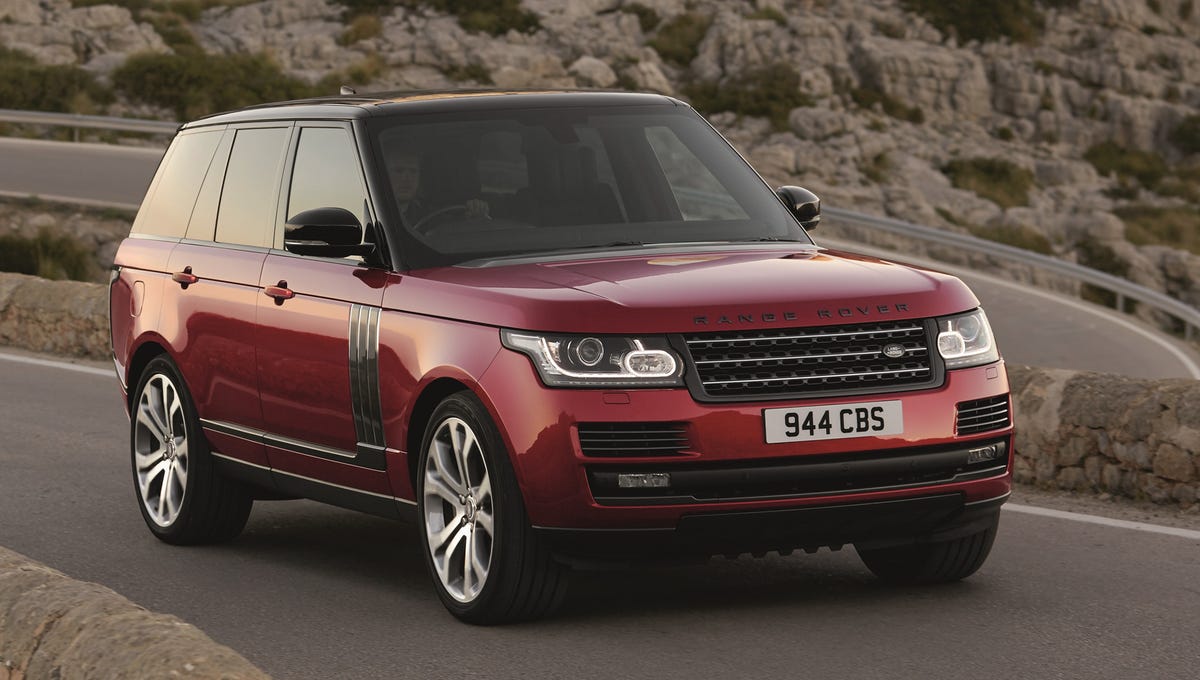
4. Range Rover Autobiography
The Range Rover Autobiography represents the height of luxury within the SUV segment, combining off-road capability with a cabin that rivals high-end sedans. Its interior philosophy centers on spaciousness, calmness, and a commanding driving position that still prioritizes passenger comfort. The moment you enter the cabin, there is an immediate sense of openness and quiet sophistication.
A key strength of this interior lies in its seating experience. The rear seats, especially in long wheelbase versions, are designed with executive travel in mind. Passengers benefit from reclining functions, heating, cooling, and massage options that transform long journeys into restful experiences. The legroom is generous, and the seating posture is optimized to reduce fatigue over extended drives.
Material selection inside the Autobiography is carefully curated to reflect understated luxury. Soft leathers, finely finished wood trims, and brushed metallic accents come together in a way that feels modern yet timeless. Unlike more flamboyant luxury vehicles, this SUV focuses on subtle elegance rather than visual excess, appealing to buyers who prefer quiet confidence over bold statements.
One of the standout elements is its advanced cabin isolation. The vehicle uses enhanced insulation techniques and adaptive noise cancellation to maintain a serene environment even on rough terrain or busy highways. This allows passengers to enjoy conversations, entertainment, or simple silence without external disturbance interfering.
Technology in the Range Rover Autobiography is seamlessly embedded into the cabin layout. Large touchscreens control infotainment and vehicle settings, while digital instrument clusters provide clear and customizable driving information.
Despite the tech-heavy nature, the interface is designed to remain user-friendly, ensuring that luxury is never compromised by complexity. This SUV redefined what it means for an off road capable vehicle to also serve as a first-class travel space.
- Engine: 3.0L V6 turbocharged mild hybrid
- Horsepower: 335 hp
- Torque: 500 Nm
- Length: ~5,320 mm
- Width: ~1,945 mm
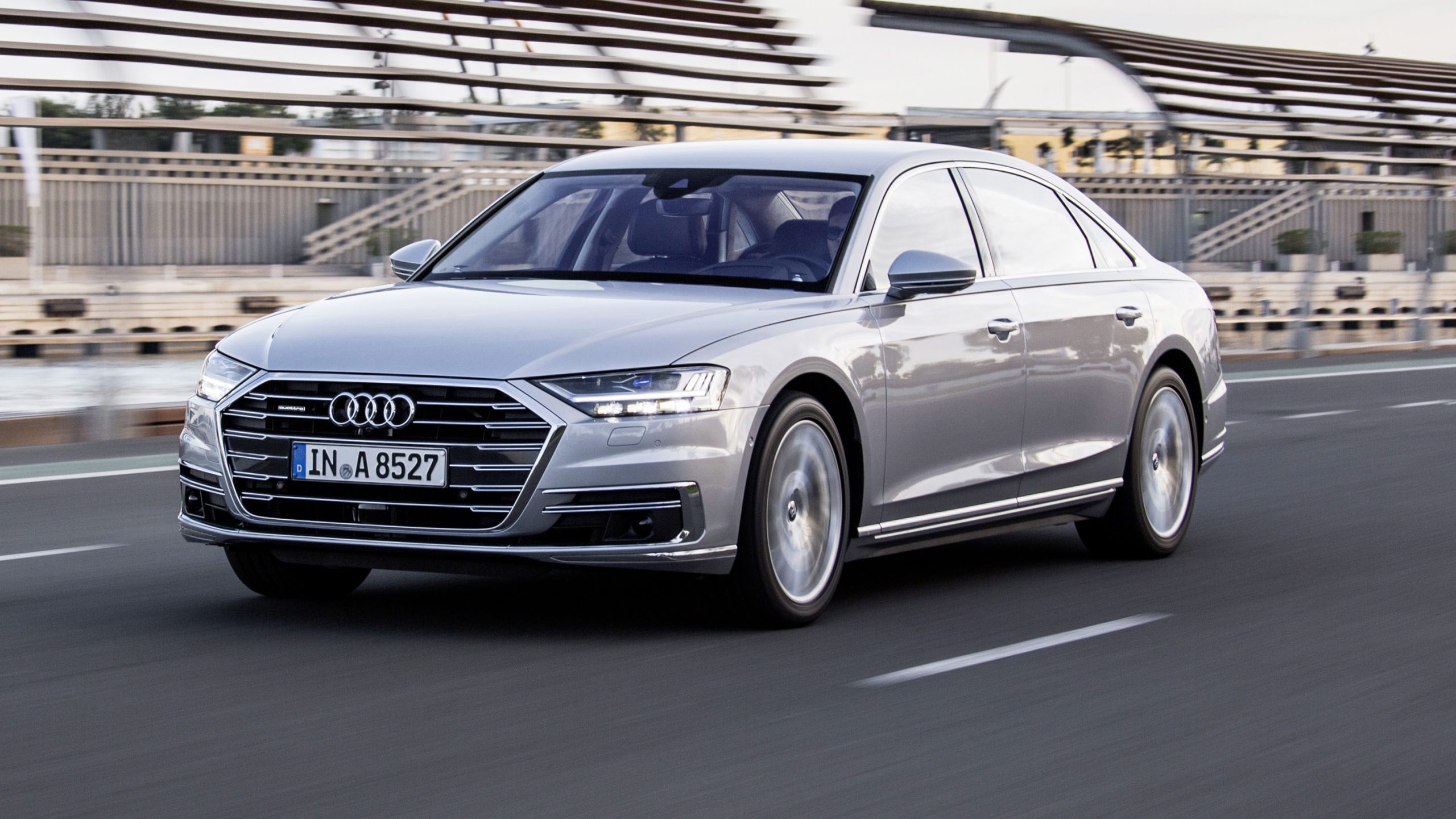
5. Audi A8
The Audi A8 represents a refined interpretation of modern luxury, where precision engineering meets minimalist elegance. Its interior is built around the idea of calm sophistication, with a layout that feels clean, organized, and highly intentional. Rather than overwhelming occupants with ornamentation, it focuses on clarity, smooth surfaces, and intelligent placement of controls.
One of the most striking aspects of the A8 cabin is its seamless digital integration. The dual touchscreen setup replaces many physical buttons, creating a dashboard that feels futuristic yet approachable.
Haptic feedback ensures that interactions remain satisfying and accurate, giving drivers confidence even while operating multiple functions. This digital-first approach helped reshape expectations for executive sedans in the modern era.
Passenger comfort is a central priority, especially in the rear seating area. The A8 offers extended legroom configurations where occupants can recline, stretch, and enjoy massage functionality.
The seats are engineered with orthopedic principles in mind, supporting long hours of travel without discomfort. Combined with advanced climate control zones, the cabin maintains a consistently pleasant environment regardless of external conditions.
One defining strength is its exceptional ride refinement. The suspension system actively adapts to road surfaces, reducing vibrations and maintaining stability even at high speeds. Inside the cabin, this translates into a smooth, almost floating sensation that enhances the feeling of isolation from road imperfections. The result is a travel experience that feels composed and effortless.
The Audi A8 emphasizes subtle luxury rather than showy design cues. Soft ambient lighting, brushed aluminum accents, and premium leather surfaces work together to create a quiet sense of sophistication. It is a vehicle that speaks through precision and restraint, redefining luxury as something intelligent and understated rather than overly decorative.
Also Read: 7 Most Reliable Motorcycles You Can Buy Today
- Engine: 3.0L inline 6 turbocharged
- Horsepower: 375 hp
- Torque: 520 Nm
- Length: ~5,391 mm
- Width: ~1,950 mm
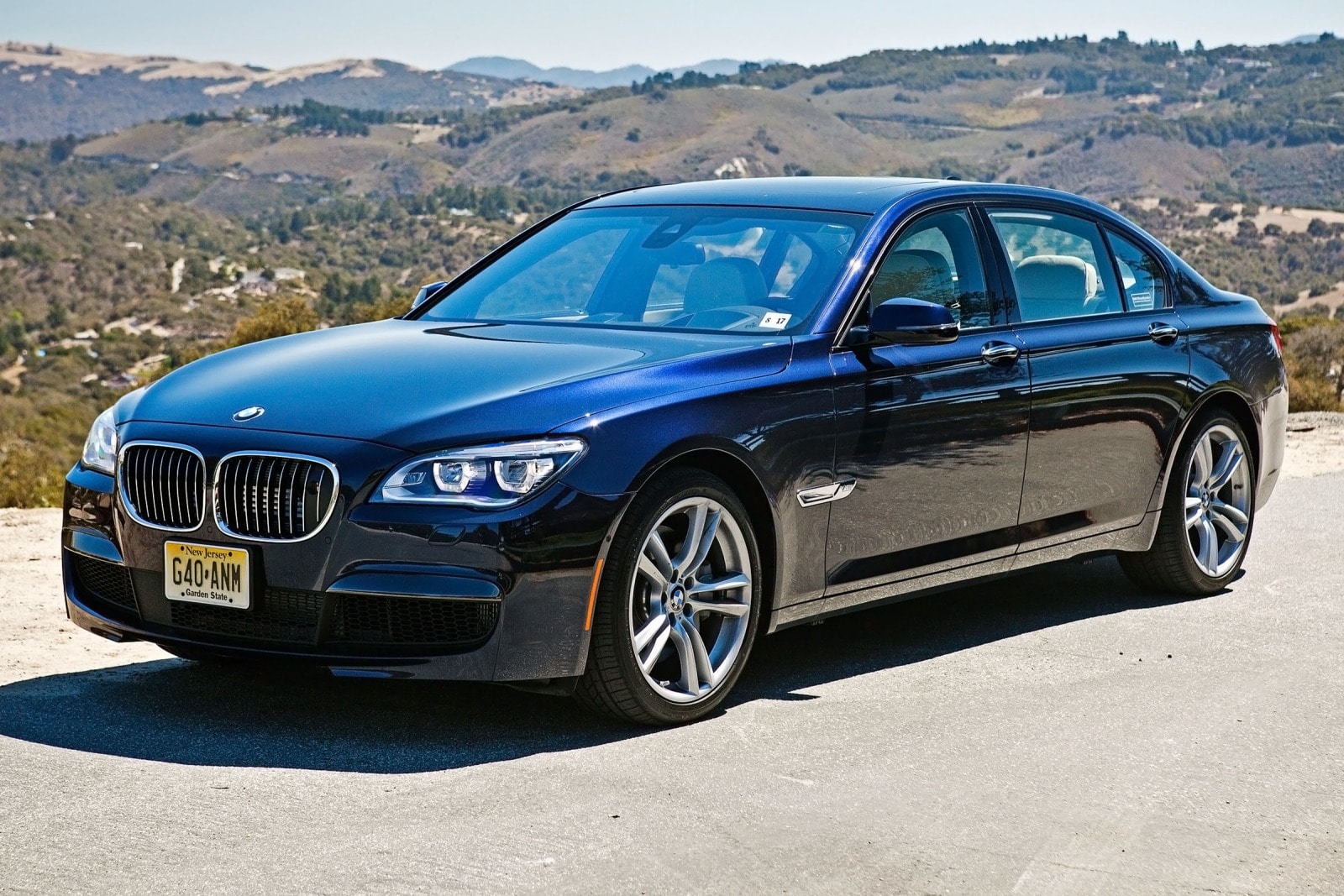
6. BMW 7 Series
The BMW 7 Series has consistently served as a flagship for innovation and comfort within the luxury sedan category. Its interior philosophy blends driver-focused dynamics with high-end passenger amenities, resulting in a cabin that feels both engaging and relaxing depending on the situation. Over time, it has evolved into a showcase of technology and craftsmanship working in harmony.
One of the most talked-about features of the 7 Series interior is its Theatre Screen setup in newer generations. This large rear display transforms the back seat into a private entertainment lounge, offering cinema-like experiences during travel. Paired with premium audio systems and reclining seats, it creates an immersive environment that elevates long-distance journeys.
Front-seat ergonomics are equally impressive. The driver benefits from a cockpit that is designed for intuitive control, with curved displays and simplified interfaces that reduce distraction. Every element is angled for accessibility, ensuring that driving remains an enjoyable and connected experience rather than a task dominated by complexity.
Material quality inside the cabin reflects BMW’s attention to detail. Soft-touch surfaces, premium leather upholstery, and finely finished trim pieces contribute to an atmosphere of controlled luxury. The design avoids unnecessary clutter, focusing instead on clean lines and functional elegance that feels contemporary and refined.
Semi-autonomous features help with highway cruising, lane management, and traffic navigation, reducing stress during long commutes.
These systems are designed to support the driver rather than replace them, maintaining BMW’s philosophy of keeping driving engagement alive even in a highly automated environment.
- Engine: 3.5L twin turbo V6
- Horsepower: 416 hp
- Torque: 600 Nm
- Length: ~5,235 mm
- Width: ~1,900 mm
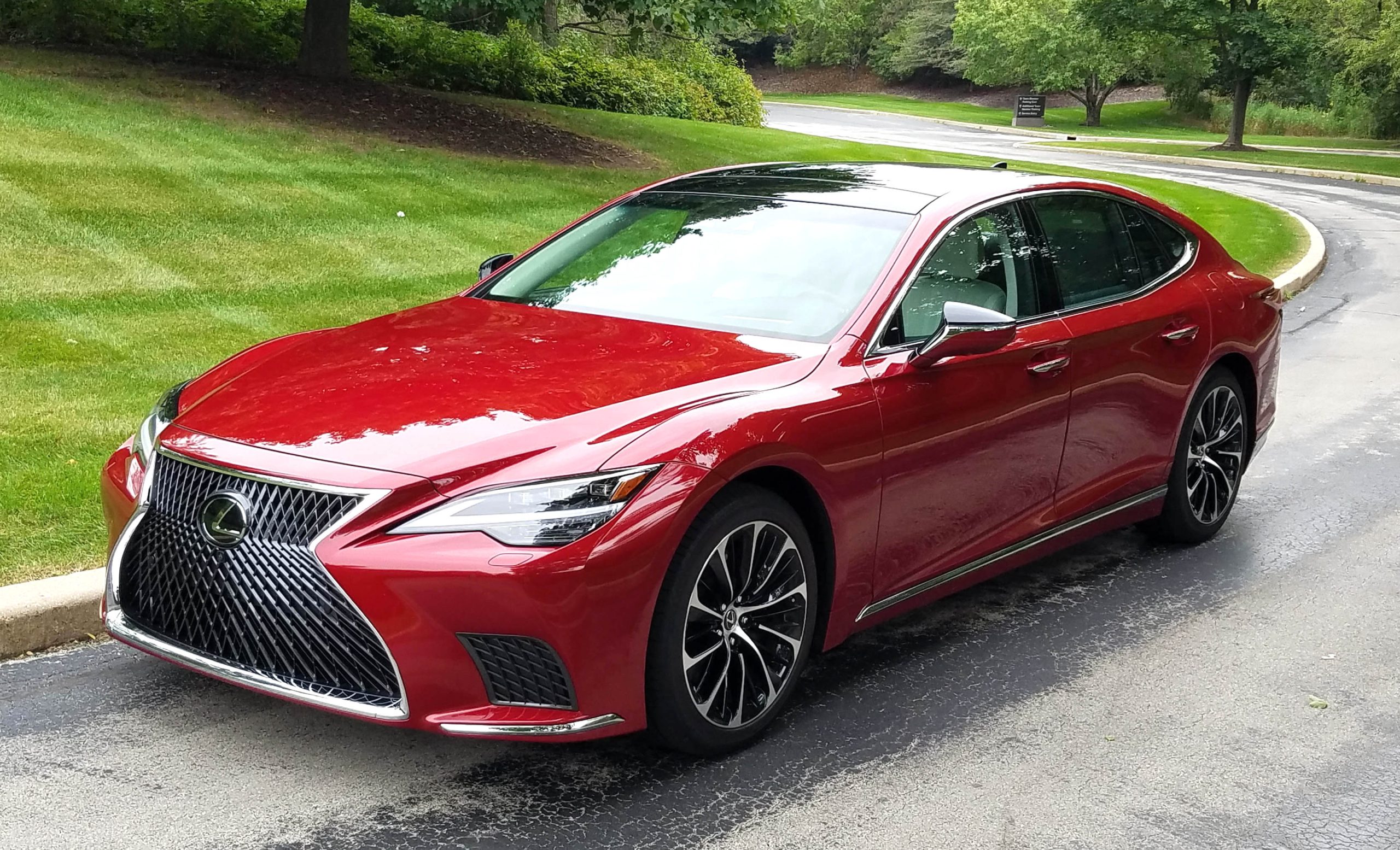
7. Lexus LS
The Lexus LS embodies a quiet sense of luxury by placing refinement ahead of flashy design. Its interior draws inspiration from Japanese craftsmanship, particularly the concept of “omotenashi,” which centers on thoughtful hospitality. Every surface, stitch, and carefully positioned control is designed to create a cabin where occupants feel welcomed, comfortable, and genuinely cared for.
One of the most distinctive traits of the LS cabin is its focus on serenity. The designers invested heavily in reducing vibration, harshness, and intrusive sound, resulting in an environment that feels almost insulated from the outside world. This calm atmosphere allows passengers to travel long distances without fatigue, reinforcing its reputation as a comfort-oriented flagship.
The seating experience is a highlight, particularly in higher trims where rear passengers enjoy recliner-style configurations. These seats are shaped to support natural posture, with soft cushioning that avoids pressure points. Heating, ventilation, and massage functions further enhance relaxation, turning the rear cabin into a space suited for rest or quiet productivity.
Interior materials reflect a blend of traditional craftsmanship and modern precision. Hand-finished wood trims, intricate door panel detailing, and carefully selected leather textures contribute to a warm yet sophisticated environment. Unlike many European rivals that lean toward bold design, the LS takes a more subtle, almost meditative approach to luxury.
Technology is integrated in a restrained manner, ensuring it supports rather than dominates the experience. The infotainment system is responsive but not visually intrusive, and key functions are accessible through intuitive controls. This balance between innovation and simplicity has helped the LS maintain a loyal following among buyers who value calm sophistication over visual drama.
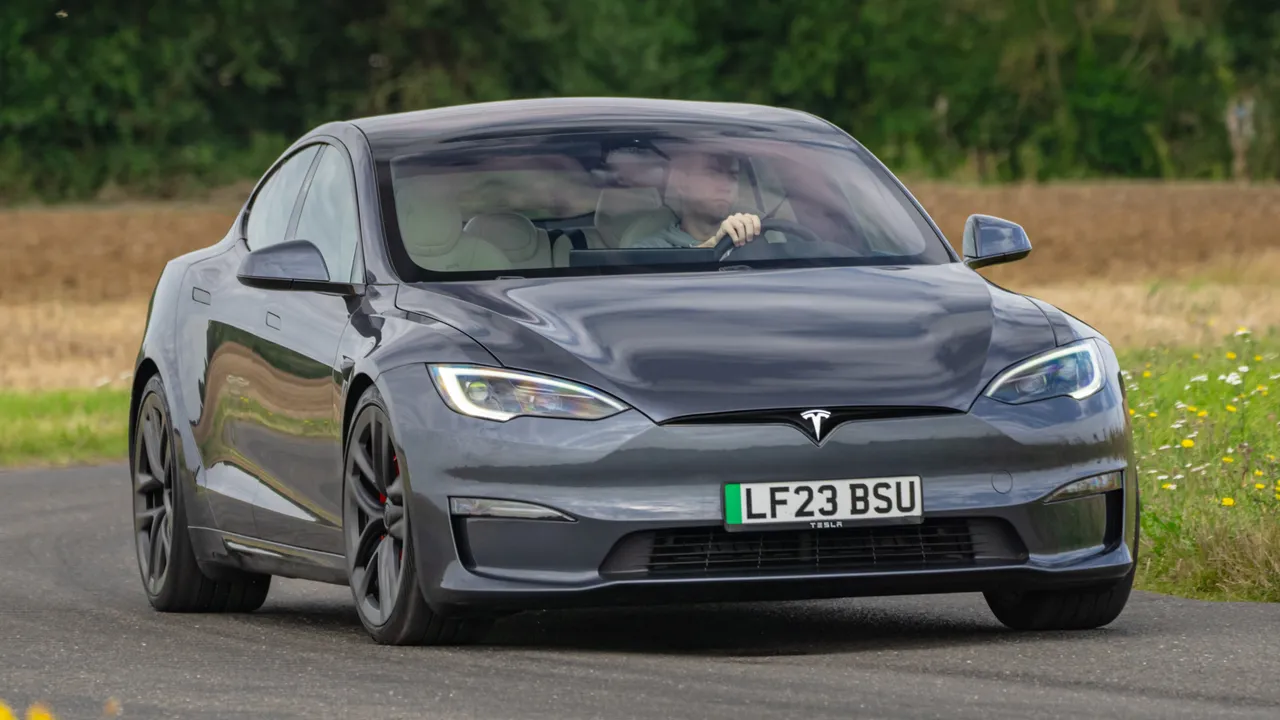
- Engine: Dual motor/tri motor electric setup
- Horsepower: up to 1,020 hp (Plaid)
- Torque: ~1,050 Nm (approx. equivalent)
- Length: ~4,979 mm
- Width: ~1,964 mm
8. Tesla Model S
The Tesla Model S reshaped expectations of what a luxury car interior could look like in the electric era. Instead of traditional layouts filled with buttons and gauges, it introduced a minimalist cabin centered around a large touchscreen interface. This radical approach redefined how drivers interact with vehicle systems, placing digital control at the heart of the experience.
One of the most noticeable aspects of the Model S interior is its simplicity. The dashboard is nearly free of physical controls, creating an open and uncluttered environment. This design philosophy not only modernized aesthetics but also shifted attention toward software-driven functionality, where updates can enhance features over time without physical redesigns.
Comfort inside the Model S is surprisingly strong despite its minimalist appearance. The seating is supportive and designed for long journeys, with available heating and ventilation features. The cabin layout provides generous space, particularly in the rear, where passengers benefit from a flat floor thanks to the electric drivetrain architecture.
This continuous glass surface creates an airy atmosphere that contrasts with the typically enclosed feel of traditional sedans. It enhances visibility and contributes to a more relaxed travel experience.
The Model S also introduced a new dimension of luxury through software integration. Features such as entertainment apps, advanced driver assistance systems, and customizable vehicle settings are all managed through the central interface.
This digital ecosystem has influenced the entire automotive industry, pushing competitors to rethink how technology can enhance cabin experiences in electric and conventional vehicles alike.
