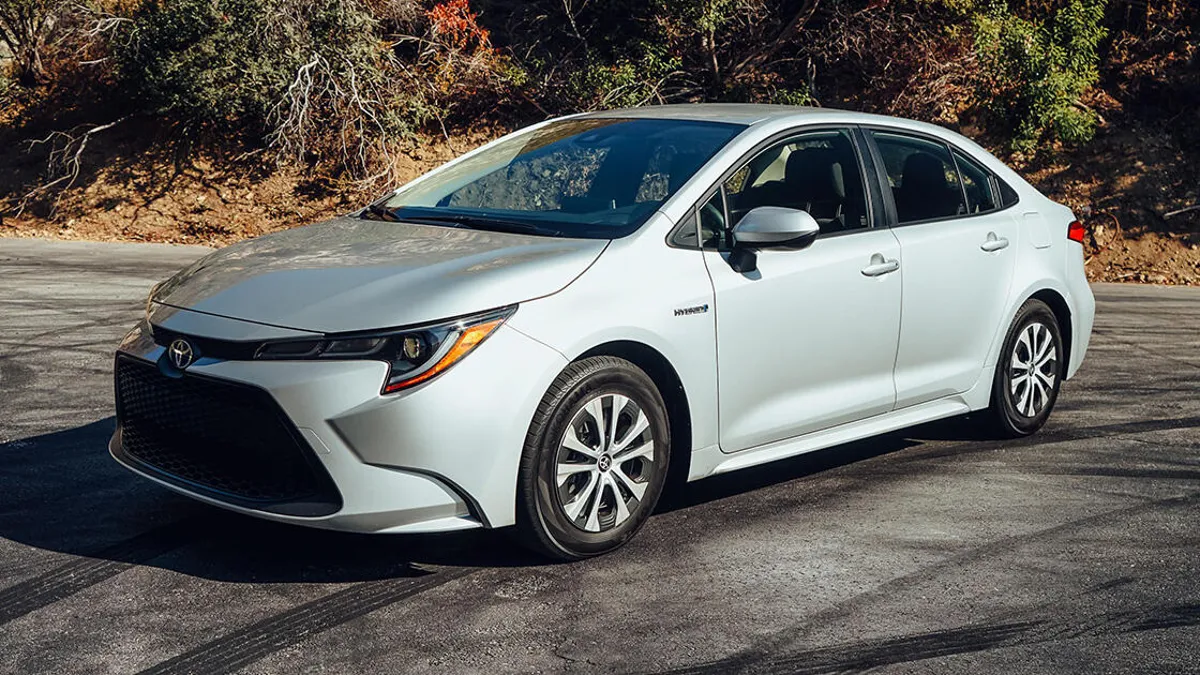
City driving is one of the toughest environments for any vehicle. Frequent stop-and-go traffic, traffic lights, short trips, and constant acceleration place greater demands on an engine than steady highway cruising.
That is why city fuel economy has become one of the most important factors for commuters and urban drivers looking to reduce fuel expenses.
Fortunately, modern automotive engineering has produced a wide range of vehicles capable of delivering remarkable city MPG without sacrificing comfort, practicality, or everyday usability.
Hybrid technology has played a significant role in this progress. By combining efficient gasoline engines with electric motors, many modern vehicles recover energy during braking and use battery power at lower speeds where traditional engines are least efficient.
Some conventional gasoline-powered models have also narrowed the gap through lightweight construction, continuously variable transmissions, advanced engine management systems, and improved aerodynamics. These innovations help reduce fuel consumption during the repeated acceleration and braking that define city traffic.
High city MPG does more than lower fuel bills. It also reduces emissions, extends the distance between fill-ups, and makes daily commuting less expensive over the life of the vehicle. Whether the priority is a compact commuter, a practical hatchback, or a spacious hybrid sedan, buyers now have more efficient choices than ever before.
The following ten vehicles stand among the best performers in city fuel economy, offering exceptional efficiency while remaining dependable, comfortable, and well-suited for everyday urban driving.
Also Read: 10 Toughest Cars, SUVs and Trucks on the Road
1. Toyota Prius
For more than two decades, the Toyota Prius has been the benchmark for fuel efficiency, and the latest generation continues that tradition with remarkable city MPG.
While many vehicles perform best on open highways, the Prius truly shines in urban environments where its hybrid system can take full advantage of frequent braking and low-speed electric driving.
The combination of a refined gasoline engine and an efficient electric motor allows the vehicle to spend significant periods operating on battery power alone, dramatically reducing fuel consumption during stop-and-go traffic.
Toyota’s hybrid system constantly determines the most efficient way to propel the car. At lower speeds, the electric motor frequently handles propulsion without requiring the gasoline engine.
During braking, regenerative technology captures energy that would otherwise be lost as heat and stores it in the battery for future acceleration. This continuous energy recycling is a major reason why the Prius consistently delivers outstanding city fuel economy.
The latest Prius also benefits from a lighter platform, improved aerodynamics, and a more powerful hybrid drivetrain than previous generations.
Despite these performance improvements, it remains one of the most economical vehicles available for daily commuting. Drivers enjoy a quiet cabin, smooth acceleration, and a comfortable ride while making fewer visits to the fuel station.
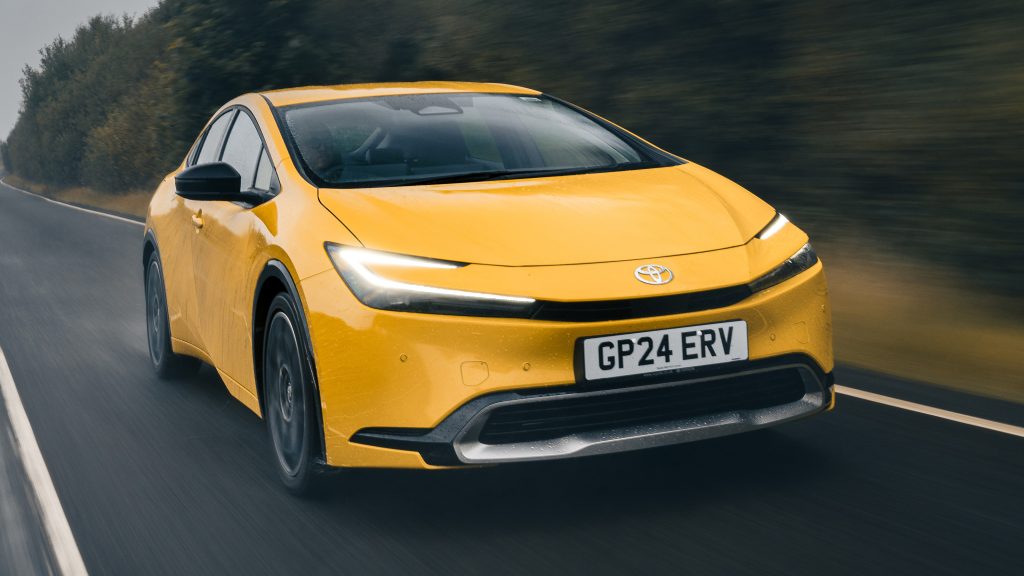
Another strength is Toyota’s long-established reputation for hybrid reliability. Millions of Prius models have demonstrated exceptional durability over hundreds of thousands of miles, making the car attractive to buyers seeking both low operating costs and dependable long-term ownership.
Few vehicles have influenced automotive efficiency as profoundly as the Prius, and it continues to lead the way in city fuel economy.
Specifications
- Engine: 2.0-liter Hybrid Inline-4
- Torque: 139 lb-ft (engine)
- Horsepower: 194 hp (combined system)
- Length/Width: 181.1 in / 70.2 in
2. Hyundai Elantra Hybrid
The Hyundai Elantra Hybrid demonstrates that outstanding city fuel economy no longer requires unusual styling or significant compromises.
From the outside, it appears much like a conventional compact sedan, yet beneath its sleek bodywork lies an advanced hybrid system engineered specifically to maximize efficiency during everyday commuting.
Its ability to deliver exceptional city MPG while maintaining a comfortable driving experience has made it one of the strongest alternatives to long-established hybrid competitors.
The Elantra Hybrid stands out by using a six-speed dual-clutch automatic transmission instead of the continuously variable transmissions found in many hybrids. This setup provides more familiar gear changes while still allowing the electric motor and gasoline engine to work together seamlessly.
During city driving, the hybrid system frequently powers the vehicle electrically at lower speeds and assists the gasoline engine during acceleration, reducing fuel consumption without sacrificing responsiveness.
Regenerative braking further improves efficiency by converting kinetic energy into electricity whenever the driver slows down. Instead of wasting energy through conventional braking alone, the system replenishes the battery and prepares it for the next acceleration.
This process repeats constantly throughout city traffic, contributing significantly to the car’s impressive fuel economy.
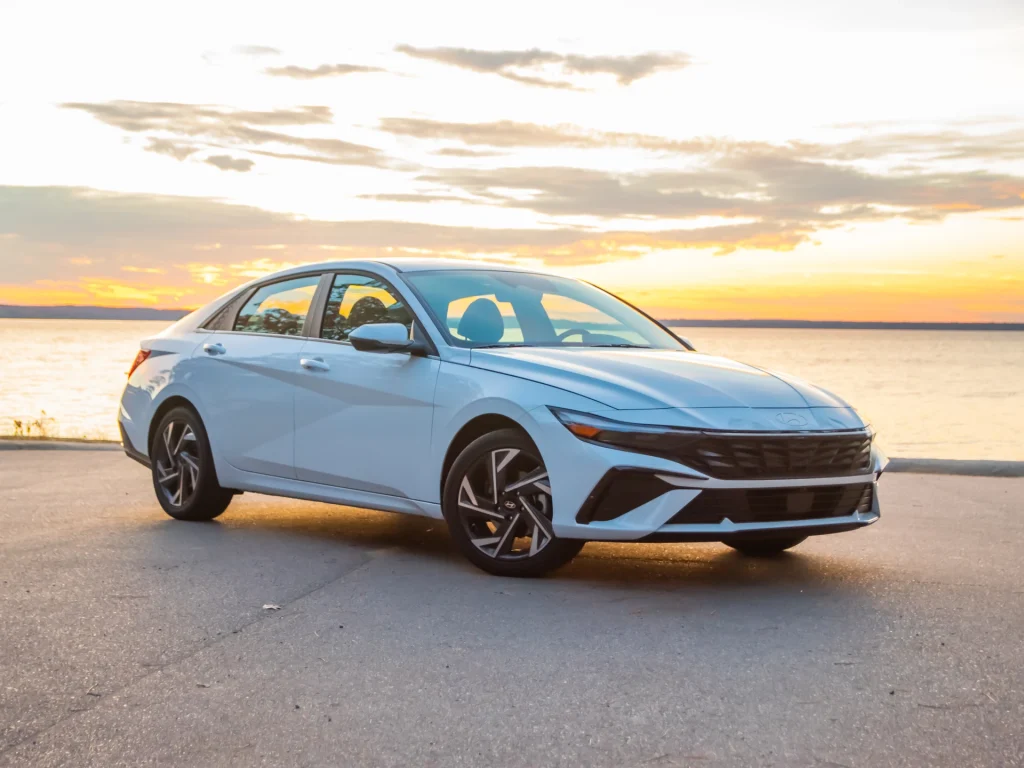
Beyond efficiency, the Elantra Hybrid offers a spacious cabin, modern technology, and a generous list of standard safety features. Owners benefit from comfortable seating, intuitive controls, and a quiet driving experience that feels more premium than many compact sedans.
By combining excellent city MPG with attractive styling, dependable engineering, and practical everyday usability, the Hyundai Elantra Hybrid proves that fuel-efficient transportation can also be refined, enjoyable, and highly versatile.
Specifications
- Engine: 1.6-liter Hybrid Inline-4
- Torque: 195 lb-ft (combined system)
- Horsepower: 139 hp (combined system)
- Length/Width: 185.4 in / 71.9 in
3. Honda Civic Hybrid
The Honda Civic Hybrid brings together the familiar strengths of the Civic nameplate with one of the most efficient hybrid powertrains in the compact car segment.
Designed to deliver excellent fuel economy without compromising driving enjoyment, it performs exceptionally well in congested urban environments where stop-and-go traffic typically causes conventional gasoline vehicles to consume significantly more fuel.
Honda’s two-motor hybrid system is particularly effective at lower speeds, allowing the Civic Hybrid to achieve impressive city MPG while maintaining smooth and confident acceleration.
Honda’s hybrid system allows the electric motor to handle much of the driving during city travel. The gasoline engine frequently acts as a generator, supplying electricity to the battery while the electric motor powers the wheels.
This design improves efficiency during repeated acceleration and braking, making the vehicle especially well-suited for daily commuting. Regenerative braking captures energy whenever the driver slows down, helping recharge the battery without requiring an external charging source.
The Civic Hybrid also benefits from Honda’s reputation for refined engineering. The cabin remains quiet during low-speed electric operation, while steering precision and balanced suspension provide a driving experience that feels more engaging than many economy-focused competitors.
Modern infotainment features, comfortable seating, and advanced driver assistance systems further increase its appeal.
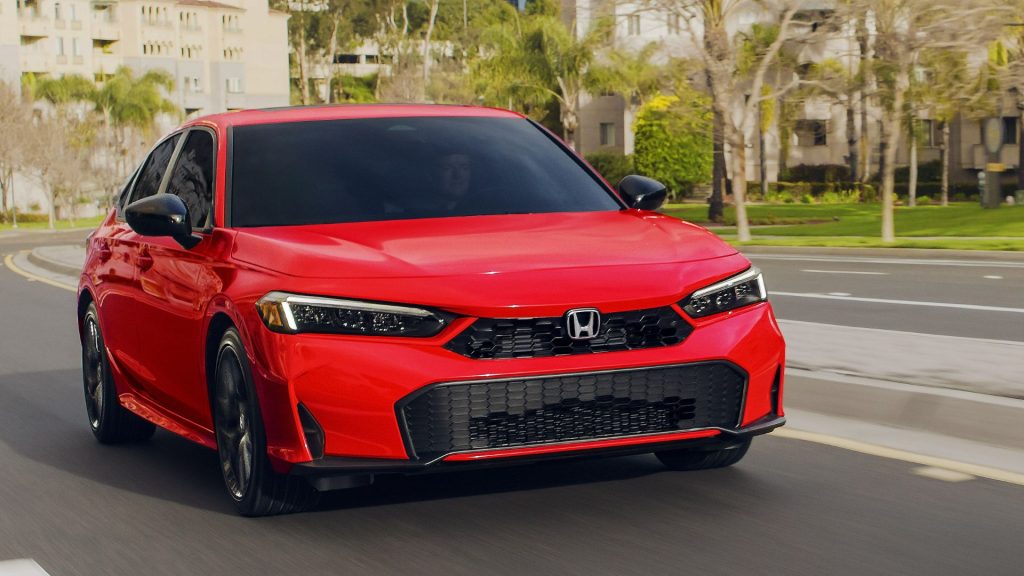
Owners seeking long-term value will appreciate Honda’s history of dependable hybrid technology and low maintenance costs.
With excellent city fuel economy, attractive styling, and a rewarding driving character, the Civic Hybrid demonstrates that efficiency and driver satisfaction can comfortably exist in the same compact sedan.
Specifications
- Engine: 2.0-liter Hybrid Inline-4
- Torque: 232 lb-ft (combined system)
- Horsepower: 200 hp (combined system)
- Length/Width: 184.0 in / 70.9 in
4. Toyota Corolla Hybrid
The Toyota Corolla Hybrid has become one of the most practical choices for drivers who regularly face busy urban traffic.
Building upon decades of hybrid development, Toyota has equipped the Corolla with a highly refined powertrain that excels during low-speed urban driving.
Its impressive city MPG is the result of intelligent energy management rather than relying solely on an exceptionally small engine, making it both economical and pleasant to drive throughout the week.
One of the Corolla Hybrid’s biggest strengths is how naturally the hybrid system operates. The transition between electric power and gasoline power is smooth, allowing the driver to focus entirely on traffic rather than the drivetrain.
During slow-moving city conditions, the electric motor frequently powers the vehicle independently, reducing fuel consumption while creating a quieter driving experience. Each time the driver brakes or coasts, regenerative braking captures energy that would otherwise be lost and stores it in the battery for future use.
Toyota has also engineered the Corolla Hybrid to remain lightweight and aerodynamic, helping maximize efficiency without sacrificing passenger comfort.
The compact sedan offers supportive seating, intuitive controls, generous standard safety equipment, and a reputation for long-term reliability that continues to attract buyers around the world. Maintenance requirements are generally modest, making ownership costs especially appealing.
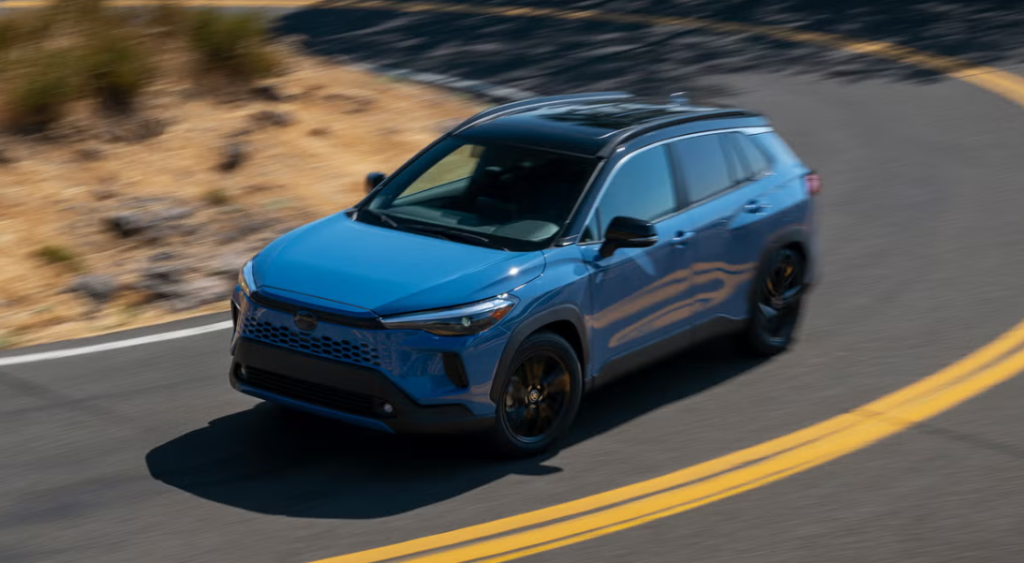
The Corolla Hybrid demonstrates that exceptional city fuel economy does not require complicated ownership or unusual driving habits.
It quietly and consistently delivers outstanding efficiency every day, making it an excellent option for commuters who value reliability, affordability, and dependable performance in urban environments.
Specifications
- Engine: 1.8-liter Hybrid Inline-4
- Torque: 105 lb-ft (engine)
- Horsepower: 138 hp (combined system)
- Length/Width: 182.5 in / 70.1 in
5. Kia Niro Hybrid
The Kia Niro Hybrid was developed with efficiency as its primary mission, and nowhere is that more evident than in city driving. It blends crossover practicality with a highly efficient hybrid system that thrives in stop-and-go traffic, giving it an advantage over many traditional hatchbacks.
For drivers who need generous cargo space without sacrificing fuel economy, it presents an appealing alternative to larger SUVs that consume considerably more fuel around town.
The hybrid powertrain works intelligently to maximize every drop of gasoline. During slow-speed driving, the electric motor frequently handles much of the workload, reducing the amount of time the gasoline engine remains active.
As traffic slows, regenerative braking captures energy that would normally disappear as heat, storing it in the battery for future acceleration. This continuous energy recovery allows the Niro to maintain outstanding city MPG even during heavy commuting.
Unlike some efficiency-focused vehicles that prioritize economy above everything else, the Niro offers a practical interior with comfortable seating, ample rear passenger room, and a versatile cargo area.
The upgraded seating position improves outward visibility, making city parking and busy intersections less stressful. Drivers also benefit from modern driver assistance technologies and an intuitive infotainment system that enhances everyday usability.
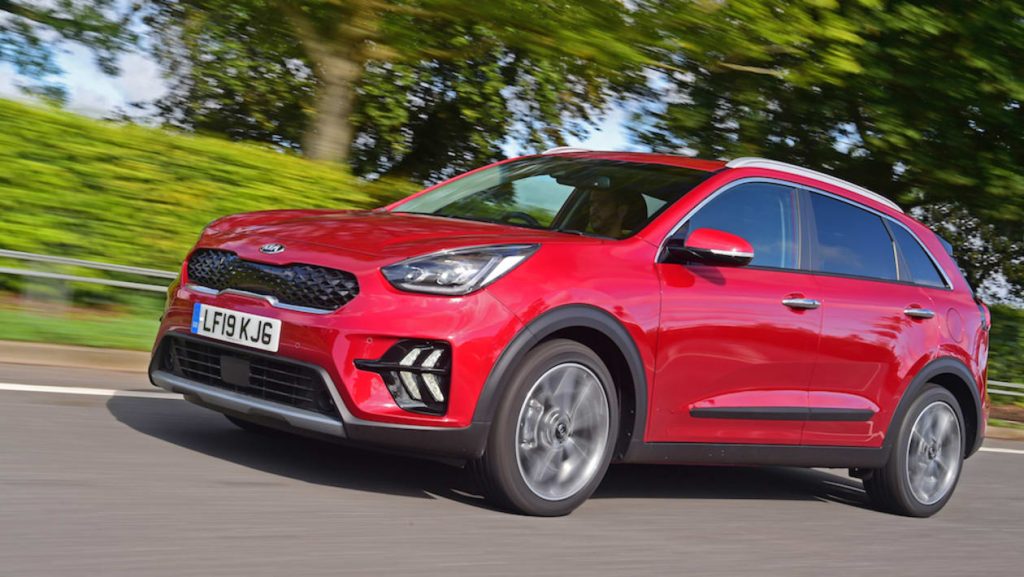
Maintenance costs remain competitive thanks to Kia’s proven hybrid technology and strong warranty coverage. Owners appreciate the combination of low fuel expenses and practical versatility without needing to transition to a fully electric vehicle.
By delivering excellent city efficiency alongside crossover functionality, the Kia Niro Hybrid proves that fuel-conscious drivers do not have to sacrifice convenience or comfort to reduce their operating costs.
Specifications
- Engine: 1.6-liter Hybrid Inline-4
- Torque: 195 lb-ft (combined system)
- Horsepower: 139 hp (combined system)
- Length/Width: 174.0 in / 71.9 in
6. Toyota Camry Hybrid
The Toyota Camry Hybrid demonstrates that midsize sedans can achieve exceptional city fuel economy without giving up comfort or refinement. While many buyers assume larger vehicles automatically consume more fuel, Toyota’s advanced hybrid system allows the Camry to deliver remarkable efficiency during daily commuting.
It has become a favorite among rideshare drivers, business travelers, and families because it combines spacious accommodations with impressively low operating costs.
City driving is where the Camry Hybrid performs at its best. The electric motor provides immediate torque when pulling away from traffic lights, reducing the workload placed on the gasoline engine.
During slower traffic, the vehicle frequently switches between electric and gasoline power to optimize efficiency. Regenerative braking continuously replenishes the battery during deceleration, helping extend the amount of electric assistance available throughout the drive.
Beyond fuel economy, the Camry Hybrid delivers a noticeably refined driving experience. The cabin remains quiet during electric operation, while supportive seats and a well-tuned suspension make longer commutes comfortable.
Toyota also equips the sedan with a comprehensive suite of standard safety technologies, giving drivers additional confidence during congested urban travel.
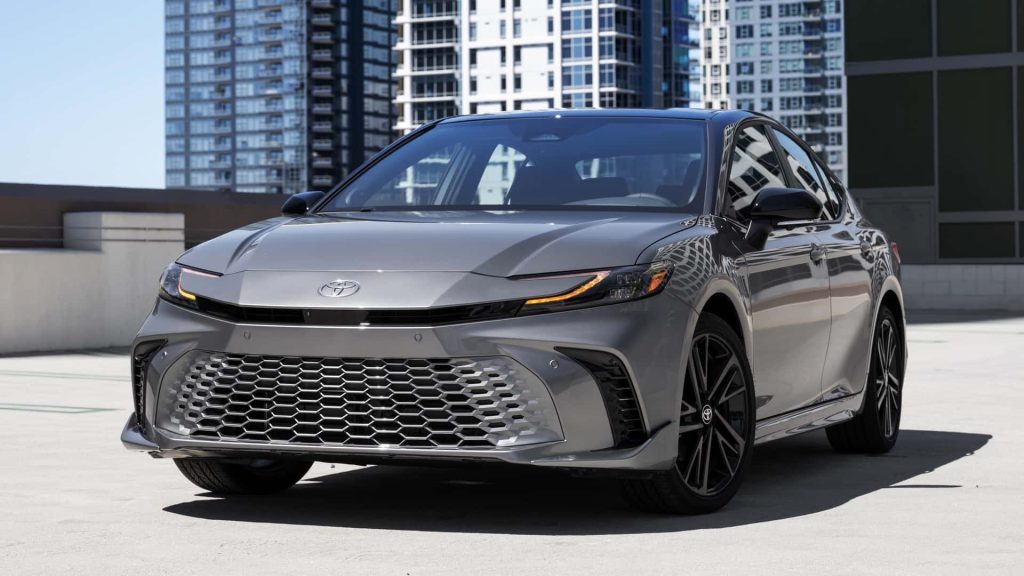
Long-term ownership is another area where the Camry Hybrid excels. Toyota’s hybrid systems have established an excellent reputation for durability, with many examples accumulating extremely high mileage while maintaining dependable performance.
Combined with spacious seating, a generous trunk, and impressive city MPG, the Camry Hybrid offers one of the most balanced packages available for drivers seeking economical transportation without moving into a compact vehicle.
Specifications
- Engine: 2.5-liter Hybrid Inline-4
- Torque: 163 lb-ft (engine)
- Horsepower: 225 hp (combined system, FWD)
- Length/Width: 193.5 in / 72.4 in
7. Hyundai Sonata Hybrid
The Hyundai Sonata Hybrid proves that a full-size family sedan can achieve outstanding city fuel economy while maintaining a premium feel.
Hyundai designed the Sonata Hybrid to appeal to drivers who spend hours commuting through urban traffic but still want the comfort and refinement of a larger vehicle.
Its advanced hybrid powertrain works seamlessly in stop-and-go conditions, allowing the sedan to consume remarkably little fuel without requiring drivers to change their everyday habits.
A significant contributor to its impressive city MPG is the efficient cooperation between the gasoline engine and electric motor. At lower speeds, the electric motor frequently powers the car on its own or assists the engine during acceleration.
This reduces fuel consumption, whereas conventional gasoline vehicles are typically least efficient. Every time the driver slows for traffic lights or congestion, regenerative braking converts kinetic energy into electricity, replenishing the battery for future use.
The Sonata Hybrid also distinguishes itself through its refined cabin. Comfortable seating, generous rear legroom, and high-quality materials create an environment that feels more expensive than its price suggests.
Noise insulation is excellent, particularly during electric operation, making city commuting noticeably quieter and more relaxing. Hyundai further enhances daily usability with an intuitive infotainment system and a comprehensive suite of driver assistance features.
Owners also appreciate the Sonata Hybrid’s reputation for reliability and competitive maintenance costs.
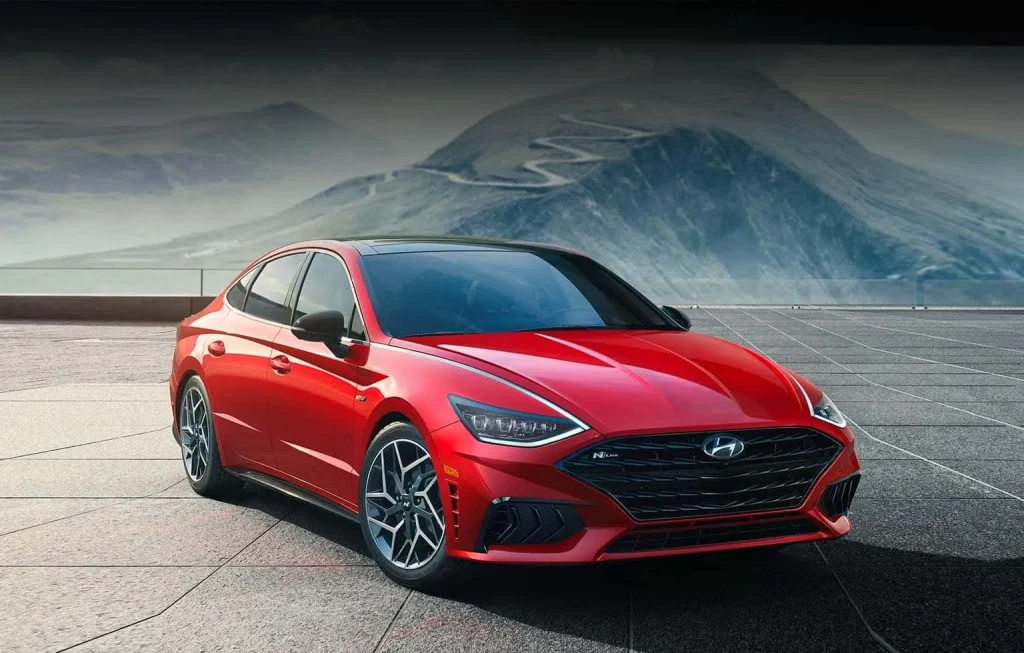
Its combination of spacious accommodations, attractive styling, smooth driving characteristics, and excellent city fuel economy makes it an outstanding option for families and professionals alike.
Few midsize sedans manage to blend efficiency, comfort, and practicality as successfully as the Hyundai Sonata Hybrid.
Specifications
- Engine: 2.0-liter Hybrid Inline-4
- Torque: 139 lb-ft (engine)
- Horsepower: 192 hp (combined system)
- Length/Width: 193.3 in / 73.2 in
8. Lexus UX 300h
Luxury vehicles are not always associated with exceptional fuel economy, yet the Lexus UX 300h demonstrates that premium comfort and impressive city MPG can comfortably coexist.
As the smallest crossover in the Lexus lineup, it has been engineered specifically for urban environments where efficiency, maneuverability, and refinement matter most.
Its advanced hybrid system delivers smooth acceleration while minimizing fuel consumption during frequent stops and slow-moving traffic. Its compact dimensions and relatively light curb weight give the UX 300h an efficiency advantage over larger luxury SUVs, allowing the hybrid system to perform especially well in city conditions.
The electric motor frequently powers the vehicle during lower-speed driving, reducing gasoline usage while producing a nearly silent driving experience. Regenerative braking continuously captures energy during deceleration, helping maximize efficiency throughout daily commutes.
The premium interior further separates the UX 300h from mainstream hybrids. High-quality materials, supportive seating, and meticulous craftsmanship create an upscale atmosphere that remains comfortable even during extended time in traffic.
Lexus also equips the crossover with advanced safety systems, responsive infotainment technology, and excellent outward visibility, making it especially easy to navigate crowded city streets.
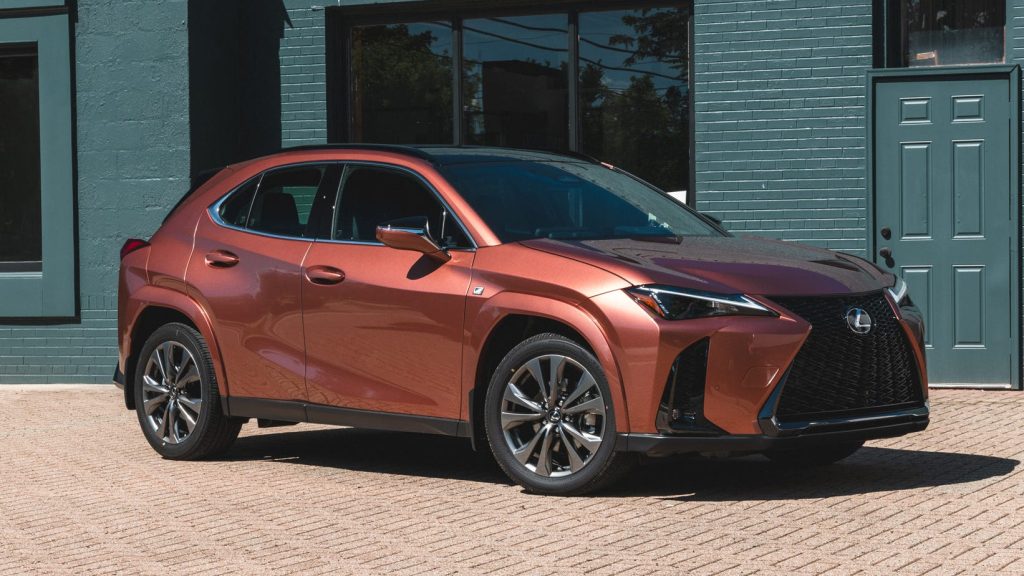
Reliability remains another major advantage. Lexus has spent decades refining hybrid technology, and the UX 300h benefits from that extensive engineering experience. Owners receive the efficiency expected from a modern hybrid while enjoying the refinement associated with the luxury brand.
Combining premium comfort, compact practicality, and exceptional city fuel economy, the Lexus UX 300h stands among the most efficient luxury crossovers available today.
Specifications
- Engine: 2.0-liter Hybrid Inline-4
- Torque: 139 lb-ft (engine)
- Horsepower: 196 hp (combined system)
- Length/Width: 177.0 in / 72.4 in
9. Toyota Crown Signia Hybrid
The Toyota Crown Signia Hybrid offers a fresh interpretation of what an efficient family vehicle can be. Combining the upgraded seating position of a crossover with the comfort of a premium wagon, it delivers exceptional city fuel economy while providing generous passenger space and a refined driving experience.
Although larger than many compact hybrids, its advanced hybrid system enables it to perform remarkably well in urban traffic, where frequent braking and low-speed driving allow the electric motor to contribute extensively.
Toyota’s latest hybrid technology constantly determines the most efficient combination of gasoline and electric power. During city driving, the electric motor often handles initial acceleration and low-speed cruising, reducing fuel consumption where conventional engines are least efficient.
Regenerative braking captures energy whenever the vehicle slows, storing electricity in the battery for later use instead of allowing that energy to disappear through friction brakes. This continuous energy recovery contributes significantly to the vehicle’s excellent city MPG.
The Crown Signia also emphasizes comfort. The suspension absorbs rough pavement with ease, while supportive seating and generous interior space make heavy traffic far less tiring.
High-quality cabin materials, a large infotainment display, and Toyota’s comprehensive suite of driver assistance features create an environment suited for both commuting and family travel.
Owners benefit from Toyota’s proven hybrid reliability, which has earned a strong reputation over decades of real-world use.
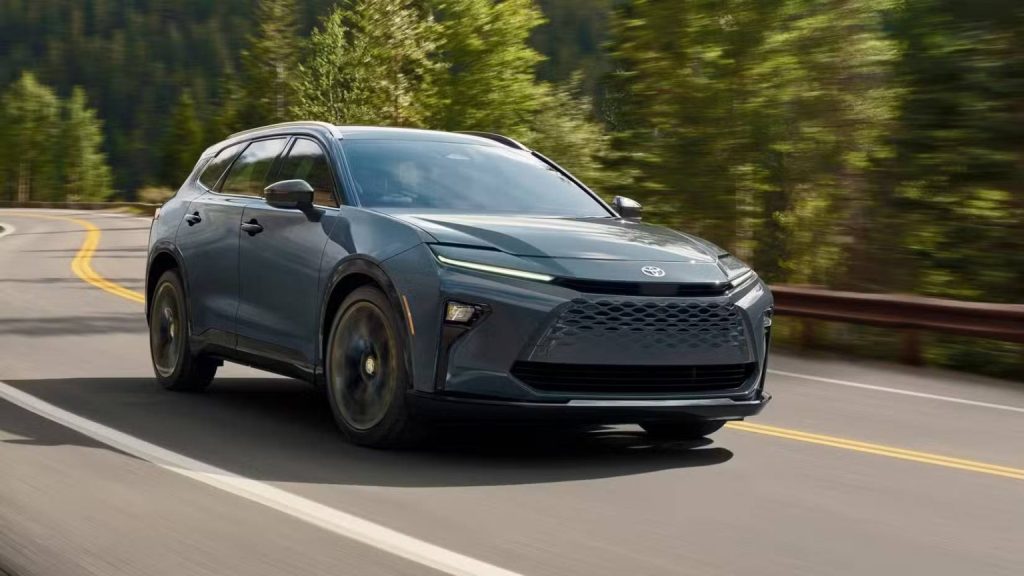
Combined with practical cargo space and confident all-weather capability, the Crown Signia Hybrid demonstrates that outstanding city fuel economy is no longer limited to compact sedans. It successfully blends versatility, refinement, and efficiency into one highly practical package.
Specifications
- Engine: 2.5-liter Hybrid Inline-4
- Torque: 163 lb-ft (engine)
- Horsepower: 240 hp (combined system)
- Length/Width: 194.1 in / 74.0 in
10. Toyota Prius Plug-in Hybrid
The Toyota Prius Plug-in Hybrid takes the efficiency of the standard Prius even further by allowing many daily city trips to be completed almost entirely on electricity. For commuters with access to home or workplace charging, the vehicle can travel significant distances in EV mode before the gasoline engine becomes necessary.
Once the battery’s electric range is depleted, it seamlessly operates as a conventional hybrid, continuing to deliver outstanding city fuel economy.
This dual capability makes the Prius Plug-in Hybrid particularly effective in urban environments. Many drivers complete errands, school runs, and daily commutes using little or no gasoline, while longer journeys remain stress-free because the gasoline engine automatically extends the driving range.
Regenerative braking continuously replenishes part of the battery during city driving, helping maximize efficiency even after the initial electric range has been used.
Toyota has also refined the vehicle’s ride quality and cabin comfort. The interior offers modern technology, intuitive controls, supportive seating, and excellent visibility, making it well-suited for everyday commuting.
Quiet electric operation enhances comfort during slow-moving traffic, while the transition between electric and gasoline power remains smooth and almost unnoticeable.
Perhaps the greatest strength of the Prius Plug-in Hybrid is its flexibility. It offers the benefits of electric driving without requiring owners to depend entirely on public charging infrastructure.
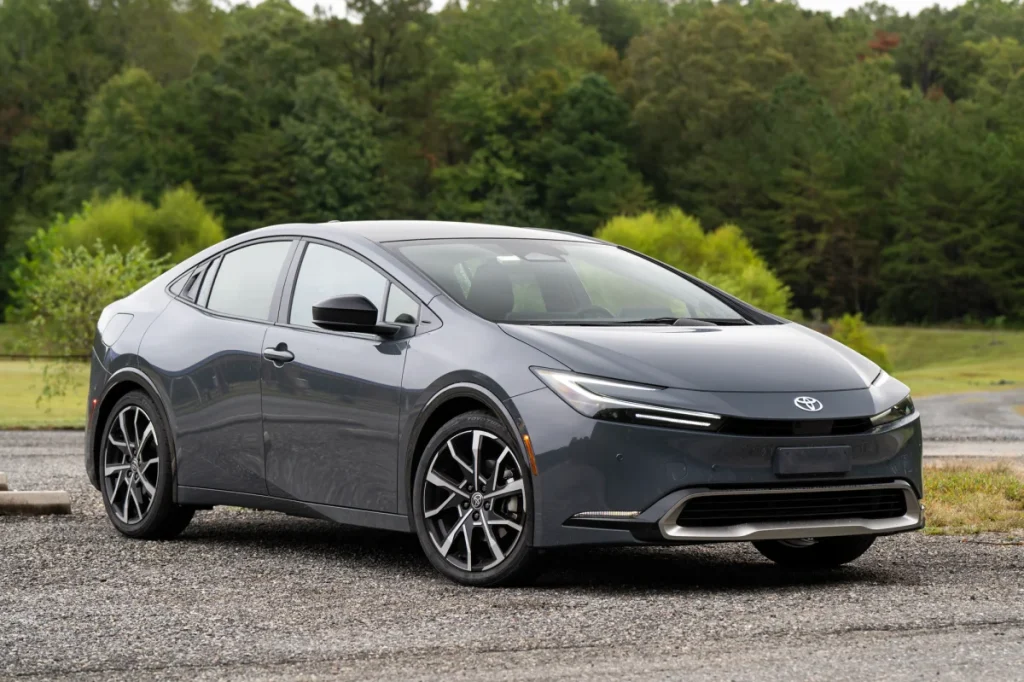
Drivers enjoy exceptionally low fuel costs for daily use while retaining the convenience of unlimited long-distance travel.
That combination of versatility, dependable hybrid engineering, and class-leading city efficiency secures the Prius Plug-in Hybrid a well-deserved place among the most economical cars for urban driving.
Specifications
- Engine: 2.0-liter Plug-in Hybrid Inline-4
- Torque: 139 lb-ft (engine)
- Horsepower: 220 hp (combined system)
- Length/Width: 181.1 in / 70.2 in
Also Read: 10 Car Brands That Also Make Boats Engines