
Finding a cheap car is often exciting, especially for enthusiasts who dream of transforming an affordable vehicle into something unique. Many used cars can be purchased for surprisingly low prices, making them attractive options for first-time buyers, hobbyists, and anyone interested in customizing a vehicle.
However, the initial purchase price tells only part of the story. Some cars that seem like incredible bargains quickly become expensive projects once modifications begin.
Owners often discover that aftermarket parts are limited, specialized labor is required, electronic systems are difficult to work with, or essential upgrades demand supporting modifications that dramatically increase the total investment.
In many cases, the cost of improving performance, handling, or appearance can easily exceed the value of the car itself. This creates a frustrating situation where buyers spend thousands more than expected simply to achieve the results they originally envisioned.
Before purchasing any project car, it is important to consider long-term ownership costs, parts availability, reliability after modification, and the complexity of the platform. While every vehicle can be customized to some extent, certain models require significantly larger budgets than others because of their engineering, rarity, or limited aftermarket support.
Understanding which cars fall into this category can save buyers from costly surprises and help them make smarter decisions when selecting their next project vehicle. In this article, we look at nine cars that are relatively inexpensive to purchase on the used market but can become surprisingly expensive to modify.
These vehicles are not necessarily bad choices. In fact, many offer enjoyable driving experiences and distinctive styling. However, anyone planning extensive upgrades should understand the financial commitment involved before starting the project.
By examining the reasons behind their high modification costs, prospective owners can better prepare their budgets and avoid unexpected expenses that often turn affordable dreams into costly realities.
Also Read: 8 SUVs With The Most Space For Comfort
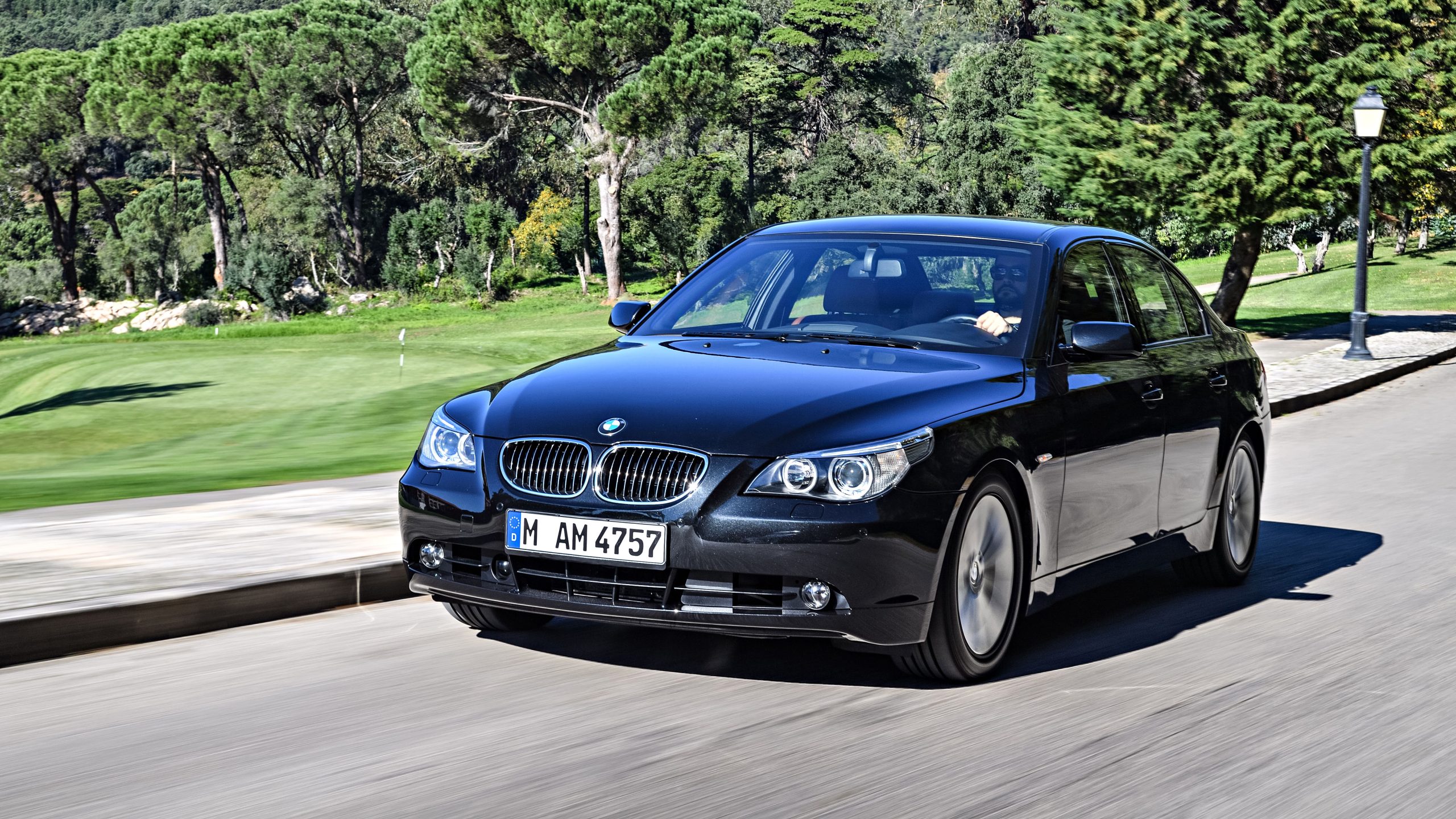
- Engine: 3.0L inline 6 petrol
- Horsepower: 258 hp
- Torque: 300 Nm
- Length: 4841 mm
- Width: 1846 mm
1. BMW E60 5 Series
The BMW E60 5 Series often attracts buyers because it delivers a premium driving experience at a surprisingly low entry price on the used market. Its sharp exterior design, refined cabin, and strong engine options make it feel like a much more expensive car than it typically sells for today.
Many enthusiasts see it as a gateway into European performance ownership, especially because it offers Rear Wheel Drive dynamics, balanced handling, and a range of inline six and V8 engines that still feel engaging by modern standards. On paper, it looks like a perfect foundation for a build project.
However, the reality of modifying this platform quickly becomes more demanding than most expect. The car relies heavily on integrated electronic systems that communicate across multiple control units, meaning even small upgrades can require software coding or recalibration.
Something as simple as upgrading headlights or installing an aftermarket infotainment system can involve additional modules, wiring adjustments, and diagnostic work that adds both time and cost. Unlike simpler vehicles, the E60 does not always accept modifications in a plug-and-play manner.
Performance tuning is an area where expenses rise quickly. While the engines respond well to tuning, gaining reliable power often requires a full supporting package rather than a single upgrade.
Owners usually end up investing in upgraded cooling systems, improved intake and exhaust flow, stronger braking components, and suspension enhancements to maintain stability. Without these supporting changes, the car may lose the refinement that makes it enjoyable in the first place.
Parts pricing also plays a major role in modification costs. Even though the vehicle is older and more affordable now, many components still carry premium pricing due to their original luxury classification.
High-quality aftermarket wheels, coilover kits, and aerodynamic parts are typically manufactured with precision standards that match the car’s engineering, which naturally increases cost.
Many independent workshops hesitate to take on complex German electronics without proper tools, and dealership service rates remain high. As a result, owners often find that installation costs alone can exceed expectations, turning what seemed like an affordable project into a long-term financial commitment.
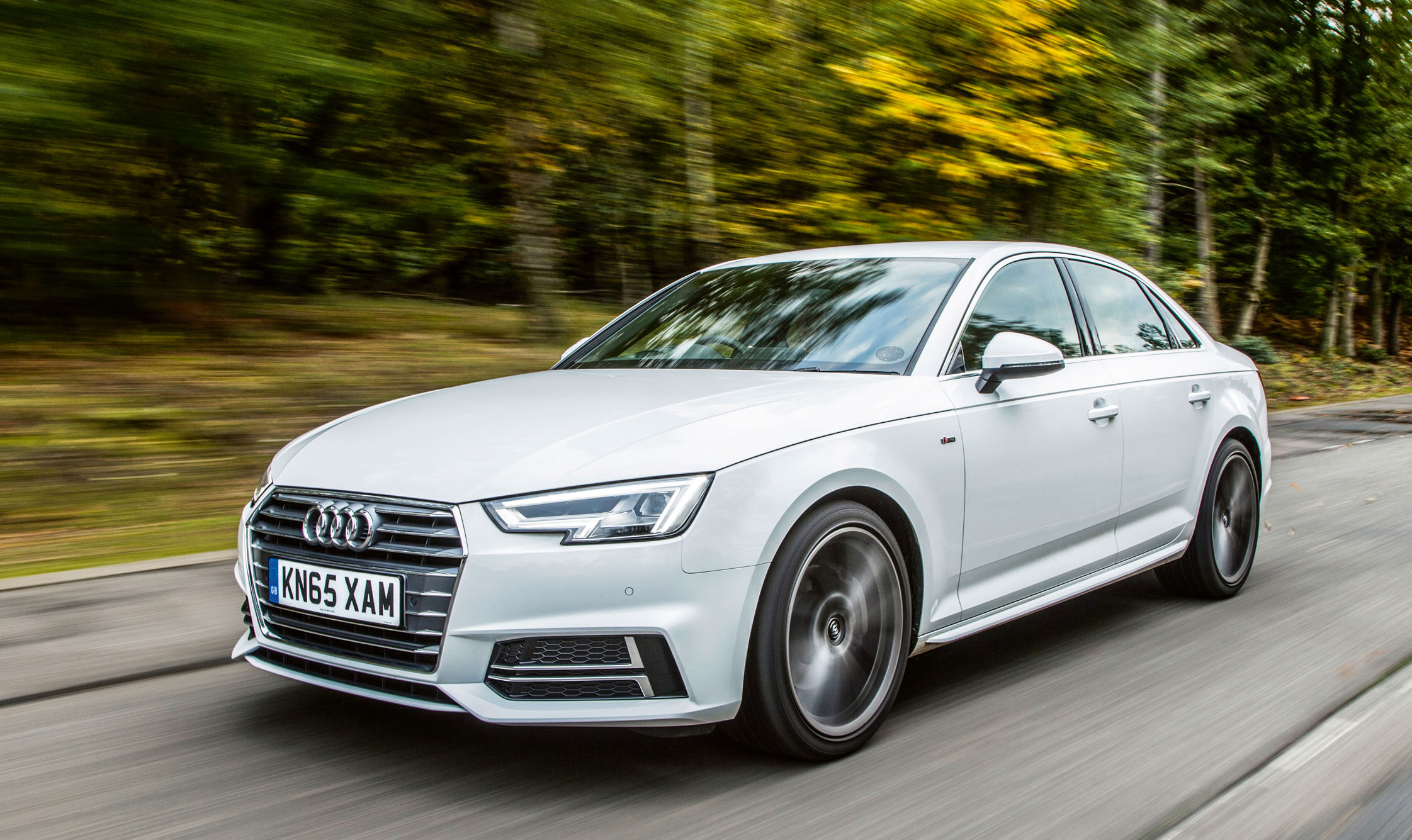
- Engine: 2.0L turbocharged inline 4
- Horsepower: 200 hp
- Torque: 280 Nm
- Length: 4586 mm
- Width: 1772 mm
2. Audi A4
The Audi A4 is widely regarded as a comfortable and well-engineered entry point into luxury sedans, especially for buyers who want refinement without paying new car prices.
Used models are often available at accessible rates, which makes them appealing for enthusiasts looking to start a modification project. Its turbocharged engines, composed ride quality, and understated design give it a solid foundation for both daily driving and performance upgrades.
Despite its strengths, modifying the A4 can become more complex than expected due to its tightly integrated electronic architecture. Modern Audi systems are designed to work as a unified network, so changes in one area can affect multiple other systems.
This means aftermarket installations often require diagnostic tools, coding adjustments, or recalibration to avoid warning lights or performance inconsistencies. Even minor upgrades can involve technical steps that go beyond basic mechanical work.
Engine tuning is one of the most popular upgrade paths, particularly because turbocharged setups offer noticeable gains. However, increasing power safely usually involves far more than a simple software flash.
Owners often need upgraded intercoolers, reinforced intake systems, improved fuel delivery components, and more efficient exhaust setups to maintain reliability under higher boost conditions. Each of these additions adds to the total investment.
Suspension upgrades also demand careful selection. The A4 is designed to balance comfort with sportiness, so low-quality parts can easily disrupt its driving character.
Enthusiasts tend to gravitate toward premium coilover systems or well-engineered lowering kits, both of which can be costly. Achieving the right stance and handling balance often requires trial, adjustment, and additional components.
One factor that increases cost is the reliance on original equipment quality parts for long-term durability. While aftermarket options exist, many owners prefer OEM-grade replacements to avoid issues with fitment or longevity. This preference naturally pushes expenses higher.
Combined with professional installation requirements, the total modification budget can rise quickly, even for modest upgrades.
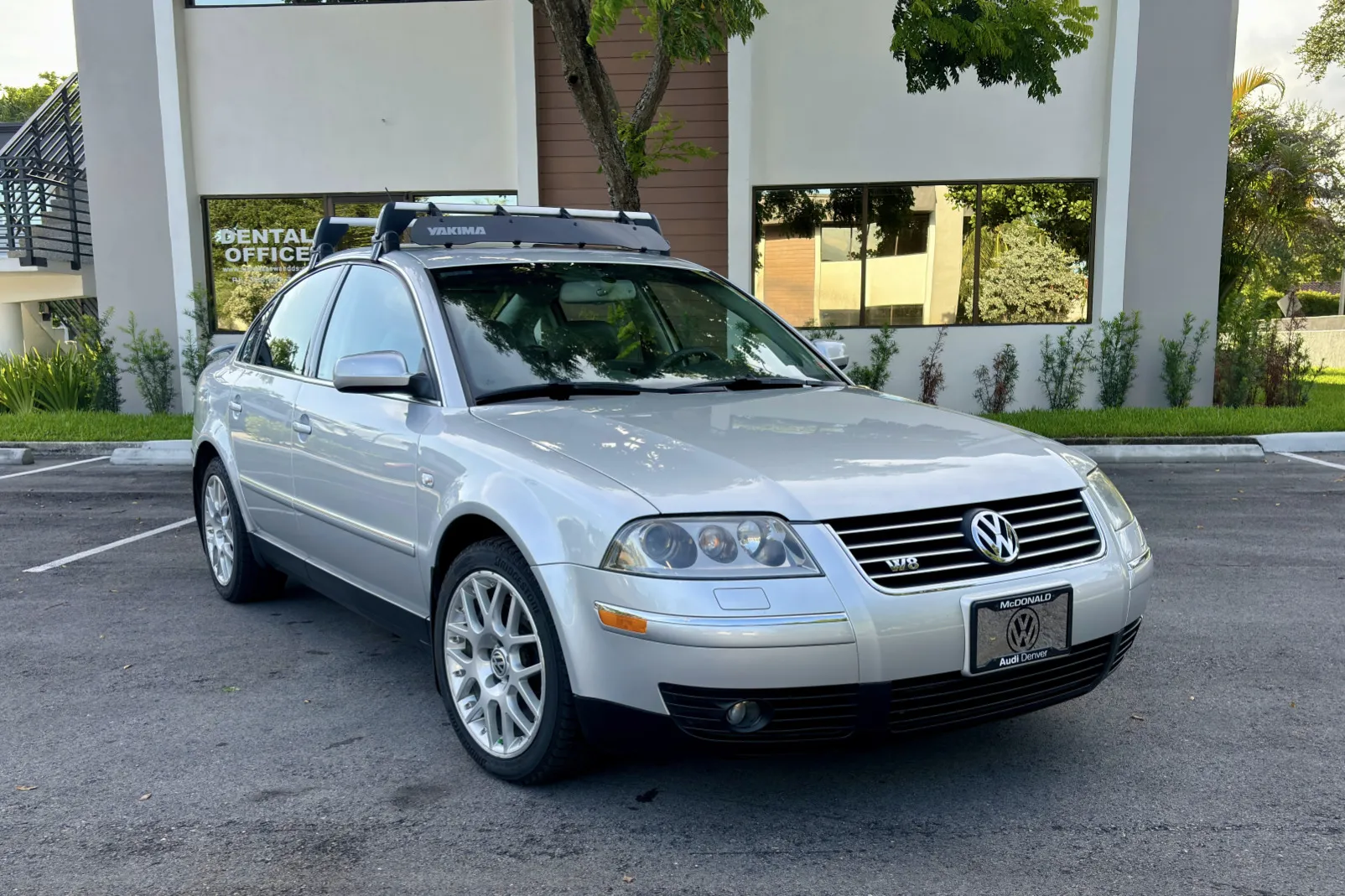
- Engine: 4.0L W8 petrol
- Horsepower: 275 hp
- Torque: 370 Nm
- Length: 4703 mm
- Width: 1746 mm
3. Volkswagen Passat W8
The Volkswagen Passat W8 stands out as one of the most unusual sedans ever produced by Volkswagen, mainly because of its rare eight-cylinder configuration arranged in a compact W-shaped layout.
On the used market, it often appears at very low prices because many buyers are cautious about its complexity and maintenance reputation. This affordability makes it tempting for project builders who want something distinctive and uncommon.
However, modifying the W8 is rarely straightforward. The engine itself is extremely compact and densely packaged, which makes even basic mechanical access challenging.
Technicians often need to remove surrounding components just to reach parts that would be easily accessible in a conventional engine bay. This increases labor time significantly, which quickly translates into higher costs for any modification.
Aftermarket support for the W8 is limited compared to more mainstream Volkswagen engines. Because the platform was produced in small numbers, there are fewer commercially available performance parts. As a result, owners frequently rely on custom fabrication to achieve their goals. Custom work not only increases cost but also requires specialized expertise, which is not always easy to find.
Performance tuning options are also restricted. While the engine delivers smooth power delivery in stock form, extracting significant gains is not as simple as installing common bolt-on upgrades.
Many tuning solutions require bespoke software adjustments, and in some cases, development work tailored specifically to the vehicle. This kind of specialized tuning can become expensive very quickly.
Since production numbers were limited, sourcing original components can be both time-consuming and costly.
Even routine maintenance items may carry higher prices than expected. When combined with labor and tuning expenses, the cost of modifying a Passat W8 can escalate far beyond its initial purchase price, making it a true niche enthusiast project.
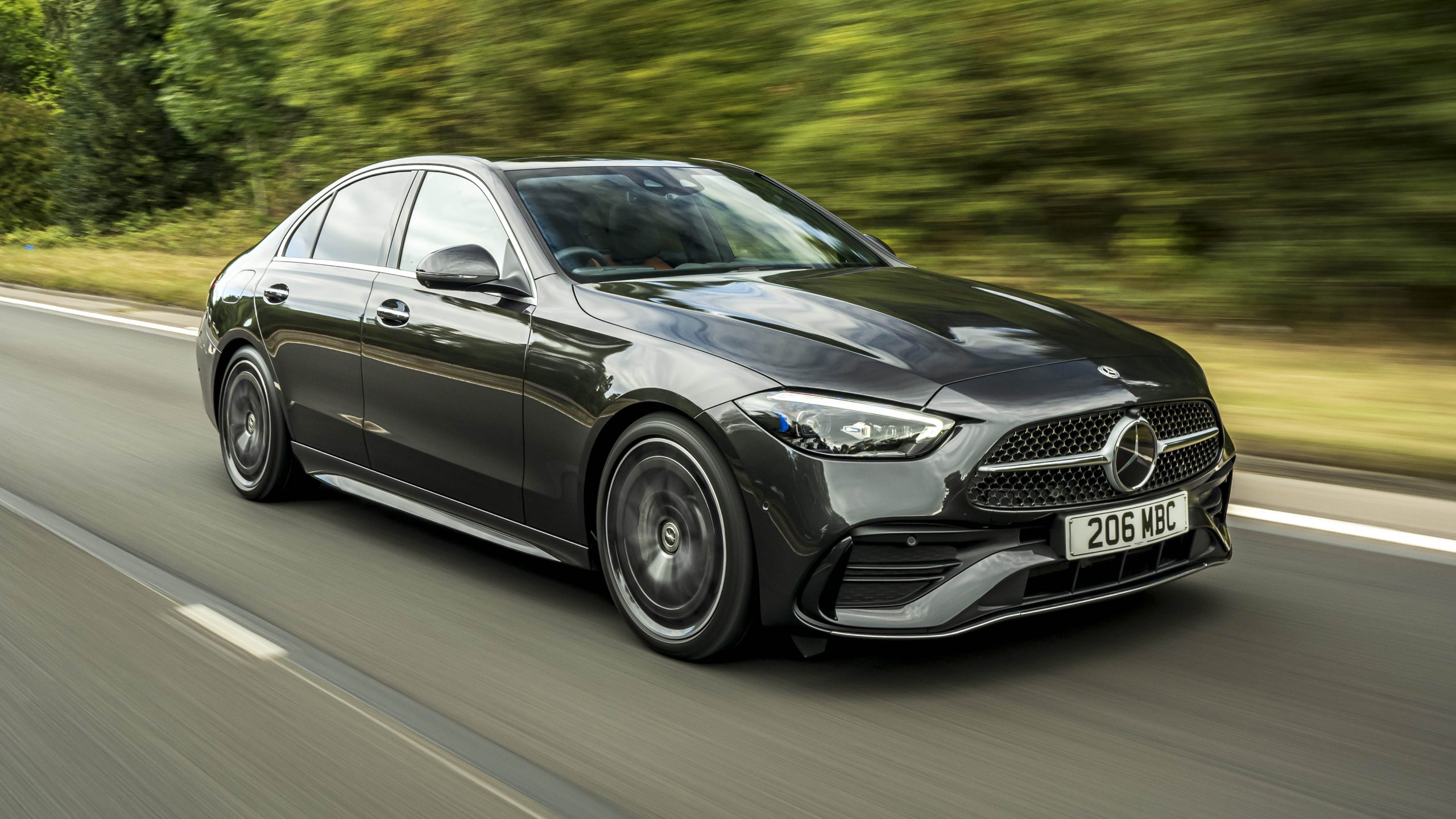
- Engine: 1.8L supercharged inline 4
- Horsepower: 163 hp
- Torque: 240 Nm
- Length: 4526 mm
- Width: 1728 mm
4. Mercedes-Benz C-Class
Older versions of the Mercedes-Benz C Class are often found at attractive prices on the second-hand market, especially compared to their original retail value.
Their strong brand identity, comfortable interiors, and smooth driving behavior make them appealing choices for buyers who want a luxury badge without a heavy upfront investment. For modification enthusiasts, this seems like a promising starting point.
The challenge begins when upgrades are introduced. Mercedes engineering places a strong emphasis on integrated electronic systems, meaning many vehicle functions are interconnected. When modifications are made, they often require coding or software updates to ensure compatibility.
Without proper adjustments, issues such as warning messages or system conflicts can appear, which adds complexity to even basic upgrades.
Performance modifications tend to lean toward premium aftermarket suppliers, as lower-tier parts often do not meet the refinement standards expected from the vehicle.
Whether upgrading suspension, brakes, or engine components, owners usually find themselves selecting higher-quality options to maintain the car’s original driving characteristics. This naturally increases expenditure.
Certain models equipped with advanced suspension systems or comfort-oriented setups can also introduce additional costs. Converting or modifying these systems may require specialized kits or replacement components that are not inexpensive. Even wheel upgrades need careful selection to avoid disrupting ride comfort or triggering electronic compatibility issues.
Because of the vehicle’s complexity, many modification tasks require experienced technicians familiar with Mercedes systems.
This expertise comes at a premium, especially in independent workshops. When combined with parts pricing, it becomes clear that customizing a C Class can cost far more than its used purchase value suggests.
Also Read: 7 Most Reliable Motorcycles You Can Buy Today
- Engine: 1.6L supercharged inline 4
- Horsepower: 163 hp
- Torque: 210 Nm
- Length: 3655 mm
- Width: 1688 mm
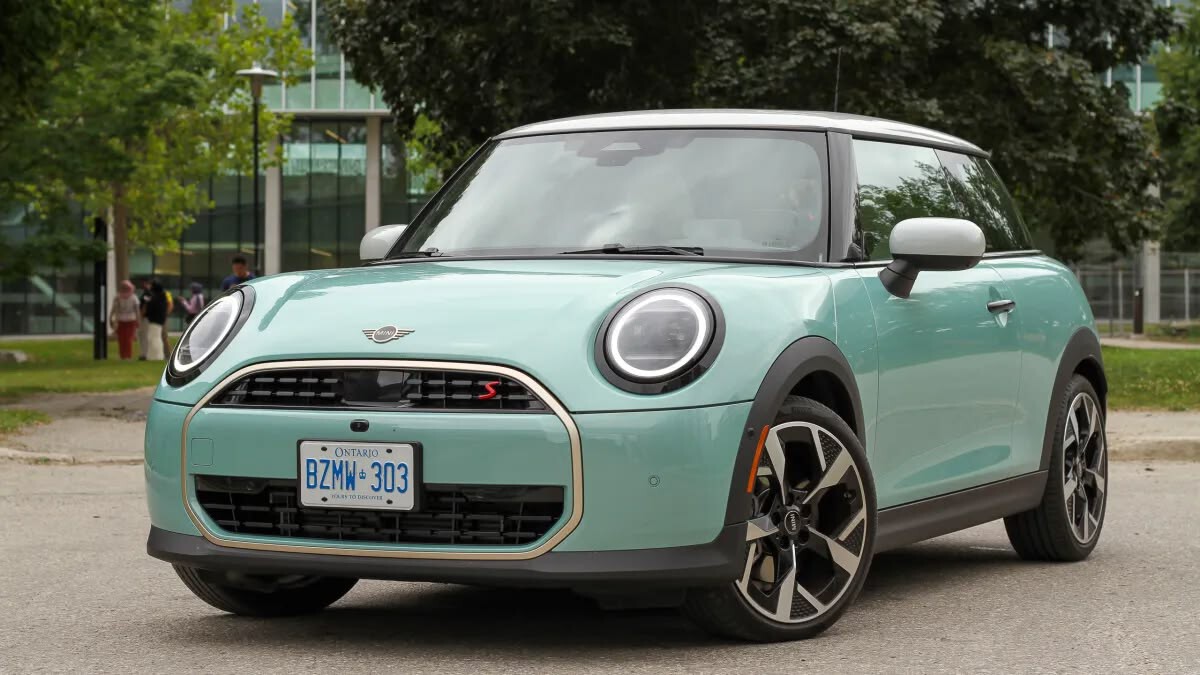
5. Mini Cooper S
The Mini Cooper S is known for its lively personality, compact size, and enjoyable handling characteristics. On the used market, it is often available at relatively affordable prices, which makes it appealing to younger drivers and enthusiasts looking for a fun project car. Its turbocharged engine and kart-like driving feel give it strong potential for modification.
However, the compact design that makes the Mini so charming also creates challenges during upgrades. The engine bay is tightly packed, leaving limited working space for mechanics. Even straightforward installations can require additional time because components are difficult to access. This naturally increases labor costs during modification projects.
Performance upgrades often require a chain of supporting changes rather than a single improvement. Increasing engine output typically means improving airflow, upgrading intercooling efficiency, and refining exhaust flow. Without these supporting modifications, gains may be limited or inconsistent. Each added component contributes to a growing budget.
Suspension tuning is an area where costs can rise. While many aftermarket options exist, choosing low-quality parts can negatively affect both comfort and handling precision. Enthusiasts usually prefer well-engineered suspension kits that preserve the car’s playful driving nature while improving stability. These higher-grade components tend to be more expensive.
Wheel fitment is also more complex than it appears. Because of the Mini’s compact proportions, achieving the right balance between aesthetics and drivability requires careful selection of tire size, offset, and suspension setup.
Trial and adjustment often lead to additional expenses. Interior customization, while popular, can also be costly due to the vehicle’s unique design language that does not always accept universal parts easily.
- Engine: 3.2L V6 petrol
- Horsepower: 215 hp
- Torque: 310 Nm
- Length: 4057 mm
- Width: 1766 mm
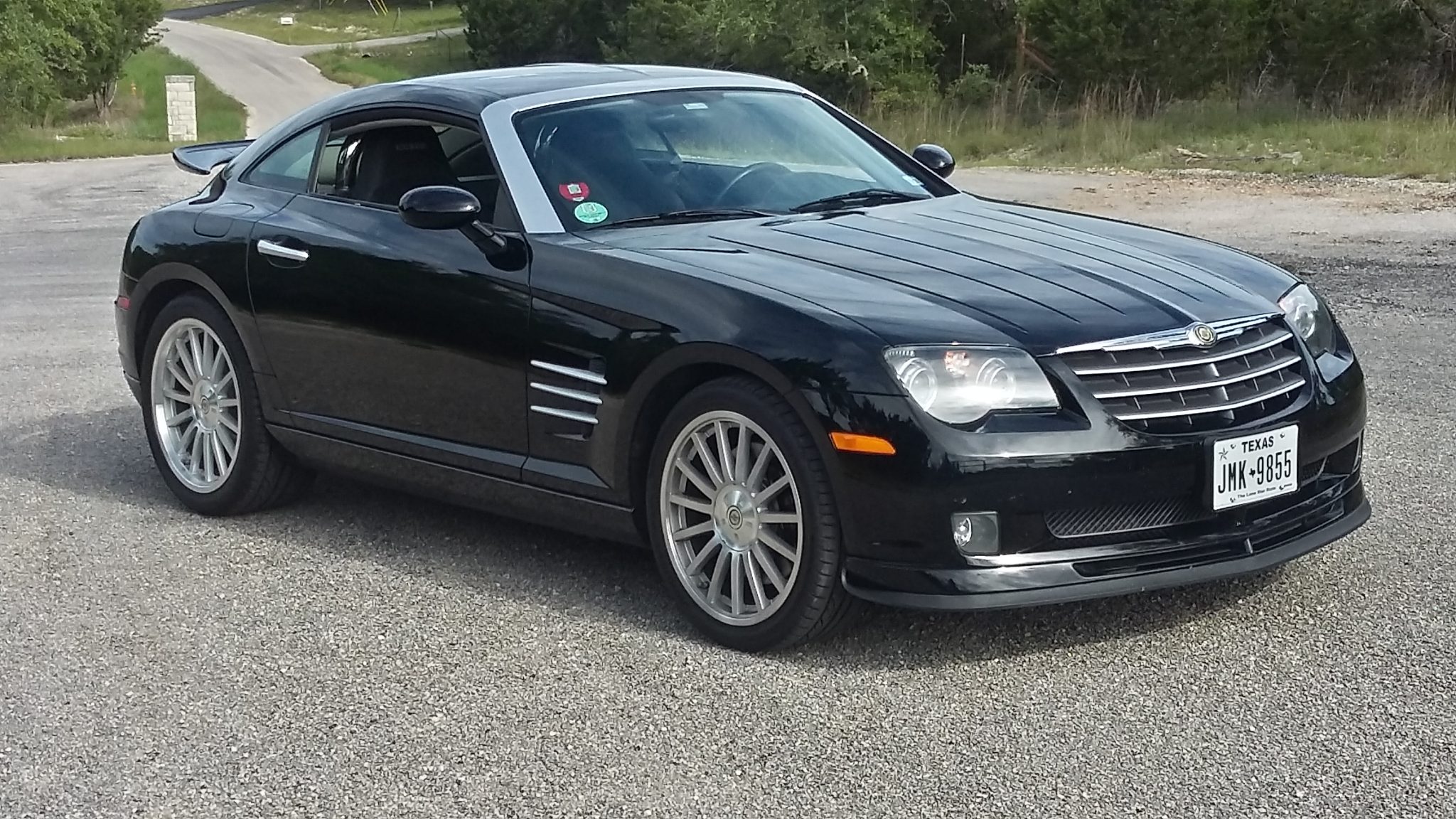
6. Chrysler Crossfire
The Chrysler Crossfire is one of those cars that often surprises buyers in the used market because its price drops much faster than expected. At first glance, it looks like a distinctive sports coupe with sharp styling and a unique road presence. Many people are drawn to it because it feels uncommon without being completely out of reach financially.
It also carries a certain novelty factor, since it was developed during Chrysler’s collaboration with Mercedes-Benz, which gives it a mix of American design and German engineering underneath.
Despite its appealing entry price, modifying the Crossfire is not as simple or affordable as many assume. A large portion of its mechanical foundation is shared with older Mercedes platforms, which means replacement components and performance upgrades often follow premium pricing structures.
Even basic mechanical improvements can feel more expensive than expected because parts are not aligned with typical mass market vehicles.
Because the model was never produced in large numbers and did not achieve strong global popularity, the aftermarket industry around it remains limited.
This results in fewer off-the-shelf performance upgrades, styling kits, or specialized tuning options. When parts are available, they are often produced in smaller batches, which naturally drives up pricing.
Customization projects that involve body styling or aerodynamic changes can also become costly. Panels and exterior components are not as widely reproduced as those for mainstream sports coupes, so owners sometimes need to rely on rare inventory or custom fabrication. This increases both waiting time and budget requirements.
Even suspension and handling upgrades require careful planning. Since there are fewer widely tested aftermarket solutions, enthusiasts often choose higher-end components to ensure proper fitment and reliability. Combined with professional installation, the total cost of modifying a Crossfire can quickly exceed what its low purchase price initially suggests.
- Engine: 2.5L V6 petrol
- Horsepower: 194 hp
- Torque: 245 Nm
- Length: 4672 mm
- Width: 1789 mm
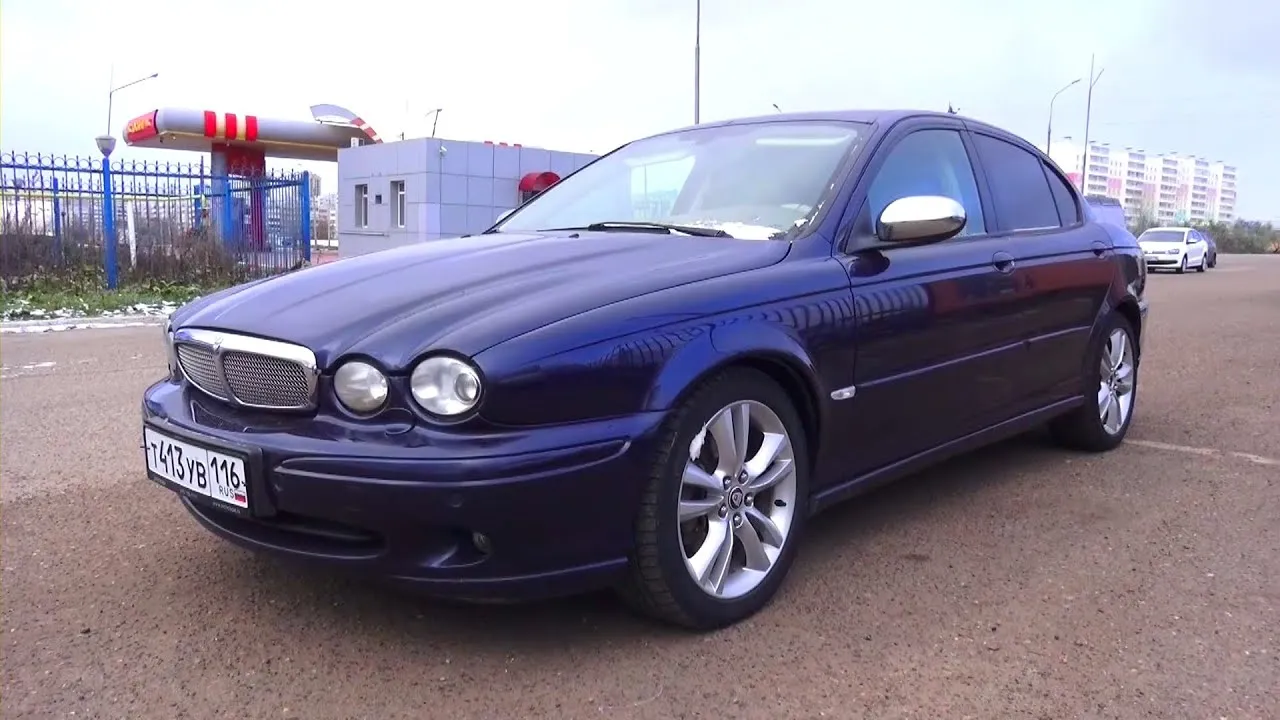
7. Jaguar X Type
The Jaguar X-Type is often seen as an affordable way to experience luxury motoring, especially for buyers who appreciate classic British styling combined with All Wheel Drive capability in certain versions. On the used market, it tends to be priced lower than many competitors, making it an attractive option for those seeking comfort and brand prestige without a high upfront investment.
However, once modification plans begin, the financial reality becomes clearer. The aftermarket ecosystem for this model is relatively small compared to German rivals in the same category.
This limited support means fewer readily available performance parts, styling upgrades, or tuning solutions. As a result, owners frequently encounter higher costs when trying to customize or enhance the vehicle.
Engine tuning options are also restricted. While the platform is capable of basic improvements, extracting significant performance gains often requires specialized solutions or custom work. This can involve bespoke tuning services, custom exhaust fabrication, or tailored intake systems, all of which increase expenditure.
The challenge lies in sourcing replacement components. As the model ages and production support declines, certain parts become harder to find or more expensive to import. Even routine maintenance items can carry higher price tags than expected for a car in this segment.
Interior and exterior customization tends to follow a similar pattern. Jaguar’s design language relies heavily on premium materials, which means matching or upgrading finishes often requires higher-grade products to maintain consistency. Lower quality modifications tend to stand out visually, so owners usually opt for more expensive solutions to preserve the car’s character.
Because of these combined factors, modifying an X Type can turn into a project that demands more patience and financial planning than its initial affordability suggests.
- Engine: 2.3L turbocharged inline 4
- Horsepower: 220 hp
- Torque: 350 Nm
- Length: 4820 mm
- Width: 1792 mm
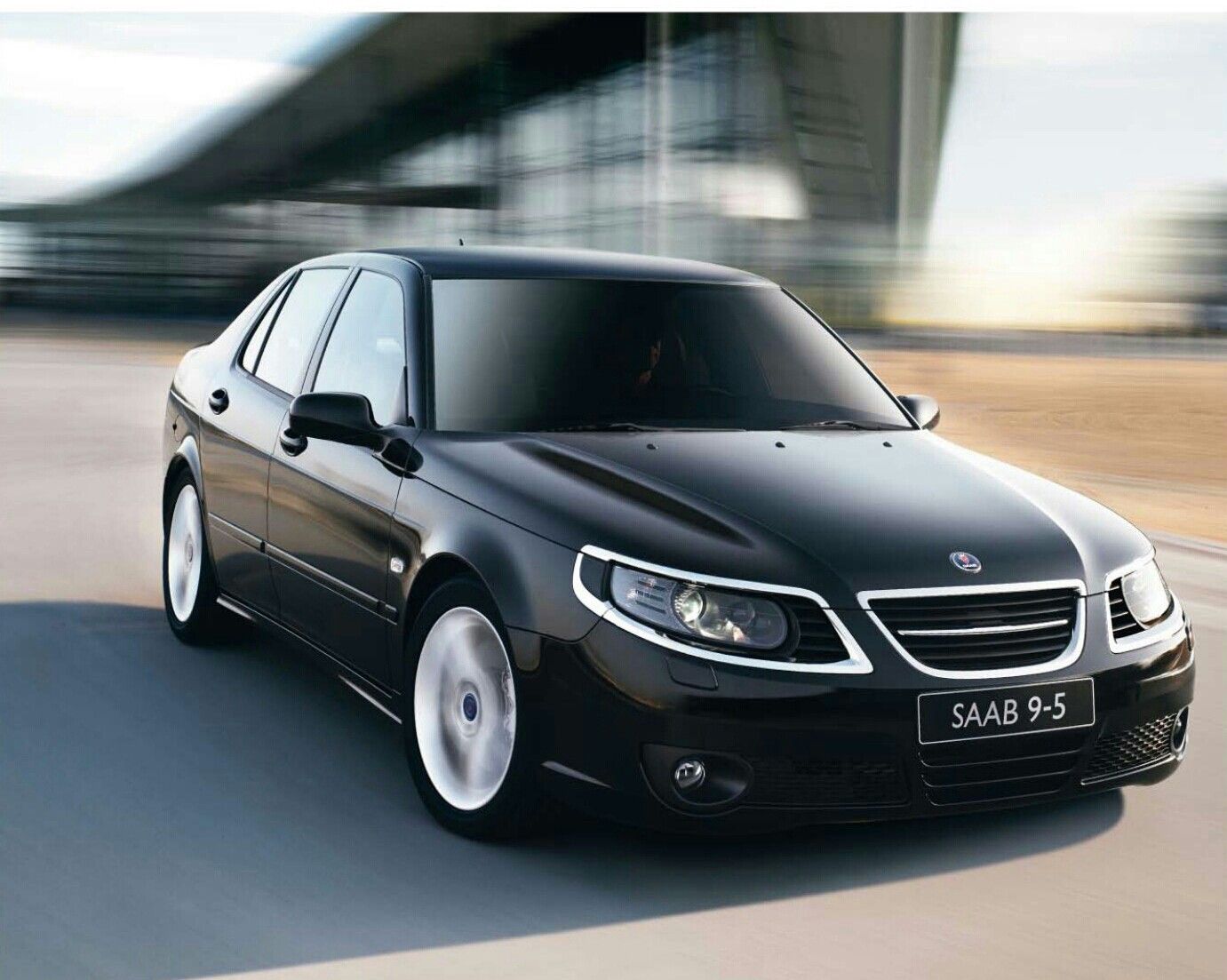
8. Saab 9 5
The Saab 9 5 holds a special place among enthusiasts who appreciate unique Scandinavian engineering and understated design. Even though Saab is no longer an active manufacturer, the 9 5 continues to be available at relatively low prices, especially in markets where older executive sedans have depreciated heavily.
Its turbocharged engines and comfortable long-distance driving characteristics make it appealing as a base platform for customization.
However, ownership becomes more complex when modification enters the picture. One of the biggest challenges is the gradual decline in parts availability. Since production has ended, original components are becoming harder to source, and this scarcity often leads to higher pricing for both new old stock and used parts.
While there is still a dedicated enthusiast community, aftermarket support is not as extensive as that of more mainstream European brands. This means fewer off-the-shelf performance upgrades and limited variety when it comes to suspension kits, engine enhancements, or styling accessories. Owners often need to rely on niche suppliers or custom solutions.
Electronic systems in the Saab 9 5 also require careful handling during upgrades. Tuning or modifying engine performance may involve specialized software tools that are not as widely available as those used for other turbocharged vehicles. This can lead to additional expenses for professional tuning services or proprietary equipment.
Labor costs can also increase depending on location. As fewer technicians specialize in Saab vehicles, finding experienced mechanics becomes more difficult. This scarcity of expertise can lead to higher service charges, especially for complex installations or diagnostic work.
Despite these challenges, the Saab 9 5 remains appealing for those who value individuality. However, anyone planning extensive modifications should be prepared for a gradual rise in both effort and cost as the project progresses.
- Engine: 3.2L V6 petrol
- Horsepower: 250 hp
- Torque: 310 Nm
- Length: 4782 mm
- Width: 1928 mm
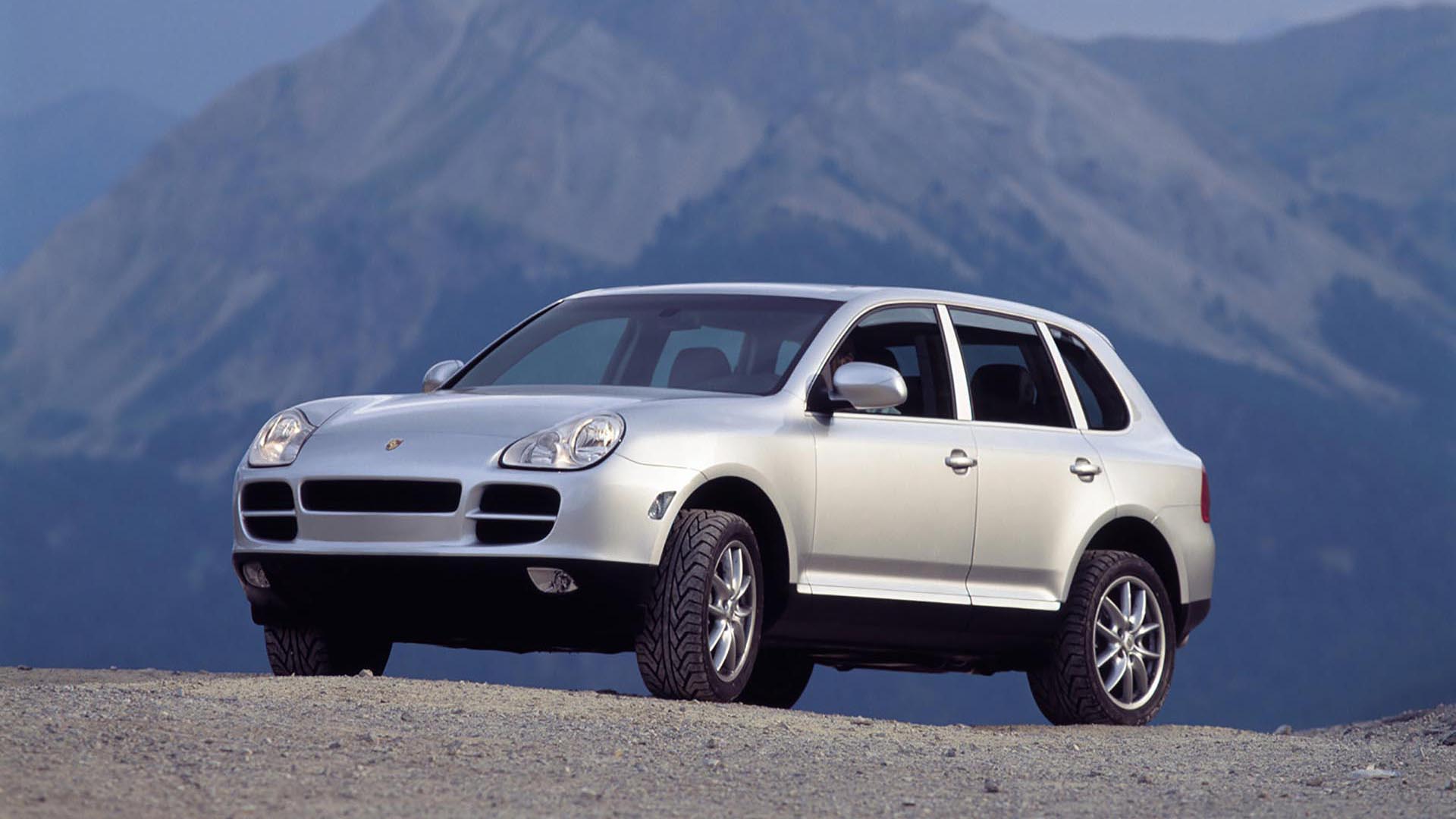
9. Porsche Cayenne First Generation
The first-generation Porsche Cayenne is one of the most interesting examples of luxury SUV depreciation. Once considered a high-end performance vehicle, it can now often be purchased at prices comparable to much more ordinary SUVs. This dramatic drop makes it an appealing entry point for those who want to own a Porsche badge without the original purchase expense.
However, modifying this SUV is far from inexpensive. Porsche engineering standards remain high regardless of the vehicle’s age, which means replacement parts and performance upgrades continue to carry premium pricing. Even components that are considered basic in other vehicles, such as brake systems or suspension arms, can be significantly more expensive here.
Performance enhancements require careful planning because the Cayenne is a heavy and powerful vehicle. Increasing output often means reinforcing multiple supporting systems, including cooling, transmission durability, and braking performance. Without these upgrades, reliability can be compromised, which adds to the modification budget.
Suspension modifications are a major expense area. Air suspension systems found in some versions are complex and costly to repair or alter. Even replacing worn components can become a significant investment before any performance tuning begins.
Interior upgrades and customization also tend to be expensive due to the premium materials used throughout the cabin. Owners who want to maintain a factory-level finish usually opt for high-quality replacements or bespoke solutions, which further increases cost.
The Cayenne may appear affordable at first glance, but transforming it into a heavily modified build often requires a budget that aligns more closely with its original luxury positioning rather than its current market price.
