
Ford has been one of the most influential automobile manufacturers in the global automotive industry for more than a century. Known for its innovation, mass production breakthroughs, and a wide range of vehicles, Ford has built a reputation that spans from rugged trucks to performance-focused sports cars and practical family SUVs.
However, like any long-established automaker, Ford’s lineup has seen both standout successes and models that have disappointed owners due to reliability concerns, transmission issues, or long-term maintenance costs. This creates a challenge for buyers who want the benefits of Ford ownership but also want to avoid costly mistakes.
In today’s used car market, Ford vehicles remain extremely popular due to affordability, easy availability of spare parts, and strong community support. Models like the Ford F-150 and Ford Mustang have earned loyal followings, while compact cars and some older transmissions have raised criticism.
This contrast makes it important for buyers to understand which Ford models deliver long-term value and which ones may become financial burdens over time. A smart buying decision is not just about the badge on the hood but about understanding engineering quality, reliability history, and ownership experience.
This guide focuses on separating the Ford models that are widely considered worth buying from those that are better avoided based on common reliability patterns, owner feedback, and long-term performance trends.
The goal is to help buyers make informed choices, whether they are purchasing a first car, upgrading to an SUV, or searching for a dependable pickup truck. Each model discussed reflects real-world ownership experience rather than marketing claims.
One important factor in Ford ownership is how different generations of the same model can vary significantly. A Ford Focus from one production era may be relatively dependable, while a generation may suffer from known transmission defects.
Similarly, Ford SUVs and trucks have improved dramatically over the years with advancements in safety technology, fuel efficiency, and build quality. This means that careful selection matters just as much as brand loyalty.
Understanding which Ford models offer long-term reliability and which ones carry recurring issues can save buyers from unexpected repair costs and frustration. With that in mind, let us explore the Ford models that stand out as strong purchases in the used and new markets.
Also Read: 10 Electric Vehicles That Spend the Least Time at Charging Stations
5 Ford Models Worth Buying
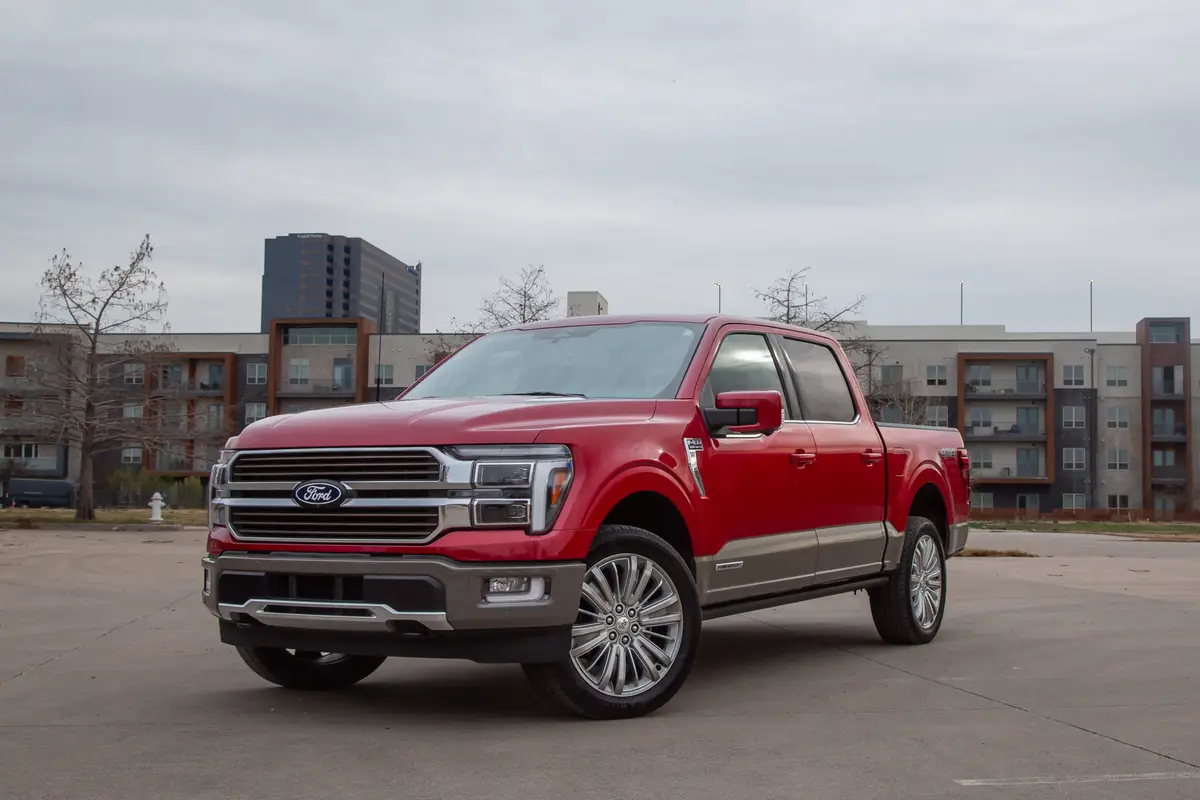
- Engine: 2.7L EcoBoost V6 / 5.0L V8 (varies by trim)
- Horsepower: 325 hp to 400 hp
- Torque: 400 Nm to 678 Nm (approx.)
- Length: 5,316 mm to 6,363 mm (depending on bed/cab)
- Width: 2,029 mm (without mirrors)
1. Ford F-150: The Benchmark Full-Size Pickup
The Ford F-150 has long been considered the backbone of Ford’s success and one of the most trusted pickup trucks in the world. It consistently ranks among the best-selling vehicles in North America due to its strong performance, versatility, and wide range of configurations.
Buyers can choose from multiple engine options, including efficient EcoBoost variants and powerful V8 engines, making it suitable for both work and personal use.
One of the key strengths of the F-150 is its ability to balance capability with comfort. Modern versions offer refined interiors, advanced infotainment systems, and driver assistance features that make long drives more comfortable. Older models are also valued for their durability, especially when properly maintained, which is why they remain popular in the used truck market.
From a reliability standpoint, the F-150 generally performs well compared to many competitors in its segment. While some engine and transmission combinations have had isolated issues, the platform is known for longevity when serviced regularly. This makes it a strong choice for buyers seeking a dependable truck with long-term resale value.
Parts availability is excellent, and repairs are widely understood by mechanics, reducing ownership complexity. This accessibility contributes to lower long-term maintenance stress compared to less common trucks.
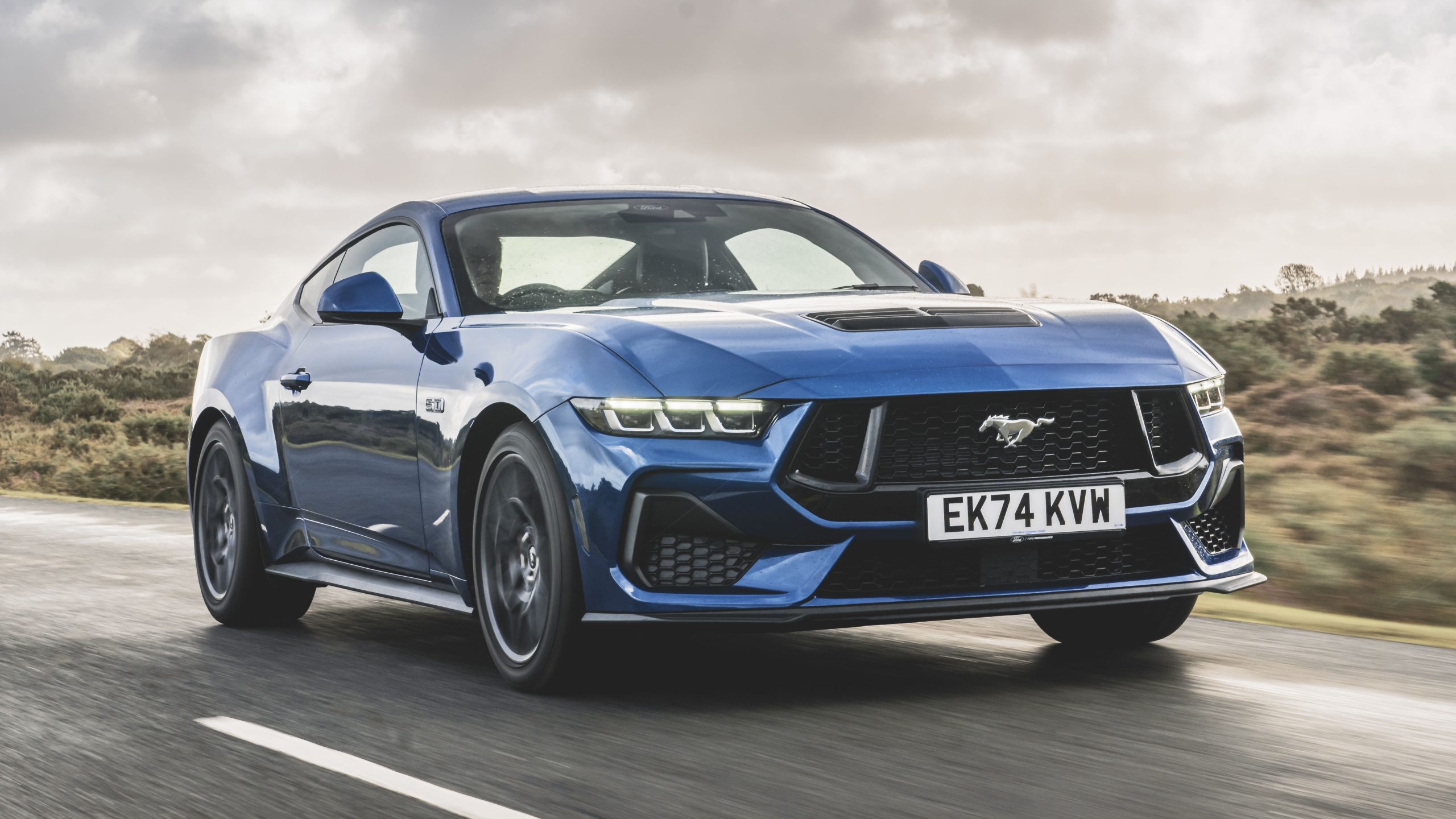
- Engine: 2.3L EcoBoost I4 / 5.0L V8
- Horsepower: 315 hp to 500+ hp (performance trims)
- Torque: 475 Nm to 567 Nm
- Length: ~4,784 mm
- Width: ~1,916 mm
2. Ford Mustang: Iconic Performance with Everyday Usability
The Ford Mustang stands as one of the most recognizable performance cars in automotive history. It blends muscle car heritage with modern engineering, offering a driving experience that appeals to enthusiasts and casual drivers alike. Available with turbocharged four-cylinder engines and powerful V8 options, the Mustang delivers a wide performance spectrum.
One reason the Mustang is considered worth buying is its strong improvement in build quality over recent generations. Interior design, handling precision, and safety features have evolved significantly, making it more refined than older versions while retaining its aggressive character.
Reliability varies depending on the engine choice, but the Mustang generally performs well when maintained properly. The V8 models, in particular, are known for their durability when not heavily modified. Routine maintenance is key, as with any performance-oriented vehicle.
Owners benefit from widespread tuning options, affordable replacement parts, and extensive knowledge sharing. This makes ownership more engaging and often more cost-effective over time.
The Mustang also retains strong resale value compared to many sports cars. Its iconic status ensures consistent demand, making it a smart choice for buyers who want both enjoyment and long-term value retention.
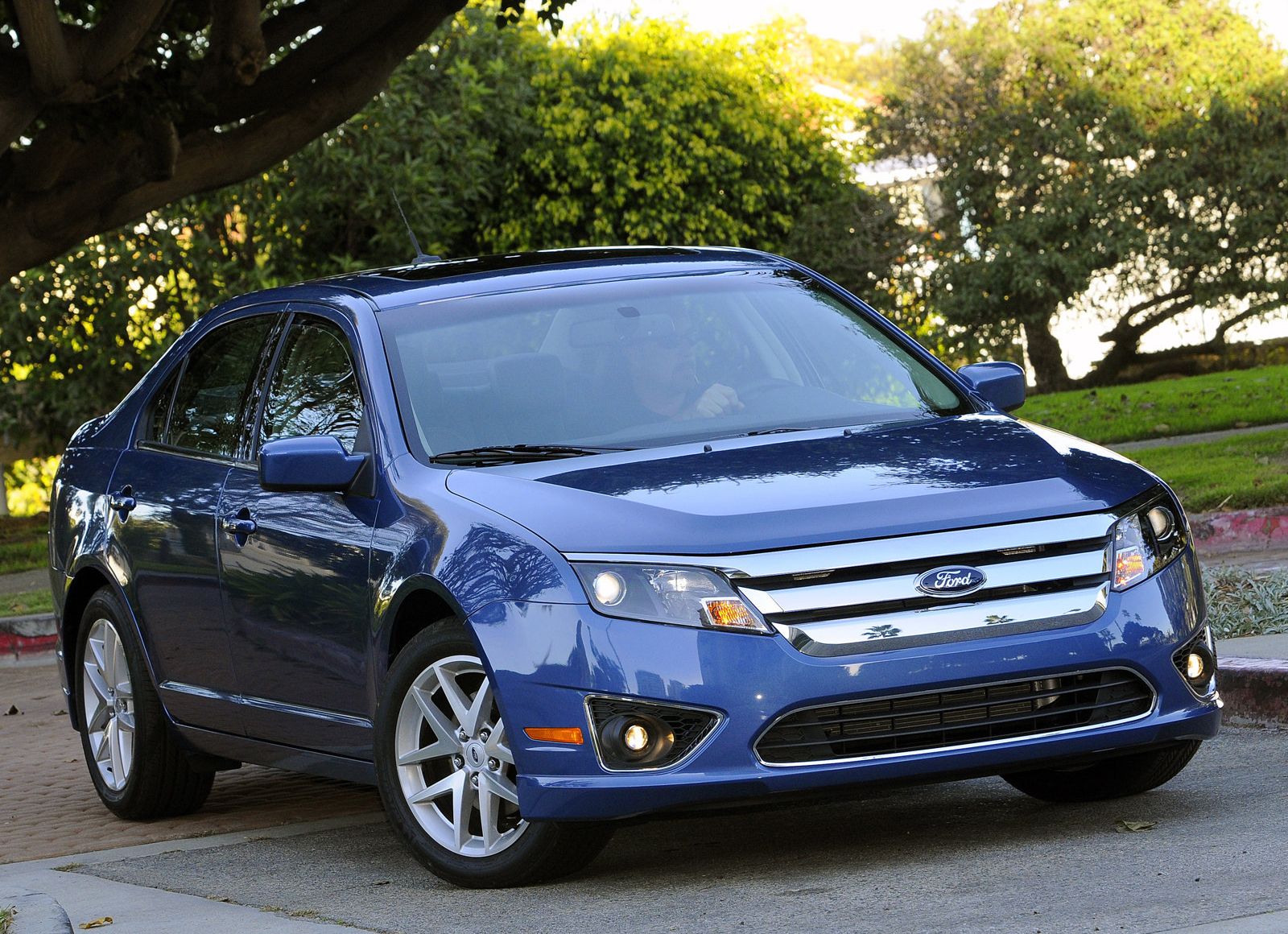
- Engine: 2.5L I4 / 1.5L–2.0L EcoBoost / Hybrid 2.0L
- Horsepower: 175 hp to 188 hp (gasoline base)
- Torque: 237 Nm to 300 Nm
- Length: ~4,872 mm
- Width: ~1,852 mm
3. Ford Fusion: Balanced Sedan for Practical Drivers
The Ford Fusion is often praised as one of Ford’s most well-rounded midsize sedans. It offers a comfortable ride, efficient fuel economy, and a solid reputation for safety, especially in later model years. Although production has ended, it remains popular in the used car market due to its affordability and practicality.
One of the strongest aspects of the Fusion is its driving comfort. It delivers a smooth suspension setup that handles both city roads and highways with ease. The cabin is spacious enough for families, and trunk space is competitive within its segment.
Reliability is generally good for many Fusion model years, particularly those with naturally aspirated engines. However, buyers should still research specific model years, as some variants experienced transmission concerns. Proper maintenance and careful selection significantly improve the ownership experience.
Fuel efficiency is a key strength, especially in hybrid versions. The Fusion Hybrid offers excellent mileage without sacrificing everyday usability, making it a strong choice for commuters and long-distance drivers.
The Ford Fusion is a practical, budget-friendly sedan that delivers comfort, efficiency, and reasonable reliability, making it a smart pick for value-focused buyers.
- Engine: 1.5L EcoBoost I3 / 2.0L EcoBoost I4 / Hybrid 2.5L
- Horsepower: 180 hp to 250 hp
- Torque: 240 Nm to 380 Nm
- Length: ~4,575 mm
- Width: ~1,882 mm
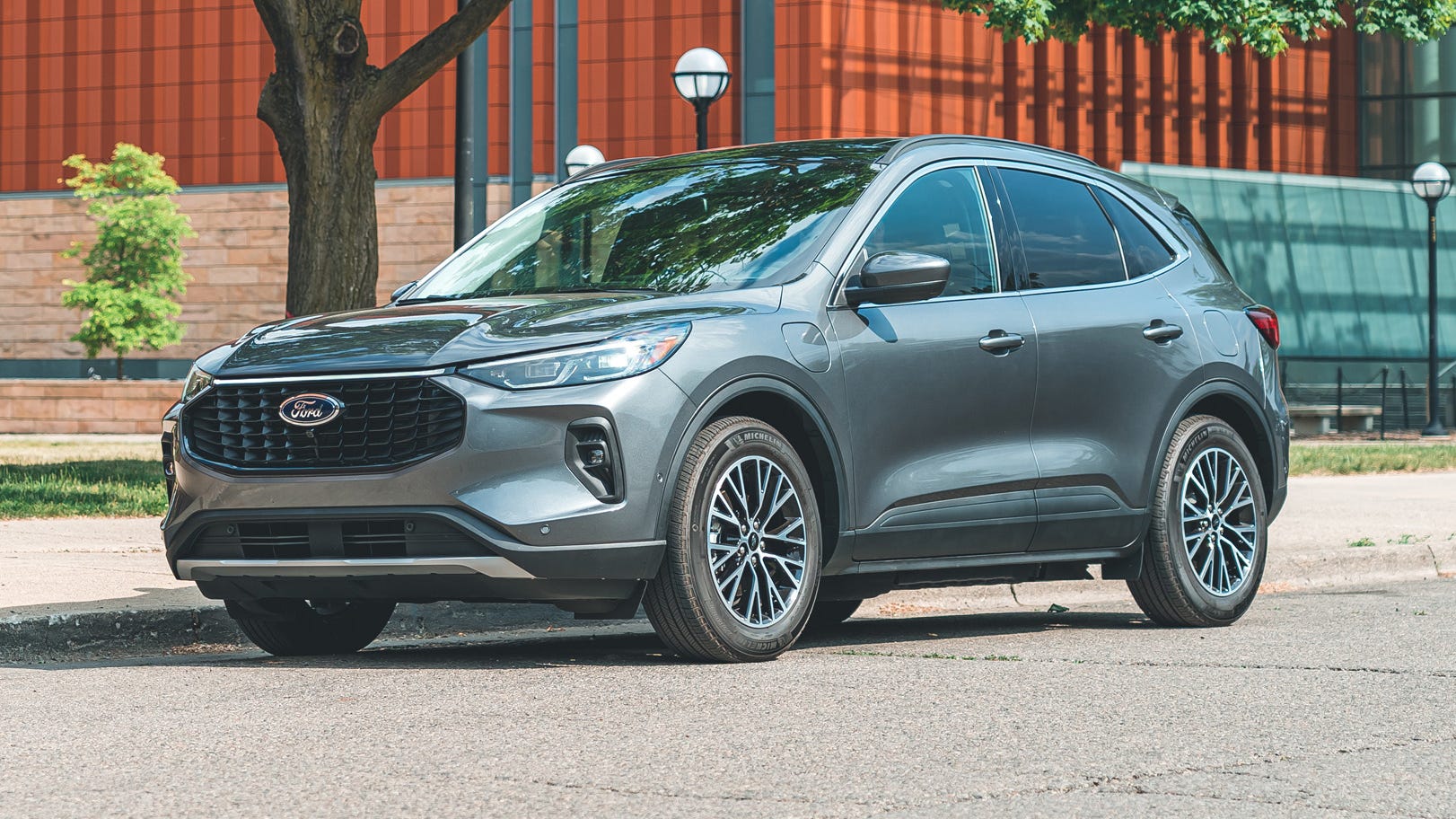
4. Ford Escape: Compact SUV with Strong Everyday Utility
The Ford Escape is one of Ford’s most popular compact SUVs, offering a balance between size, efficiency, and versatility. It is designed for drivers who want SUV practicality without the bulk of a full-size model.
One of the Escape’s biggest strengths is its comfortable driving experience. It handles well in urban environments and offers a higher seating position that improves visibility. Modern versions include advanced safety and infotainment features that enhance everyday usability.
In terms of reliability, newer Escape models tend to perform better than older generations, especially those that addressed earlier engine and transmission concerns. Buyers should be selective about model years, but well-maintained versions can be dependable long-term vehicles.
Cargo space and seating flexibility make the Escape suitable for small families, students, and professionals. Folding rear seats allow for expanded storage, making it practical for travel and daily errands.
With good fuel efficiency, modern safety features, and strong practicality, the Ford Escape remains a solid choice in the compact SUV category.
- Engine: 2.3L EcoBoost I4 / 3.0L V6 (twin turbo)
- Horsepower: 300 hp to 400 hp
- Torque: 420 Nm to 563 Nm
- Length: ~5,050 mm
- Width: ~2,004 mm
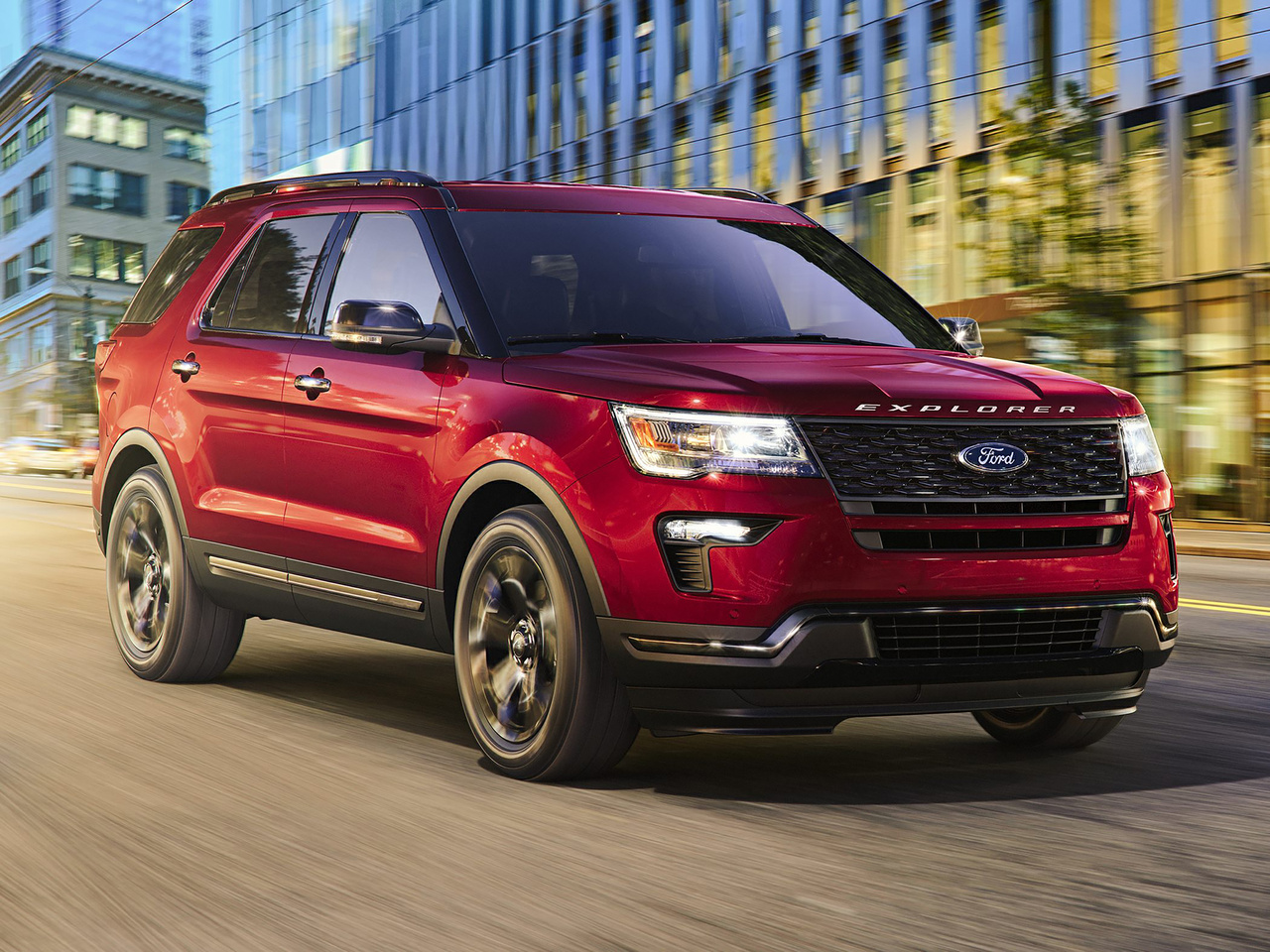
5. Ford Explorer (Newer Generations): Family SUV with Improved Engineering
The Ford Explorer has evolved significantly over time, moving from a rugged SUV to a more refined family-oriented vehicle. Newer generations are far more advanced in terms of safety, comfort, and driving dynamics.
A key improvement in recent Explorer models is platform redesign, which has enhanced handling stability and ride comfort. The interior is also more premium, with modern technology features and improved passenger space.
Reliability has improved in newer models compared to older versions that faced transmission and suspension issues. While not perfect, the current generation is much more refined and better suited for long-term ownership.
The Explorer also excels in practicality, offering three-row seating that makes it suitable for larger families. This flexibility is one of its strongest selling points in the SUV market.
The Ford Explorer represents a strong modern SUV option when choosing newer, well-maintained versions, offering space, comfort, and improved engineering.
Also Read: 10 Reasons Cars Got Smaller Over the Last 60 Years
5 Ford Models to Avoid
- Engine: 1.0L EcoBoost I3 / 2.0L I4 (varies by market)
- Horsepower: 125 hp to 160 hp
- Torque: 170 Nm to 270 Nm
- Length: ~4,360 mm
- Width: ~1,823 mm
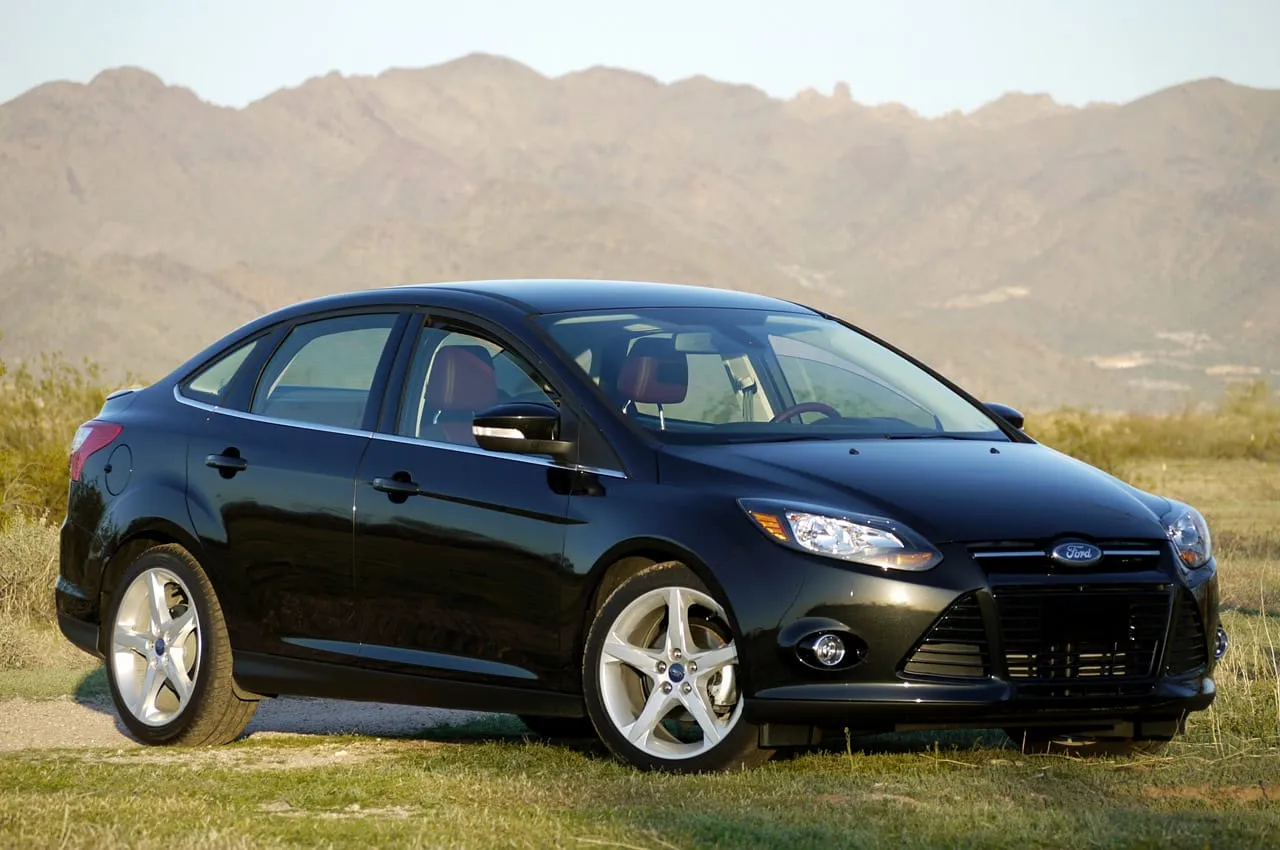
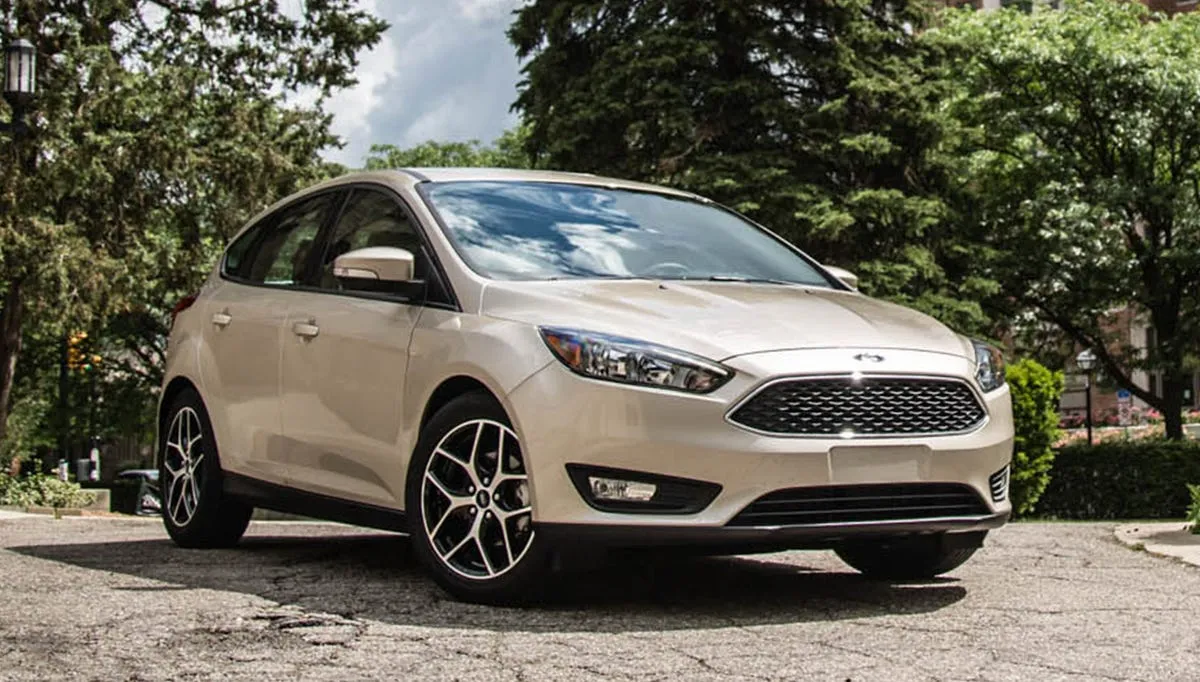
1. Ford Focus (Dual Clutch Automatic Models): Transmission Trouble That Hurts Ownership
The Ford Focus is a nameplate that has seen both praise and criticism over the years, but certain versions, especially those equipped with the PowerShift dual clutch automatic transmission, have developed a strong reputation for reliability issues.
While the Focus itself is a well-designed compact car with good handling and fuel efficiency, the transmission problems overshadow its strengths in many markets.
A major concern reported by owners is jerky shifting, hesitation during acceleration, and premature clutch wear. These issues often appear at relatively low mileage compared to competitors in the same segment. Even after repairs or software updates, some drivers continue to experience inconsistent performance, which affects daily usability.
Another drawback is the cost and frequency of repairs related to the transmission system. While the engine itself is generally reliable, the drivetrain problems can lead to repeated workshop visits and frustration. This makes long-term ownership less predictable and potentially expensive.
Interior comfort and design are acceptable for its class, but they do not compensate for the mechanical concerns. In a segment where competitors offer smoother automatic transmissions, the Focus struggles to stand out positively in affected model years.
For buyers considering a used compact car, it is important to be extremely cautious with Ford Focus models equipped with the dual clutch automatic system, as they represent one of the most widely criticized Ford configurations in recent decades.
- Engine: 1.0L EcoBoost I3 / 1.5L I4 (older trims)
- Horsepower: 85 hp to 120 hp
- Torque: 110 Nm to 200 Nm
- Length: ~4,040 mm
- Width: ~1,735 mm
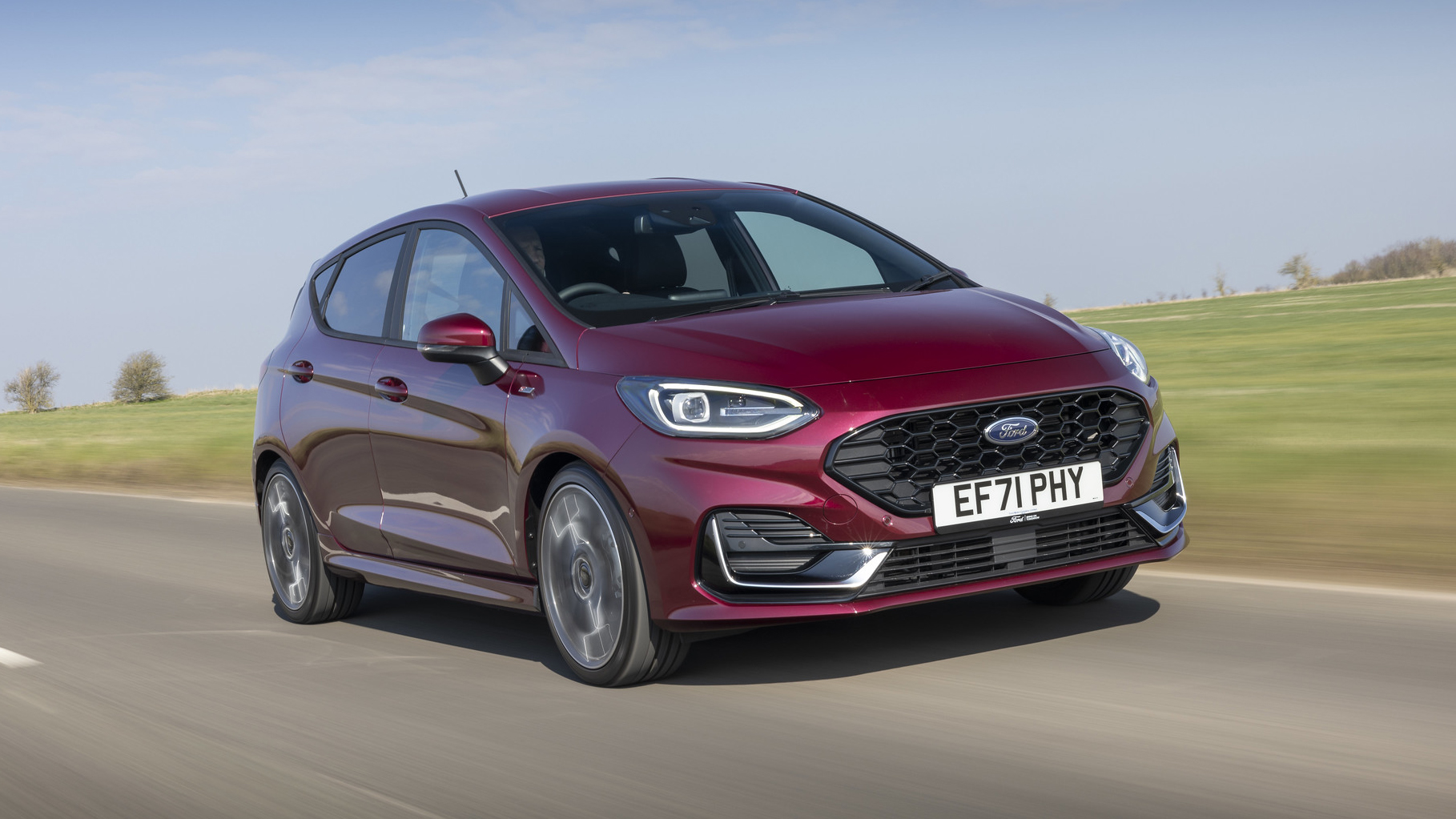
2. Ford Fiesta (Automatic Variants): Small Car with Big Transmission Concerns
The Ford Fiesta is a popular subcompact car known for its nimble handling, compact size, and strong fuel efficiency. However, similar to the Focus, certain automatic versions have faced significant criticism due to transmission-related problems.
Manual transmission versions of the Fiesta are generally more reliable and enjoyable to drive. The issue primarily lies with the automatic gearbox, which has been associated with rough shifting, delayed engagement, and long-term durability concerns. These problems can lead to costly repairs and reduced driving confidence.
While the Fiesta offers a fun driving experience in city environments, its practicality is limited by its small interior space and modest cargo capacity. It is best suited for individuals rather than families, but even in that role, transmission concerns make some versions risky choices.
Another factor is ride comfort, which can feel stiff on rough roads. Combined with mechanical uncertainty in automatic models, this reduces its appeal compared to more reliable competitors in the same category.
As a result, while the Fiesta has strong points, buyers should carefully avoid problematic automatic variants and thoroughly check service history before considering purchase.
- Engine: 1.5L Ti-VCT I4 / 1.0L EcoBoost I3
- Horsepower: 123 hp to 125 hp
- Torque: 150 Nm to 170 Nm
- Length: ~4,325 mm
- Width: ~1,765 mm
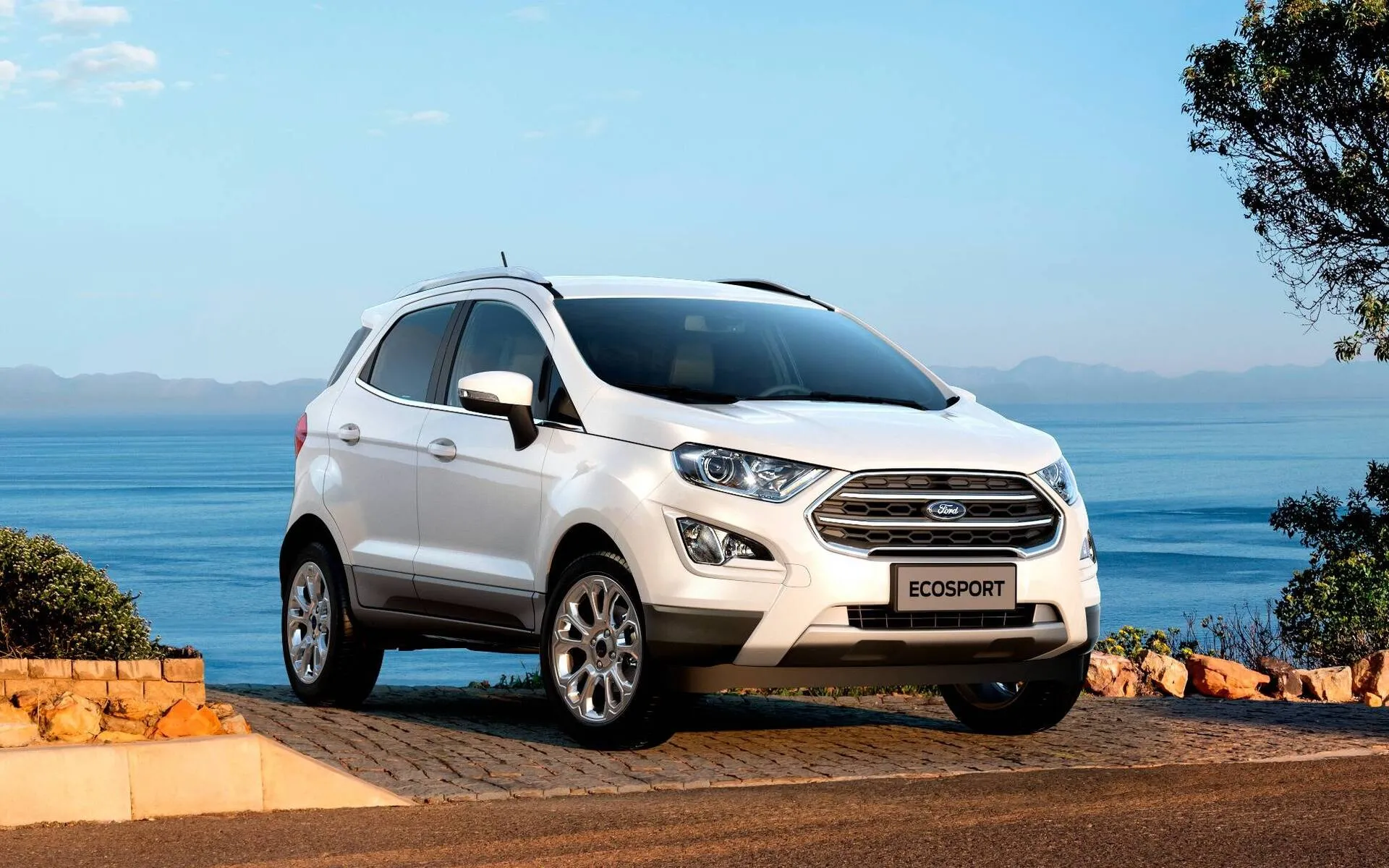
3. Ford EcoSport: Disappointing Refinement in the Compact SUV Segment
The Ford EcoSport entered the market as a small urban SUV designed for tight city driving and budget-friendly buyers. While it gained popularity in some regions, it has also received criticism for its refinement and performance limitations.
One of the main drawbacks is its engine performance, which many drivers describe as underpowered, especially when the vehicle is fully loaded or driven on highways. Acceleration can feel sluggish, reducing confidence during overtaking or long distance travel.
The ride quality is a weak point. The suspension setup can feel harsh on uneven roads, which affects comfort for passengers. Noise insulation is also not as strong as competitors, leading to a less premium driving experience.
Interior design and space utilization are functional but not particularly impressive. Rear seat comfort is limited, and cargo space is smaller compared to other compact SUVs in its class.
While the EcoSport is easy to maneuver in city traffic, its packaging feels outdated compared to newer rivals. The buyers seeking long-term value and comfort often fall short of expectations.
- Engine: 3.5L V6 / 3.7L V6
- Horsepower: 288 hp to 365 hp (SHO variant)
- Torque: 345 Nm to 475 Nm
- Length: ~5,154 mm
- Width: ~1,936 mm
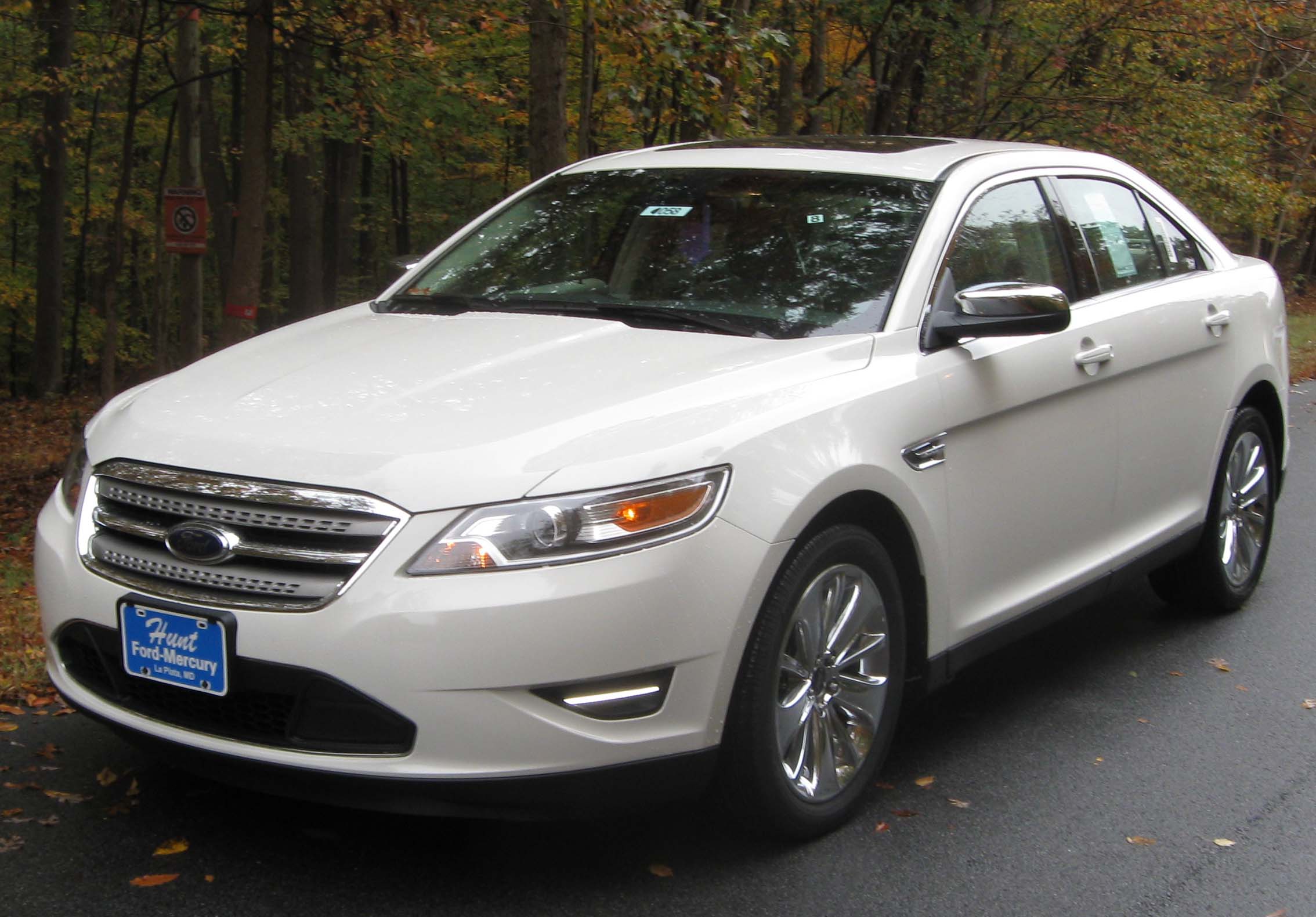
4. Ford Taurus (Older Models): Heavy Sedan with Aging Engineering
The Ford Taurus was once a flagship sedan in Ford’s lineup, especially popular in North America. However, older generations now struggle to compete with modern midsize sedans due to outdated engineering and declining efficiency standards.
One of the biggest concerns is fuel economy, which is significantly lower than that of newer sedans. This makes daily commuting more expensive, especially in regions with high fuel prices.
The Taurus is heavier than many competitors, which results in less agile performance and reduced driving enjoyment. While it offers a comfortable ride, it lacks the refinement found in more modern vehicles.
Reliability varies depending on maintenance history, but aging components often lead to higher repair costs over time. Parts may still be available, but frequent wear and tear can make ownership less economical.
Interior design, while spacious, feels dated by today’s standards. Infotainment systems and safety features in older models are also limited compared to current expectations.
For buyers in the used car market, the Taurus is generally not the most efficient or cost-effective option unless purchased at a very low price with excellent maintenance records.
- Engine: 2.0L EcoBoost I4 / 3.5L V6 (older trims)
- Horsepower: 245 hp to 335 hp
- Torque: 370 Nm to 515 Nm
- Length: ~4,778 mm
- Width: ~1,928 mm
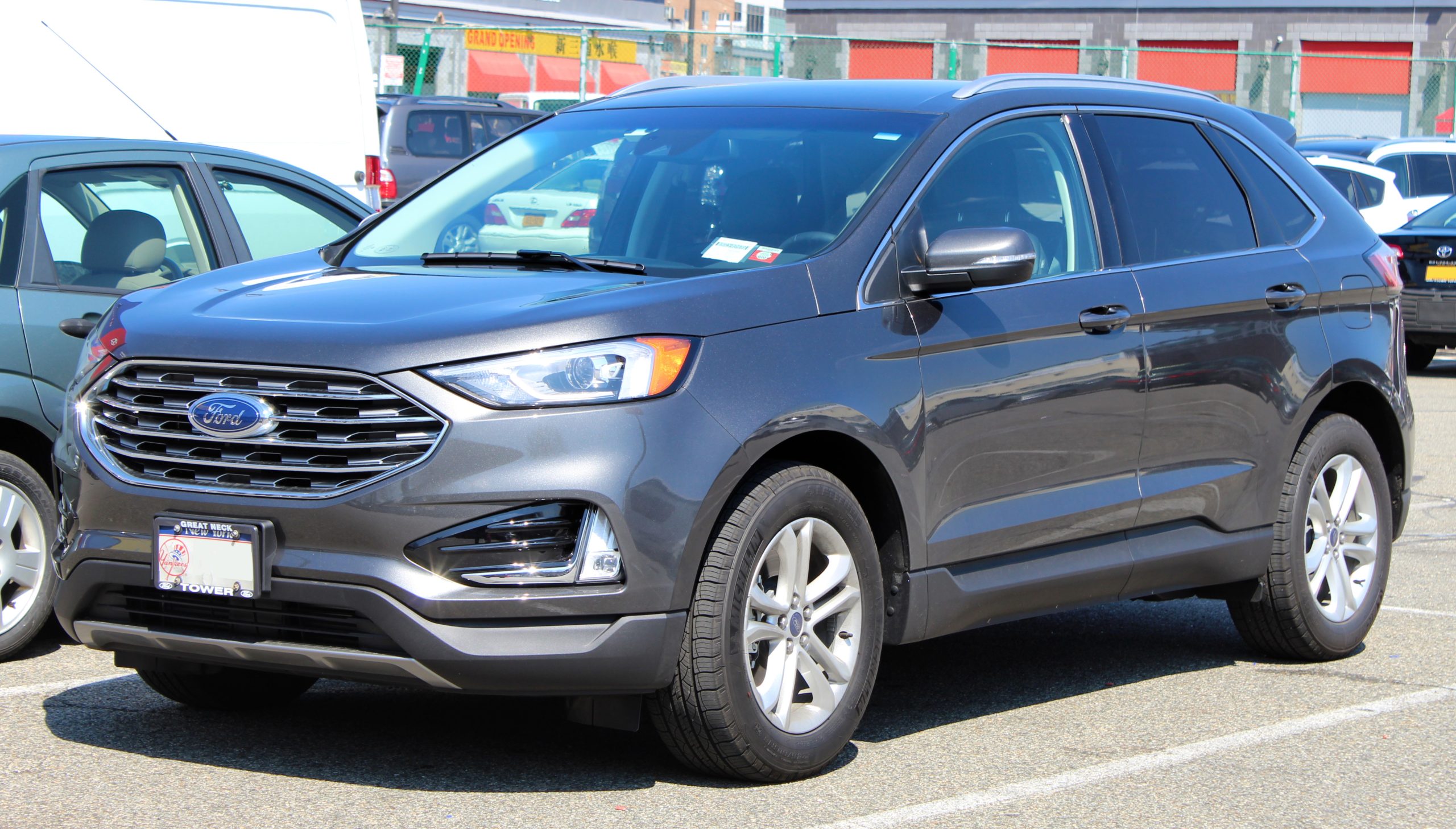
5. Ford Edge (Certain Older Generations): Mixed Reliability and Costly Repairs
The Ford Edge is a midsize crossover SUV that offers comfort and strong road presence, but certain older model years have faced criticism for reliability concerns and maintenance costs.
One of the primary issues reported in some versions is transmission hesitation and long-term drivetrain wear. These problems may not appear immediately but can become costly as mileage increases.
A concern is suspension wear, which can lead to expensive repairs if the vehicle is not maintained properly. While the Edge delivers a smooth ride when in good condition, aging components can affect driving quality.
Fuel efficiency is average at best, especially in older models with larger engines. This makes it less attractive compared to newer, more efficient SUVs in the same category.
On the positive side, the Edge does offer a comfortable interior and good highway stability. However, when compared to newer competitors, its value proposition weakens significantly in older generations.
For buyers considering a used Ford Edge, careful inspection of service history and mechanical condition is essential, as maintenance costs can quickly outweigh initial savings.
