
Choosing a first car for a teenage driver is one of the most important safety decisions a family can make. Teen drivers are statistically among the highest-risk groups on the road due to inexperience, overconfidence, and slower hazard recognition.
According to long-standing findings from the Insurance Institute for Highway Safety (IIHS), teen drivers are significantly more likely to be involved in fatal crashes compared to older drivers, especially during their first year of independent driving.
Because of this, selecting a safe, well-engineered, and moderately powered used vehicle becomes more important than focusing on style, speed, or even luxury features.
The IIHS, in collaboration with Consumer Reports, regularly publishes a list of recommended vehicles for teen drivers. These recommendations are not based on marketing claims or popularity but instead rely on rigorous crash test performance, structural integrity, braking performance, and the presence of modern safety technologies such as automatic emergency braking and stability control.
Vehicles are also screened for reliability and ease of use, ensuring that teenagers are not only protected in a crash but are also less likely to encounter preventable breakdowns or handling issues.
A key factor in these recommendations is affordability. Most families searching for a teen driver vehicle aim for a budget under $15,000, which places them in the used car market. Fortunately, modern automotive engineering has made it possible for many older models to still meet strong safety standards.
Cars from roughly 2014 to 2020 often include advanced safety features that were once limited to premium vehicles, making them ideal candidates for teen drivers.
However, not all used cars are equally safe. Lightweight vehicles, high-performance sports cars, and outdated models lacking electronic stability control or crash avoidance systems are generally discouraged. Instead, the safest options tend to be compact and midsize sedans or small SUVs with strong IIHS crash ratings and good real-world safety data.
This article presents eight of the safest used cars under $15,000 for teen drivers based on IIHS-aligned safety criteria and Consumer Reports evaluations. Each model offers a combination of crash protection, affordability, and everyday reliability, making it a strong choice for families prioritizing safety above all else.
Also Read: 10 Electric Vehicles That Spend the Least Time at Charging Stations
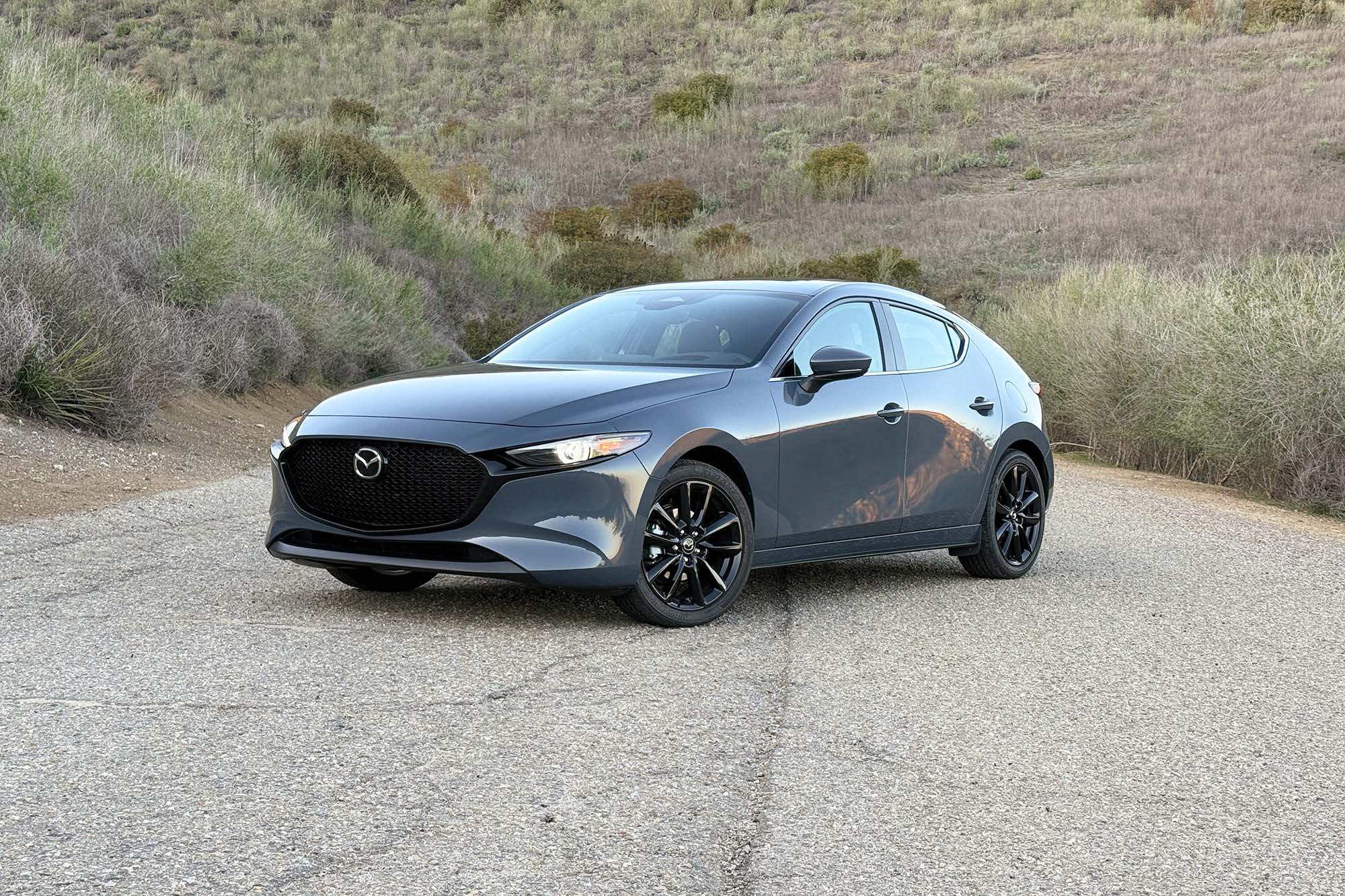
- Engine: 2.0L 4-cylinder / 2.5L 4-cylinder (Skyactiv-G)
- Horsepower: 155 hp (2.0L) / 184 hp (2.5L)
- Torque: 150 lb-ft (2.0L) / 185 lb-ft (2.5L)
- Length: ~179.5 inches (4,560 mm)
- Width: ~70.7 inches (1,795 mm)
1. Mazda 3 (2014–2018)
The Mazda 3 is widely regarded as one of the most balanced compact cars for teen drivers because it successfully combines strong crash safety performance with predictable handling dynamics.
According to IIHS evaluations, this generation of Mazda 3 performs exceptionally well in key crashworthiness categories, including moderate overlap front, side impact protection, and roof strength. These are the exact crash scenarios most likely to occur in real-world driving, especially among inexperienced drivers who may misjudge distances or fail to react quickly to sudden traffic changes.
What makes the Mazda 3 particularly suitable for teenagers is not just its structural strength but also its driving behavior. The steering is responsive without being overly sensitive, which helps new drivers learn proper control without feeling overwhelmed.
Unlike larger vehicles that may feel bulky or disconnected from the road, the Mazda 3 offers a more connected driving experience that encourages awareness and precision. This is important because teen drivers often struggle with spatial judgment and lane discipline in the first years of driving.
An important factor is braking performance and stability. The Mazda 3 is engineered with a well-tuned suspension system that maintains stability during sudden lane changes or emergency braking situations. This reduces the likelihood of overcorrection, which is a common cause of accidents among young drivers.
Even in older model years within this range, electronic stability control and traction control are standard, adding another layer of protection in slippery or unpredictable road conditions.
From a usability standpoint, the interior layout is simple and intentionally distraction-free. The infotainment system is not overly complex, and essential controls are placed in intuitive positions. This reduces cognitive overload, which is a significant issue for teenage drivers who are still building multitasking ability behind the wheel.
Later models also include optional safety features such as blind-spot monitoring and rear cross-traffic alert, which are particularly helpful in parking lots and highway merging situations.
The Mazda 3 stands out as a safe, engaging, and affordable option under $15,000, especially for families who want a vehicle that promotes responsible driving habits rather than encouraging risky behavior.
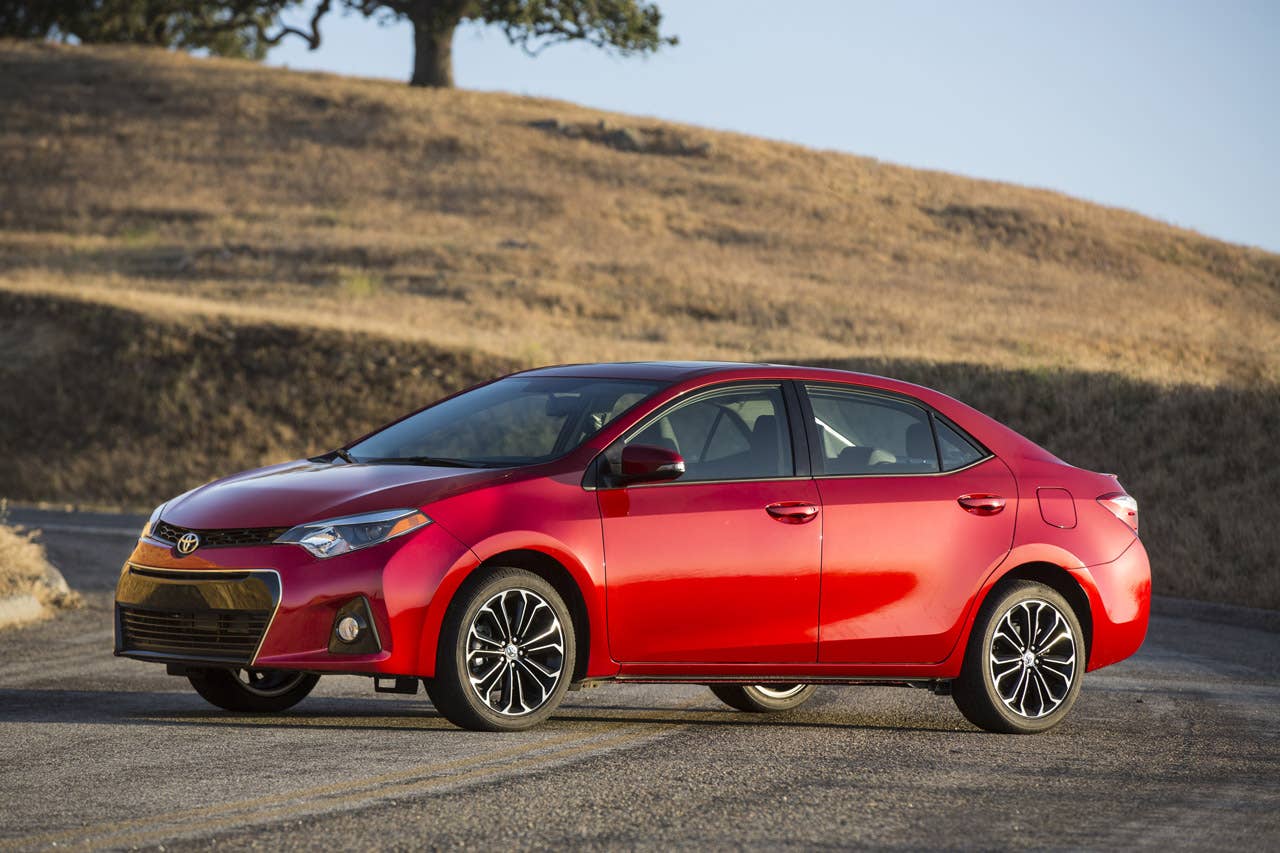
- Engine: 1.8L 4-cylinder (2ZR-FE / 2ZR-FAE)
- Horsepower: 132 hp
- Torque: 128 lb-ft
- Length: ~182.6 inches (4,640 mm)
- Width: ~69.9 inches (1,775 mm)
2. Toyota Corolla
The Toyota Corolla has long been considered one of the safest and most dependable vehicles for new drivers, and this reputation is strongly supported by IIHS crash test results and real-world reliability data. In this generation, the Corolla benefits from Toyota’s consistent focus on structural integrity, energy absorption zones, and occupant protection systems that work effectively in both low-speed and high-impact collisions.
One of the strongest advantages of the Corolla for teen drivers is its predictability. The vehicle is intentionally engineered to behave in a very controlled and stable manner, which minimizes surprises during acceleration, cornering, and braking.
This is particularly important for inexperienced drivers who may not yet fully understand vehicle dynamics. The Corolla does not encourage aggressive driving behavior, which helps reduce risk exposure during the critical early driving years.
Safety systems in this generation typically include multiple airbags, anti-lock braking systems, and electronic stability control as standard features.
While advanced driver assistance technologies were still emerging during these model years, many later trims began incorporating forward collision warning systems, which alert drivers to potential frontal impacts and provide early intervention cues. Even basic versions of the Corolla offer a strong baseline of passive safety.
Teen drivers are often dependent on parents or guardians for vehicle upkeep, and the Corolla is known for its low cost of ownership and minimal mechanical issues. A well-maintained Corolla is less likely to suffer unexpected failures that could indirectly lead to unsafe driving situations, such as brake wear or steering inconsistencies.
The Corolla’s fuel efficiency also contributes indirectly to safety. Lower fuel costs mean less financial pressure, which reduces the likelihood of skipping maintenance or delaying necessary repairs. Additionally, the smooth and modest power delivery discourages aggressive acceleration, which is a known risk factor in teen driving accidents.
The Toyota Corolla remains one of the most rational and safety-oriented choices for families seeking a used car under $15,000 for teenage drivers.
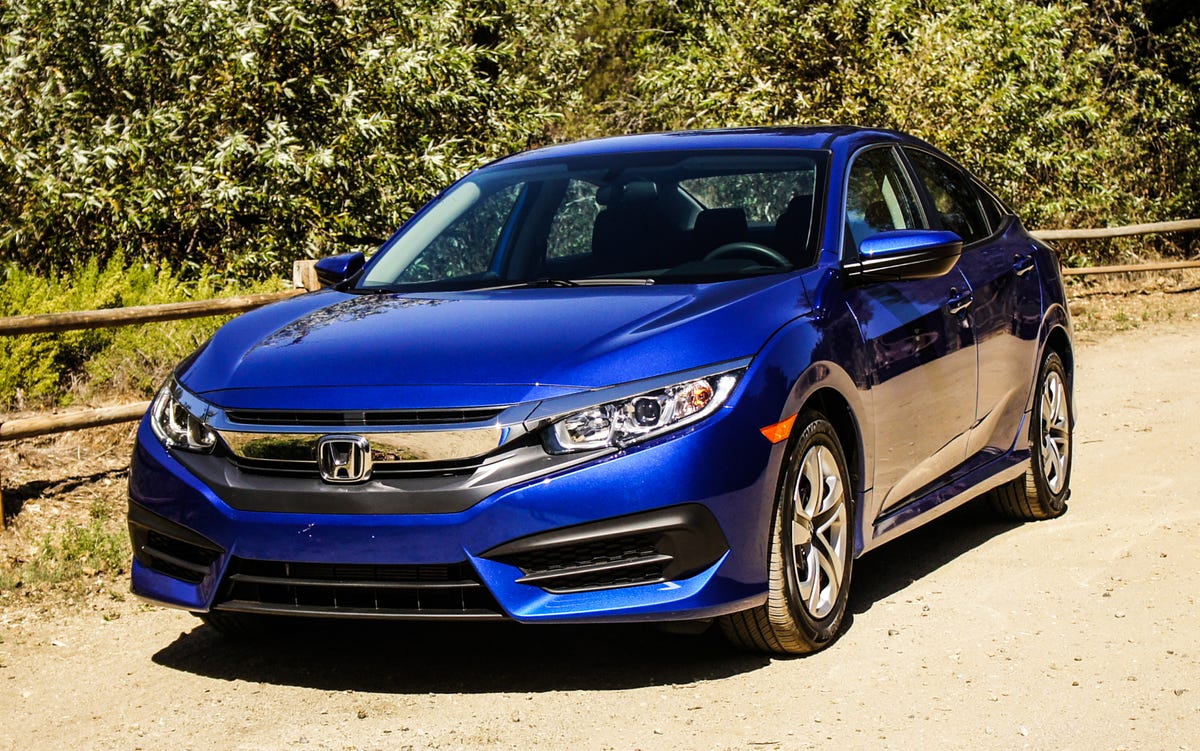
- Engine: 2.0L 4-cylinder / 1.5L Turbo 4-cylinder (later trims)
- Horsepower: 158 hp (2.0L) / 174 hp (1.5T)
- Torque: 138 lb-ft (2.0L) / 162 lb-ft (1.5T)
- Length: ~182.3 inches (4,630 mm)
- Width: ~70.8 inches (1,799 mm)
3. Honda Civic
The Honda Civic has built a global reputation for combining engineering precision, strong crash safety ratings, and long-term durability, making it a top-tier recommendation for teen drivers. In IIHS testing, the Civic consistently performs well across multiple crash scenarios, particularly in newer body styles that feature improved structural rigidity and better energy distribution during impacts.
One of the Civic’s standout qualities is its chassis stability. Honda engineered this generation with a strong focus on reducing body flex, which improves handling consistency and reduces unpredictable movement during emergency maneuvers. For teen drivers, this stability is crucial because many accidents occur during sudden lane changes, oversteering, or delayed reaction corrections.
The Civic also offers a refined balance between performance and safety. While it has slightly more responsive acceleration compared to vehicles like the Corolla or Sentra, it is still controlled enough to discourage reckless driving. The throttle response is smooth, which helps new drivers learn gradual acceleration control rather than abrupt input behavior that can lead to skidding or loss of traction.
Inside the cabin, Honda emphasizes ergonomics and driver focus. The dashboard layout is designed to keep essential information within easy view, reducing the need for excessive head movement or distraction.
Higher trims in this generation introduce advanced safety features such as lane-keeping assist, forward collision warning, and adaptive cruise control, all of which are highly beneficial for teen drivers who are still developing highway awareness.
The Civic also performs well in visibility and spatial awareness, with relatively thin pillars and a well-designed seating position that improves outward visibility. This helps reduce blind spot errors, which are one of the most common causes of minor collisions among new drivers.
The Honda Civic provides a strong combination of safety engineering, driving confidence, and modern technology, making it one of the most well-rounded options under $15,000.
- Engine: 1.6L 4-cylinder / 2.0L 4-cylinder
- Horsepower: 130 hp (1.6L) / 161 hp (2.0L)
- Torque: 118 lb-ft (1.6L) / 150 lb-ft (2.0L)
- Length: ~163.0 inches (4,140 mm)
- Width: ~70.9 inches (1,800 mm)
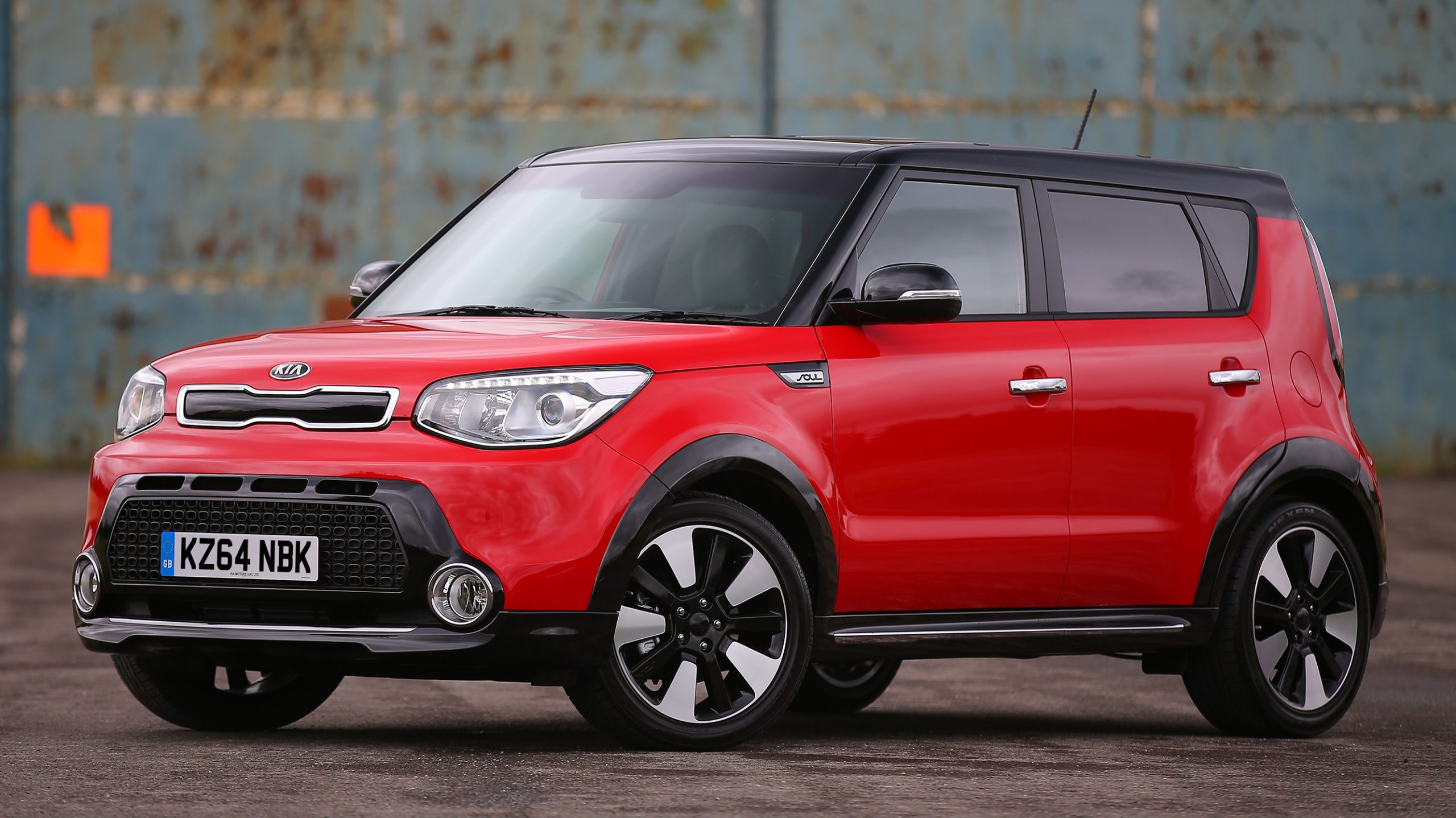
4. Kia Soul
The Kia Soul is a unique entry in the compact vehicle category, primarily due to its boxy design and elevated seating position, which together create excellent visibility for new drivers. According to IIHS evaluations, the Soul performs well in crashworthiness tests and benefits from a rigid cabin structure that effectively protects occupants during side and frontal impacts.
One of the most significant advantages of the Kia Soul for teen drivers is its visibility advantage. The large windshield, upright A-pillars, and squared-off rear design allow drivers to better perceive surrounding traffic, pedestrians, and obstacles.
This is especially useful in urban environments, where sudden movements from other vehicles or pedestrians can lead to collisions if not anticipated early.
The seating position is higher than in traditional compact cars, which gives drivers a better line of sight without the instability risks associated with full-size SUVs. This balance between elevation and compact control makes the Soul easier for beginners to manage while still improving road awareness.
In terms of safety systems, many models in this generation include traction control, electronic stability control, anti-lock brakes, and optional rearview cameras. These features help compensate for beginner mistakes such as delayed braking or improper reversing judgment. Some higher trims also include blind-spot detection systems, which further reduce lane-change risks.
The Kia Soul is also designed with simplicity in mind. The interior controls are straightforward, reducing cognitive load during driving. This is especially important for teens who may be managing multiple distractions such as navigation, passengers, or infotainment systems.
The Kia Soul is a practical and safety-conscious option for families who want a slightly unconventional but highly functional vehicle for teen drivers under $15,000.
- Engine: 2.0L 4-cylinder (Nu engine)
- Horsepower: 147 hp
- Torque: 132 lb-ft
- Length: ~179.9 inches (4,570 mm)
- Width: ~70.9 inches (1,800 mm)
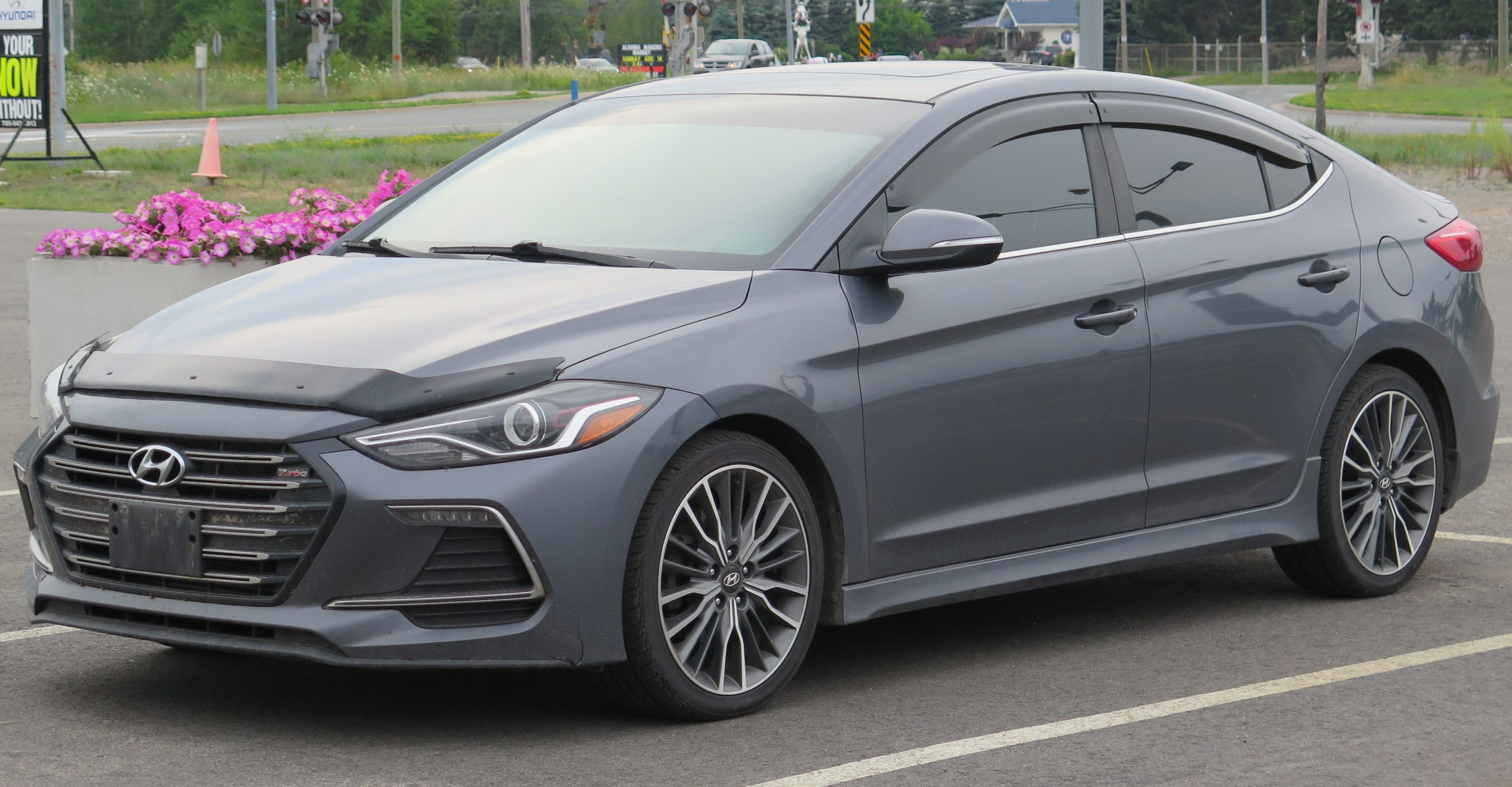
5. Hyundai Elantra
The Hyundai Elantra represents a major step forward in Hyundai’s safety engineering and vehicle quality during this generation. It consistently performs well in IIHS crash tests and benefits from a stronger focus on structural reinforcement, side-impact protection, and advanced restraint systems compared to earlier models.
For teen drivers, one of the most important aspects of the Elantra is the availability of modern safety technology, even in lower trims.
Many models from this generation include forward collision warning and automatic emergency braking, which are critical systems for preventing front-end collisions caused by delayed reaction times. These features are particularly valuable for inexperienced drivers who may misjudge stopping distances in traffic.
The Elantra also offers stable and predictable handling characteristics. It is not overly powerful, which helps reduce the likelihood of speeding-related accidents. Instead, it focuses on smooth acceleration and controlled braking behavior, both of which contribute to safer driving habits in teens.
Interior ergonomics are also well thought out, with a driver-focused layout that minimizes distraction. The infotainment system is relatively simple compared to more complex modern interfaces, allowing teens to focus more on driving and less on screen interaction.
One key advantage is fuel efficiency, which reduces long-term ownership costs and encourages consistent maintenance habits. A well-maintained vehicle is inherently safer because worn components such as tires or brakes are less likely to go unnoticed.
The Hyundai Elantra is a strong value-oriented safety choice that blends modern technology with affordability, making it highly suitable for teen drivers under $15,000.
Also Read: 10 Reasons Cars Got Smaller Over the Last 60 Years
- Engine: 1.8L 4-cylinder
- Horsepower: 124 hp
- Torque: 125 lb-ft
- Length: ~182.1 inches (4,625 mm)
- Width: ~69.3 inches (1,760 mm)
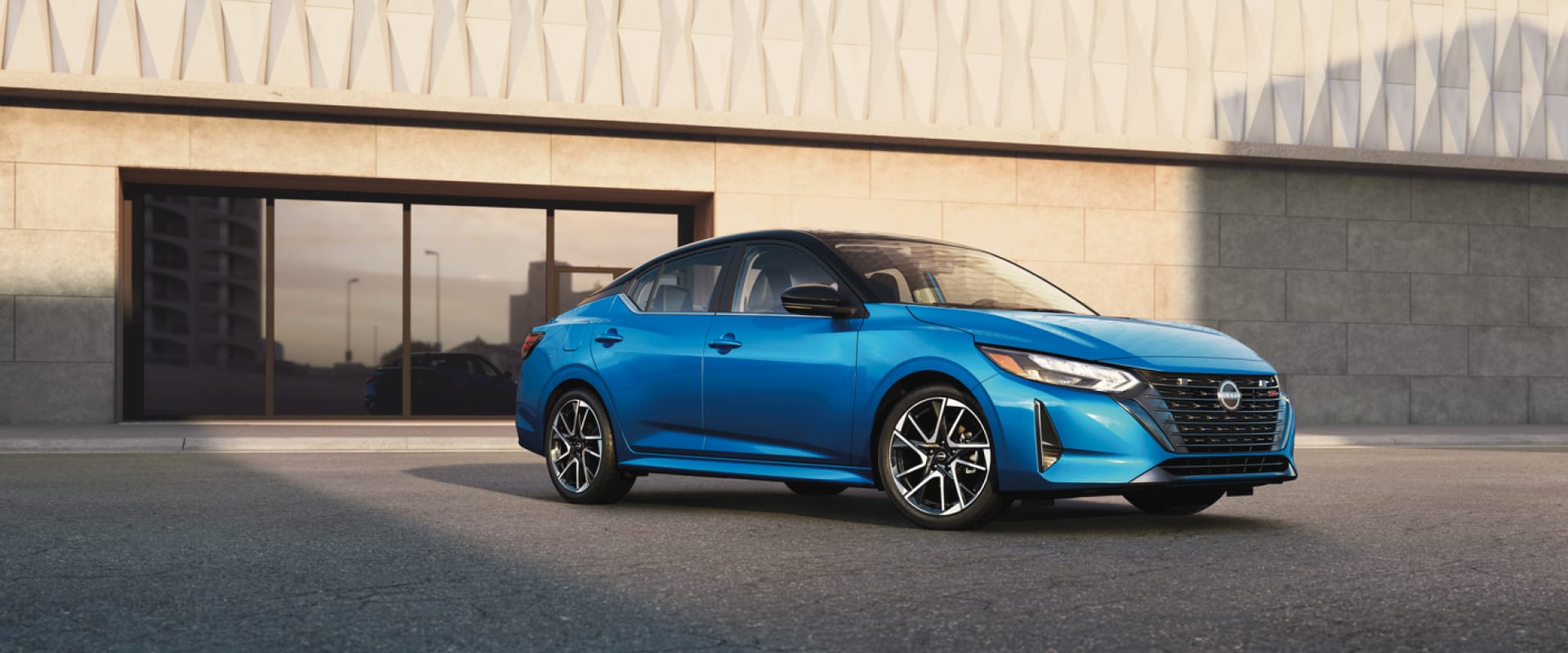
6. Nissan Sentra
The Nissan Sentra is a straightforward and budget-friendly compact sedan that emphasizes simplicity, predictability, and low operating costs. In IIHS testing, it meets essential crash safety standards and provides adequate occupant protection for everyday driving conditions.
One of the most important safety characteristics of the Sentra is its conservative performance tuning. The vehicle is intentionally not designed for aggressive acceleration or sporty handling, which reduces the temptation for risky driving behavior among teens. This is particularly valuable because overconfidence in acceleration is a known contributor to teenage speeding incidents.
The Sentra’s steering and braking systems are tuned for smooth and gradual response rather than sharp or aggressive feedback. This helps new drivers build foundational control skills without being overwhelmed by sudden vehicle reactions.
Safety equipment typically includes electronic stability control, anti-lock braking systems, and multiple airbags. These features provide a baseline level of protection that is consistent with other vehicles in its class. Later models also include optional driver assistance features depending on trim level.
The Sentra is widely available in the used market, making it easier for families to find well-maintained examples under $15,000. Lower purchase cost also leaves room in the budget for maintenance, tires, and insurance.
The Nissan Sentra is a practical and no-frills option that prioritizes safe, predictable driving behavior over performance or luxury features.
- Engine: 2.0L 4-cylinder (Boxer engine)
- Horsepower: 148 hp
- Torque: 145 lb-ft
- Length: ~180.5 inches (4,585 mm)
- Width: ~68.5 inches (1,740 mm)
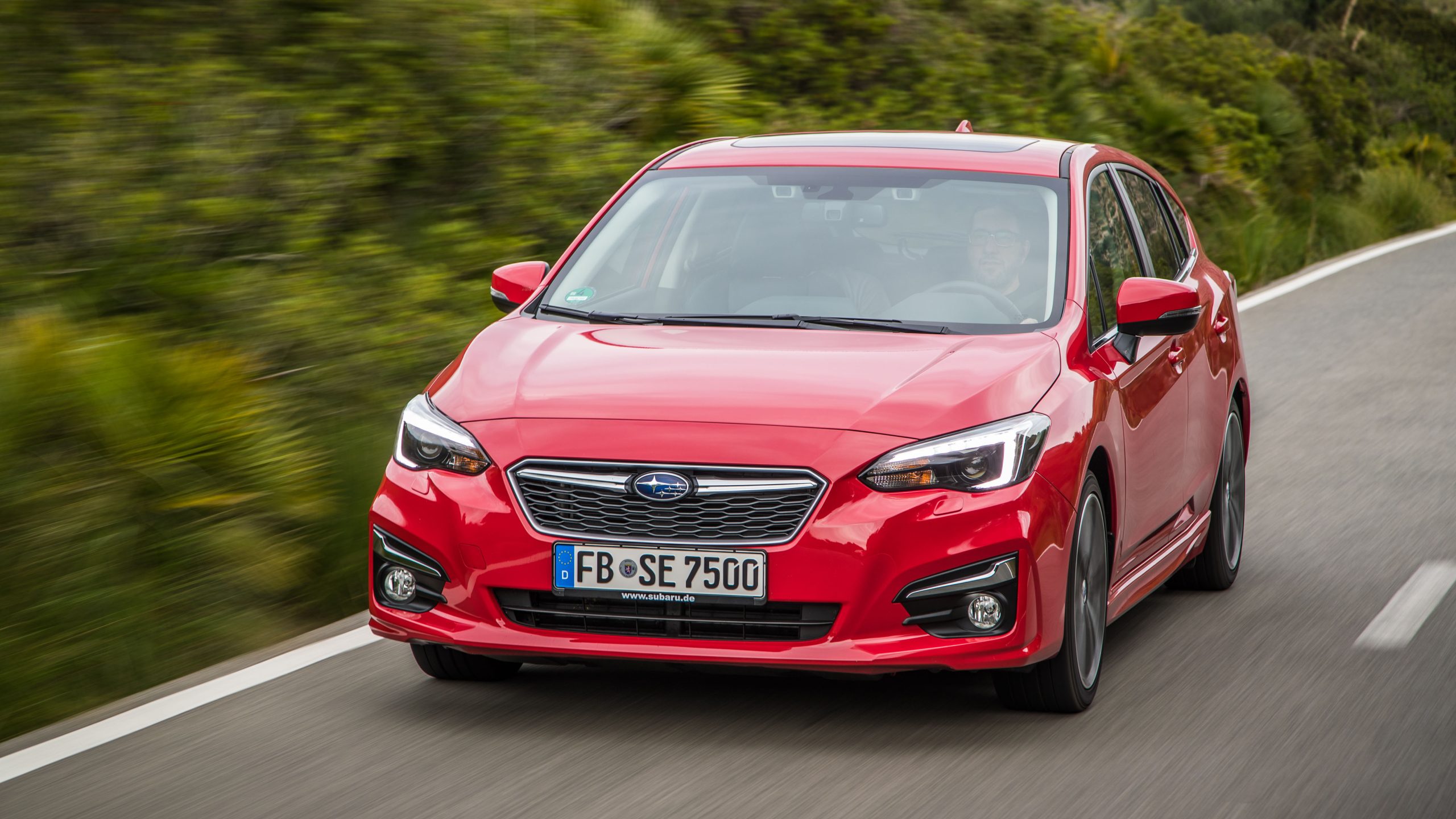
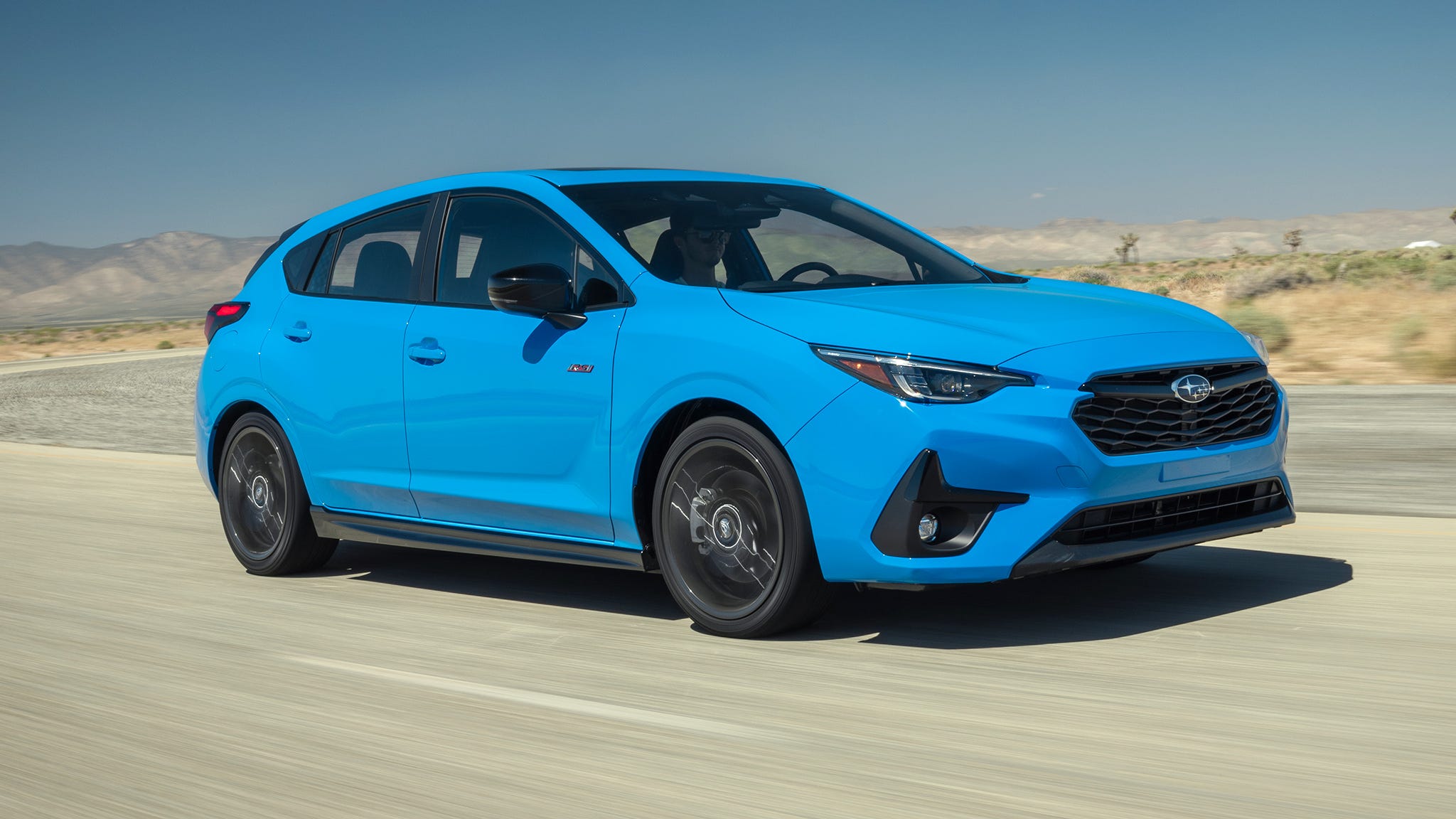
7. Subaru Impreza
The Subaru Impreza stands out in this list primarily due to its standard all-wheel drive system, which significantly enhances traction and stability in adverse driving conditions. According to IIHS safety evaluations, the Impreza performs well in crash tests and benefits from Subaru’s strong emphasis on structural safety engineering.
All-wheel drive is especially beneficial for teen drivers because it improves control in rain, light snow, or slippery road conditions. Many accidents involving inexperienced drivers occur during loss-of-traction events, and the Impreza’s drivetrain helps reduce this risk by distributing power evenly across all wheels.
The vehicle’s handling characteristics are stable and predictable, which is important for maintaining control during sudden steering inputs or emergency maneuvers. Subaru designs its vehicles with a focus on balanced weight distribution, which contributes to smoother cornering and reduced rollover risk.
Visibility is a strength, with a cabin layout that provides a wide field of view. This helps teens better understand surrounding traffic conditions, reducing blind spot errors and lane-change mistakes.
In newer trims, Subaru’s EyeSight driver assistance system adds features such as forward collision warning and adaptive cruise control, which actively support safer driving behavior by alerting or assisting the driver in critical situations.
The Subaru Impreza is one of the best choices for families in regions with variable weather conditions, offering both safety and stability under $15,000.
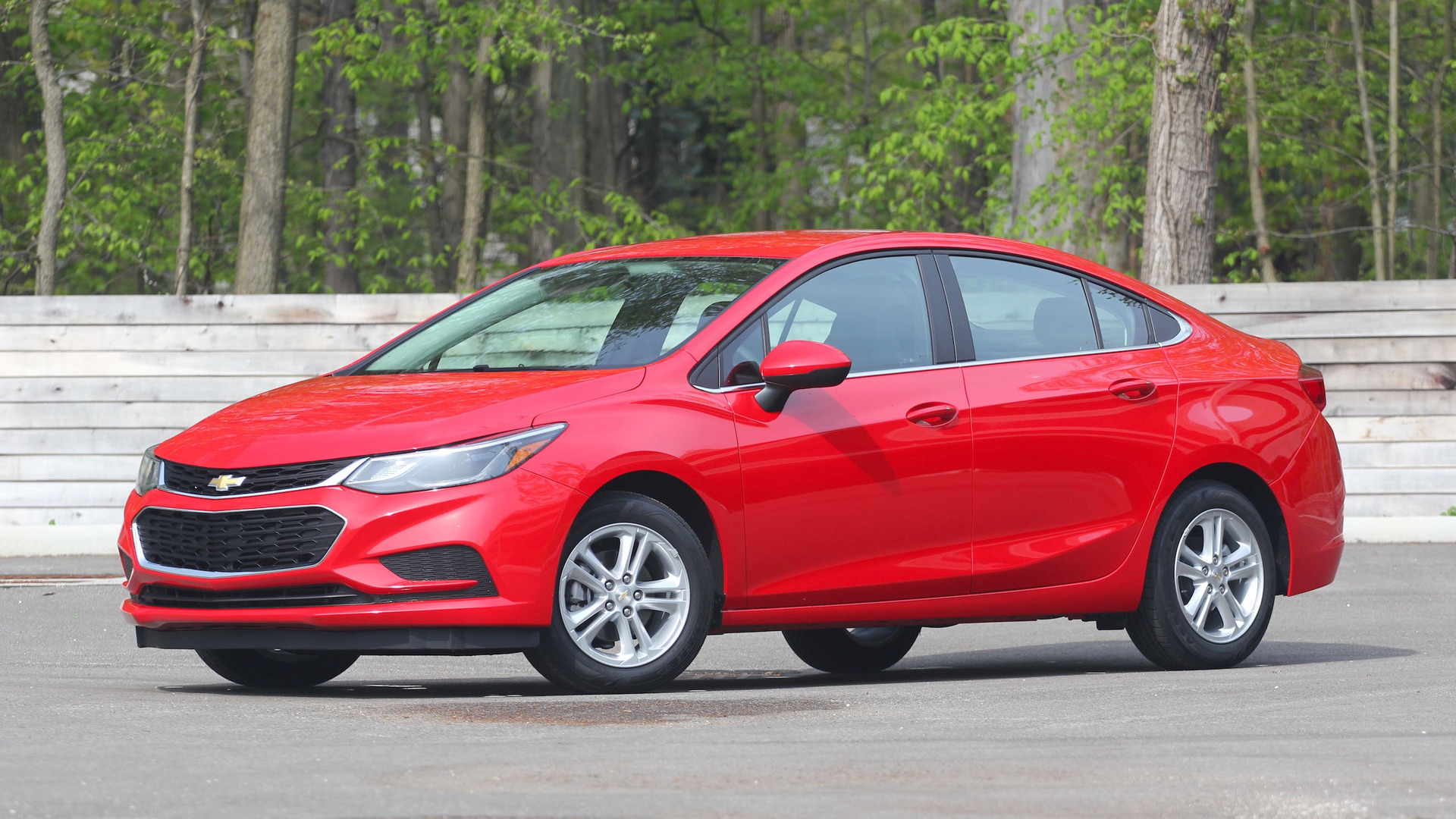
- Engine: 1.4L Turbo 4-cylinder
- Horsepower: 153 hp
- Torque: 177 lb-ft
- Length: ~183.7 inches (4,665 mm)
- Width: ~70.5 inches (1,790 mm)
8. Chevrolet Cruze
The Chevrolet Cruze is a compact sedan that provides solid crash safety performance combined with comfort and fuel efficiency. In IIHS testing, it performs well in key crash categories and offers adequate occupant protection for everyday driving scenarios.
One of the Cruze’s strengths is highway stability. It feels composed at higher speeds, which is beneficial for teen drivers who may be commuting on highways for school or work. Stable highway behavior reduces driver anxiety and helps maintain consistent lane positioning.
The Cruze also features a simple and user-friendly interior design. Controls are straightforward and easy to understand, which reduces distraction risk for inexperienced drivers. Many models include rearview cameras and optional forward collision warning systems, adding additional safety layers.
One advantage is its fuel efficiency, which makes it economical to operate. Lower running costs indirectly improve safety by encouraging regular maintenance and reducing financial strain that could lead to deferred repairs.
The Cruze is also widely available in the used market, which increases the likelihood of finding a well-maintained vehicle under $15,000. When properly maintained, it delivers consistent and predictable performance suitable for beginner drivers.
The Chevrolet Cruze is a practical and affordable safety-focused vehicle that meets the needs of families seeking a reliable teen driver car.
