
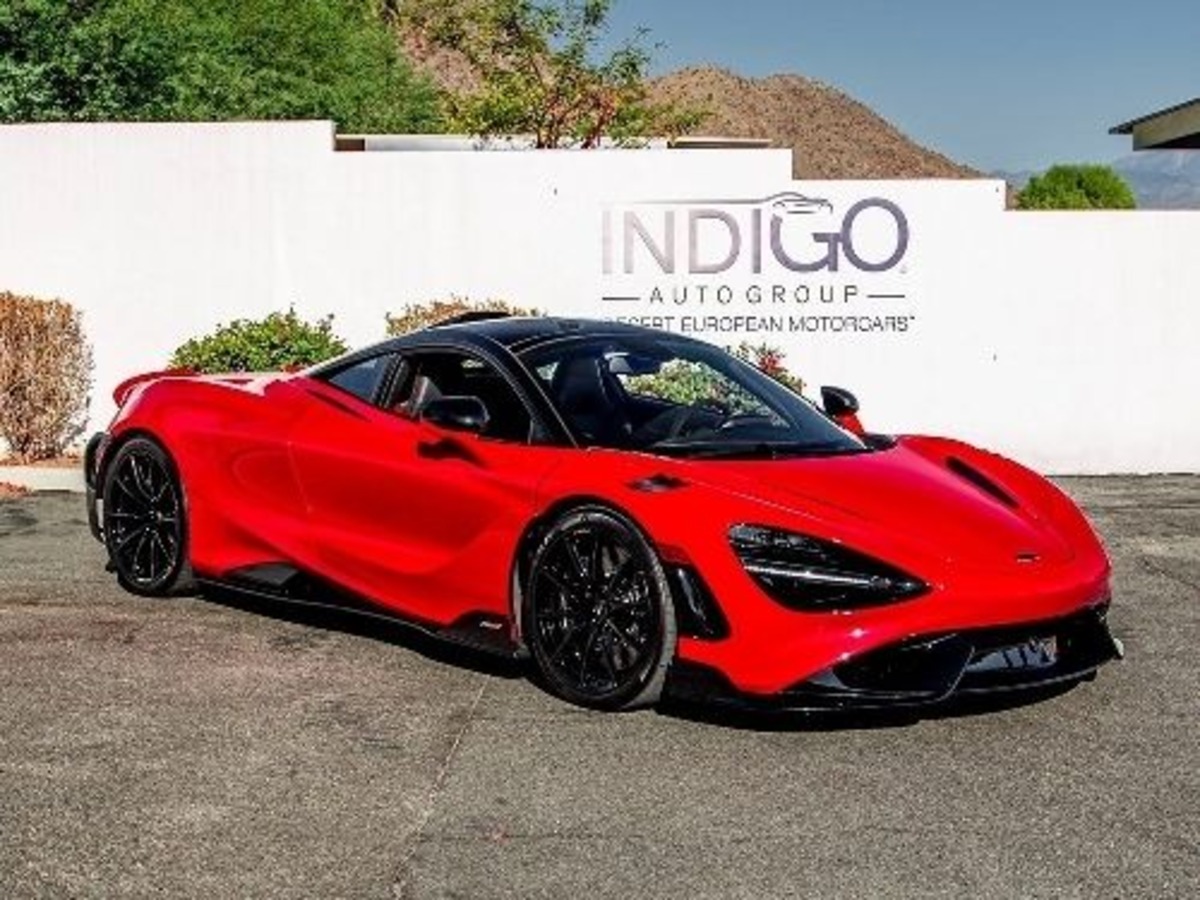
When engineers evaluate a performance car, acceleration figures often receive the most attention. Yet one of the clearest signs of engineering excellence is how quickly a vehicle can come to a complete stop. A short 60-to-0 mph braking distance reflects much more than powerful brake calipers.
It highlights the quality of the tires, suspension tuning, chassis balance, aerodynamic stability, brake cooling, and electronic control systems working together under maximum deceleration. Even the weight distribution and rigidity of the vehicle contribute to consistent stopping performance.
Modern high-performance cars have reached remarkable levels of braking capability. Many can halt from highway speed in well under 100 feet, a figure that was once reserved for dedicated race cars.
Carbon ceramic brakes, sticky performance tires, advanced ABS calibration, and sophisticated suspension systems have helped manufacturers push braking performance to new heights.
These improvements are not only valuable on a race circuit but also provide an additional safety margin during unexpected emergencies on public roads.
The following eight cars represent some of the shortest recorded 60-to-0 mph stopping distances ever measured during independent instrumented testing.
Each model combines exceptional braking hardware with carefully engineered chassis dynamics, allowing drivers to shed speed with remarkable confidence.
Rather than focusing solely on horsepower or top speed, these vehicles demonstrate that true performance also depends on the ability to stop precisely and consistently.
Also Read: 10 Cars That Struggle to Reach 300 Miles on a Full Tank
1. Chevrolet Corvette Z06 (C8)
Acceleration may dominate conversations surrounding the Chevrolet Corvette Z06, but its braking capability deserves equal recognition.
During independent instrumented testing, the mid-engine American sports car has repeatedly produced stopping distances from 60 mph of approximately 92 feet, placing it among the very best production cars available today. Such performance is the product of careful engineering rather than brute force alone.
The Z06 benefits from exceptional weight distribution thanks to its mid-engine layout. When heavy braking transfers weight toward the front axle, the chassis remains composed instead of becoming unsettled.
This stability allows all four Michelin Pilot Sport Cup 2 R tires to generate tremendous grip without prematurely locking or sliding. Large Brembo brakes provide immense clamping force, while available carbon ceramic rotors resist heat buildup during repeated hard stops.
Another reason the Z06 excels lies beneath the bodywork. The suspension geometry keeps the tires planted during aggressive deceleration, maximizing the contact patch instead of allowing excessive dive.
Sophisticated electronic brake management carefully modulates pressure at each wheel, helping the driver maintain steering control even while approaching the physical limits of adhesion.
Drivers also benefit from excellent pedal feel. The brake pedal responds progressively, making it easier to apply exactly the amount of pressure required, whether slowing for a corner or reacting to an unexpected obstacle. Confidence grows because braking remains predictable lap after lap.
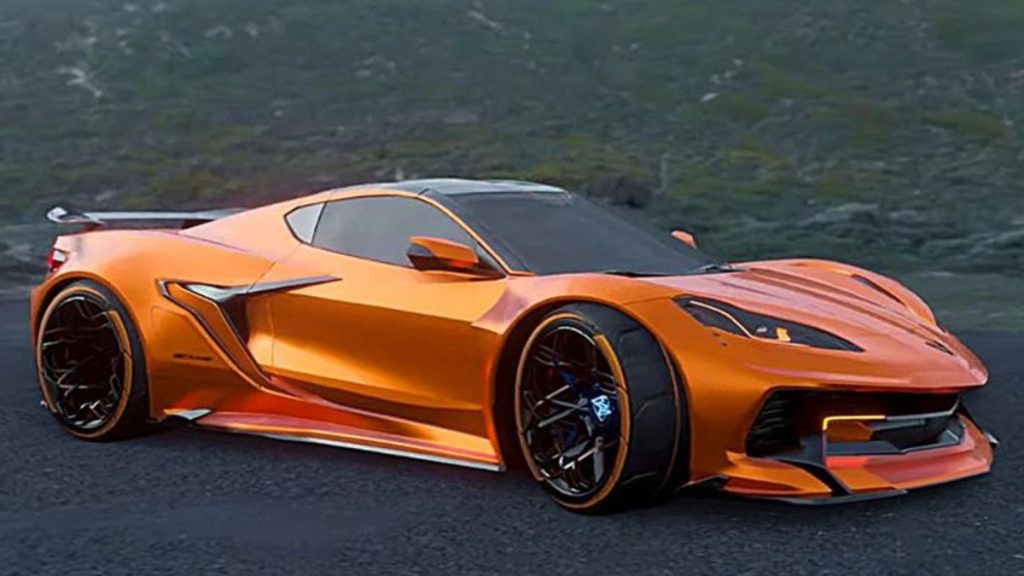
The Corvette Z06 proves that modern American engineering can compete directly with Europe’s finest supercars.
While its naturally aspirated V8 delivers thrilling acceleration, its astonishing ability to erase speed just as rapidly is one of the defining characteristics that make the Z06 such a complete performance machine.
Specifications
- Engine: 5.5-liter Naturally Aspirated V8
- Torque: 460 lb-ft
- Horsepower: 670 hp
- Length/Width: 184.6 inches / 79.7 inches
2. Porsche 911 GT3 RS (992)
Few road cars communicate with the driver as clearly as the Porsche 911 GT3 RS. Every component serves a performance purpose, and nowhere is that philosophy more evident than during heavy braking.
Independent testing has recorded 60-to-0-mph stopping distances of roughly 91 feet, placing the GT3 RS among the finest braking production cars ever built.
Rather than relying primarily on raw horsepower, the GT3 RS builds its reputation through exceptional precision and engineering. Its massive carbon ceramic brakes deliver outstanding stopping power while maintaining consistent performance even under demanding driving conditions, thanks to their excellent resistance to brake fade.
Even after repeated high-speed braking events on demanding race circuits, the system continues to deliver consistent performance without a noticeable decline in effectiveness.
Aerodynamics contributes just as much as the braking hardware. The enormous rear wing and carefully sculpted underbody generate meaningful downforce, increasing tire grip as speed rises.
During hard braking, this additional vertical load helps the Michelin Pilot Sport Cup 2 R tires maintain traction, allowing the car to decelerate with astonishing intensity.
Suspension tuning also deserves recognition. Porsche engineers developed adjustable dampers and carefully calibrated spring rates that minimize body movement while preserving tire contact with the pavement.
The steering remains composed even during maximum braking, giving drivers confidence to brake deeper into corners without unsettling the chassis.
Another defining characteristic is pedal consistency. Brake modulation feels natural, allowing experienced drivers to extract maximum performance while remaining approachable for enthusiastic owners. Every input receives an immediate yet refined response.
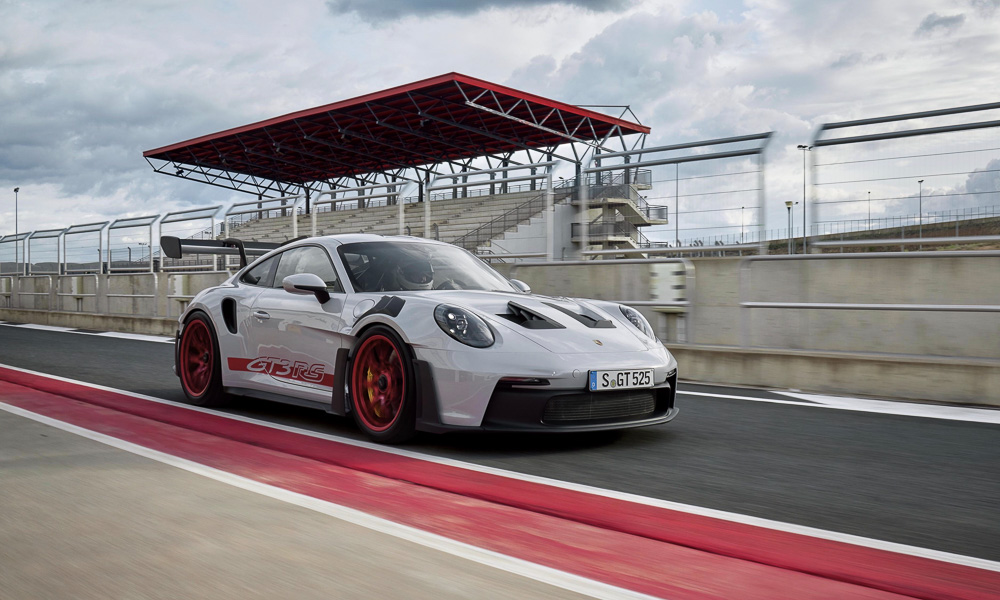
The GT3 RS demonstrates that stopping performance is achieved through complete vehicle integration rather than oversized brake components alone.
Its ability to combine aerodynamic efficiency, mechanical grip, and sophisticated engineering creates one of the shortest braking distances recorded in any street-legal production automobile.
Specifications
- Engine: 4.0-liter Naturally Aspirated Flat-6
- Torque: 343 lb-ft
- Horsepower: 518 hp
- Length/Width: 180.0 inches / 74.9 inches
3. McLaren 765LT
Braking performance becomes truly impressive when a car can repeatedly shed speed without the slightest hint of instability, and that is exactly where the McLaren 765LT separates itself from many rivals.
Independent testing has shown the lightweight British supercar capable of stopping from 60 mph in approximately 91 feet, a remarkable achievement considering its extraordinary acceleration capabilities.
Every element of the car has been engineered with weight reduction and driver feedback in mind, creating a machine that feels equally comfortable charging into a corner as it does blasting down a straight.
The secret begins with mass, or rather the lack of it. Extensive use of carbon fiber throughout the chassis and body panels keeps curb weight exceptionally low, allowing the massive carbon ceramic braking system to work with less inertia than heavier competitors.
Large six-piston front calipers apply tremendous pressure to oversized rotors, while specially developed Pirelli P Zero Trofeo R tires provide the grip needed to convert braking force into rapid deceleration.
Aerodynamics also plays a significant role. At higher speeds, the rear wing contributes additional downforce, helping keep the vehicle planted as braking loads increase dramatically.
Suspension geometry has been carefully calibrated to reduce excessive nose dive, ensuring the tires maintain an optimal contact patch throughout the stopping process. The steering remains composed, giving drivers confidence to trail brake into demanding corners without upsetting the balance of the chassis.
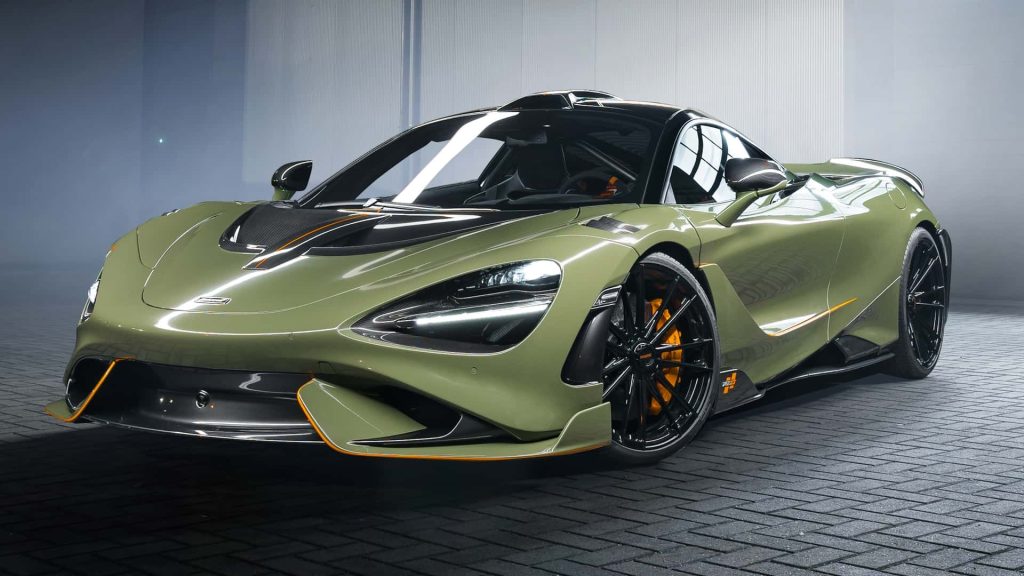
Another standout characteristic is pedal communication. Rather than feeling overly sensitive or artificial, the brake pedal delivers progressive resistance that allows precise modulation. Whether slowing from highway speeds or attacking a racing circuit, the driver always has a clear understanding of available grip.
The 765LT demonstrates that extraordinary braking is achieved through intelligent engineering, lightweight construction, aerodynamic efficiency, and race-inspired hardware working together as one cohesive system.
Specifications
- Engine: 4.0-liter Twin-Turbocharged V8
- Torque: 590 lb-ft
- Horsepower: 755 hp
- Length/Width: 181.1 inches / 85.1 inches
4. Ferrari SF90 Stradale
Hybrid technology is often associated with efficiency, but Ferrari used electrification to create one of the fastest and most capable road cars it has ever produced.
Alongside breathtaking acceleration, the SF90 Stradale delivers astonishing braking performance, recording a 60-to-0-mph stopping distance of roughly 92 feet in independent testing. The achievement reflects Ferrari’s philosophy that speed means little unless it can be controlled with equal authority.
The SF90 pairs a twin-turbocharged V8 engine with three electric motors to produce an impressive level of performance. Delivering that much power demands a braking system that can provide reliable and consistent stopping capability even under extreme driving conditions.
Large Brembo carbon ceramic discs provide immense thermal capacity, resisting fade even after repeated high-speed braking events. Their lightweight construction also reduces unsprung mass, helping the suspension respond more effectively over changing road surfaces.
Ferrari devoted equal attention to the electronic side of braking. Advanced brake-by-wire technology seamlessly blends regenerative braking with conventional hydraulic pressure, ensuring the transition feels natural through the pedal.
Drivers receive an immediate response without the inconsistent sensation that sometimes affects hybrid performance vehicles.
Mechanical grip also deserves recognition. Wide Michelin Pilot Sport Cup 2 tires generate tremendous traction, while the low center of gravity created by the hybrid powertrain contributes to impressive chassis stability.
Sophisticated suspension tuning limits unwanted body movement, allowing maximum tire contact during intense deceleration. As speed falls rapidly, the steering retains excellent precision, making emergency lane changes or late corner entries feel remarkably controlled.
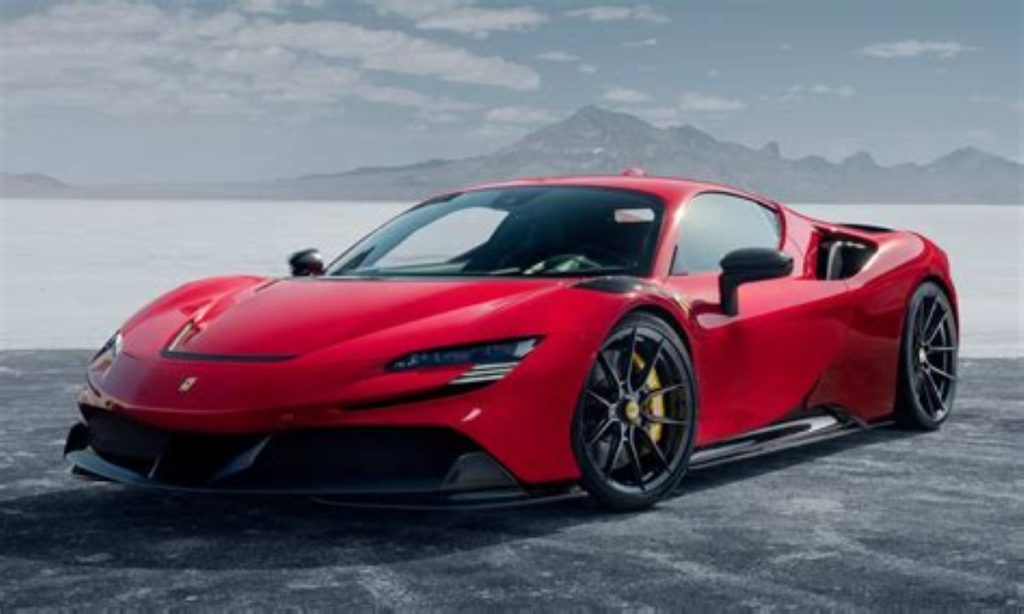
One of the SF90’s greatest strengths is consistency. Whether braking from moderate road speeds or much higher velocities on a circuit, performance remains reassuringly repeatable.
That dependability transforms immense horsepower into usable performance, giving drivers confidence to push harder while knowing the car will respond exactly as expected when it is time to slow down.
Specifications
- Engine: 4.0-liter Twin-Turbocharged V8 Hybrid
- Torque: 590 lb-ft
- Horsepower: 986 hp
- Length/Width: 185.4 inches / 77.6 inches
5. Mercedes-AMG GT Black Series
Raw horsepower attracts attention, but what allows the Mercedes-AMG GT Black Series to dominate both road courses and independent performance testing is its extraordinary ability to slow down with complete confidence.
Instrumented tests have recorded 60 to 0 mph stopping distances of approximately 92 feet, placing the flagship AMG among the finest braking production cars ever built. Every component, from its aerodynamic package to its brake hardware, has been developed with relentless track performance in mind.
The foundation of this capability is an advanced carbon ceramic braking system. Massive front rotors paired with powerful multi-piston calipers generate tremendous stopping force while remaining highly resistant to heat.
Even after repeated heavy braking on demanding circuits, pedal feel stays firm and predictable, allowing drivers to brake at nearly identical points lap after lap without suffering noticeable fade.
Equally important is the GT Black Series’ sophisticated aerodynamic package. Its aggressive front splitter, active rear wing, and carefully sculpted bodywork generate meaningful downforce at speed.
As aerodynamic load increases, the Michelin Pilot Sport Cup 2 R tires gain additional grip, enabling the braking system to extract every possible ounce of traction. Rather than feeling nervous during aggressive deceleration, the chassis remains composed and remarkably stable.
Suspension tuning further enhances confidence. Adjustable dampers and precision-engineered geometry minimize unwanted weight transfer while keeping the tires planted on uneven pavement.
The steering retains excellent accuracy during hard braking, making it easier for drivers to position the car exactly where intended before entering a corner.
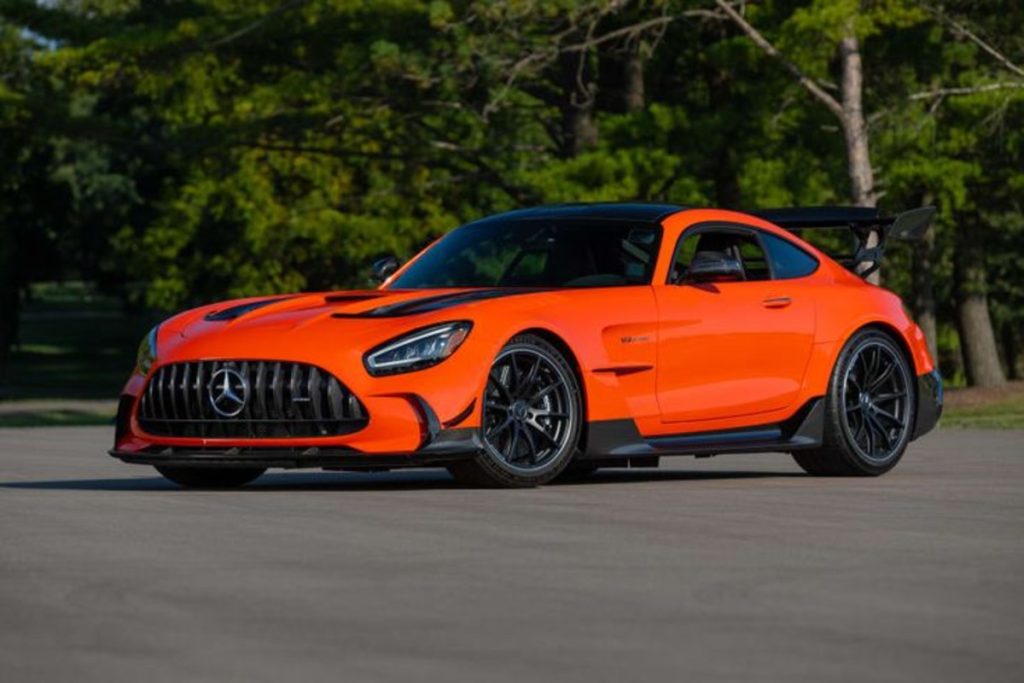
The GT Black Series demonstrates that exceptional stopping distances are achieved through complete vehicle integration rather than oversized brakes alone.
Mechanical grip, aerodynamic efficiency, lightweight components, and advanced electronics combine to produce braking performance worthy of one of Mercedes-AMG’s most focused road cars.
Specifications
- Engine: 4.0-liter Twin-Turbocharged V8
- Torque: 590 lb-ft
- Horsepower: 720 hp
- Length/Width: 179.0 inches / 81.7 inches
6. Dodge Viper ACR
Long before aerodynamic packages became common on production supercars, the Dodge Viper ACR proved that intelligent engineering could transform an already powerful machine into one of the most capable track-focused cars ever sold. Independent testing recorded 60-to-0-mph stopping distances of roughly 92 feet, an astonishing figure for a front-engine American sports car.
Despite its intimidating appearance and massive V10 engine, the ACR’s braking precision became one of its defining strengths.
A major contributor is its race-inspired Brembo braking system. Huge two-piece rotors work alongside multi-piston calipers to deliver enormous stopping power with excellent heat resistance.
Drivers can repeatedly apply maximum braking without experiencing significant fade, making the ACR exceptionally effective during extended track sessions where consistency matters just as much as outright performance.
Unlike many performance cars that rely primarily on electronic intervention, the Viper ACR emphasizes mechanical grip. Its Kumho Ecsta V720 track-focused tires provide tremendous adhesion, while the manually adjustable suspension allows owners to tailor chassis balance for different driving environments.
This direct approach creates a highly connected driving experience that rewards precise driver inputs.
Aerodynamics also plays a vital role. The enormous rear wing, front splitter, dive planes, and rear diffuser generate substantial downforce at speed. During heavy braking, this additional aerodynamic load presses the tires firmly into the pavement, allowing the braking system to operate near its maximum potential without sacrificing stability.
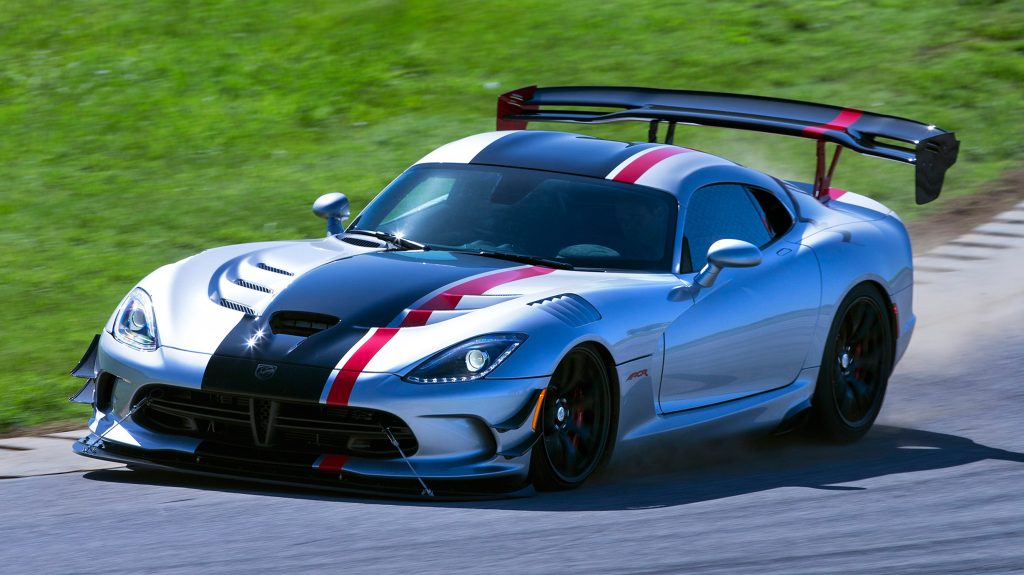
What truly distinguishes the Viper ACR is its uncompromising character. Every major system has been optimized for performance rather than comfort, resulting in braking that feels immediate, communicative, and exceptionally powerful.
Years after production ended, it remains one of the benchmark machines for stopping performance among high-performance road cars.
Specifications
- Engine: 8.4-liter Naturally Aspirated V10
- Torque: 600 lb-ft
- Horsepower: 645 hp
- Length/Width: 177.5 inches / 76.4 inches
7. Ford Mustang Shelby GT500
The Ford Mustang Shelby GT500 carries a reputation for overwhelming straight-line speed, yet one of its most impressive achievements is how effectively it sheds that speed when the driver demands maximum braking.
Independent performance testing has measured 60-to-0-mph stopping distances of approximately 93 feet, placing the supercharged muscle car in the company of elite European exotics despite its larger dimensions and substantial power output.
Ford equipped the GT500 with the largest front brake rotors ever fitted to a production Mustang at the time of its introduction. Massive Brembo six-piston calipers clamp 16.5-inch two-piece rotors, producing exceptional stopping force while maintaining excellent heat management.
During repeated high-speed braking events, the system remains consistent, allowing drivers to push harder without worrying about rapid brake fade.
Tire technology also deserves much of the credit. Michelin Pilot Sport Cup 2 tires generate tremendous grip, helping convert braking force into remarkably short stopping distances.
Combined with the MagneRide adaptive suspension, the chassis stays balanced under aggressive deceleration instead of pitching excessively forward. This stability gives the driver confidence, whether approaching a tight corner on a circuit or reacting quickly during emergency situations on public roads.
Electronic systems have been carefully calibrated to complement the mechanical hardware rather than interfere with it. The anti-lock braking system responds rapidly to changing road conditions, preserving steering control while maximizing available traction.
Drivers benefit from a firm and progressive brake pedal that makes modulation intuitive even during spirited driving.
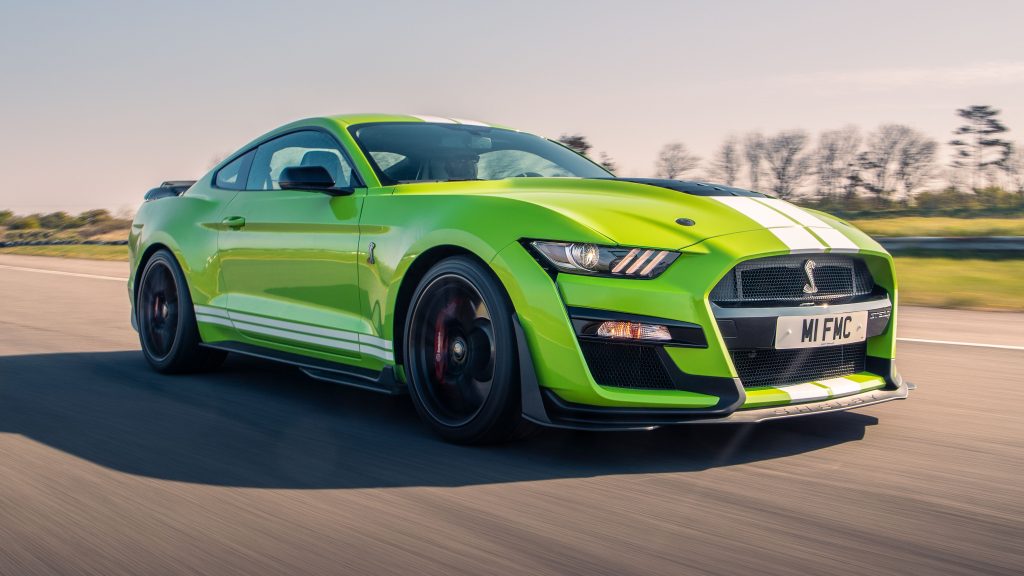
The Shelby GT500 proves that modern muscle cars are no longer defined solely by horsepower.
Sophisticated suspension engineering, premium braking components, advanced electronics, and world-class tires allow this American performance icon to stop with authority that rivals many purpose-built supercars, making it one of the strongest all-around performers in its segment.
Specifications
- Engine: 5.2-liter Supercharged V8
- Torque: 625 lb-ft
- Horsepower: 760 hp
- Length/Width: 189.5 inches / 75.9 inches
8. Chevrolet Camaro ZL1 1LE
Few production cars have earned as much respect from track-day enthusiasts as the Chevrolet Camaro ZL1 1LE. While its supercharged V8 delivers extraordinary acceleration, the car’s braking capability is equally remarkable.
Independent testing has recorded 60-to-0-mph stopping distances of approximately 93 feet, a figure that reflects years of chassis development and motorsport-inspired engineering. Every major component has been optimized to perform under demanding conditions where consistency is essential.
The ZL1 1LE features large Brembo brakes with six-piston front calipers and substantial ventilated rotors designed to dissipate heat efficiently.
Even after multiple hard laps on a racing circuit, the braking system maintains strong pedal feel and dependable stopping power. That durability allows drivers to attack braking zones repeatedly without experiencing the gradual decline that often affects lesser systems.
Equally significant is the car’s advanced suspension package. Multimatic DSSV spool-valve dampers provide precise wheel control, reducing body movement and helping the tires remain firmly connected to the pavement during aggressive deceleration.
The result is a planted, confidence-inspiring chassis that remains predictable as speed drops rapidly.
Aerodynamic enhancements also contribute to the Camaro’s impressive braking numbers. The prominent front splitter and functional rear wing increase stability while generating useful downforce at higher speeds.
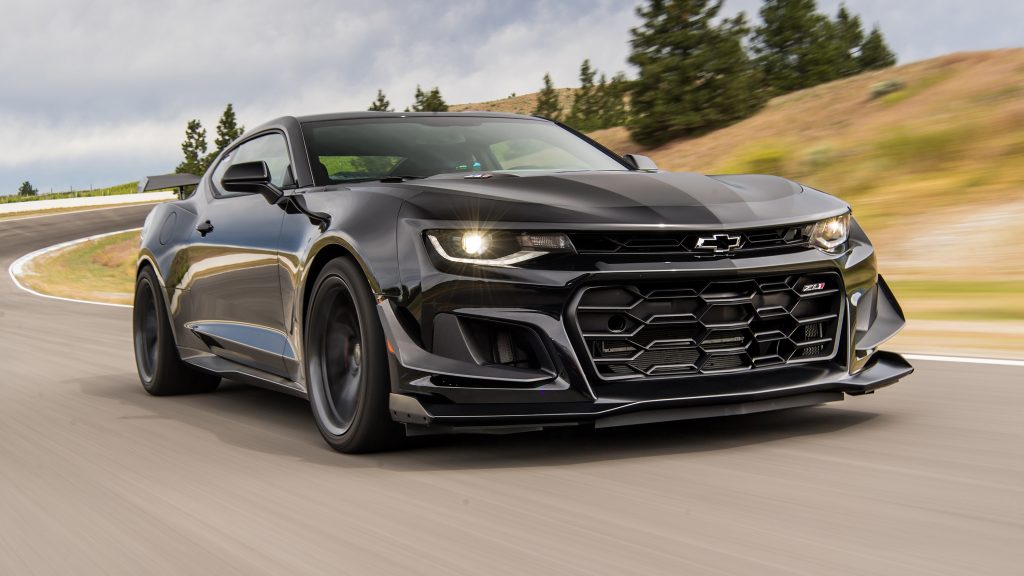
Wide Goodyear Eagle F1 Supercar 3R tires complete the package by delivering exceptional mechanical grip, allowing the brakes to perform at their highest potential.
The Camaro ZL1 1LE serves as a reminder that balanced engineering produces the best performance. Powerful brakes, race-developed suspension, aerodynamic efficiency, and high-grip tires work together to create one of the shortest stopping distances achieved by any production car, making it a fitting conclusion to this list of exceptional braking machines.
Specifications
- Engine: 6.2-liter Supercharged V8
- Torque: 650 lb-ft
- Horsepower: 650 hp
- Length/Width: 190.2 inches / 74.7 inches
