
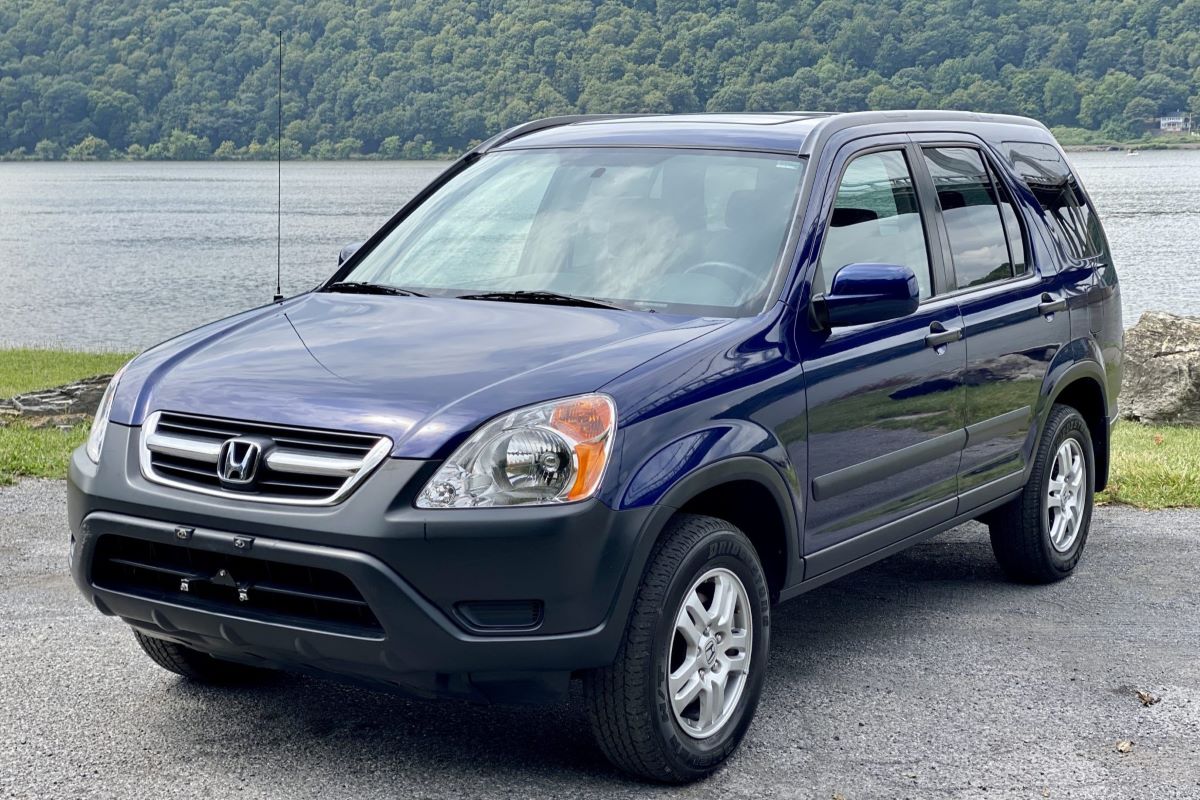
Few compact SUVs have maintained the level of popularity and customer loyalty enjoyed by the Honda CR-V. Since its introduction in the late 1990s, the CR-V has become one of the benchmarks in its class by offering a practical combination of comfort, fuel efficiency, reliability, and everyday usability.
Families appreciate its spacious interior and generous cargo area, commuters value its smooth ride and low running costs, and used-car buyers are often drawn to its reputation for long-lasting dependability. However, like any vehicle produced over multiple generations, not every Honda CR-V model year has delivered the same ownership experience.
Some years stand out because Honda refined the platform, introduced durable powertrains, and minimized common mechanical issues.
These models have earned praise for their ability to accumulate hundreds of thousands of miles with routine maintenance while retaining strong resale values. They provide the balanced driving experience that has made the CR-V a household name around the world.
Other model years have been affected by recurring concerns involving engines, transmissions, air conditioning systems, oil dilution, or electrical components.
While many owners still enjoyed years of dependable service, these issues appeared frequently enough to make certain production years less attractive in the used market. Understanding these differences can help buyers avoid unexpected repair costs and choose a vehicle better suited for long-term ownership.
This guide highlights five Honda CR-V model years that consistently rank among the best because of their reliability, practicality, and owner satisfaction. It also identifies five years that deserve additional caution due to documented mechanical concerns and higher ownership risks.
Whether you are shopping for a dependable daily driver or a family SUV that will remain reliable for years, knowing which model years stand above the rest is one of the smartest steps before making a purchase.
Also Read: 10 Car Brands With The Most Safety Innovation
5 Best Years for the Honda CR-V
1. 2021 Honda CR-V
By the 2021 model year, Honda had refined the fifth-generation CR-V into one of the most dependable compact SUVs on the market.
Earlier updates addressed many concerns associated with the first years of this generation, allowing the 2021 model to deliver an ownership experience that balanced efficiency, comfort, and long-term reliability.
It remains a favorite among families, commuters, and used-car shoppers because it offers very few compromises.
Power comes from Honda’s 1.5-liter turbocharged four-cylinder engine, paired with a continuously variable transmission that delivers smooth acceleration and excellent fuel economy.
While earlier versions of this engine received attention for oil dilution concerns in extremely cold climates, Honda introduced software updates and engineering improvements that significantly reduced those issues by the 2021 model year. The drivetrain feels refined during city driving and remains quiet while cruising on the highway.
The CR-V’s greatest strength is its practicality. Rear-seat passengers enjoy generous legroom, cargo space ranks among the best in the compact SUV segment, and the cabin features durable materials designed to withstand years of family use.
Honda also equipped the vehicle with a comprehensive suite of driver assistance technologies through Honda Sensing, providing adaptive cruise control, lane keeping assistance, and automatic emergency braking as standard equipment.
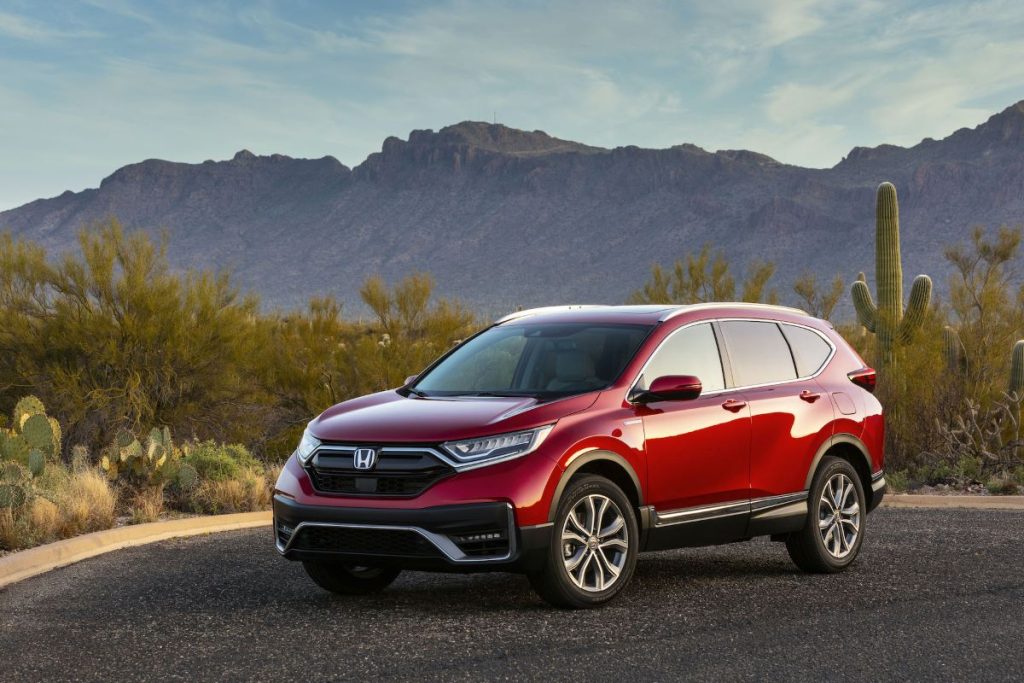
Maintenance costs remain relatively low compared with many competitors, and the availability of replacement parts keeps ownership expenses manageable. Strong resale values further reinforce the CR-V’s reputation as a smart long-term investment.
Buyers looking for a dependable compact SUV that combines modern technology with Honda’s proven engineering will find the 2021 CR-V to be one of the strongest choices available in both the new and used vehicle markets.
Specifications
- Engine: 1.5-liter turbocharged inline-four
- Torque: 179 lb-ft
- Horsepower: 190 hp
- Length/Width: 182.1 inches / 73.0 inches
2. 2016 Honda CR-V
Sometimes the best vehicle is not the newest one but the model that arrives after years of steady refinement. The 2016 Honda CR-V perfectly illustrates that idea. As one of the final years before a complete redesign, it benefited from numerous engineering improvements that transformed it into one of the most reliable compact SUVs of its generation.
Unlike later turbocharged models, the 2016 CR-V uses Honda’s naturally aspirated 2.4-liter i-VTEC four-cylinder engine. This powerplant has earned widespread respect for its durability, smooth operation, and ability to accumulate very high mileage with little more than routine maintenance.
Paired with a continuously variable transmission, the drivetrain prioritizes efficiency and dependability rather than outright performance.
Ride comfort is another reason this model continues to receive praise. The suspension absorbs rough pavement with ease while maintaining predictable handling during everyday driving. The upgraded seating position provides excellent visibility, making the CR-V especially appealing to drivers seeking confidence in heavy traffic.
The interior of the Honda is designed with practicality in mind. Wide door openings make getting in and out of the vehicle easier, while the spacious rear seating area provides added comfort for passengers. A flat cargo floor allows luggage and groceries to be loaded with less effort, and the well-placed storage compartments throughout the cabin enhance convenience for everyday use.
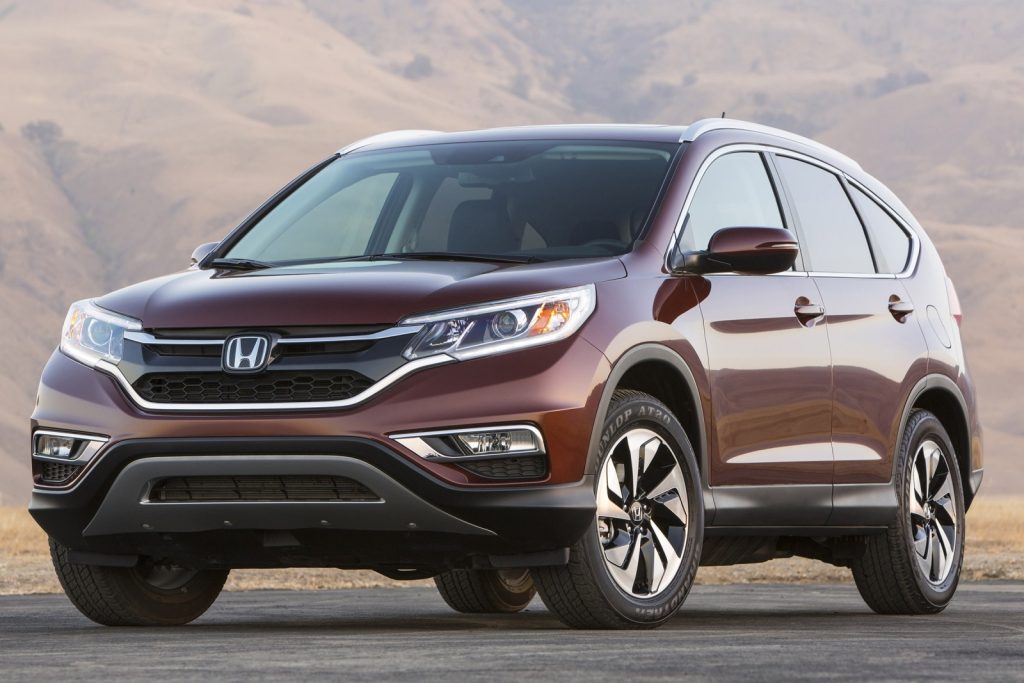
Owners also appreciate the model’s low maintenance requirements and excellent resale value. Independent repair shops are familiar with the vehicle, replacement parts remain affordable, and major mechanical failures are uncommon when recommended maintenance schedules are followed.
For buyers who prefer a naturally aspirated engine and proven engineering over the latest technology, the 2016 Honda CR-V continues to represent one of the safest purchases in the compact SUV segment.
Specifications
- Engine: 2.4-liter naturally aspirated inline-four
- Torque: 181 lb-ft
- Horsepower: 185 hp
- Length/Width: 179.4 inches / 71.6 inches
3. 2013 Honda CR-V
When Honda introduced the fourth-generation CR-V, the company focused less on dramatic styling changes and more on refining the qualities that had already made the SUV a bestseller. By the 2013 model year, the platform had matured into a dependable, practical, and fuel-efficient vehicle that appealed to a wide variety of buyers.
Instead of chasing unnecessary complexity, Honda concentrated on reliability, comfort, and everyday convenience, which is why the 2013 CR-V continues to hold its value in the used market.
The vehicle is powered by Honda’s 2.4-liter i-VTEC four-cylinder engine, an engine known for its durability and relatively low maintenance requirements.
Paired with a conventional five-speed automatic transmission, the powertrain delivers predictable performance and avoids many of the transmission concerns that affected some competitors during the same period.
Owners frequently report reaching well over 200,000 miles with only routine servicing such as oil changes, fluid replacements, and scheduled inspections.
The cabin emphasizes practicality above luxury. Controls are logically arranged, visibility is excellent, and the rear seats provide enough room for adults to travel comfortably. The low cargo floor and wide tailgate opening make loading large items easy, while numerous storage compartments increase day-to-day convenience for families.
Safety also contributed to this model’s popularity. Strong crash-test ratings, available all-wheel drive, and Honda’s reputation for dependable engineering gave buyers additional confidence.
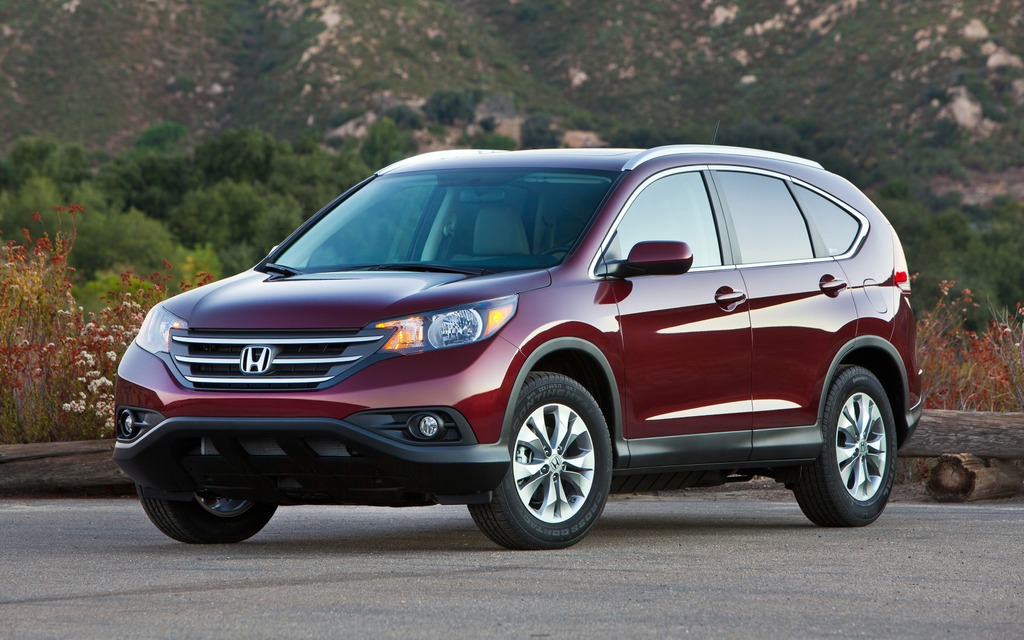
Running costs remain modest because replacement parts are widely available, fuel economy is competitive, and independent repair shops are very familiar with the platform.
For drivers seeking a compact SUV that values reliability, straightforward engineering, and long-term ownership satisfaction, the 2013 Honda CR-V remains one of the strongest choices from its generation.
Specifications
- Engine: 2.4-liter naturally aspirated inline-four
- Torque: 163 lb-ft
- Horsepower: 185 hp
- Length/Width: 178.3 inches / 71.6 inches
4. 2009 Honda CR-V
Many compact SUVs lose their appeal as they age because maintenance costs begin to outweigh their practicality. The 2009 Honda CR-V has largely avoided that fate thanks to a dependable powertrain and a reputation for consistent reliability.
It represents one of the strongest years of the third generation and remains highly regarded by buyers looking for an affordable used SUV.
Honda equipped the 2009 CR-V with a 2.4-liter i-VTEC engine paired with a five-speed automatic transmission. This combination has proven exceptionally durable over time, requiring little more than regular maintenance to continue performing well.
Unlike many modern turbocharged engines, the naturally aspirated design keeps mechanical complexity relatively low, reducing the likelihood of expensive repairs as mileage increases.
The driving experience focuses on comfort rather than sportiness. The suspension absorbs uneven roads effectively, steering is light and predictable, and outward visibility is excellent from every seating position.
Families appreciate the spacious rear seat, while the cargo area provides enough room for luggage, sports equipment, or weekly shopping trips.
Another advantage is the vehicle’s ownership costs. Insurance rates remain reasonable, fuel economy is respectable for its era, and parts availability is excellent thanks to the CR-V’s popularity. Many independent mechanics have extensive experience working on this generation, making repairs straightforward and affordable.
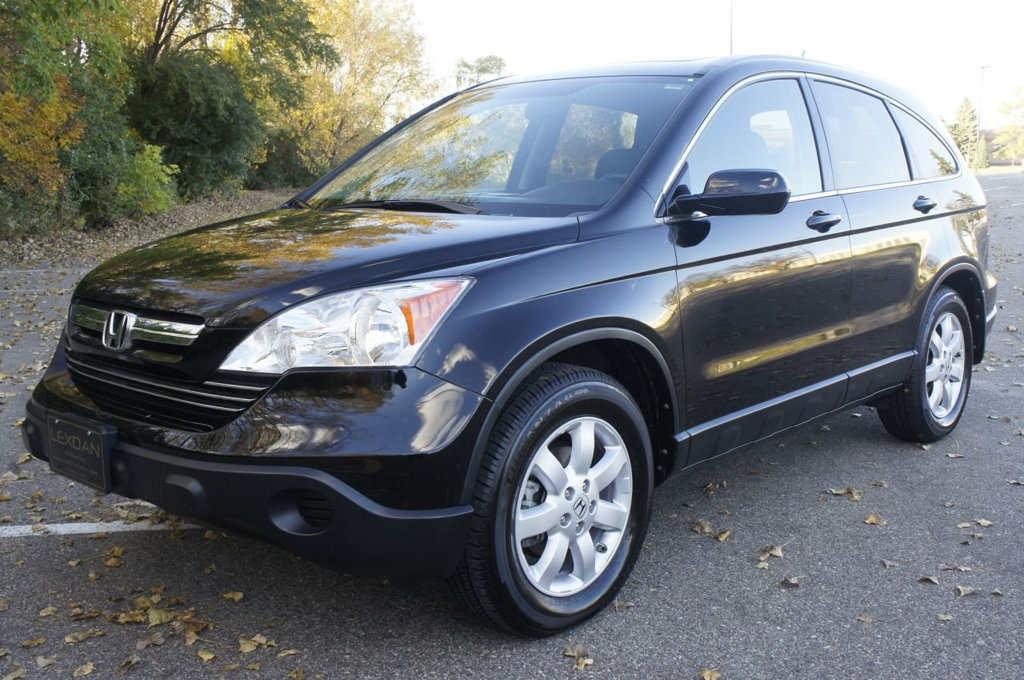
The 2009 CR-V also earned strong crash safety ratings, adding another reason why it continues to attract used-car buyers. Even after many years on the road, well-maintained examples remain capable of providing dependable transportation with relatively few unexpected mechanical surprises.
For anyone prioritizing durability, practicality, and value above luxury features, the 2009 Honda CR-V continues to justify its reputation as one of Honda’s finest compact SUVs.
Specifications
- Engine: 2.4-liter naturally aspirated inline-four
- Torque: 161 lb-ft
- Horsepower: 166 hp
- Length/Width: 177.9 inches / 71.6 inches
5. 2005 Honda CR-V
Some vehicles earn lasting respect not because they introduced groundbreaking technology, but because they consistently performed their intended role year after year. The 2005 Honda CR-V fits that description perfectly.
As one of the final production years of the second generation, it benefited from several years of refinement, allowing Honda to correct earlier issues while preserving the reliability that made the CR-V a popular family SUV.
Power comes from Honda’s dependable 2.4-liter i-VTEC four-cylinder engine, paired with either front-wheel drive or Honda’s Real Time four-wheel-drive system.
The engine is known for its smooth operation, dependable timing chain design, and ability to reach exceptionally high mileage with proper maintenance. Unlike many competitors from the same era, it avoids expensive turbochargers and complicated fuel systems, making long-term ownership considerably easier.
The cabin remains practical despite the vehicle’s age. Large windows provide excellent visibility, the upright seating position creates a confident driving experience, and the spacious cargo area makes the CR-V useful for everything from grocery shopping to weekend travel.
Honda also designed the rear seats to fold easily, allowing owners to carry larger items without sacrificing convenience.
Maintenance is another area where the 2005 CR-V continues to shine. Routine servicing is straightforward, replacement parts remain affordable, and independent repair shops have extensive experience with this generation.
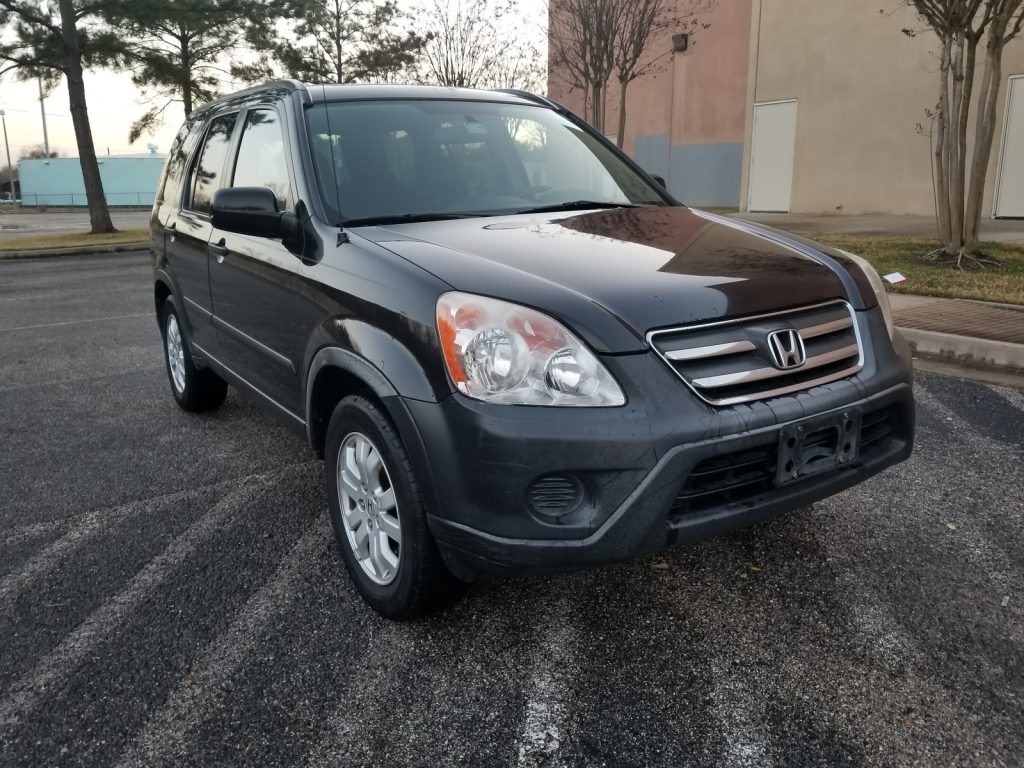
Owners frequently report exceeding 250,000 miles while performing only scheduled maintenance and replacing normal wear items.
Although it lacks the advanced technology found in modern SUVs, the 2005 Honda CR-V succeeds because it focuses on durability, simplicity, and practicality. Buyers looking for an affordable used SUV with a proven history of dependable service will find that this model year remains one of the safest choices available.
Specifications
- Engine: 2.4-liter naturally aspirated inline-four
- Torque: 162 lb-ft
- Horsepower: 160 hp
- Length/Width: 178.6 inches / 70.2 inches
5 Worst Years for the Honda CR-V
1. 2017 Honda CR-V
The 2017 Honda CR-V introduced the fifth generation with a completely redesigned body, improved interior quality, and Honda’s new 1.5-liter turbocharged engine for most trim levels.
It quickly became one of the best-selling compact SUVs in North America thanks to its spacious cabin, comfortable ride, and excellent fuel economy. Despite those strengths, the first production year of a new generation also brought several issues that affected owner confidence.
The most widely discussed concern involved engine oil dilution. In cold-weather conditions, some owners reported gasoline mixing with the engine oil because the engine was not reaching its optimal operating temperature during shorter trips.
Over time, this raised concerns about lubrication, engine wear, and long-term durability. Honda later introduced software updates and warranty extensions in certain markets to reduce the problem, but the issue remains closely associated with the 2017 model year.
Owners also reported occasional problems involving the heating system, infotainment software, battery performance, and electrical sensors. While many of these concerns were corrected through dealer updates, they added to the ownership experience during the vehicle’s early years.
The CR-V continued to offer outstanding passenger space, impressive cargo capacity, and strong crash safety ratings, but buyers considering a used 2017 model should verify that all software updates and recall-related repairs have been completed.
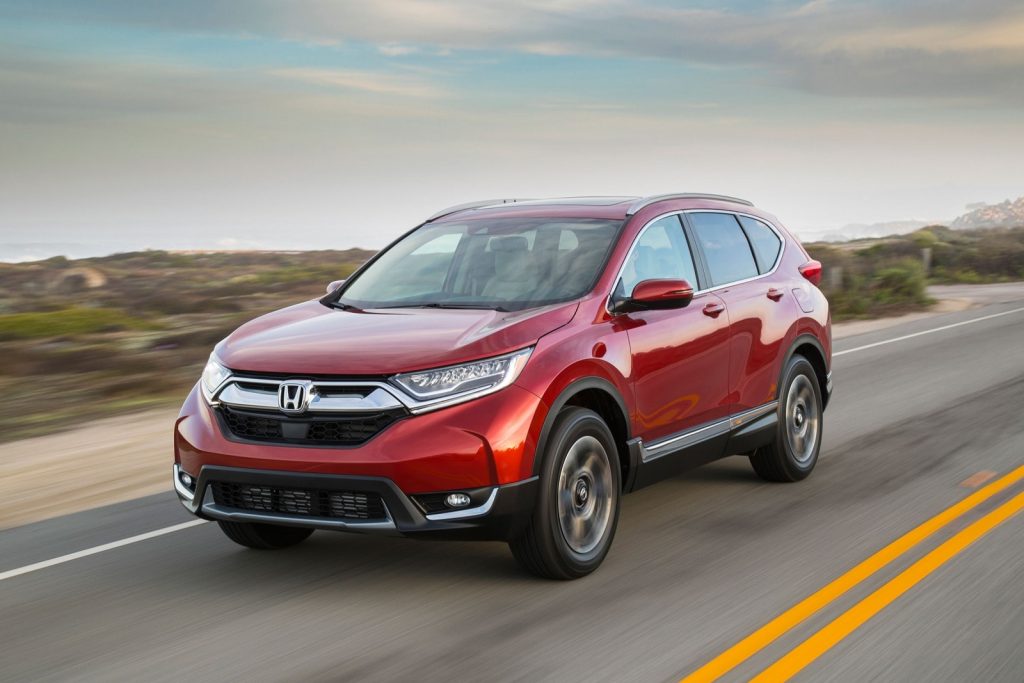
Later production years benefited from engineering improvements that significantly reduced many of these concerns, making them more desirable choices for buyers seeking long-term reliability.
Specifications
- Engine: 1.5-liter turbocharged inline-four
- Torque: 179 lb-ft
- Horsepower: 190 hp
- Length/Width: 180.6 inches / 73.0 inches
2. 2002 Honda CR-V
The 2002 Honda CR-V represented an important step forward as Honda launched the second generation with a larger body, improved crash protection, and a more powerful engine.
Buyers appreciated the added interior space and better refinement, but the first model year also experienced several reliability concerns that were gradually addressed in later production years.
One of the most common issues involved the air conditioning system. Compressor failures became a recurring complaint, and in some cases, internal compressor damage sent metal debris throughout the system, increasing repair costs because multiple components required replacement instead of only the compressor itself.
Automatic transmission performance also generated complaints from some owners. Although not nearly as widespread as transmission failures found in certain other SUVs of the era, delayed shifting, harsh gear changes, and premature wear appeared often enough to affect the vehicle’s reputation.
Suspension components, including bushings and stabilizer links, also required earlier replacement on some higher-mileage vehicles.
Another factor buyers should consider is age. Even well-maintained 2002 CR-Vs are now more than two decades old, meaning rubber seals, cooling system components, and electrical connectors may require replacement regardless of mileage.
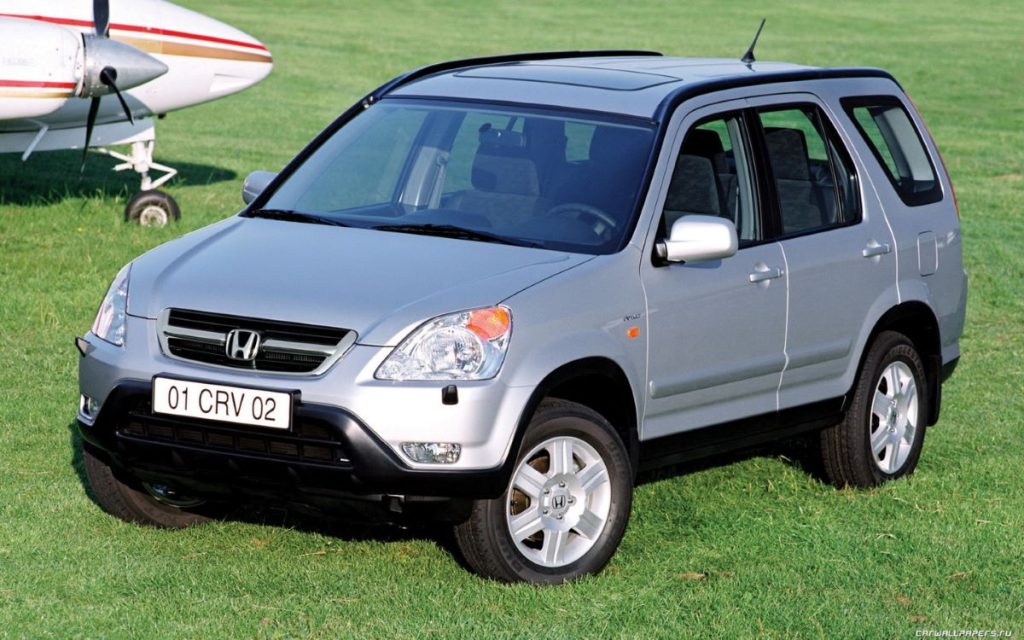
Fortunately, the durable 2.4-liter engine itself has proven capable of lasting hundreds of thousands of miles with regular maintenance.
For shoppers seeking a second-generation CR-V, later model years such as 2005 and 2006 generally provide a more refined ownership experience because Honda had additional time to improve reliability and address early production concerns.
Specifications
- Engine: 2.4-liter naturally aspirated inline-four
- Torque: 162 lb-ft
- Horsepower: 160 hp
- Length/Width: 178.6 inches / 70.2 inches
3. 2007 Honda CR-V
The 2007 Honda CR-V arrived with an attractive redesign that modernized the compact SUV and introduced a quieter cabin, improved ride quality, and updated styling. While the third generation proved popular with buyers, the first production year was not without shortcomings.
Like many newly redesigned vehicles, several problems surfaced after owners accumulated mileage, making the 2007 model less desirable than later versions of the same generation.
One of the most frequently reported concerns involved the air conditioning system. Many owners experienced compressor failures, and in some cases, the compressor broke apart internally, sending metal fragments throughout the system.
Repairing the damage often required replacing the compressor, condenser, receiver drier, and additional components, resulting in repair bills that were significantly higher than expected.
Another issue involved premature wear of door lock actuators, causing power locks to stop functioning correctly. Drivers also reported occasional vibration at idle, suspension noise from worn bushings, and steering components that required attention sooner than anticipated.
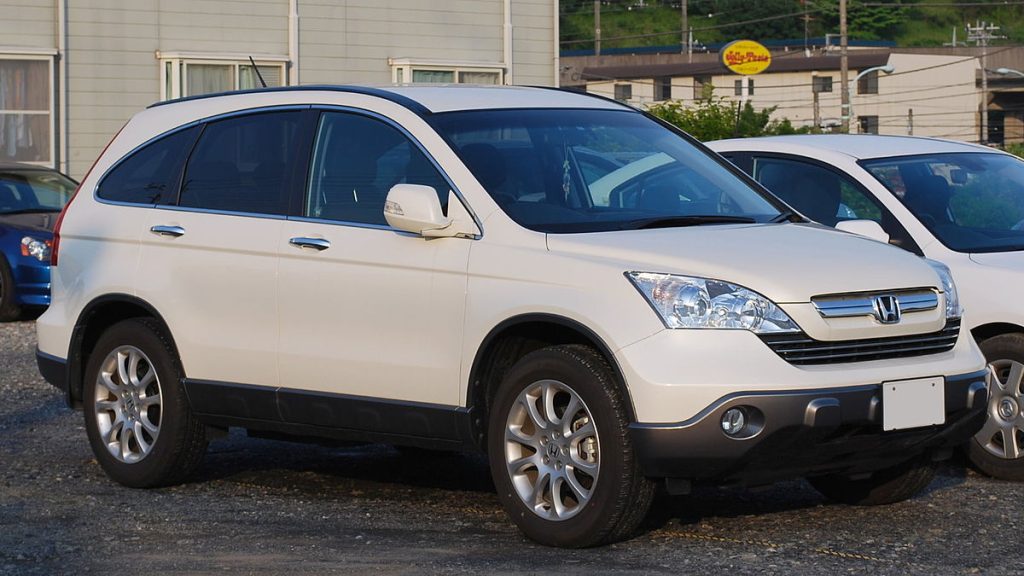
While the dependable 2.4-liter i-VTEC engine rarely suffered catastrophic failures, these smaller issues affected owner satisfaction and increased maintenance costs.
The 2007 CR-V still offers a spacious interior, excellent visibility, and Honda’s traditional reputation for dependable engineering.
However, buyers considering this model year should carefully inspect the air conditioning system and verify that major repairs have already been completed. Later third-generation models generally provide a more polished ownership experience with fewer recurring complaints.
Specifications
- Engine: 2.4-liter naturally aspirated inline-four
- Torque: 161 lb-ft
- Horsepower: 166 hp
- Length/Width: 177.9 inches / 71.6 inches
4. 2011 Honda CR-V
At first glance, the 2011 Honda CR-V appears to be an excellent used SUV because it belongs to the final years of the third generation. It benefits from mature engineering and retains Honda’s reputation for reliability.
However, owner reports reveal several recurring concerns that prevent it from ranking alongside the strongest CR-V model years.
The most common complaint involves excessive oil consumption. Some vehicles began using more oil than expected between scheduled service intervals, particularly after accumulating higher mileage.
Owners who failed to monitor oil levels occasionally experienced accelerated engine wear. While this issue did not affect every vehicle, it appeared frequently enough to become one of the defining concerns of the 2011 model year.
Air conditioning compressor failures also remained a notable weakness, continuing a problem seen in earlier third-generation CR-Vs.
In addition, suspension components such as control arm bushings and stabilizer links often require replacement sooner than many owners anticipated. Minor electrical issues involving power door locks and dashboard warning lights were also reported.
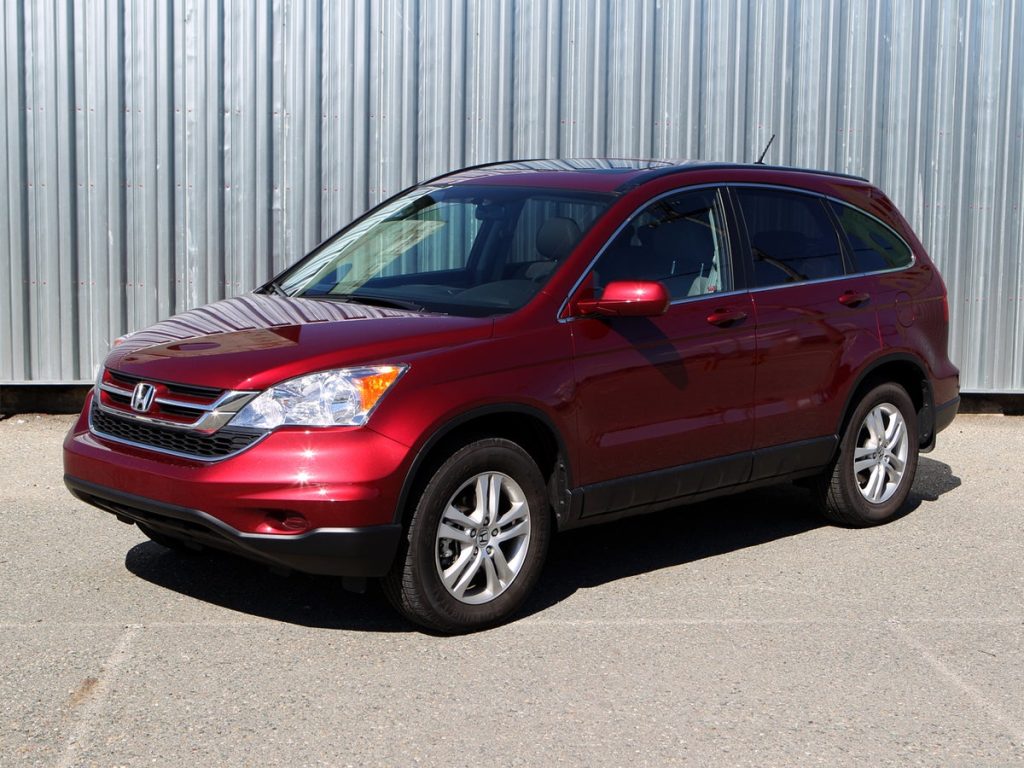
Despite these shortcomings, the CR-V still delivers a comfortable ride, generous cargo capacity, and dependable everyday transportation when properly maintained.
Buyers should simply verify that oil consumption has been monitored and that the air conditioning system has received necessary repairs before purchasing a used example.
Specifications
- Engine: 2.4-liter naturally aspirated inline-four
- Torque: 161 lb-ft
- Horsepower: 166 hp
- Length/Width: 179.3 inches / 71.6 inches
5. 2018 Honda CR-V
The 2018 Honda CR-V continued the success of the fifth generation, offering excellent fuel economy, a spacious cabin, and advanced safety technology.
Nevertheless, it remained affected by one of the most discussed issues in modern Honda history: fuel mixing with engine oil in certain vehicles equipped with the 1.5-liter turbocharged engine.
Drivers living in colder climates reported that gasoline could accumulate in the engine oil during repeated short trips, particularly before the engine reached full operating temperature. This concern led to worries about reduced lubrication and potential long-term engine durability.
Honda responded with software updates, revised climate-control programming, and warranty extensions in several markets, but the issue continued to influence buyer perception.
Some owners also reported occasional infotainment glitches, battery concerns, and intermittent operation of electronic sensors.
Although these problems were generally less serious than the oil dilution issue, they contributed to lower owner satisfaction compared with later model years that incorporated additional engineering improvements.
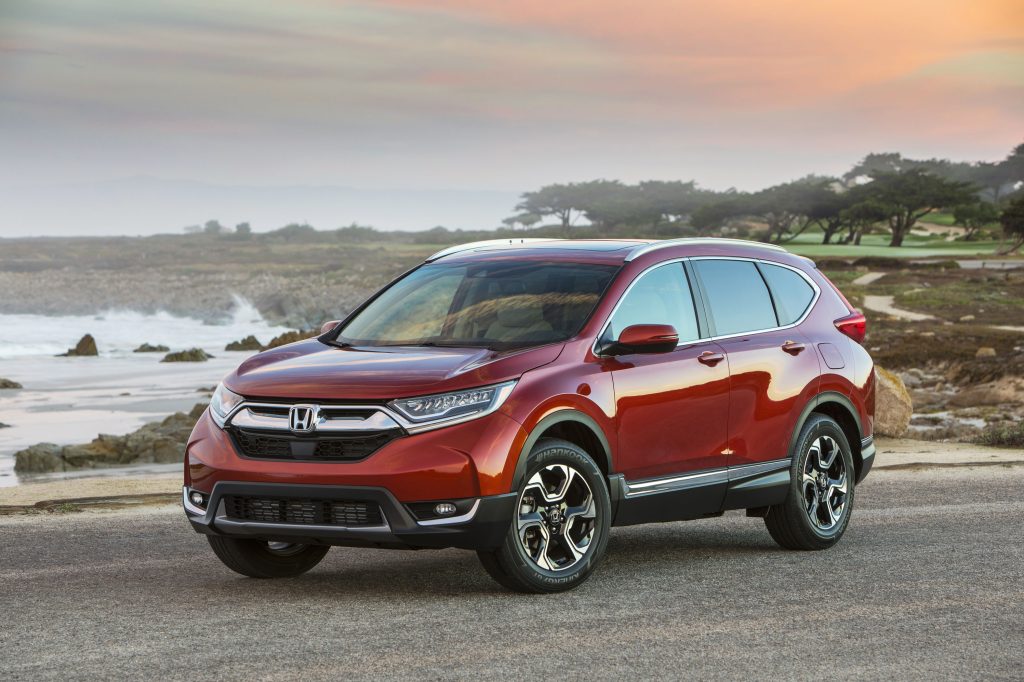
The 2018 CR-V remains comfortable, practical, and efficient, and many owners have accumulated high mileage without experiencing significant mechanical trouble. However, buyers should confirm that all factory updates and service campaigns have been completed before purchasing.
For those seeking the fifth-generation CR-V, the 2020 and 2021 models typically provide a more refined ownership experience with fewer widespread complaints.
Specifications
- Engine: 1.5-liter turbocharged inline-four
- Torque: 179 lb-ft
- Horsepower: 190 hp
- Length/Width: 180.6 inches / 73.0 inches
Also Read: 10 Cars That Struggle to Reach 300 Miles on a Full Tank
