
The automotive world has always had a strange relationship with value. What is considered ordinary, even undesirable, at one point in time can later become highly desirable, rare, and expensive.
Many cars that were once parked in middle class driveways or sold as affordable performance machines before the year 2000 have now transformed into collector items. Today, enthusiasts, collectors, and investors are willing to pay premium prices for models that were once seen as just another used car.
This shift in value is not random. It is driven by a combination of nostalgia, limited availability, engineering excellence, cultural impact, and motorsport heritage.
When cars age, most of them lose value and fade into obscurity. However, a select group becomes iconic. These are the vehicles that defined eras, introduced new technologies, or became symbols in films, racing, and pop culture. As supply decreases due to age, accidents, and modifications, the remaining well preserved examples become increasingly rare.
Another major factor behind this transformation is the rise of automotive enthusiast culture across the world. Online communities, auction platforms, and social media have made it easier for collectors to discover and compete for rare vehicles.
Cars that were once sold cheaply in local markets are now featured in international auctions where bidding wars drive prices far beyond their original cost. This global exposure has completely changed how older Japanese, European, and American performance cars are valued.
Strict import laws in several countries have also contributed to this price surge. Many vehicles produced before 2000 were never officially sold in certain markets, making them even more desirable today.
When these cars become eligible for import under age based regulations, demand spikes instantly. Enthusiasts who grew up seeing these cars in magazines or video games now have the financial ability to purchase them, further increasing demand.
What makes this trend even more interesting is that many of these cars were originally affordable performance or family vehicles. They were not built as ultra luxury machines. Instead, they were designed to be practical, sporty, or reliable. Over time, their engineering quality and driving experience have been re evaluated, placing them in a completely different category.
In this article, we will explore 10 cars that were relatively cheap before 2000 but are now considered luxury classics. Each of these vehicles has a unique story, from Japanese performance legends to European engineering icons.
We will look at why they were affordable back then, what makes them valuable now, and why collectors continue to chase them. These cars are no longer just transportation machines. They are cultural artifacts, investment assets, and symbols of automotive history that continue to grow in value with time.
Also Read: 10 Electric Vehicles That Spend the Least Time at Charging Stations
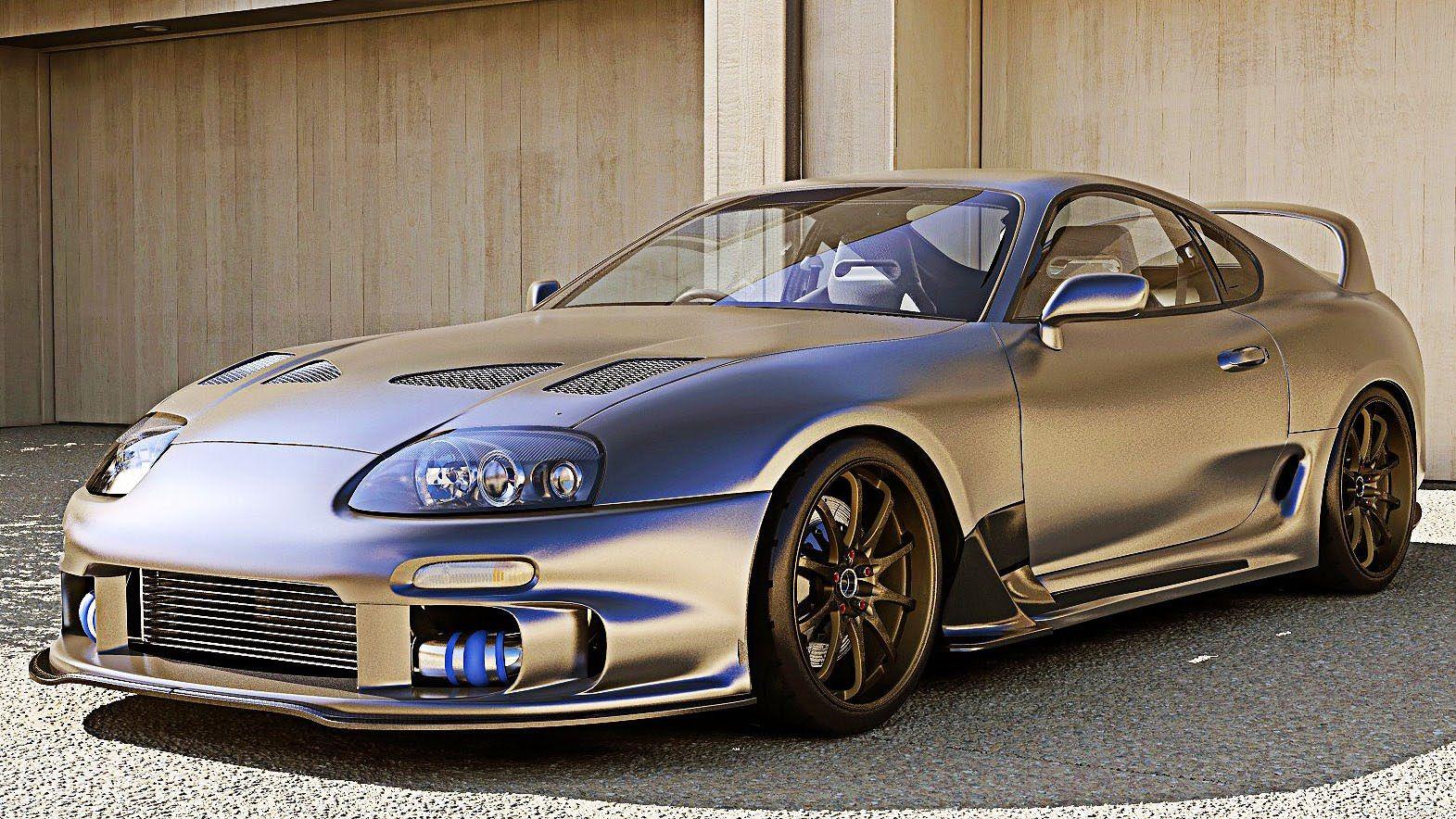
- Engine: 3.0L inline 6 cylinder 2JZ GTE (twin turbo)
- Horsepower: 276 hp (Japan spec) to 320 hp (export versions)
- Torque: 427 Nm
- Length: 4520 mm
- Width: 1810 mm
1. Toyota Supra MK4
The Toyota Supra MK4 was once a relatively attainable performance coupe in the 1990s, especially in markets where it was sold alongside more common sports cars. It was appreciated by enthusiasts but not considered an exotic machine at the time. Many buyers saw it as a powerful yet reliable Japanese sports car that could be driven daily without the maintenance burden of European rivals.
At the core of its rise in value is the legendary 2JZ GTE engine. This engine gained a reputation for handling extremely high power outputs with minimal internal modifications. Over time, tuning culture pushed this engine into iconic status. What was once a factory sports coupe became a global symbol of modified performance engineering.
Pop culture also played a huge role in its transformation. The Supra MK4 became globally famous through movies and racing games, turning it into a dream car for an entire generation. As these fans grew older, demand increased dramatically, pushing prices far beyond original affordability.
A well maintained or low mileage versions are treated as collectible assets. Prices in the collector market have increased significantly, especially for unmodified examples. The car is now viewed as a luxury performance icon rather than a used sports coupe.
Collectors value it not only for performance but also for its historical importance in tuning culture. It represents an era when Japanese engineering began challenging European dominance in the sports car segment.
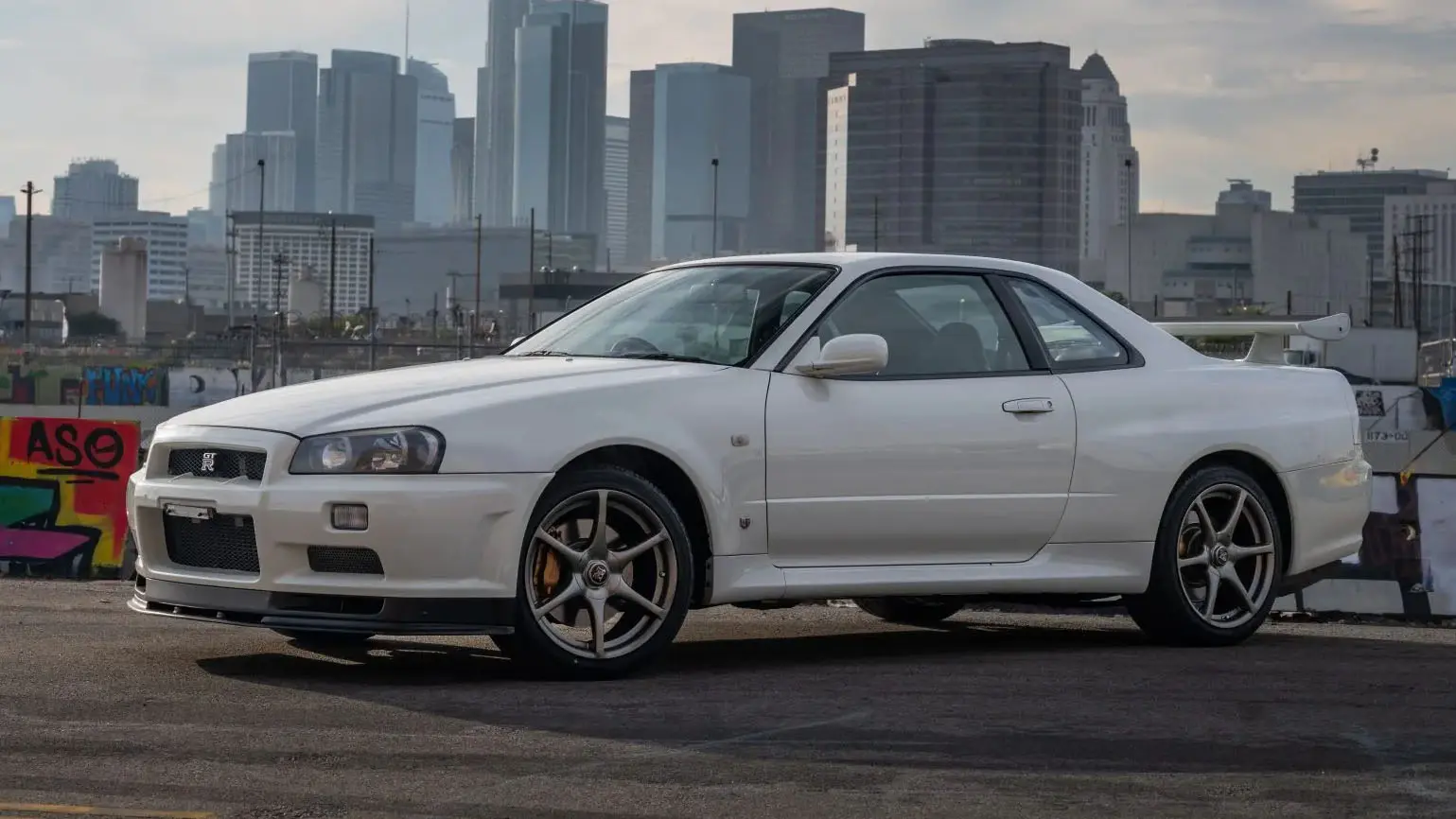
- Engine: 2.6L inline 6 cylinder RB26DETT twin turbo
- Horsepower: 276 hp (official) to around 330 hp real output
- Torque: 392 Nm
- Length: 4600 mm
- Width: 1785 mm
2. Nissan Skyline GT R R34
The Nissan Skyline GT R R34 was once a high performance Japanese domestic market car that remained relatively affordable in its home country during the late 1990s and early 2000s. It was not originally positioned as a global luxury product. Instead, it was a technologically advanced performance car built for enthusiasts.
Its value today comes from its advanced engineering for its time. The ATTESA all wheel drive system, advanced aerodynamics, and RB26 engine made it a technical masterpiece. It was capable of competing with far more expensive European sports cars while maintaining Japanese reliability.
Cultural influence significantly increased its global demand. The R34 became one of the most recognizable performance cars in video games and movies, turning it into a dream machine for collectors worldwide. Because it was never widely sold outside Japan, its rarity in international markets increased its desirability.
As import restrictions eased in some countries, demand surged, and prices skyrocketed. Enthusiasts now treat it as a premium collectible rather than just a performance car. Clean, unmodified examples are especially valuable.
The R34 is now seen as one of the defining performance cars of the pre 2000 era, representing the peak of Japanese engineering before strict emissions and production changes altered the industry.

- Engine: 1.3L twin rotor rotary 13B REW twin turbo
- Horsepower: 252 hp
- Torque: 294 Nm
- Length: 4280 mm
- Width: 1760 mm
3. Mazda RX 7 FD
The Mazda RX 7 FD was once an affordable lightweight sports car that appealed to driving enthusiasts who wanted something unique. It was not considered a luxury vehicle at the time and was often purchased by younger drivers due to its relatively accessible price point.
Its defining feature is the rotary engine, which delivered high performance in a compact and lightweight package. While it required careful maintenance, it offered a driving experience unlike any piston engine competitor. This uniqueness later became a major factor in its collectible status.
Over time, many RX 7 FD models were modified heavily or poorly maintained, reducing the number of clean stock examples. This scarcity, combined with growing appreciation for rotary engineering, significantly increased its value in the collector market.
Its appearance in motorsport and media also contributed to its iconic status. The FD generation is often regarded as one of the most beautiful Japanese sports car designs ever produced.
It is considered a premium collector vehicle. Enthusiasts value it for its driving dynamics, rarity, and historical importance in Japanese sports car evolution.
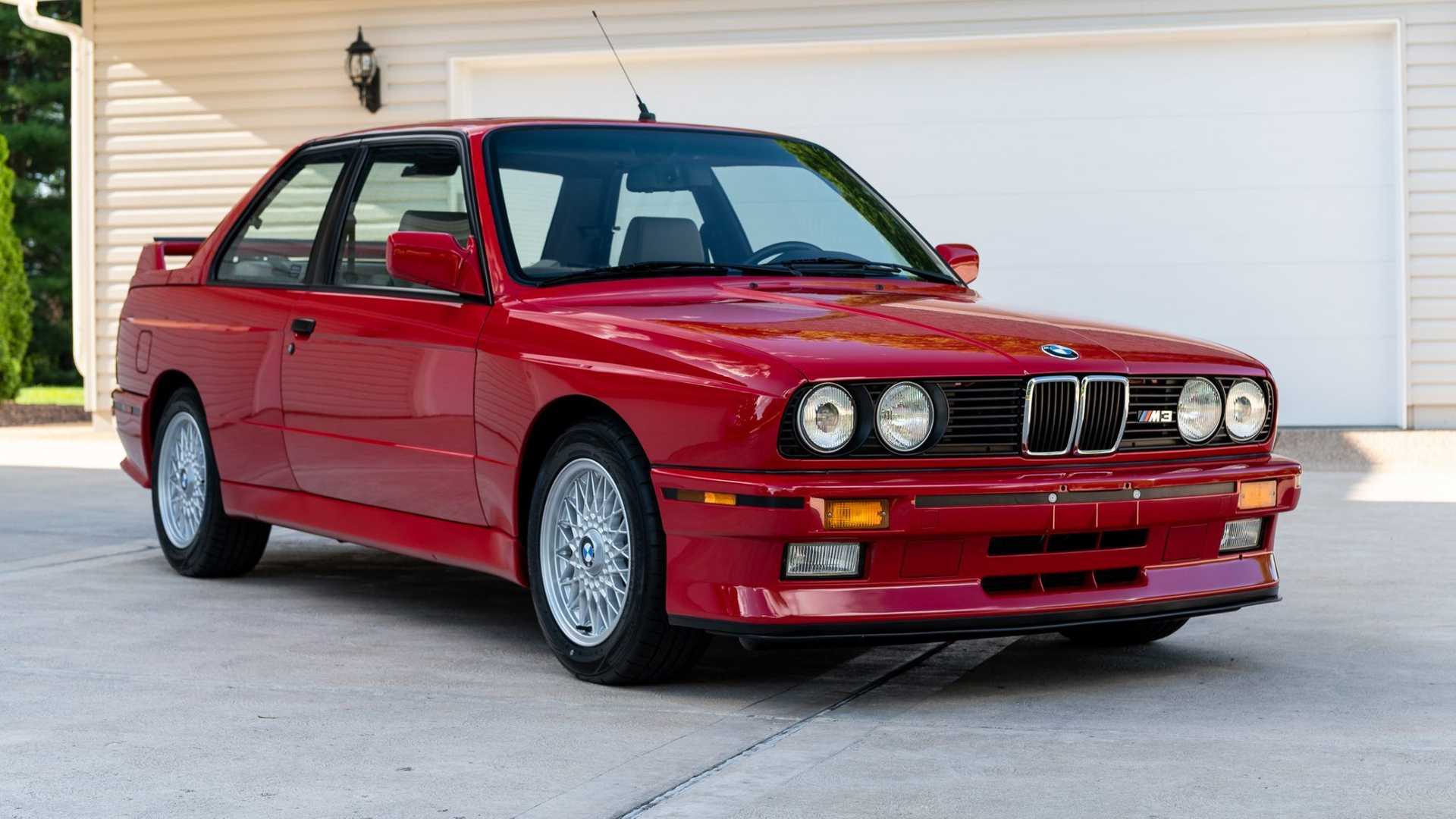
- Engine: 2.3L inline 4 cylinder S14 naturally aspirated
- Horsepower: 192 hp (early models) to 215 hp (Sport Evo)
- Torque: 230 Nm
- Length: 4355 mm
- Width: 1645 mm
4. BMW E30 M3
The BMW E30 M3 was originally developed as a homologation special for touring car racing. In the 1980s and early 1990s, it was relatively affordable compared to modern luxury standards and was even seen as a practical performance car for enthusiasts.
Its motorsport success played a major role in its long term value increase. The E30 M3 dominated touring car racing, building a reputation for precision handling and engineering balance. This racing heritage made it legendary over time.
As BMW transitioned to newer generations, the E30 M3 became increasingly rare. Many were used heavily in motorsport or daily driving, leading to fewer preserved examples.
Collectors now view it as one of the purest driving experiences ever produced by BMW. Its simple yet effective engineering makes it highly desirable in modern times.
Today it is firmly placed in the luxury collector segment, with prices reflecting its historical significance and racing pedigree.
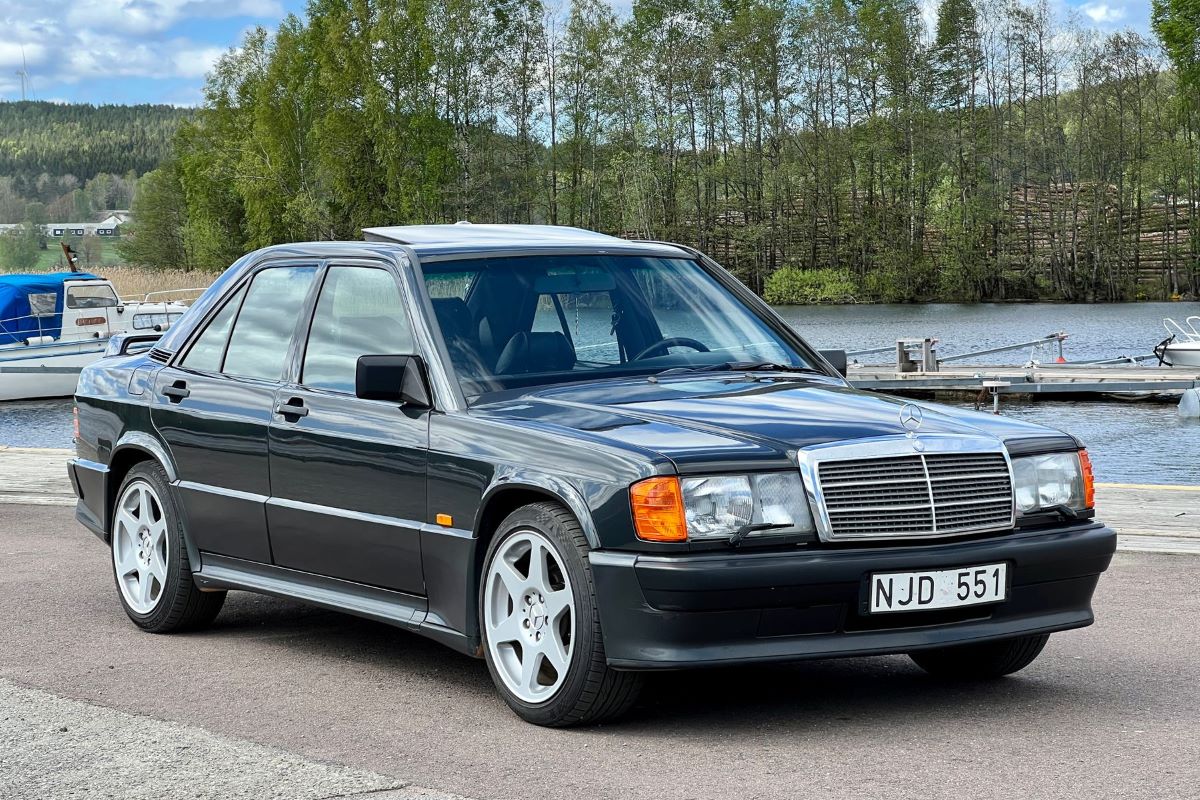
- Engine: 2.3L inline 4 cylinder Cosworth 16 valve
- Horsepower: 185 hp
- Torque: 235 Nm
- Length: 4450 mm
- Width: 1680 mm
5. Mercedes Benz 190E 2.3 16
The Mercedes Benz 190E 2.3 16 was originally introduced as a compact executive sedan with a performance focus, but it was still positioned within a relatively affordable segment of the Mercedes lineup during the 1980s and early 1990s. At the time, it was not treated as a luxury collector car but rather as a sporty version of a practical daily driver. Buyers were more attracted to its engineering refinement than any idea of future collectability.
One of the most important aspects of this car was its Cosworth developed 16 valve cylinder head, which significantly improved performance compared to standard versions.
This collaboration gave the car a strong motorsport identity, especially in touring car racing. It proved that Mercedes could compete seriously in performance oriented categories while still maintaining its reputation for durability and engineering precision.
The 190E 2.3 16 gained attention after its involvement in famous racing exhibitions and competitions, where it demonstrated strong handling and stability. It was not the most powerful car in its class, but its balance and predictable driving dynamics made it highly respected among enthusiasts and professional drivers. This reputation slowly built its long term value foundation.
Over the years, many examples were used as daily transportation, which led to wear and high mileage across most surviving units. Because of this, clean and well maintained versions became increasingly rare. Enthusiasts began restoring them, further pushing demand and raising market prices significantly.
The car is viewed as a classic performance sedan that represents an important era in Mercedes Benz history. It is no longer seen as an entry level sporty sedan but as a collectible vehicle with strong motorsport heritage and growing luxury appeal.
Also Read: 10 Reasons Cars Got Smaller Over the Last 60 Years

- Engine: 3.6L flat 6 air cooled
- Horsepower: 247 hp
- Torque: 310 Nm
- Length: 4245 mm
- Width: 1652 mm
6. Porsche 911 964
The Porsche 911 964 was introduced as a major evolution of the classic 911 platform, bringing modern engineering improvements while still retaining the air cooled character that defined early Porsche sports cars. During its production years, it was not immediately seen as a collectible model, and many buyers considered it simply an older generation sports car.
It featured improvements such as updated suspension systems, better aerodynamics, and more refined handling compared to earlier versions. These upgrades made it more usable for everyday driving, which initially lowered its exclusivity in the eyes of collectors who were focused on raw and less refined classics.
The 964 was somewhat overshadowed by newer Porsche models, especially as water cooled engines and modern designs began to emerge. This caused the 964 to be undervalued in the used car market for many years, making it relatively affordable compared to its modern descendants.
However, as automotive culture shifted toward appreciation of analog driving experiences, the 964 gained significant attention. Enthusiasts began to value its mechanical purity, air cooled engine sound, and direct driving feel that modern cars often lack due to electronic assistance systems.
The Porsche 964 is considered a highly desirable collector car. Its transition from an overlooked used sports car to a luxury classic demonstrates how changing automotive preferences can dramatically reshape market value over time.
- Engine: 3.0L V6 naturally aspirated (C30A)
- Horsepower: 270 hp
- Torque: 285 Nm
- Length: 4430 mm
- Width: 1810 mm
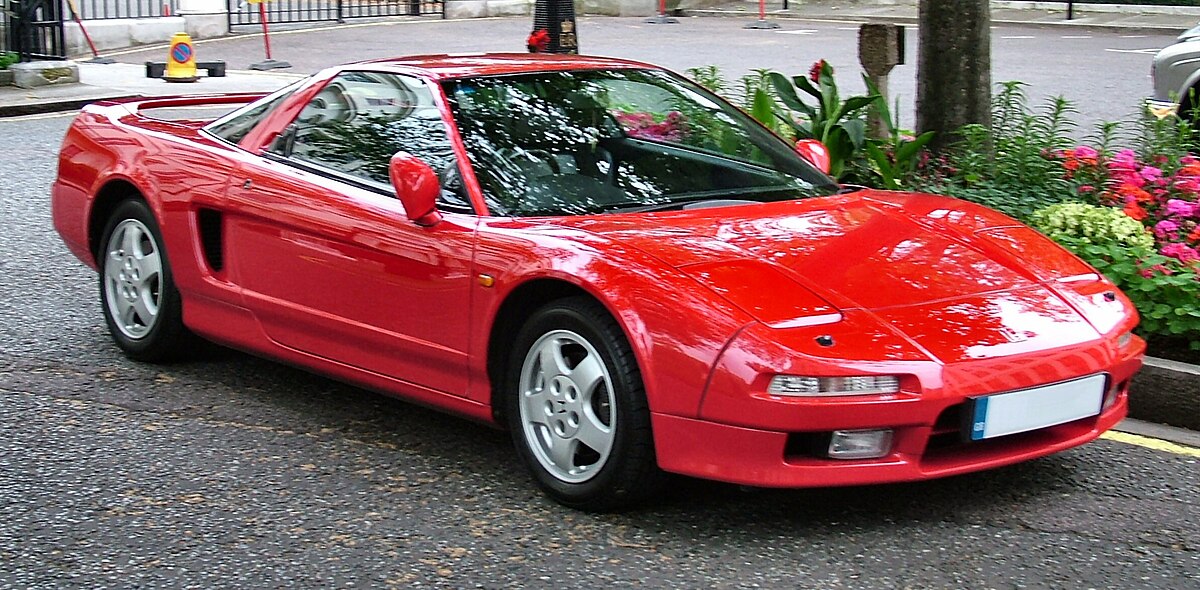
7. Acura NSX NA1
The first generation Acura NSX was developed as a revolutionary supercar alternative that challenged traditional European dominance in the high performance segment. When it was released, it was priced lower than many exotic rivals, making it relatively accessible for a supercar inspired machine.
Its development was heavily influenced by racing technology and engineering precision, including input from professional drivers who helped refine its handling balance. The result was a mid engine sports car that delivered exceptional control, reliability, and usability compared to many temperamental supercars of its time.
Unlike many exotic cars of the era, the NSX was designed with daily usability in mind. It offered smooth operation, strong reliability, and low maintenance requirements, which made it appealing to a wider range of buyers. However, this also meant it was not initially viewed as rare or exclusive.
Over time, the automotive community began to recognize its importance as a technological milestone. It proved that a supercar could be both high performing and reliable, changing perceptions of what Japanese engineering could achieve in the global performance market.
The Acura NSX NA1 is regarded as a premium collector vehicle. Its combination of historical significance, balanced driving dynamics, and increasing rarity has pushed it firmly into the luxury classic category.
- Engine: 4.5L inline 6 petrol or 4.2L diesel options
- Horsepower: 158 hp to 212 hp depending on variant
- Torque: 285 Nm to 430 Nm depending on variant
- Length: 4820 mm
- Width: 1830 mm
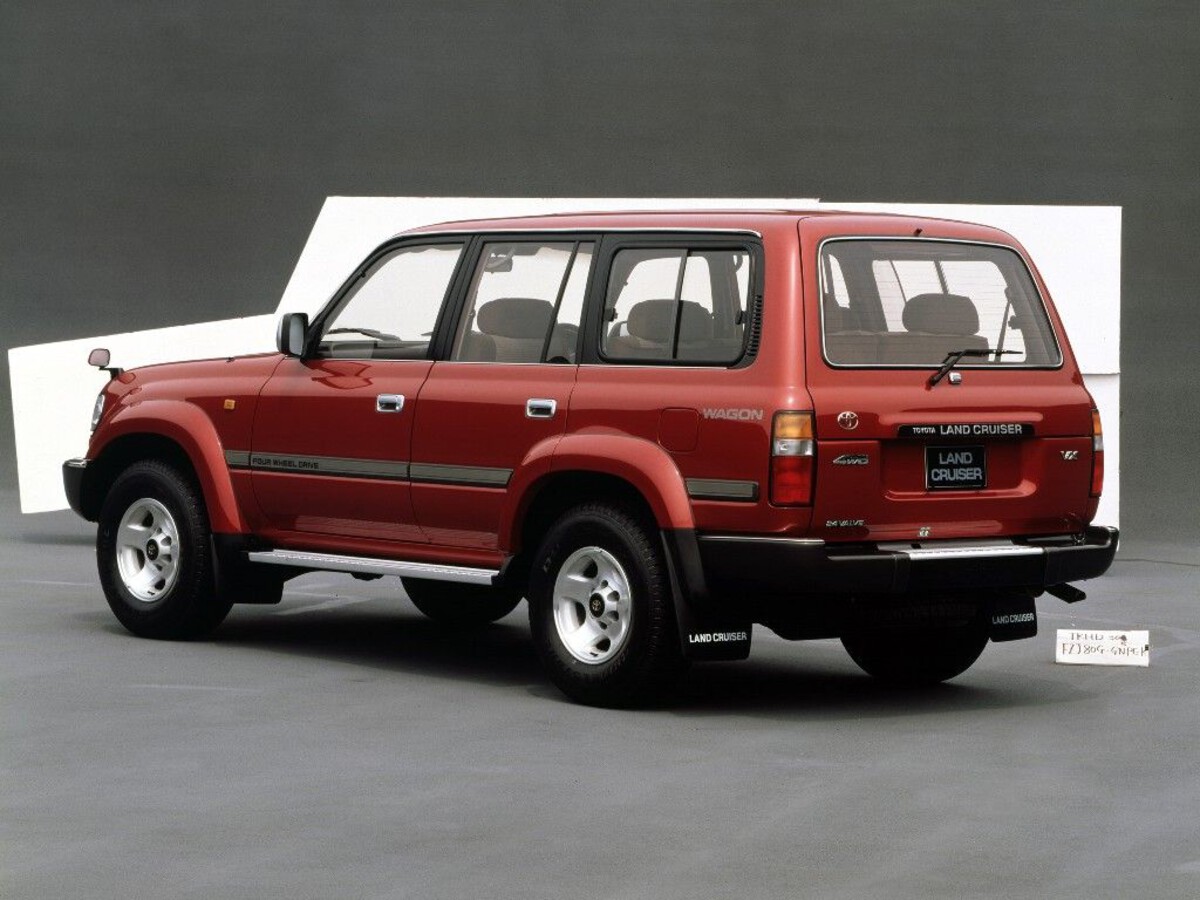
8. Toyota Land Cruiser 80 Series
The Toyota Land Cruiser 80 Series was originally designed as a rugged off road utility vehicle built for extreme durability rather than luxury appeal. It was widely used in government fleets, remote regions, and by adventure enthusiasts who valued reliability over comfort or prestige.
At the time of its release, it was not positioned as a luxury SUV. Instead, it focused on mechanical strength, simple engineering, and the ability to operate in harsh environments where other vehicles would fail. This practical positioning kept its original market value relatively accessible.
One of the reasons for its modern appreciation is its legendary reliability. The vehicle is known for its ability to withstand extreme conditions such as deserts, mountains, and undeveloped terrain without major mechanical failure. This reputation slowly transformed its image from utility vehicle to dependable global icon.
As older units aged, many were heavily used or discarded, which significantly reduced the number of clean, well preserved examples. Enthusiasts and collectors began restoring them, especially in regions where rugged SUVs became desirable lifestyle vehicles rather than just work machines.
The Land Cruiser 80 Series is considered a luxury classic SUV. Its durability, global reputation, and increasing scarcity have made it highly sought after among collectors who value both heritage and long term reliability.
- Engine: 2.0L inline 4 cylinder turbocharged 4G63
- Horsepower: 276 hp (official)
- Torque: 373 Nm
- Length: 4350 mm
- Width: 1770 mm
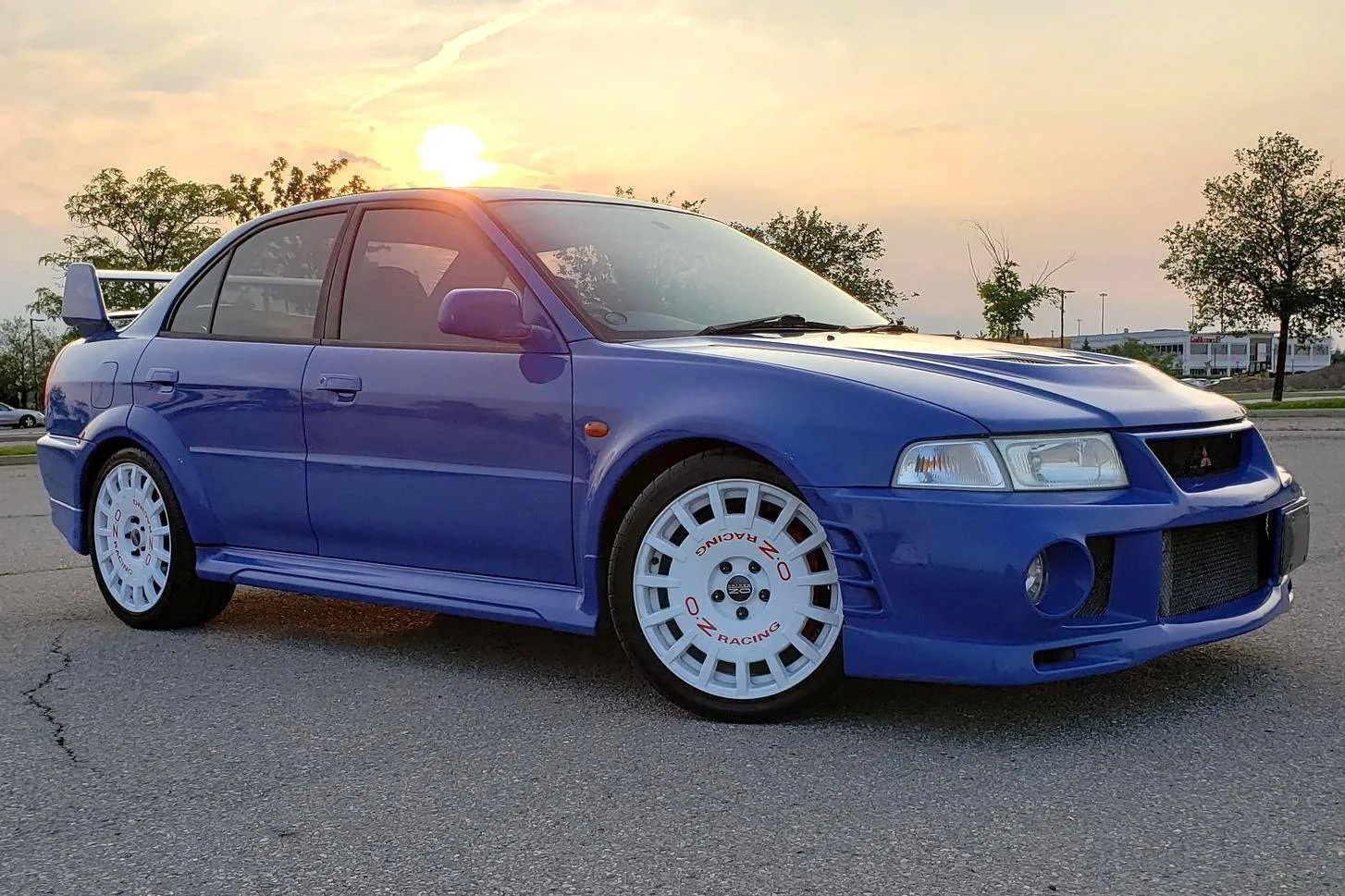
9. Mitsubishi Lancer Evolution VI
The Mitsubishi Lancer Evolution VI was originally developed as a homologation model for rally racing, designed to meet the demands of competitive motorsport. During its production period, it was relatively affordable compared to modern performance cars and was primarily purchased by driving enthusiasts.
Its engineering was focused on performance efficiency, featuring a turbocharged engine, advanced all wheel drive system, and lightweight construction. These features made it highly competitive in rally environments and also extremely fun for road driving enthusiasts who wanted race inspired performance.
At the time, it was not considered a luxury vehicle but rather a practical performance tool. Many owners modified and used it aggressively, which led to significant wear across many surviving examples. This reduced the number of original condition vehicles over time.
As rally heritage became more appreciated globally, the Evolution VI gained recognition as one of the most important performance sedans of its era. Its connection to motorsport success increased its historical value and collector interest.
Well preserved examples are rare, and its reputation as a pure rally bred machine has elevated it into the luxury performance category.
- Engine: 1.6L inline 4 cylinder B16B VTEC
- Horsepower: 182 hp
- Torque: 160 Nm
- Length: 4180 mm
- Width: 1695 mm
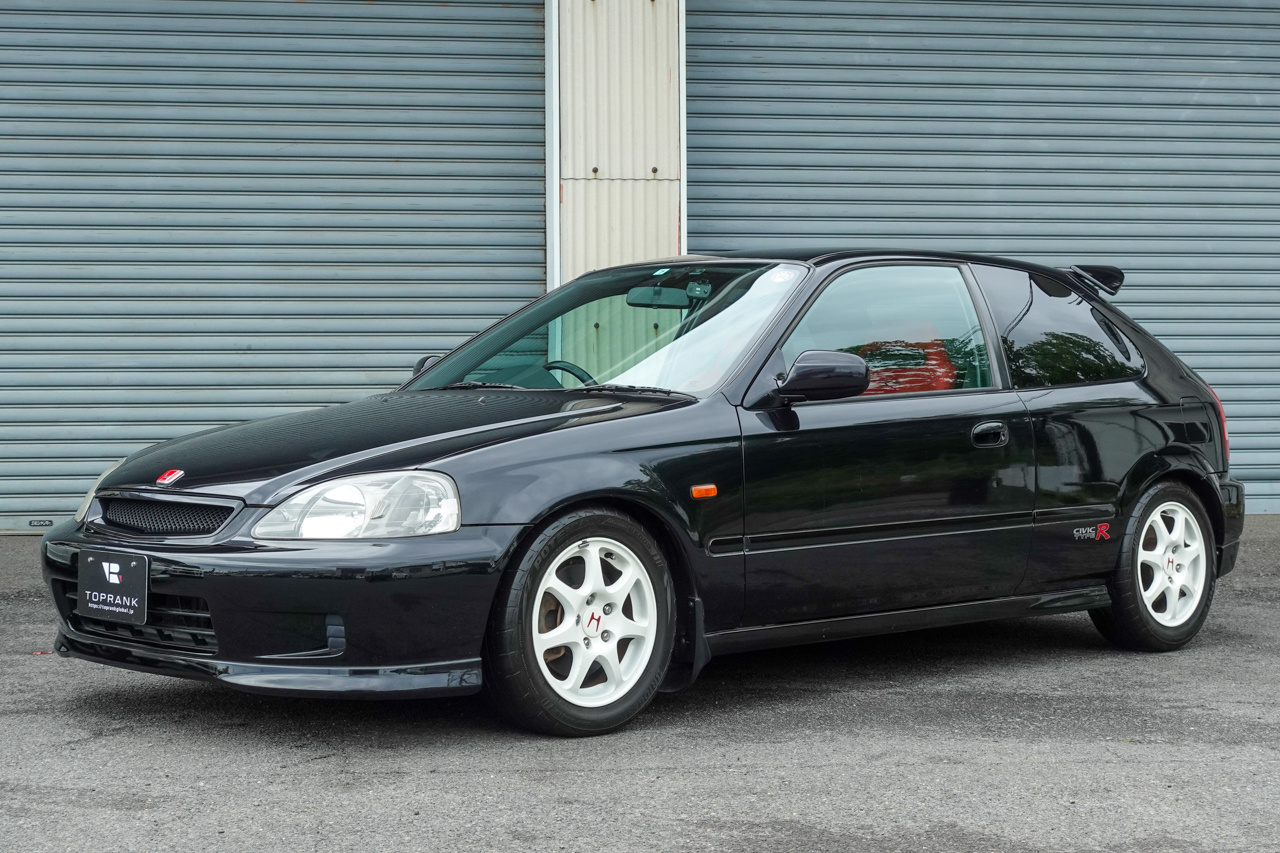
10. Honda Civic EK9 Type R
The Honda Civic EK9 Type R was introduced as a lightweight, high performance hatchback designed specifically for driving enthusiasts. During its release period, it was relatively affordable and widely available in its home market, making it accessible to younger buyers.
It featured a high revving naturally aspirated engine, tight suspension tuning, and a focus on driving precision rather than comfort or luxury. This made it extremely popular among enthusiasts who valued engagement and responsiveness over refinement.
At the time, it was not considered a luxury or collectible vehicle. It was simply a performance oriented version of a practical hatchback. Many examples were driven hard, modified, or used in motorsport activities, which affected long term preservation rates.
As the demand for lightweight analog driving experiences increased, the EK9 gained strong appreciation among collectors. Its rarity outside Japan further increased its desirability, especially in regions where it was never officially sold.
The Honda Civic EK9 Type R is regarded as a highly desirable collector car. It represents one of the purest expressions of front wheel drive performance engineering and has firmly entered the luxury enthusiast market.
