
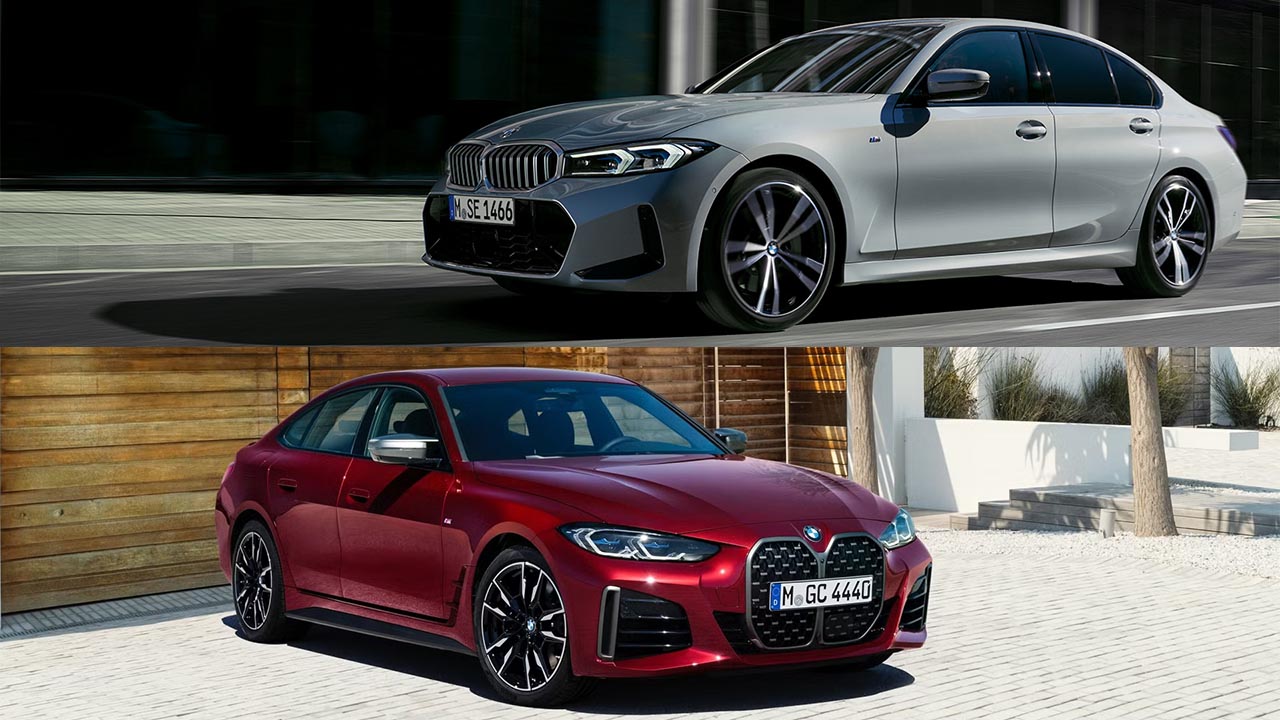
Luxury electric vehicles have transformed the automotive industry by combining cutting-edge technology, premium comfort, impressive acceleration, and environmentally conscious engineering into one package.
Over the last decade, many buyers have embraced luxury EVs for their advanced driver assistance systems, quiet cabins, instant torque, and lower operating costs compared to traditional gasoline-powered luxury cars.
Manufacturers have also invested billions in developing new battery technologies, software features, and charging infrastructure, creating fierce competition across the premium electric vehicle segment. While these vehicles often command high purchase prices when new, they have also gained a reputation for experiencing significant depreciation within just a few years.
It is not uncommon for luxury electric vehicles to lose between 40% and 60% of their original value during the first three to five years of ownership.
This trend has attracted attention from consumers, automotive analysts, dealerships, and investors alike, raising important questions about why depreciation is so steep and whether buying a used luxury EV presents a better financial decision than purchasing a brand-new model.
Unlike traditional luxury vehicles, electric cars are heavily influenced by rapidly evolving technology. Improvements in battery efficiency, charging speeds, driving range, software capabilities, and manufacturing costs arrive at a pace that is much faster than the development cycle of conventional internal combustion vehicles.
As a result, an electric vehicle that seemed groundbreaking only a few years ago may quickly appear outdated when compared with the latest models entering the market. Buyers in the premium segment also expect access to the newest technology, which reduces demand for older models and places downward pressure on resale values.
At the same time, changes in government incentives, shifting consumer preferences, increased production volumes, and aggressive manufacturer pricing strategies further contribute to depreciation.
Understanding why luxury EVs lose value so quickly requires looking beyond a single factor. Battery aging, software advancements, warranty concerns, market competition, financing trends, and consumer psychology all influence resale prices.
Economic conditions, interest rates, and fluctuations in new vehicle pricing can also have a substantial impact on the used luxury EV market. While depreciation may seem like a disadvantage for original owners, it creates opportunities for second-hand buyers who can purchase high-end electric vehicles at significantly reduced prices while still enjoying many of their premium features.
This article explores the major reasons behind the rapid depreciation of luxury EVs, examines the market forces shaping resale values, discusses whether this trend is likely to continue, and offers practical advice for buyers and owners seeking to make informed financial decisions.
Also Read: 10 Electric Vehicles That Spend the Least Time at Charging Stations
The Rapid Evolution of EV Technology Accelerates Depreciation
Electric vehicles are fundamentally different from conventional automobiles because much of their value is tied to technology rather than mechanical engineering alone. Battery chemistry, electric motors, software systems, and charging capabilities continue to improve at a remarkable pace.
Every new generation often delivers meaningful gains in driving range, charging speed, energy efficiency, and digital functionality. As a result, luxury EVs become technologically outdated much faster than similarly priced gasoline-powered luxury vehicles.
Battery improvements are among the biggest contributors to depreciation. Early luxury EVs often offered driving ranges that seemed impressive at launch but now fall well behind newer models.
When consumers can purchase a new luxury EV capable of traveling substantially farther on a single charge while also charging more quickly, demand shifts toward the latest generation naturally. Even if the older vehicle remains reliable and practical for daily driving, buyers often prioritize future-proof technology, reducing the market value of previous models.
Software also plays an increasingly important role in determining resale value. Modern electric vehicles receive regular updates that improve efficiency, user interfaces, safety systems, and connectivity. However, not every vehicle receives the same level of ongoing software support.
Some older luxury EVs eventually stop receiving major updates because of hardware limitations or manufacturer decisions. Once software support slows or ends, potential buyers may perceive the vehicle as outdated even if its physical condition remains excellent. This perception can significantly influence resale pricing.
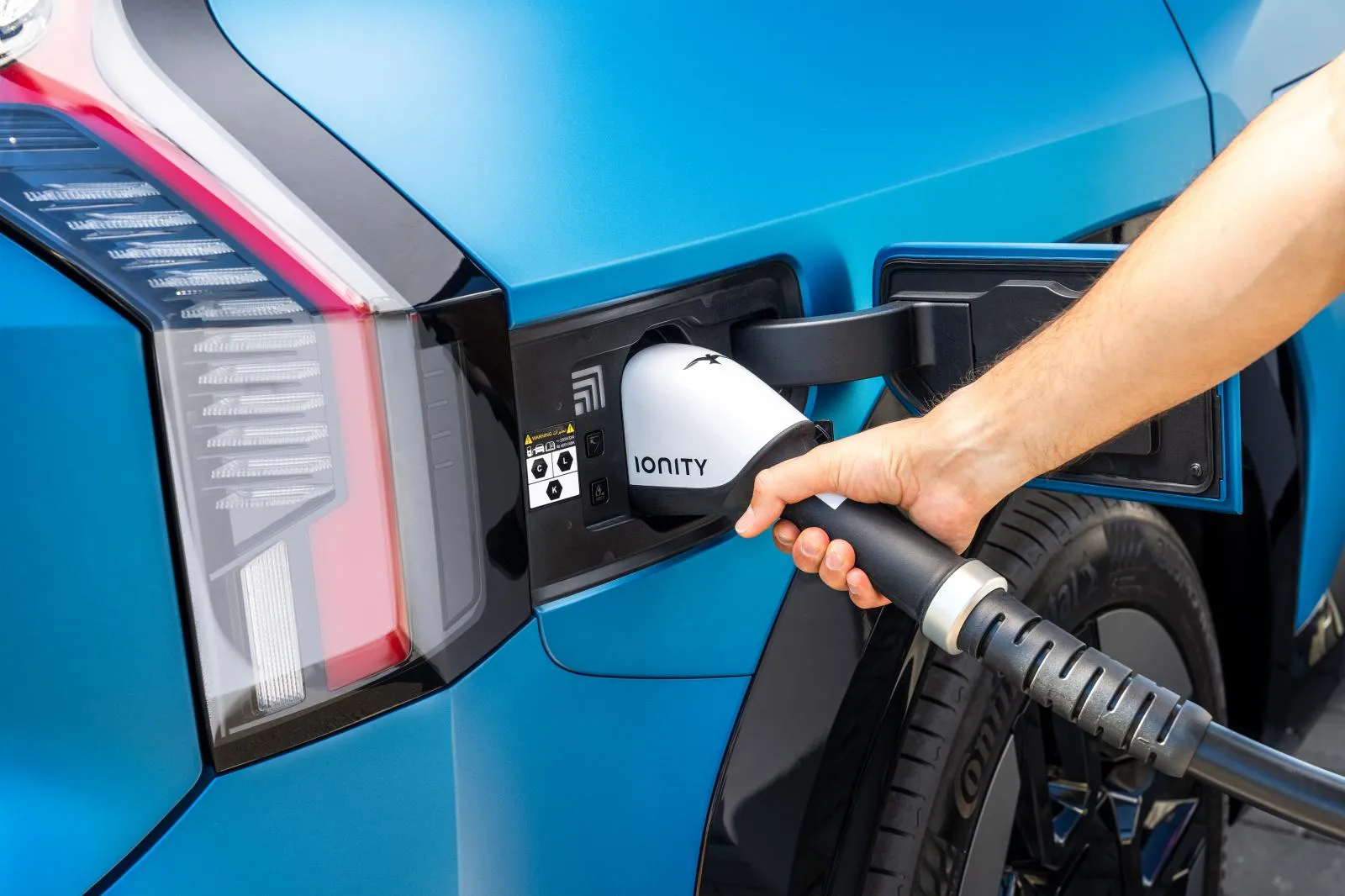
Charging infrastructure has also evolved rapidly. Many early luxury EVs support slower charging standards than today’s vehicles. Improvements in fast charging technology allow newer models to recover hundreds of kilometers of range in much shorter periods.
Consumers planning long-distance travel often consider charging speed nearly as important as driving range. Vehicles with older charging technology become less competitive, particularly in regions where high-speed charging networks continue expanding.
Consumer expectations within the luxury segment amplify these effects. Premium buyers generally seek the newest innovations rather than simply reliable transportation.
They value advanced displays, sophisticated driver assistance systems, improved interior technology, and enhanced digital experiences. Since electric vehicle innovation moves faster than traditional automotive development, luxury EVs often experience sharper technology-driven depreciation than comparable gasoline luxury vehicles.
Market Competition and Aggressive Pricing Pressure Used Values
The luxury electric vehicle market has become increasingly competitive. Established premium automakers, emerging electric vehicle companies, and traditional manufacturers have introduced numerous luxury EV models across multiple price segments.
Increased competition benefits consumers through greater choice, but it also creates downward pressure on resale values as manufacturers continuously adjust pricing to remain competitive.
One major factor affecting depreciation has been direct price reductions on new vehicles. Several manufacturers have lowered the prices of new electric models to stimulate demand or respond to changing market conditions.
When the price of a new luxury EV decreases substantially, used examples immediately become less valuable because buyers compare them directly with discounted new alternatives. Owners who purchased before these price adjustments often experience unexpectedly large losses in resale value despite maintaining their vehicles well.
Production volumes have also increased significantly. During the early years of premium EV adoption, limited availability helped maintain relatively strong resale prices.
As manufacturing capacity expanded and supply chain challenges eased, more new vehicles entered the market. Greater availability reduced scarcity and increased competition among sellers in the used market, contributing to faster depreciation.
Competition extends beyond vehicle pricing alone. Manufacturers frequently introduce new incentives, financing offers, complimentary charging programs, and extended warranties to encourage new vehicle purchases. These incentives improve the value proposition of buying new rather than used.
As a result, pre-owned luxury EVs must be priced aggressively to remain attractive, further increasing depreciation for original owners.
Consumer preferences have also become more diverse. Buyers can now choose from luxury electric sedans, sport utility vehicles, performance models, executive vehicles, and premium crossovers offered by multiple manufacturers. Increased choice means fewer buyers competing for any individual used model, contributing to lower resale values across the luxury EV market.
Also Read: 10 Reasons Cars Got Smaller Over the Last 60 Years

Battery Health, Warranty Considerations, and Buyer Confidence
Battery performance remains one of the most important considerations for anyone purchasing a used electric vehicle. Although modern lithium-ion batteries are generally durable and designed to last many years, uncertainty about long-term battery health influences resale values.
Unlike traditional vehicles, where buyers often focus on engine reliability, used EV buyers carefully evaluate battery condition because replacing a high-voltage battery can be expensive.
Battery degradation occurs naturally over time and through repeated charging cycles. While most luxury EV batteries retain a significant percentage of their original capacity after several years, some reduction in driving range is expected.
Even relatively modest degradation can influence buyer perception, especially among consumers unfamiliar with how electric vehicle batteries age. Concerns about reduced range often translate into lower resale prices.
Warranty coverage provides reassurance, but it also shapes market behavior. Many manufacturers offer battery warranties lasting eight years or longer, typically covering defects and excessive capacity loss under specific conditions.
However, as vehicles approach the end of warranty coverage, prospective buyers may become more cautious. The possibility of future battery-related expenses can reduce demand and increase depreciation.
Battery diagnostics are improving, yet standardized health reporting remains inconsistent across manufacturers. Some brands provide detailed battery health information, while others offer limited visibility into long-term capacity.
Buyers who cannot easily verify battery condition may negotiate lower prices to compensate for perceived uncertainty. Greater transparency would likely strengthen consumer confidence and support higher resale values.
Environmental conditions and charging habits further complicate resale evaluations. Vehicles operated in extremely hot climates or subjected to frequent high-speed charging may experience different battery aging characteristics than vehicles used under moderate conditions.
Since buyers often lack complete historical charging information, uncertainty contributes to conservative pricing decisions in the used market.
This gap between actual battery performance and consumer expectations contributes to depreciation, particularly in the luxury segment where buyers often have higher standards regarding long-term ownership.
Economic Factors, Consumer Behavior, and Ownership Costs
Depreciation is influenced not only by vehicle-specific characteristics but also by broader economic conditions. Interest rates, inflation, consumer confidence, financing availability, and automotive market trends all affect luxury EV resale values.
During periods of higher interest rates, monthly payments increase for both new and used vehicles, reducing affordability and lowering demand. Sellers may need to reduce prices to attract buyers in a more cautious market.
Luxury vehicles have historically depreciated faster than mainstream models, and luxury EVs often combine the depreciation characteristics of both premium automobiles and rapidly evolving technology products.
High initial purchase prices leave more room for value declines, especially when buyers prioritize newer models with improved features. As a result, percentage-based depreciation may appear dramatic even though the vehicles continue delivering exceptional driving experiences.
Government incentives also influence resale values. Tax credits, rebates, and regional incentives can significantly reduce the effective purchase price of new electric vehicles.
When buyers qualify for substantial incentives on new purchases, used vehicles become relatively less attractive unless priced accordingly. Changes to incentive programs can quickly alter market dynamics and affect resale pricing.
Consumer behavior has shifted as electric vehicle adoption becomes more mainstream. Early adopters were often willing to pay premium prices for innovative technology, while today’s buyers have more choices and greater price sensitivity.
Increased market maturity encourages consumers to compare features, charging capabilities, warranties, and long-term ownership costs more carefully before making purchasing decisions.
Insurance costs and repair expenses may also influence depreciation. Luxury EVs frequently incorporate advanced sensors, cameras, specialized materials, and sophisticated battery systems.
While these technologies enhance safety and performance, collision repairs can sometimes be more expensive than repairs for conventional luxury vehicles. Higher repair costs may affect insurance premiums and influence buyer demand within the used market.
Despite higher depreciation, operating costs often remain favorable. Electricity generally costs less than gasoline on a per-distance basis, and electric vehicles typically require less routine maintenance because they have fewer moving mechanical parts.

Is Rapid Depreciation a Problem or an Opportunity?
The sharp depreciation of luxury electric vehicles presents both challenges and opportunities depending on the perspective of the buyer or owner. For individuals purchasing a brand-new luxury EV with the intention of selling it within a few years, depreciation represents one of the largest ownership expenses.
Losing 40% to 60% of a vehicle’s value over several years can significantly increase the total cost of ownership even when fuel and maintenance savings are considered.
However, buyers entering the market through certified pre-owned or well-maintained used vehicles often benefit substantially from this depreciation.
They gain access to premium interiors, advanced technology, strong performance, and refined driving characteristics at prices that would have been unimaginable when the vehicles were new. In many cases, battery warranties remain active, reducing concerns about long-term reliability while allowing buyers to capture considerable value.
Depreciation also encourages manufacturers to improve product quality continuously. Since consumers recognize the rapid pace of technological development, automakers compete aggressively by introducing better batteries, more efficient powertrains, faster charging systems, and enhanced software.
Although this innovation contributes to depreciation for existing models, it also accelerates progress across the entire electric vehicle industry.
The future of luxury EV depreciation may become more stable as battery technology matures. Improvements in battery longevity, standardized health reporting, expanded charging infrastructure, and slower technological leaps could eventually reduce the pace at which older models become obsolete.
As electric vehicles become the industry standard rather than an emerging technology, resale values may begin to resemble those of traditional luxury vehicles more closely.
Buyers can also minimize depreciation by selecting models with strong brand reputations, long battery warranties, consistent software support, and proven reliability records. Purchasing vehicles after the steepest initial depreciation has already occurred often provides one of the best balances between cost, performance, and long-term value.
Careful research, regular maintenance, and realistic ownership expectations remain essential for maximizing financial outcomes.
