
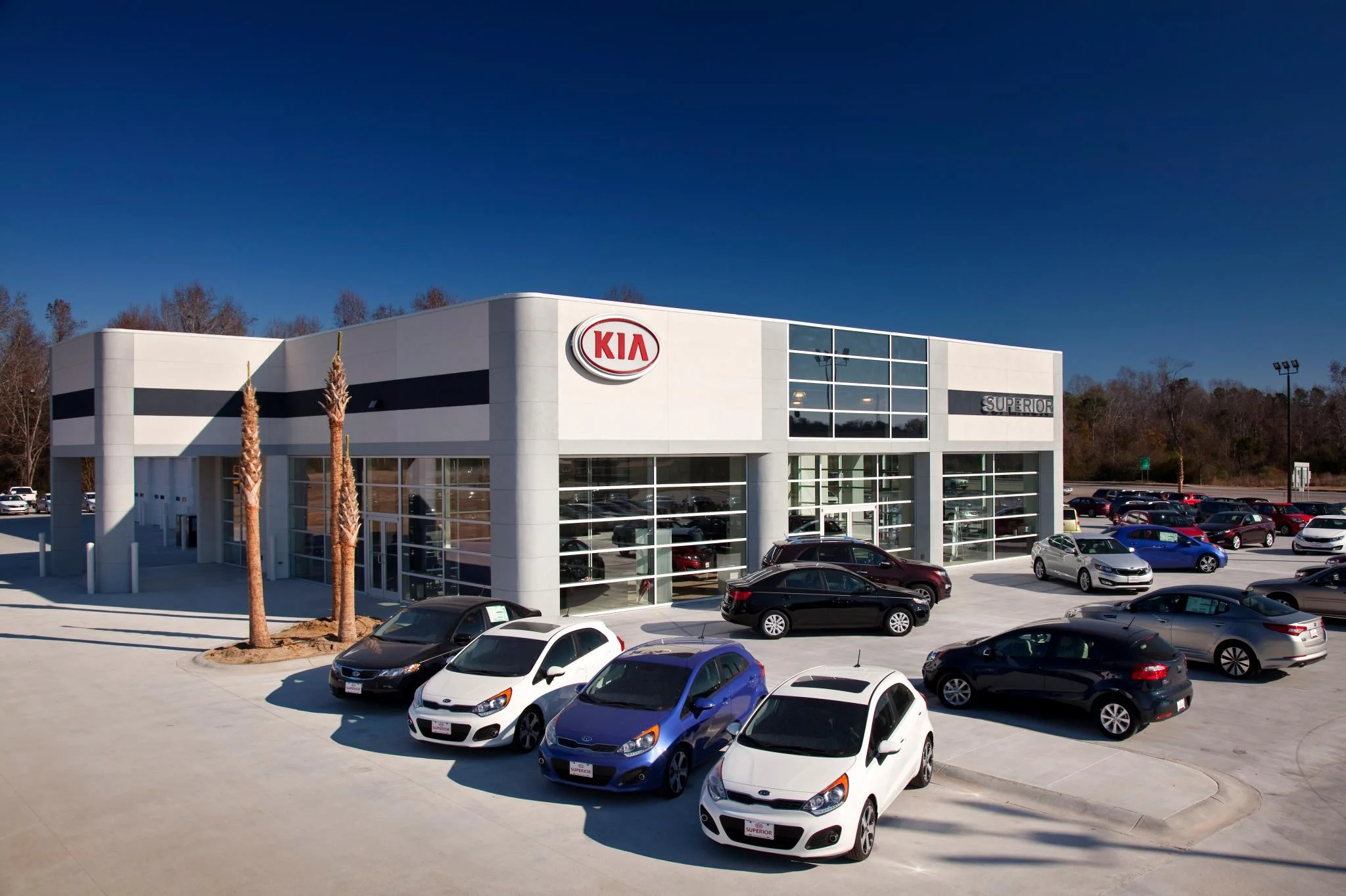
Buying a new car is often exciting, but the experience at a dealership can quickly become overwhelming when the finance desk starts adding optional extras to your bill. These dealership add-ons are presented as essential upgrades that improve safety, protect your investment, or enhance long-term value.
In reality, many of them are heavily marked up, unnecessary, or available elsewhere at a fraction of the price. Understanding what these add-ons are and how they work is important if you want to avoid paying thousands more than you need to when purchasing a vehicle.
Car dealerships make a significant portion of their profit not from the vehicle itself but from add-ons and financing products sold after you have already agreed on a price. This is where many buyers feel pressured, especially because the process often happens after hours of negotiation when fatigue sets in.
Sales teams may present these extras as limited time offers or essential protections, which can make buyers feel like refusing them is a mistake. In truth, most of these products are optional and frequently overpriced.
Some dealership add-ons are completely redundant, while others offer value only in very specific situations. The problem is not that every add-on is useless, but that they are rarely presented transparently.
Many customers are not told that similar or better coverage can be purchased independently for less money. This lack of clarity leads to unnecessary spending and long term regret, especially when buyers later discover they could have avoided these costs entirely.
One key issue is that dealership add-ons are often financed into the car loan, which means buyers end up paying interest on products that may not be worth the base price to begin with. Over a typical loan term, this can add hundreds or even thousands of extra dollars.
Because the cost is bundled into monthly payments, many buyers do not realize how much they are actually paying for these extras over time.
This article breaks down 10 common dealership add-ons that you should carefully evaluate and often refuse. Each section explains how the product is marketed, why it is usually not worth the price, and what smarter alternatives exist.
By understanding these details, you can make more confident decisions, avoid unnecessary expenses, and ensure that your car purchase remains financially sound.
Also Read: 10 Electric Vehicles That Spend the Least Time at Charging Stations

1. Paint Protection Packages
Paint protection packages are one of the most commonly sold dealership add-ons. They are marketed as a way to preserve the exterior finish of your car by applying a protective coating that guards against scratches, sun damage, and environmental wear. Dealerships often present this as essential for maintaining resale value, especially for new cars with glossy finishes. However, the reality is that most of these packages offer minimal long term benefit compared to their high cost.
In many cases, the so called protective coating is a basic sealant that can be applied independently at a detailing shop for a fraction of the price. Professional ceramic coatings or high quality wax treatments from independent detailers often outperform dealership versions.
Despite this, dealerships may charge significantly more for what is essentially a standard detailing service packaged as a premium product.
While additional care can be helpful, the incremental benefit of dealership paint protection is often not worth the inflated price. Buyers are essentially paying for convenience rather than superior performance.
It is also important to note that many paint protection packages come with strict conditions or limited coverage. Small scratches, swirl marks, or damage from improper washing techniques are often excluded. This means that even after paying a premium, the actual protection offered may be limited in real world scenarios. The fine print often reduces the value significantly.
Maintaining the paint through regular washing, occasional waxing, and parking in shaded areas provides sufficient protection.
If advanced protection is desired, independent ceramic coating services are usually more reliable and cost effective. This makes dealership paint protection one of the most unnecessary add-ons in the entire purchasing process.
2. Fabric and Interior Protection
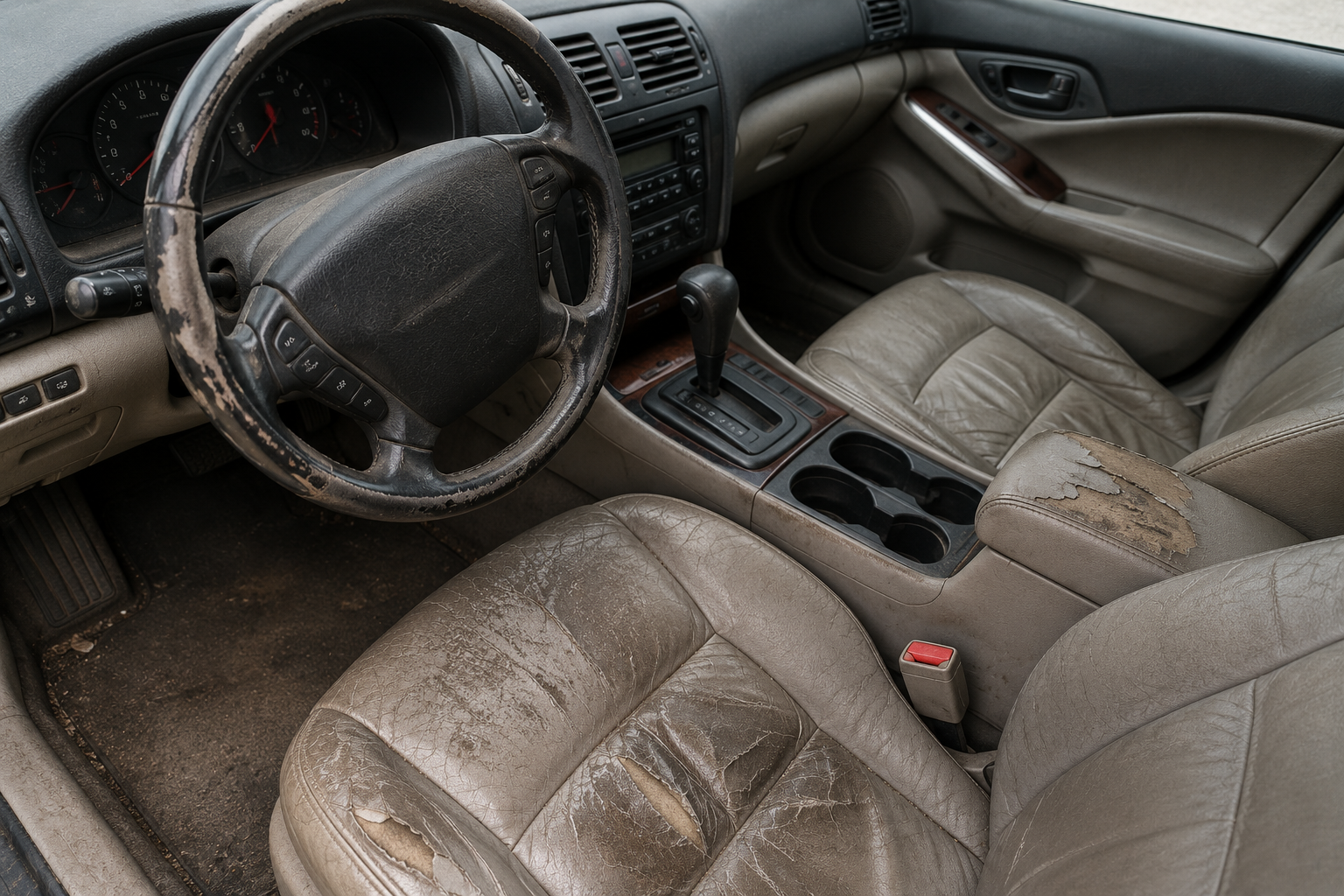
Fabric and interior protection packages are heavily promoted as a way to prevent stains, spills, and wear inside the vehicle. Dealerships often claim that this treatment is essential for families, daily commuters, or anyone who plans to keep their car in good condition. The package typically includes a spray or coating applied to seats, carpets, and interior surfaces.
While the idea sounds useful, the actual effectiveness of dealership applied interior protection is often limited. Many modern car interiors are already made from stain resistant materials, especially in newer models. Manufacturers design upholstery to handle everyday use, meaning the additional layer provided by dealerships is often redundant.
A major drawback is that these treatments are usually applied quickly during pre delivery preparation, which means they may not be as durable or evenly distributed as professional grade solutions. Independent auto detailing specialists often use higher quality products and more thorough application methods, resulting in better long term protection at a lower cost.
Dealership pricing for fabric protection is also significantly inflated. What might cost a small amount at a detailing shop is often marked up several times when sold as part of a financing package. Because it is bundled into the car purchase, buyers may not realize how expensive the service actually is until much later.
For most buyers, regular cleaning and the use of protective seat covers if needed is more than enough to maintain interior condition. Spills can be cleaned quickly with proper care, and modern upholstery materials are designed to withstand typical wear. This makes dealership fabric protection an unnecessary expense in most cases.
3. Extended Warranties from Dealership
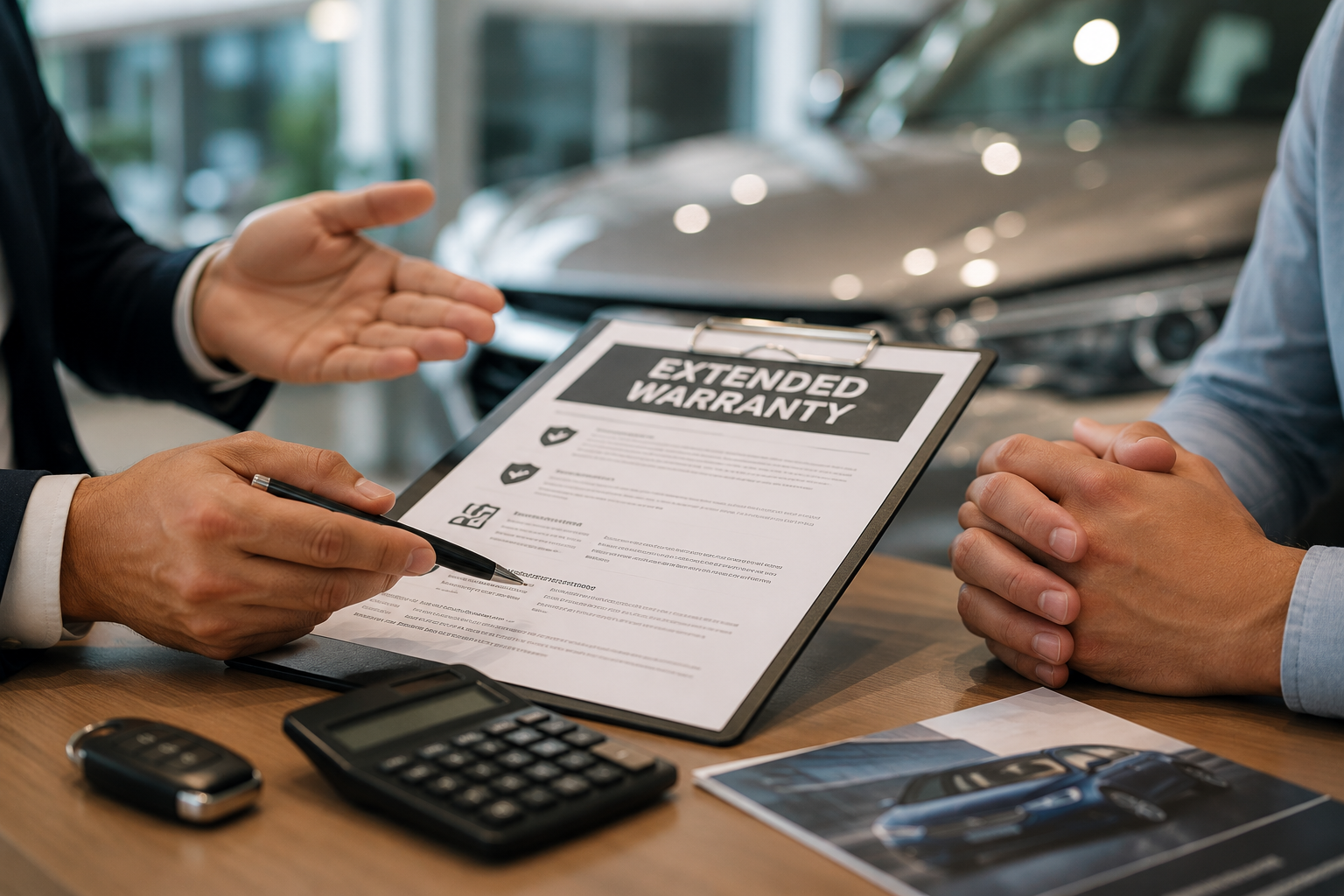
Extended warranties are one of the most aggressively sold add-ons in any dealership environment. They are presented as essential protection against unexpected repair costs once the manufacturer warranty expires. Sales staff often highlight the rising cost of modern car repairs to justify the purchase of these plans.
While extended warranties can offer peace of mind, dealership versions are often overpriced and come with strict limitations. Many policies include exclusions, deductibles, and conditions that reduce their practical value. In some cases, repairs must be approved in advance or carried out at specific service centers, which can be inconvenient.
A key issue is that modern vehicles are generally more reliable than older models. Manufacturer warranties already cover the most critical early years of ownership. By the time an extended warranty becomes relevant, many cars have already proven their reliability, reducing the likelihood of major mechanical failure.
One concern is that dealership warranties are often negotiable and heavily marked up. The same or similar coverage can sometimes be purchased from third party providers at a lower cost. However, dealerships rarely emphasize these alternatives during the sales process.
It is more practical to set aside savings for potential repairs rather than paying upfront for an extended warranty. This gives more flexibility and avoids paying for coverage that may never be used. In most cases, dealership extended warranties are not the best financial decision.

4. GAP Insurance from the Dealership
GAP insurance, or Guaranteed Asset Protection, is designed to cover the difference between what you owe on your car loan and the actual cash value of the vehicle in case of total loss. Dealerships often present this as a must have add-on, especially for buyers financing a large portion of their vehicle.
While GAP insurance itself is not inherently bad, purchasing it from the dealership is often unnecessary and overpriced. Many auto insurance providers offer GAP coverage at a significantly lower rate when added to your existing policy. This makes dealership pricing far less competitive.
Dealerships tend to bundle GAP insurance into financing agreements, which increases the loan amount and adds interest charges. Over time, this can make the coverage much more expensive than expected. Buyers may not realize they are paying interest on an insurance product that could be purchased separately for less.
In some cases, GAP insurance is not even needed. If a buyer makes a large down payment or chooses a short loan term, the risk of owing more than the car’s value decreases significantly. This makes the product unnecessary for many financially conservative buyers.
Before agreeing to dealership GAP insurance, it is always worth checking your existing auto insurance policy and comparing third party options. In most situations, better pricing and clearer terms are available outside the dealership environment.
Also Read: 10 Reasons Cars Got Smaller Over the Last 60 Years
5. Nitrogen Tire Fill
Nitrogen tire fill is marketed as a performance upgrade that improves fuel efficiency, extends tire life, and maintains more stable tire pressure compared to regular air. Dealerships often promote it as a premium feature that enhances safety and driving quality.
In reality, the air we normally use already contains about 78 percent nitrogen. This means that filling tires with pure nitrogen provides only marginal benefits for everyday driving conditions. For most drivers, the difference is barely noticeable.
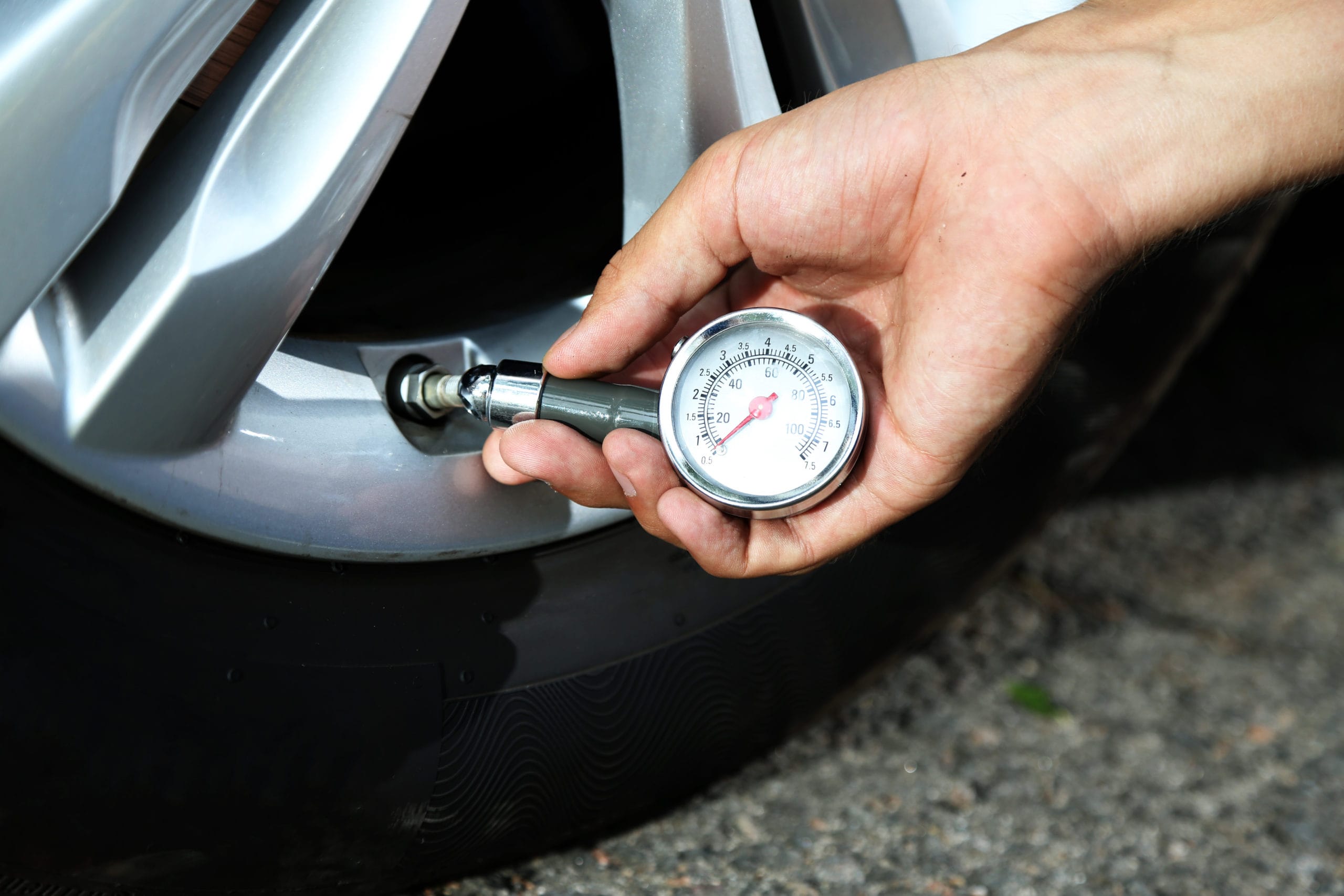
One of the main arguments for nitrogen is better pressure retention, but regular maintenance of tire pressure is far more important than the type of gas used. Checking and adjusting tire pressure monthly has a much greater impact on performance and safety than switching to nitrogen.
Dealerships often charge a premium for nitrogen fills, even though the cost of providing it is low. This makes it a high margin add-on that offers limited real world value. Many tire shops and service centers do not even recommend it for standard passenger vehicles.
Regular compressed air is perfectly adequate. Investing in a quality tire pressure gauge and maintaining proper inflation levels is a more effective and practical approach than paying extra for nitrogen filled tires.
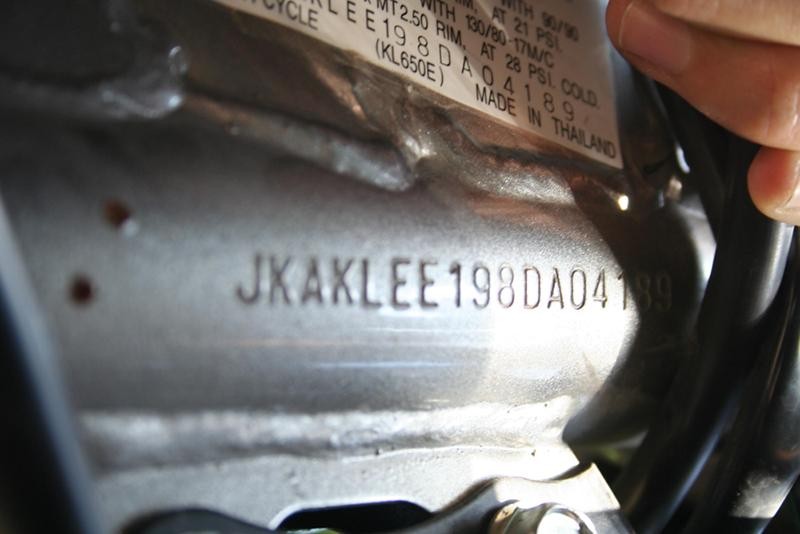
6. VIN Etching
VIN etching involves engraving the vehicle identification number onto the windows or major parts of the car as a theft deterrent. Dealerships often present this as a security feature that helps recover stolen vehicles and lowers insurance risk.
While VIN etching can have some minor deterrent effect, it is rarely worth the high price charged by dealerships. In many cases, the cost is significantly higher than what independent service providers charge for the same procedure.
Insurance companies may offer small discounts for VIN etching, but these savings are usually not enough to justify the dealership cost. In some regions, the benefit is so minimal that it does not impact premiums at all.
Modern vehicle tracking systems, factory alarms, and immobilizers already provide strong protection against theft. This reduces the practical necessity of additional engraving-based security measures for most buyers.
For those who want VIN etching, it is usually more cost effective to have it done independently or skip it altogether. The dealership version is often just a profit driven add-on with limited real world impact.
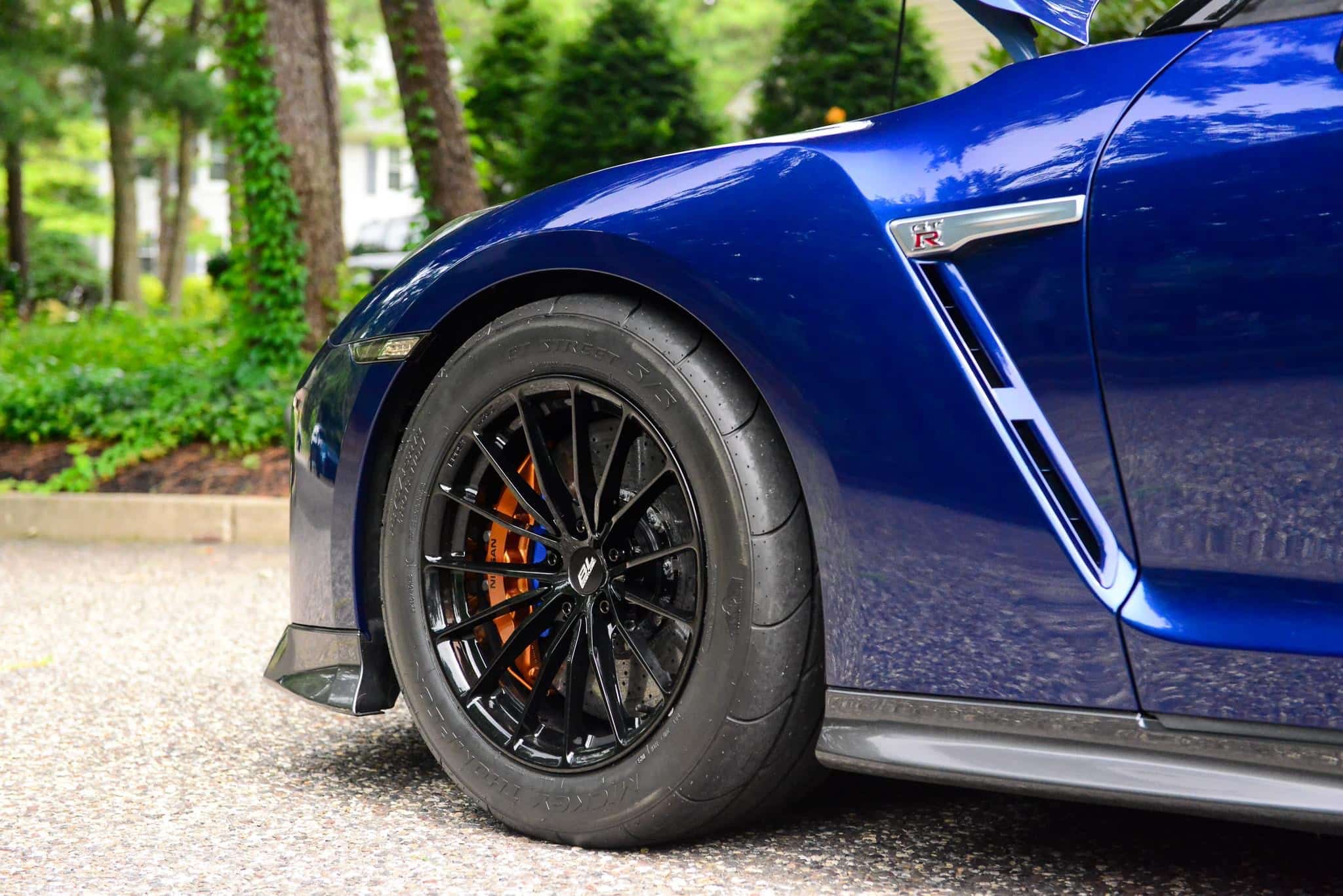
7. Wheel and Tire Protection Plans
Wheel and tire protection plans are sold as insurance against damage from potholes, curbs, and road hazards. Dealerships emphasize how expensive tire and wheel replacements can be, making the package sound like a smart investment.
However, these plans often come with strict limitations, including exclusions for certain types of damage or conditions. Many claims are denied based on technicalities, which reduces the practical value of the coverage.
The cost of these protection plans is often higher than the average expense of occasional tire repairs or replacements over time. For careful drivers, the likelihood of needing frequent tire or wheel replacement is relatively low.
Independent tire insurance or roadside assistance programs sometimes offer better coverage at lower prices. These alternatives are more transparent and easier to claim compared to dealership packages.
Maintaining good driving habits and investing in quality tires is a more effective strategy than purchasing expensive wheel and tire protection plans.
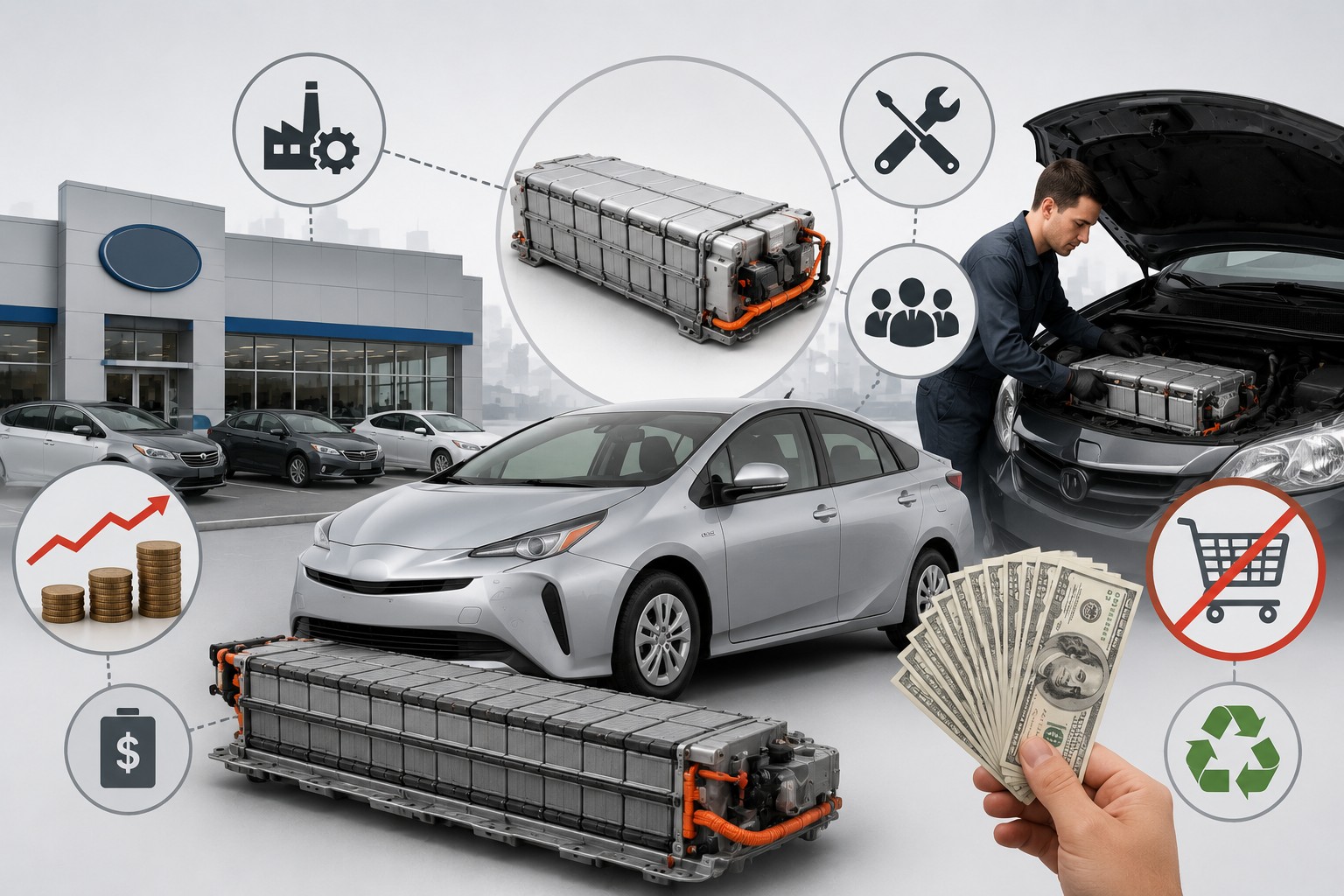
8. Key Protection and Replacement Plans
Key protection plans cover the cost of replacing lost or damaged car keys, which can be expensive due to modern electronic key systems. Dealerships often highlight the high cost of key replacement as justification for this add-on.
While it is true that modern car keys can be expensive, the likelihood of needing multiple replacements is relatively low for most drivers. This makes the upfront cost of protection plans questionable.
Dealership pricing for key protection is often significantly higher than independent locksmith services or third party insurance add-ons. In many cases, replacing a key outside the dealership is still cheaper than buying the protection plan.
Some insurance policies already include limited key replacement coverage, making dealership add-ons redundant. Buyers often do not realize they are paying for overlapping coverage.
For the car owners, careful key management and spare key storage is a more practical solution than purchasing an expensive protection plan.
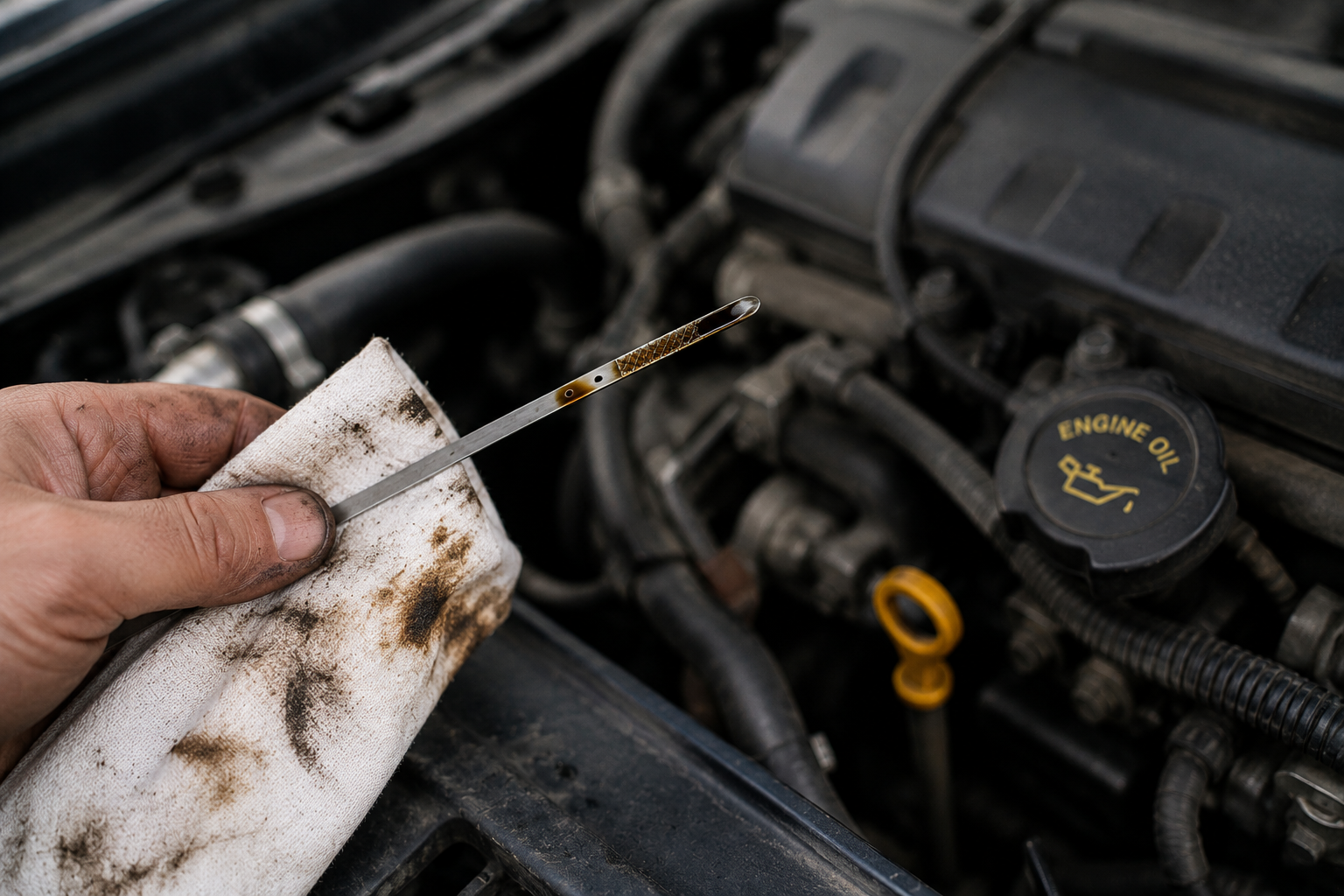
9. Prepaid Maintenance Packages
Prepaid maintenance packages are offered as a way to lock in service costs for oil changes, inspections, and routine maintenance at today’s prices. Dealerships present this as a way to save money over time and avoid inflation.
In practice, these packages are often overpriced compared to independent service centers. Many routine maintenance tasks can be completed elsewhere at lower cost without being tied to a dealership network.
Issue is that prepaid packages often include services that may not be needed as frequently as advertised. This means buyers may end up paying for unused services over the life of the package.
Flexibility is also limited, as maintenance must often be performed at specific dealerships. This can be inconvenient and may not align with the owner’s preferred service providers.
For drivers, paying for maintenance as needed at a trusted local mechanic is more cost effective and flexible than committing to a prepaid dealership plan.

10. Dealer Installed Security Systems
Dealer installed security systems are marketed as advanced anti theft solutions that provide added protection beyond factory installed systems. These can include alarms, tracking devices, or immobilizers installed at the dealership.
In reality, most modern vehicles already come equipped with advanced security features that make additional systems unnecessary. Factory installed technology is often more reliable and better integrated than aftermarket dealership solutions.
Dealership installed systems are also frequently overpriced compared to independent security upgrades. The cost of installation and equipment is often significantly higher than comparable products available in the market.
There can also be issues with warranty coverage or electrical system integration when aftermarket systems are installed. In some cases, poorly installed systems may even create technical problems.
Relying on factory security systems and adding optional third party tracking solutions if needed is more effective than paying for expensive dealership installed security packages.
