
Buying a car involves more than choosing a vehicle based on comfort, performance, or brand reputation. It is a financial commitment that extends well beyond the initial purchase. One factor that many buyers overlook is depreciation, which refers to the decline in a vehicle’s value over time and affects how much it can be sold or traded for in the future.
While all cars lose value over time, some lose it at a much faster rate, especially within the first three years. This early depreciation window is critical because most owners consider trading in or upgrading their vehicles around this period. Understanding which cars tend to suffer the steepest value drops can help buyers make smarter long-term decisions and avoid unexpected financial loss.
Depreciation is influenced by several factors such as brand perception, reliability reputation, cost of maintenance, fuel efficiency, technology updates, and market demand for used models. Luxury vehicles often depreciate faster because their high starting price does not always match long-term demand in the used market.
Similarly, electric vehicles that experience rapid technological advancements can become outdated more quickly, pushing resale prices down. In addition, vehicles with high maintenance costs or inconsistent reliability records tend to lose buyer interest after a few years, further accelerating depreciation.
Another key reason some cars lose value faster is shifting consumer preferences. For example, buyers today often prioritize SUVs over sedans, fuel efficiency over engine size, and technology integration over traditional luxury features. When a vehicle does not align with these evolving preferences, its resale demand weakens.
Even well-built cars can suffer if the market moves in a different direction. This creates a situation where owners face steep trade-in losses even if their vehicle performs well mechanically.
It is also important to understand the role of brand positioning. Some brands are associated with prestige but not necessarily with long-term value retention. Others have strong resale ecosystems supported by reliability ratings and widespread demand. Vehicles that fall into the first category often experience sharper depreciation curves.
This is particularly visible in luxury European sedans and certain niche performance vehicles that appeal strongly to new buyers but less so to used car shoppers.
This article explores eight cars that are widely recognized for losing value quickly within the first three years of ownership. Each model is examined in detail to understand why depreciation hits it harder compared to others in the same segment. The goal is not to discourage ownership but to provide a clear picture of real-world trade in performance so buyers can make informed decisions before committing to a purchase.
Also Read: 10 Electric Vehicles That Spend the Least Time at Charging Stations
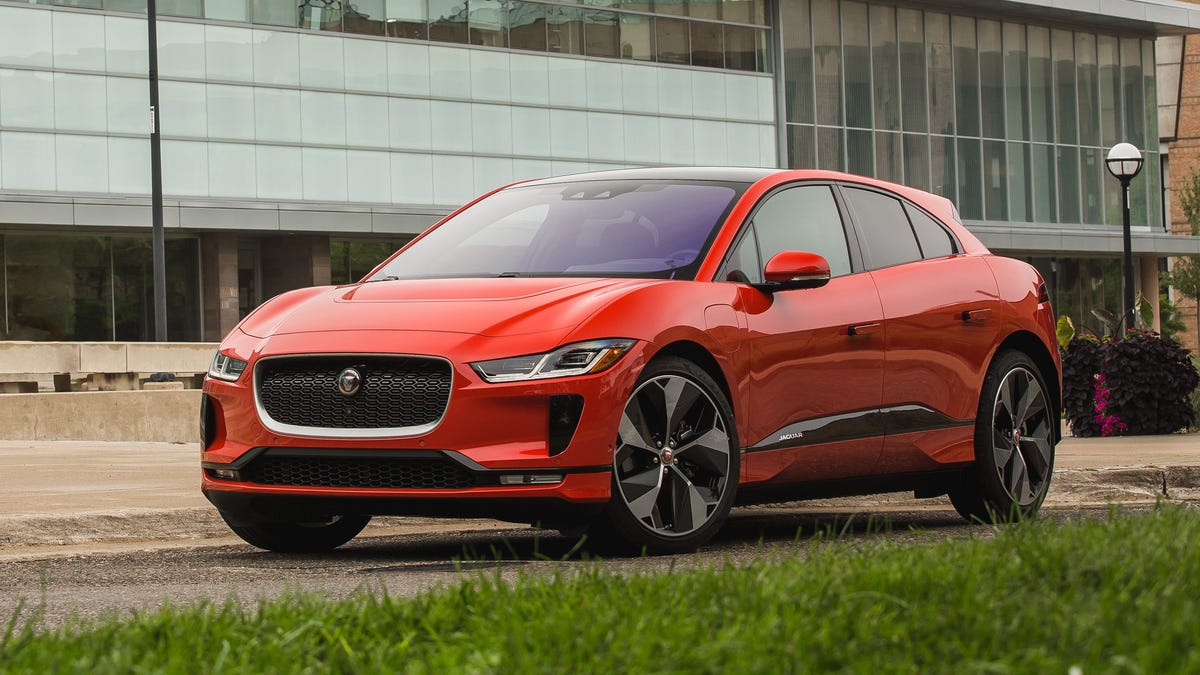
- Engine: Dual electric motors (AWD)
- Horsepower: 394 hp
- Torque: 696 Nm
- Length: 4682 mm
- Width: 1895 mm
1. Jaguar I-Pace: Electric Luxury With Fast Depreciation
The Jaguar I-Pace stands as one of the earliest serious luxury electric SUVs, and while it earned praise for design and performance, it has struggled significantly in resale value.
One of the primary reasons for its steep depreciation is the rapid advancement in the electric vehicle market. Newer EVs offer longer range, faster charging, and more advanced software, making earlier models feel outdated within just a few years. As a result, used buyers often hesitate to pay premium prices for older EV technology.
Another factor affecting the I Pace is brand perception in the electric space. While Jaguar is respected for its luxury and performance heritage, it does not command the same confidence in long-term EV reliability as some competitors.
Concerns about battery degradation, software updates, and service network support reduce demand in the used market. Even though many owners report satisfactory performance, perception plays a major role in resale value.
Maintenance and repair costs also contribute to depreciation pressure. Luxury EV components are expensive to replace outside warranty coverage. Once the initial warranty period shortens, potential buyers factor in future repair risks, which pushes resale prices down. This is especially true in markets where EV specialist servicing is limited.
Additionally, the I Pace faces strong competition from newer electric SUVs that offer better range and more modern interiors. Buyers comparing used options often choose more recent models from competing brands, leaving the I-Pace with reduced demand. This imbalance between supply and demand directly impacts trade in value after three years.
Finally, software and infotainment aging play a subtle but important role. Modern EV buyers expect continuous over-the-air updates and advanced digital ecosystems. Earlier systems in the I Pace feel less refined compared to current standards, which further reduces its appeal in the second-hand market.
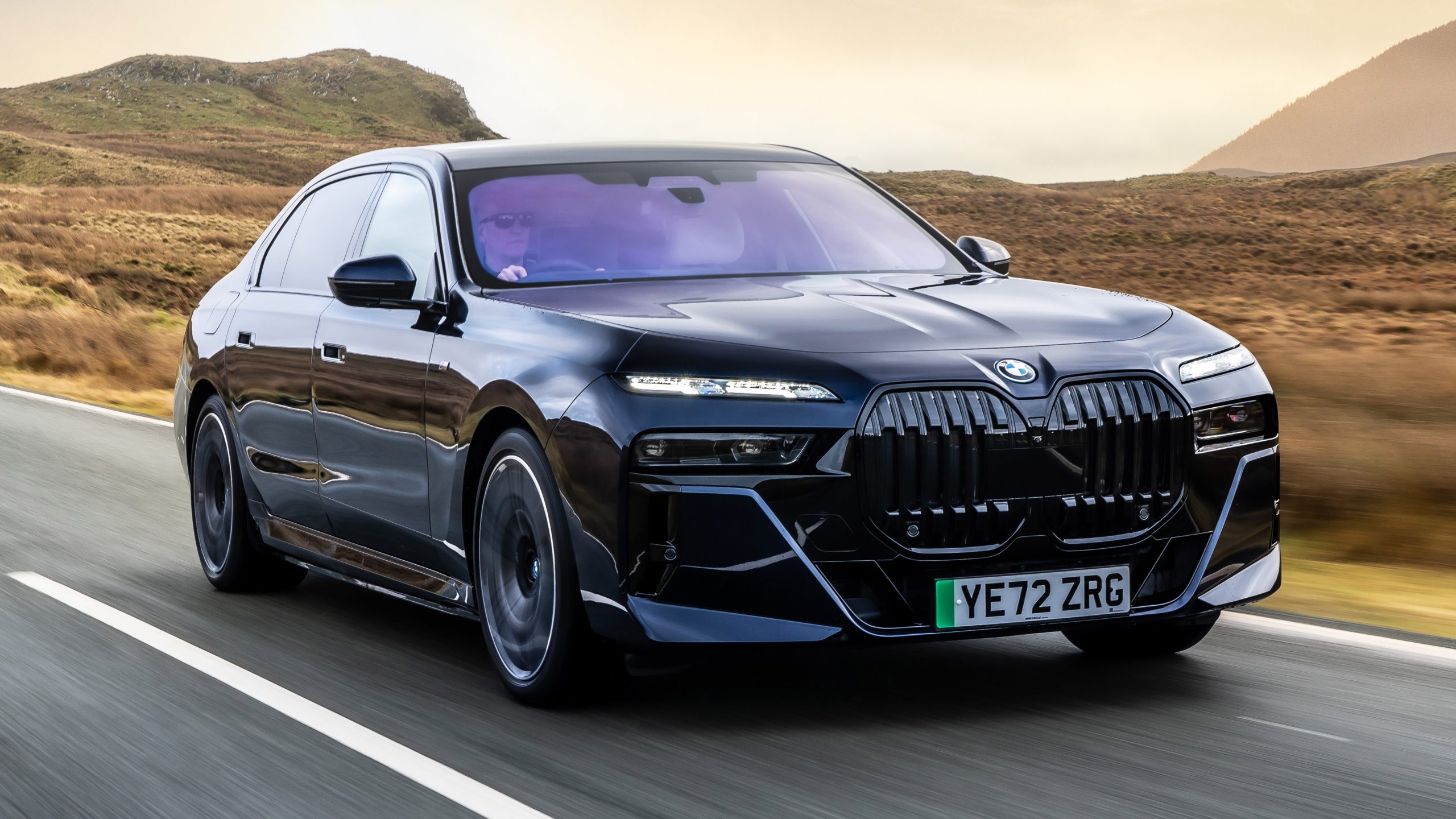
- Engine: 3.0L inline 6-cylinder turbo (base variant, petrol/diesel varies)
- Horsepower: 335 hp (base model approx.)
- Torque: 450 Nm
- Length: 5391 mm
- Width: 1950 mm
2. BMW 7 Series: Luxury Sedan With Heavy Early Depreciation
The BMW 7 Series is a flagship luxury sedan known for its advanced technology, comfort, and performance. However, it is also one of the fastest depreciating vehicles in the luxury sedan segment. The primary reason is that flagship sedans tend to lose value quickly once they are no longer the latest model. Buyers in this category prefer the newest technology and styling, making older versions significantly less desirable.
High maintenance and ownership costs also contribute to depreciation. The 7 Series is packed with complex electronics, air suspension systems, and premium materials that can be expensive to maintain outside warranty. As soon as the vehicle approaches the three-year mark, potential buyers anticipate future repair costs, which lower willingness to pay higher resale prices.
Many luxury sedan buyers have transitioned to luxury SUVs that offer similar comfort with added practicality. This shift reduces demand for used full-size sedans, especially those with high running costs. As demand falls, depreciation accelerates.
Technology upgrades are a major influence. BMW regularly introduces new driver assistance systems, infotainment updates, and interior redesigns. This makes older models feel outdated quickly, even if they are only a few years old. In the luxury segment, perceived outdated technology has a strong impact on resale value.
Many 7 Series vehicles are leased rather than purchased outright, which leads to a large supply of used units entering the market after three years. This oversupply further pushes down trade prices.
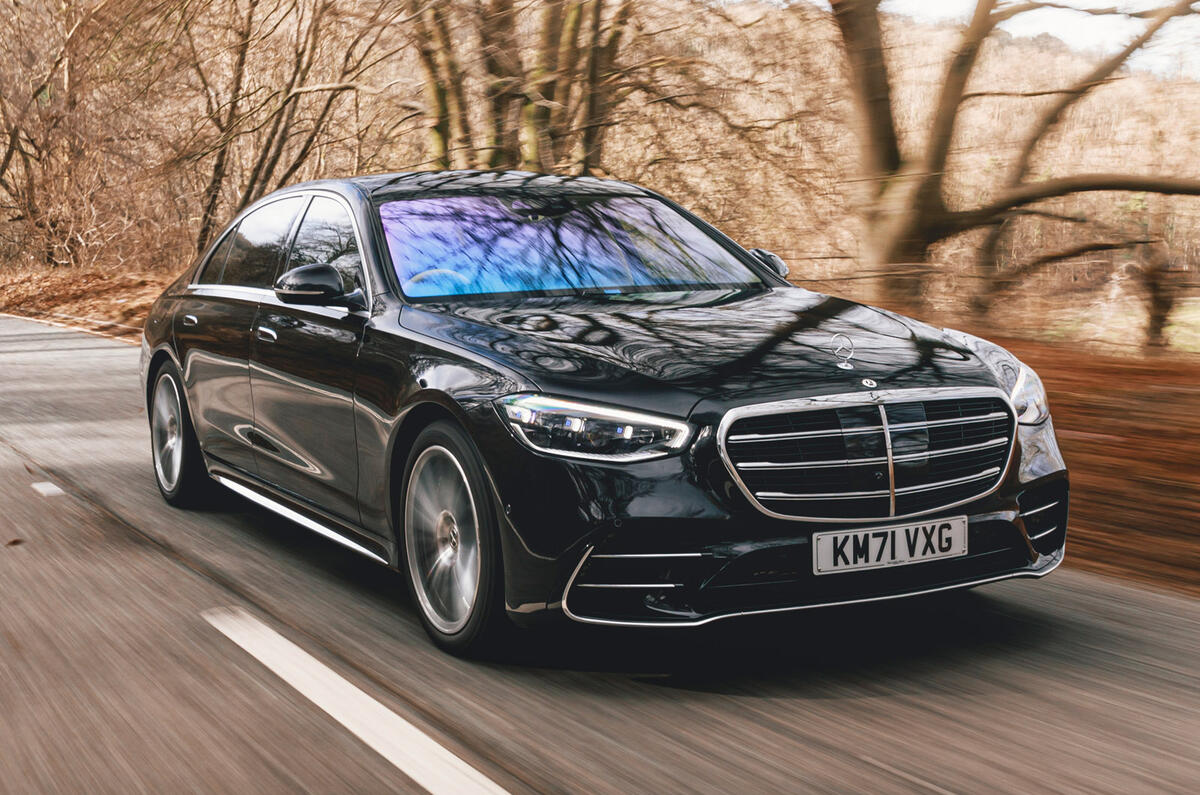
- Engine: 3.0L inline 6-cylinder turbo (mild hybrid in many variants)
- Horsepower: 362 hp (base model approx.)
- Torque: 500 Nm
- Length: 5289 mm
- Width: 1954 mm
3. Mercedes-Benz S-Class: Premium Comfort With Rapid Value Drop
The Mercedes-Benz S-Class is widely regarded as one of the most luxurious sedans in the world, often setting benchmarks for comfort and innovation. Despite its prestige, it experiences significant depreciation within the first three years. One of the main reasons is that S-Class models are frequently updated with new technology and design elements, making previous generations quickly lose appeal.
Luxury perception plays a double-edged role. While the S Class is highly desirable when new, its appeal diminishes faster in the used market because buyers in this segment often seek the newest version available. The difference between generations is noticeable, especially in interior design and infotainment systems.
The S Class includes advanced suspension systems, electronic features, and high-end materials that can be costly to repair or maintain. Once the vehicle is out of its initial warranty, potential buyers factor in these costs, leading to lower trade-in offers.
Market behavior also plays a role. Many S-Class vehicles are leased, meaning large volumes return to the market after a few years. This increases supply and reduces resale prices. When supply exceeds demand, depreciation naturally accelerates.
Competition from luxury SUVs has weakened demand for large sedans like the S-Class. Even loyal luxury buyers often prefer SUV alternatives for practicality, which reduces the pool of interested used sedan buyers and pushes down trade-in values.
- Engine: 3.0L V6 turbo (petrol/diesel variants available)
- Horsepower: 335 hp (approx. base variant)
- Torque: 500 Nm
- Length: 5172 mm
- Width: 1945 mm
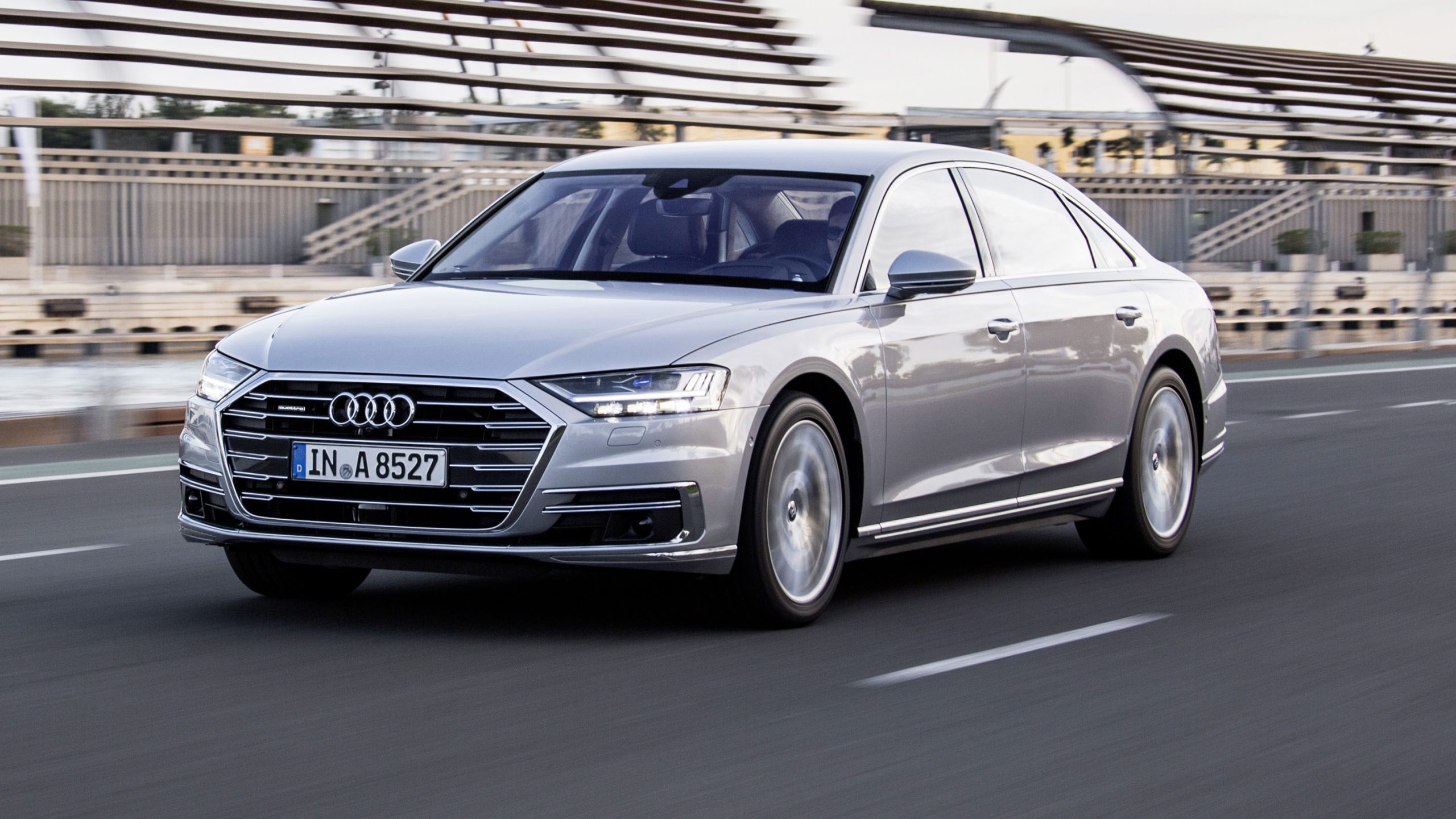
4. Audi A8: High-Tech Sedan With Weak Resale Demand
The Audi A8 is a technologically advanced luxury sedan that offers a smooth driving experience and premium interior design. However, it is also known for significant depreciation within the first few years. One of the key reasons is limited demand in the used luxury sedan market compared to SUVs in the same price range.
Audi A8 models often feature cutting-edge technology when launched, but rapid innovation in automotive tech makes these systems feel outdated quickly. Buyers in the used market tend to prioritize the latest infotainment and driver assistance features, which reduces interest in older A8 models.
Maintenance costs also influence depreciation. The A8 includes complex electronic systems and air suspension components that can be expensive to repair. This creates hesitation among used buyers who are concerned about long-term ownership expenses.
While Audi is considered a premium brand, its resale strength is often lower compared to competitors like Mercedes-Benz or Lexus in certain markets. This difference in perceived long-term reliability affects trade-in value.
The market preference shift toward SUVs continues to impact the A8. As more luxury buyers move away from sedans, demand for used A8 models decreases, resulting in steeper depreciation after three years.
Also Read: 10 Reasons Cars Got Smaller Over the Last 60 Years
- Engine: 3.0L V6 twin turbo petrol
- Horsepower: 345 hp (base variant approx.)
- Torque: 500 Nm
- Length: 4971 mm
- Width: 1945 mm
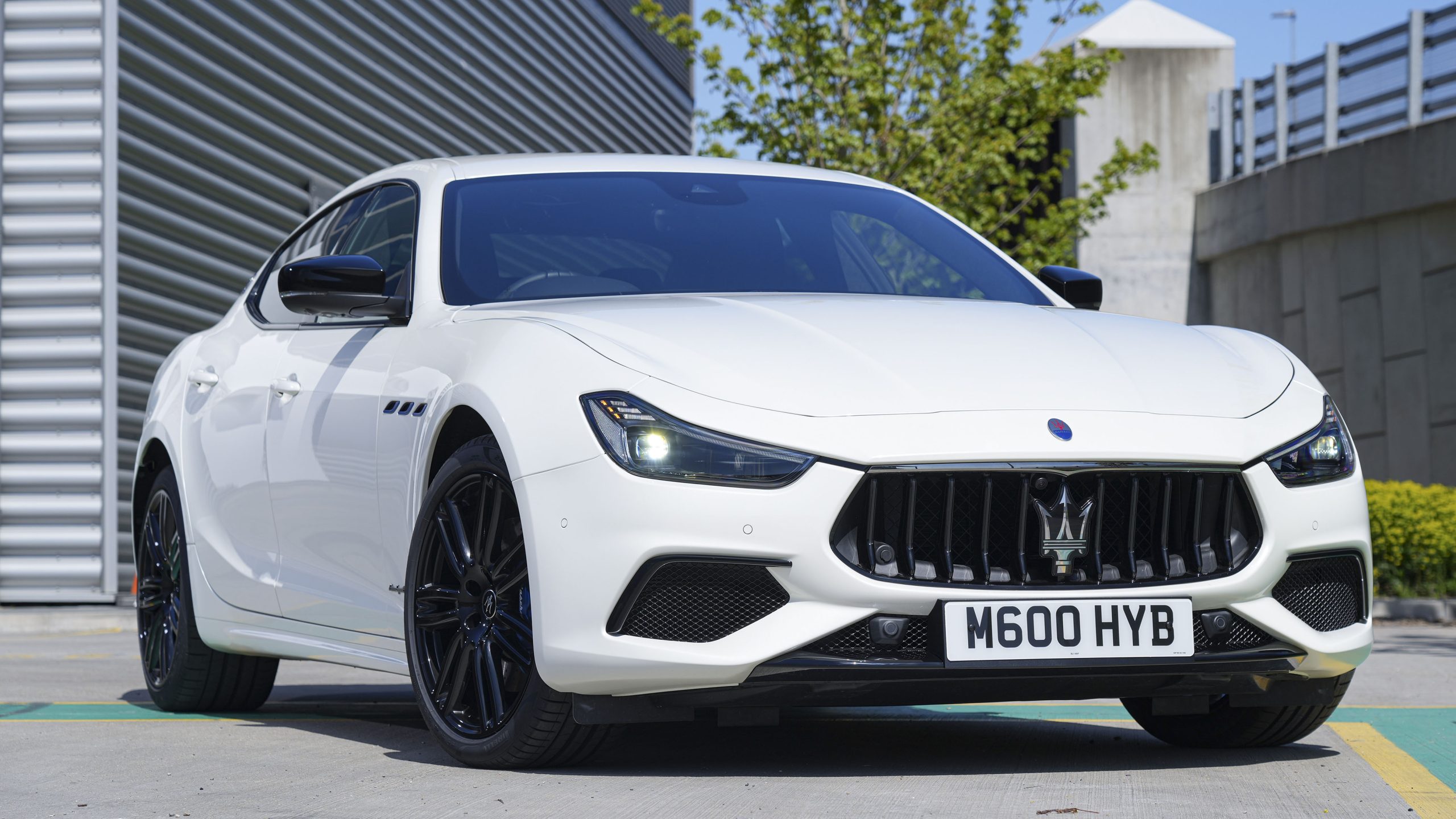
5. Maserati Ghibli: Performance Luxury With Extreme Depreciation
The Maserati Ghibli is a stylish performance sedan that attracts buyers with its Italian design and sporty appeal. However, it is also one of the most important examples of rapid depreciation in the luxury segment. One of the biggest reasons is brand perception in terms of reliability and long-term ownership costs.
Maintenance and servicing costs for Maserati vehicles are significantly higher than many competitors. Once warranty coverage begins to reduce, potential buyers are often discouraged by the expected upkeep expenses. This leads to lower demand in the used market.
Another major factor is limited brand presence and dealer network compared to larger luxury manufacturers. Fewer service centers and higher parts costs reduce confidence among second-hand buyers, which directly impacts resale value.
The Ghibli also suffers from competition within its own segment. Buyers looking for a luxury sports sedan often compare it with BMW, Mercedes, and Audi models, which tend to offer better perceived reliability and stronger resale performance.
While the Ghibli offers strong initial appeal, its novelty factor fades quickly. Once it is a few years old, it struggles to maintain desirability, leading to steep drops in trade value within three years.
- Engine: 3.0L inline 6-cylinder turbo mild hybrid (base modern variant)
- Horsepower: 395 hp
- Torque: 550 Nm
- Length: 5052 mm
- Width: 2047 mm
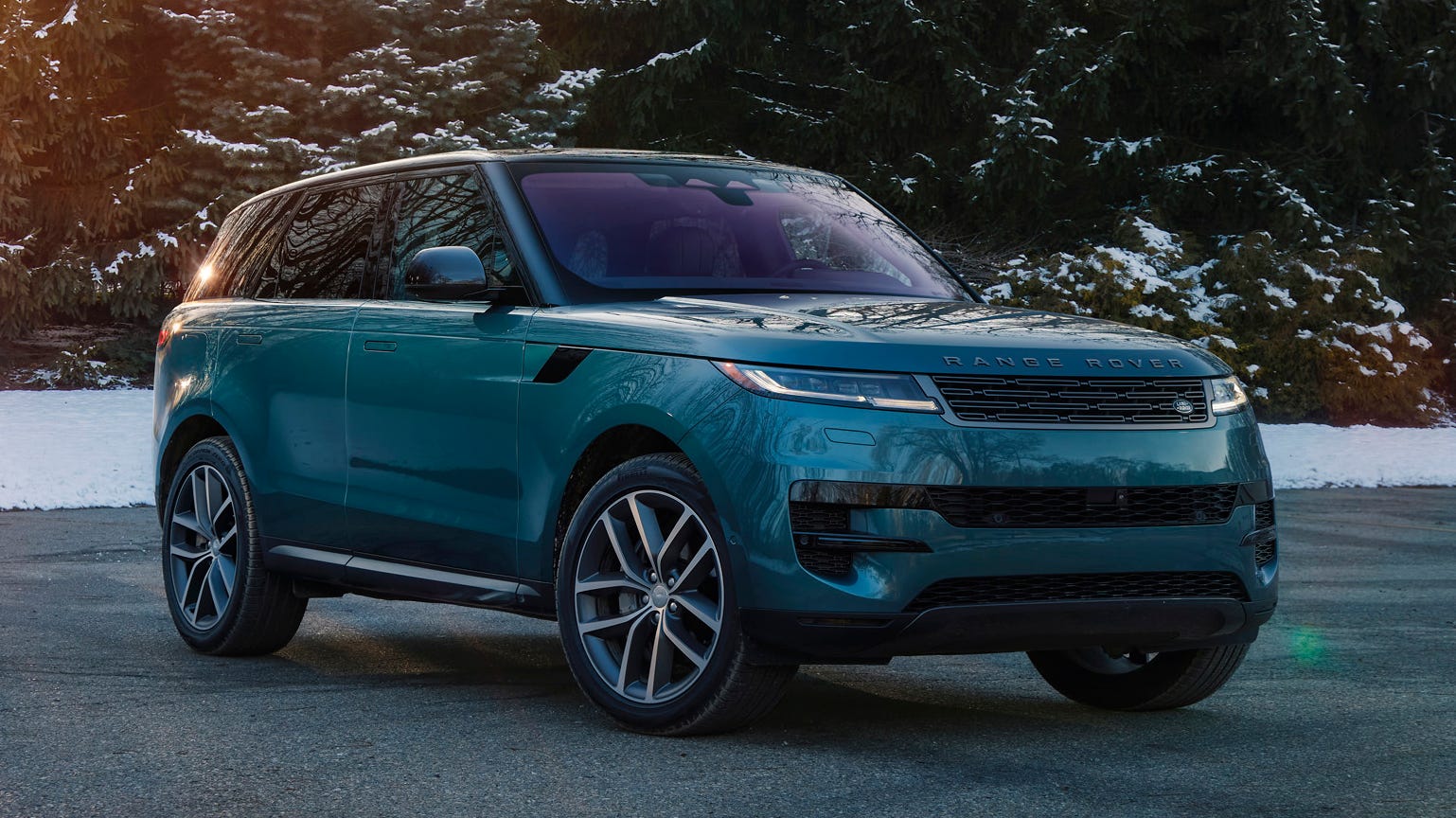
6. Land Rover Range Rover: Prestige SUV With Sharp Depreciation
The Land Rover Range Rover is a symbol of luxury SUV ownership, known for its off-road capability and premium comfort. However, despite its strong brand image, it experiences depreciation within the first three years. One of the primary reasons is high maintenance and reliability concerns.
Repair and servicing costs for Range Rover models are among the highest in the luxury SUV segment. Complex systems such as air suspension and advanced electronics can be expensive to maintain. This creates hesitation in the used market.
While newer models have improved, historical perceptions still influence buyer confidence, leading to lower resale demand.
The Range Rover also faces strong competition from luxury SUVs that offer better reliability and lower ownership costs. Buyers often shift toward alternatives that provide similar luxury with fewer long-term risks.
High initial purchase prices combined with rapid depreciation create a steep financial curve. Even though demand remains strong for new models, used-vehicle pricing drops significantly once the vehicle crosses the three-year mark.
- Engine: 2.0L 4-cylinder turbocharged (mild hybrid in newer versions)
- Horsepower: 250 hp (base variant approx.)
- Torque: 350 Nm
- Length: 4963 mm
- Width: 1879 mm
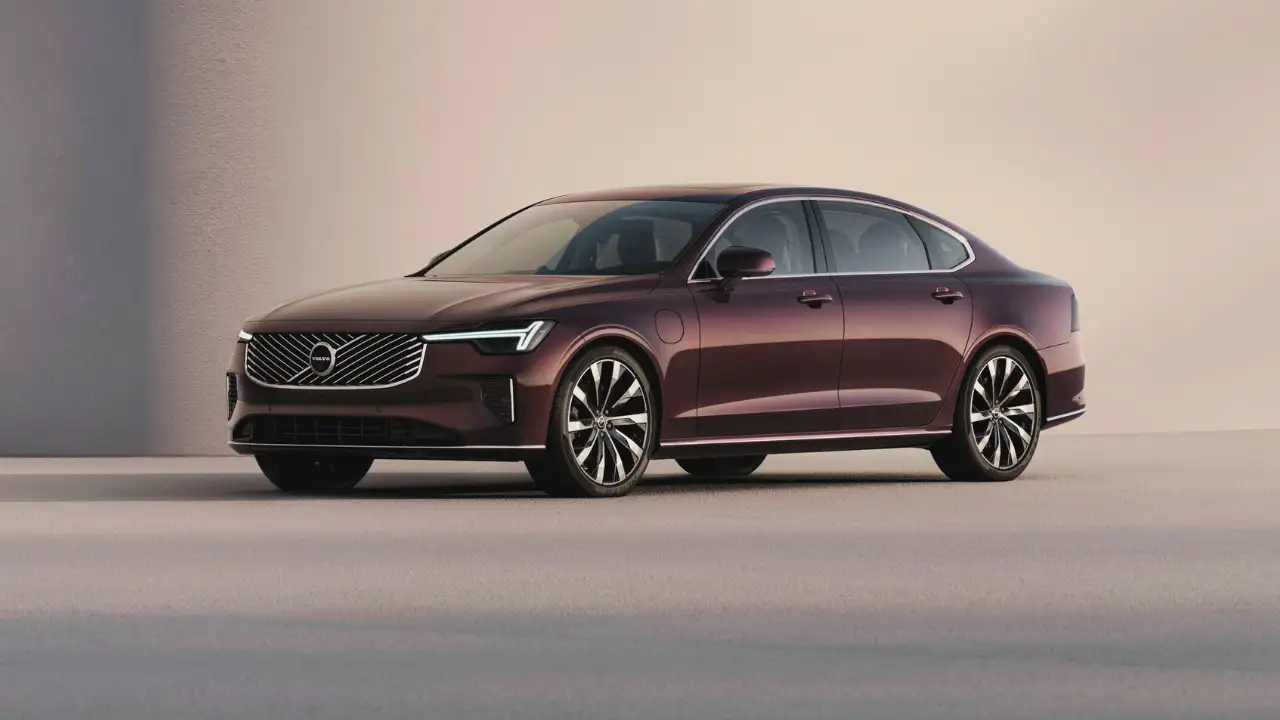
7. Volvo S90: Safety-Focused Sedan With Weak Resale Strength
The Volvo S90 is known for its safety features, minimalist design, and comfort-oriented driving experience. Despite these strengths, it depreciates faster than many competitors in the luxury sedan category. One reason is lower brand demand in the used luxury market compared to German rivals.
While Volvo has a strong reputation for safety, it does not always translate into high resale value. Buyers often prioritize performance branding and luxury prestige when purchasing used vehicles, which places Volvo at a disadvantage.
As consumer preference shifts toward SUVs, sedans like the S90 experience reduced interest in the second-hand market.
Technology and interior design updates also affect depreciation. Newer Volvo models introduce improved infotainment systems and design refinements that make older versions less appealing.
Supply levels in some markets exceed demand, especially in leasing-driven regions. This oversupply contributes to lower trade in values after three years.
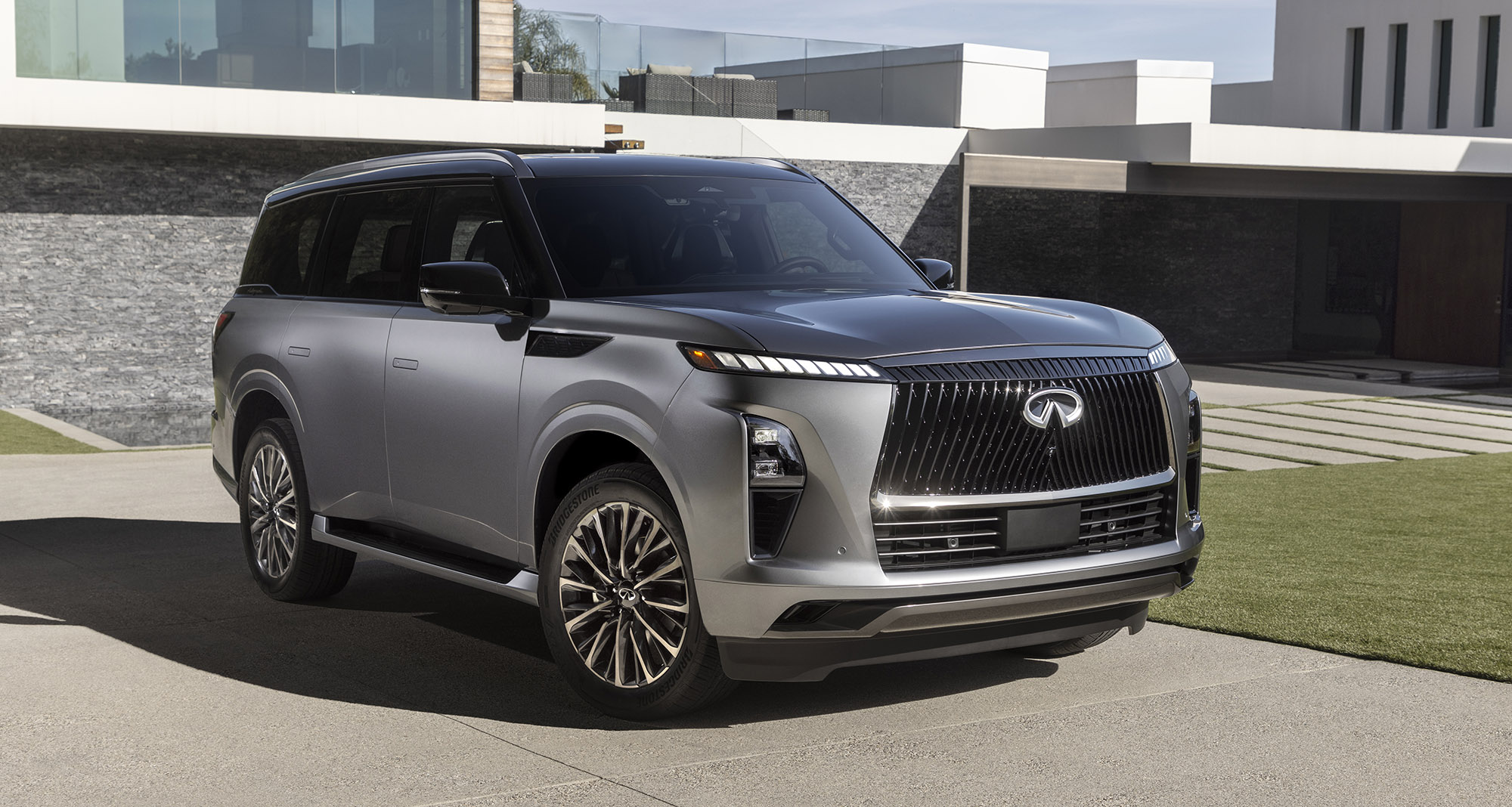
- Engine: 5.6L V8 petrol
- Horsepower: 400 hp
- Torque: 560 Nm
- Length: 5340 mm
- Width: 2030 mm
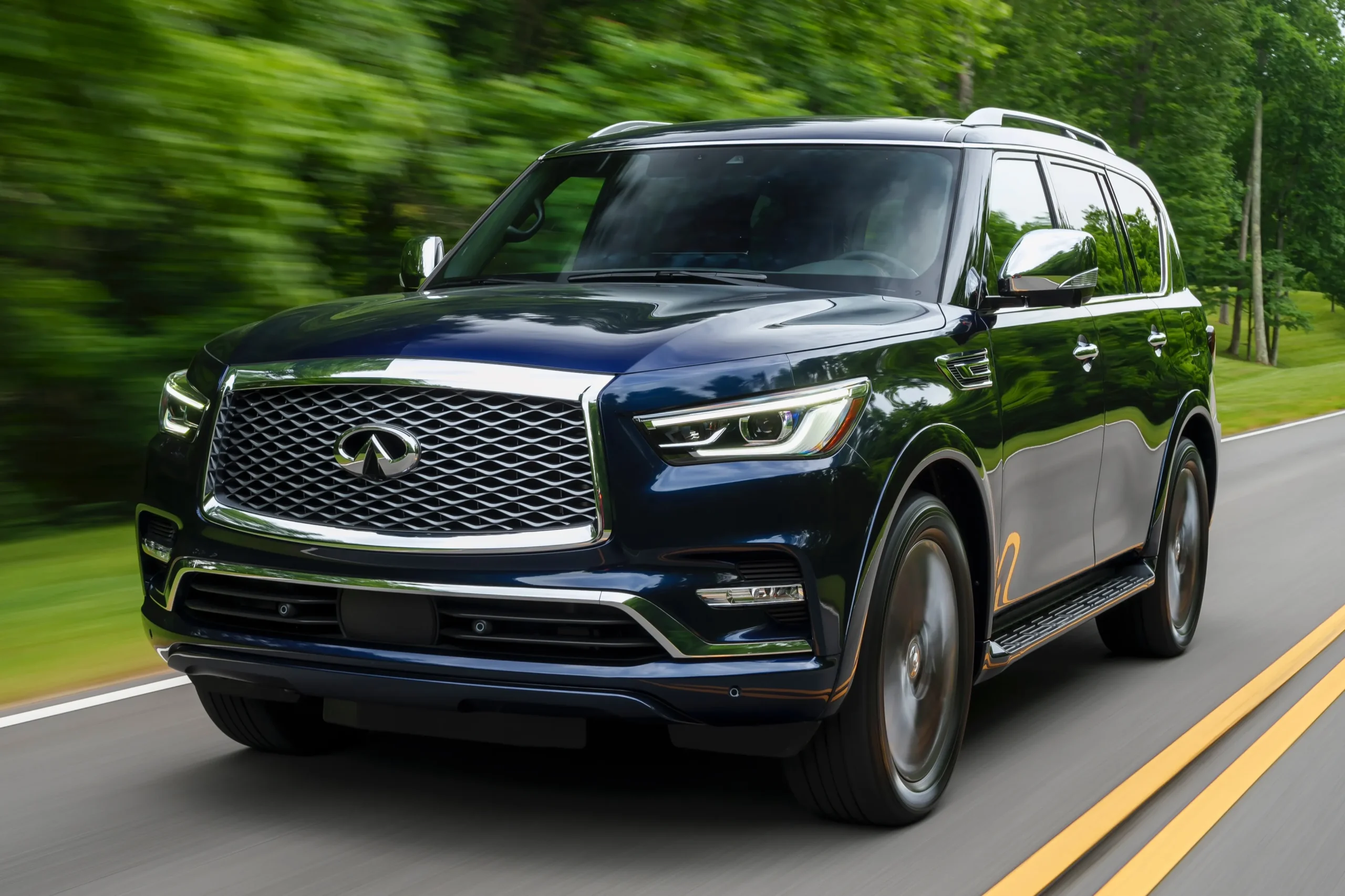
8. Infiniti QX80: Large Luxury SUV With Steep Value Loss
The Infiniti QX80 is a full-size luxury SUV known for its powerful engine and spacious interior. However, it is also recognized for significant depreciation over a short ownership period. One of the main reasons is fuel inefficiency, which reduces demand in modern markets focused on economy and sustainability.
A key factor is outdated platform design. Compared to newer competitors, the QX80 has lagged in terms of technology integration and interior modernization, which affects resale desirability.
Maintenance and running costs are also high due to its large engine and size. Buyers in the used market often consider long-term fuel and servicing expenses, which reduce their willingness to pay higher prices.
Brand positioning plays a role as well. Infiniti does not command the same resale strength as other luxury brands, which impacts trade-in values across its lineup.
Strong competition from more modern luxury SUVs reduces demand for older QX80 models, leading to faster depreciation within the first three years.
