Dealership sales tactics often make the lowest-priced trim look incomplete, even when it already meets most daily driving needs. A salesperson may quickly pass over the base model, point out mid-level trims with added comfort features, then suggest the higher version is only slightly more expensive per month. This approach often leads buyers to spend far above their original budget on features that see little real use.
Many vehicles already deliver strong value at their entry level. In several cases, the engine, safety systems, and core driving performance remain the same across trims. What changes are mostly comfort additions like upgraded interiors, cosmetic styling, or convenience features that do not affect how the vehicle performs on the road? Despite this, buyers are often encouraged to see the base model as lacking something important.
In reality, some vehicles are designed so well at the entry point that moving up a trim brings limited practical benefit. The main difference becomes appearance and added comfort rather than improved capability or reliability. For buyers focused on cost control, the base version often delivers the most balanced decision.
These models show that transportation does not always require premium add-ons to be effective. Choosing the entry trim can save money while still providing the same essential driving experience, safety protection, and long-term usefulness. For this reason, the base configuration often stands as the most practical option for value-focused buyers.
1. Ford Maverick XL
- Engine: 2.0L Turbocharged 4-Cylinder (or 2.5L Hybrid)
- Horsepower: 238 hp to 250 hp
- Torque: 250 lb-ft to 277 lb-ft
- Size: 199.7 in Long x 72.6 in Wide
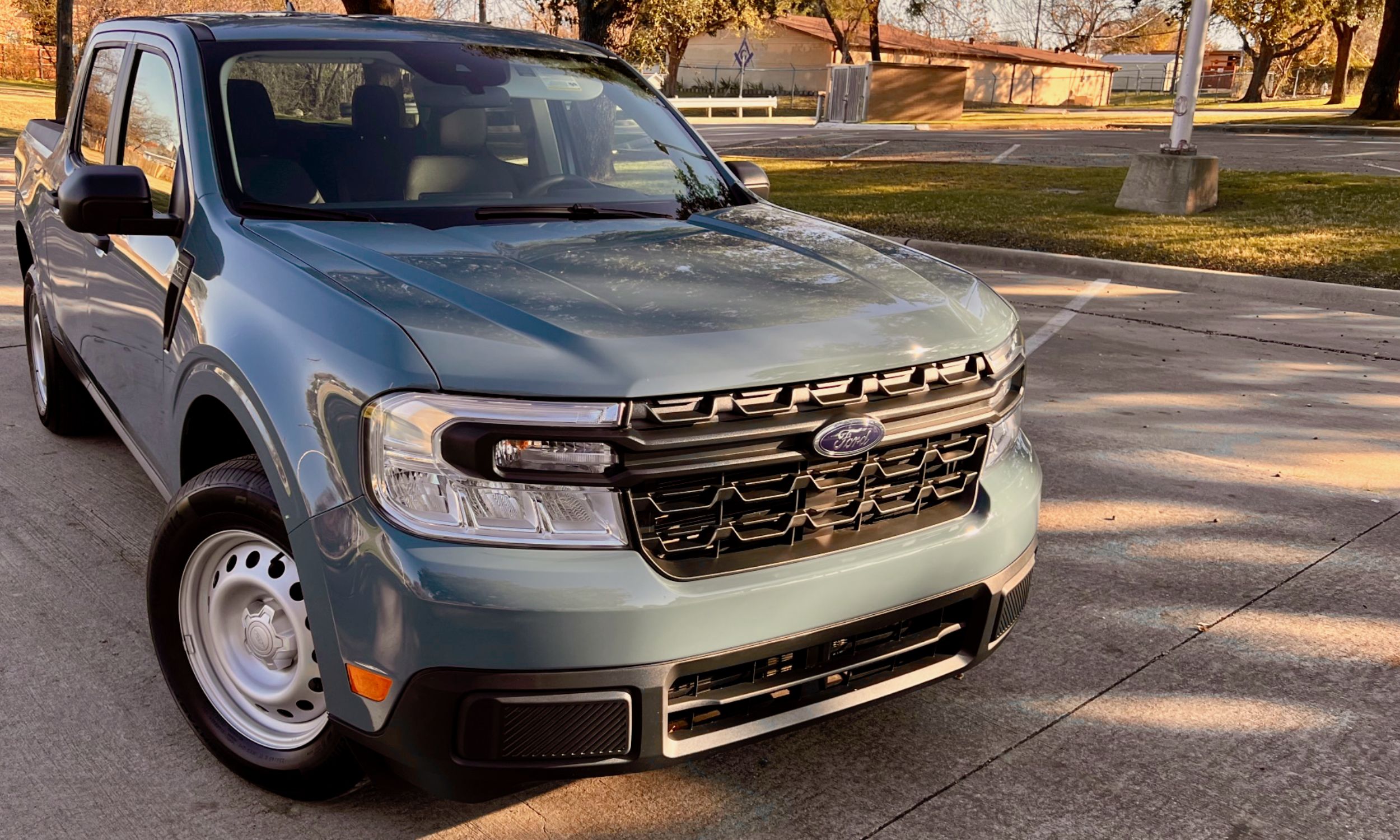
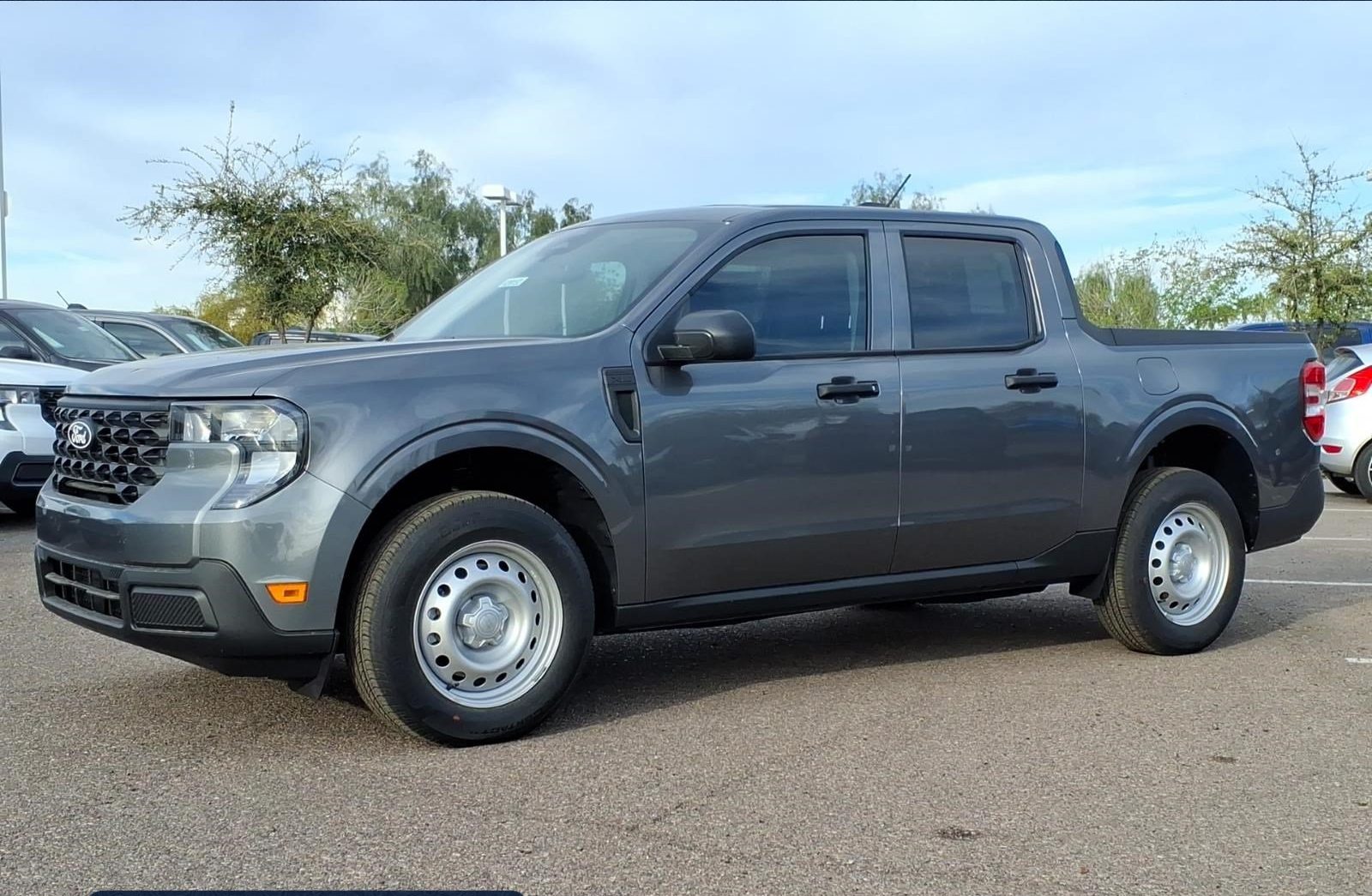
The Ford Maverick XL represents perhaps the most compelling base-trim argument available anywhere across the entire current automotive market, a vehicle where the entry-level configuration delivers so much inherent value that paying for anything higher requires genuinely serious justification before it makes financial sense.
Starting with the powertrain, buyers get either the 2.5L hybrid setup producing efficiency figures that put compact sedans to shame or the turbocharged 2.0L EcoBoost four-cylinder generating 250 horsepower and 277 lb-ft of torque, figures that place this small truck well ahead of what its price tag suggests should be possible.
Neither of these powertrains changes between the XL and any higher trim, meaning every dollar spent upgrading buys cosmetic refinement rather than mechanical improvement. The XL’s unpainted black plastic exterior mirrors and door handles carry a specific practical advantage that higher-trim buyers actually lose when they upgrade to painted equivalents.
Unpainted plastic resists the stone chips, parking lot door dings, and general contact scratches that attack painted panels constantly during real truck use, meaning the base trim literally ages more gracefully in working environments than the premium versions do. A scratch on unpainted black plastic is invisible. A scratch on a color-matched painted mirror cap requires touch-up paint and close inspection to manage properly.
Truck buyers who actually use their truck for truck work, hauling materials, loading cargo, and carrying things that inevitably scuff surfaces, find the XL’s durability-focused specification more appropriate for actual use than the dressed-up alternatives.
Adding the optional spray-in bed liner to an XL produces a genuinely capable, durable compact work truck for a total cost that still sits well below the mid-tier trims, without sacrificing a single pound of payload capacity or a single horsepower of available engine output anywhere across the lineup.
2. Mazda CX-30 2.5 S Base
- Engine: 2.5L Naturally Aspirated 4-Cylinder
- Horsepower: 191 hp
- Torque: 186 lb-ft
- Size: 173.0 in Long x 70.7 in Wide
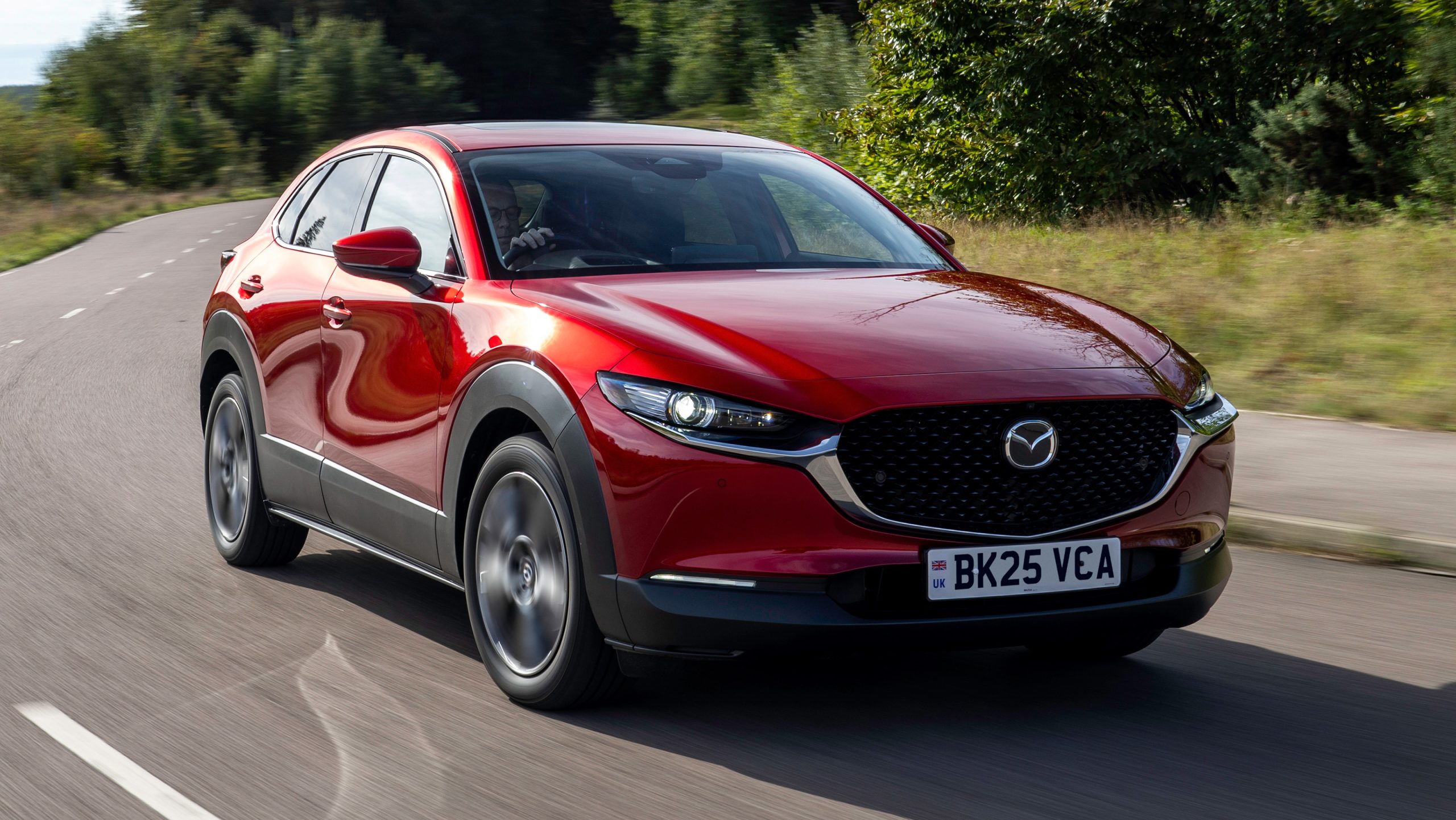
Mazda takes a different approach from many mainstream carmakers when setting up its base models, focusing more on giving buyers a premium feel instead of stripping features to reach a lower price. That approach is clear in the CX-30, where the entry version already comes with equipment that many rivals only offer on more expensive trims.
Standard all-wheel drive across every CX-30 model removes one of the biggest extra-cost decisions in this class. With vehicles like the Honda CR-V, Toyota RAV4, and Hyundai Tucson, buyers often start with front-wheel drive and then pay extra for AWD, which is important for rain, snow, and rough road conditions. Mazda includes it from the beginning, so that choice is already settled at purchase.
An 8.8-inch display is also included as standard, controlled through a rotary dial instead of a touchscreen. This setup gives drivers a large screen while reducing the need to reach forward while driving. LED headlights are included as well, providing strong nighttime visibility without needing to upgrade. Safety systems like adaptive cruise control and lane assistance also come standard, placing the base CX-30 above what many competitors offer at the entry level.
Higher trims mainly focus on comfort upgrades such as leather seats and a more advanced touchscreen system. These additions do not change how the vehicle performs, brakes, or handles daily driving conditions. For buyers focused on capability rather than luxury, the base CX-30 already delivers a complete package without requiring extra spending.
Also Read: 8 Cars With Common AC Compressor Failures
3. Subaru Crosstrek Base
- Engine: 2.0L Flat-4 Boxer
- Horsepower: 152 hp
- Torque: 145 lb-ft
- Size: 172.0 in Long x 71.0 in Wide
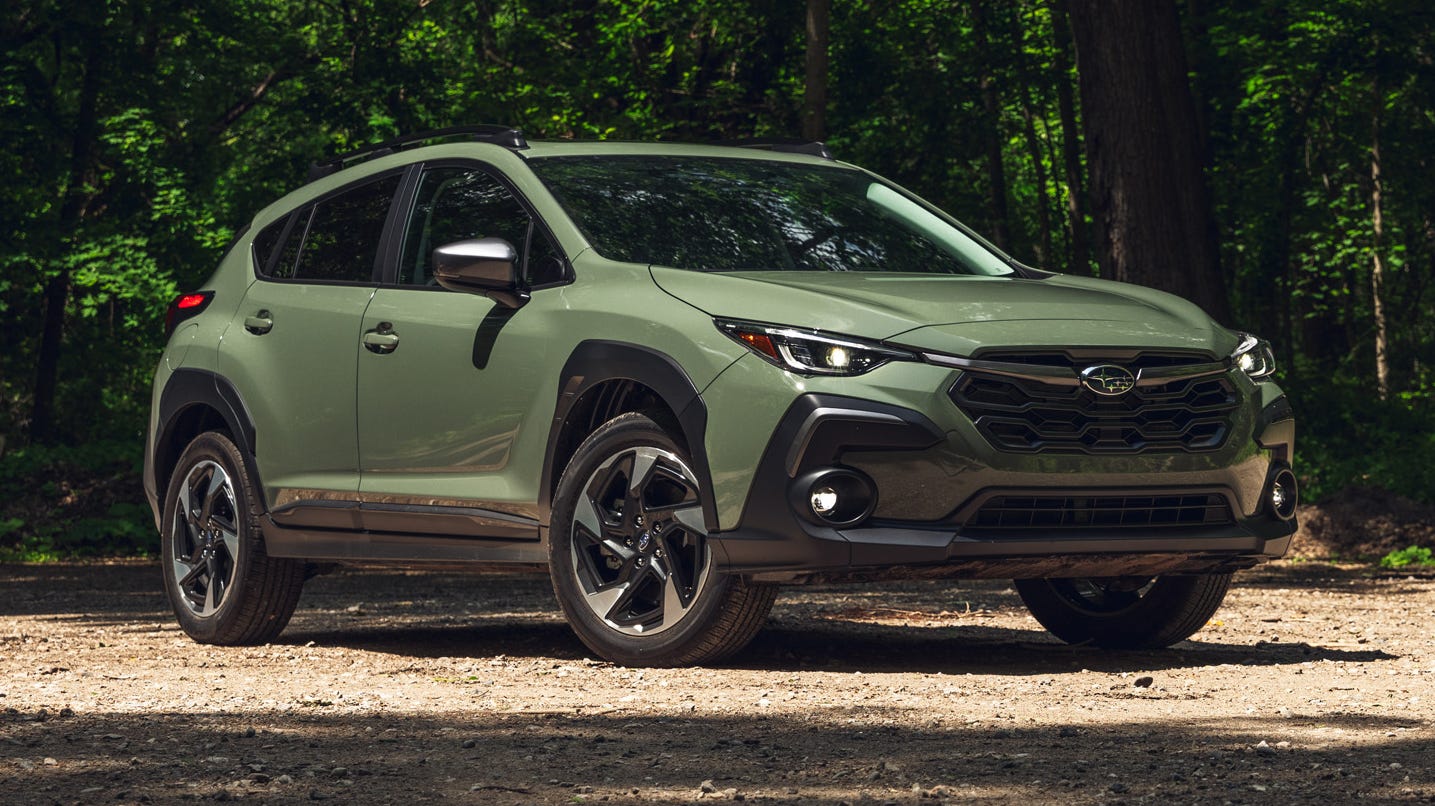
Buyers drawn to the Subaru Crosstrek arrive at the dealership for two specific reasons that higher trim levels do not improve upon in any meaningful way: all-wheel drive capability and ground clearance for light outdoor use. Both of those core features arrive fully intact on the cheapest model, making every dollar spent beyond the base price a purchase of comfort features rather than core capability features.
Subaru’s Symmetrical All-Wheel Drive system operates identically regardless of which trim level a buyer selects, distributing power continuously through a mechanical connection to all four wheels rather than reacting to wheel slip after the fact. That fundamental capability is not enhanced by upgrading to a higher trim, which means a base Crosstrek performs identically to a fully loaded Crosstrek on a snow-covered mountain road or a muddy forest service road, the two environments that most Crosstrek buyers specifically need their vehicle to handle confidently.
EyeSight driver assistance technology, Subaru’s dual-camera safety system managing adaptive cruise control, automatic emergency braking, and lane centering, arrives standard on the base Crosstrek alongside the mechanical AWD capability. Competing compact crossovers at this price point typically reserve these safety systems for mid-tier trims, making the base Crosstrek genuinely better equipped in safety technology than a moderately upgraded competitor might be at a comparable price.
Ground clearance measuring 8.7 inches remains constant across all trim levels, confirming that the adventure-readiness buyers pay for is not concentrated in any specific configuration. Adding thousands of dollars through higher trims buys heated seats, upgraded audio, and larger alloy wheels, none of which makes the Crosstrek climb a dirt trail any better or handle a flooded intersection any more confidently than the entry-level version already manages.
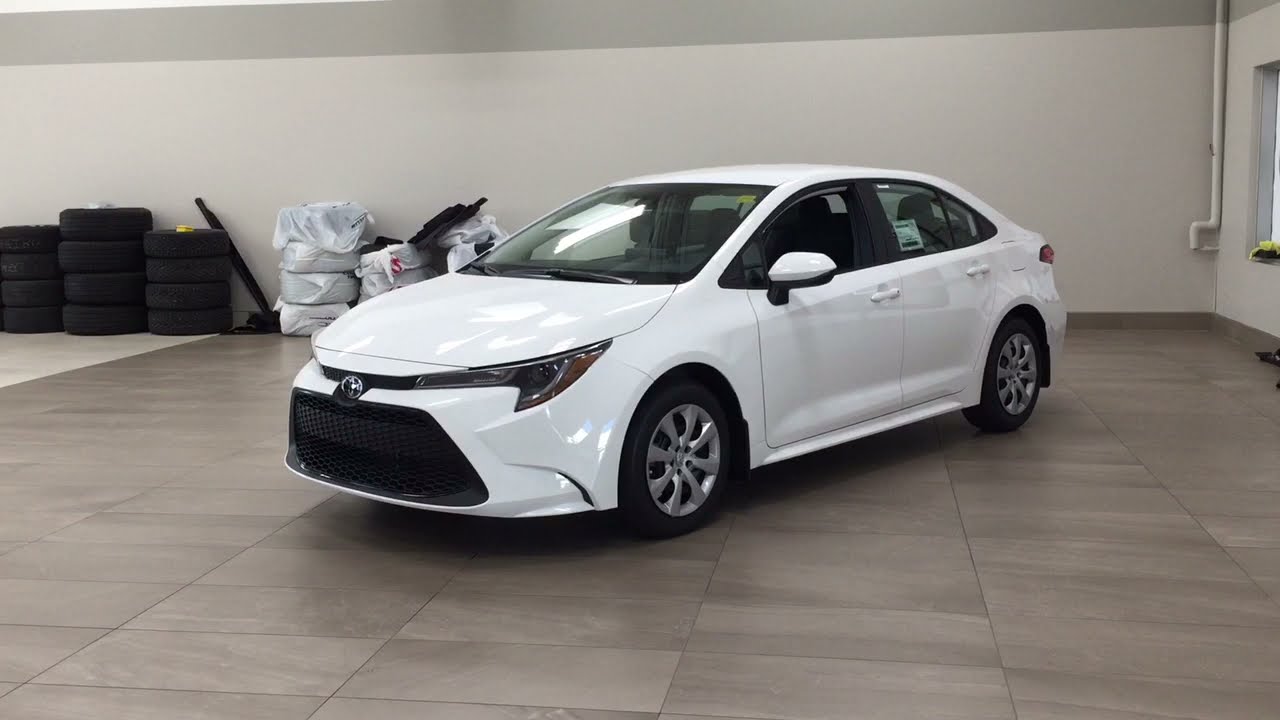
4. Toyota Corolla LE Sedan
- Engine: 2.0L Naturally Aspirated 4-Cylinder
- Horsepower: 169 hp
- Torque: 151 lb-ft
- Size: 182.5 in Long x 70.1 in Wide
Reliability-focused buyers shopping the Corolla LE rarely receive a compelling reason to spend more on a higher trim, and examining what higher trims actually add versus what the LE already provides makes that financial restraint look increasingly rational rather than simply frugal.
This sedan exists to provide dependable, low-cost transportation across an enormous mileage range, and the base LE delivers exactly that without any compromise on the mechanical elements that actually matter toward achieving that goal.
Toyota Safety Sense 3.0 arrives standard on the LE, bundling automatic emergency braking, pedestrian and cyclist detection, lane departure alert, lane centering, automatic high beams, and radar cruise control into a safety package that many competitors charge a good premium to access.
Getting this level of active safety technology on the cheapest trim available removes what would otherwise be a meaningful financial incentive to upgrade, since the safety argument for spending more simply does not exist on this specific vehicle.
The steel wheels and high-profile tires fitted to the LE trim carry a practical advantage that alloy-equipped higher trims cannot match in real-world urban commuting. High-profile sidewalls absorb pothole impacts considerably better than the low-profile rubber wrapped around the larger alloy wheels on upper trims, producing a smoother, more comfortable ride on the degraded pavement surfaces common throughout many American cities.
Steel wheels cost a fraction of alloy equivalents when damage requires replacement, an event that city drivers face with genuine frequency regardless of how carefully they avoid rough roads. Choosing the LE also maximizes resale value stability relative to purchase price, since the smaller gap between what you paid and what the car is worth at high mileage benefits buyers who prioritize long-term ownership cost over initial showroom impression.
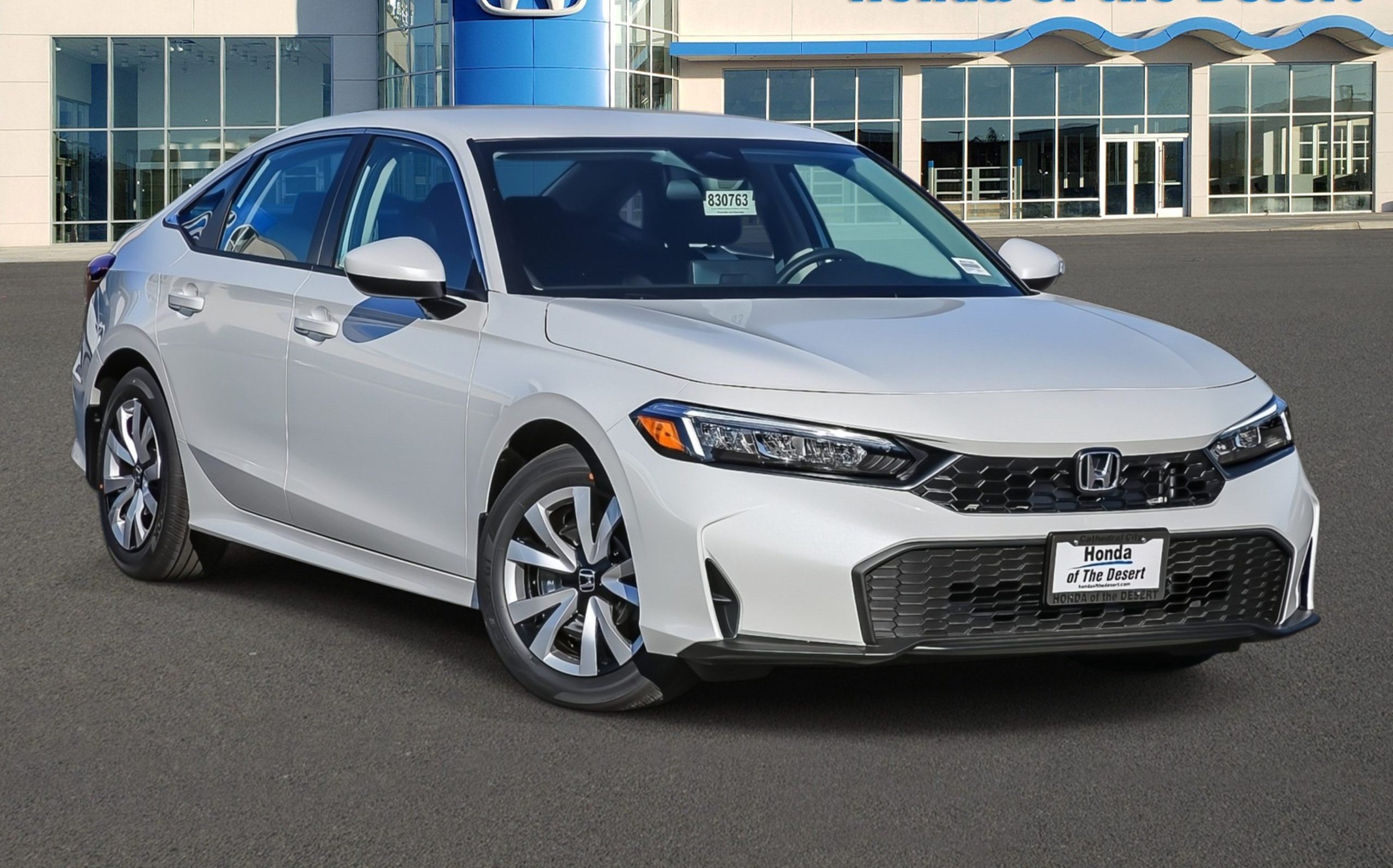
5. Honda Civic LX Sedan
- Engine: 2.0L Naturally Aspirated 4-Cylinder
- Horsepower: 150 hp
- Torque: 133 lb-ft
- Size: 184.0 in Long x 70.9 in Wide
Honda’s Civic range gives buyers a choice that goes beyond appearance or trim level, since the real difference lies in the type of engine under the hood. For many drivers, the base LX model with its naturally aspirated engine offers a more practical long-term ownership experience than the higher trims that use a 1.5L turbocharged engine.
Turbocharged engines are known for delivering stronger acceleration and better fuel economy under light driving conditions, but they also introduce extra maintenance needs. Issues like carbon buildup on intake valves, wear on turbo components, intercooler upkeep, and added heat stress become more common as mileage increases.
These are concerns that naturally aspirated engines do not face to the same extent. Mechanics who regularly service high-mileage Civics often point out that the LX engine tends to require fewer repairs outside normal maintenance schedules. With 150 horsepower and 133 lb-ft of torque, the LX engine is more than enough for daily driving needs such as highway entry, overtaking, and climbing steep roads.
It delivers steady performance without relying on added mechanical pressure from forced induction. On fuel efficiency, it also performs well, reaching close to 40 miles per gallon on highway trips under steady driving, which brings it closer to the turbo model’s real-world consumption than many expect.
Features also add to its appeal. Apple CarPlay, Android Auto, and Honda Sensing safety systems come standard on the LX. These inclusions reduce the need for buyers to move up to higher trims just to access modern connectivity and driver assistance features, making the base model a strong value choice.
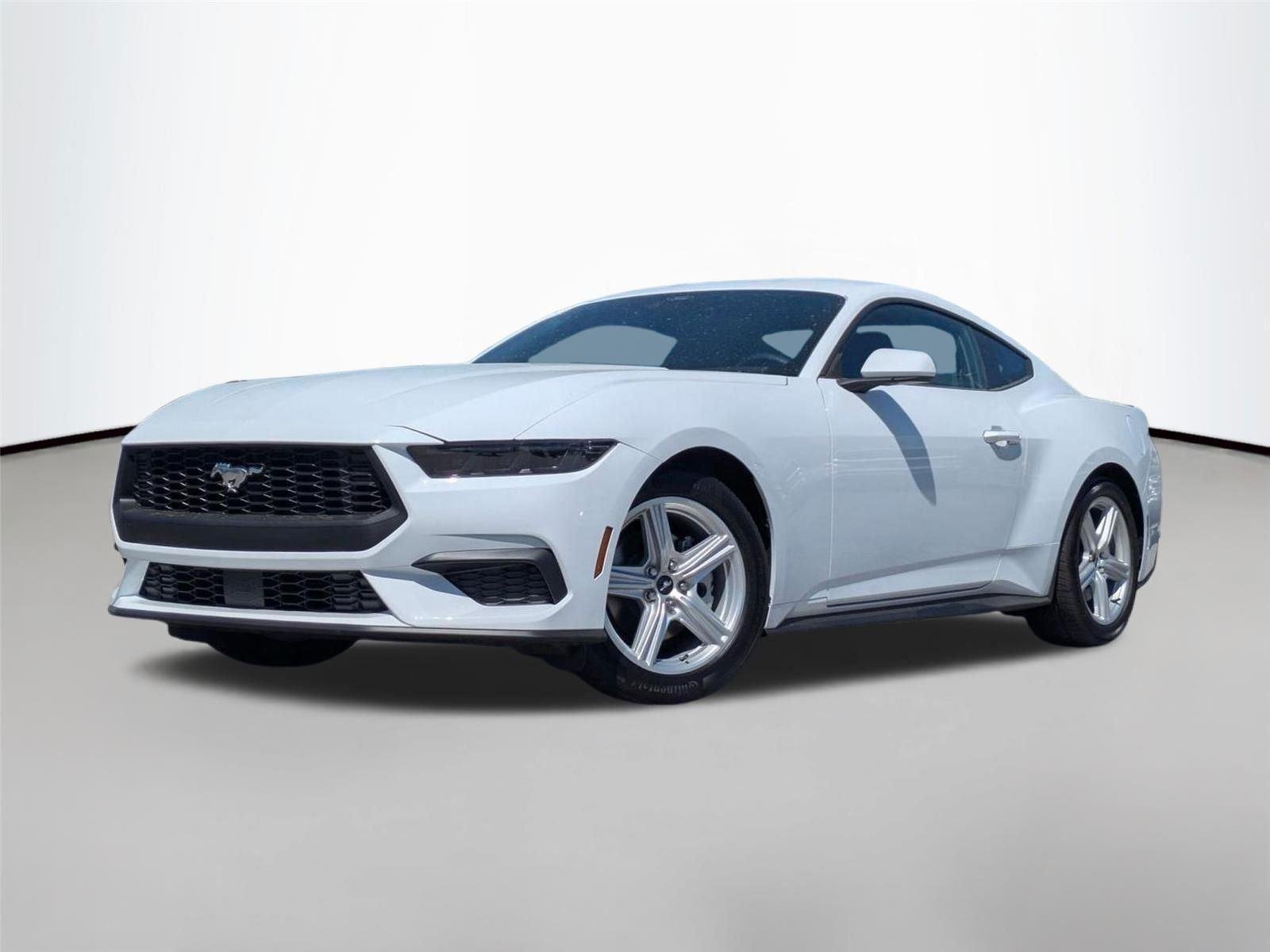
6. Ford Mustang EcoBoost Fastback Base
- Engine: 2.3L Turbocharged 4-Cylinder
- Horsepower: 315 hp
- Torque: 350 lb-ft
- Size: 189.4 in Long x 75.4 in Wide
Car enthusiasts often debate the Mustang’s engine choices, especially when comparing the V8 with the four-cylinder EcoBoost. While that discussion is usually emotional, a practical look at the EcoBoost Fastback shows it has strong appeal for drivers who want performance and daily usability in one package.
Performance from the 2.3L turbocharged four-cylinder stands at 315 horsepower and 350 lb-ft of torque, placing it firmly in sports car territory for everyday road use. Acceleration from zero to sixty miles per hour sits in the mid-four-second range when driven properly. That level of speed would have been considered high-end performance years ago, and it still delivers strong real-world excitement today.
Ride quality also benefits from the EcoBoost setup. Independent rear suspension comes standard, improving stability and control on uneven or winding roads. This setup gives the car a more modern driving feel compared to traditional rear axle designs still found on some V8 versions, especially when cornering at higher speeds or handling sharp turns.
Running costs also lean in favor of the EcoBoost model. Insurance premiums tend to be lower than those of the GT V8 due to different risk profiles between buyer groups. Fuel economy during regular commuting is also stronger, reducing weekly fuel expenses. While it still performs best with premium fuel, the entire fuel demand is lighter than the V8, which helps lower long-term ownership costs.
These combined factors make the EcoBoost Mustang a strong option for buyers who want performance without the higher running expenses tied to the V8 model.
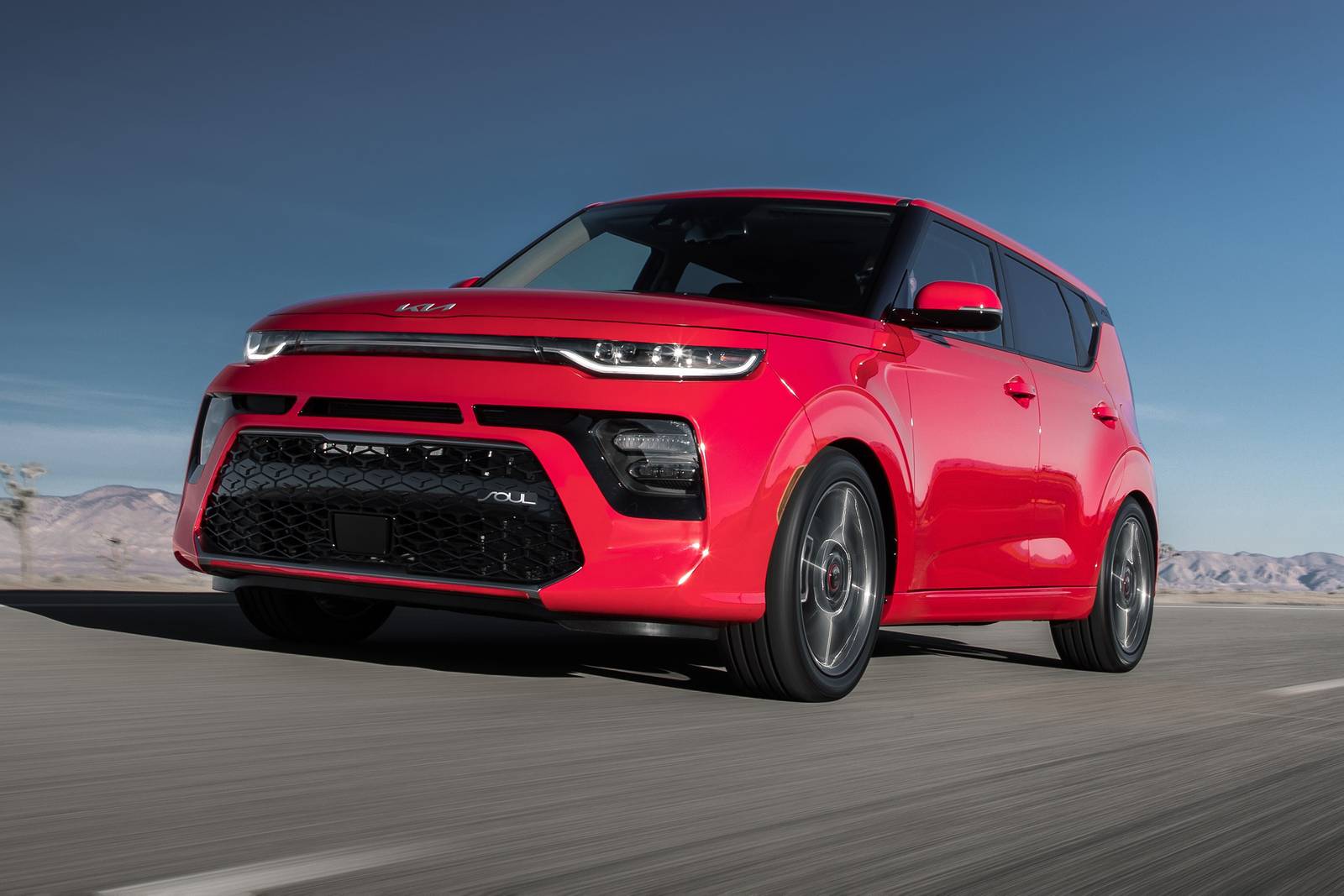
7. Kia Soul LX
- Engine: 2.0L Naturally Aspirated 4-Cylinder
- Horsepower: 147 hp
- Torque: 132 lb-ft
- Size: 165.2 in Long x 70.9 in Wide
Measuring interior volume relative to exterior footprint reveals one of the automotive market’s most efficient packaging achievements in the Kia Soul, a vehicle whose boxy upright shape sacrifices absolutely zero visual elegance in exchange for passenger and cargo volume that genuinely surprises first-time occupants regardless of which trim level they happen to be sitting inside.
The LX base trim delivers this packaging advantage at its lowest possible cost while still including Apple CarPlay and Android Auto connectivity that previous-generation vehicles charged premium prices to access. Automatic emergency braking and lane-following assist arrive standard, completing a safety suite that validates budget selection without requiring the buyer to accept meaningful protection compromises in exchange for the lower price point.
Kia’s decision to include these connectivity and safety features as standard LX equipment rather than reserving them for upgraded packages reflects a deliberate competitive positioning choice designed to attract first-time buyers, younger buyers, and value-focused shoppers who would otherwise compare the Soul unfavorably against competitors offering similar features across their own mid-tier pricing.
That positioning decision benefits buyers directly, since it transfers genuine value rather than asking for a premium payment in exchange for features that cost relatively little to include across an entire model run. Higher Soul trims add turbocharged engine options producing more power and a sportier character that genuinely changes the driving experience in meaningful ways, making the upgrade argument more defensible for buyers who specifically prioritize performance.
For buyers whose priority is maximum practical urban transportation value at the lowest possible monthly cost, the LX configuration delivers every core Soul advantage without a single meaningful capability sacrifice compared to the vehicles sitting above it in the lineup.
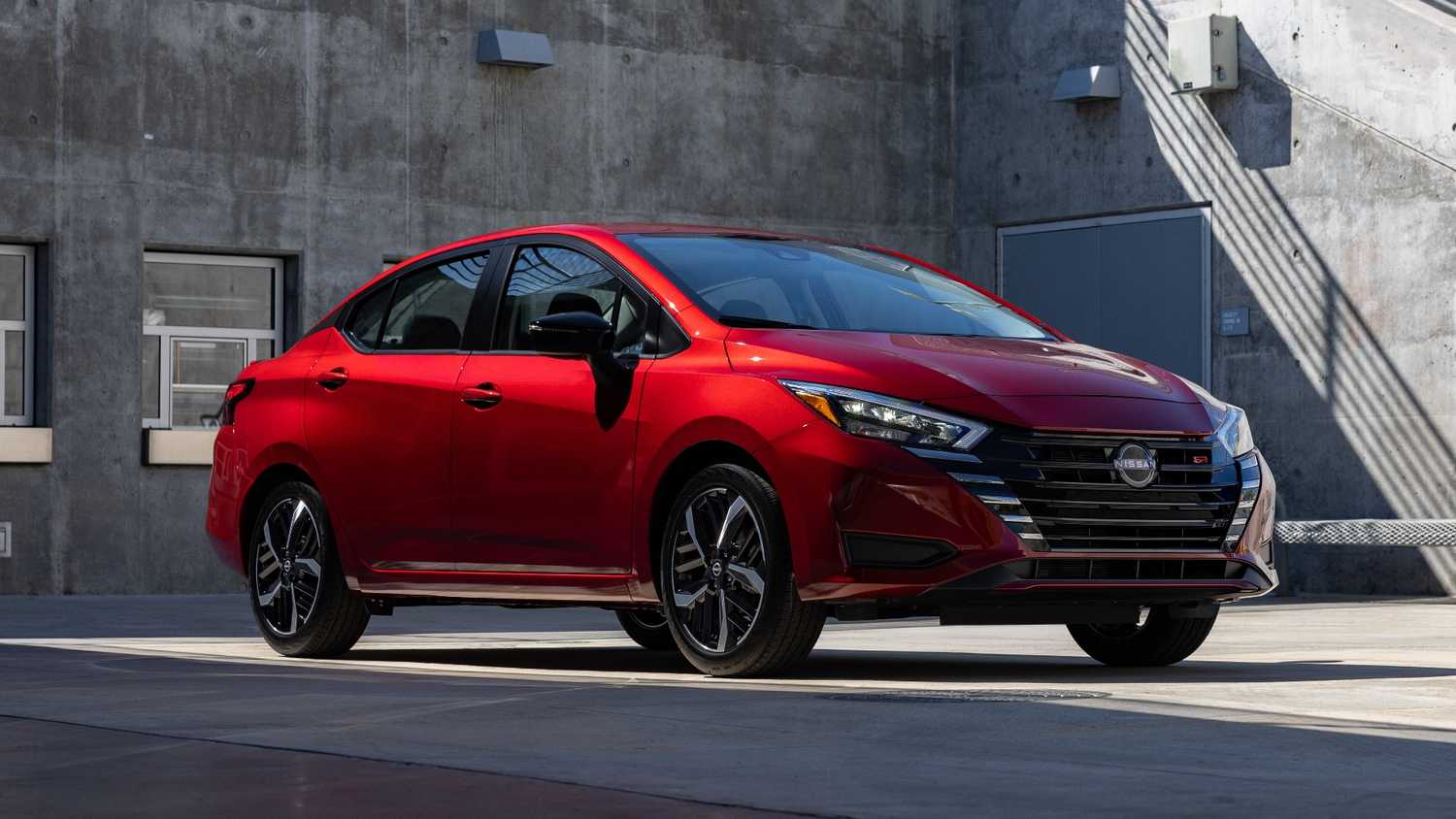
8. Nissan Versa S with 5-Speed Manual
- Engine: 1.6L Naturally Aspirated 4-Cylinder
- Horsepower: 122 hp
- Torque: 114 lb-ft
- Size: 176.8 in Long x 68.5 in Wide
Nissan’s continuously variable transmission has developed a mixed reputation among many owners and independent mechanics, and that history makes the base Versa S with a manual gearbox a much more meaningful choice than just a cheaper option. It turns the lowest-priced new car in the United States into something that feels more thoughtfully engineered.
Reports of CVT issues across several Nissan models have created real concern for long-term ownership costs, especially when repair or replacement is needed. That concern has pushed some buyers to look for alternatives that feel more predictable. The five-speed manual in the Versa S removes that uncertainty completely, using a simpler system that most mechanics understand well and can service at lower, more stable costs.
Fuel use also benefits from the manual setup in everyday city driving. With better control over gear changes and engine braking, drivers can manage speed and momentum in a way that often improves efficiency. Many city drivers who develop good habits with a manual transmission are able to meet or even slightly beat official fuel economy estimates in real use.
Power comes from a 1.6L naturally aspirated engine producing 122 horsepower and 114 lb-ft of torque. These figures are modest, but they fit typical urban driving conditions where quick bursts of acceleration matter more than sustained high-speed performance.
The Versa S with a manual gearbox stands out as a rare case where a lower price also comes with improved long-term reliability and simpler ownership.
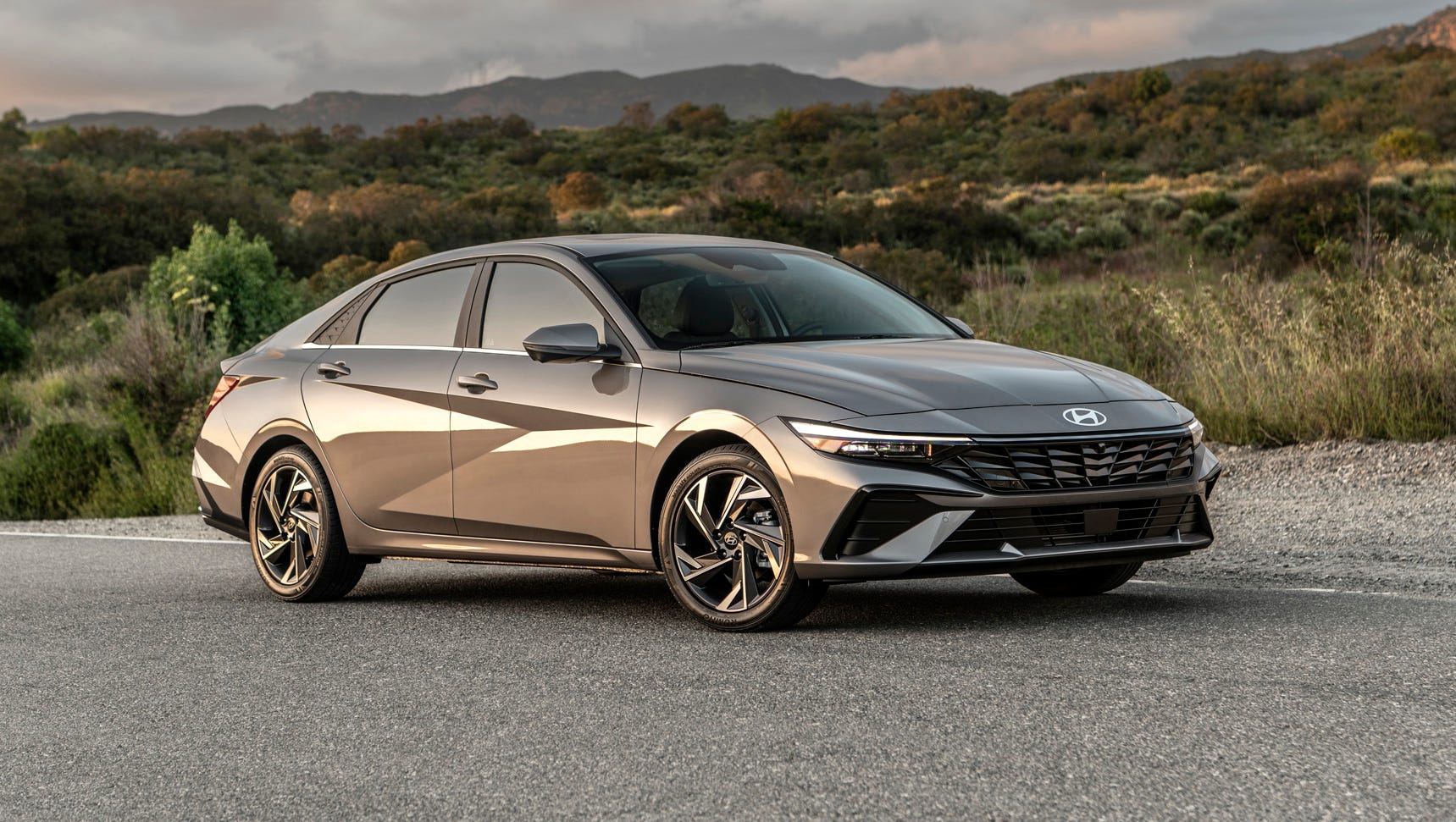
9. Hyundai Elantra SE
- Engine: 2.0L Naturally Aspirated 4-Cylinder
- Horsepower: 147 hp
- Torque: 132 lb-ft
- Size: 185.5 in Long x 71.9 in Wide
Hyundai’s warranty coverage plays a major role in shaping how buyers view the base Elantra SE, especially when comparing it with rivals in the compact sedan segment. A 10-year, 100,000-mile powertrain warranty comes standard with every new model, which removes much of the financial worry that usually comes with choosing a lower-priced trim.
Any major engine or transmission issue within that period is handled by the manufacturer, not the owner. That protection makes the SE trim look stronger than many competing entry models from brands like Honda and Toyota. Safety equipment is also well covered at this level.
Features such as blind-spot monitoring, rear cross-traffic alert, and safe-exit warning come included, helping prevent common low-speed accidents that can lead to costly repairs. Many rival models require buyers to move up to higher trims before gaining access to similar safety systems.
Technology inside the cabin also adds value without requiring extra payment. A responsive touchscreen interface supports wireless smartphone connection, which removes the need for cables during daily use. This setup addresses two major upgrade reasons found in competing vehicles: safety tech and phone integration. As a result, higher trims mainly offer comfort-focused additions rather than essential upgrades.
Driving performance, safety systems, and connectivity in the SE remain the same as those found in higher trims during everyday use. Whether it is emergency braking, lane alerts, or warranty coverage, the core experience does not change. Paying more mostly adds comfort items like heated seats and upgraded materials, which makes the SE a practical option for buyers focused on value rather than extras.
Also Read: 12 Safest New Cars Of 2026, According To The IIHS
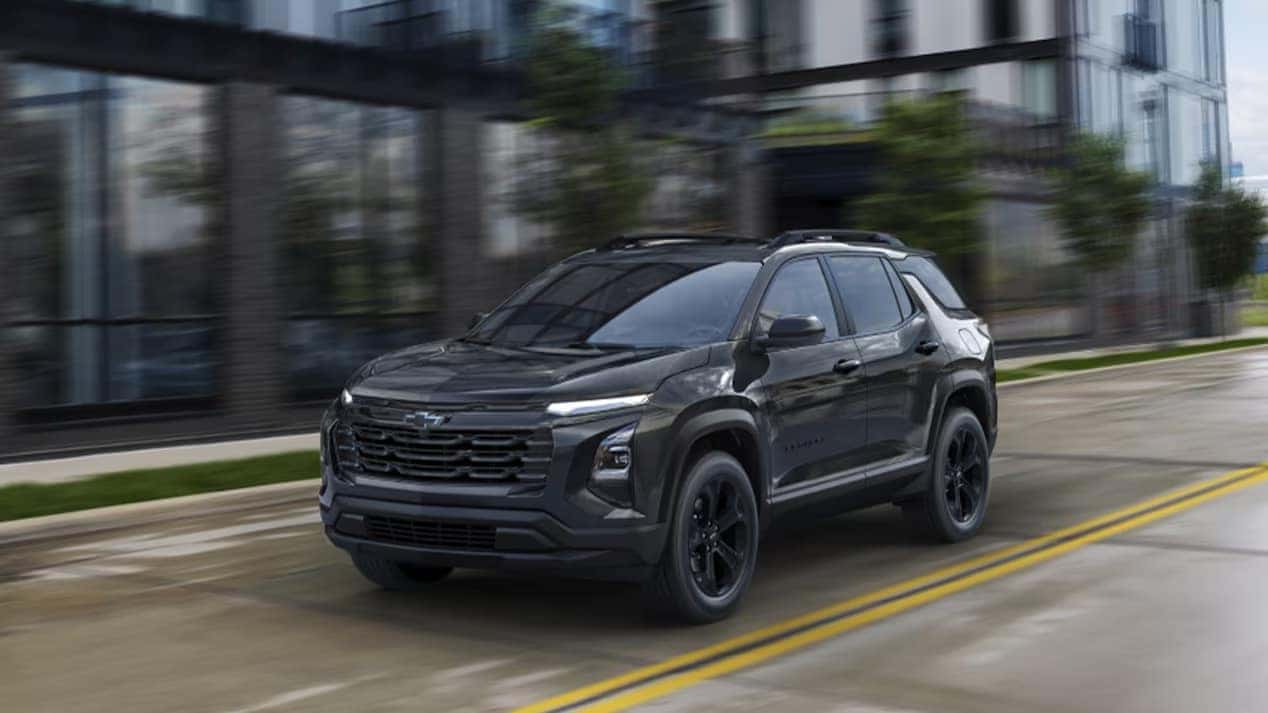
10. Chevrolet Trax LS Trim
- Engine: 1.2L Turbocharged 3-Cylinder
- Horsepower: 137 hp
- Torque: 162 lb-ft
- Size: 178.6 in Long x 71.7 in Wide
Chevrolet’s updated Trax caught many automotive reviewers off guard because expectations were low before testing began. Instead of a basic entry-level crossover, what they found was a compact SUV with a roomy cabin, refreshed styling, and a strong list of standard equipment that feels more advanced than its price bracket suggests. The base LS trim delivers much of this value without pushing buyers into higher-cost appearance packages.
Comfort-focused engineering shows up early in the equipment list through active noise cancellation included as standard. This feature is usually reserved for more expensive models, yet here it comes without any upgrade requirement. For daily commuters, reduced cabin noise makes long drives less tiring and improves the entire driving comfort in a practical way rather than a cosmetic one.
Modern connectivity is also handled well at the base level. Wireless Apple CarPlay and Android Auto come standard, removing the need for cables and making smartphone use simpler. Cruise control is also included, which adds convenience during highway driving and should reasonably be expected on all new vehicles regardless of price category.
Power comes from a 1.2L turbocharged three-cylinder engine producing 137 horsepower and 162 lb-ft of torque, offering enough strength for city and suburban driving without feeling underpowered. Higher trims mainly focus on appearance upgrades such as upgraded interior materials, exterior color detailing, and extra screens.
These additions do not change how the vehicle drives or performs in everyday use. Buyers who focus on function rather than appearance can get the core benefits of the redesigned Trax without spending more than necessary.