
Your car’s air conditioning compressor is not a luxury item. It is the mechanical heart of your entire climate control system, and when it fails, you are not just dealing with warm air blowing through the vents. You are potentially looking at a repair bill that runs anywhere from $800 to $2,500 or more, depending on the vehicle and how far the damage has spread through the system.
What makes AC compressor failures particularly frustrating is how preventable many of them are and how well-documented the defects were before most owners ever noticed a problem. Several manufacturers knew their compressors were failing prematurely, and the evidence trail runs through class-action lawsuits, NHTSA complaint databases, technical service bulletins, and extended warranty campaigns.
Some of these failures quietly blow refrigerant out of a shaft seal over weeks. Others lock up catastrophically and send metal debris shooting through the entire AC loop, destroying every connected component in the process. One failure mode on this list is severe enough to snap the serpentine belt while driving at highway speed, cutting power to the alternator and water pump simultaneously.
Eight vehicles have accumulated some of the most documented factory AC compressor failure records in the industry. If you own one of these vehicles or are considering buying one used, here is exactly what you need to know before summer arrives.
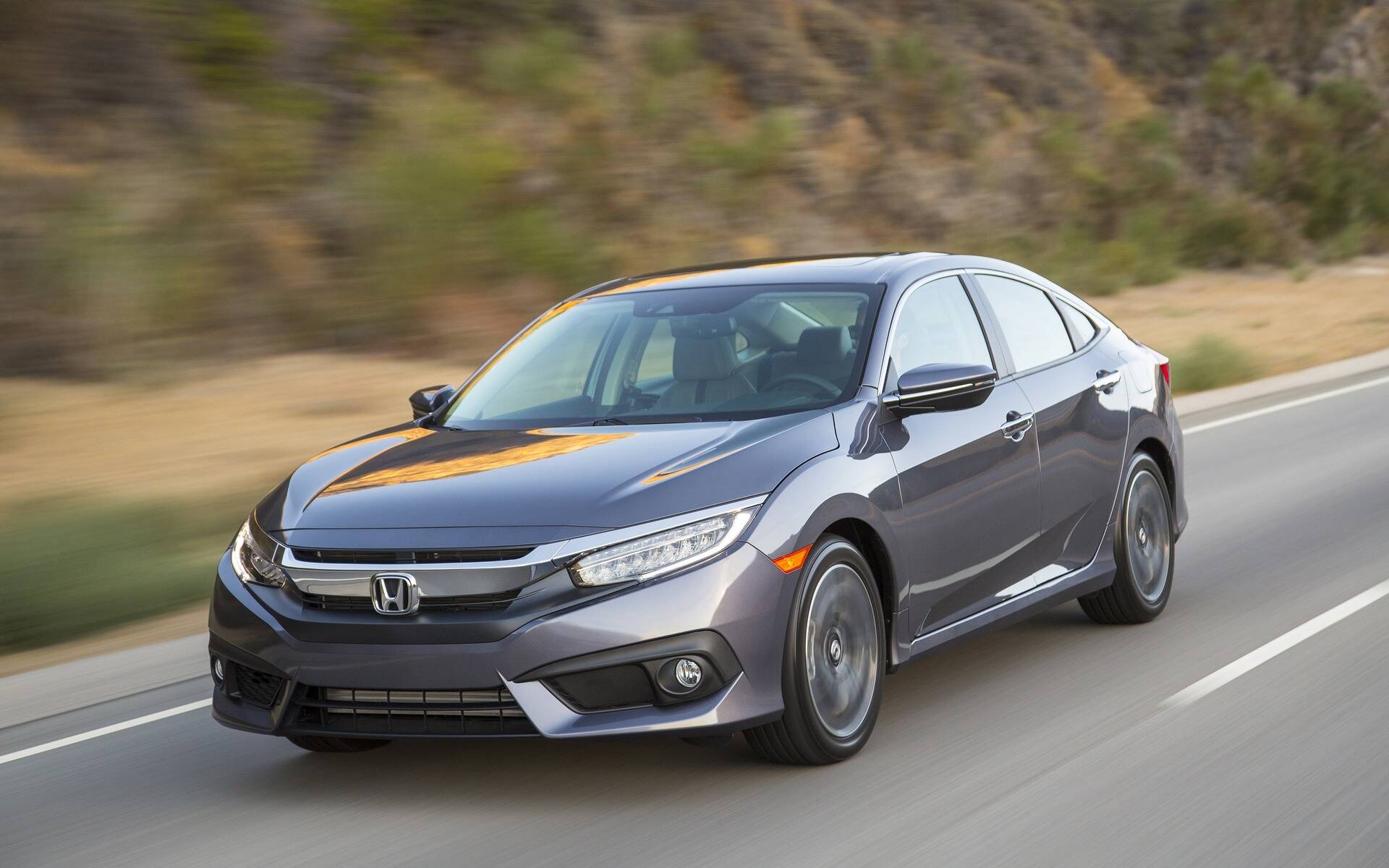
1. Honda Civic 2016 to 2021
Official Source: NHTSA Service Bulletin #MC-10234575-0001 (Andre Wong v. American Honda Motor Co.)
- Engine: 2.0L 4-Cylinder or 1.5L Turbo 4-Cylinder
- Horsepower: 158 hp to 180 hp
- Torque: 138 lb-ft to 177 lb-ft
- Size: 184.0 in Long x 70.9 in Wide
Tenth-generation Honda Civic owners across the 2016 to 2021 production window discovered a refrigerant leak problem that was not the result of road damage or age-related wear. Factory AC compressor shaft seals on these models were failing prematurely, allowing refrigerant to escape from the compressor’s rotating shaft interface directly. Once refrigerant levels dropped below the operating threshold, the system stopped cooling entirely and began pushing warm air through the cabin vents.
What made this defect particularly damaging was the chain reaction it triggered in the surrounding components. When a refrigerant leak starves the system of the gas that also carries lubricating oil throughout the AC loop, connected components begin running dry.
Continued operation under refrigerant-deficient conditions accelerates wear on the condenser, the expansion valve, and the receiver drier, turning what started as a single seal failure into a multi-component replacement scenario for owners who did not catch the problem early.
Honda’s response came after the Andre Wong v. American Honda Motor Co. class-action lawsuit reached a resolution that compelled the manufacturer to publish NHTSA Service Bulletin #MC-10234575-0001. That bulletin extended warranty coverage on the compressor shaft seal to 10 years from the original purchase date with no mileage cap attached.
That is a broadly generous warranty extension that Honda only offered because the failure rate across the affected population was high enough to make the legal and reputational cost of not acting greater than the cost of covering the repairs. Owners of 2016 to 2021 Civic models who have not yet checked whether their vehicle qualifies under this bulletin should contact a Honda dealership with their VIN and request confirmation.
Any owner whose AC system blew warm air during this period and paid out of pocket for a compressor replacement may have grounds for reimbursement under the terms of the settled class action.
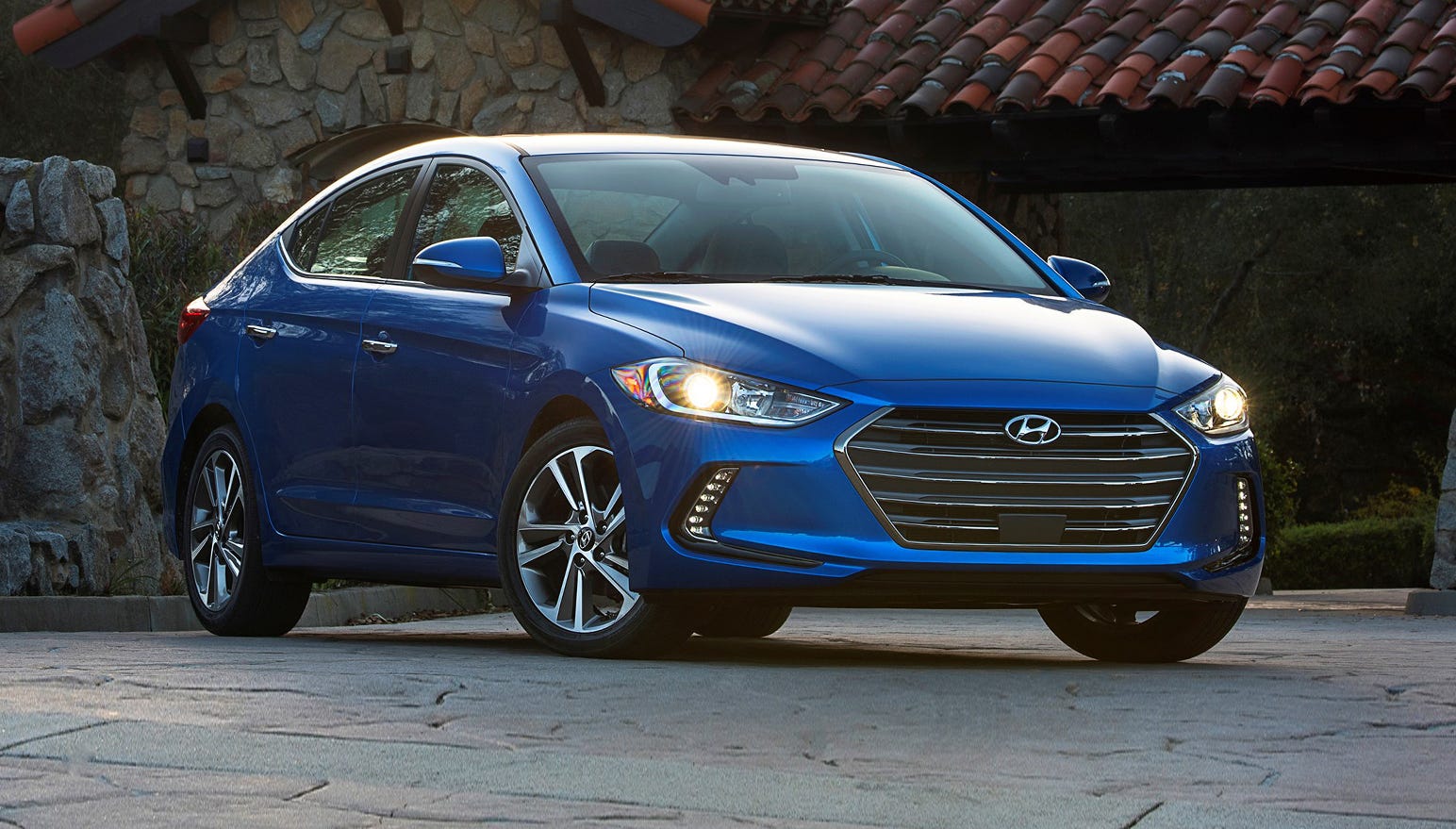
2. Hyundai Elantra 2018 to 2022
Official Source: Sauder Schelkopf Hyundai Climate Control Defect Investigation
- Engine: 2.0L 4-Cylinder or 1.4L and 1.6L Turbo variants
- Horsepower: 147 hp to 201 hp
- Torque: 132 lb-ft to 195 lb-ft
- Size: 184.1 in Long x 71.9 in Wide
Hyundai Elantra owners in the 2018 to 2022 model year range have experienced a compressor failure pattern that begins with the internal variable-displacement solenoid valve rather than the external seals or clutch components. Variable-displacement compressors use an electronically controlled solenoid valve to adjust how much refrigerant the compressor pumps based on cooling demand. When those solenoid valves fail on this generation of Elantra, the effects cascade in two directions simultaneously.
Some owners experience an electrical consequence first. A failing solenoid draws inconsistent current, which can trip the vehicle’s electrical circuit breakers and create fault codes that point toward electrical gremlins rather than the AC system itself. This misdirects diagnostic efforts and delays proper identification of the compressor as the root problem. Other owners experience the thermal consequence directly: the system loses its ability to pressurize refrigerant properly, and the cabin temperature climbs regardless of what temperature the driver sets on the climate control panel.
Legal tracking of this failure pattern extended beyond the Elantra alone. Federal consumer groups documented the defect across multiple Hyundai product lines, and legal firm Sauder Schelkopf launched a formal Hyundai Climate Control Defect Investigation that targeted premature compressor breakdown logs across the Elantra, Palisade, and Tucson configurations within the same production period. That three-model scope indicates the problem was rooted in shared component specifications rather than Elantra-specific engineering choices.
Owners who have experienced warm air, unusual clicking sounds from the compressor area, or unexpected electrical faults on affected Elantra models should request a climate system diagnostic that specifically tests solenoid valve function rather than relying on a general refrigerant pressure check alone.
Also read: 6 SUVs Where the AC Compressor Lasts Forever vs 6 Where It Fails Twice
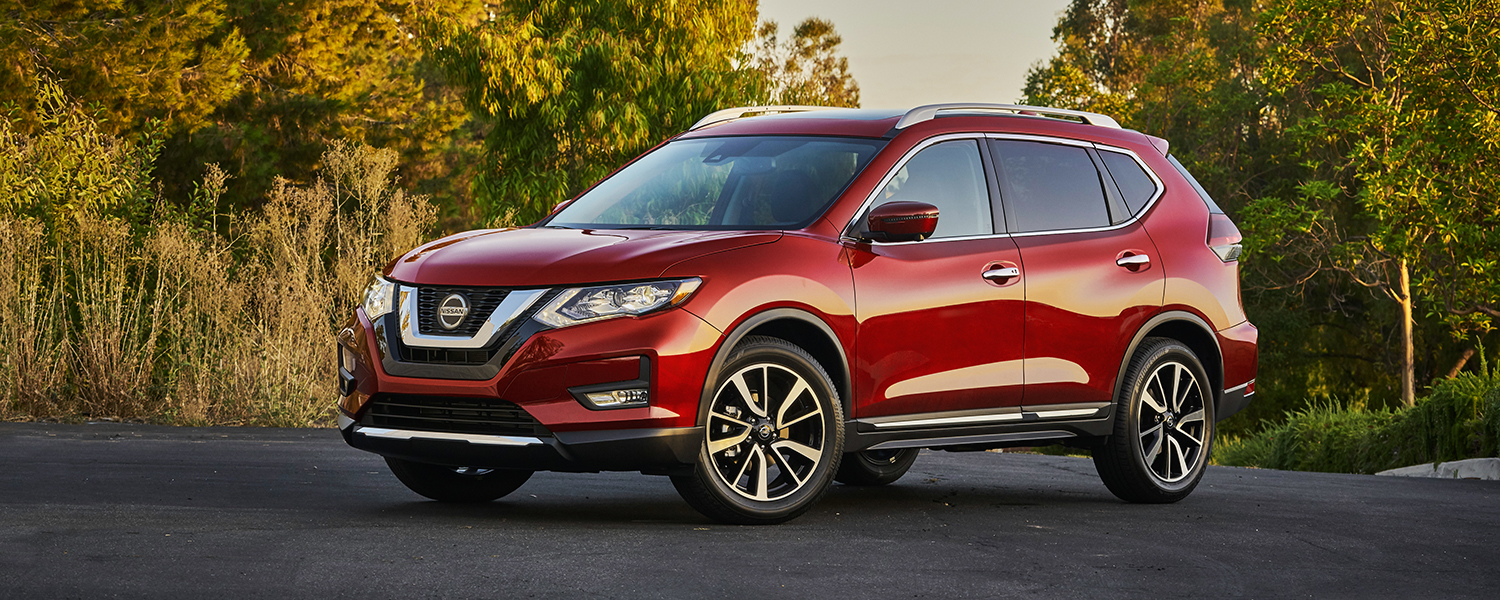
3. Nissan Rogue 2014 to 2020
Official Source: RepairPal Nissan Rogue Climate Control Tracking
- Engine: 2.5L 4-Cylinder
- Horsepower: 170 hp
- Torque: 175 lb-ft
- Size: 184.5 in Long x 72.4 in Wide
Before a Nissan Rogue’s AC compressor fails, it typically announces the problem with sound. Owners describe an intense chattering or rattling noise that emerges from the front of the engine bay the moment the AC button is pressed. That sound is the compressor clutch struggling to engage, and it is an early warning that the variable displacement mechanism inside is already in the early stages of failure.
What follows the sound warning, if the problem is not addressed quickly, is a mechanical lockup condition that technicians call slugging or hydrolocking. This occurs when liquid refrigerant or compressor oil accumulates in the compressor’s cylinder chambers rather than remaining in gas form. Compressors are designed to compress gas, not liquid. When liquid enters the compression cycle, the incompressible fluid creates a mechanical resistance that the clutch and internal components cannot overcome, resulting in a sudden mechanical seizure.
Nissan’s variable displacement compressor design on the 2014 to 2020 Rogue was documented by RepairPal’s Nissan Rogue Climate Control Tracking as one of the top registered failure symptoms across midsize Nissan platforms. RepairPal’s database aggregates actual repair order data from shops across the country, which means the tracking reflects real repairs billed to real customers rather than survey responses or complaint filings alone.
At 170 horsepower and 175 lb-ft of torque from a 2.5-liter four-cylinder, the Rogue is a practical family crossover, and AC failure in a family vehicle during summer driving is not a minor inconvenience. Rogue owners who hear chattering from the compressor area should schedule a diagnostic immediately rather than waiting for the system to fail.

4. Honda CR-V 2002 to 2006
Official Source: Edmunds Honda CR-V Defect Forums (Consumer Safety Complaint Database)
- Engine: 2.4L 4-Cylinder
- Horsepower: 160 hp
- Torque: 162 lb-ft
- Size: 181.8 in Long x 70.2 in Wide
Certain air conditioning failures become known by informal names because of the damage they leave behind, and the “Black Death” label tied to the 2002 to 2006 Honda CR-V earned that reputation for clear reasons. When the factory-installed Keihin compressor breaks down inside, it releases a thick black residue made up of spoiled refrigerant oil, fine metal fragments, and carbon buildup.
This material moves through the entire air conditioning loop before cooling stops, spreading contamination into the condenser, expansion valve, receiver drier, and every connecting pipe. Once this happens, none of the affected parts can function properly again.
Beyond this issue, the second-generation CR-V remained a sensible compact SUV for many drivers. It produced 160 horsepower and 162 pound-feet of torque from a 2.4-litre four-cylinder engine and carried proportions that suited family use. The air conditioning failure became a widely discussed ownership issue because many technicians did not recognise the full scope of damage.
Simply installing a new compressor without cleaning or replacing the contaminated components led to predictable failure. Leftover metal debris inside the system often destroyed the replacement compressor within a short period. Detailed owner reports shared on the Edmunds Honda CR-V defect forums documented this repeated repair problem across different years and locations.
Any workshop quoting a compressor replacement for these models must include a complete system flush, condenser replacement, and renewal of the expansion valve or orifice tube. Accepting a partial repair increases the chance of paying for the same job again, while proper full-loop servicing protects the new components and restores cooling reliability.

5. Subaru Forester 2014 to 2018
Official Source: RepairPal Subaru Climate Index
- Engine: 2.5L Flat 4-Cylinder or 2.0L Turbo
- Horsepower: 170 hp to 250 hp
- Torque: 174 lb-ft to 258 lb-ft
- Size: 180.9 in Long x 70.7 in Wide
Subaru’s horizontally opposed Boxer engine layout creates a uniquely tight engine bay environment that places specific thermal and mechanical stress on accessory components. Among those components, the AC compressor clutch pulley hub on 2014 to 2018 Forester models developed a documented early wear pattern that left owners with an AC system that visually appeared intact but would not cool the cabin.
When a driver presses the AC button on these Forester models and nothing happens, the failure is typically not the compressor’s internal components or the refrigerant charge level. It is the clutch mechanism that physically connects the compressor to the engine’s drive belt.
When that clutch hub wears prematurely, it loses the ability to grab and spin the compressor shaft, meaning the compressor body is present and intact but mechanically disconnected from any power source. Without the clutch engaging, no refrigerant is pressurized, and no cooling occurs regardless of how the climate system is configured.
RepairPal’s Subaru Climate Index aggregated compressor assembly failures across the 2014 to 2018 Forester production range and identified the compressor clutch assembly as a primary mechanical fail-point for this vehicle in its reliability tracking data. RepairPal draws its information from actual repair shop transactions, which means this is documented service history rather than theoretical failure analysis.
Forester owners who notice that pressing the AC button produces no change in cabin temperature and no audible click or engagement sound from the front of the engine should specifically request clutch hub inspection before agreeing to full compressor replacement, as the less expensive clutch assembly repair may be sufficient if the compressor internals remain undamaged.

6. Volkswagen Jetta 2011 to 2016
Official Source: EuroService Automotive Analysis Diagnostic Guides
- Engine: 2.0L 4-Cylinder, 1.4L Turbo, or 1.8L Turbo
- Horsepower: 115 hp to 170 hp
- Torque: 125 lb-ft to 184 lb-ft
- Size: 182.2 in Long x 70.0 in Wide
Volkswagen made a design decision with the 2011 to 2016 Jetta’s AC system that separates it from most of the vehicles on this list. Rather than using a traditional magnetic on-off clutch to engage and disengage the compressor from the accessory belt, Volkswagen engineered these cars with a clutchless, variable-displacement compressor that runs continuously whenever the engine is operating.
Cooling output is controlled entirely by an internal Refrigerant Control Valve that adjusts the compressor’s stroke capacity, pumping more or less refrigerant based on demand signals from the climate control module. When the Refrigerant Control Valve sticks in a partially closed or fully closed position, the compressor continues spinning but delivers no effective refrigerant flow to the system.
From the driver’s perspective, the AC appears to be running normally because the compressor is engaged and the belt is moving, but the vents blow warm or ambient temperature air regardless of the thermostat setting. Diagnostic tools that check for compressor engagement will show the system as operational, which can mislead technicians into replacing refrigerant or hunting for leaks rather than identifying the stuck RCV as the root cause.
EuroService Automotive Analysis detailed this exact misdiagnosis pattern in its diagnostic guides, explaining how a failing RCV sensor produces symptoms that closely mimic a completely dead compressor block to anyone not specifically testing valve function.
This failure mode is particularly common on Jetta models operated in hot climates where the AC system runs at maximum demand for extended periods, accelerating valve wear. Owners seeking diagnosis should specifically request RCV testing before authorizing any broader compressor or refrigerant service.
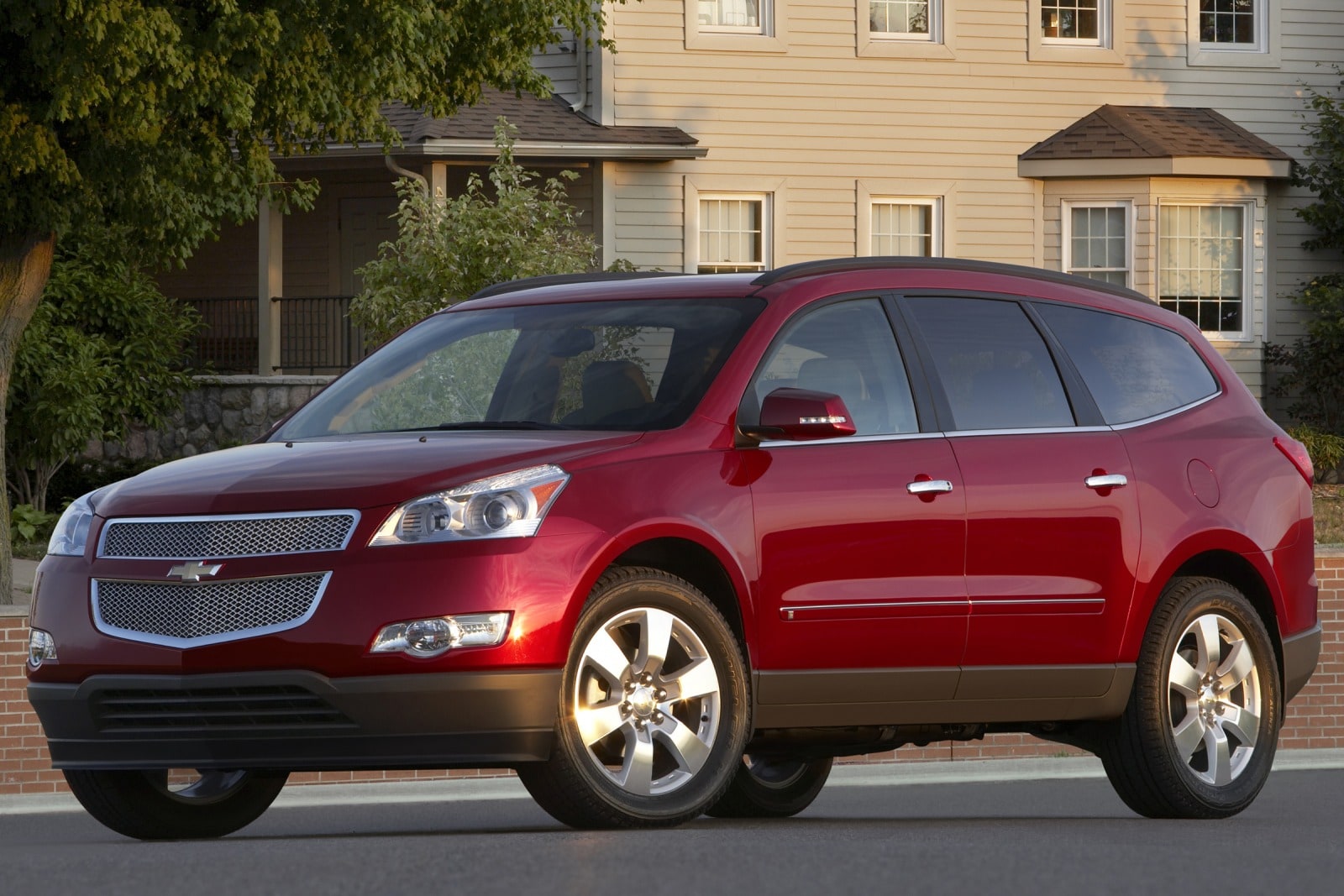
7. Chevrolet Traverse and GMC Acadia 2010 to 2016
Official Source: Meineke Automotive Climate Data Logs
- Engine: 3.6L V6
- Horsepower: 281 hp to 288 hp
- Torque: 266 lb-ft to 270 lb-ft
- Size: 203.7 in Long x 78.5 in Wide
Large three-row family crossovers create an air conditioning engineering problem that smaller vehicles never face. In these vehicles, refrigerant must move from a compressor mounted at the front to climate outlets at the back row, covering a far longer path than two-row models require.
On the General Motors Lambda platform used by the Chevrolet Traverse and GMC Acadia of this period, this long refrigerant route forced the factory compressor to operate under sustained pressure levels. The original compressor design was not rated to handle that constant load for a long service life without early failure risks during hot summers.
Extended high-pressure operation leads to two clear compressor failure patterns in these models. One pattern involves cracks forming on the outer aluminum housing at stress points that flex repeatedly from heat changes and pressure spikes. Another pattern affects the clutch bearings inside the unit, which wear out early because the added workload creates heat beyond what standard-duty bearings can release.
Each condition allows refrigerant to escape and shuts down cooling completely, making full compressor replacement necessary instead of minor part repair. These failures often appear without warning during routine driving in warm weather conditions across many ownership years.
Service data from Meineke Automotive climate records placed Lambda-based vehicles at a higher risk level for early compressor leaks than many rivals. This assessment relies on actual repair visits rather than customer complaint reports, which strengthens its reliability for shop-level planning.
Also Read: 10 Used SUVs Where the AC Still Works After 250,000 Miles

8. Mazda CX-7 2007 to 2009
Official Source: NHTSA Passenger Vehicle Safety Complaints Database
- Engine: 2.3L Turbocharged 4-Cylinder
- Horsepower: 244 hp
- Torque: 258 lb-ft
- Size: 184.3 in Long x 73.7 in Wide
Most AC compressor failures are expensive and inconvenient. The failure pattern documented on 2007 to 2009 Mazda CX-7 models was something more serious: a mechanical hazard capable of disabling the vehicle while traveling at highway speed.
When the factory compressor internals seized in these early CX-7 production years, the sudden mechanical lockup created an instantaneous resistance spike in the serpentine accessory belt that drove the compressor pulley. That resistance was strong enough to snap the serpentine belt entirely.
A snapped serpentine belt on the 2007 to 2009 CX-7 did not just disable the air conditioning. Because this generation of the CX-7 used a single serpentine belt to drive the alternator and the water pump alongside the AC compressor, losing the belt simultaneously cut electrical generation and engine cooling.
Without alternator output, battery voltage dropped rapidly. Without the water pump circulating coolant, the engine temperature spiked within minutes. Drivers who experienced this failure on the highway reported losing power steering assist, watching warning lights illuminate across the dashboard, and being forced to pull over immediately before the engine reached critical temperature.
Multiple diagnostic cases documenting this failure mode were filed through the NHTSA Passenger Vehicle Safety Complaints database, and the accumulated reports were severe enough to compel Mazda to completely re-engineer the vehicle’s pulley system and climate control configuration for the 2010 model year facelift.
