
Stories around compact SUVs rarely show as wide a gap between trust and trouble as the experience tied to the Nissan Rogue. When everything works as intended, the vehicle serves well as a family option, offering a calm ride, reassuring safety ratings, and a cabin suited for daily routines. In other cases, ownership becomes stressful, with mechanical failure arriving early and repair costs climbing to levels that surprise many drivers before mileage reaches what most would expect.
Much of this difference traces back to a single mechanical part. The Rogue’s driving experience rises or falls based on the health of its continuously variable transmission. Earlier versions relied on steel belt designs that struggled with heat control. As miles accumulated, this led to shaking during acceleration, reduced power delivery, and sudden breakdowns that left drivers stuck. These failures appeared far sooner than normal wear would suggest for a compact crossover.
Later updates brought real change. Nissan revised the internal hardware and software, replacing earlier belt designs with stronger chain systems and improved cooling control. Vehicles fitted with these updates behave very differently over long ownership, delivering steadier operation and fewer complaints from drivers who rely on them every day.
For anyone thinking about buying a Rogue, careful research matters more than price or appearance. Knowing which production years benefited from these improvements and which ones did not can save thousands of dollars and months of frustration. This guide breaks down the most dependable years and the riskiest ones, explaining the mechanical reasons behind each rating so buyers can make informed decisions before committing their money.
The 4 Best Years for the Nissan Rogue
1. 2020 Nissan Rogue SV Trim
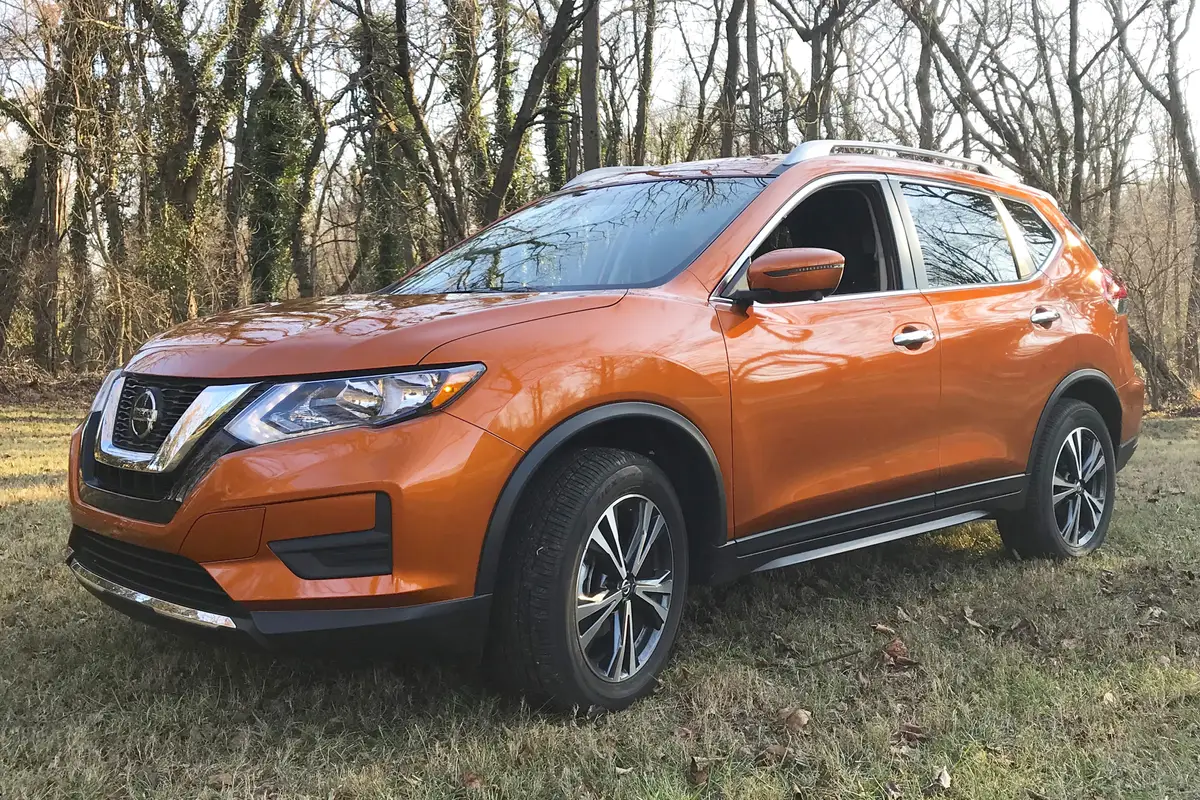
- Engine: 2.5L Naturally Aspirated 4-Cylinder
- Horsepower: 170 hp
- Torque: 175 lb-ft
- Size: 184.5 in Long x 72.4 in Wide
Choosing the last production year of a vehicle generation often brings a benefit in the used market that many shoppers miss. By that stage, engineers have had enough time to spot early faults, test fixes, and refine weak areas. For the Rogue, the 2020 release fits this pattern well, especially when discussions turn to its CVT gearbox, which caused trouble in earlier years.
During the middle years of the Rogue run, Nissan steadily revised transmission cooling and internal components that had caused repeated failures before. Each update reduced heat related damage, and by 2020 the system had matured into a far steadier unit. Complaint numbers recorded by owners dropped sharply, and both long term user feedback and Consumer Reports surveys showed reliability levels that earlier models never achieved.
That stronger transmission works alongside a familiar 2.5-liter naturally aspirated four-cylinder engine producing 170 horsepower and 175 pound-feet of torque. This engine has been used widely and tested across extensive mileage. With a length of 184.5 inches and a width of 72.4 inches, the 2020 Rogue provides suitable interior room for five passengers and practical cargo space for daily family needs.
Another improvement came through safety equipment. Nissan included Safety Shield 360 as standard, adding automatic emergency braking, blind spot monitoring, lane departure warning, and rear cross traffic alert without extra cost. For used buyers seeking a dependable Rogue with modern protection features but without premium trim pricing, the 2020 model stands out as a balanced and sensible choice.
2. 2025 Nissan Rogue Platinum Trim
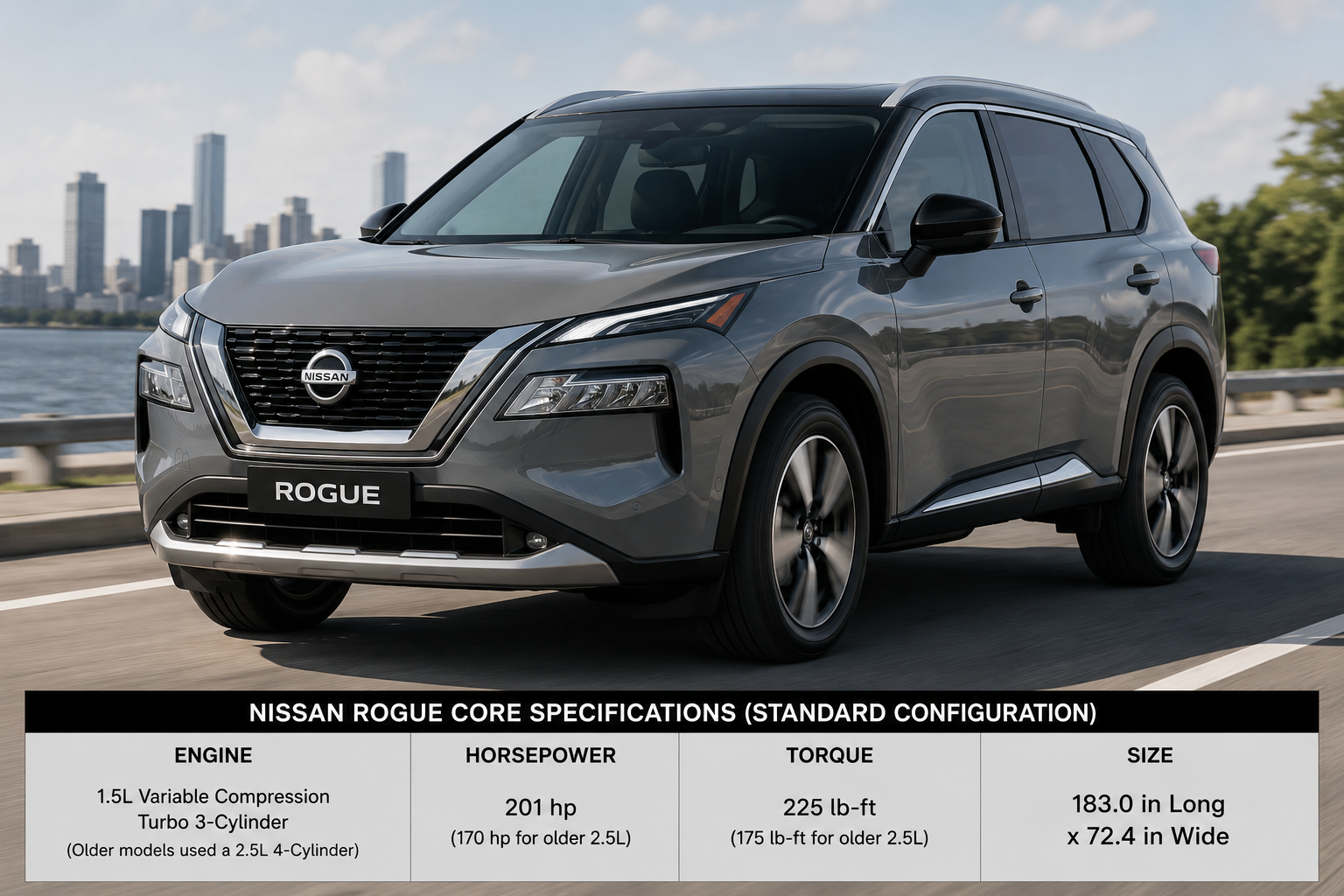
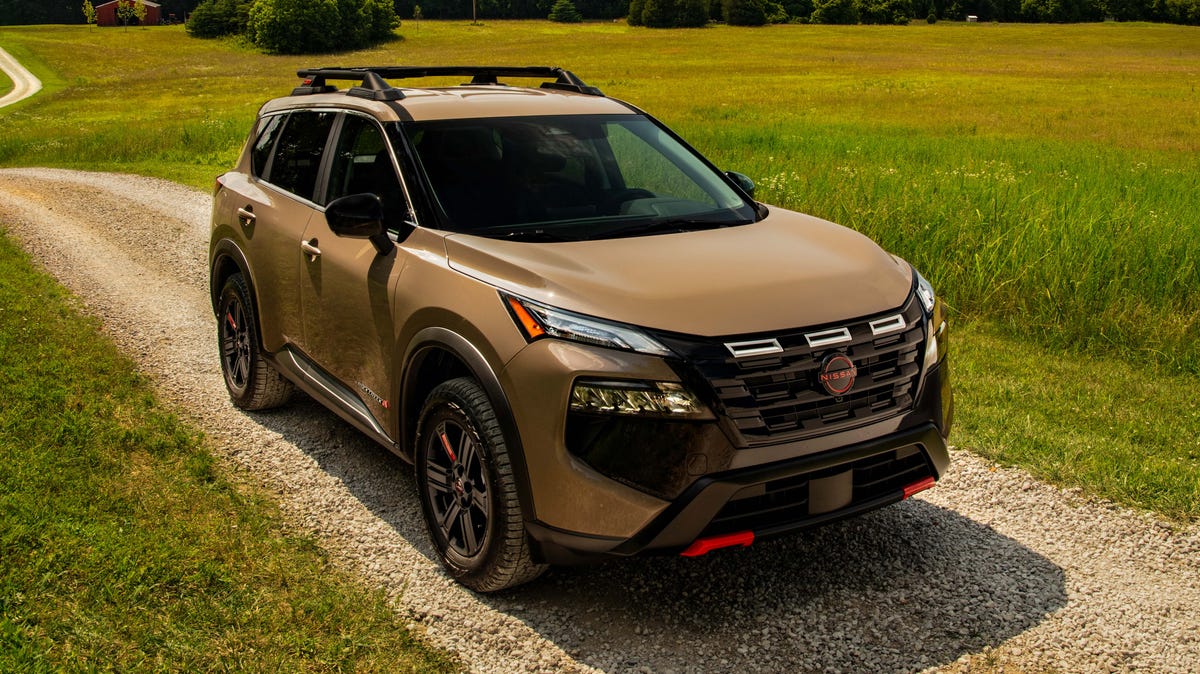
- Engine: 1.5L Variable Compression Turbo 3-Cylinder
- Horsepower: 201 hp
- Torque: 225 lb-ft
- Size: 183.0 in Long x 72.4 in Wide
Reliability scores from automotive research organizations carry more weight when the number is specific rather than general, and the 2025 Rogue’s 84 out of 100 dependability rating is a specific, documented result that tells a clear story about what Nissan’s current engineering team has accomplished with this platform.
That score positions the 2025 Rogue among the top-ranked compact crossovers in its entire segment for long-term ownership confidence, and the technical reasons behind it are directly connected to the transmission changes that define the Rogue’s modern chapter.
Nissan replaced the steel belt CVT that caused so many problems in earlier Rogue generations with a chain-driven CVT on the current platform. Chain-driven continuously variable transmissions are mechanically more robust than belt-driven alternatives, handle heat more effectively, and have demonstrated better long-term durability across the driving cycles that compact crossover owners actually use.
The switch eliminated the specific failure mode that had defined the Rogue’s worst years, and the 84-point dependability rating reflects what happens to reliability scores when the root cause of a systemic problem is actually corrected rather than patched.
At 201 horsepower and 225 lb-ft of torque from the 1.5-liter Variable Compression Turbo three-cylinder engine, the 2025 Rogue delivers noticeably more performance than the older 2.5-liter naturally aspirated models while maintaining competitive fuel economy. Measuring 183.0 inches long and 72.4 inches wide, the current-generation exterior is smaller than the outgoing design but uses its interior packaging more efficiently.
Platinum trim adds Google Built-in software integration, a ProPilot Assist semi-autonomous driving system, and a premium Bose audio system alongside the refined interior materials that justify the trim level’s positioning. For buyers purchasing new or near-new who want the full benefit of the Rogue’s engineering improvements, the 2025 Platinum is the most complete version of this vehicle available.
Also Read: 8 Hidden Features in the Nissan Rogue Owners Overlook
3. 2019 Nissan Rogue S Base Trim
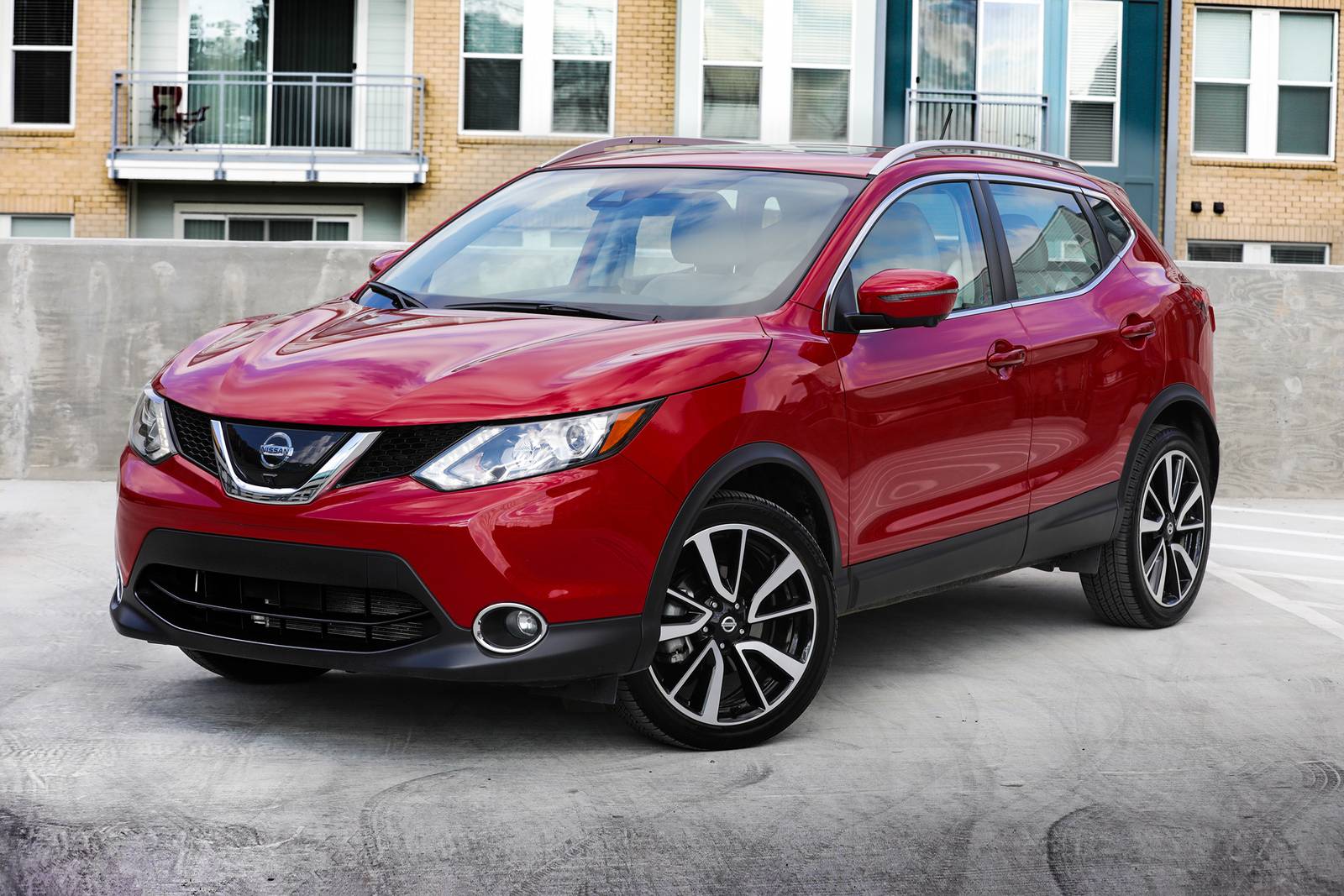
- Engine: 2.5L Naturally Aspirated 4-Cylinder
- Horsepower: 170 hp
- Torque: 175 lb-ft
- Size: 184.5 in Long x 72.4 in Wide
Used car buyers working with a limited budget face a specific challenge with the Nissan Rogue: the model years where the transmission problems were resolved overlap with the years where used prices are highest, because reliability creates demand and demand creates price.
The 2019 model year represents the best answer to that challenge, sitting at the intersection of genuine mechanical reliability and a used market price that reflects its age without sacrificing the core quality improvements that make later-generation Rogues worth buying.
By 2019, Nissan’s CVT improvements had produced a meaningfully more durable transmission than anything found in the 2013 through 2015 models that anchor the bottom of this list. Owner complaint volumes had dropped substantially from the levels that characterized the early generation, and Consumer Reports reliability data for the 2019 model year showed a compact crossover performing at or near average for its class rather than below it.
What makes the 2019 S base trim particularly attractive is the safety technology decision Nissan made for that model year. Automatic emergency braking, lane-keeping assist, and blind-spot monitoring all became standard equipment across every Rogue trim level starting with the 2019 model, meaning even the cheapest entry-level S trim ships with the full Safety Shield 360 suite.
Buyers who want advanced active safety features but cannot stretch to a mid or high trim used price will find the 2019 S delivers the complete safety package without the premium pricing of higher configurations. At 170 horsepower and 175 lb-ft of torque from the proven 2.5-liter naturally aspirated four-cylinder, and measuring 184.5 inches long and 72.4 inches wide, the 2019 Rogue S is a straightforward, well-sized compact crossover that delivers what the average family buyer needs without unnecessary complication.
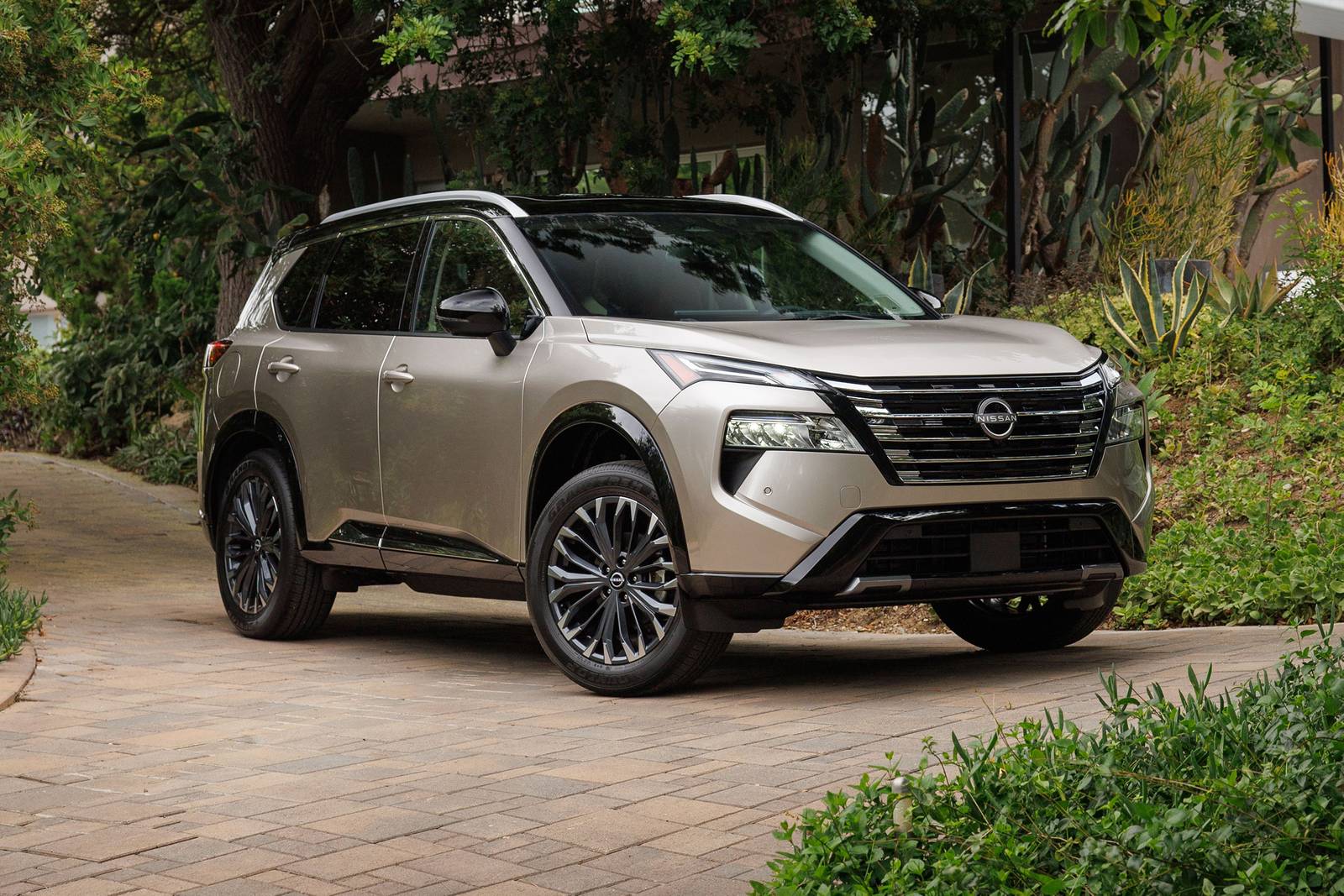
4. 2024 Nissan Rogue SL Mid-Tier Trim
- Engine: 1.5L Variable Compression Turbo 3-Cylinder
- Horsepower: 201 hp
- Torque: 225 lb-ft
- Size: 183.0 in Long x 72.4 in Wide
Safety ratings from the Insurance Institute for Highway Safety carry practical weight beyond the marketing value they provide, because the physical crash test results behind those ratings reflect real-world protection in actual collision scenarios. For buyers whose primary concern in purchasing a family crossover is ensuring the vehicle performs well in a serious accident, the 2024 Nissan Rogue SL’s IIHS performance provides direct evidence rather than manufacturer claims.
Nissan upgraded the 2024 Rogue’s chassis structure using high-strength steel in critical load-bearing areas, a change specifically targeted at improving performance in the IIHS’s modernized side-impact test protocols. That test, which evaluates how well a vehicle’s structure and airbag systems protect occupants during a severe side collision, represents one of the most demanding structural evaluations in the current IIHS test battery.
The 2024 Rogue’s upgraded chassis structure earned top marks in these stricter side-impact evaluations, validating Nissan’s structural engineering investment with independently measured results. Producing 201 horsepower and 225 lb-ft of torque from the 1.5-liter Variable Compression Turbo three-cylinder engine, and measuring 183 inches long and 72.4 inches wide, the SL mid-tier trim adds a ProPilot Assist package, a 12.3-inch digital instrument cluster, wireless Apple CarPlay and Android Auto, and a 10.8-inch head-up display that projects navigation and speed information onto the windshield.
The chain-driven CVT from the current generation platform provides the same mechanical reliability advantage found in the 2025 model, removing the transmission anxiety that makes earlier Rogue years difficult to recommend. For buyers who prioritize verified crash safety performance alongside mechanical dependability, the 2024 SL represents one of the strongest versions of the Rogue that Nissan has ever produced.
The 4 Worst Years for the Nissan Rogue
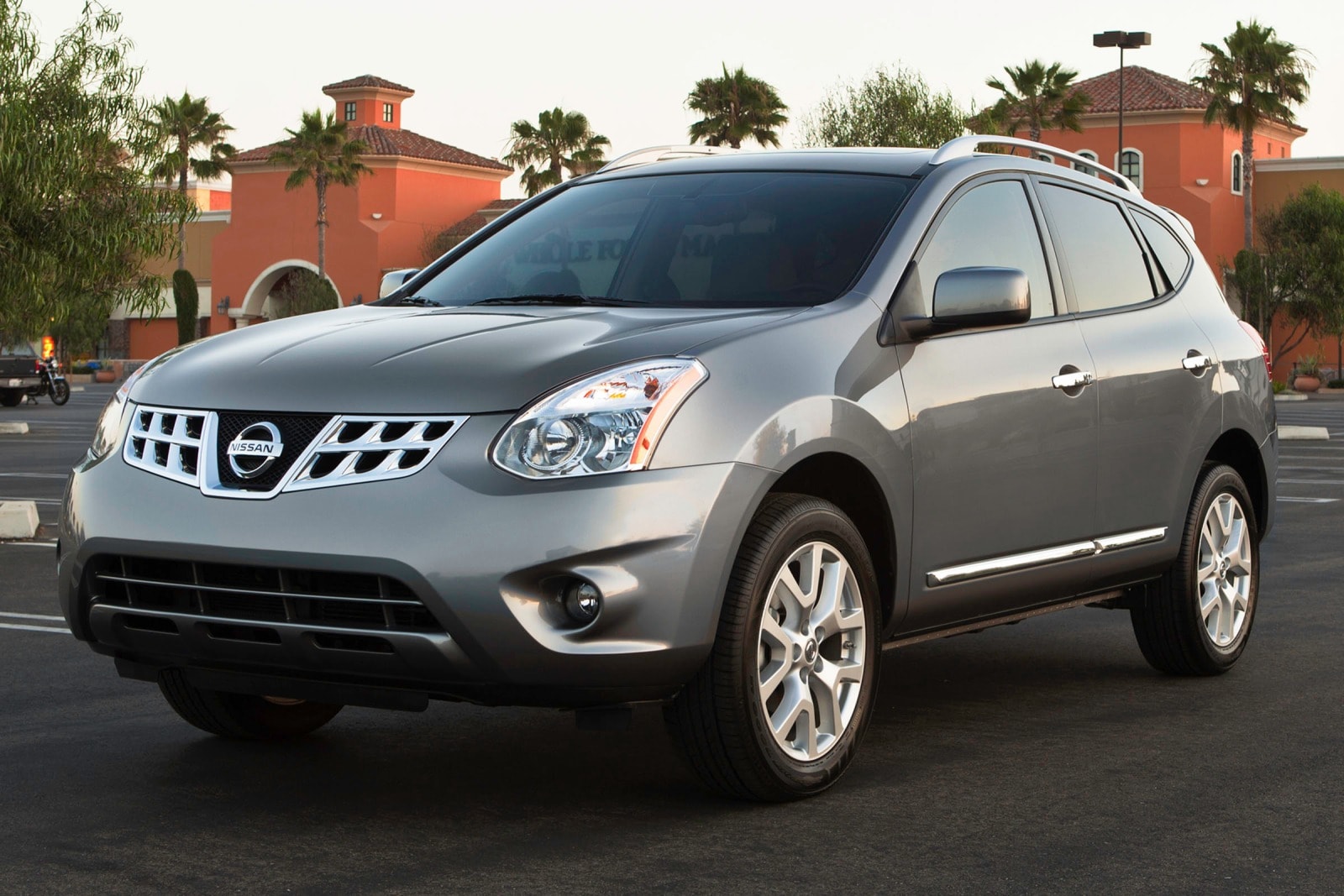
1. 2013 Nissan Rogue S Trim
- Engine: 2.5L Naturally Aspirated 4-Cylinder
- Horsepower: 170 hp
- Torque: 175 lb-ft
- Size: 183.3 in Long x 70.9 in Wide
Placing the 2013 Rogue at the lowest point of reliability discussions requires plain language. That model year from Nissan generated an unusually high volume of complaints linked to its CVT gearbox, placing it among the worst performers in its class. Records from the National Highway Traffic Safety Administration show hundreds of owner reports describing nearly identical failures, removing any suggestion that the problems were rare or random. The pattern points clearly to a design weakness rather than poor maintenance by drivers.
Many owners explained that trouble often started with mild shaking during acceleration. As time went on, this grew into aggressive vibration that made steady driving uncomfortable and stressful. Some drivers experienced sudden loss of forward movement while traveling at speed, even though the engine remained on. In heavy traffic, this created frightening moments where maintaining pace became impossible. Others reported full transmission seizure, leaving vehicles stuck on roads or in car parks without warning.
Mileage timing made the issue harder to ignore. Failures appeared at fifty to sixty thousand miles, and sometimes earlier, far sooner than expected for a family crossover. Once the factory warranty expired, replacement costs became overwhelming. A full CVT change, including labor, regularly fell between three and five thousand dollars, an amount that could exceed the value of an older high-mileage Rogue.
On paper, the vehicle appeared normal. With 170 horsepower, 175 pound-feet of torque, and compact proportions, it looked like a sensible daily option. Nothing in its appearance hinted at the financial risk beneath ownership.
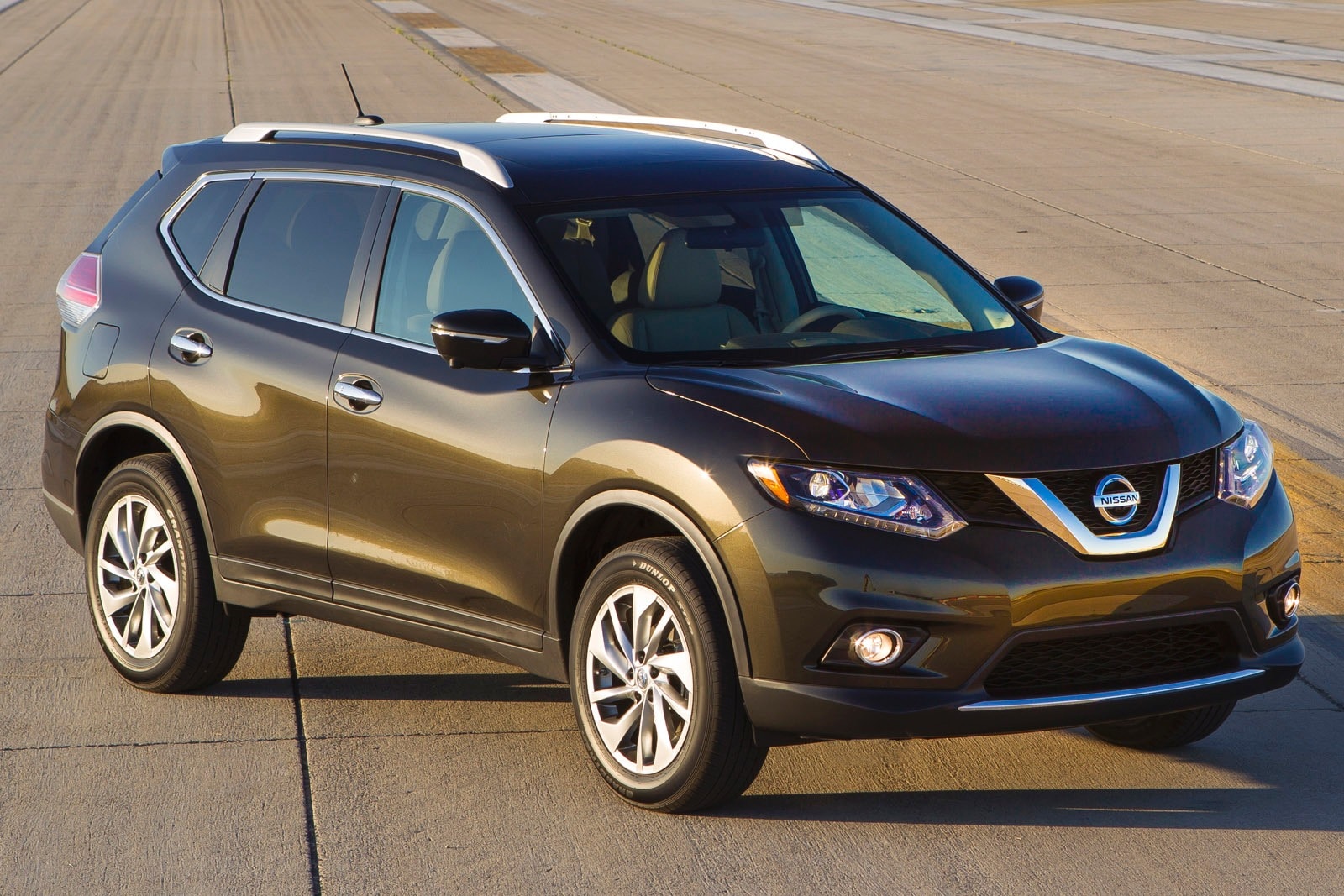
2. 2014 Nissan Rogue SV Trim
- Engine: 2.5L Naturally Aspirated 4-Cylinder
- Horsepower: 170 hp
- Torque: 175 lb-ft
- Size: 184.5 in Long x 72.4 in Wide
First-year redesigns carry inherent risk for exactly the same reason that final-year models of aging generations tend to be reliable: a new design introduces unvalidated components, untested integration, and manufacturing processes that have not been refined through real-world production experience.
The 2014 Rogue was a full structural redesign, and it launched with two separate documented problems rather than just one, compounding the typical first-year uncertainty into a vehicle that belongs firmly on every used-car avoidance list. Problem one was the transmitted CVT failure pattern carried forward from the 2013 model.
Rather than taking the opportunity of a full redesign to implement a corrected transmission architecture, Nissan brought the same problematic CVT components into the new platform, continuing to expose owners to the same overheating and failure risks that had generated widespread complaints in the previous generation. A redesigned exterior and interior did not address the underlying drivetrain engineering that was producing the failures.
Problem two was unique to the 2014 model year: air conditioning compressor failures and cabin water intrusion from poorly engineered sunroof drain tubes. The AC compressor failures left owners without climate control at mileages well below what a properly engineered system should sustain.
The sunroof drain issues produced water entering the cabin interior through inadequate sealing around the drain tubes, causing water damage to interior materials, electrical components, and insulation in ways that produced musty odors and long-term corrosion concerns.
Two separate documented failure categories in a first-year redesign, combined with a transmitted CVT problem the redesign failed to correct, make the 2014 Rogue SV one of the most consistently recommended vehicles to avoid on any Rogue model year guidance list.
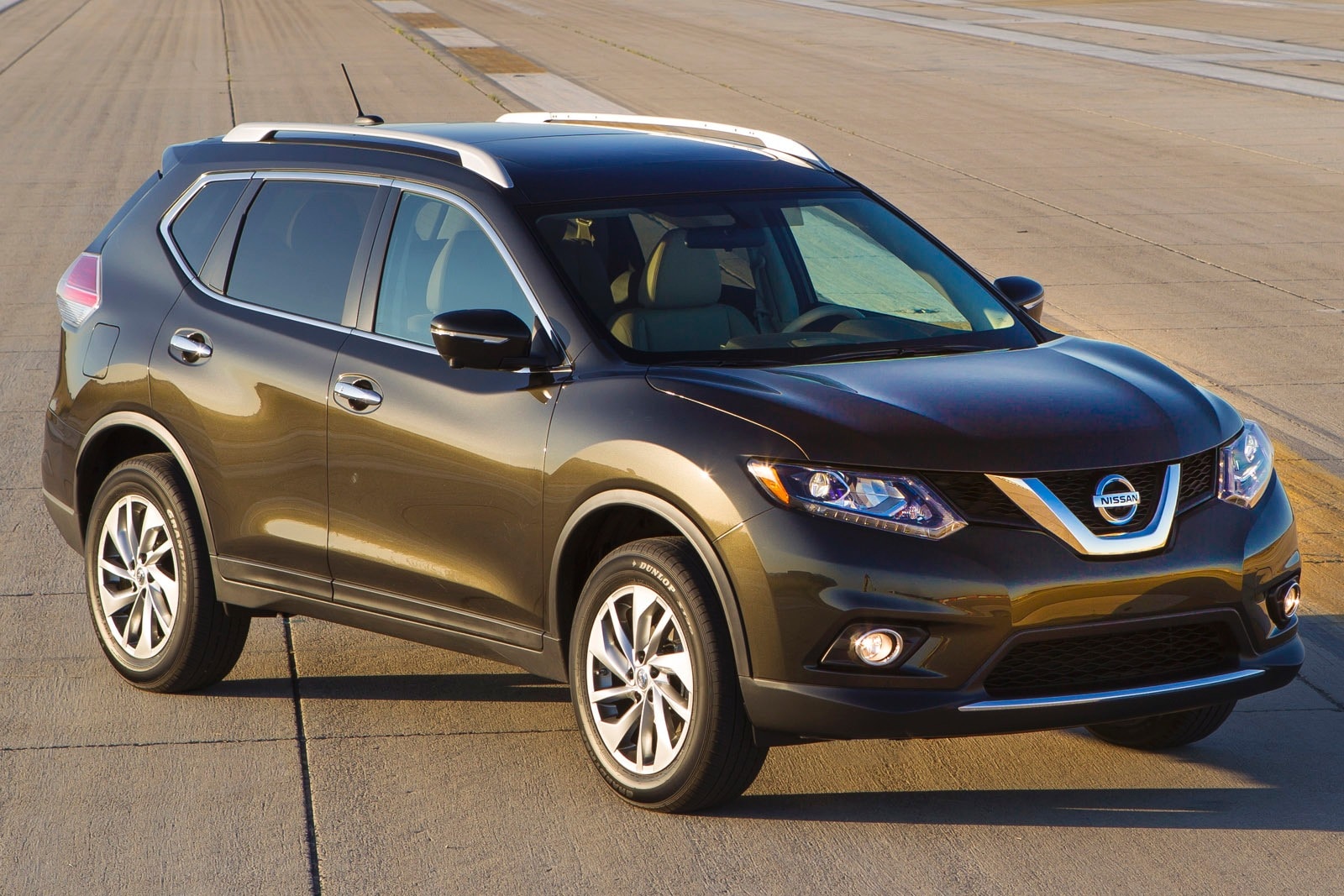
3. 2015 Nissan Rogue SL Trim
- Engine: 2.5L Naturally Aspirated 4-Cylinder
- Horsepower: 170 hp
- Torque: 175 lb-ft
- Size: 184.5 in Long x 72.4 in Wide
Buyers who avoided the 2013 and 2014 Rogue based on transmission complaints and reasonably assumed that a third model year would bring meaningful corrections found themselves confronting the same core failure pattern in the 2015 version. Nissan did not implement substantial factory-level fixes to the CVT design for the 2015 model year, which meant the steel belt overheating pattern, the shuddering during acceleration, and the risk of complete transmission failure at premature mileages all persisted into a third consecutive production year.
Transmission belt snapping, one of the more catastrophic expressions of the CVT’s chronic overheating problem, continued to generate owner complaints at a rate that Nissan’s incremental changes had not meaningfully reduced. Out-of-warranty CVT replacement costs remained in the $3,000 to $5,000 range, creating a financial exposure that could approach or exceed the vehicle’s used market value at the mileages where failures were occurring.
Owners of high-mileage 2015 Rogues facing transmission replacement were essentially deciding whether to invest repair money into a vehicle worth less than the repair cost. A separate and distinct problem compounds the 2015 Rogue’s avoidance case: poor crash test performance in the IIHS’s front-passenger small-overlap test.
This evaluation, which assesses how well the vehicle’s structure protects the front passenger seat occupant during a collision involving the front corner of the vehicle rather than its full width, returned poor results for the 2015 Rogue in the passenger-side configuration.
For a vehicle primarily purchased by families who carry children and passengers in the front passenger seat regularly, a poor structural protection result in this test category is a meaningful safety concern alongside the mechanical reliability problems. Two independent reasons to avoid the 2015 Rogue make it one of the clearest avoidance recommendations across the entire Rogue production history.
Also Read: 10 Easy Fixes That Prevent a Nissan Rogue From Breaking Down
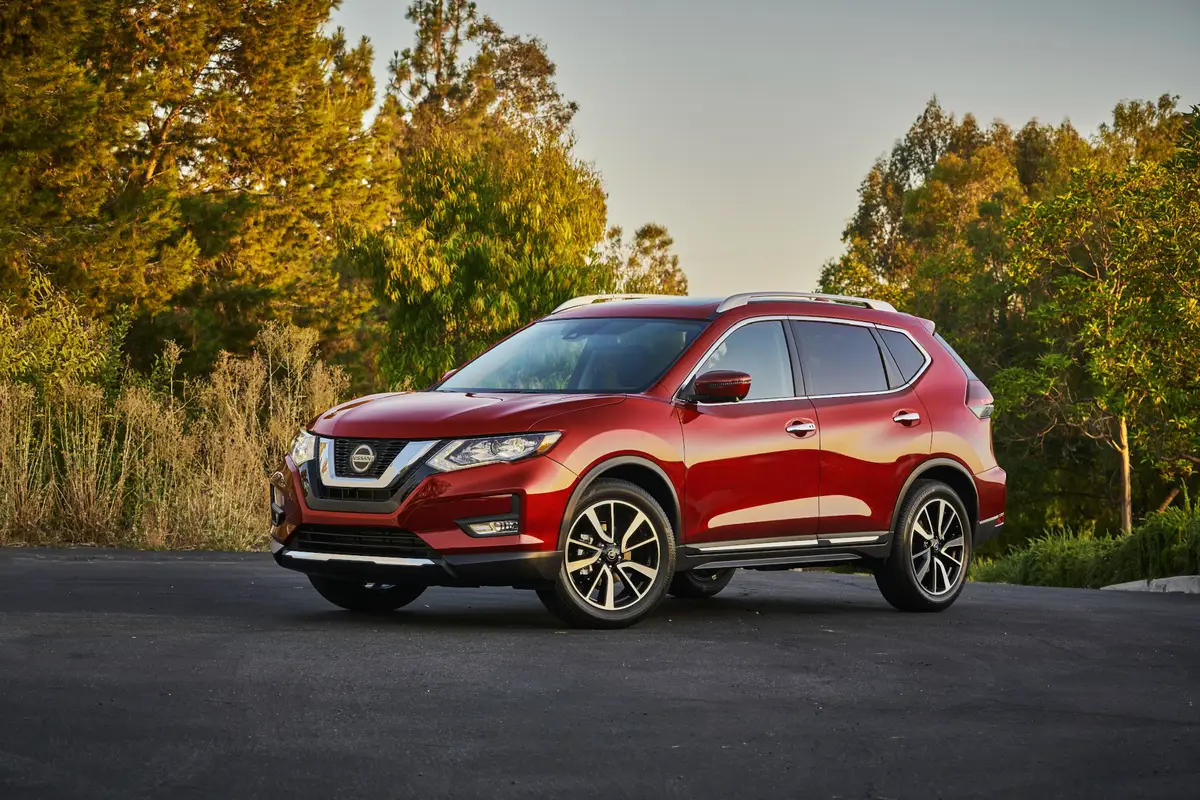
4. 2021 Nissan Rogue SV Redesign Trim
- Engine: 2.5L Naturally Aspirated 4-Cylinder (Final year of the 2.5L)
- Horsepower: 181 hp
- Torque: 181 lb-ft
- Size: 183.0 in Long x 72.4 in Wide
Ten separate safety recalls within one production year go far beyond normal early production issues. Such a record points to deeper problems that slipped through testing before release. This was the situation with the 2021 Rogue from Nissan. That model year introduced a full redesign, bringing sharper exterior lines, a better finished interior, and an updated platform prepared for later engine upgrades. Alongside these changes, the first production run also arrived with widespread quality concerns that became impossible to ignore.
Several recall cases highlighted serious risks. Some vehicles left the factory with front suspension tie rods that could loosen and fail during everyday driving, removing steering control without warning. Other units suffered fuel pump defects that caused sudden engine shutdowns while in motion. There were also fuel line sealing issues that allowed petrol fumes to enter the cabin, creating health worries for occupants and raising fire safety concerns recognized by regulators.
From a driving perspective, the 2021 Rogue delivered 181 horsepower and matching torque from a 2.5-liter four-cylinder engine. Performance felt acceptable for daily use but offered nothing special. Its size and styling matched expectations for a modern compact crossover, giving no outward sign of the mechanical problems recorded behind the scenes.
Anyone shopping for a used example should confirm through the National Highway Traffic Safety Administration VIN database that every recall repair has been completed. If even one remains open, it is a clear signal to walk away.
