
Car ownership costs go far beyond the price you pay at the dealership. While most buyers focus on fuel efficiency, design, comfort, and brand reputation, long-term maintenance and repair expenses often tell a very different story. Over the years, a clear pattern has emerged in the global automotive market.
European cars such as BMW, Mercedes-Benz, Audi, Volkswagen, and Volvo are often more expensive to repair compared to Japanese brands like Toyota, Honda, Nissan, and Mazda. This difference is not just about luxury versus economy. It is rooted in engineering philosophy, parts availability, service complexity, and even the way vehicles are designed for performance and driving experience.
European manufacturers tend to prioritize advanced engineering, high-performance tuning, and cutting-edge technology. This results in vehicles that feel refined, powerful, and feature-rich. However, that same complexity often leads to higher repair costs. Many components are tightly integrated, requiring specialized tools and trained technicians.
Even simple repairs can involve disassembling multiple systems, which increases labor time significantly. Additionally, parts for European brands are often imported in many markets, making them more expensive and slower to obtain.
Japanese manufacturers, on the other hand, are known for reliability, simplicity, and cost efficiency. Brands like Toyota and Honda design vehicles with ease of maintenance in mind.
Parts are widely available, repair procedures are straightforward, and independent mechanics can often service these cars without specialized equipment. As a result, even when repairs are needed, the cost tends to remain lower compared to European counterparts.
A key factor is long-term durability engineering. Japanese cars are often built with conservative tuning, meaning components are less stressed over time.
European cars may push performance boundaries, which can increase wear on parts such as suspension systems, turbochargers, and electronics. This does not mean European cars are unreliable, but rather that their maintenance demands are often higher and more expensive when issues arise.
In this article, we will explore 9 common repairs that typically cost significantly more on European vehicles than on Japanese vehicles. These comparisons are based on general industry trends, repair complexity, and ownership experience reported across global automotive markets.
Each section will break down why these differences exist, what makes the repairs expensive, and how Japanese cars manage to keep costs lower. Whether you are planning to buy a car or already own one, understanding these differences can help you make more informed financial decisions and avoid unexpected repair bills in the future.
Also Read: 5 Best and Worst Years for the Honda Civic
1. Transmission Repairs and Rebuilds
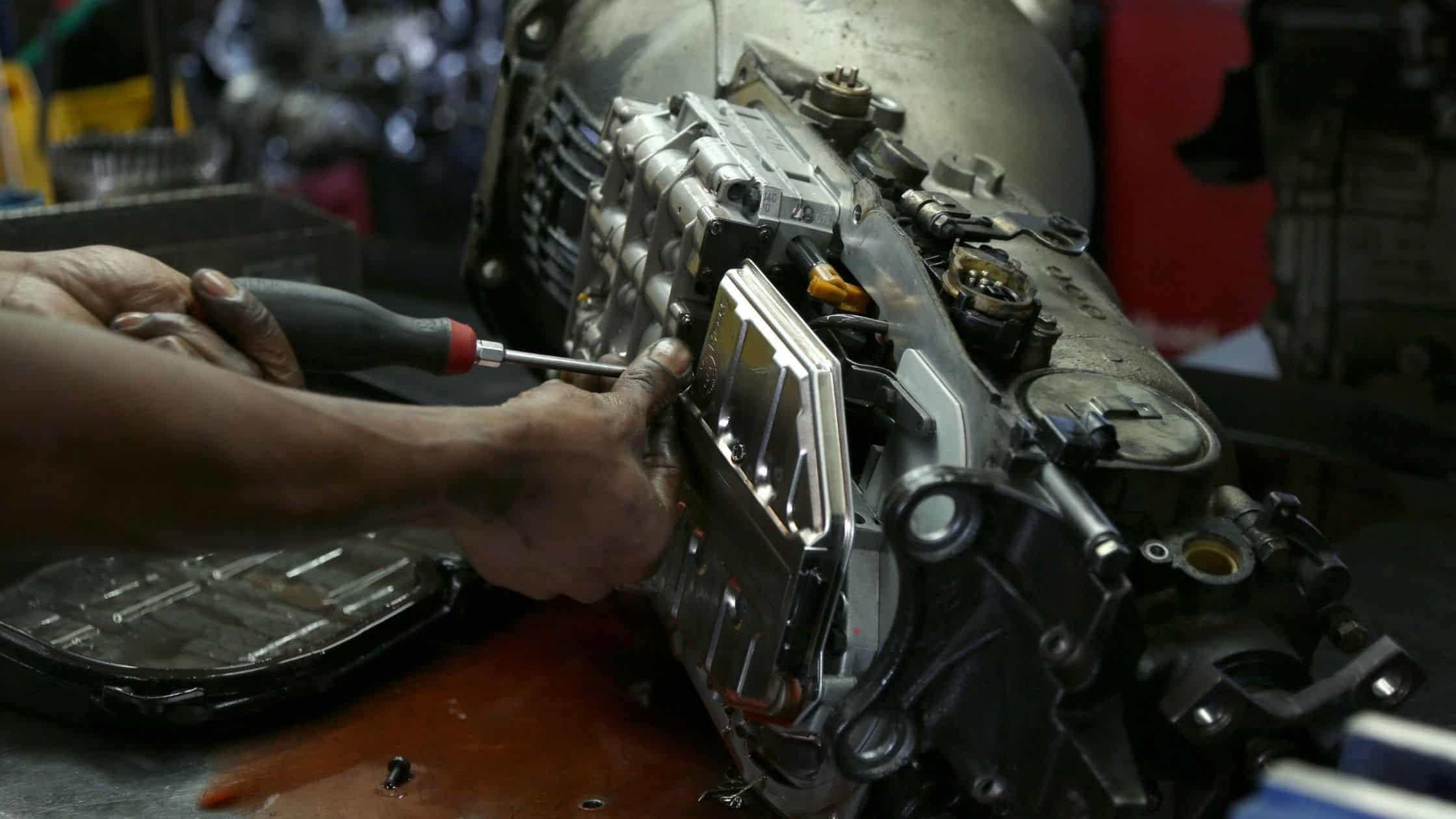
Transmission issues are among the most expensive problems any car owner can face, but the gap between European and Japanese vehicles becomes especially clear here.
European cars often use highly advanced automatic transmissions such as dual clutch systems or complex multi-speed automatics designed for smooth performance and rapid gear changes. While these systems deliver excellent driving dynamics, they are mechanically intricate and require precise calibration.
In European vehicles, a transmission repair often involves specialized diagnostic equipment and software updates that are only available at authorized service centers. Even minor issues such as solenoid failure or mechatronic unit malfunction can require partial or full replacement of expensive components.
Labor costs are also higher because accessing the transmission system in many European models requires removing multiple surrounding parts.
Japanese cars generally use simpler and more widely adopted automatic or continuously variable transmissions that prioritize reliability and ease of repair. When issues occur, repairs are often modular and less invasive. Many mechanics are trained to service these systems, and replacement parts are easier to source at lower prices. This makes even major transmission work significantly more affordable.
Japanese transmissions are often designed with rebuild kits in mind, allowing worn components to be replaced individually. In contrast, some European transmissions are treated more as sealed units, making full replacement more common than repair. This difference alone can multiply repair costs several times over.
2. Electrical System and ECU Failures
Modern vehicles rely heavily on electronics, but European cars tend to push this integration much further. Features such as adaptive suspension, digital dashboards, advanced driver assistance systems, and interconnected control modules are common.
While impressive, this creates a highly complex electrical ecosystem where a single fault can cascade into multiple system warnings.
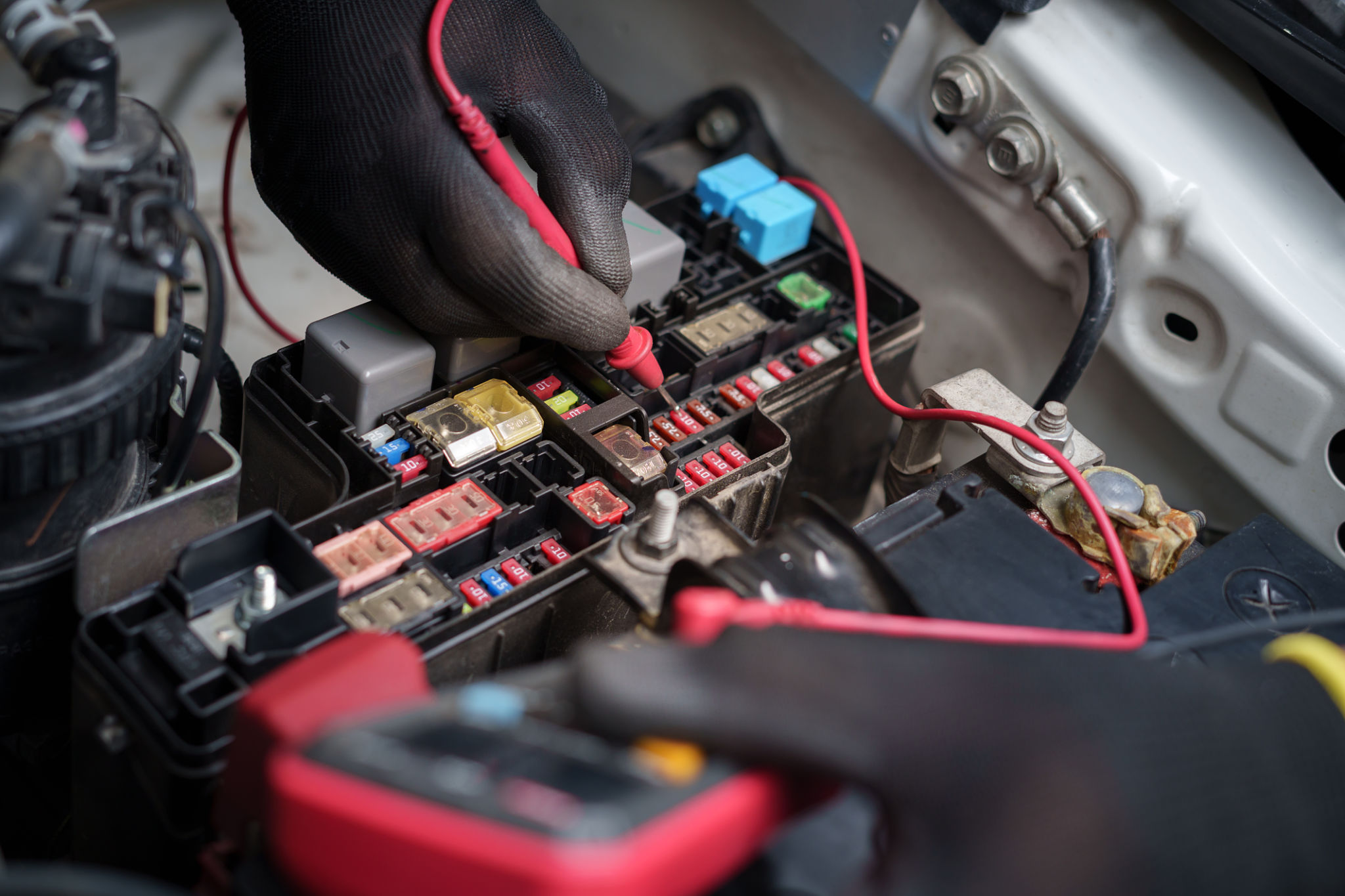
Repairing electrical issues in European cars often requires advanced diagnostic scanning tools specific to the manufacturer. For example, a fault in a Mercedes Benz control module or an Audi MMI system may require coding or software reprogramming that can only be performed at a dealership or specialist workshop. This adds both labor cost and dependency on official service networks.
Japanese cars typically use more standardized and simplified electrical architectures. While they also include modern features, their systems are often more modular and less interdependent. This means a fault is easier to isolate and repair without affecting other systems. Independent garages can usually diagnose and fix issues without expensive proprietary tools.
These modules can be extremely expensive due to import costs and brand specific programming requirements. Japanese vehicles more often allow partial repairs or use more affordable standardized components.
3. Suspension System Repairs
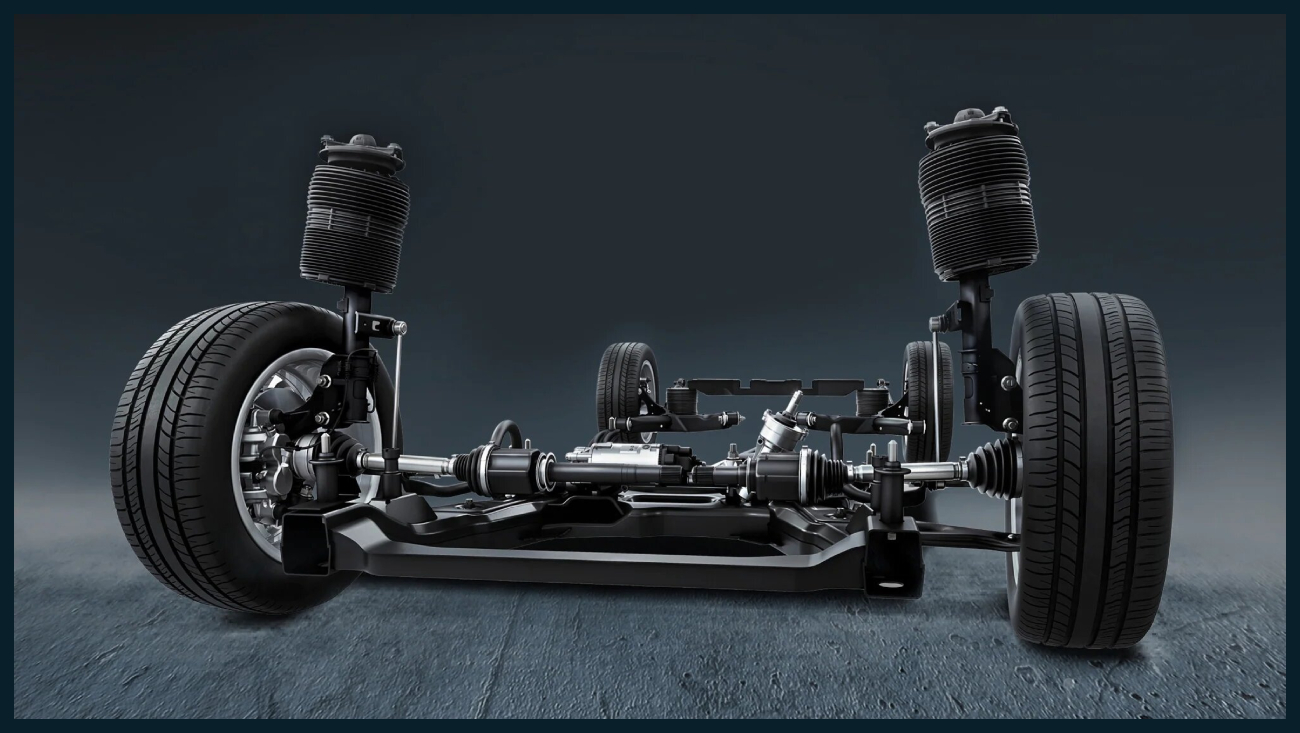
Suspension repairs highlight another major cost difference between European and Japanese vehicles. European cars are engineered for precise handling, high-speed stability, and performance driving. To achieve this, they often use complex suspension setups such as adaptive dampers, air suspension systems, and multi-link configurations.
Air suspension systems found in vehicles like certain BMW, Audi, and Mercedes models are particularly expensive to repair. A single air strut or compressor failure can lead to repair bills running into thousands. Diagnosing leaks or electronic suspension faults also requires specialized equipment and expertise.
Japanese vehicles generally use more conventional suspension systems focused on comfort and durability. MacPherson struts and simple multi-link setups are common. These systems are not only cheaper to manufacture but also significantly easier and cheaper to repair. Parts are widely available, and labor time is lower due to simpler design.
European suspension components are often tuned for performance, meaning stiffer bushings and tighter tolerances that can wear faster under rough road conditions. Japanese suspension systems tend to be more forgiving, which extends component life and reduces replacement frequency.
Even when Japanese suspension components fail, repairs are typically straightforward and inexpensive. In contrast, European suspension repairs often involve recalibration and system resets after mechanical work, adding additional labor costs.
4. Brake System Repairs and Maintenance
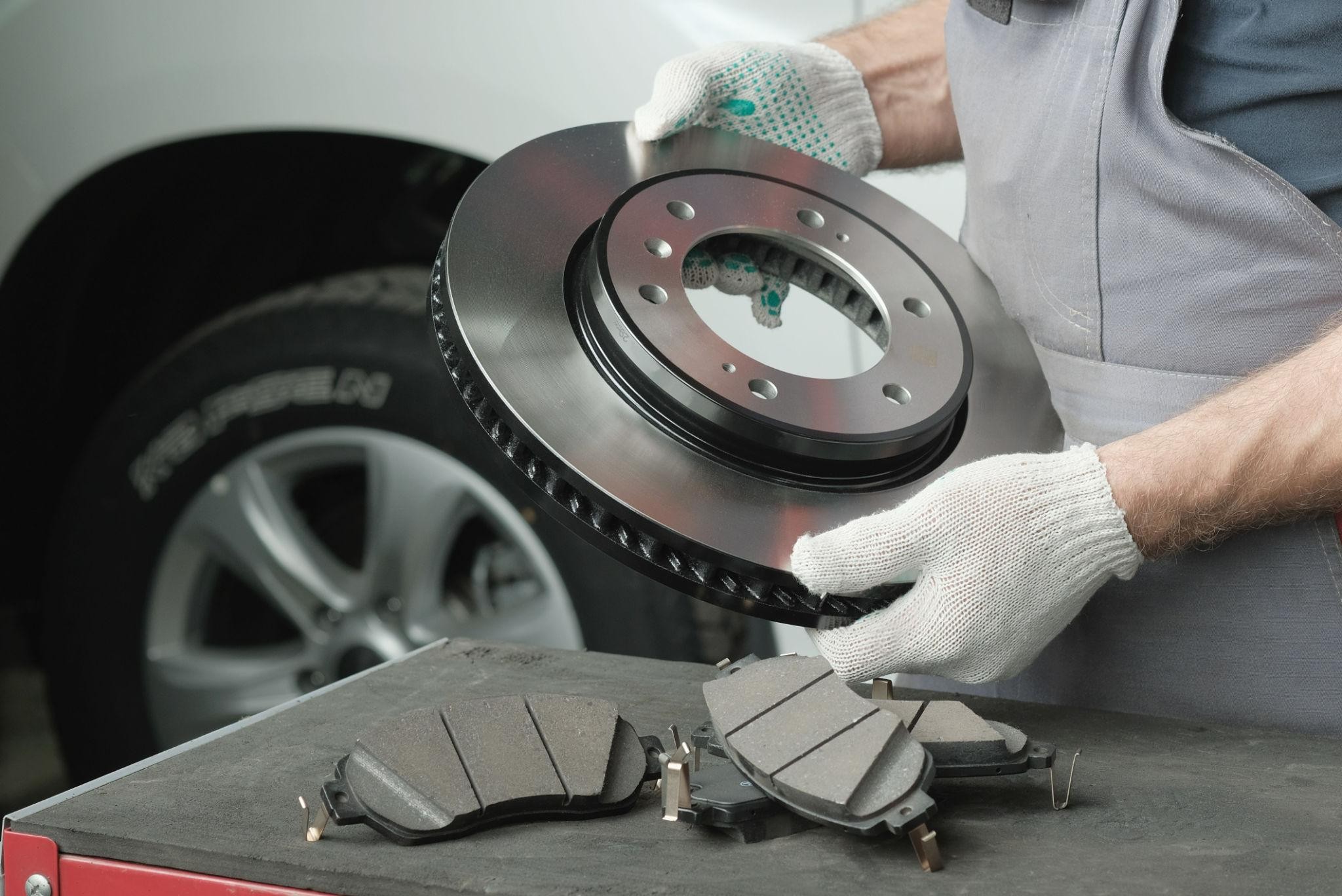
Brake systems are critical for safety, but repair costs vary widely between European and Japanese vehicles. European cars often use high-performance braking systems designed for powerful engines and high-speed driving. These systems may include larger rotors, specialized brake pads, and electronic brake distribution systems.
In many European vehicles, brake wear sensors are integrated into the system, and replacement often requires resetting electronic indicators. Additionally, performance-oriented brake components tend to wear faster, especially under aggressive driving conditions, leading to more frequent replacements.
Japanese cars typically use simpler and more standardized brake systems. While modern models include ABS and electronic braking assistance, the core mechanical system remains cost-efficient and easy to service. Brake pads and rotors are widely available in aftermarket options, reducing costs significantly.
European brake parts are often more expensive due to branding and material specifications. Even routine maintenance like replacing rotors can be significantly higher due to OEM pricing and specialized design. Japanese vehicles benefit from mass production standardization, making parts cheaper and more interchangeable.
Labor also plays a role. Some European vehicles require additional steps, such as electronic parking brake reset procedures, increasing service time. Japanese vehicles generally allow faster turnaround for the same type of maintenance.
5. Engine Cooling System Repairs
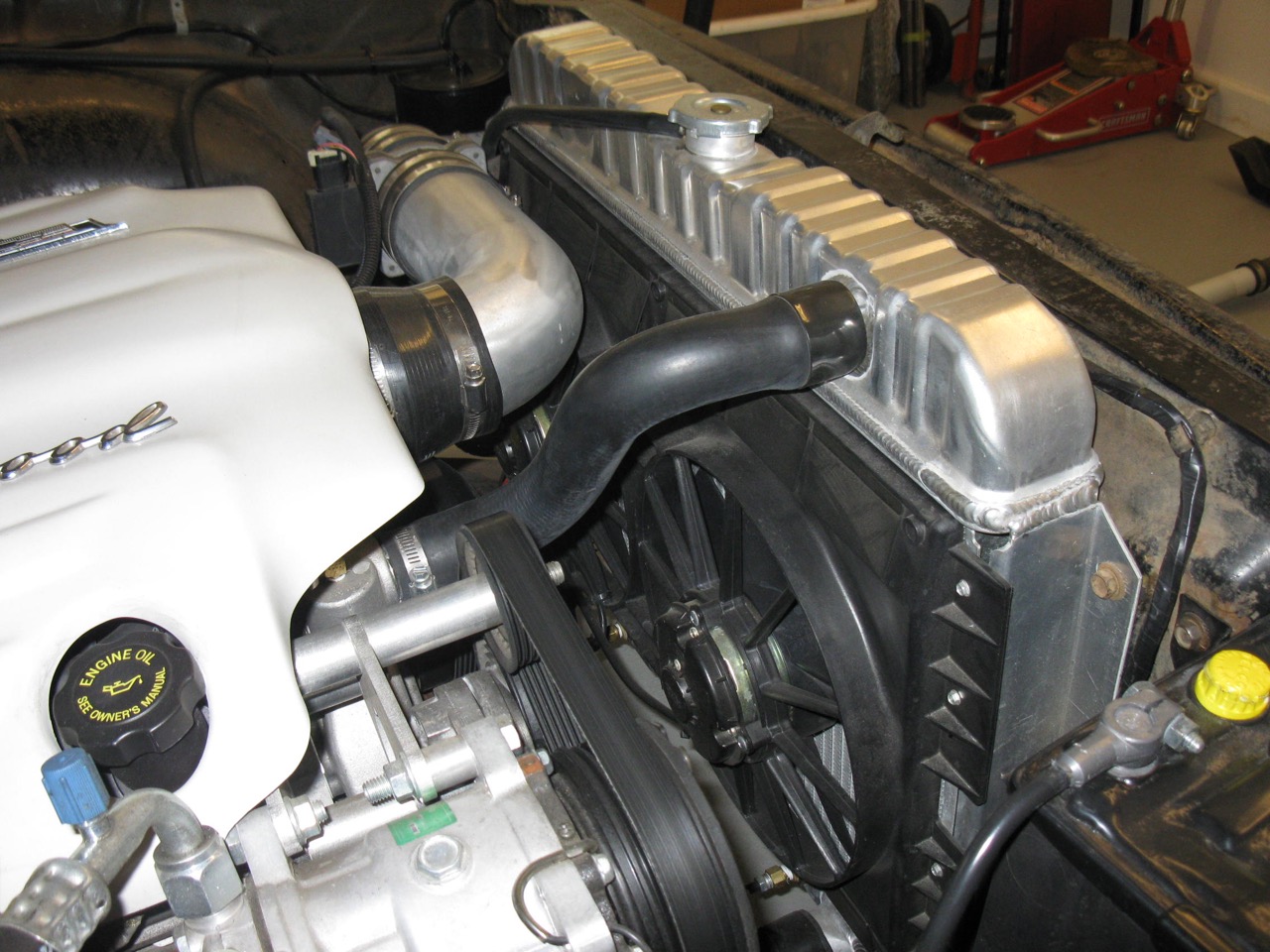
Cooling system repairs, including radiators, water pumps, thermostats, and coolant lines, also show a noticeable cost difference. European engines are often tightly packaged for performance efficiency, which means cooling system components are integrated into complex engine layouts.
A water pump replacement in a European car, for example, may require partial engine disassembly or timing component removal. This significantly increases labor time and cost. Some European engines also use electronically controlled thermostats and auxiliary cooling systems that add complexity.
Japanese engines are typically designed with serviceability in mind. Cooling components are more accessible and modular, making repairs faster and less labor-intensive. A water pump or radiator replacement is usually a straightforward job compared to its European counterparts.
European cooling system components are often more expensive due to specialized design and import dependency. Japanese parts benefit from global production scale and wide availability, keeping prices lower.
Japanese cooling systems are often engineered for long-term reliability under varied conditions, reducing the frequency of major repairs. European systems prioritize performance efficiency, which can sometimes come at the cost of long-term simplicity.
Also Read: 10 Hidden Features In The Honda Pilot
6. Fuel System Repairs
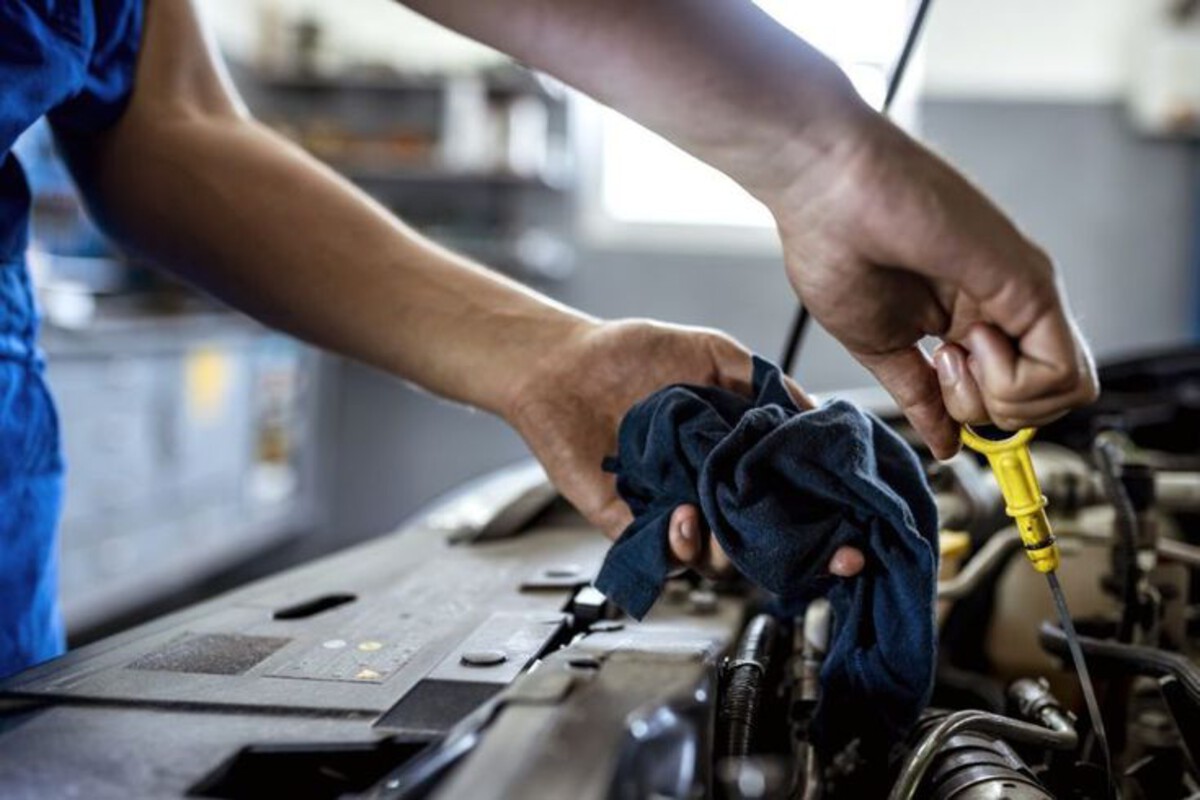
Modern fuel systems are far more sophisticated than they were a few decades ago, and while this has improved fuel efficiency and engine performance, it has also increased repair complexity.
European manufacturers have invested heavily in advanced direct fuel injection technology, high-pressure fuel pumps, electronically controlled injectors, and intricate fuel delivery systems designed to maximize power while reducing emissions. These systems perform exceptionally well when everything is functioning properly, but they can become expensive when components begin to fail.
A faulty high-pressure fuel pump or clogged injector on a European vehicle often requires specialized diagnostic equipment, extensive labor, and premium replacement parts.
In many cases, even a relatively small issue can lead to poor engine performance, rough idling, hard starting, or reduced fuel economy, making prompt repairs necessary. The combination of expensive components and specialized labor significantly increases repair costs compared to most Japanese vehicles.
One reason fuel system repairs are more expensive on European cars is the engineering philosophy behind them. Manufacturers such as BMW, Audi, and Mercedes-Benz often develop proprietary fuel delivery systems that are optimized specifically for their engines.
While these systems deliver outstanding efficiency and responsiveness, they are not always easy to repair outside of dealership networks or specialized repair shops. Independent mechanics may have the skills to diagnose the problem, but certain procedures require manufacturer-specific software for calibration or programming after parts are replaced.
This dependence on specialized tools and technical knowledge increases labor costs and limits the number of repair facilities capable of performing the work correctly.
Japanese manufacturers have generally taken a more conservative approach to fuel system design. Although many modern Japanese vehicles also use direct injection technology, the systems are often less complicated and designed with long-term durability in mind.
Fuel pumps, injectors, and related components are typically easier to access during repairs, reducing labor time. Replacement parts are widely available from both original manufacturers and reputable aftermarket suppliers, giving vehicle owners more affordable repair options. Independent repair shops also have extensive experience working on Japanese fuel systems, making repairs both faster and less expensive.
Fuel quality can also influence repair frequency. Direct injection engines used in many European vehicles are particularly sensitive to fuel contamination or poor-quality gasoline. Carbon buildup on intake valves is a common issue because fuel no longer washes over the valves in these systems.
Cleaning carbon deposits often requires specialized equipment and can become a routine maintenance expense for some European models. Japanese manufacturers have also faced carbon buildup challenges with direct injection engines, but many have incorporated dual injection systems or revised engine designs to minimize these problems and extend service intervals.
7. Turbocharger Repairs
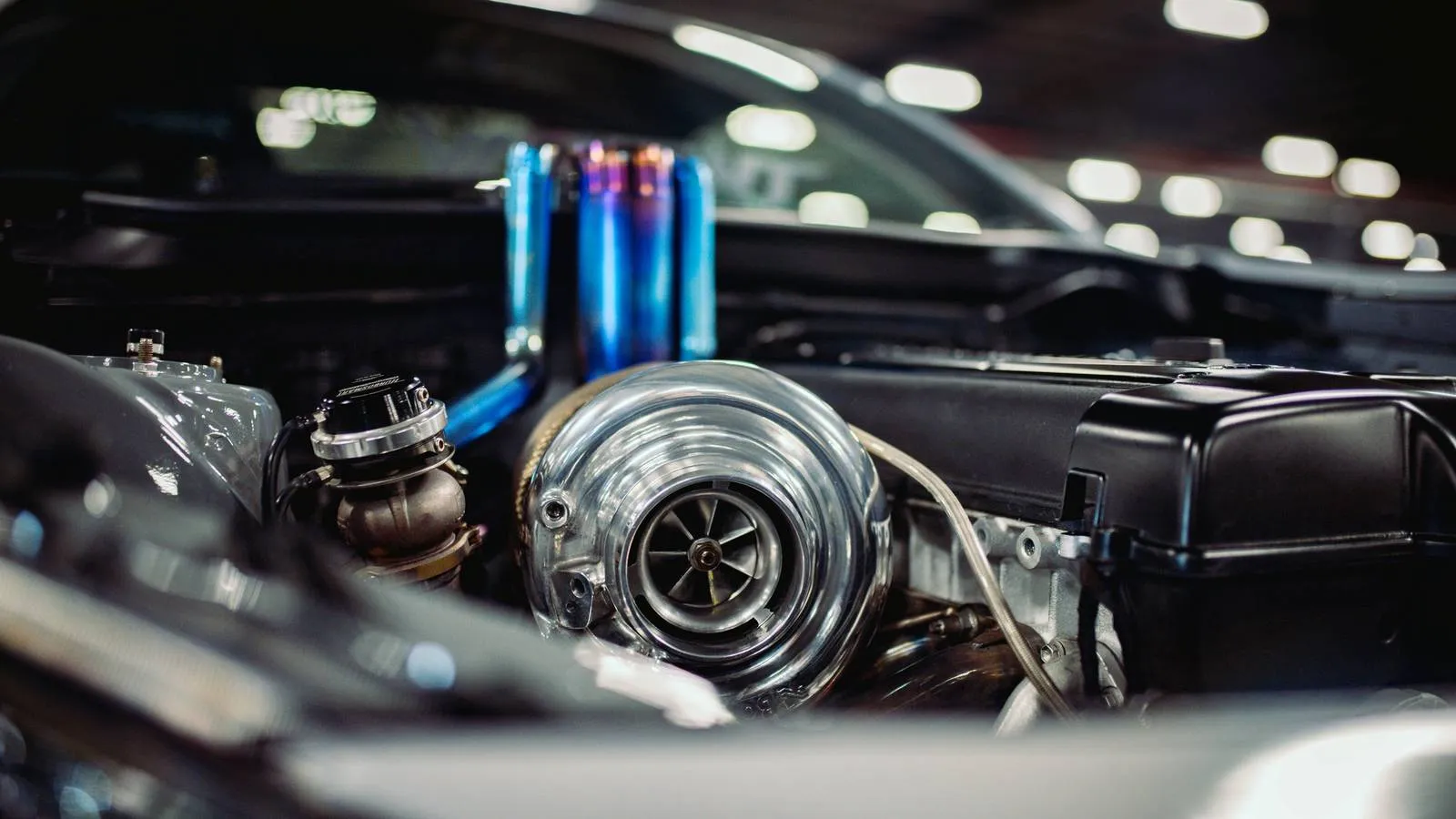
Turbochargers have become increasingly common as automakers seek better fuel economy without sacrificing engine performance. European manufacturers embraced turbocharging years before many of their Japanese competitors, making turbocharged engines a standard feature across much of their product lineup.
These systems allow smaller engines to produce impressive power while meeting increasingly strict emissions regulations. However, turbochargers operate under extremely high temperatures and rotational speeds, making them one of the more expensive engine components to repair or replace when problems occur.
European turbocharger systems are often integrated with complex exhaust, cooling, lubrication, and electronic control systems. A failing turbocharger may require technicians to inspect multiple related components before determining the root cause of the problem.
Oil supply lines, intercoolers, boost control valves, sensors, and electronic actuators all play important roles in turbocharger performance. If one of these supporting components fails, replacing only the turbocharger may not solve the issue. This comprehensive diagnostic process increases both labor time and repair costs. In addition, many European vehicles have tightly packed engine compartments that make accessing the turbocharger particularly difficult, further increasing labor expenses.
Japanese manufacturers also produce turbocharged vehicles, especially in performance models and newer compact engines, but they have traditionally relied more heavily on naturally aspirated engines known for simplicity and longevity. As a result, many Japanese vehicles avoid the additional maintenance demands associated with turbocharging altogether.
Even when turbochargers are used, Japanese designs often emphasize reliability and straightforward servicing. Replacement parts are generally more affordable, and repair procedures are less time-consuming due to more accessible engine layouts.
Turbocharger replacement is one of the clearest examples of how engineering complexity affects ownership costs. A repair that may already be expensive on any vehicle often becomes considerably more costly on European models because of proprietary parts, specialized labor, and additional supporting component inspections.
Japanese vehicles generally offer lower repair costs due to simpler designs, greater aftermarket support, and more accessible engine configurations. For drivers planning long-term ownership, these differences can have a meaningful impact on maintenance budgets over several years.
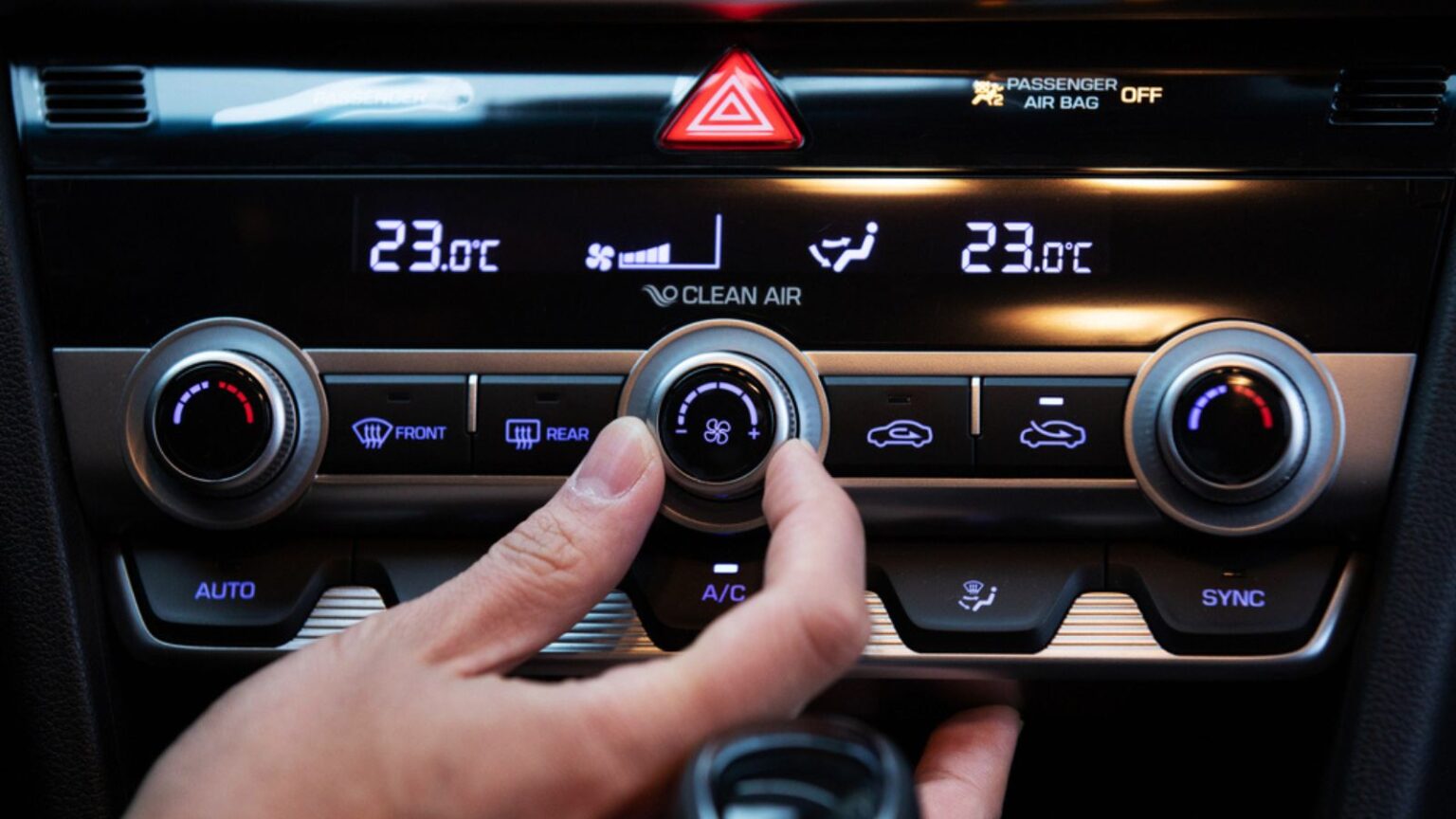
8. Air Conditioning System Repairs
The air conditioning system is one of the most frequently used comfort features in modern vehicles, particularly in regions with hot climates. While every vehicle relies on compressors, condensers, evaporators, refrigerant lines, and electronic controls to provide cabin cooling, European luxury vehicles often incorporate more advanced climate control technologies.
Multi-zone automatic climate systems, humidity sensors, air quality monitoring, electronically controlled vents, and integrated cabin management systems all contribute to superior passenger comfort. Unfortunately, these additional features also increase repair complexity and service costs when something goes wrong.
Diagnosing an air conditioning problem in a European vehicle often requires more than simply checking refrigerant pressure or replacing a worn compressor. Electronic climate control modules communicate with various sensors throughout the vehicle, meaning a fault in one component can affect the entire system.
Specialized diagnostic software is frequently required to identify electrical faults, recalibrate climate control modules, or reset system errors after repairs. This additional diagnostic work increases labor charges before any physical repairs even begin.
Japanese manufacturers generally prioritize reliability and practical engineering over technological complexity. Most Japanese vehicles use highly dependable climate control systems that are easier to diagnose and repair.
Compressors, condensers, blower motors, and expansion valves are often more accessible, reducing labor time. Parts are also widely available from both original manufacturers and aftermarket suppliers, allowing vehicle owners to choose more cost-effective repair solutions without sacrificing quality.
Component pricing is a factor that separates European and Japanese repair costs. Compressors and electronic climate control modules for European vehicles are often significantly more expensive than equivalent parts for Japanese models.
Some luxury vehicles also require proprietary refrigerants or specialized servicing equipment that is not available at every repair facility. These additional requirements further increase maintenance expenses throughout the vehicle’s life.
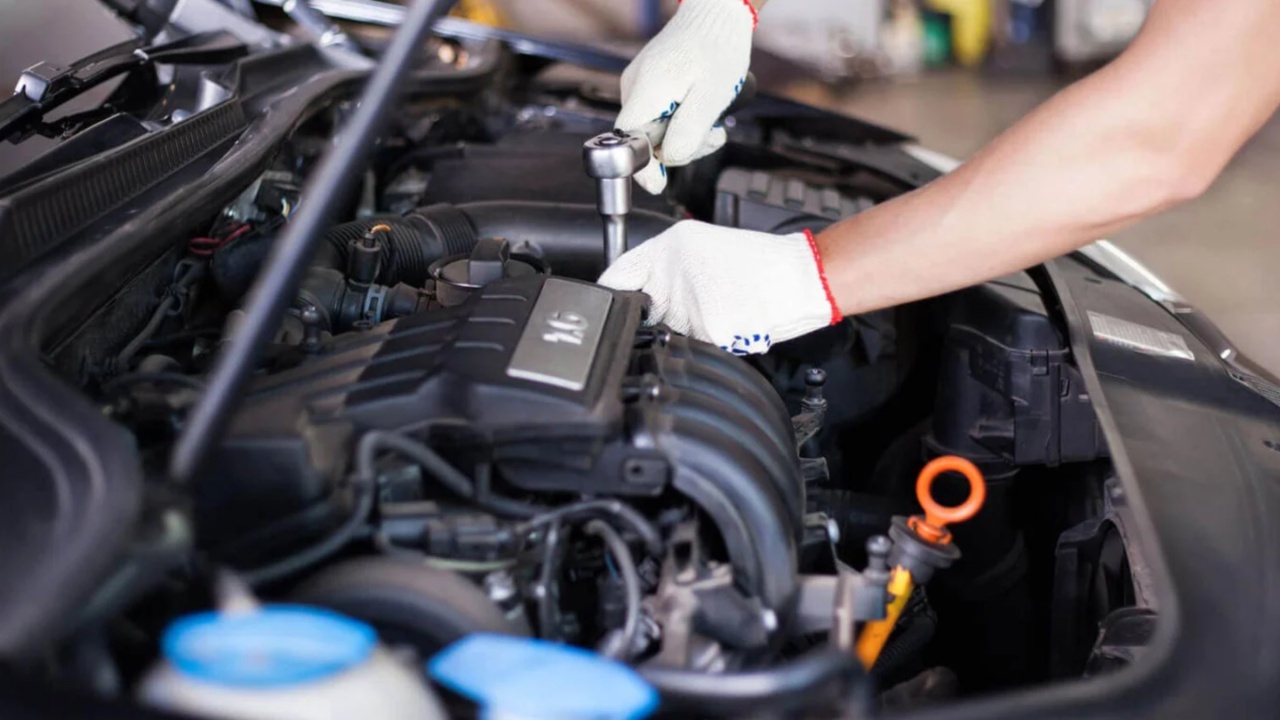
9. Sensor and Electronic Component Failures
Modern automobiles contain dozens of sensors that continuously monitor engine performance, emissions, braking systems, suspension, steering, safety features, and driver assistance technologies.
European manufacturers have been industry leaders in introducing advanced electronic features, often equipping their vehicles with extensive networks of interconnected control modules. While these innovations improve driving experience, safety, and performance, they also create additional opportunities for electronic failures as vehicles age.
A malfunctioning sensor in a European vehicle may affect several interconnected systems simultaneously. For example, a faulty wheel speed sensor could trigger warning lights for the anti-lock braking system, traction control, stability control, and adaptive cruise control.
Identifying the actual source of the problem requires sophisticated diagnostic equipment capable of communicating with multiple electronic modules. Even after replacing the defective sensor, technicians may need to perform software updates or recalibration procedures before the vehicle operates normally again. These extra steps contribute significantly to repair costs.
Replacement parts also differ considerably in price. European sensors and control modules are frequently manufacturer-specific and may require programming before installation. In contrast, many Japanese components are more standardized and available through a larger network of suppliers. This increased competition helps keep replacement costs lower while providing consumers with multiple repair options.
As vehicles continue incorporating more technology, electronic repairs will become increasingly common regardless of manufacturer. Nevertheless, the cost of diagnosing and repairing sensor-related problems remains substantially higher on most European vehicles.
Japanese cars continue to benefit from engineering philosophies centered on reliability, serviceability, and practical ownership costs, making electronic repairs less financially burdensome over the long term.
