
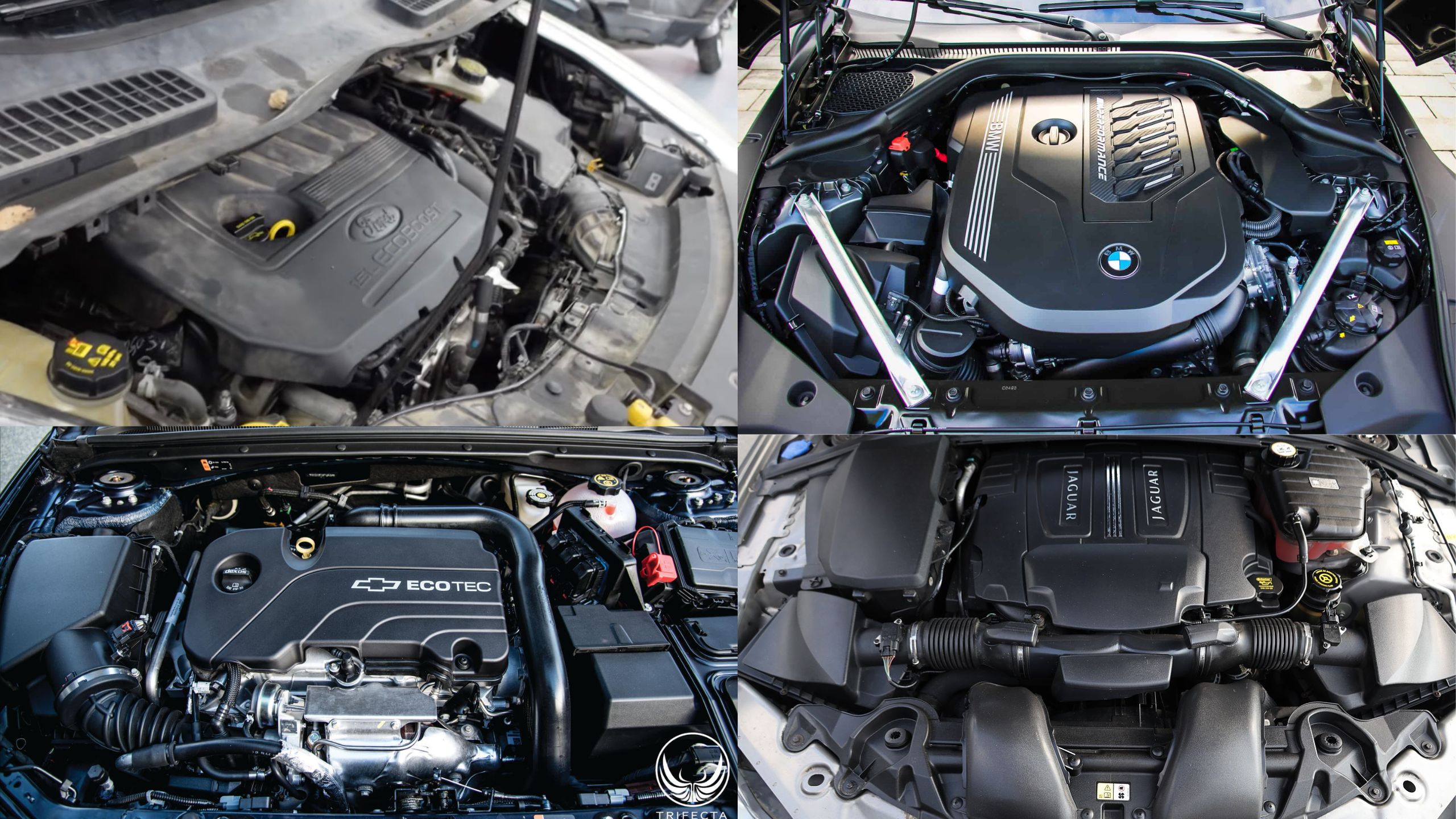
The automotive industry is currently going through a period of significant strategic realignment rather than a universal “ban” on specific internal combustion engines. By 2027, many iconic engines will be retired, but this is primarily a result of automakers discontinuing specific vehicle models as they transition toward electric and hybrid platforms, rather than a singular industry-wide directive to delete 10 specific engine types.
As global automakers balance aggressive electrification targets with the persistent reality of consumer demand for internal combustion engines, they are increasingly adopting a “hybrid-first” or flexible powertrain strategy.
Consequently, the automotive world in 2026 and 2027 is becoming more fragmented, with many manufacturers reinvesting in gasoline and hybrid technologies to maintain profitability while going through structural supply chain volatility and fluctuating EV interest.
This transition highlights a “structural realignment” where manufacturers remain pragmatic, ensuring that they provide reliable vehicles that meet both current environmental regulations and the practical needs of their diverse customer base.
1. Lexus 2UR-GSE (5.0L V8)
The Lexus 2UR-GSE is a legendary 5.0-liter naturally aspirated V8 engine that has served as the heartbeat of the brand’s most performance-oriented models for nearly two decades. Developed in collaboration with Yamaha, this quad-cam powerplant is celebrated for its linear power delivery, immediate throttle response, and a distinct, high-pitched exhaust note that contrasts sharply with the forced-induction engines common in modern luxury vehicles.
The engine’s construction reflects a “bulletproof” design philosophy, featuring an aluminum block and heads, a forged crankshaft, connecting rods, and titanium intake valves. These overbuilt internals allow it to rev freely to a 7,100 rpm redline, producing approximately 471 to 472 horsepower and 395 lb-ft of torque.
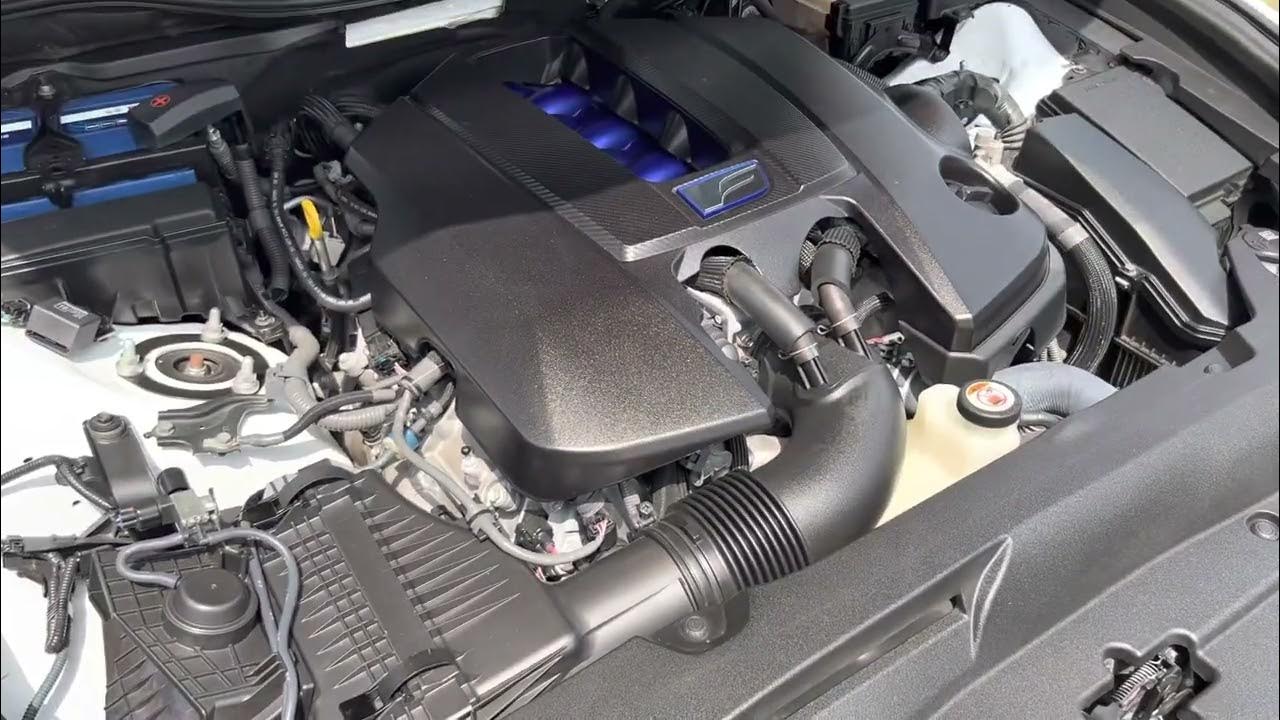
However, the 2UR-GSE is currently in the twilight of its production life as Lexus pivots toward electrification. In North America, the engine’s presence has diminished significantly; Lexus has already discontinued the V8-powered IS 500 F Sport, and the brand has officially confirmed that the flagship LC 500 coupe and convertible will end production in August 2026.
While the 2UR-GSE is bowing out in major markets, it remains available in select regions for the 2026 model year, such as the Middle East, where the high-performance Lexus RC F continues to be offered with this iconic V8. Its departure marks the end of an era for Lexus, closing a chapter defined by mechanical purity and the evocative, naturally aspirated symphony that has defined the brand’s performance identity since 2008.
2. Cadillac 6.2L Supercharged V8 (LT4)
The Cadillac 6.2L supercharged V8, known as the LT4, represents one of the most celebrated high-performance engines in the modern automotive era.
Its reputation is built on a “bulletproof” design philosophy, featuring a forged rotating assembly and a sophisticated supercharger system that delivers near-instant throttle response.
For many enthusiasts, the LT4’s appeal is further heightened by its availability with a 6-speed manual transmission, a pairing that has become nearly extinct in the luxury sedan market.
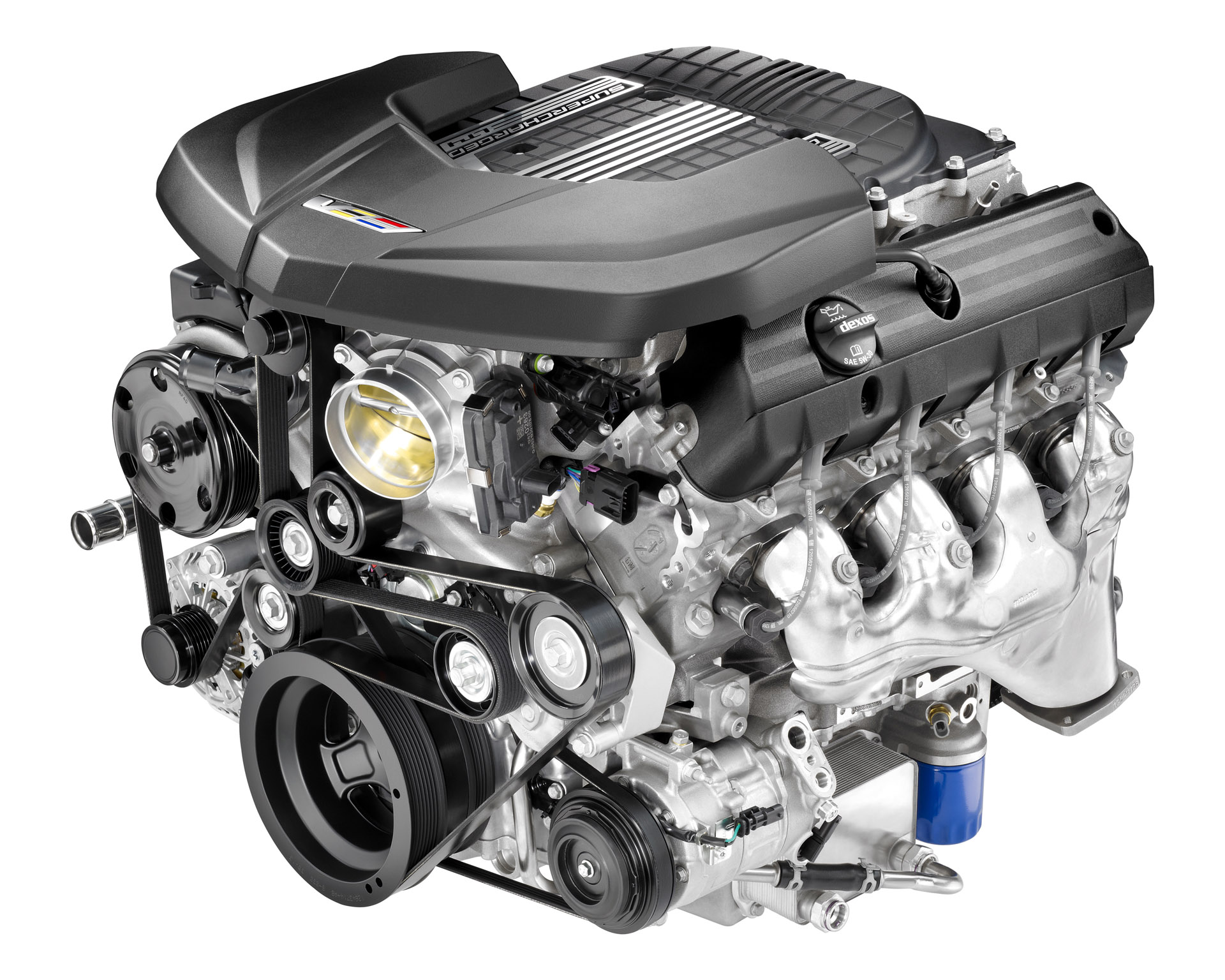
However, the LT4’s journey in the CT5 platform is reaching a formal end. Cadillac has officially confirmed that the current generation of the CT5, including the Blackwing variant, will cease production after the 2026 model year.
While this marks the end for the current sedan application, the LT4 engine architecture itself remains a cornerstone of General Motors’ performance portfolio, continuing to power other high-performance vehicles, such as the Cadillac Escalade V-Series.
While Cadillac has indicated that a next-generation CT5 is in development, potentially leaving the door open for future high-performance gas engines, the specific manual-transmission sedan configuration defined by this legendary V8 is set to become a sought-after collector’s item.
3. Cadillac 3.6L Twin-Turbo V6
The 3.6L twin-turbocharged V6 is a sophisticated, performance-oriented engine that serves as the centerpiece of the Cadillac CT4-V Blackwing. Engineered to deliver a balance of agility and power, this engine produces 472 horsepower and 445 lb-ft of torque, allowing the CT4-V Blackwing to achieve remarkable track performance.
Its design utilizes two low-inertia turbochargers to minimize lag, providing a broad, flat torque curve that makes the vehicle exceptionally responsive for both daily driving and spirited canyon carving. Like its larger V8 sibling, this engine has been widely praised for its ability to pair with a manual transmission, cementing its status as a favorite among driving purists.
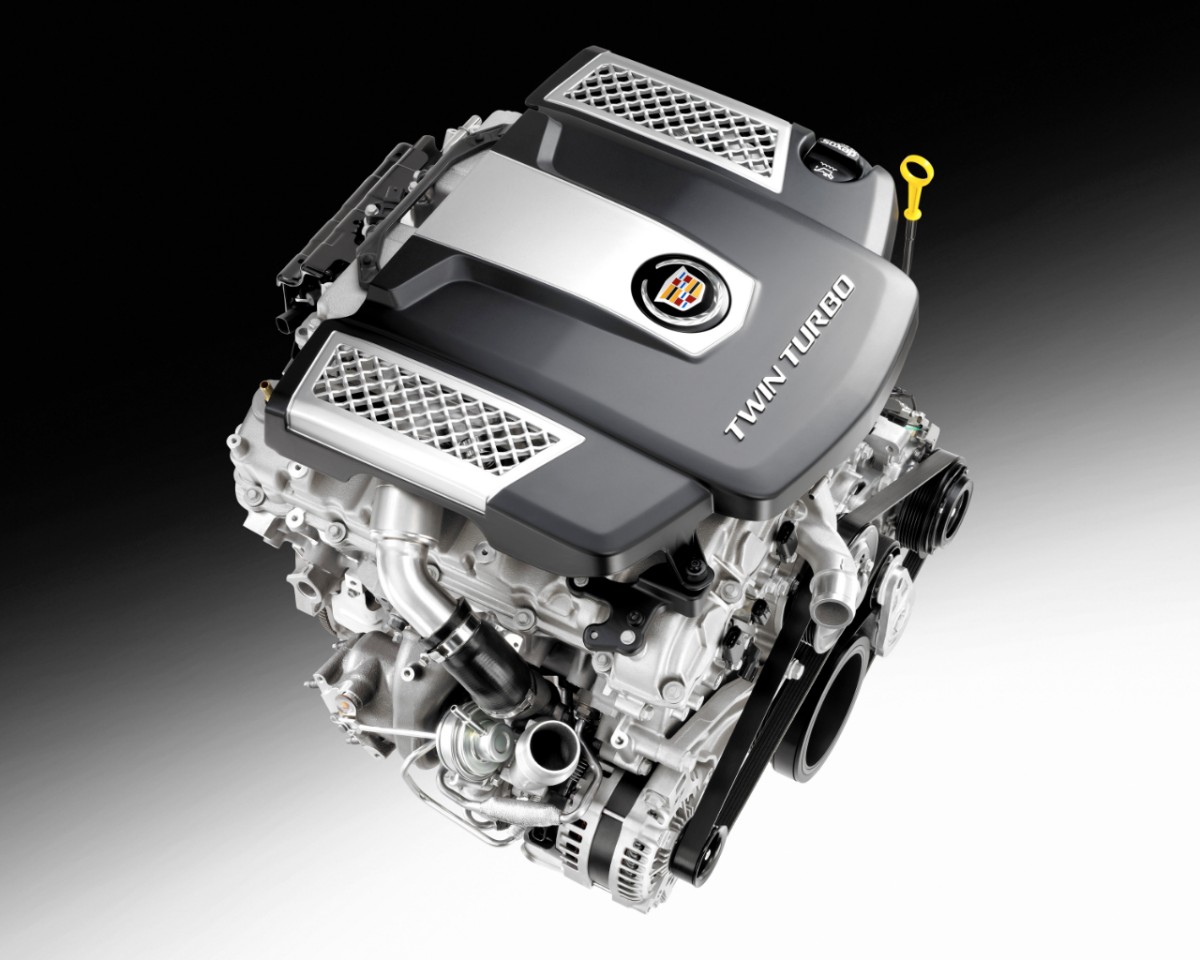
Despite its acclaim, the 3.6L twin-turbo V6 is being phased out as part of the broader discontinuation of the Cadillac CT4 model line. Cadillac has confirmed that production for the entire CT4 family, including the V-Series and Blackwing models, will conclude in June 2026.
Unlike the CT5, which has been promised a next-generation successor, Cadillac has not announced plans for a direct replacement for the CT4, effectively ending this engine’s tenure in Cadillac’s sedan lineup.
The retirement of this engine marks a significant shift for the brand, as Cadillac continues to reallocate its manufacturing and engineering resources toward its expanding electric vehicle portfolio and future luxury architectures.
4. Jeep 2.0L Turbo PHEV (4xe)
The Jeep 2.0L Turbo Plug-in Hybrid (PHEV) powertrain, widely known under the “4xe” branding, served as a significant bridge technology for the brand, combining a 2.0-liter turbocharged inline-four engine with electric motors to deliver 375 horsepower and 470 lb-ft of torque.
Renowned for its ability to provide silent electric-only driving for roughly 30 miles while maintaining the rugged off-road capability expected of a Jeep, the 4xe system was a key component in Jeep’s electrification strategy.
It offered a unique driving experience that blended environmental consciousness with substantial power output, catering to consumers who wanted a more sustainable way to enjoy their Wrangler or Grand Cherokee.
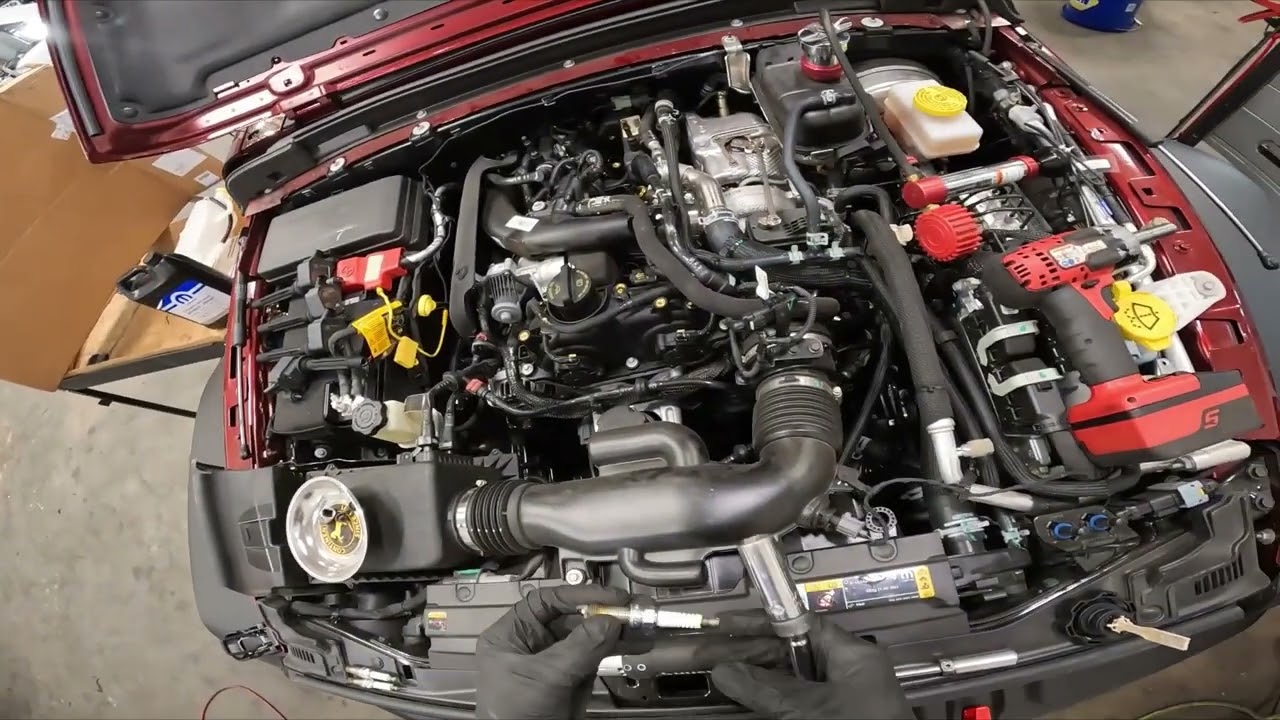
Despite its initial popularity and strong sales performance, Stellantis officially discontinued the 4xe PHEV powertrain across its Jeep lineup, including the Wrangler and Grand Cherokee, following the 2025 model year.
The decision to pull the plug on this system stems from a broader corporate shift; Stellantis has decided to move away from its North American PHEV programs in favor of focusing on other electrified solutions, such as battery-electric vehicles (BEVs) and more simplified hybrid systems.
While the 2.0L turbocharged gasoline engine continues to exist in various forms throughout the automotive world, the specific 4xe plug-in hybrid architecture has been retired as the company recalibrates its product development to better align with changing consumer demands and internal manufacturing priorities.
Also Read: 8 Hidden Features in the Toyota 4Runner
5. Chrysler 3.6L Pentastar PHEV
The Chrysler 3.6L Pentastar PHEV powertrain was the heart of the Chrysler Pacifica Hybrid, an engine configuration that distinguished the minivan as the only plug-in hybrid in its class.
By pairing a modified version of the ubiquitous 3.6-liter Pentastar V6 with an electric drive system, the Pacifica Hybrid offered a combined 260 horsepower and an impressive all-electric range of approximately 32 miles.
This setup allowed families to handle typical daily errands without consuming gasoline, all while retaining the legendary utility and spaciousness of the Pacifica platform, such as its stowable seating and high-end family-focused features.
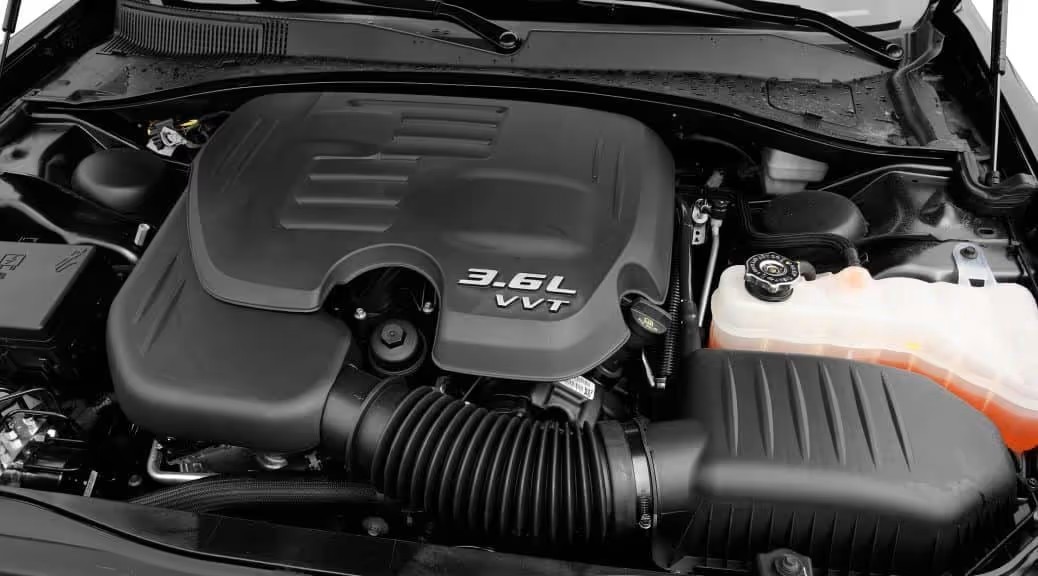
However, much like the Jeep 4xe models, the Chrysler Pacifica Hybrid has been discontinued as part of a major strategic pivot by Stellantis. Production for this specific plug-in hybrid variant concluded after the 2025 model year.
While the standard gasoline-powered 3.6-liter Pentastar V6 remains a core engine in the Chrysler lineup for the 2026 and 2027 model years, powering the conventional Pacifica models with 287 horsepower, the plug-in hybrid application has been completely phased out.
This shift reflects Stellantis’s decision to discontinue its North American PHEV offerings in favor of focusing on future electrified platforms that the company deems more competitive and aligned with its long-term strategic goals. For now, the Pacifica nameplate continues solely with internal combustion powertrains, closing the chapter on its status as a plug-in hybrid pioneer.
6. Ford 1.5L EcoBoost (Escape)
The Ford 1.5L EcoBoost engine has been a staple of the Ford Escape’s powertrain lineup, serving as an efficient and capable workhorse for the brand’s popular compact SUV.
This three-cylinder turbocharged engine was designed to offer a balance of fuel economy and punchy performance, making it a well-suited choice for daily commuting and urban driving.
Over its tenure, it became a core component of the fourth-generation Escape’s appeal, providing the necessary torque to move the crossover with ease while maintaining competitive efficiency ratings.
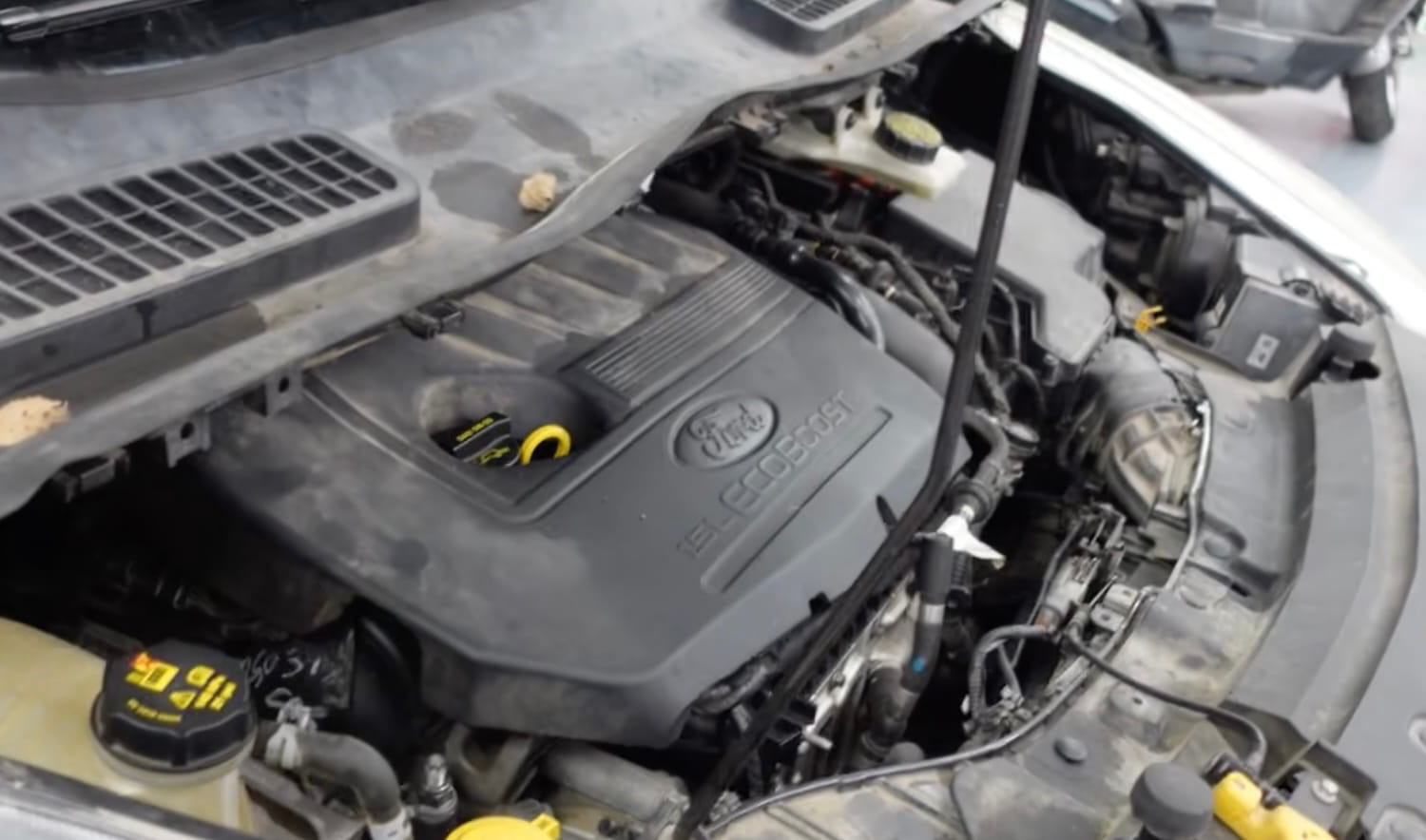
However, the 1.5L EcoBoost’s application in this model is reaching its end. Ford has officially confirmed that 2026 is the final model year for the Ford Escape, meaning this specific powertrain usage will be phased out of the company’s new-vehicle lineup.
As production of the Escape ceases to make room for new electric vehicle platforms and manufacturing shifts at the Louisville Assembly Plant, the 1.5L EcoBoost will no longer be available in this popular compact format.
While the engine architecture itself persists in other Ford vehicles, its role in the Escape, a vehicle that defined a segment for over two decades, marks the end of a significant chapter for the manufacturer’s internal combustion portfolio.
7. BMW B58 (Z4 Application)
The BMW B58 3.0-liter turbocharged inline-six is widely regarded as one of the finest modern engines, prized for its exceptional smoothness, reliability, and robust power delivery.
In the BMW Z4 M40i, this engine has been the standout feature, transforming the roadster into a high-performance machine capable of thrilling acceleration and effortless high-speed cruising.
Its modular design and forced-induction efficiency made it the perfect match for the Z4’s lightweight, rear-wheel-drive chassis, creating a driver-focused experience that resonated deeply with enthusiasts.
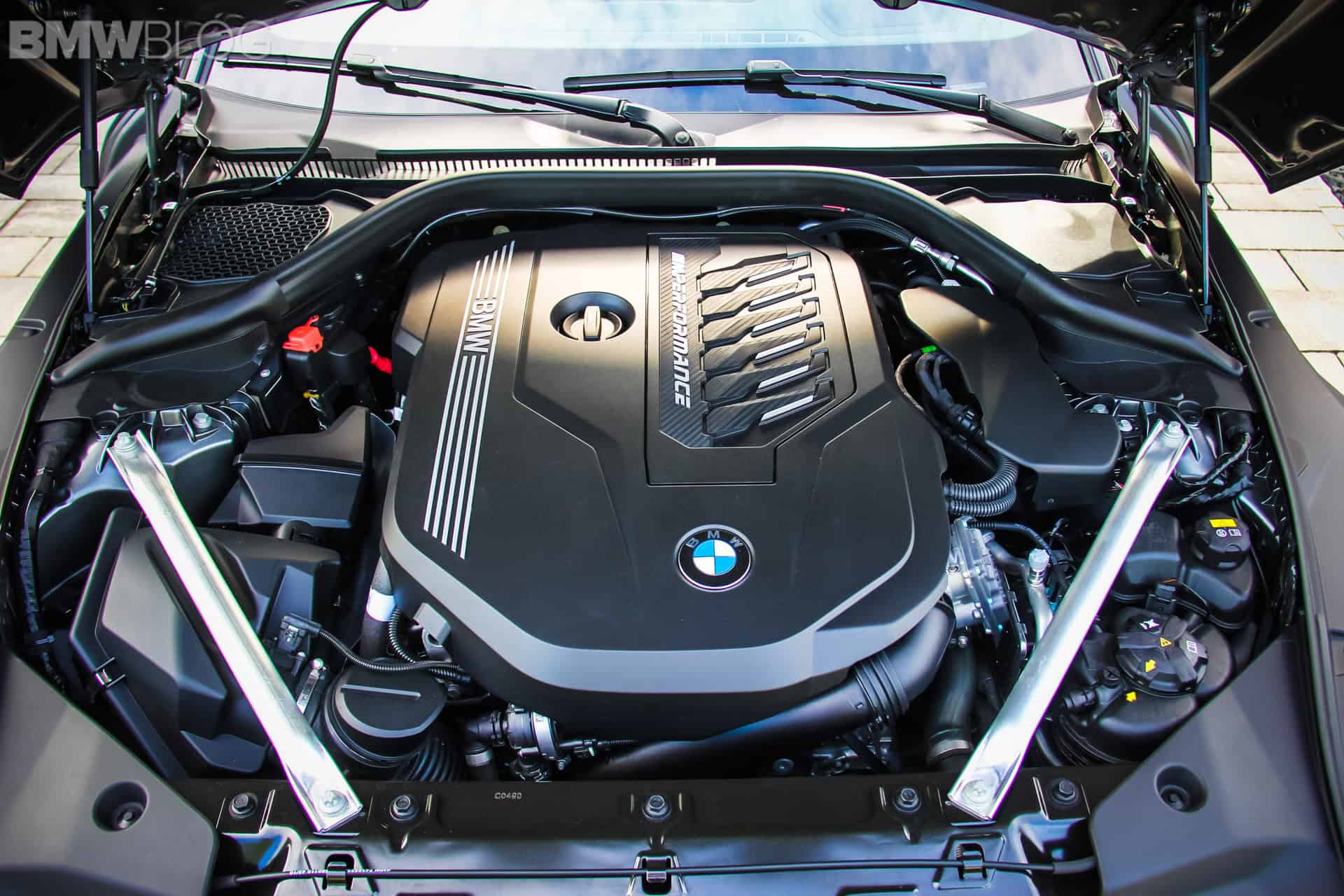
The application of the B58 in the Z4, however, is ending alongside the model itself. BMW has confirmed that production of the Z4 Roadster will conclude in March 2026 at the Magna Steyr plant in Graz, Austria.
As a result, the specific configuration of the B58 tuned for this iconic two-seater is being retired. While the B58 engine remains a cornerstone of BMW’s wider lineup, powering numerous other models like the 5 Series, X5, and X7, the “Z4 application” will cease to exist.
With no direct successor to the Z4 announced, the 2026 model year represents the final opportunity to purchase a new roadster featuring this legendary pairing, effectively cementing the Z4 M40i’s status as a future classic.
8. Jaguar 5.0L Supercharged V8
The Jaguar 5.0L Supercharged V8 (AJ-V8) is an iconic powerhouse that has defined the brand’s performance character for years. Known for its unmistakable supercharger whine, linear power delivery, and visceral exhaust note, this engine provided the muscle for Jaguar’s most capable vehicles, including the F-Pace SVR. It was a rare, high-displacement holdout in an era of downsizing, offering a raw, mechanical connection that became a hallmark of Jaguar’s “SVR” performance division.
The retirement of this engine marks the end of Jaguar’s celebrated V8 era. As part of a radical strategic shift toward an all-electric future, Jaguar has moved to retire its internal combustion performance engines.
Production of the F-Pace, the final vehicle to carry this legacy V8, officially ended in December 2025. With the closure of this production line and the company’s pivot away from traditional combustion, the 5.0L Supercharged V8 is no longer being installed in new Jaguar models.
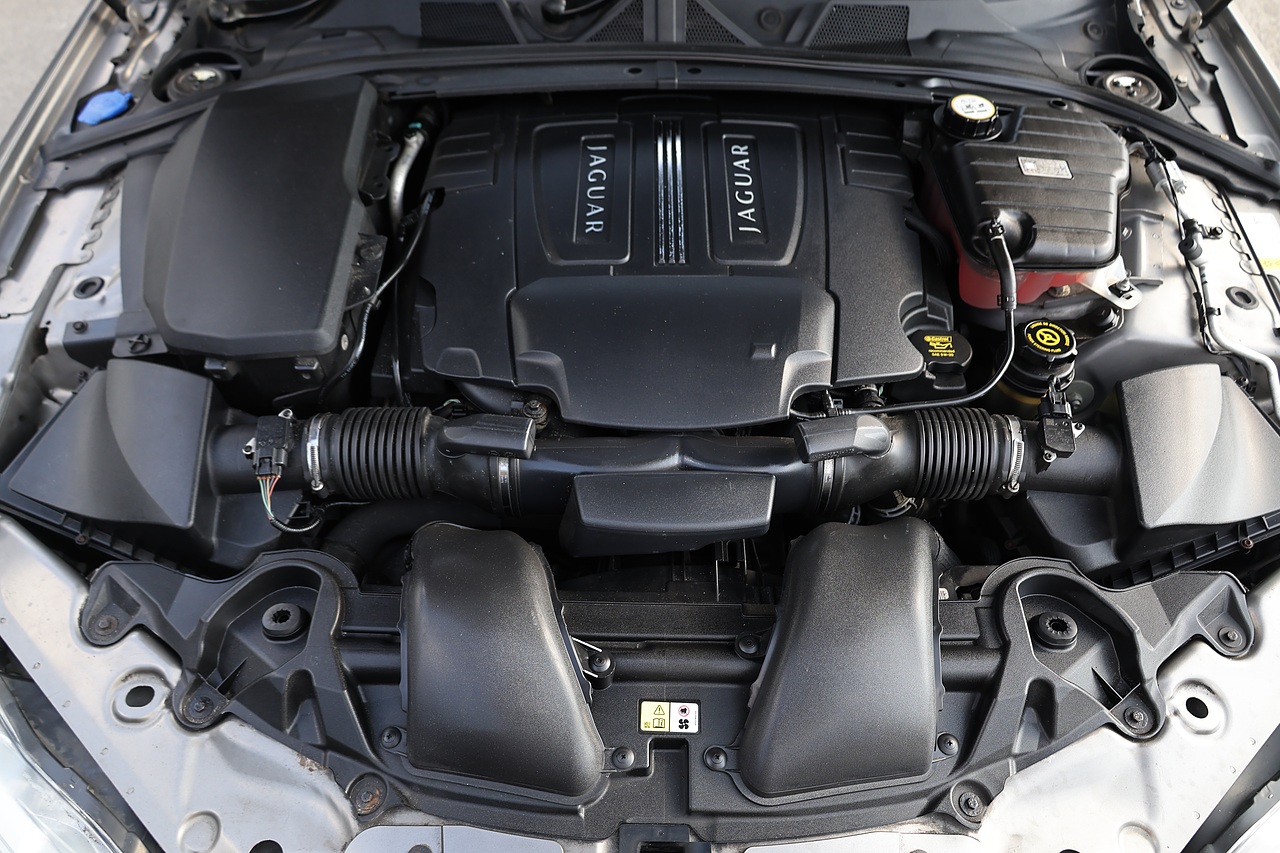
For enthusiasts, this engine’s departure signifies the end of a long-standing tradition of British performance engineering. As the brand transitions toward a fully electrified identity, the existing pool of supercharged V8 Jaguars is becoming a finite and highly valued asset for those who appreciate the unique character and history of this legendary powerplant.
9. Chevrolet 1.5L Turbo (Malibu)
The Chevrolet 1.5-liter turbocharged four-cylinder engine has been the sole powertrain for the ninth-generation Chevrolet Malibu since its last major update.
Producing 163 horsepower and 184 lb-ft of torque, this engine was designed primarily for efficiency and smooth daily commuting rather than high-performance driving.
Paired exclusively with a continuously variable transmission (CVT), it offered a reliable, albeit unpretentious, driving experience that favored fuel economy and ease of use over spirited acceleration.
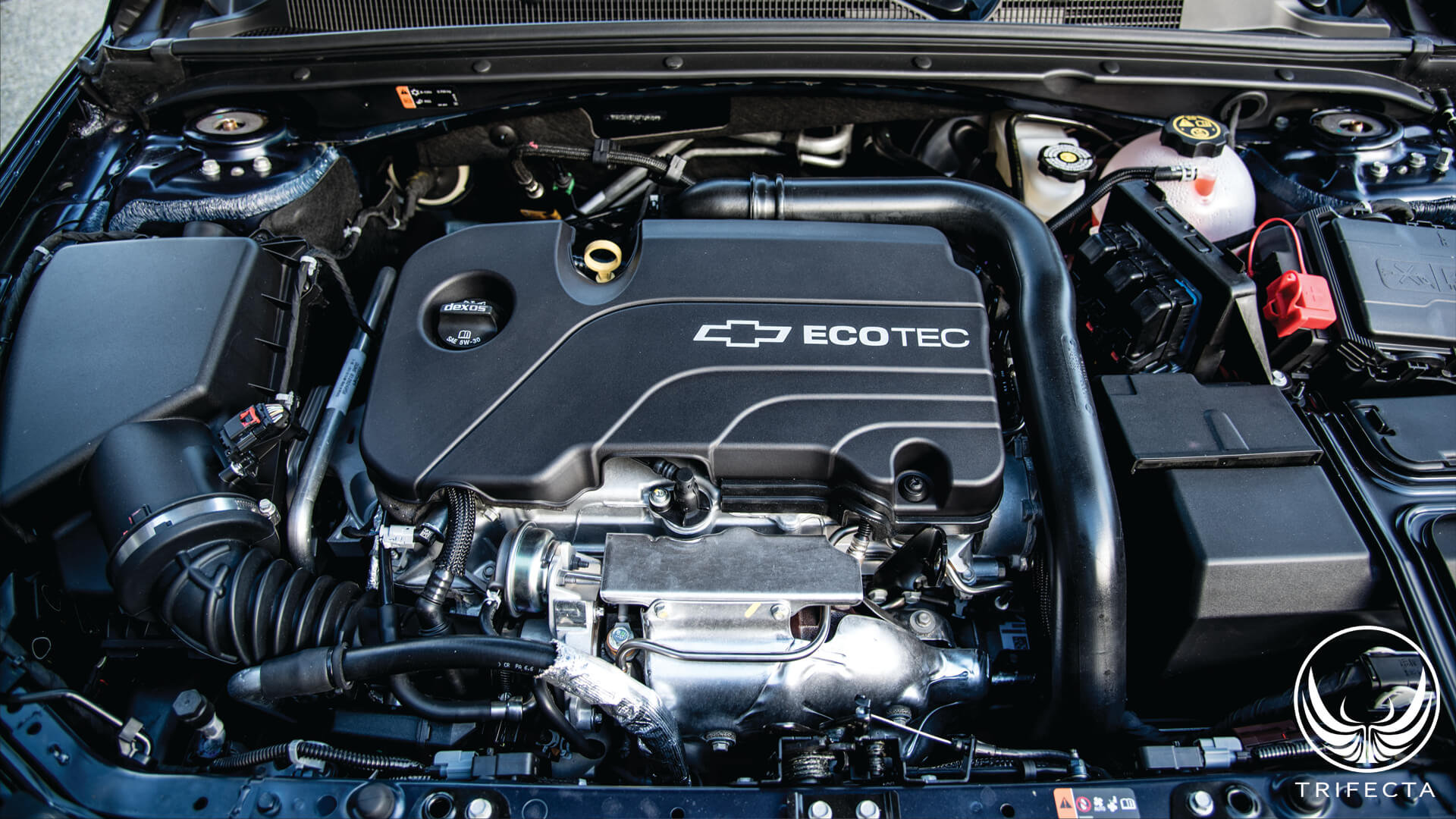
However, the 1.5L Turbo’s tenure in the Malibu has officially come to an end. Chevrolet concluded production of the Malibu in November 2024 at its Fairfax Assembly Plant, marking the retirement of the brand’s last gasoline-powered sedan in the United States.
The discontinuation of this engine application is a direct result of the sedan’s waning popularity as consumer preferences shifted toward SUVs, crossovers, and electric vehicles.
While the 1.5L engine architecture continues to exist within General Motors’ broader portfolio for other models, its role in the Malibu signifies the closing of a long-standing chapter for Chevrolet.
For many, the retirement of the Malibu and its 1.5L engine serves as a symbolic transition for the brand, which is now heavily reallocating its engineering resources and factory space toward the development of next-generation electric vehicles, such as the upcoming Bolt EV.
10. Nissan 2.5L 4-Cylinder (Altima)
The Nissan 2.5-liter QR25DE four-cylinder engine has long been a foundational powerplant for the Nissan Altima. As a naturally aspirated engine, it has earned a reputation for durability, balanced daily performance, and low maintenance requirements.
Currently producing 188 horsepower, this engine is designed to provide sufficient power for midsize sedan duty while maintaining respectable fuel efficiency.
In recent years, Nissan streamlined the Altima lineup by removing more powerful engine options, such as the 2.0-liter VC-Turbo, making the 2.5-liter unit the exclusive engine for all remaining trims.
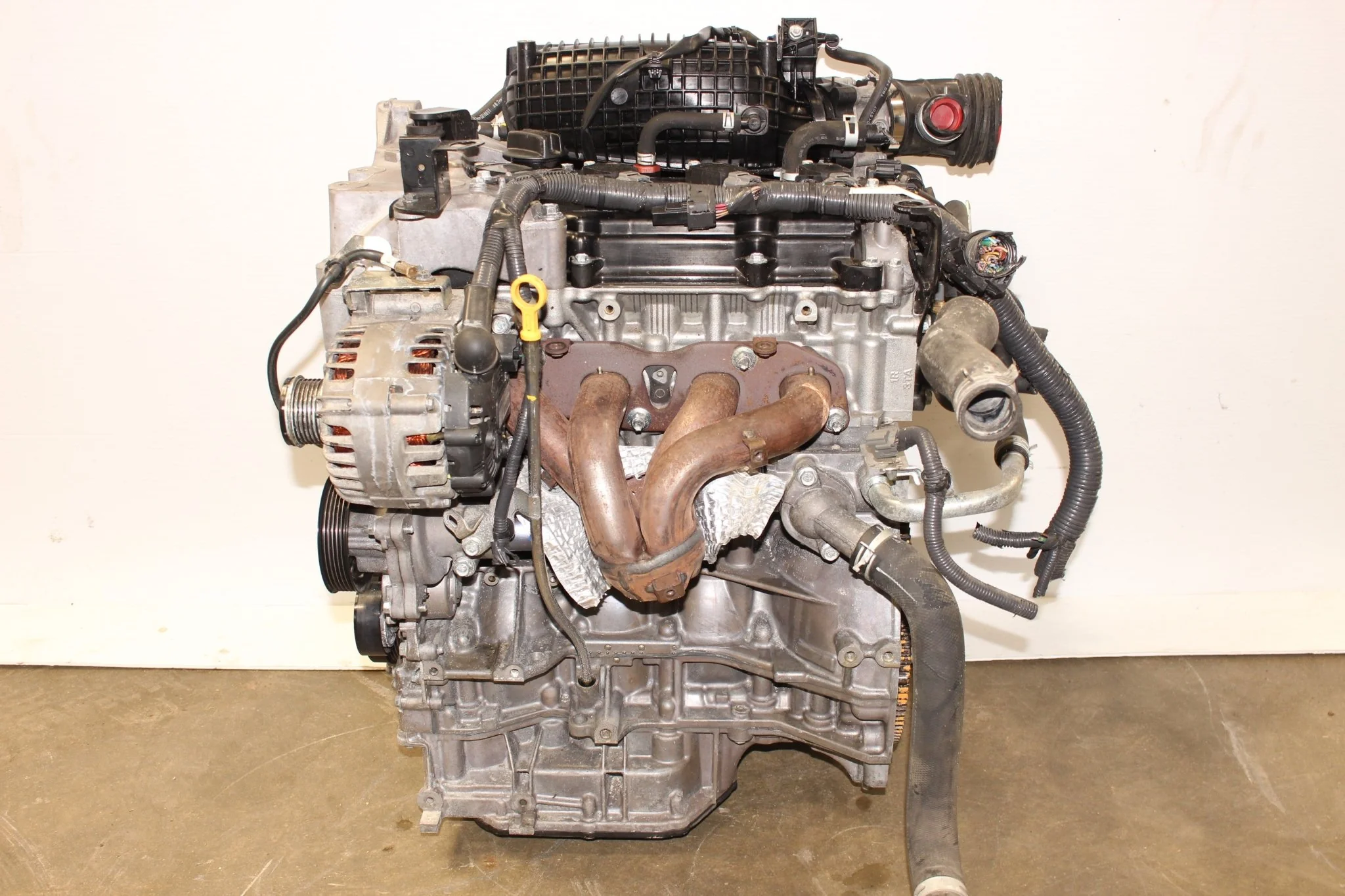
The Altima’s future, however, is increasingly uncertain as the midsize sedan market continues to shrink. While the 2026 model remains available in a simplified trim lineup consisting of the SV and SR, reports indicate that this generation of the Altima is approaching the end of its lifecycle.
Unlike the Malibu, which has already ceased production, the Altima has continued into the 2026 model year, serving as a legacy choice for drivers who prefer a traditional, gas-powered midsize sedan with available all-wheel drive.
Despite its ongoing availability, the broader industry shift toward electrified platforms suggests that the 2.5L QR25DE engine’s role in the Altima is nearing its sunset.
Also Read: 8 Settings to Turn Off Data Sharing in Modern Cars
