
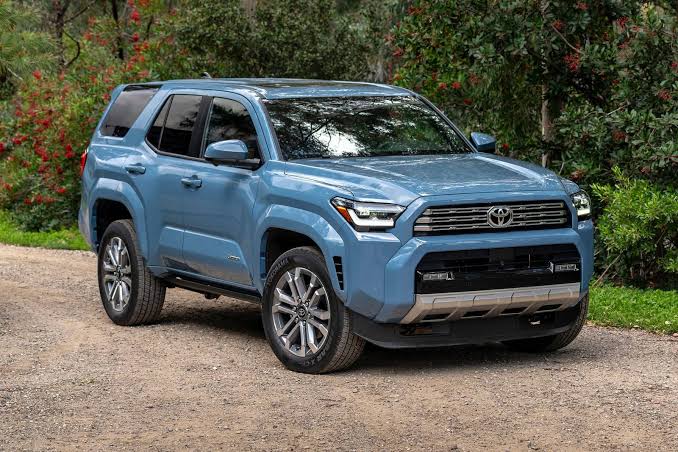
The Toyota 4Runner has built a cult following over five generations. It is known for toughness, simplicity, and off-road grit. But beneath its boxy body-on-frame shell, the 4Runner hides some genuinely clever engineering. Many owners drive one for years without discovering these tricks.
From suspension wizardry to a tailgate window that solves a dozen small problems, this SUV rewards those who dig deeper. These features rarely get advertised loudly.
Dealers focus on horsepower and towing numbers. The quieter engineering choices often go unmentioned in the showroom. This list uncovers eight of the 4Runner’s most useful hidden features. Each one adds real value on the trail or in daily life.
Some are mechanical marvels borrowed from Land Cruiser engineering. Others are simple conveniences that longtime owners swear by. Together, they explain why the 4Runner still has such a devoted fanbase. It is a vehicle built with thoughtful, unglamorous problem-solving.
Whether you already own one or are shopping for your first 4Runner, these details matter. They separate a good SUV from a genuinely smart one. Let’s walk through each hidden feature in detail. You may be surprised by how much this SUV actually offers.
1. Kinetic Dynamic Suspension System (KDSS)
Few 4Runner buyers know what KDSS actually does. It sounds technical, but the concept is simple. The Kinetic Dynamic Suspension System automatically decouples the sway bars when the vehicle tackles challenging off-road terrain. This gives each wheel far more freedom to move.
On pavement, sway bars keep the body flat through corners. Off-road, those same bars limit how far wheels can travel. KDSS hydraulically adjusts the lean resistance provided by the stabilizer bars, reducing sway resistance off-road to help minimize wheel lift. That means better traction on uneven ground.
On pavement, the system lets the bars work conventionally again, reducing body lean for sharper handling. It essentially gives you two suspension personalities in one vehicle.
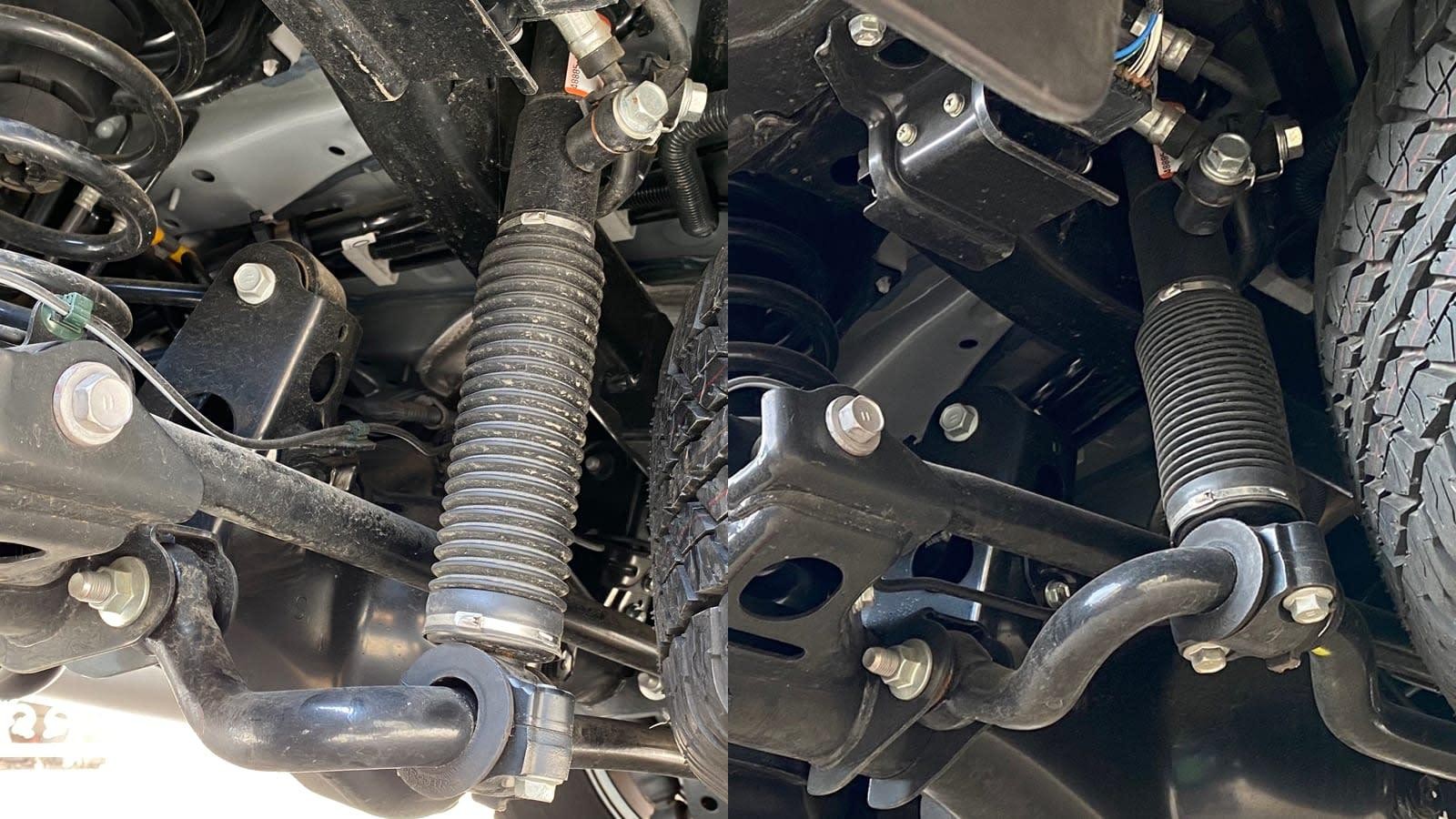
This system first appeared on the Land Cruiser before trickling down to the 4Runner. It was reserved for serious off-road trims. KDSS became a standard feature on the Land Cruiser and a valuable option on the capable 4Runner Trail trim. Not every 4Runner buyer even knows to ask for it.
The tradeoff is real. KDSS is notably absent from the TRD Pro trim, which some enthusiasts consider a genuine flaw. Toyota chose different priorities for that model.
Most shoppers walk past this option without a second glance. Yet KDSS quietly transforms how the 4Runner rides on rutted trails. Owners who cross washboard roads or rock gardens notice the difference immediately. Wheel articulation improves dramatically compared to non-KDSS models.
It is a hidden feature in the truest sense. The badge on the tailgate never mentions it, and few salespeople explain it well. If you’re cross-shopping trims, ask specifically about KDSS availability. It could be the difference between a bumpy trail and a controlled one.
2. The Sliding Rear Cargo Deck
This is one of the most underrated features Toyota has ever built into a mid-size SUV. Most buyers never even test it. The optional sliding rear cargo deck is one of the 4Runner’s most clever design touches. It transforms how you load and unload gear.
Instead of leaning deep into the cargo hold, the deck slides outward toward you. This saves your back on heavy items. The dealer-installed sliding cargo deck can support up to 440 pounds, which tailgaters especially appreciate. That is enough weight for coolers, gear boxes, or camping equipment.
Owners describe the deck as tailor-made for tailgating, offering a sturdy workspace to prep a cooler or work on a bike. It doubles as an impromptu bench too.
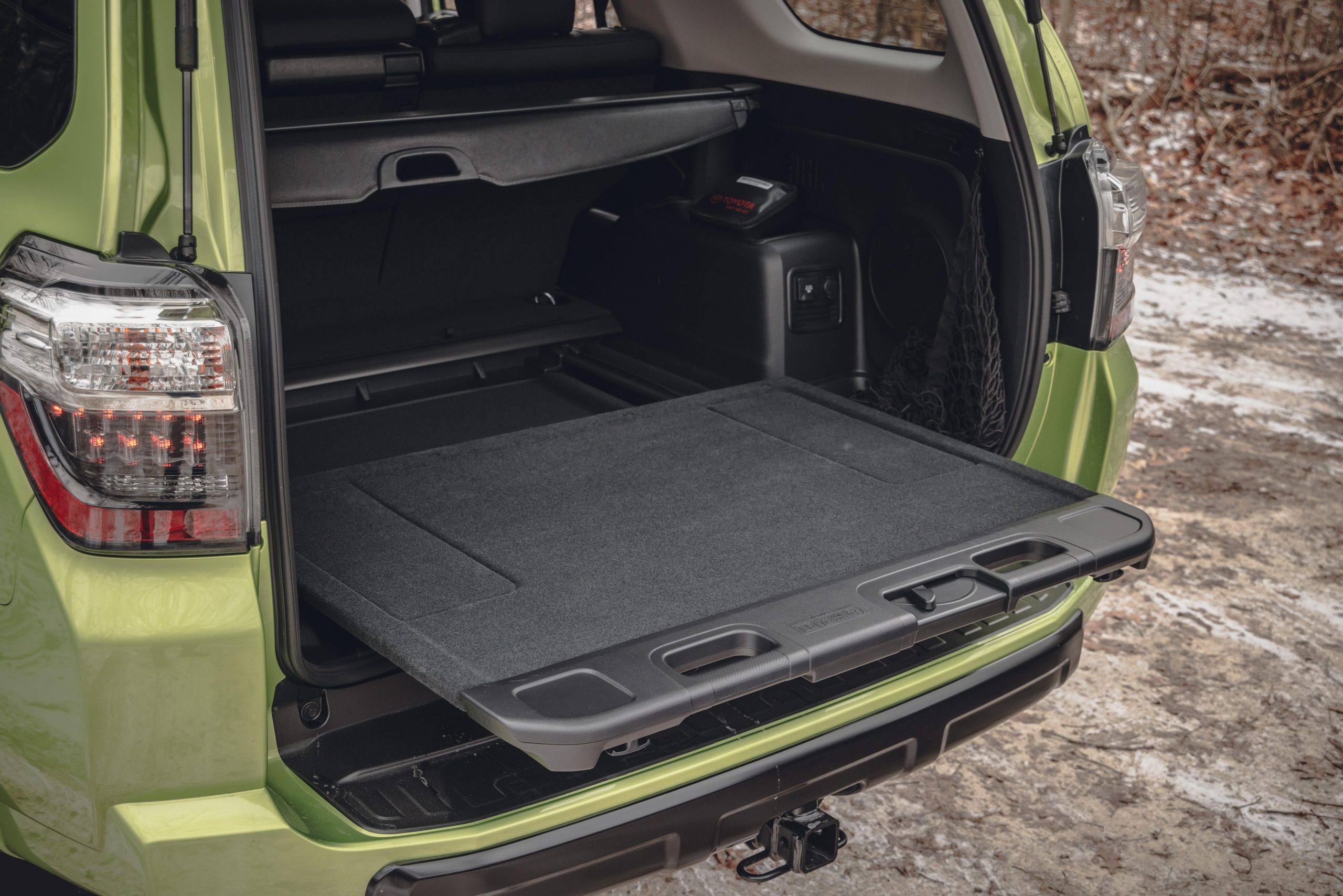
Underneath the deck sits hidden storage space. The sliding rear cargo deck includes an under-floor storage box built right into the design. Tools, straps, or muddy boots fit perfectly there.
This feature shines at trailheads and tailgate parties alike. It turns the back of the SUV into a functional outdoor station. Many competitors offer nothing comparable. Most rivals rely on a flat cargo floor with no sliding mechanism at all.
The deck also protects the factory carpet from scratches and spills. Everyday users appreciate this even without ever going off-road. It is optional equipment, so not every used 4Runner has it.
Shoppers hunting for one should specifically check for this add-on. Once you use a sliding cargo deck, going back feels like a downgrade. It is a small mechanical trick with an outsized daily benefit.
3. Crawl Control
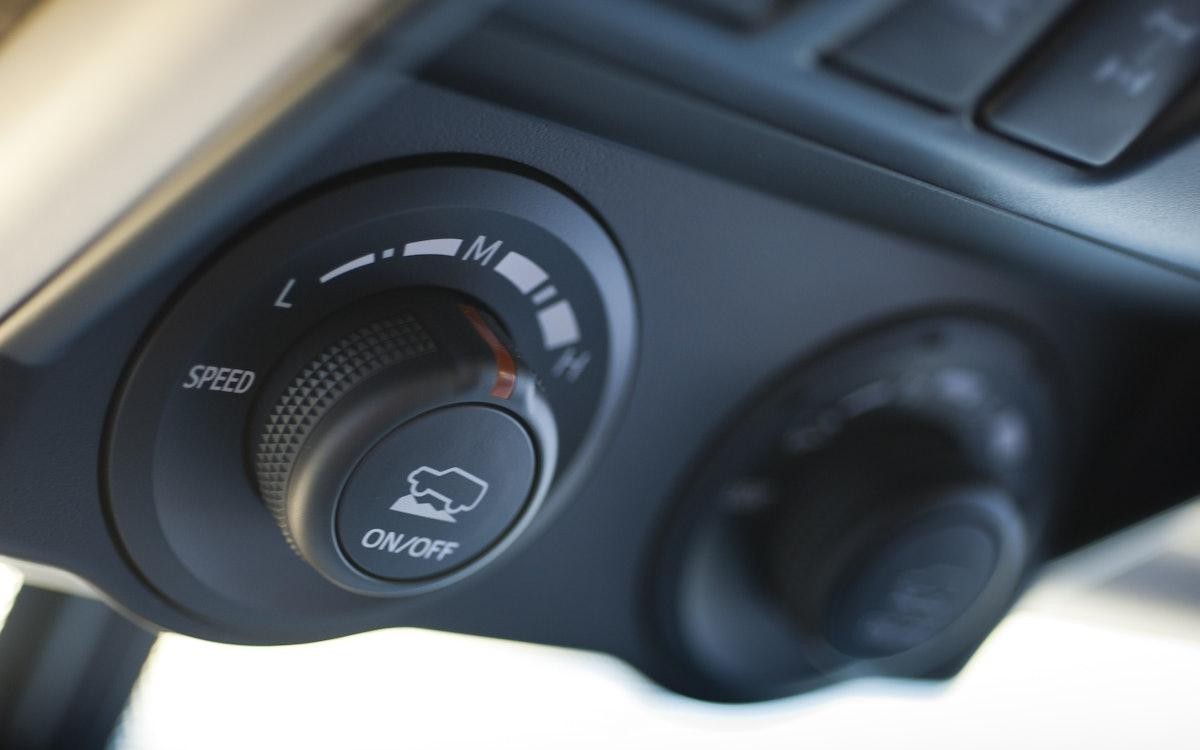
Crawl Control sounds like a gimmick until you actually use it on a steep, technical descent. Then it becomes indispensable. Crawl Control helps drivers traverse difficult terrain at low speeds by handling acceleration and braking automatically. The driver only needs to steer.
This frees up mental bandwidth during tense moments. Rock crawling or muddy descents demand full attention on the wheel. The system uses five low-speed settings that regulate throttle and brake control automatically for the driver. Each setting matches a different terrain challenge.
With the transfer case in low range, Crawl Control regulates engine speed and braking force to slowly move the vehicle forward or reverse. It functions almost like off-road cruise control.
One off-road journalist described using it on a rocky downhill path. Crawl Control carried the 4Runner up a mild, bumpy incline without any drama. The system simply worked in the background.
Many owners never activate this feature. It sits buried in a menu or dial, waiting for the right trail. Once discovered, it changes how confident drivers feel on technical terrain. Steep, loose descents become far less intimidating.
Crawl Control pairs closely with Multi-Terrain Select, and together they form the core of the 4Runner’s trail-ready toolkit. Both were engineered to work as a team.
This is a feature built for serious backcountry use. Casual commuters may go years without ever touching it. But for anyone heading toward Moab or rocky forest trails, it becomes a genuine lifesaver. Few hidden features offer this much practical value.
4. Multi-Terrain Select
Multi-Terrain Select is another feature buried behind a simple dial. Most buyers don’t realize how much control it actually offers. Multi-Terrain Select allows drivers to choose from four different terrain modes. Each mode adjusts throttle response and traction control differently.
Mud, sand, rock, and loose surfaces all behave differently under tires. This system tailors the drivetrain’s response to match. Trail-proven technology like Multi-Terrain Select and Crawl Control lets drivers tackle mud, sand, rock, or snow with confidence. Both systems reinforce one another.
One reviewer described turning a ceiling-mounted dial to shift Multi-Terrain Select into Rock mode before a technical descent. The change was immediate and noticeable.
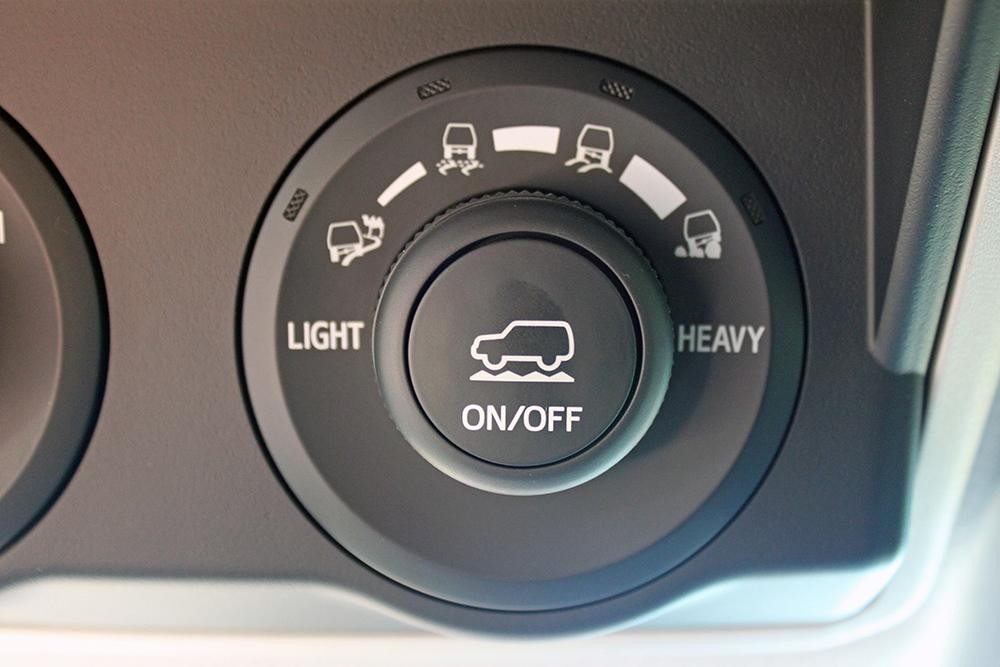
This is not a feature most SR5 buyers will use often. It shines specifically on the TRD Off-Road and TRD Pro trims. TRD Pro models add a Multi-Terrain Monitor, letting drivers check their surroundings by displaying front, rear, and side camera views. This pairs visibility with terrain-specific tuning.
Together, these systems reduce wheel spin without driver intervention. The computer reacts faster than most human reflexes could manage. For newcomers to off-roading, this is a confidence builder. It removes guesswork about which settings suit which surface.
Experienced off-roaders still appreciate the fine control it offers. It lets them fine-tune traction without constant manual adjustment. Like Crawl Control, this feature often goes untouched by daily drivers. But it remains one of the smartest hidden tools in the cabin.
Also Read: 10 Most Expensive Porsche Models Ever Made, Ranked
5. The Power Tailgate Window
Ask most 4Runner owners about their favorite hidden feature, and this one comes up constantly. It solves a problem you didn’t know you had. The powered tailgate window offers a two-fold benefit for owners. It is far more useful than it first appears.
It allows items to be loaded into the cargo area without opening the entire tailgate. That is a huge convenience in tight parking spaces. Grocery runs become simpler. You can slide bags through the window gap instead of swinging the whole tailgate open.
The second benefit involves visibility. If rearward vision gets hampered by dust or mud, lowering the window offers a quick temporary fix. No tools or cleaning required.
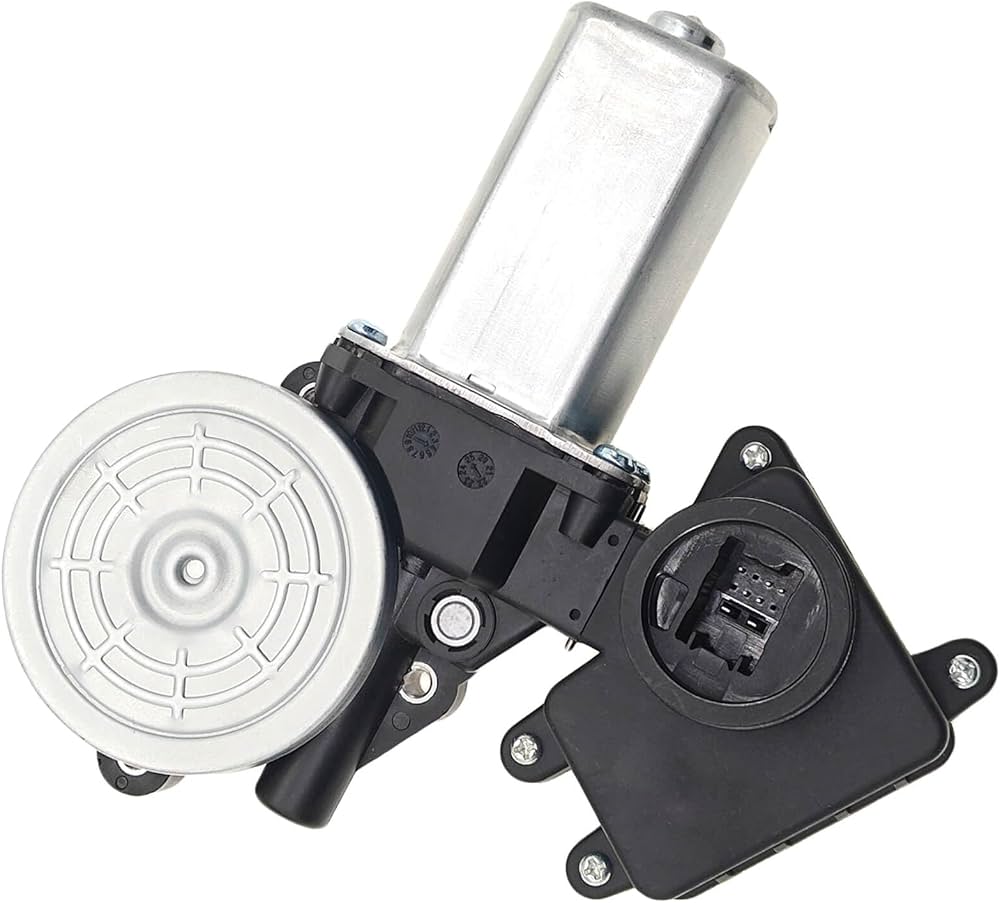
Long road trips through dusty back roads are benefited especially well. A quick window drop restores clear rear visibility instantly. This feature traces back decades in Toyota SUV design. The 4Runner has kept the powered version through multiple generations.
It rarely appears in marketing materials or brochure photos. Yet longtime owners consider it essential daily equipment. Campers use it for airflow at night, too. Cracking the window while parked lets fresh air circulate through the cabin.
It is also handy for long cargo items. Skis, lumber, or fishing rods can poke through safely when secured. Simple, mechanical, and endlessly practical, this window embodies the 4Runner’s design philosophy. Function always outranks flash.
6. Locking Rear Differential and A-TRAC
Traction systems rarely get much attention outside enthusiast circles. But this pairing quietly defines the 4Runner’s off-road reputation. The locking rear differential distributes power evenly to both rear wheels, maintaining a controlled pace on uneven surfaces. This matters most when one wheel loses grip entirely.
Without a locker, power routes to whichever wheel spins freest. That often means getting stuck rather than moving forward. The electronic locking rear differential distributes power evenly to both rear wheels for ultimate guidance and composure. It forces both wheels to turn together.
This becomes critical on rock crawling trails. The standard part-time four-wheel drive, locking rear differential, and terrain systems proved enough to inspire confidence on tough terrain. Many owners never test their limits.
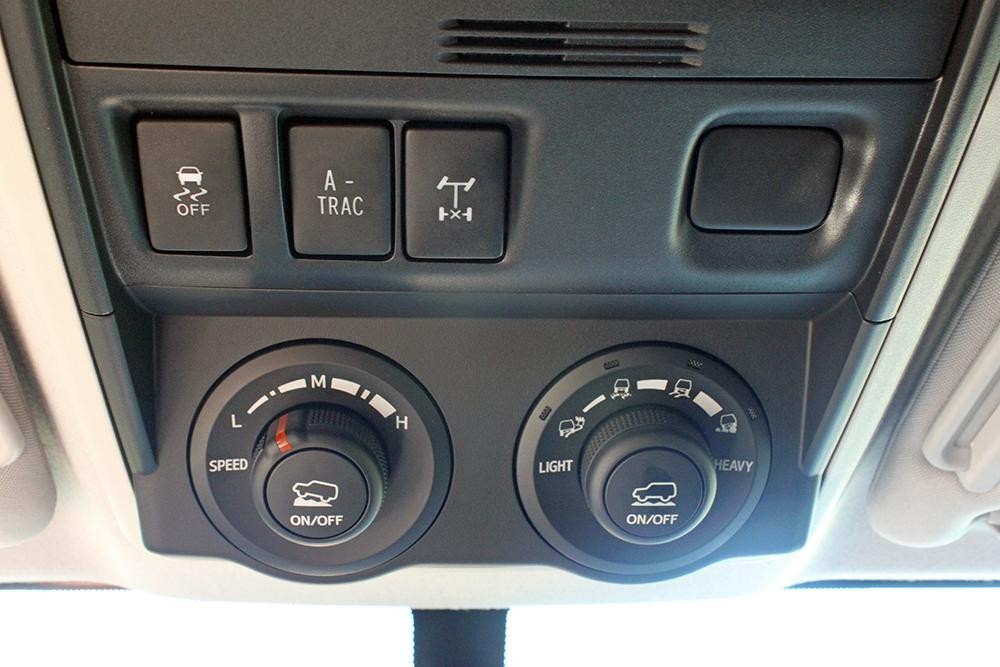
Active Traction Control, or A-TRAC, works alongside the locker. Most off-road situations can still be handled by the drivetrain thanks to 4WD and Active Traction Control. It applies brake pressure to spinning wheels individually.
Together, these systems replace what used to require manual locking hubs. Modern electronics handle the job automatically and instantly. TRD models add all-wheel drive along with the locking rear differential and multi-terrain selection with crawl control. These features form a complete package on capable trims.
Casual buyers rarely test this system’s true capability. It sits ready in the background during normal daily driving. Off-road enthusiasts, however, rely on it constantly. Steep, loose, or muddy inclines become manageable rather than dangerous.
This combination of hardware and software is why the 4Runner remains competitive against newer, flashier rivals. Old-school mechanical toughness still wins trust.
7. Onboard Power Outlets
Camping gear needs power, and the 4Runner quietly delivers more than most buyers expect. This feature hides in plain sight. The 4Runner comes standard with a 120V outlet along with two 12V outlets for powering accessories on the go. That is household-style power built into an SUV.
Campers use the 120V plug for small appliances. Coolers, lights, or even a portable coffee maker can run directly off it. This eliminates the need for a separate power inverter. Many SUVs require aftermarket solutions to achieve the same result.
The two 12V outlets support more traditional gear. Phone chargers, air compressors, and off-road lighting all connect easily. The 4Runner’s cabin also includes deep cubbies on the front row, great for stowing trail guides, along with three USB ports for keeping devices charged. Power access extends well beyond the cargo area.
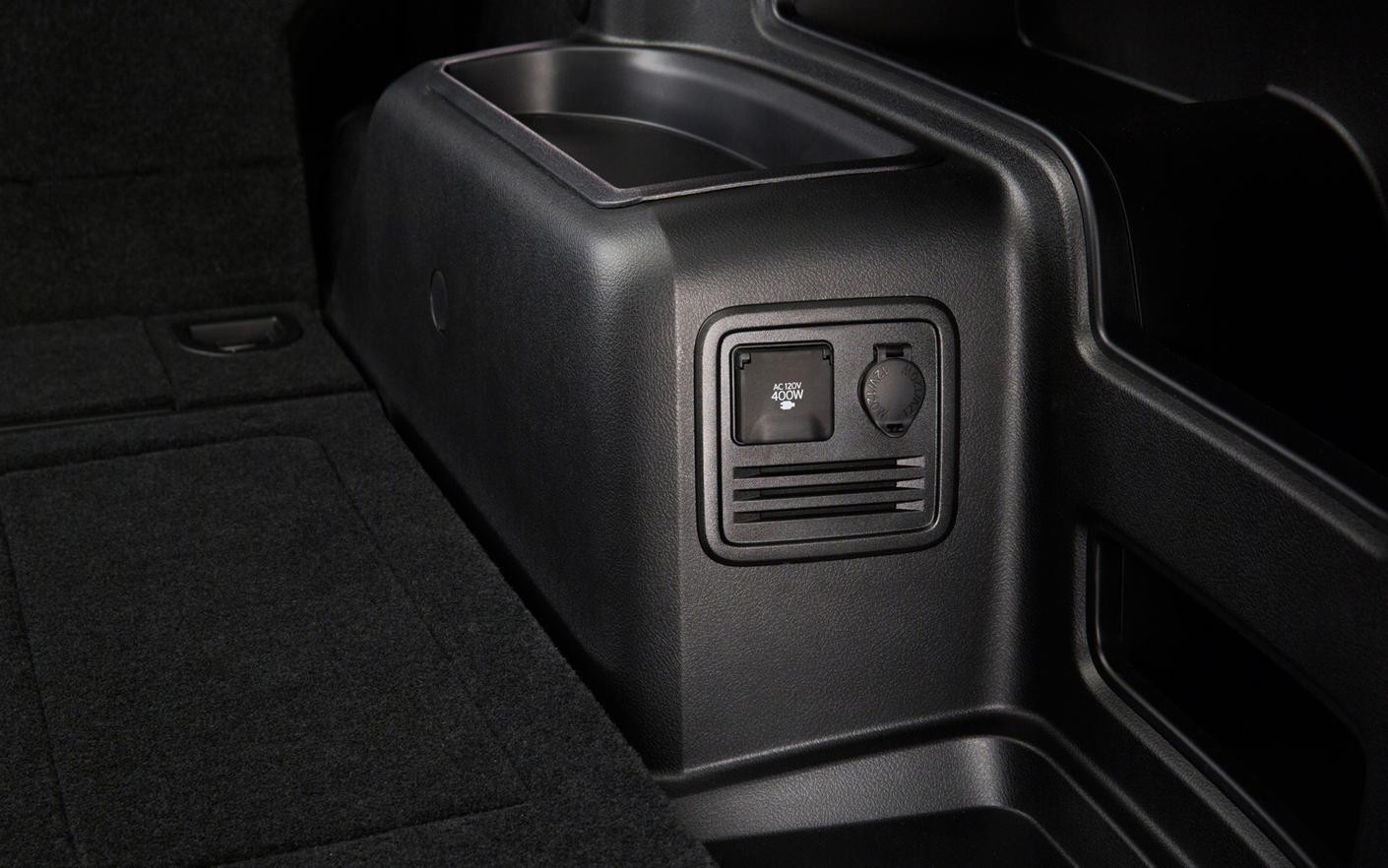
For overlanders and weekend campers, this hidden convenience matters enormously. Fewer accessories are needed to run a comfortable basecamp.
It also proves useful during emergencies. A dead phone or medical device can be charged directly from the vehicle. Few buyers cross-shop SUVs based on outlet count. Yet this small detail makes real camping trips noticeably easier.
Combined with the sliding cargo deck, the tailgate area essentially becomes a functional outdoor kitchen. Power, storage, and workspace all converge there. It is another example of Toyota prioritizing usability over marketing flash. The feature rarely appears in glossy advertisements at all.
8. X-REAS Adaptive Suspension
The final hidden feature lives specifically on higher trims like the Limited. It rarely gets explained clearly to shoppers. Available X-REAS Sport Enhancement Suspension helps the 4Runner remain a confident performer across mud, snow, rocks, and ice. The system adjusts damping automatically.
Limited models come equipped with an X-REAS, or cross-linked relative absorber system, adaptive suspension setup. This connects the shocks diagonally across the vehicle.
That cross-linking reduces body roll during cornering. It also smooths out bumps that would otherwise unsettle a taller SUV. Unlike KDSS, which targets serious off-road articulation, X-REAS focuses more on comfort. It suits Limited trim buyers who rarely leave pavement.
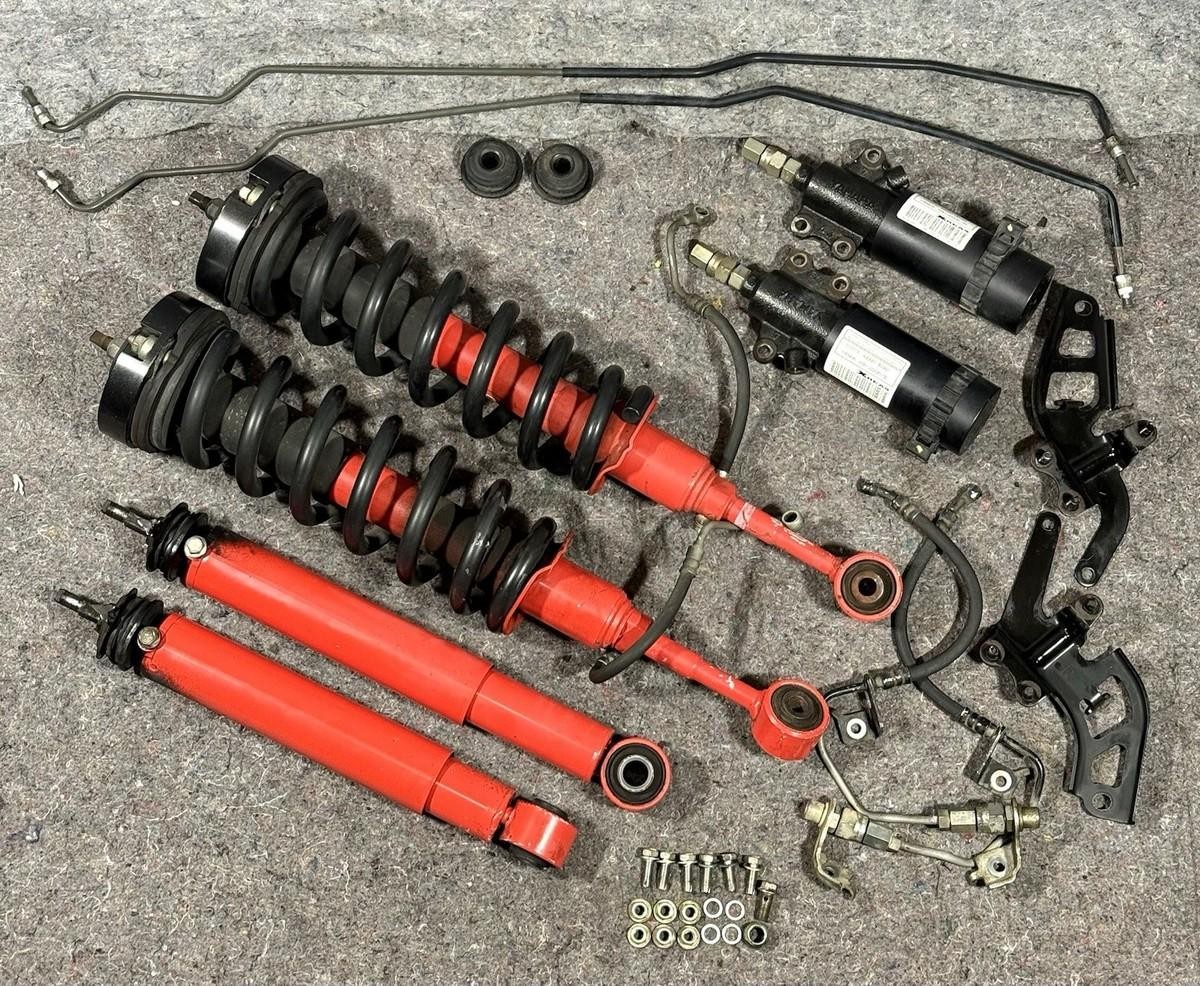
Limited trims also add dual-zone automatic climate control, heated and ventilated leather seats, and a power moonroof alongside this suspension system. The whole package targets comfort-focused buyers.
Few Limited owners realize their suspension setup differs mechanically from that of lower trims. It is not advertised prominently in most listings. This creates a strange irony within the lineup. The most luxurious 4Runner trim actually hides one of its most technical mechanical features.
Reviewers rarely dive deep into X-REAS specifics. Most road tests focus instead on interior materials and technology screens. But the system represents a real engineering investment. Toyota clearly wanted Limited buyers to get comfort without sacrificing all-weather capability.
Understanding this feature helps explain trim-level pricing differences. It is not just leather and gadgets driving the cost upward. For buyers cross-shopping Limited versus TRD trims, this suspension difference matters. Each targets a genuinely different kind of driver and terrain.
Also Read: 8 Cheapest Mercedes Cars Ever Made, Ranked
