
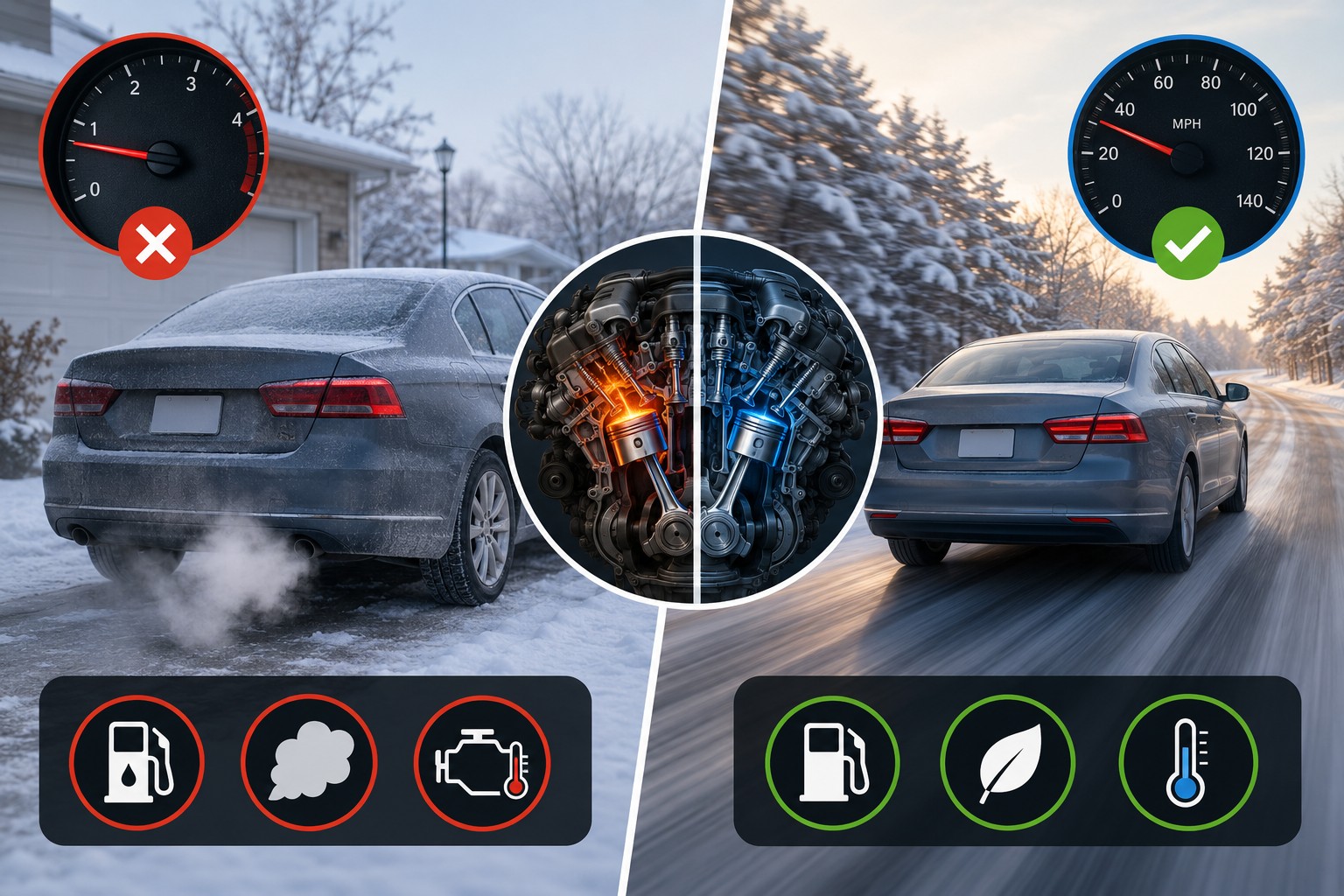
Cold mornings often bring out an old habit. Many drivers start their car and let it idle for several minutes before driving off. This tradition dates back decades to when cars had carburetors instead of fuel injection. Back then, warming up the engine was almost mandatory for smooth driving.
Today’s cars are built differently, with computer-controlled fuel injection and advanced lubricants. This raises a genuine question for modern drivers.
Does idling your car in winter actually protect the engine? Or is it an outdated habit that does more harm than good? The answer is more nuanced than a simple yes or no. It depends on how long you idle, your engine type, and your driving habits afterward.
This article breaks down the science behind cold engines and oil viscosity. We will explore what actually happens inside your engine during a cold start.
By the end, you will understand the real facts backed by mechanical engineering principles. You will also learn the best practices for starting your car in cold weather.
The Science Behind Cold Starts and Engine Oil
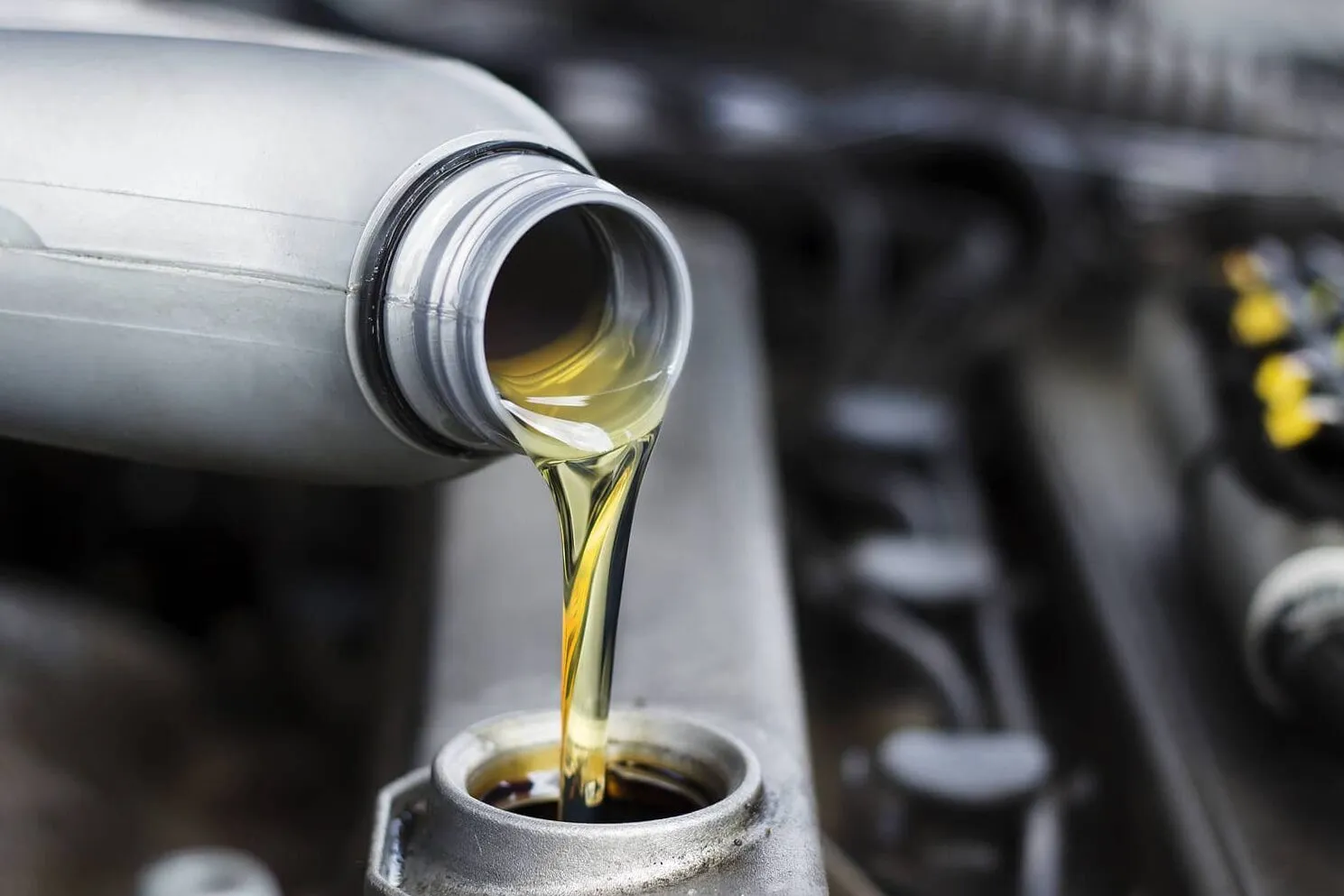
When an engine sits overnight in cold weather, the oil thickens significantly. Cold oil flows more slowly and takes longer to reach every moving part. This is the real concern behind cold starts, not the engine block itself. Engineers call this phenomenon “oil viscosity change” under low temperatures.
Modern engine oils use additives to combat this thickening process. Multi-grade oils like 5W-30 are specifically designed for cold-climate performance.
The first number, “5W,” indicates how the oil behaves in winter conditions. A lower number means the oil stays fluid even in freezing temperatures.
When you start your car, the oil pump immediately begins circulating oil. This happens within seconds, not minutes, in modern vehicles. However, thick cold oil still moves more slowly than warm oil initially. This means some parts experience slightly reduced lubrication for a brief period.
This is where the real wear happens, not from driving away quickly. Excessive idling does not speed up this lubrication process significantly. The oil warms up faster through combustion and movement than through idling alone. Driving gently right after starting actually raises the oil temperature quicker.
This is because idling generates less heat than actual driving does. The engine works harder and burns more fuel when moving. That extra work creates more heat, which circulates through the system faster. So idling for ten minutes doesn’t help oil reach optimal temperature any faster.
Mechanics generally agree that thirty seconds to one minute is sufficient. This allows oil pressure to stabilize before you start driving. Beyond that point, idling provides diminishing returns for engine protection.
Your engine actually warms up more efficiently through light driving. This is a crucial distinction that many drivers misunderstand. The old habit of five-minute warmups is largely unnecessary today.
Why Long Idling Can Actually Hurt Your Engine
Excessive idling in winter can cause several unexpected problems over time. One major issue is fuel dilution inside the engine oil. When an engine idles, it runs on a richer fuel mixture temporarily. This is necessary for cold combustion but has side effects.
Unburned fuel can seep past the piston rings and into the oil. This dilutes the oil and reduces its lubricating properties. Over time, repeated fuel dilution can lead to premature engine wear. It also increases the risk of oil sludge buildup in the long run.
Another problem with prolonged idling is spark plug fouling. Cold idling produces incomplete combustion, especially in short bursts. This incomplete combustion leaves carbon deposits on spark plugs and cylinder walls. Over months of winter idling, this buildup can affect performance.
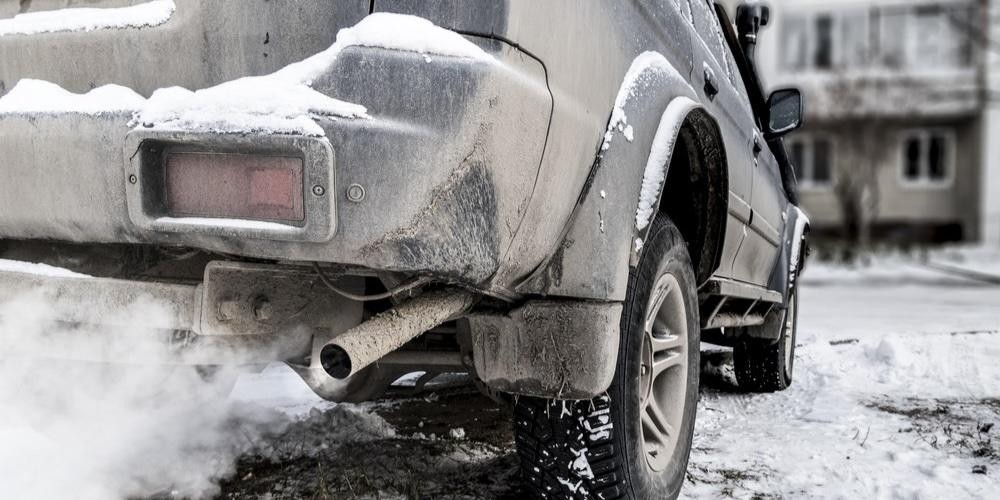
Idling also wastes a significant amount of fuel unnecessarily. Ten minutes of idling can burn nearly a quarter of a gallon of gas. Multiply that over an entire winter season, and the cost is substantial. This is money spent without any real mechanical benefit.
There’s also an environmental cost tied to unnecessary idling. Cars produce emissions even while stationary, contributing to local air pollution. In many regions, idling for extended periods is legally restricted. Some cities impose fines for idling beyond a certain time limit.
Modern catalytic converters also work best at operating temperature. Idling delays the converter from reaching that temperature efficiently. This means idling cars often emit more pollutants than driving cars. The catalytic converter needs exhaust flow and heat to function properly.
Additionally, long idling doesn’t warm up other crucial components. Tires, transmission fluid, and brakes only warm through actual movement. So while your engine idles, your tires remain cold and less grippy. This can actually make your first few minutes of driving less safe.
The Right Way to Start Your Car in Winter
The best approach combines a brief warmup with gentle initial driving. Start your car and let it run for thirty to sixty seconds. This allows oil pressure to build and reach critical engine components. You don’t need to wait for the engine to feel warm.
After this short period, begin driving but avoid aggressive acceleration. Keep your RPMs low and speed moderate for the first few minutes. This gentle driving style allows the entire vehicle to warm up together. The engine, transmission, and tires all reach optimal temperature simultaneously.
Avoid flooring the accelerator or revving the engine hard when cold. This puts unnecessary stress on components that aren’t fully lubricated yet. Give your car roughly five to ten minutes of easy driving. By then, most systems should be operating near normal temperature.
If you drive an electric vehicle, the situation is quite different. EVs don’t have engine oil, so this concern doesn’t apply. However, EV batteries do perform worse in cold weather temporarily. Preconditioning the battery while plugged in is the recommended approach instead.
For gasoline and diesel vehicles, remote starters can be helpful in winter. They let you warm the cabin without standing outside in the cold. Just remember that remote starting doesn’t mean you should idle longer. The same thirty-to-sixty-second rule still applies for engine health.
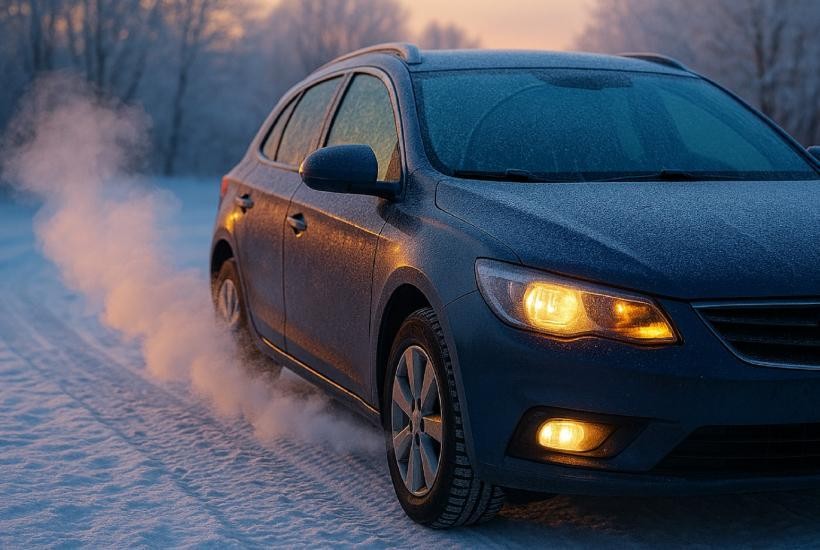
Diesel engines are a slight exception to this general rule. They often benefit from a bit more warm-up time in extreme cold. This is because diesel combustion relies more heavily on compression heat. Very cold temperatures can affect diesel fuel viscosity as well.
If you live in extremely cold climates, block heaters are worth considering. These plug-in devices warm the engine block before you even start it. Block heaters reduce strain during startup and improve fuel efficiency significantly. They are common and highly recommended in places like Canada and Scandinavia.
Regular maintenance also plays a huge role in cold-weather performance. Using the manufacturer-recommended oil grade matters more in winter than in summer.
Check your owner’s manual for the correct winter oil viscosity rating. Using the wrong oil can worsen cold start problems considerably. Battery health is another often-overlooked winter concern for drivers. Cold weather reduces battery capacity and cranking power significantly.
Have your battery tested before winter arrives to avoid starting failures. A weak battery struggles more in cold temperatures than a healthy one. Warming up your car briefly is genuinely helpful for engines. But excessive idling for many minutes offers no real added protection.
The healthiest approach blends a short warm-up with careful early driving. This protects your engine while saving fuel and reducing emissions. Old habits are hard to break, especially ones passed down for generations.
But understanding modern engine technology helps you make better decisions. Your car, wallet, and the environment will all benefit from this small change. A thirty-second warmup followed by gentle driving is truly the ideal winter routine.
Also Read: 8 Vehicles That Aced the Updated Side-Impact Test
